Summer Reading: The Murder Game: Play, Puzzles and the Golden Age

Our Summer Reading series continues this week with a deep dive into classic and modern murder mysteries and how they’ve shaped and been shaped by puzzly design!

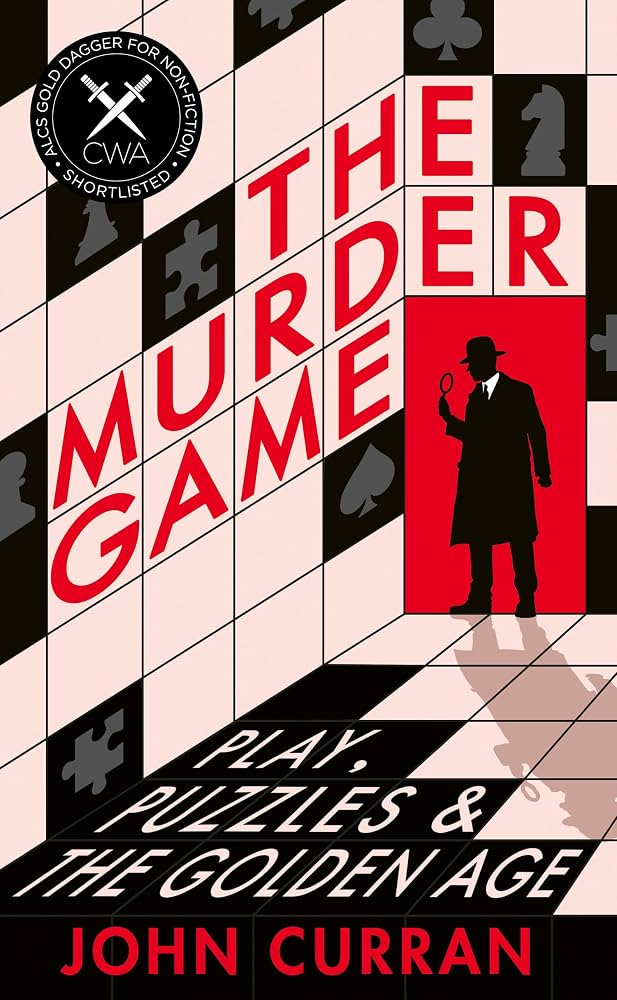
This week, join me as I explore The Murder Game: Play, Puzzles and the Golden Age by John Curran.
From the works of Edgar Allan Poe, Agatha Christie, and Dorothy Sayers through to the modern day, mystery writers have been engaged in an unspoken game with their readers. As A.E.W. Mason put it:

The author’s aim is to keep the reader guessing, where the puzzle, the whole puzzle, and nothing but the puzzle is his intention, the crime is discovered in the first chapter and thereabouts, the circumstances are made conventional so as not to distract the reader from the riddle; and the characters one after the other are shown to be all so obviously suspect or all so obviously innocent that no one shall be able to spot the criminal until in his last words the author hands him over to the police.

The puzzle plot, as some call the elaborate web woven by mystery writers, has evolved over the decades. Their rules have changed and grown better defined, authors have included maps and floor plans to aid readers in unraveling the mystery, and the game continues.
… some readers find the same satisfaction in detection that they find in doing a demanding crossword puzzle… You are competing with an adversary who cannot possibly cheat you, and need never outwit you, because his statement is frozen on the paper and he cannot, as he would in, say, a game of chess, adjust his strategy to yours. — Erik Routley

The Murder Game explores the origins of the puzzle plot, offering examples of its earliest iterations and the many, many forms it has taken across thousands of novels since. Curran’s voluminous knowledge of not only the Golden Age of mystery writing, but the present day as well, is truly impressive, and you feel like you’re being escorted through the puzzle plot’s development step by step.

It was great fun to read through the increasing complexity of the mysteries presented across decades, as well as the challenge involved in creating genuinely satisfying locked-room mysteries and “impossible” crimes. The transition from whodunit to howdunit was fascinating!

Despite the numerous examples of various tropes and techniques, Curran never lost sight of how puzzle-solving and mystery-solving go hand-in-hand. He shared examples of how puzzles have helped evolve mystery writing in exciting new directions — jigsaw mysteries, mapbooks, Cain’s Jawbone — all while remaining distinctly separate in important ways.
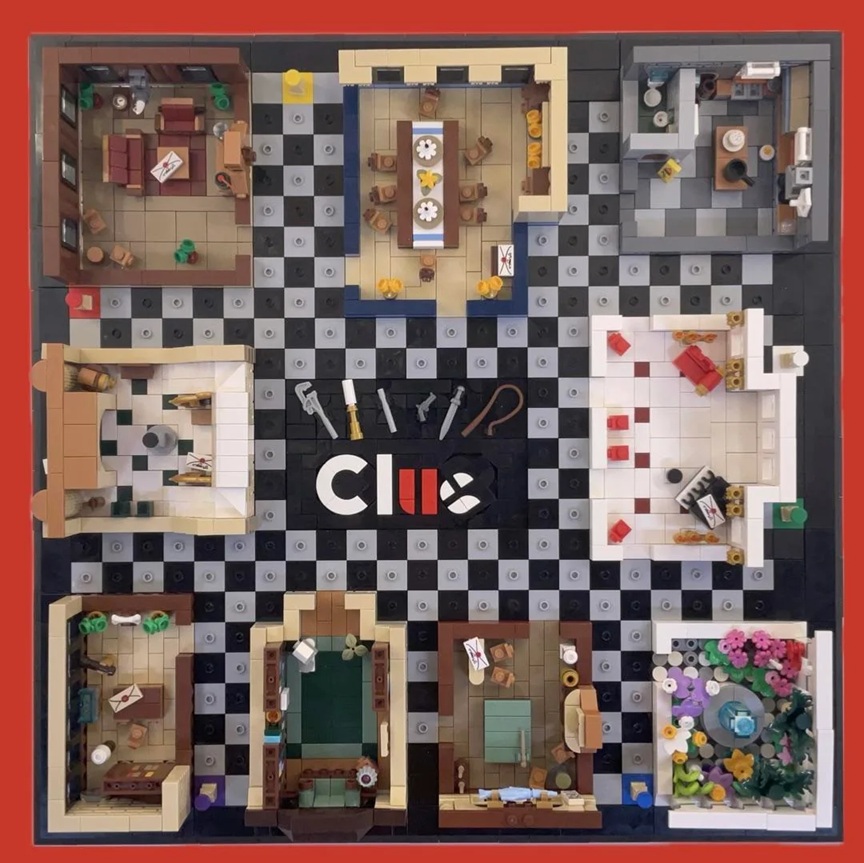
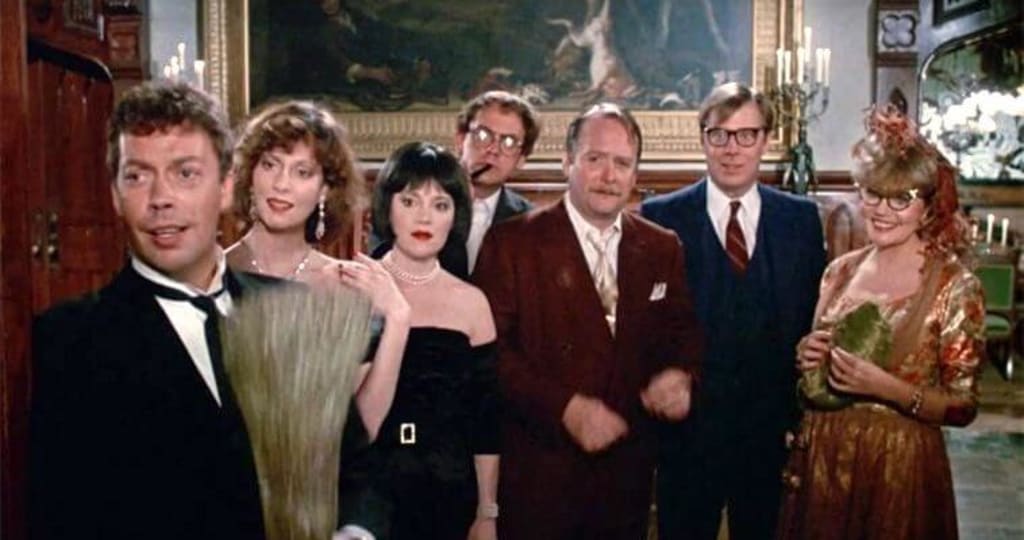
He even offered a delightful interlude with Clue/Cluedo as both base template and tongue-in-cheek reflection of murder mystery stories, complete with lists of similar suspects, scenarios, and locations from throughout the genre’s history.

Whether you’re a puzzle fan or a devotee of murder mysteries, The Murder Game is an engrossing, enjoyable read that feels like an in-depth study delivered by a trusted friend. It’s literary history, gaming insight, and an exhaustive exploration of the tropes, tricks, and quirks of the genre, all steeped in the attention to detail that can only come from a diehard fan.


Are you doing any reading this summer, puzzly or otherwise, fellow reader? Let me know in the comments section below! I’d love to hear from you.
Tsuro Celebrates 20 Years with a Big Competition and a Grand Prize!

Tsuro is one of my all-time favorite board games.

Ever since I first saw it played on Wil Wheaton’s Tabletop YouTube series, I was hooked. I bought my own copy a year later, and for over a decade, it has been in regular rotation on board game nights. I’ve included it in every Holiday Puzzly Gift Guide since I started the blog.

Tsuro is a beautiful, simple game that only takes about twenty minutes to play. You can play with as few as two players or as many as eight. It can be the centerpiece of a game night or the perfect palate cleanser after a more stressful round of another game.

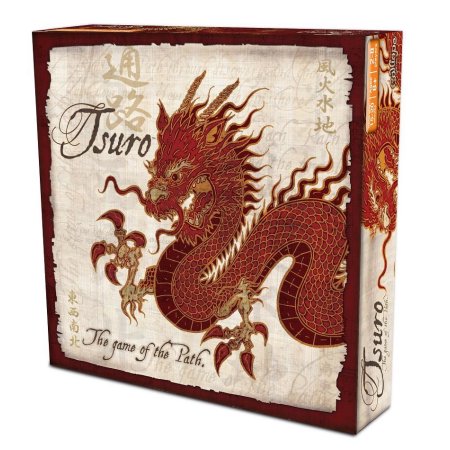
In Tsuro, each player adopts the role of a flying dragon soaring through the sky. Players choose from the tiles in their hands in order to build paths on the board, representing their paths through the sky.

Naturally, these paths will eventually intersect, and you need to be careful to avoid colliding with another dragon or following a path right off the edge of the board. (Both of those scenarios cause you to lose.)

And despite the potential for competitive gameplay, I’ve found most Tsuro games to be peaceful affairs, each player watching their dragon token loop and swirl across various intersecting paths, hoping to be the last one standing on the board.

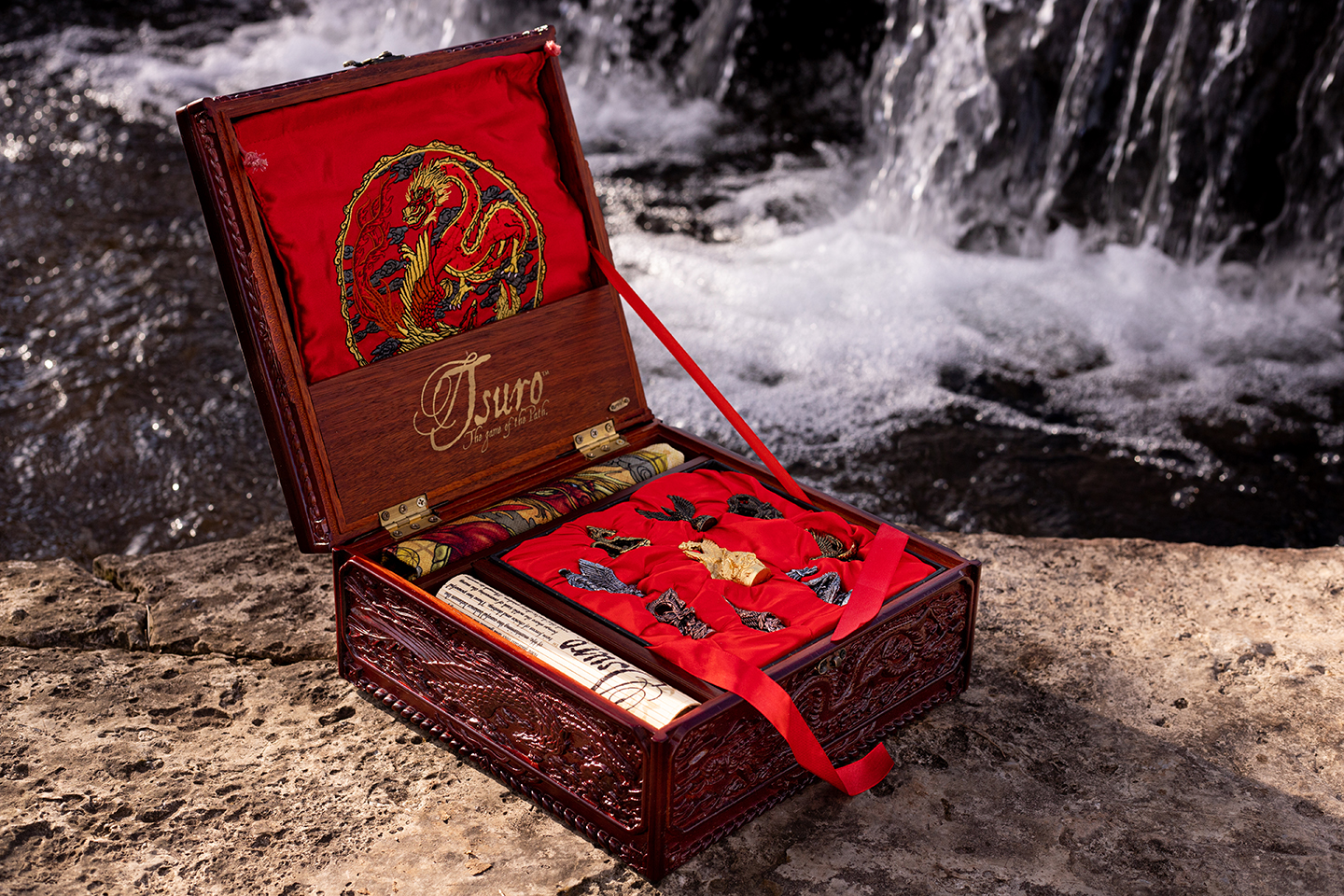
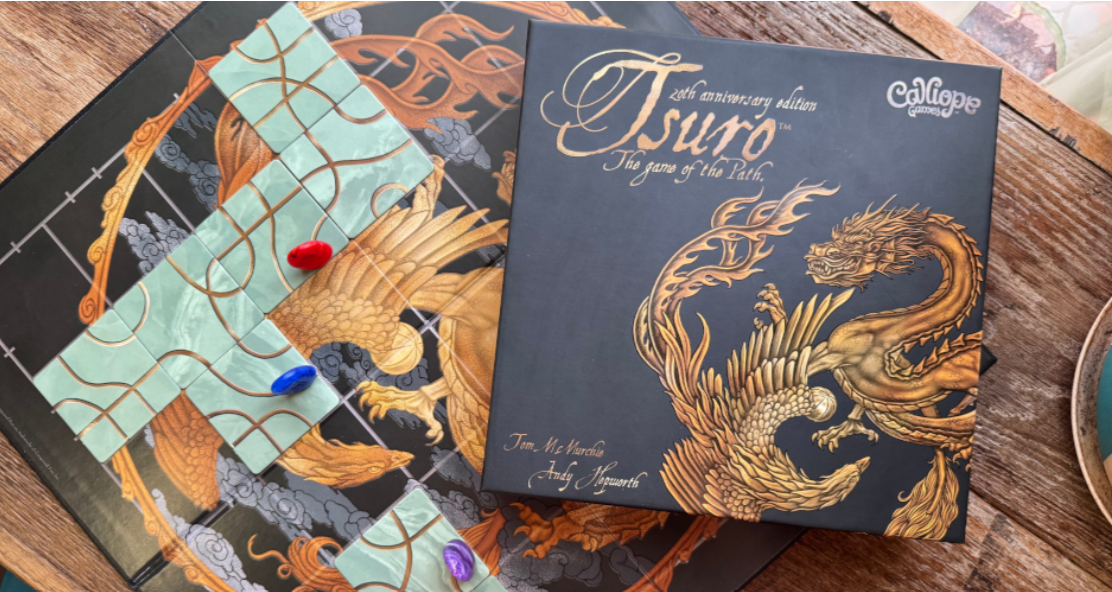
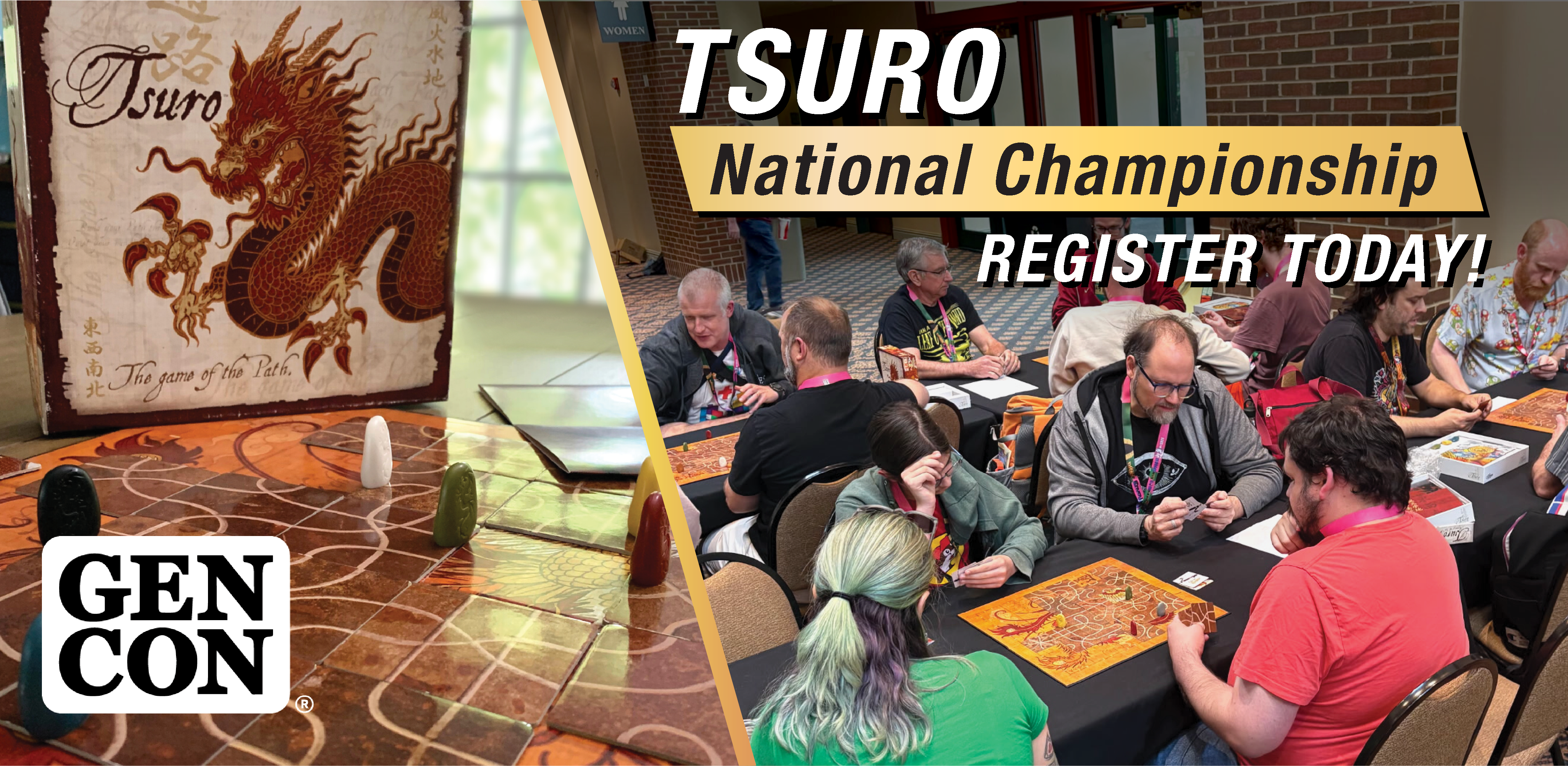
Calliope Games, the publishers of Tsuro, are celebrating 20 years of dragon-soaring gameplay this year. And not only are they releasing a special 20th anniversary edition of the game, but they’re hosting a celebration at this year’s Gen Con: the First Annual Tsuro National Championship!

On Saturday August 1st, players will convene in Hall D at 6 PM, competing in two preliminary rounds before those with the highest scores advance to the finals.

The winner will receive this gorgeous Limited Edition version of the game (valued at $350, the Luxury edition!), and every participant will receive a copy of the new 20th anniversary edition (pictured above, which also looks beautiful).

You can click here to reserve your seat and compete! I’m bummed I won’t be able to attend, but I’ll probably be picking up a copy of that 20th anniversary edition for my shelf (to sit alongside the other four editions of the game I have).

And yes, they ALL get played.

Good luck to everyone competing! And here’s to many more years of Tsuro and the spirit of gameplay it represents.


So, to mark this lovely anniversary, I’ve got a little puzzly challenge for you.

How many words (five to seven letters long) can you make that include all the letters in TSURO at least once? And let’s exclude plurals to keep it manageable.

I came up with 22 words. Can you top that?

And while I’m asking questions, what board game offer your best chance to compete for a national championship, fellow player? Let me know in the comments section below! I’d love to hear from you.

Summer Reading: Death at Penrose Manor: A Crossword-Fueled Murder Mystery

Our Summer Reading series continues this week with some puzzle solving and some mystery solving! (Can it top The Case of the Crossword Cipher? Keep reading to find out!)

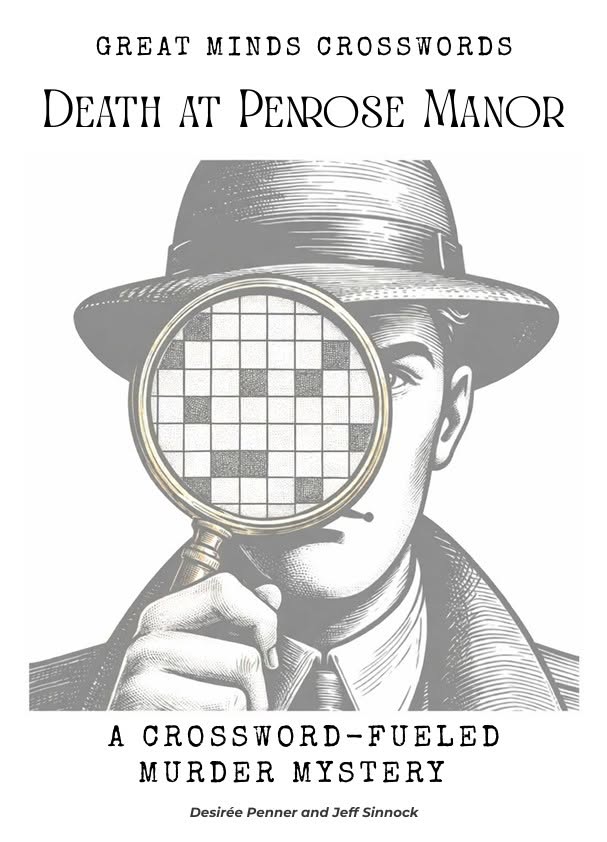
This week, join me as I investigate Death at Penrose Manor by Desirée Penner and Jeff Sinnock.

An extravagant party awaits at the home of the eccentric and mercurial Roan Penrose, newspaper magnate and man with a penchant for antagonizing those around him.

So it’s no surprise when he turns up dead during the event.

Thankfully one of the guests, police constable Jade Miller, immediately calls detective Jude Marlow, and now Marlow must unravel a web of lies, motives, and bruised egos in order to solve the murder.

Can you puzzle out which of the nine suspects committed the murder? To do so, you’ll have to read through the interrogations, solve a crossword related to each suspect, and crack the case.

Death at Penrose Manor is a fun riff on both Agatha Christie-style murder mysteries and the trappings of the board game Clue, right down to the colorfully-named suspects and the layout of Penrose Manor.

The puzzles are mostly solid (one or two awkward words per grid), but mostly well-constructed and accessible. The cluing is straightforward, with a few sharp and clever clues peppered throughout.

Your average solver will blaze through these grids, and murder mystery fans who aren’t frequent puzzle-solvers should do fine as well.

(I can’t really dig into the book more without potentially spoiling it, so today’s review will be a little shorter than the others.)

But all in all, I had fun with Death at Penrose Manor. The mix of mystery and puzzles worked really nicely, the characters were hammy in the best way, I enjoyed scribbling notes and theories as I progressed throughout the book, and the reveal at the end was a satisfying one.

This one gets a thumbs-up from me.


Are you doing any reading this summer, puzzly or otherwise, fellow reader? Let me know in the comments section below! I’d love to hear from you.
A Crossword for Today’s World Cup Final!

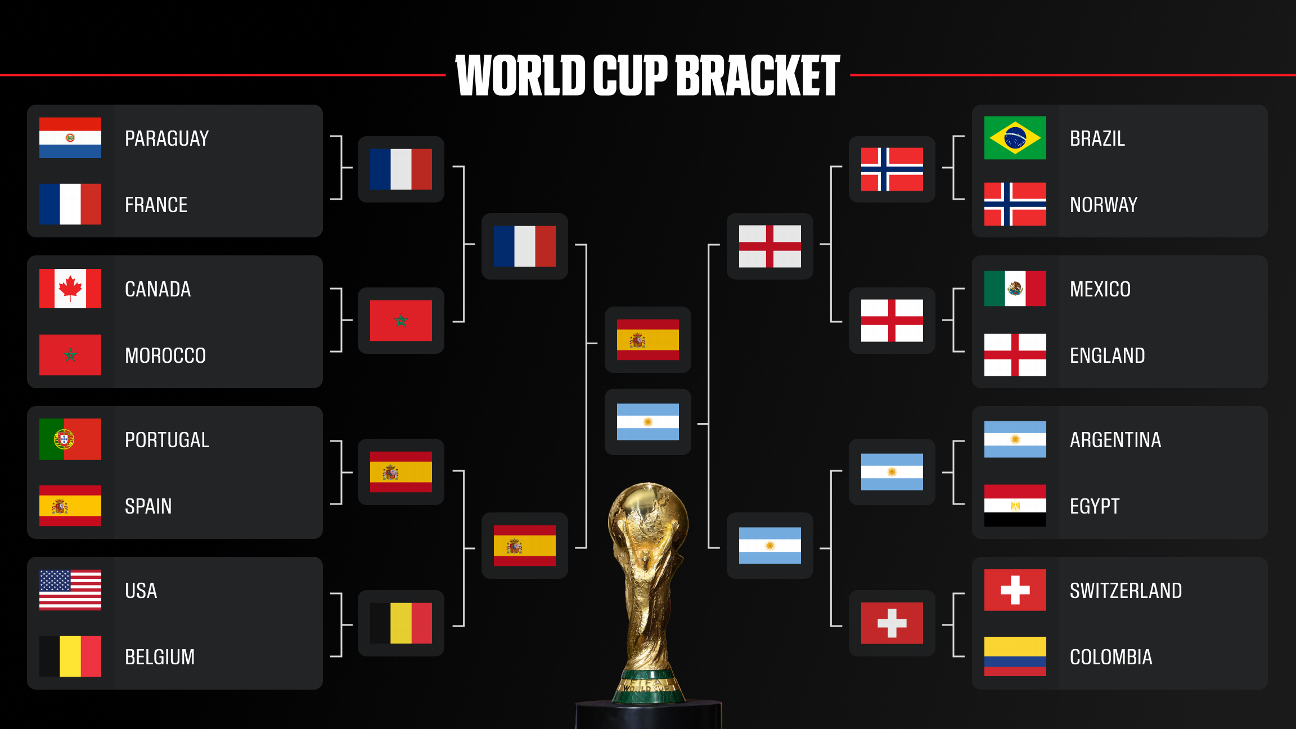
Image courtesy of ESPN.

The World Cup final is today, celebrating the conclusion of weeks of competition between amazing teams in front of passionate fans the world over.

So naturally, we’re happy to mark the occasion with a puzzle for you to solve.

George Barany, Brent Hartzell, and Doug Mar have constructed a 21x Sunday-sized delight for you to enjoy before, during, or after today’s big event!

Just click this link to solve!

Thank you to George, Brent, and Doug for bringing some puzzly joy today to the PuzzCulture readership and all the World Cup fans within shouting distance!

Happy solving, everyone!

Justice For Snow! An Open Letter to The National Toy Hall of Fame

Dear luminaries and other influential people who adjudicate the National Toy Hall of Fame:

In November of last year, I wrote about the most recent class of toys and games accepted into the Hall of Fame. I enjoy seeing which puzzles and games are nominated, and occasionally accepted, as representative of iconic parts of our collective childhood and the spirit of play in general.

Battleship, slime, and Trivial Pursuit were the newest inductees into the Hall of Fame, and good for them, they’re all worthy nominees.

But I was appalled, APPALLED I TELL YOU, that snow was snubbed for acceptance into the National Toy Hall of Fame.

I mean, snow should have been a first-ballot Hall of Famer day one.

It’s a fundamental item of play for many children. Throwing snowballs. Building snowmen and other snowfolk. Catching snowflakes on your tongue. Sledding.

And people of any age can enjoy.

Plus it’s free. It falls from the sky and anyone in the proper climate can play with it. There’s no cost to play, no entry fee to enjoy.

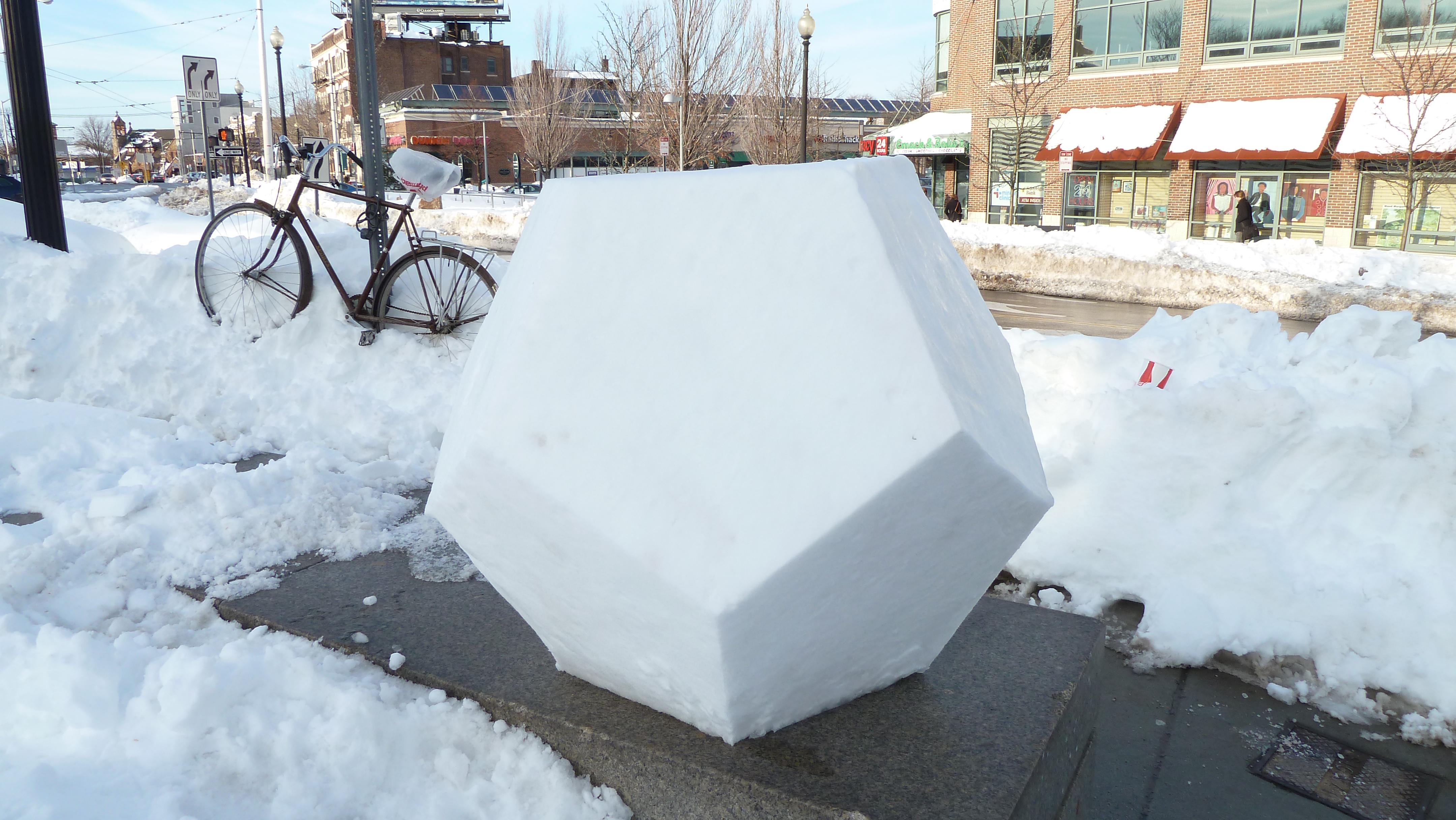
Look a snowdecahedron! You can’t make dice out of slime. THEY WOULDN’T ROLL. THEY WOULDN’T ROLL, YOU FOOL!

Not only that, but snow literally creates opportunities to play with it. Ever heard of snow days? You betcha. Snow falls from the sky and creates days free of school and other responsibilities so children can go play.

Trivial Pursuit can’t do that! Trivial Pursuit falls from the sky, you just have a lot to clean up. No free day for Trivial Pursuit-ing.

So, I beseech you, trustees of the National Toy Hall of Fame, as well as your associated pals at the Strong Museum of Play…

Do the right thing. Let’s get snow back on the ballot and into the HoF where it belongs.


Fellow reader, will you join me on this worthwhile endeavor?

It’s the perfect time to vote for snow, because it’s summer in America right now and you’re liable to be more nostalgic for it.

You can click here to nominate a toy for this year’s class.

(You don’t have to nominate snow. There might be a toy you think is more deserving, and that’s totally fair. It doesn’t have to be snow. It’s not like I’ll know you clicked the button and wrote something else in. I won’t. But I will somehow sense it and be a little disappointed, I’m not gonna lie.)

#JusticeForSnow

(Please note that this is not the same as #JustIceForSnow. That’s bad. Don’t put ice in your snowballs. You’ll hurt somebody like that. Not cool, man. Not cool. There’s a reason I’m not advocating for ice in the HoF.)

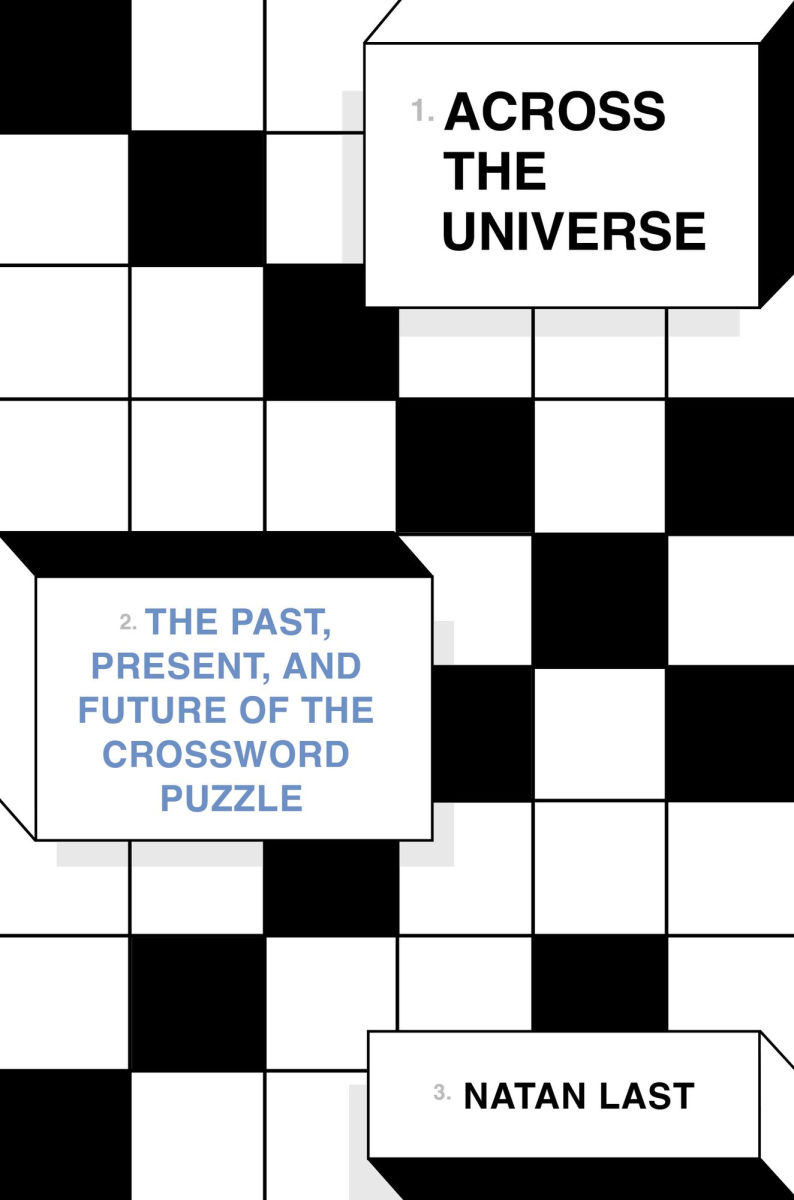
Summer Reading: Across the Universe by Natan Last

After two Summer Reads that were peripherally about crosswords, it felt appropriate to finally read something definitively about crosswords.

So join me as Natan Last takes on a journey, exploring where crosswords have been, where they are now, and hopefully where they’re going in Across the Universe: The Past, Present, and Future of the Crossword Puzzle.

The history of crosswords is peculiar, because the medium itself has ebbs and flows, moments of great cultural prominence and others where it fades into the background of daily life.

And since the crossword is ever-evolving, shaped by new editors, new outlets, and new constructors, the history of crosswords is constantly being reexamined and recontextualized by fresh eyes and previously-unheard perspectives.

Last deftly moves between the past and the present as he chronicles the rich cultural impact (and more importantly, the potential for GREATER cultural impact) of crosswords. There are chapters dedicated to the intersection of crosswords and art, crosswords and technology, and crosswords and identity.

We learn about the rise of Dr.Fill and what makes crosswords unlike other activities like Chess and Go that have been challenged by automated play. We learn about the New Wave of crosswords (which seems quaint at this point) and the current indie revolution that shapes the modern puzzle experience.

Image courtesy of Geek Dad.

We learn about cruciverbalists past and present like Elizabeth Gorski and Mangesh Ghogre, exploring the complex relationship between crosswords, culture, and representation, especially how crosswords have both helped and hindered at points.

Each chapter is a thought-provoking short essay, enhanced by Last’s proficiency as a storyteller. He spins a wonderful narrative, charming and patient, knowing exactly when to deep dive on a subject and when to pivot to a meaningful counterpoint.

And along the way, we get delightful backstory on surprising moments, important voices, and Natan’s firsthand experience in the world of crosswords.

There are a fair number of books that explore crossword history, and what makes each of them worthwhile isn’t the factual information, it’s the perspective offered by the author. And Last takes a fun, if well-trodden topic, and he makes it hum with context, commentary, and an unflinching look at the good and the not-so-good of crosswords past and present.

I had high expectations coming into this book, and Across the Universe met and exceeded every single one. This belongs on any crossword fan’s shelf.


Are you doing any reading this summer, puzzly or otherwise, fellow reader? Let me know in the comments section below! I’d love to hear from you.