The Week in Puzzles and Games

There’s so much going on in the intertwined worlds of puzzles and games, so let’s skip the intro and get to the good stuff!
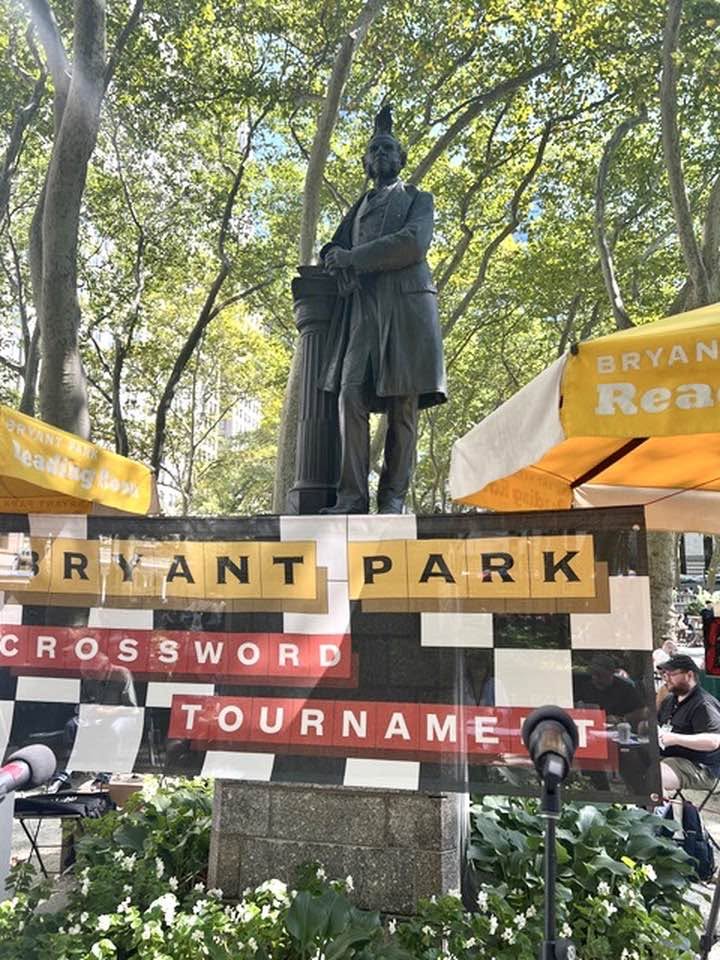

Bryant Park Crossword Tournament This Weekend!

The summer crossword bonanza might have come to an end for another year, but tournament solving fans still have plenty to look forward to! Not only is Chicago’s Midwest Crossword Tournament looming in early October, but the 8th Bryant Park Crossword Tournament is this Saturday, September 19th!

Although you’re welcome to walk in and participate, things go much smoother if you register ahead of time. Click here to get started!
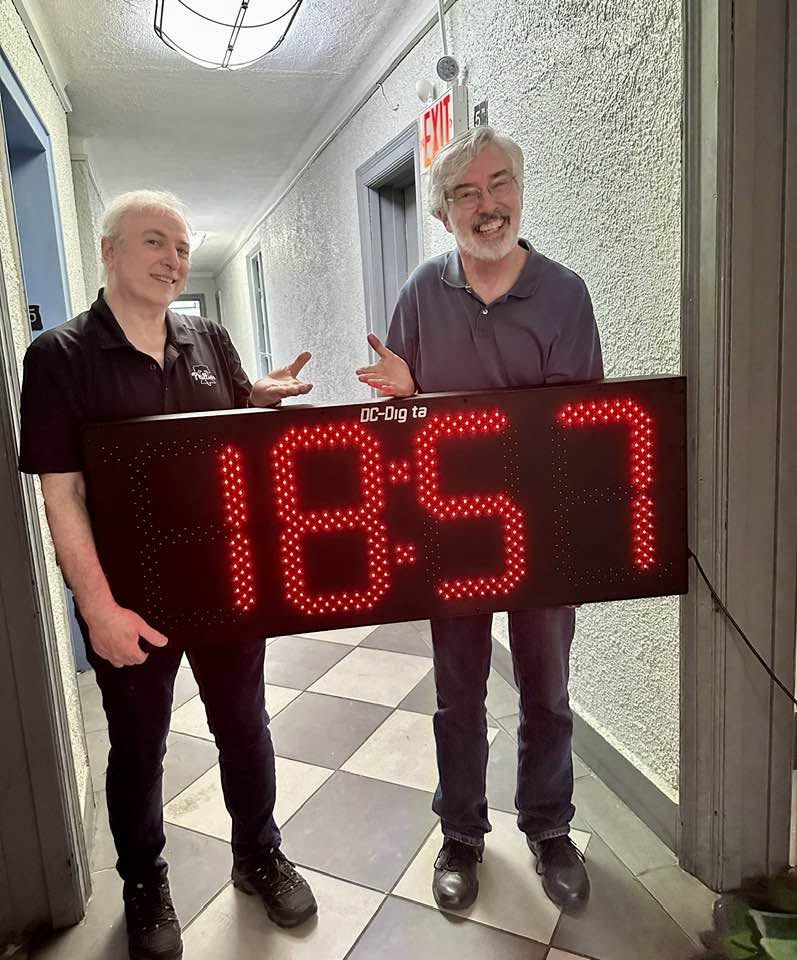
They’ve even borrowed Will Shortz’s clock for the tournament!

With three Mike Shenk puzzles waiting for competitors, you should absolutely make an effort to participate in this year’s event.


boswords new

The Boswords Fall Themeless League Returns Soon!

And speaking of crosswords, there’s still time to register for this year’s Fall Themeless League, which starts up on Monday, October 5 (though they have a preseason puzzle launching the week before on September 28th).

If you’re unfamiliar, the Boswords Fall Themeless League is a clever weekly spin on traditional crossword tournament-style solving. Instead of cracking through a number of puzzles in a single day (or two), the Fall Themeless League consists of one themeless / freestyle crossword each week, scored based on your accuracy and how fast you complete the grid.

Look at that lineup of talent!

Each week’s puzzle only has one grid, but there are three sets of clues, each representing a different difficulty level for solvers. Smooth is the least challenging, Choppy is the middle ground, and Stormy is the most challenging. (When you register to participate, you choose the difficulty level that suits you best.)

Each week’s puzzle is accompanied by a one-hour broadcast on Twitch, starting with a preseason puzzle and broadcast.

The Fall Themeless League then runs the next nine Monday nights starting at 9 PM.
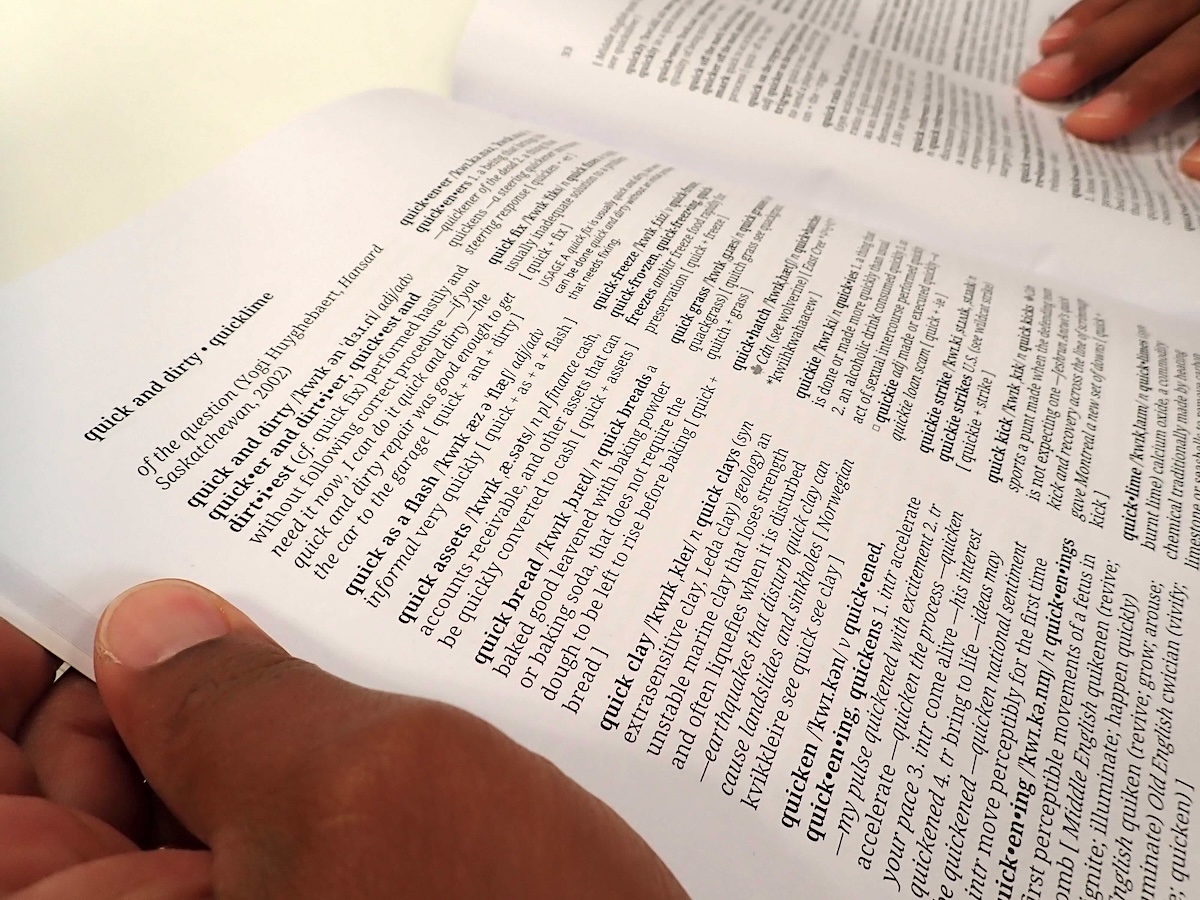

Image courtesy of The Tyee / Michelle Gamage

Scrabble and the Canadian English Dictionary

The Tyee dropped an article recently about a group of Canadian linguists, the Society for Canadian English, that are working on a new Canadian English Dictionary.

And they’ve started with the letter Q.

“Q is a short fascicle, but not as trivially so as X, and it’s a favourite among Scrabble players,” its quintet of authors explained, in an article published in Dictionaries: The Journal of the Dictionary Society of North America.

“Q has plenty of quite quintessentially quirky and quotable words that are useful in attracting attention to our project.”

They wish to raise awareness of their undertaking, not just for public support, but to find a publisher and secure funding for the project.

Check out the full article here. It’s an in-depth and fascinating exploration of the intersection of language, culture, play, and politics.


Two Puzzle Games to Try Out!

One of the coolest things about running PuzzCulture is getting to learn about new puzzles and creators in the puzzle space. Several enterprising constructors have reached out to me recently, and I’m pleased to help spread the word about their puzzly endeavors.

The first is Esteban Martin’s daily decathlon of click-and-drag puzzles, Roughly.Is.
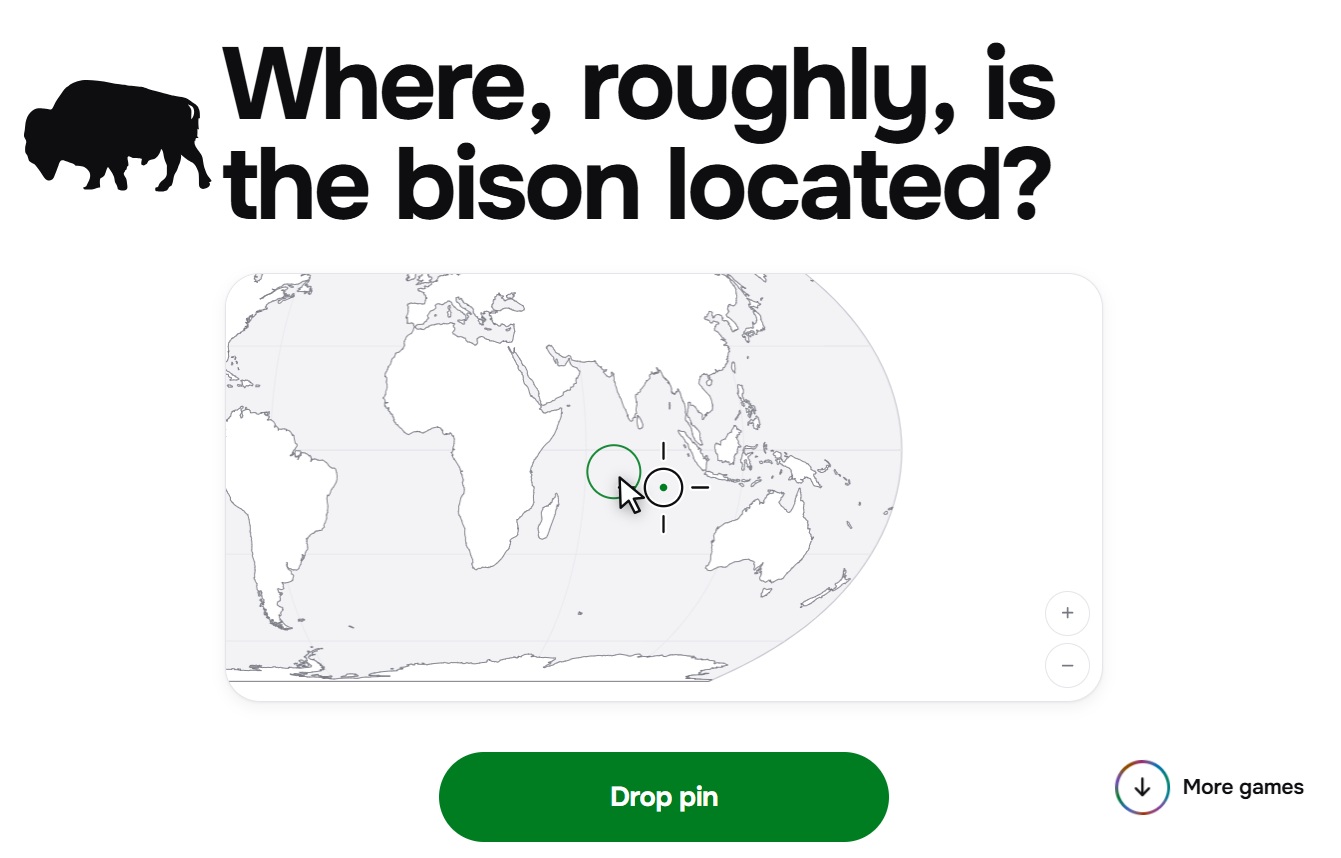
Each day, solvers are presented with ten minigames that pose a question for the reader. Some are simply trivia, others are guessing games or games of skill.

I’m a sucker for puzzles that teach me things, so the games of Roughly.Is are a delight. How big is a blue whale, compared to a Saturn V rocket? What did a steak cost in Zurich in 1970? Where do bison live?

The variety of topics means you’re sure to learn something new or find something to entertain you for a minute. What more can you ask for?

Check out Roughly.Is for all ten minigames, no ads and no login required.
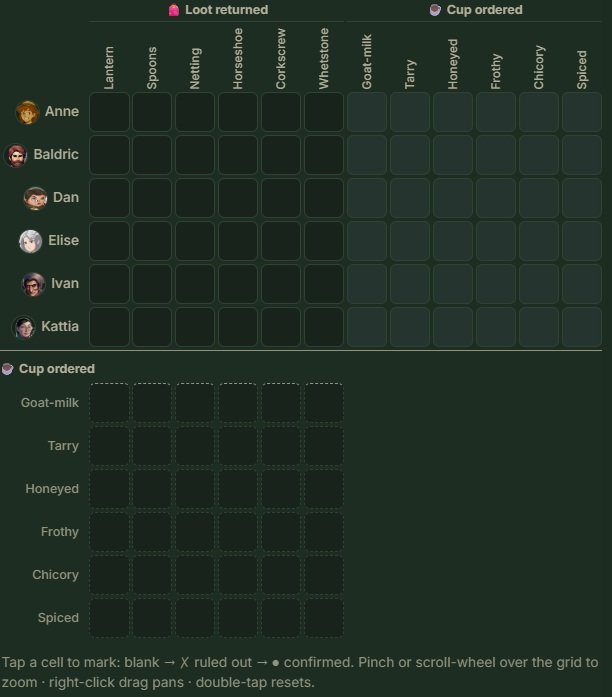
But if you’re looking for a meatier daily challenge, consider Jeff Doka’s Morning Mystery.

Part of the BossFeed puzzle lineup, Morning Mystery is a logic puzzle that invites solvers to use the facts at hand to determine the puzzly truth.

The twist? You can’t trust all of the facts you’re presented with. Some are guaranteed to be genuine, but others could be the characters in the mystery misleading you.

Can you solve the puzzle and determine who is being truthful and who is lying? Give Morning Mystery a shot by clicking here.
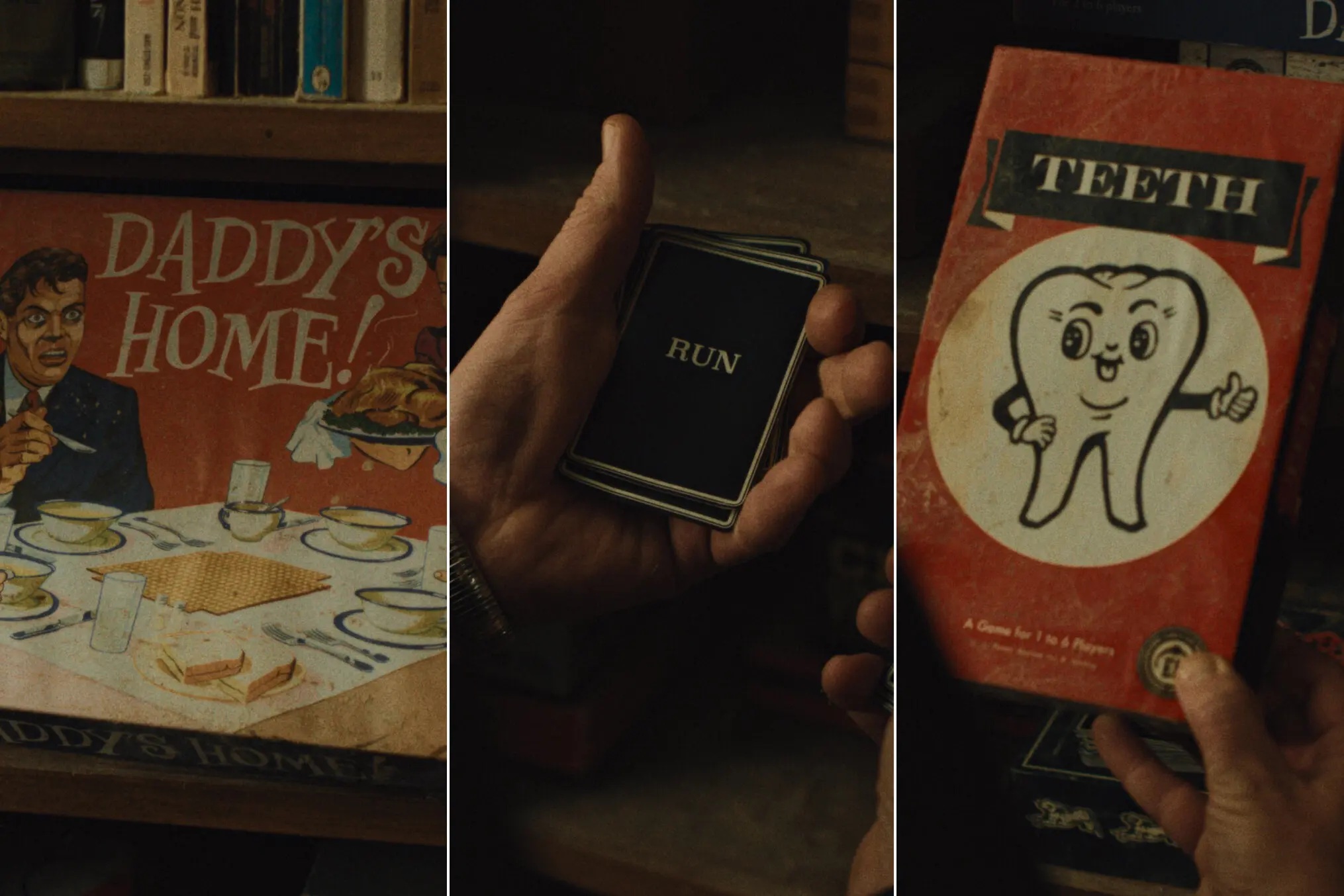

Images courtesy of Apple TV / The New York Times

Widow’s Bay and Its Sinister Board Games

Let’s wrap up today’s post with some insight into Widow’s Bay, fresh off a record-setting bevy of wins at the Emmy Awards.

Widow’s Bay is a horror comedy that’s drawing all sorts of eyes, and for good reason. It’s brilliantly cast, well-paced, and razor-sharp.

And, if you’re a board game fan, there was a creepy treat for you in episode two, as the mayor visited a local inn and discovered a number of board games with unnerving art and unpleasant implications

The New York Times did a fantastic piece with the show’s creative team and the episode’s writer about the board games and fans’ fascination with them.

Check it out, it’s a great read about how visuals and prop production can enhance both humor and horror. (Who’s up for a round of RUN?)


Did I miss any puzzly news or fun board game stories from the last few weeks? Let me know in the comments section below! I’d love to hear from you.
A Logic Puzzle Worthy of the Fey for Monster Week!

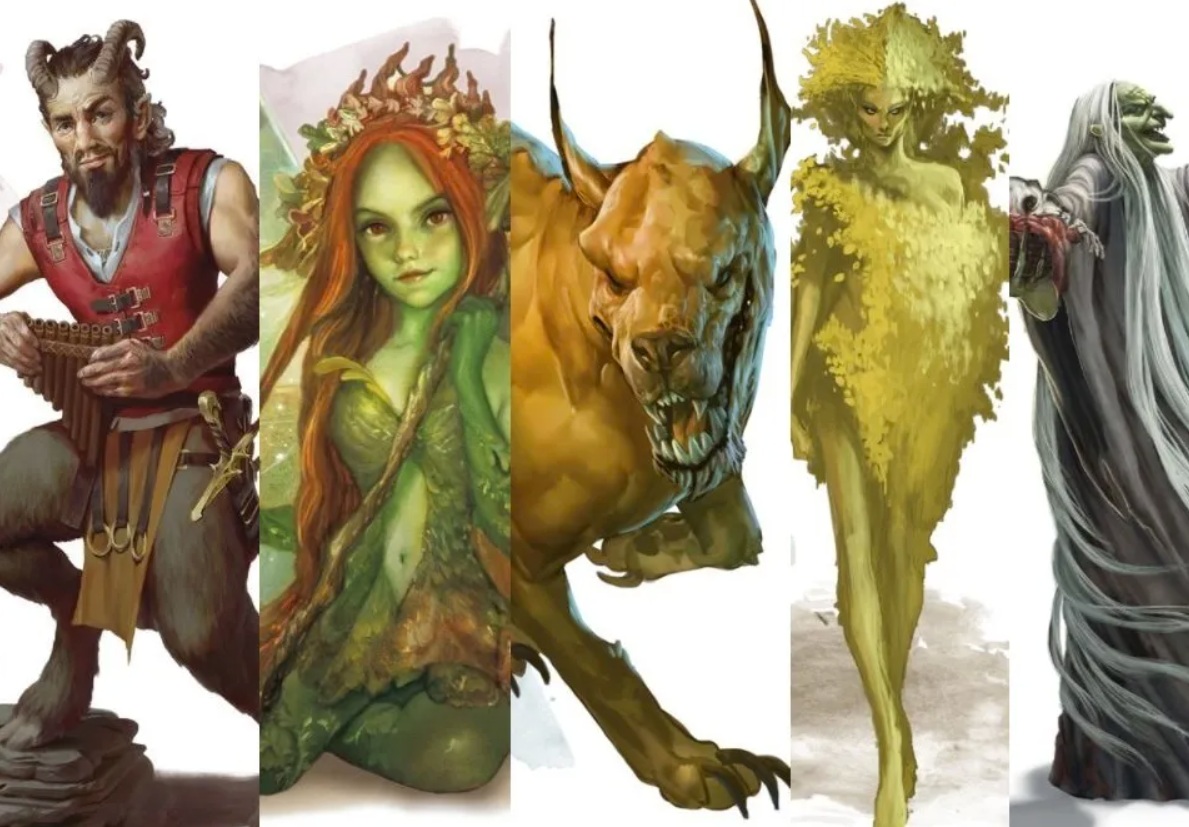
Some of the many fey creatures that populate Dungeons & Dragons
(image courtesy of WOTC / Nerdarchy)

It’s Monster Week, a yearly celebration of the many creatures and beings that make the world of fantasy roleplaying games so immersive. Created by D&D content creators Ginny Di and Pointy Hat, Monster Week is a celebration of roleplaying game creativity, and this year’s theme is the Fey.

Otherwise known as fairies, fae, the fairyfolk, or a number of other names, fey are known for making bargains, outwitting unsuspecting mortals, and toying with tricky words and devious deceptions.

So naturally, I couldn’t resist crafting a puzzle celebrating fey bargains and fantasy-fueled frippery. Please enjoy this deduction puzzle loaded with D&D-friendly flavor!

And be sure to check out ALL the awesome fey-inspired content over on YouTube.


A party of adventurers stepped into a fairy ring and found themselves transported to another realm: the mysterious domain of the fey. Each sought to acquire something from this strange place, well aware of the dangers that come with bargaining with the fairyfolk, but hoping to escape without any dangerous debts or unpleasant consequences.

Can you determine what each adventurer sought (one adventurer is Ludo the Quick, one adventurer sought the gift of eternal youth), in which order they were forced to bargain with the fey for their goal, and what cost or promise they made in exchange?

  1. On the night of the first day, while they were setting up camp for the evening, one adventurer promised a year of their life to the fey. It wasn’t Makavia Magehound, although Makavia also made their bargain that first night.
  2. On the morning of the second day, one adventurer made their bargain, promising to perform a song that would lure others into the fairy ring. Later that day, both Handsome Jak Two-Axe and the adventurer who sought a bountiful harvest made their fey bargains.
  3. On the second day, one adventurer made a pact with the fey, promising to spread a harmful rumor around his city when he returned. On the same day, the adventurer who sought an enchanted lute that could bring fame and fortune made their bargain with the fey.
  4. One adventurer promised their firstborn child to the fey. This was sometime after the adventurer who sought eternal beauty, but before Elowen Sharpthistle made their bargain.
  5. Either Bethany the Bold (who wasn’t the adventurer who sought a bountiful harvest) or the adventurer who sought a rare medicinal flower from the fey bargained away a treasured memory (which was not the first or second bargain made), and the other promised to perform a song that would lure others into the fairy ring.
  6. The adventurer who sought the rare medicinal flower did not make their bargain immediately before or immediately after Bethany the Bold.

Did you unravel my fey-filled logic puzzle? Do you have a favorite fairy or fey creature in your game? Let me know in the comments below! I’d love to hear from you.

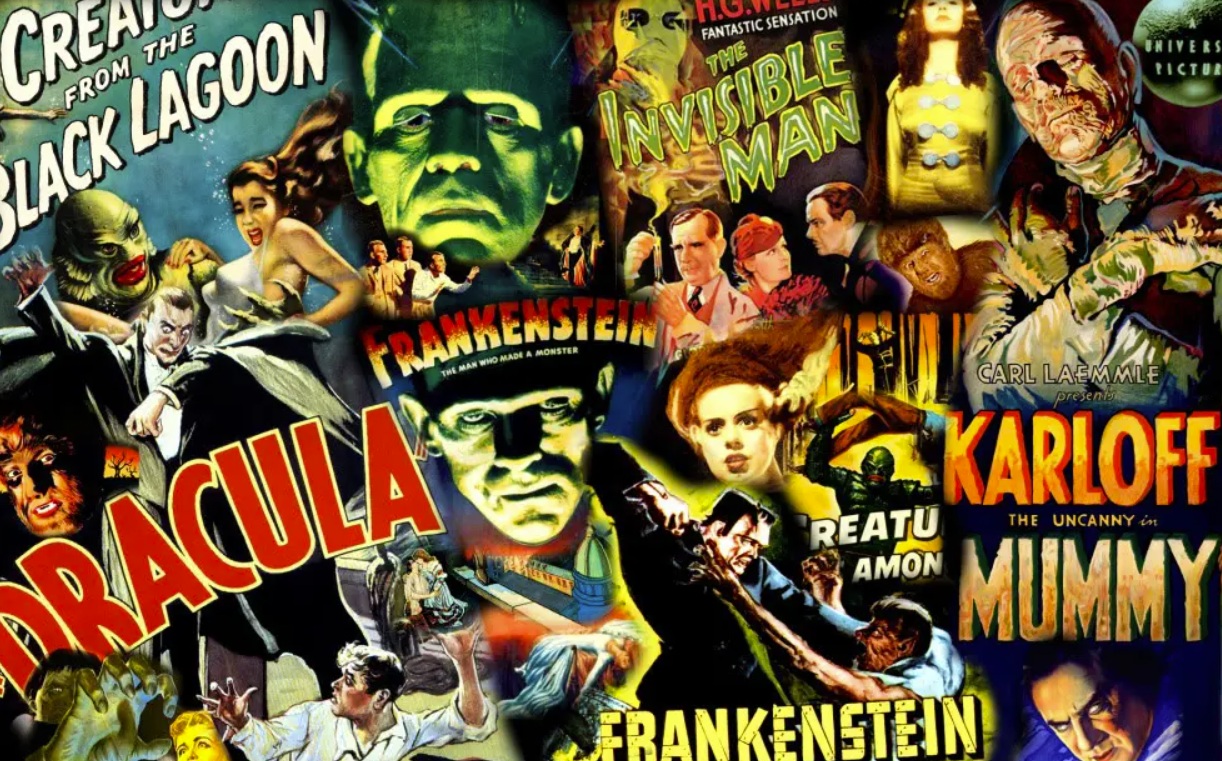
A Universal Monsters Dance Party Puzzle to Solve!

With Halloween fast approaching, I couldn’t resist putting together a Logic Puzzle for my fellow solvers to enjoy!


At the yearly monster Halloween party, everyone looks forward to the dance contest the most.

Five classic Universal monsters — Frankenstein’s Monster, Dracula, The Wolfman, The Creature from the Black Lagoon, and The Mummy — have created a routine with a different partner to a different song (one is “Season of the Witch”) with a different Halloween treat afterward (including Dead Velvet Cake).

From the information provided, can you figure out all of the monster pairings (one of the dance partners is The Bride of Frankenstein), as well as each pair’s song and Halloween treat?

  1. Frankenstein’s Monster chose the song “I Put a Spell on You.”
  2. The Wolfman and Mr. Hyde didn’t choose Charlie Brownies as their Halloween treat.
  3. The Phantom of the Opera (who danced to “The Time Warp”) didn’t partner with The Creature From the Black Lagoon.
  4. Dracula (who chose “Black Magic Woman”) didn’t choose The Babadook as a dance partner, but The Babadook enjoyed Boo-Scotti as a Halloween treat.
  5. The Invisible Man’s Halloween treat was the Scare-amel Apples.
  6. The Creature from the Black Lagoon (who didn’t dance to “Thriller”) enjoyed the Black Cat Cookies.

Did you solve the puzzle and pair up these monstrous dance partners? Let us know in the comments below. We’d love to hear from you!

What Makes a Good Brain Teaser?

I was going through a collection of brain teasers a fellow puzzler gave me, and it occurs to me that “brain teaser” is one of the least specific puzzle terms around.

Riddles, logic and deduction, math puzzles, and wordplay games all fall under the brain teaser umbrella. So you never know what you’re gonna get. Are your math skills required? Your outside-the-box thinking? Your ability to pay attention to the specifics of the question itself?

In this collection alone, I found examples of each of these types of puzzles:

Riddle: Sometimes I’m green, sometimes I’m black. When I’m yellow, I’m a very nice fellow. That’s when I’m feeling mighty a-peeling. What am I?

Logic / deduction: 3 guys go into a hardware store, all looking for the same thing. William buys 1 for $1. Billy buys 99 for $2. Finally, Willie buys 757 for $3. What were they buying?

Math puzzle: The sum is 12 and the same digit is used 3 times to create the sum. Since the digit is not 4, what is the digit?

Wordplay: Which state capitals would you visit to find a ram, cord, bus, and dove?

So, if someone challenged you to a brain teaser, these would all be fair game. Would you be able to solve all four of them?


It’s possible you wouldn’t, because good and bad brain teasers alike employ tricks to keep you on your toes.

Some hide the answer in plain sight:

Homer’s mother has 4 children. 3 of them are named Spring, Summer, and Autumn. What is the 4th named?

Some use misdirection, purposely phrasing the question to get you thinking one way and steering you away from the real solution:

The big man in the butcher shop is exactly 6’4″ tall. What does he weigh?

In fact, both of these examples use plain sight (Homer, butcher shop) and misdirection (implying a pattern with seasons, specifying his height) to distract you.

I suspect you weren’t fooled by either of them, though.

Others try to overwhelm you with information so you bog yourself down in the details instead of clearly analyzing the problem at hand:

Nina and Lydia start from their home and each runs 2 miles. Nina can run a mile in 8 minutes 30 seconds and Lydia can run a mile in 9 minutes 10 seconds. When they finish running, what is the furthest apart they can be?

A lot of numbers get thrown at you, but they’re irrelevant, since the question only asks about the distance, not the time. So if they each run 2 miles, the furthest apart they can be is 4 miles. The rest is just smoke.

These are all effective techniques for teasing a solver’s brain. You’re given all the information you need to solve the puzzle, plus a little extra to distract, mislead, or overwhelm you.


Unfortunately, some brain teasers use unfair techniques to try to stump you:

Jacob and Seth were camping in June. Before going to sleep they decided to read a book. They both agreed to stop reading when it got dark. They were not fast readers, but they finished the entire encyclopedia. How?

Ignoring the fact that these two boys somehow brought an entire encyclopedia with them on a camping trip, we’re not actually given a lot of information here.

So that makes the intended answer seem like more of an insane leap than a logical jump to the conclusion: They were in Lapland, land of the midnight sun, and the sun didn’t set until September.

WHAT?

There’s no reasonable way for someone to reach this conclusion based on the information given. In fact, it makes less sense the more you read it. Presumably Jacob and Seth know where they are camping, and that it wouldn’t get dark for months. So why would Jacob and Seth agree to stop reading when it got dark IF THAT MEANT THEY’D BE READING UNTIL SEPTEMBER!?

This is gibberish, and you’d be surprised how often something like this gets passed off as acceptable in a collection of brain teasers. (I discussed a similar issue with detective riddles in a previous blog post.)


Let’s close out today’s discussion of the ins and outs of brain teasers with a few fun, fair examples, shall we?

  • In what northern hemisphere city can you find indigenous tigers and lions?
  • Scientists have found that cats are furrier on one side than the other. The side with the most fur is the side that cats most often lie on. Which side of a cat has more fur?
  • A woman married over 50 men without ever getting divorced. None of the men died and no one thought she acted improperly. Why?

Did you solve them all? Let us know! Also, please share your favorite brain teasers (or your tales of treacherous and unfair brain teasers) in the comments below!

Happy puzzling, everyone!

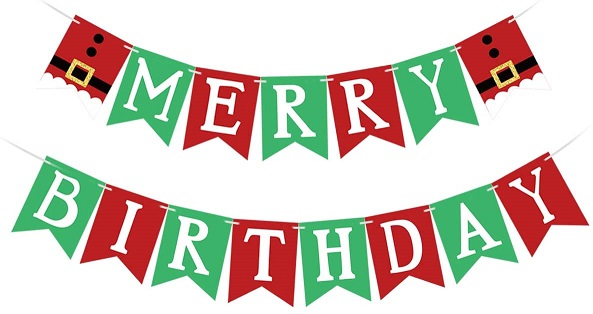
Solution to Last Week’s Merry Birthday Puzzle!

A week ago, we shared a brain teaser sent in by a PuzzleNationer named Darrin (who credited Marilynn Rapp Buxton as the creator of the puzzle). Darrin challenged us to solve the following logic puzzle.

Today, we’re going to share not only the solution, but how we got there! Please enjoy this brief solve and tutorial, submitted by one of your fellow PuzzleNationers!


Four friends — two girls named Holly and Joy, two boys named Kris and Noel — all celebrate their birthdays during December. Though none was born on Christmas Day — each was born on a different day — they all have festive names. Can you figure out each person’s last name and order of birth?

1. Nobody’s first name goes with the traditional last name (Berry, Fully, Kringle, or Singer) that you might expect.
2. Someone’s birthday is three days after their friend Joy’s birthdate.
3. Holly’s birthday is three days before Noel’s and three days after Kris’.
4. Miss Fully’s birthdate is six days after Joy’s.
5. Noel’s birthdate is six days after the one whose last name is Berry.


christmas elves

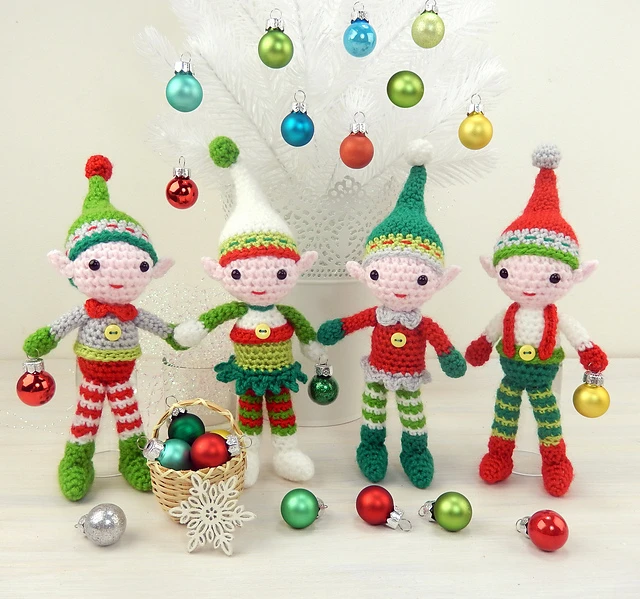
[Image courtesy of Moji-Moji Design on ravelry.]

Let’s sort out the order of birth first.

We know from rule 3 that Holly’s birthdate is three days before Noel’s and three days after Kris’s. So their birthdate order is Kris, Holly, Noel.

But we also know from rule 2 that someone’s birthday is three days after Joy’s. Since they all have different birthdays, that means Joy’s birthday comes first in the order, giving us Joy, Kris, Holly, Noel.

Rule 4 tells us that Miss Fully’s birthdate is six days after Joy’s, so Holly’s last name is Fully.

Rule 5 states that Noel’s birthday is six days after the one whose last name is Berry, so Kris’s last name is Berry.

That gives us Joy ____, Kris Berry, Holly Fully, Noel ____.

Rule 1 tells us all four last names — Berry, Fully, Kringle, and Singer — and that nobody’s first name goes with the traditional last name that you might expect. Logically, those names would be Holly Berry, Joy Fully, Kris Kringle, and Noel Singer.

Since Kringle and Singer are the two remaining last names, and Singer can’t go with Noel, our final list reads Joy Singer, Kris Berry, Holly Fully, Noel Kringle.

How did you do, fellow PuzzleNationers? Did you solve this one? Let us know in the comments section below! We’d love to hear from you.


   dailypopwsicon

Treat yourself to some delightful deals on puzzles. You can find them on the Home Screen for Daily POP Crosswords and Daily POP Word Search! Check them out!

Thanks for visiting PuzzleNation Blog today! Be sure to sign up for our newsletter to stay up-to-date on everything PuzzleNation!

A Festive Brain Teaser Submitted For Your Puzzly Pleasure!

[Image courtesy of SharpBrains.com.]

When’s the last time you had your brain properly tied in knots by a riddle?

That’s a pretty common occurrence around here, honestly. In our puzzly explorations of the world, we stumble across all manner of brain teasers, riddles, logic puzzles, math problems, mind ticklers, deduction games, and wordplay-fueled bits of linguistic legerdemain.

Sometimes, we even receive them directly from our fellow PuzzleNationers!

And on those occasions, we happily share them with you, dear reader, so that you can also enjoy the challenge of unraveling whatever fiendish puzzly conundrum has been placed before us.

This time around, a solver named Darrin submitted this festive holiday puzzle he found in his aunt’s collection of puzzle books. (He credits Marilynn Rapp Buxton as the constructor of this puzzle.)

Let’s see how we do.


Four friends — two girls named Holly and Joy, two boys named Kris and Noel — all celebrate their birthdays during December. Though none was born on Christmas Day — each was born on a different day — they all have festive names. Can you figure out each person’s last name and order of birth?

1. Nobody’s first name goes with the traditional last name (Berry, Fully, Kringle, or Singer) that you might expect.
2. Someone’s birthday is three days after their friend Joy’s birthdate.
3. Holly’s birthday is three days before Noel’s and three days after Kris’.
4. Miss Fully’s birthdate is six days after Joy’s.
5. Noel’s birthdate is six days after the one whose last name is Berry.

Will you be accepting this puzzly challenge from a fellow PuzzleNationer? Let us know in the comments section below. We’d love to hear from you!


   dailypopwsicon

Treat yourself to some delightful deals on puzzles. You can find them on the Home Screen for Daily POP Crosswords and Daily POP Word Search! Check them out!

Thanks for visiting PuzzleNation Blog today! Be sure to sign up for our newsletter to stay up-to-date on everything PuzzleNation!