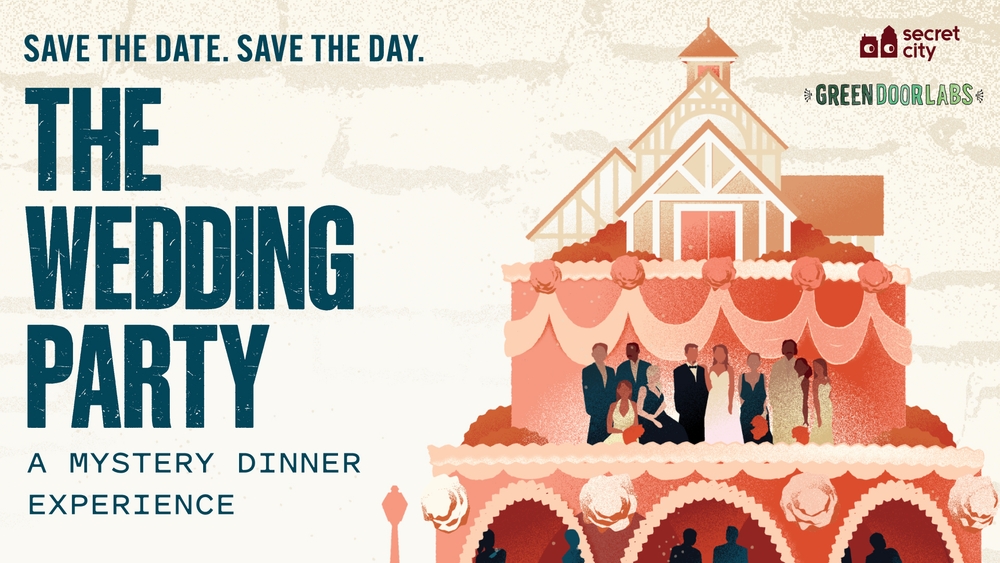
It’s hosted by our friends at Club Drosselmeyer, who are amazing performers, puzzlers, and event planners who have been branching out in recent years to great success!
That’s so many new opportunities to check out this delightful “playable theater” experience. Who doesn’t love a wedding with all the pomp and circumstance and spies and secret plots and potentially world-endangering threats?
You know, wedding stuff!
And that’s not all! If you’re in the Boston area, you’re absolutely spoiled for puzzly choices this summer!
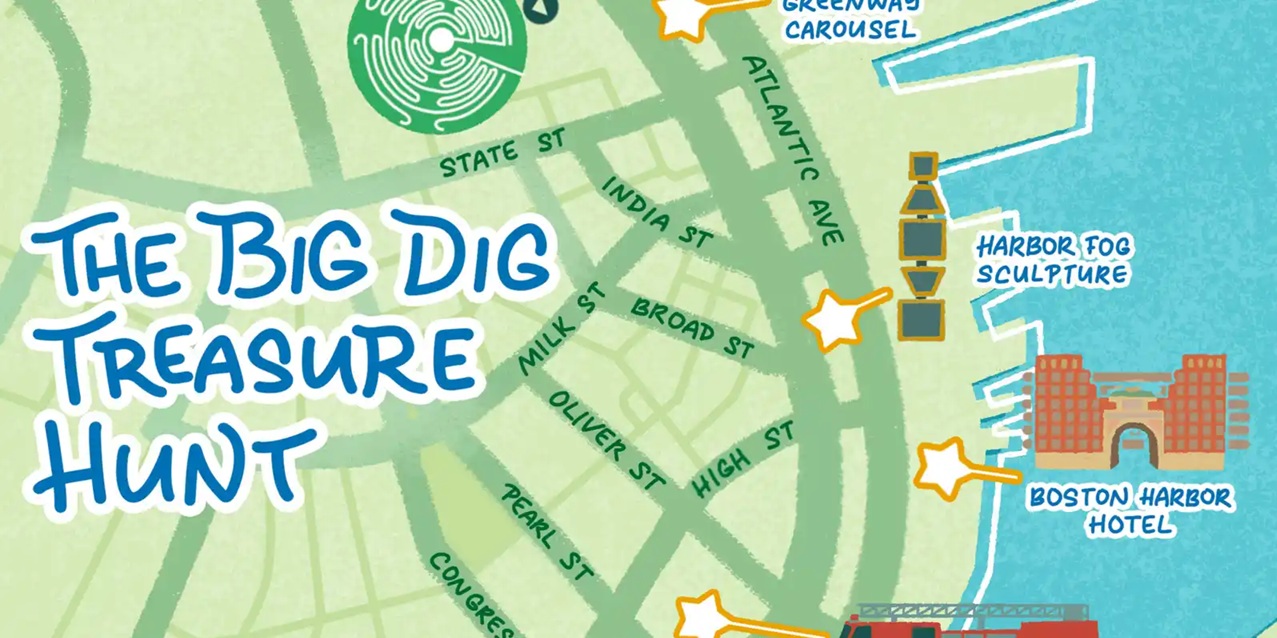
On Saturday, June 13th and Saturday, July 18th, The Big Dig Treasure Hunt challenges you (and a couple of teammates) to walk through Downtown Boston, solving puzzles for a few hours.
Stephanie Yang (who created some of the puzzles for The Wedding Party) has masterminded this event, and as someone who has participated in The Great Urban Race and similar city-based puzzly challenges, this one sounds like a winner!
Click here for more details and ticket information.
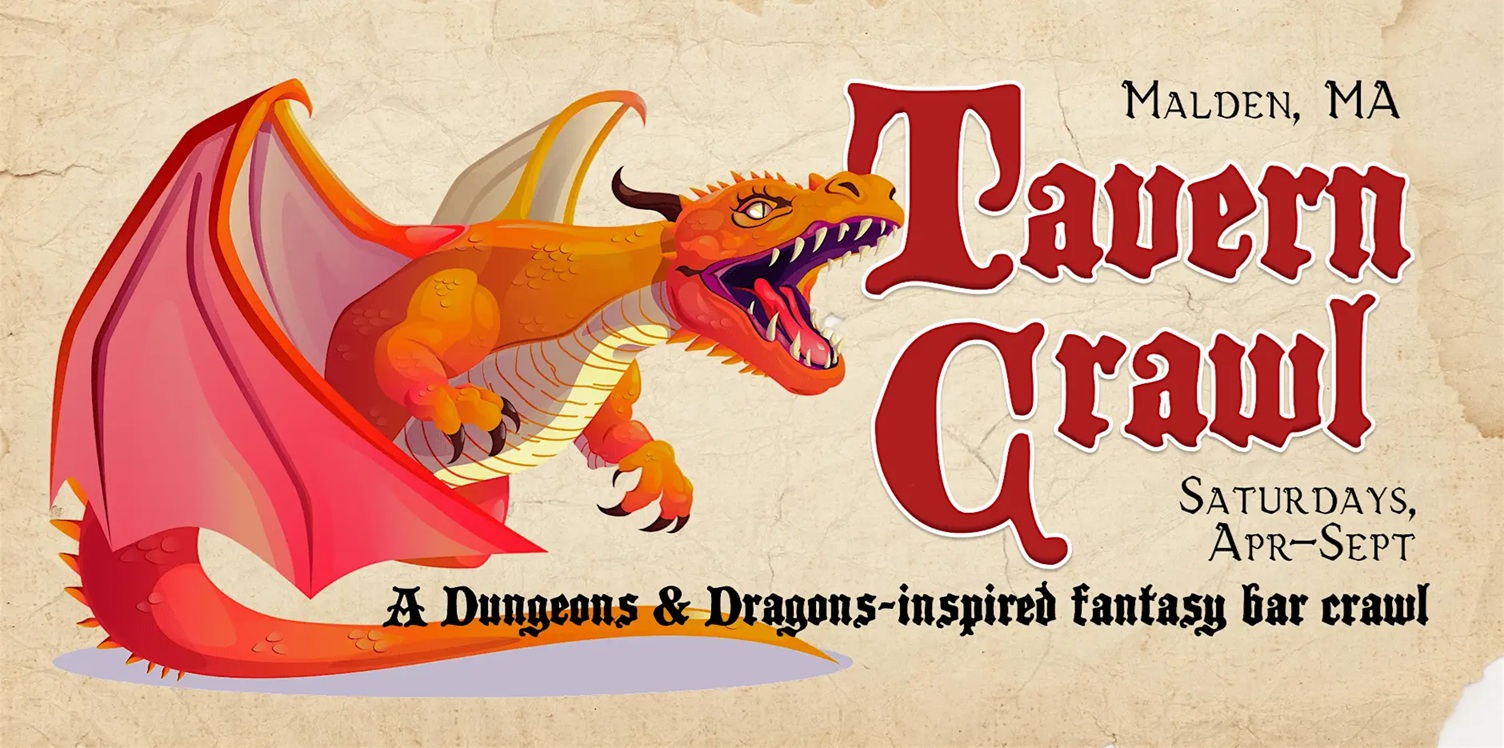
Choose your class, interact with guild members, help them solve problems, and enjoy a few drinks along the way! It’s a casual D&D LARP-style event that sounds like a great time for longtime RPG fans AND a marvelous way to introduce new players to roleplaying in a fun setting!
As the organizers say on Eventbrite: “You’ll solve puzzles, make choices, drink potions, argue philosophy, and possibly die.”
What more could you ask from a pub crawl?
Will you be attending any of these amazing events, fellow puzzlers? Is there an event near you that you’d like to see featured on PuzzCulture? Let us know in the comments section below! We’d love to hear from you.
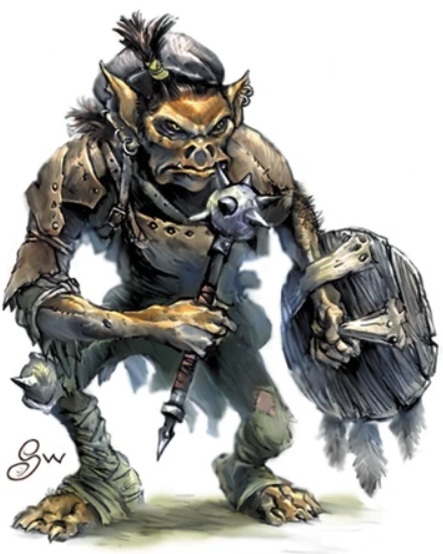
D&D goblin, third edition. Image courtesy of Hasbro/Wizards of the Coast.
Goblins aren’t just a threat in roleplaying games like Dungeons & Dragons, they’re also an annoyance at the offices of OpenAI, stewards of ChatGPT, according to this article from The Wall Street Journal.
Now, my opinion on generative AI has been clear for quite a while now. I think it is morally abhorrent, creatively bankrupt, artistically insulting, and environmentally disastrous. It is intellectual theft, pure and simple.
But this news story is too funny not to cover.
There is an open source line in ChatGPT’s base instructions for its coding assistant that now reads:
“Never talk about goblins, gremlins, raccoons, trolls, ogres, pigeons, or other animals or creatures unless it is absolutely and unambiguously relevant to the user’s query.”
This is because the AI chatbot has been bringing up goblins for no apparent reason in conversations with users.
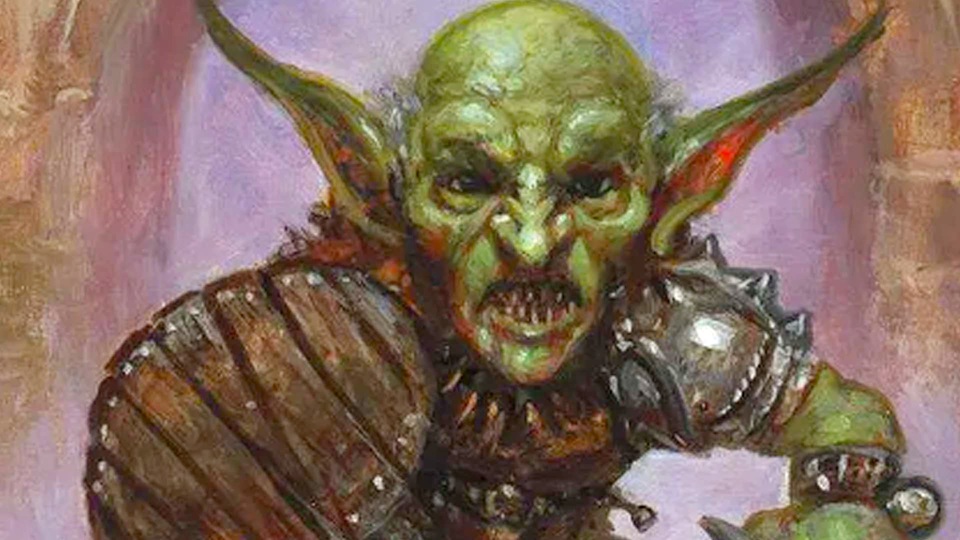
D&D goblin, fifth edition. Image courtesy of Hasbro/Wizards of the Coast.
For those who have never interacted with ChatGPT — keep on doing what you’re doing, you’re awesome — it has different “personality” types that users can select from a series of instructions in order to make their interaction with ChatGPT more convincing, memorable, engaging, whatever.
And the “nerdy” personality just loves GOBLINS for some reason. OpenAI reported that mentions of goblins in one edition of the AI program increased 3,881% from previous versions.
Man, it really loves goblins.
And despite the claim that OpenAI eliminated the “nerdy” personality option back in March, ChatGPT still loves it some goblins.
Which led to that open source line I mentioned above.
Wild.
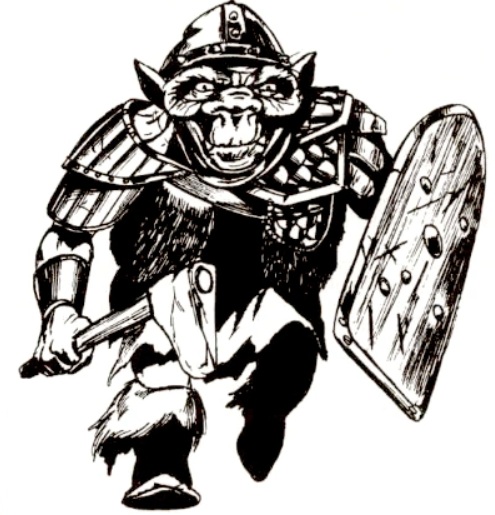
D&D goblin, second edition. Image courtesy of Hasbro/Wizards of the Coast.
Now, can we look at that list again?
“Never talk about goblins, gremlins, raccoons, trolls, ogres, pigeons, or other animals or creatures…”
I get the nerdy connection to goblins, gremlins, trolls, and ogres, sure.
How did raccoons and pigeons get on the list?
Because the venn diagram for all these creatures isn’t quite venning.
If we’re talking fantasy creatures, you’ve got those four, but the real-world animals don’t fit.
If we’re talking annoyances associated with mischief, then goblins and gremlins and raccoons still fit, but pigeons, trolls, and ogres don’t. Any D&D player worth their salt knows ogres are far from idle caperers. They’re a genuine threat.
I suppose they’re all nuisances in some way, but boy, is that casting a wide net.
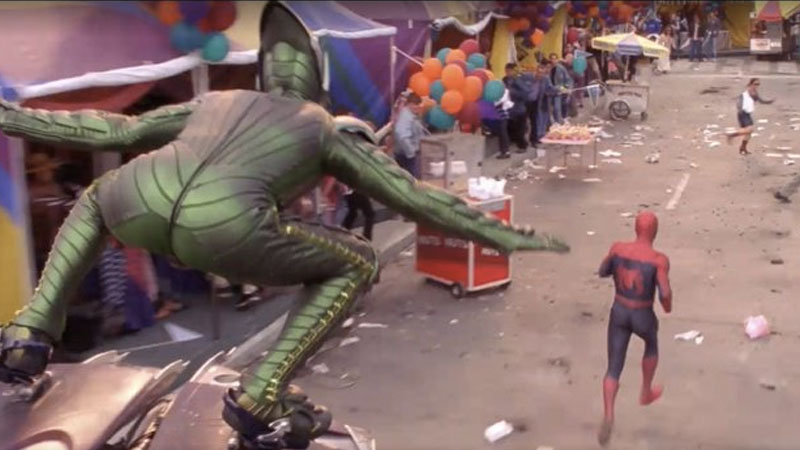
Crap, wrong goblin. Image courtesy of Marvel/Sony Pictures.
I do have another theory.
There are plenty of Dungeon Masters and other game runners out in the world who use generative AI to give them adventure ideas, create artwork for their games, etc.
It’s entirely possible that one user or a handful of users accidentally trained the “nerdy” personality to associate these things with general queries.
And if that’s the case, please tell me about the raccoon- and pigeon-related adventures you’re running in your games that puts them on the same threat level as ogres, trolls, gremlins, and goblins.
Inquiring minds like mine want to know!
In the end, I guess people will have to go elsewhere for their goblin-centric AI content. And with Ask Jeeves officially gone, where are the people to go online to ask about goblins OR be told about goblins when asking unrelated questions?
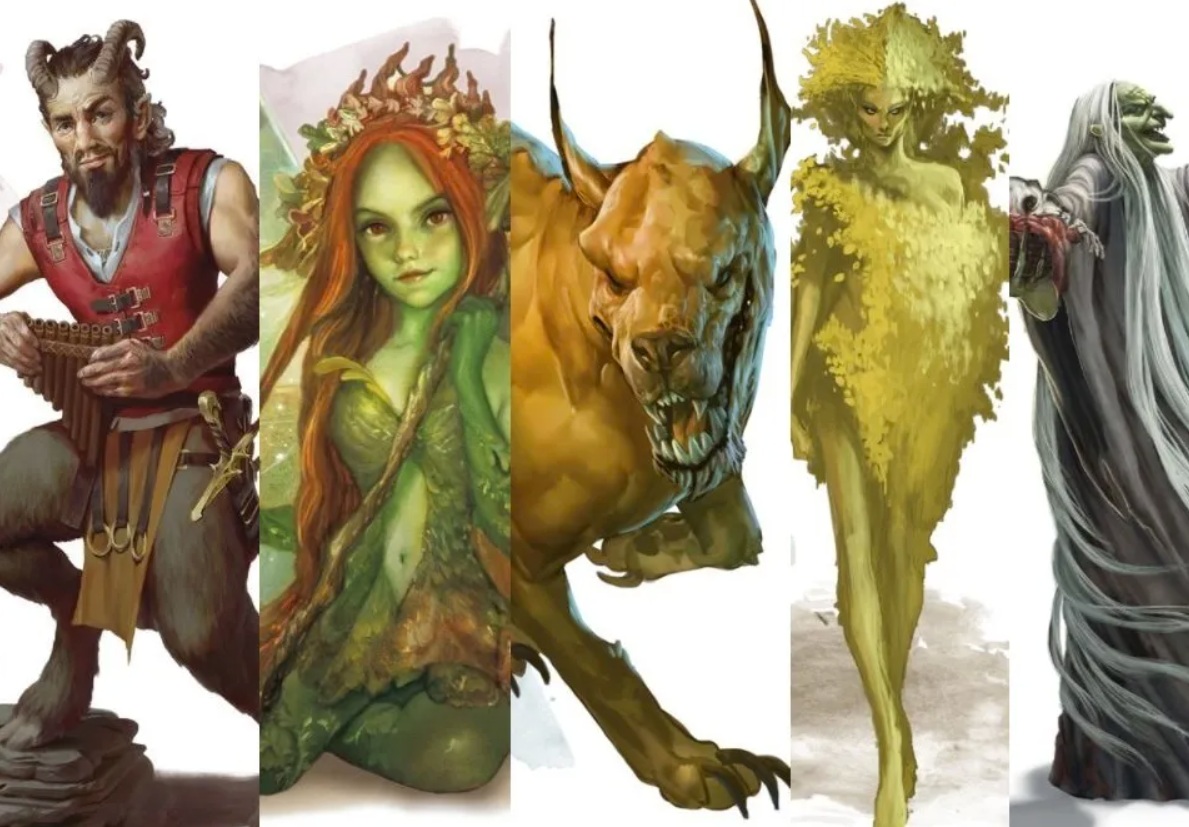
Some of the many fey creatures that populate Dungeons & Dragons (image courtesy of WOTC / Nerdarchy)
It’s Monster Week, a yearly celebration of the many creatures and beings that make the world of fantasy roleplaying games so immersive. Created by D&D content creators Ginny Di and Pointy Hat, Monster Week is a celebration of roleplaying game creativity, and this year’s theme is the Fey.
Otherwise known as fairies, fae, the fairyfolk, or a number of other names, fey are known for making bargains, outwitting unsuspecting mortals, and toying with tricky words and devious deceptions.
So naturally, I couldn’t resist crafting a puzzle celebrating fey bargains and fantasy-fueled frippery. Please enjoy this deduction puzzle loaded with D&D-friendly flavor!
A party of adventurers stepped into a fairy ring and found themselves transported to another realm: the mysterious domain of the fey. Each sought to acquire something from this strange place, well aware of the dangers that come with bargaining with the fairyfolk, but hoping to escape without any dangerous debts or unpleasant consequences.
Can you determine what each adventurer sought (one adventurer is Ludo the Quick, one adventurer sought the gift of eternal youth), in which order they were forced to bargain with the fey for their goal, and what cost or promise they made in exchange?
On the night of the first day, while they were setting up camp for the evening, one adventurer promised a year of their life to the fey. It wasn’t Makavia Magehound, although Makavia also made their bargain that first night.
On the morning of the second day, one adventurer made their bargain, promising to perform a song that would lure others into the fairy ring. Later that day, both Handsome Jak Two-Axe and the adventurer who sought a bountiful harvest made their fey bargains.
On the second day, one adventurer made a pact with the fey, promising to spread a harmful rumor around his city when he returned. On the same day, the adventurer who sought an enchanted lute that could bring fame and fortune made their bargain with the fey.
One adventurer promised their firstborn child to the fey. This was sometime after the adventurer who sought eternal beauty, but before Elowen Sharpthistle made their bargain.
Either Bethany the Bold (who wasn’t the adventurer who sought a bountiful harvest) or the adventurer who sought a rare medicinal flower from the fey bargained away a treasured memory (which was not the first or second bargain made), and the other promised to perform a song that would lure others into the fairy ring.
The adventurer who sought the rare medicinal flower did not make their bargain immediately before or immediately after Bethany the Bold.
Did you unravel my fey-filled logic puzzle? Do you have a favorite fairy or fey creature in your game? Let me know in the comments below! I’d love to hear from you.
Sadly, the start of 2026 has been a rough one for the games industry, as we lost two influential voices in the span of a few days.
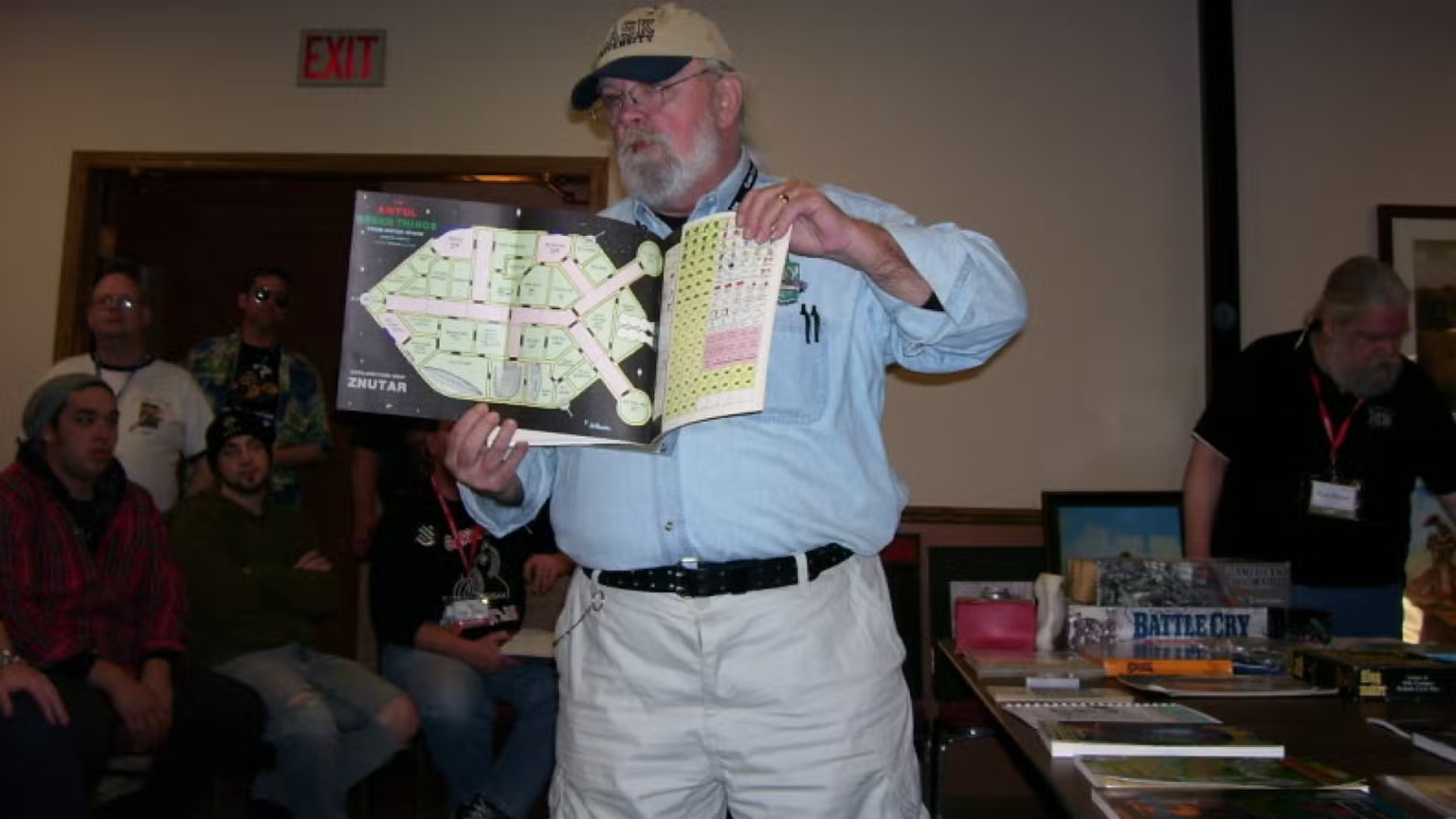
Please join me as I take a few moments to honor the lives and contributions of Tim Kask and Steve Dee.
On December 30th, we said goodbye to Tim Kask.
When you think of the early days of Dungeons & Dragons, there are names like Gary Gygax and Dave Arneson that many roleplaying fans probably know. But Tim Kask’s name belongs in the same conversation as those renowned voices.
Tim was hired as an editor for Tactical Studies Rules (aka TSR, the founding company of D&D) by Gygax himself, making him the first full-time employee of the company. He was already a fan of Gygax’s game Chainmail and was one of the playtesters of “The Fantasy Game” (the game that would eventually become Dungeons & Dragons).
And his fingerprints are all over the world’s most famous roleplaying game.
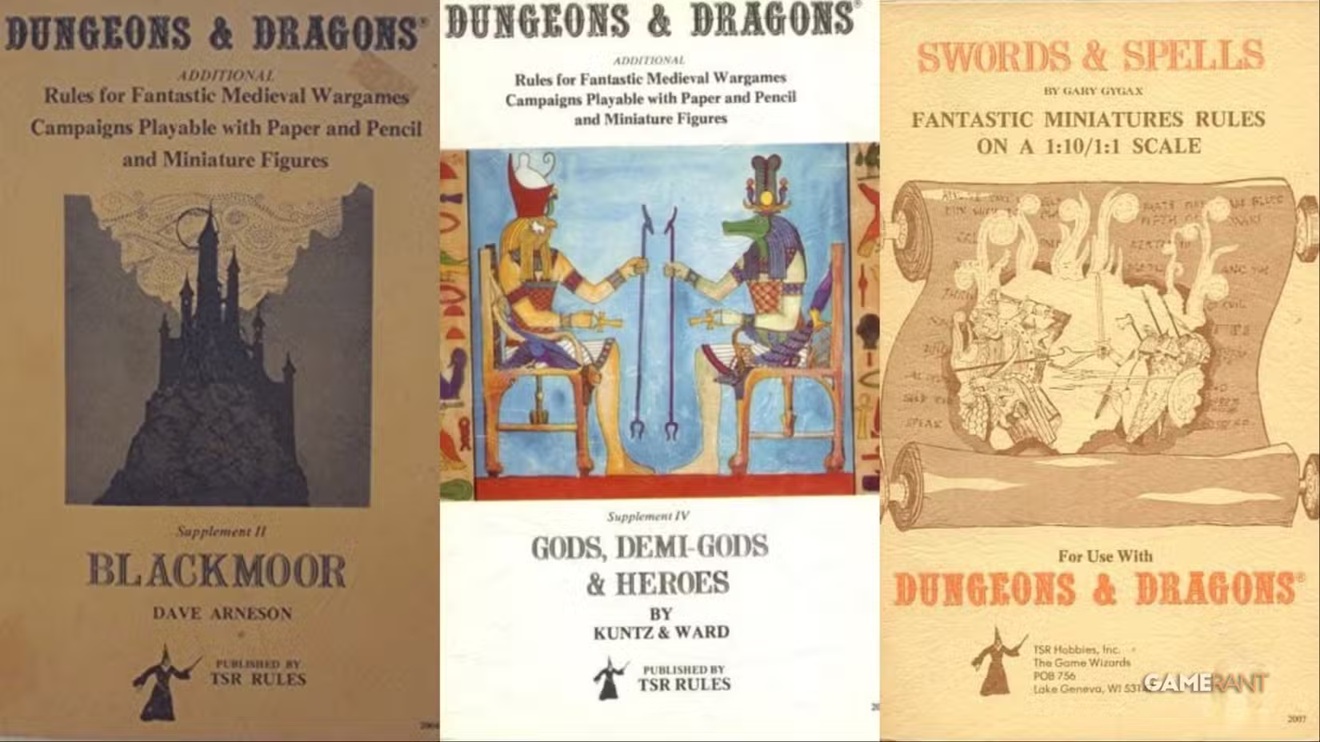
He edited and contributed to Blackmoor, one of the earliest supplemental books for D&D, adding rules, playable classes, and the first published adventure, The Temple of the Frog. Additional supplements like Swords & Spells, Eldritch Wizardry, and Gods, Demigods, and Heroes were also shepherded by Kask’s capable hands.
The first thirty or so issues of Dragon Magazine — formerly The Strategic Review, and then The Dragon, before settling on the name known by most fans — were part of Kask’s ongoing projects for the company as well. It remained one of the premiere D&D-focused magazines for years, and copies of Dragon Magazine are still treasured in RPG collections to this day.
Tim hired influential voices like Kim Mohan, and granted a license to Jennell Jaquays to publish her own D&D fanzine The Dungeoneer, adding new adventures for players to enjoy. (Jacquays would soon revolutionize the concept of the dungeon crawl with her multi-path dynamic dungeons, replacing the linear corridors and encounters that had defined the concept until that point.)
He was one of the first people to call the hobby “role-playing.” Magic Missile automatically hits its target because of Kask. And the Sword of Kas, one of the most legendary weapons in all of D&D, is named after him.
Kask resigned from the company in 1980, displeased with the direction of the game, but he continued to contribute to the games industry by starting magazines, making appearances at Gen Con, writing for The Crusader and Gygax Magazine, and founding game company Eldritch Enterprises. His YouTube channel, Curmudgeon in the Cellar, is a favorite of many gamers and roleplayers.
Fans remember him as straightforward, grumpy, and very very funny, happy to share his knowledge and opinions on the game he helped bring to prominence.
Thank you for everything, Tim.
Only a few days later, on January 2nd, we lost Steve Dee as well.
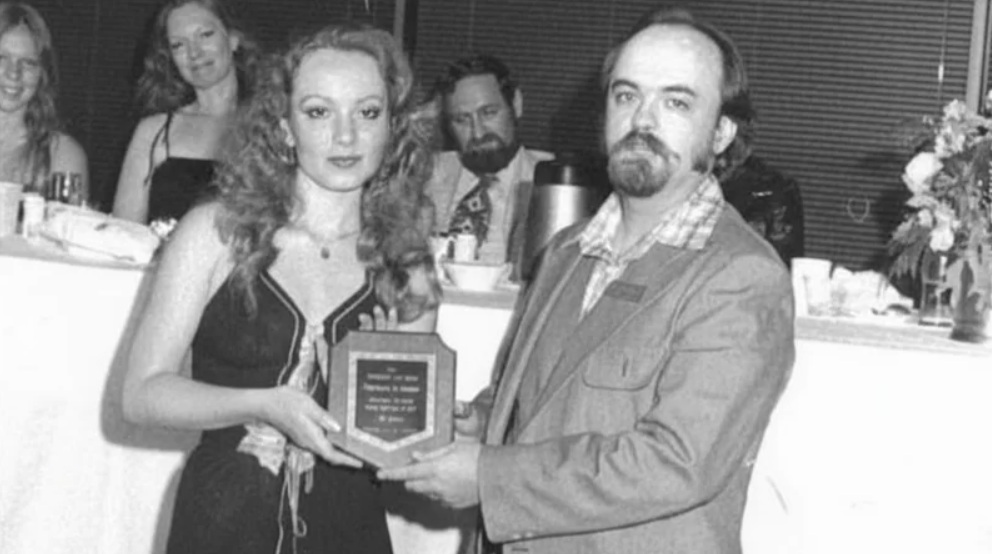
Steve Darlington, better known to board game enthusiasts as Steve Dee, was president of Tin Star Games, an Australian gaming company dedicated to story-driven play and creative expression. Their motto was simple:
We make games. They tell stories.
His games are endlessly repeatable player-driven fun. You’ve probably heard of his most famous creation, There’s Been a Murder (which was on our Halloween game countdown).
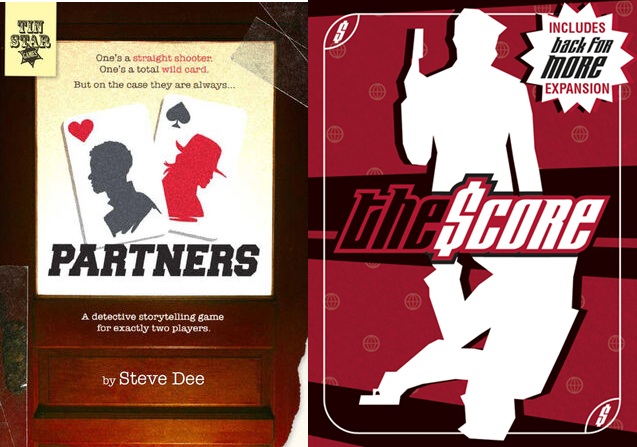
But I want to highlight some of his other games that haven’t received as much of the spotlight. There’s Partners, a two-player game that lets you explore the classic TV crime-solving dynamic of the straight-shooter and their wildcard partner.
There’s also The Score, a simple 18-card game that lets you tell the story of the greatest heist movie ever (at least the greatest heist movie not involving bears).
But he was far more than a mere game designer.
Steve was a huge believer in jams: events where you create something in a limited time, marrying creativity with challenge. He participated in 48-hour jams to create 3-minute short films. He hosted jams and panels at cons, teaching people how to make board games in 2 or 3 hours.
He even hosted a challenge where fans yelled roleplaying game ideas at him and he would turn them into a playable game in just one hour!
Steve’s YouTube channel is a treasure trove of hard-won experience and boundless support for gamers and game designers, shining a light on many of the difficulties of running a small game company in the modern day. His videos are loaded with personality, and his unwavering sincerity shines through in every one.
Described by friends and admirers as humble and helpful, generous and inspiring, Steve was happy to help others with advice, guidance, and encouragement. The number of anecdotes across Facebook and gaming sites was truly overwhelming, mentioning kind words, workshops, impromptu lunch-time feedback sessions, and more.
And it’s so very fitting that his last Patreon post was titled something that fit Steve’s mantra and spirit so perfectly: Just do something.
Please let me conclude this tribute with Steve’s own inspiring words…
In times of crisis, heroism often fails; great efforts come to nothing and the casual or cruel can grant salvation. However, the smallest things can still be incredibly powerful and resonate to eternity. You matter, and if you show up, you can change your fate, or someone else’s. And that is everything.
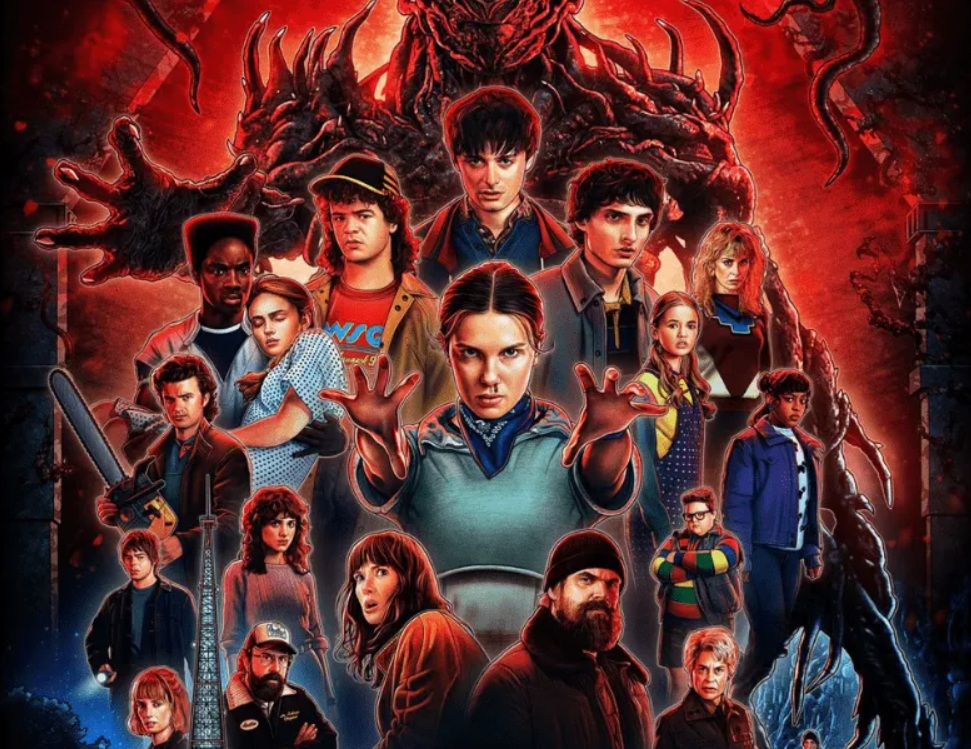
Stranger Things has come to its epic conclusion (planned follow-up shows aside), and it has absolutely made an impact on pop culture.
Part of the show’s lasting legacy is introducing people to roleplaying games, specifically Dungeons & Dragons. Yes, shows like Freaks and Geeks and Community got there first, not to mention the sitcom juggernaut The Big Bang Theory, but I don’t know that any of them made the experience as accessible to new viewers as Stranger Things did.
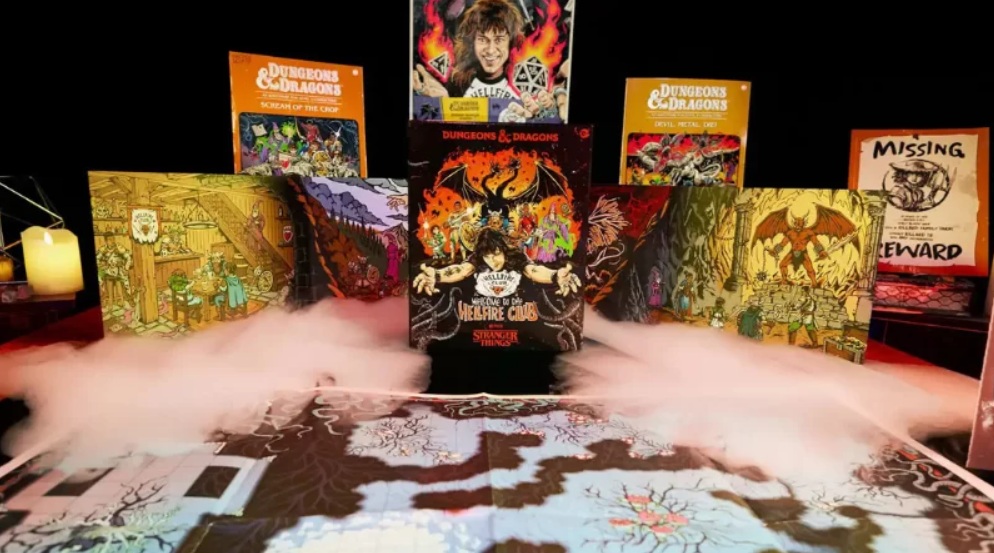
Heck, there’s been two different Stranger Things/D&D starter packs to bring those new players into the fold!
And it got me thinking about D&D moments in movies and television shows.
Not moments that mention D&D or its lore or show gameplay or anything like that. I mean moments that FEEL like someone playing D&D.
There are certain moments in pop culture that feel like a D&D solution to a problem, as if this exact scenario appeared in a D&D game and this was the solution devised by the players.
It’s hard to define exactly what makes a scene in TV or cinema FEEL like a D&D moment. Sure, you can pick any buckwild action movie like Crank or Shoot ‘Em Up or Hardcore Henry or Mad Max: Fury Road, but for all the big setpieces and chaotic energy in those films, they don’t necessarily FEEL like a D&D game.
But these scenes definitely do.
It’s only natural to start with a scene from Stranger Things. In season 4, the heroes infiltrate the Upside Down to stop Vecna and try to rescue Max, but they need a distraction.
So, naturally, Eddie performs a wicked guitar solo and blasts metal music to distract the bat creatures and help Steve, Robin, and Nancy get closer.
This feels like such a D&D move for a bard to do, performing a badass yet ridiculously out-of-place musical number in order to help the party.
In the dead zone between the films Pitch Black and 2013’s Riddick, there was the film Chronicles of Riddick, detailing Vin Diesel’s antihero adventures after the events of Pitch Black.
In the film, we’re told this prison planet is so scorchingly hot that it’s uninhabitable, and you’re surely die within moments.
So naturally Vin Diesel’s character dumps a bottle of water over his back and swings into a canyon through the direct sunlight, and the water saves him. It feels like such a D&D player solution to the problem.
Viewer warning: language.
A ridiculous big-swing attack is also a D&D hallmark, so there’s a scene from The Boondock Saints that comes to mind.
In this film, two brothers become vigilantes and begin hunting down criminals. When several mobsters show up after the brothers got the better of them in a bar fight, Connor is handcuffed to a toilet while the thugs drag off Murphy.
So, as you might expect, Connor rips the toilet out of the floor, then carries it to the rooftop, dropping the toilet and then leaping, still handcuffed, onto the thugs, saving his brother.
There has never ever been a game of D&D without at least one player throwing themselves off a high thing and leaping onto the bad guys, gravity be damned. It’s a classic trope.
I reached out to several of my fellow roleplayers for suggestions of other scenes that feel like D&D, and they had two excellent recommendations.
The first is this hilarious sequence from Three Amigos!, where our heroes (?) meet the Singing Bush and encounter the Invisible Swordsman.
It goes so perfectly wrong, and every player has seen a quest go pear-shaped in similar fashion.
There are a lot of scenes from Galaxy Quest that could fit the bill, given that you have a bunch of actors pretending they’re characters from a Star Trek-like sci-fi show.
My friend Troy recommended the scene where Commander Taggart and Dr. Lazarus pretend they’re fighting (like their characters did in an episode) in order to distract the guards and ambush them. They do an awful job, but the ruse still succeeds.
But I think my favorite is the rock monster scene shown above. The panic, the fumbling around for a solution… it’s all so D&D.
So, fellow players, do you have any favorite scenes from film and TV that FEEL like D&D play, either in execution or silliness? Let us know in the comments section below. We’d love to hear from you!
Timing is a fascinating thing. You never know what will suddenly become relevant again, or how something from the past will reemerge with new context and impact later.
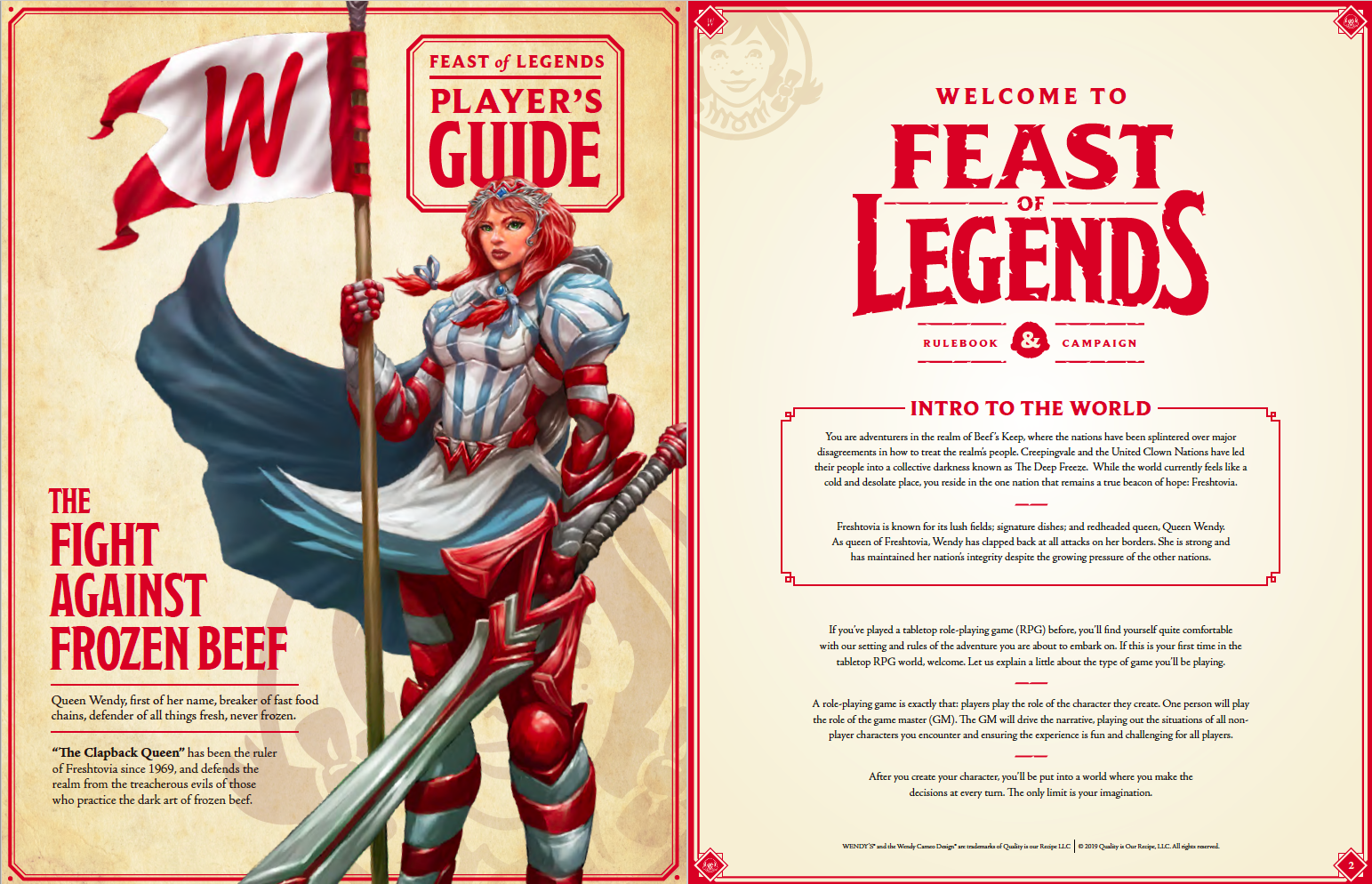
Now, Feast of Legends made a big splash in 2019, but it’s fair to say that six years later, it’s not as relevant in RPG circles as it once was.
However, it’s funny that I wrote about it just a few weeks ago, and now it seems like Burger King is suddenly getting in on the roleplaying game scene!
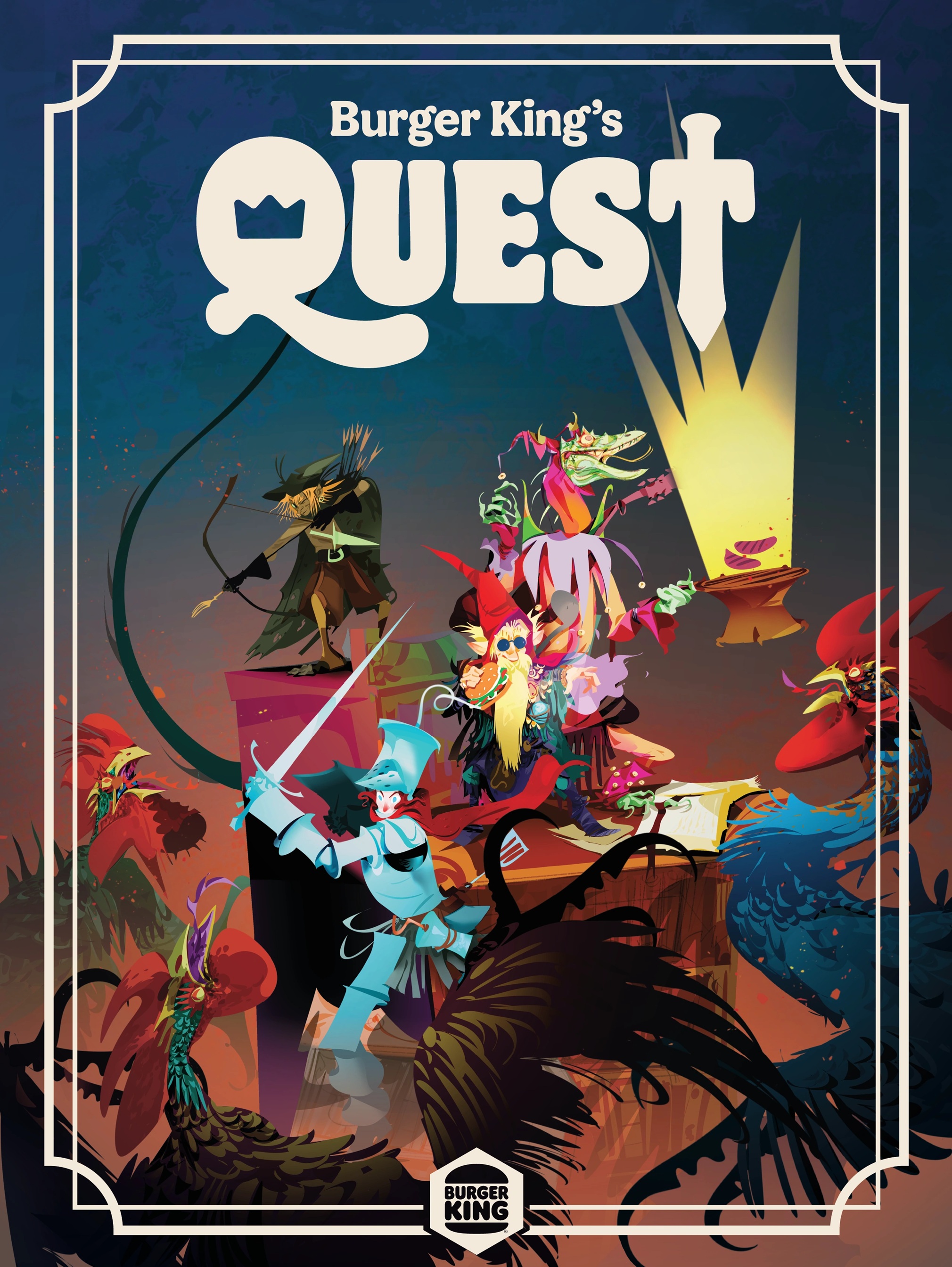
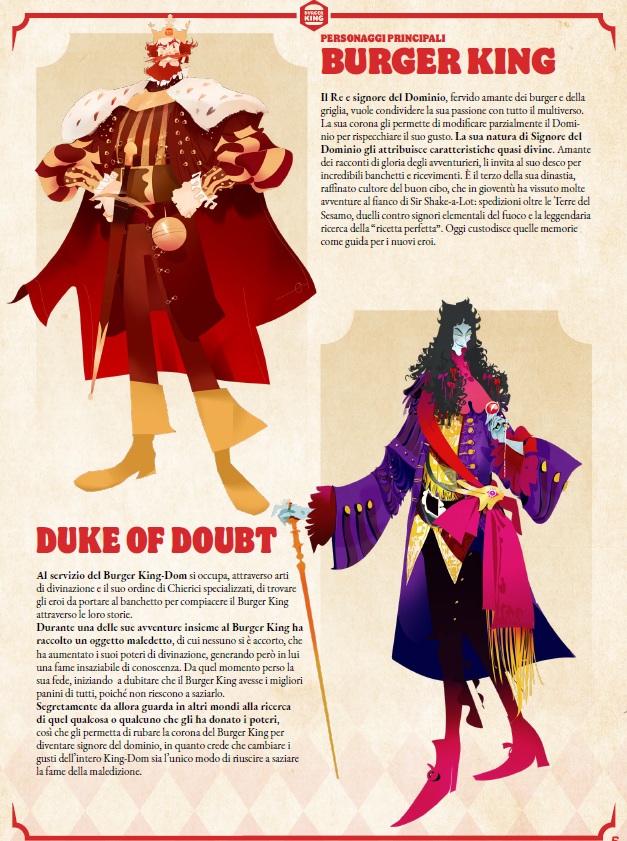
Yes, Burger King’s Quest is a playable supplement for Dungeons & Dragons, featuring the Burger King Kingdom as its setting, and resurrecting several characters from Burger King’s promotional efforts in the 1970s and 1980s to counter McDonalds’ McDonaldland and its characters.
You definitely know the Burger King, but do you remember Sir Shake-A-Lot, the Duke of Doubt, or The Wizard of Fries? I sure don’t! (Who knew that The Home of the Whopper was a real place, not just a slogan?!)
Well they’re getting new life in this RPG supplement, which was unveiled at Lucca Comics & Games as part of Milan Games Week.
Right now, the game is only in Italian, so we’re not sure if English-speaking roleplayers will get their own version in the future. But thankfully the hardworking crew at the Burger King WIKI have some details on the game for non-Italian readers.
I don’t speak Italian, but I did download the game’s PDF, naturally. The art is beautiful, and clearly a lot of work went into this promotional stunt.
But you can already see a rivalry brewing with the Feast of Legends loyalists in the RPG community. (After all, I only found out about Burger King’s Quest BECAUSE of the Feast of Legends subreddit!)
I reached out to the Burger King Public Relations team to try to learn more about the promotion and any plans for it to expand beyond Italy, but I haven’t heard back yet.
So, for now at least, this remains a roleplaying curiosity. But who knows what the future holds. Wendy’s, Arby’s, and now Burger King. The fast food/roleplaying crossover space is certainly heating up!

 PuzzCulture