“Do not lament my absence, for in my spark, I know that this is not the end, but merely a new beginning. Simply put, another transformation.”
Sadly, we lost a lot of timeless people this week. Performers, artists, musicians, icons. My childhood in particular took a few disheartening hits, to be sure.
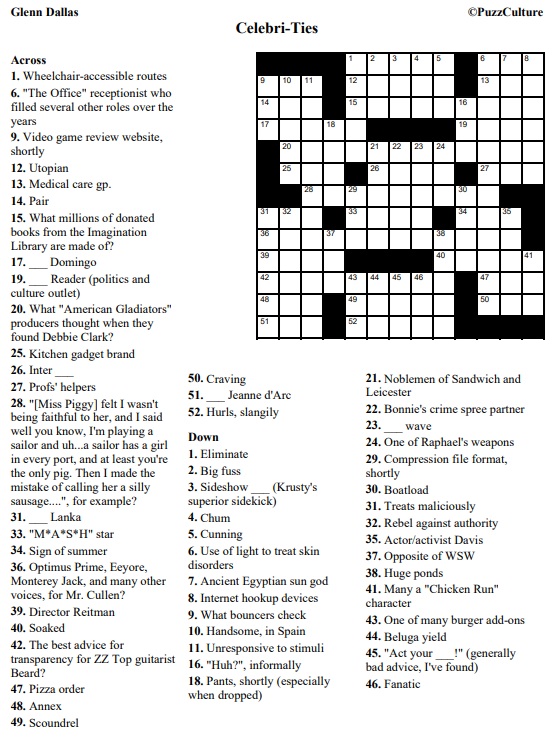
But I wanted to honor those influential voices in some way, and as you might expect, I’ve constructed a puzzle in their honor. Hopefully the silly wordplay brings a smile to your face as we remember them together.
One of my favorite places on the Internet might surprise you.
It’s a subreddit called r/AdventuresOfGalder, and it’s a place to celebrate those we’ve lost.
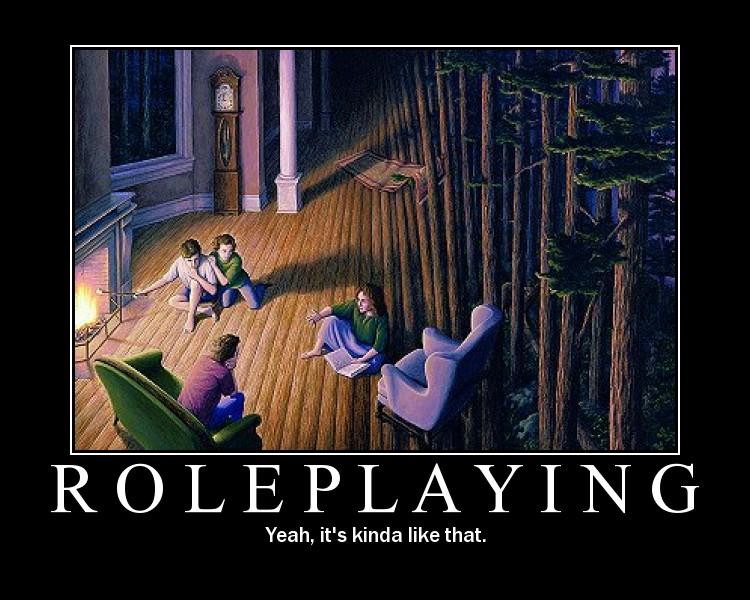
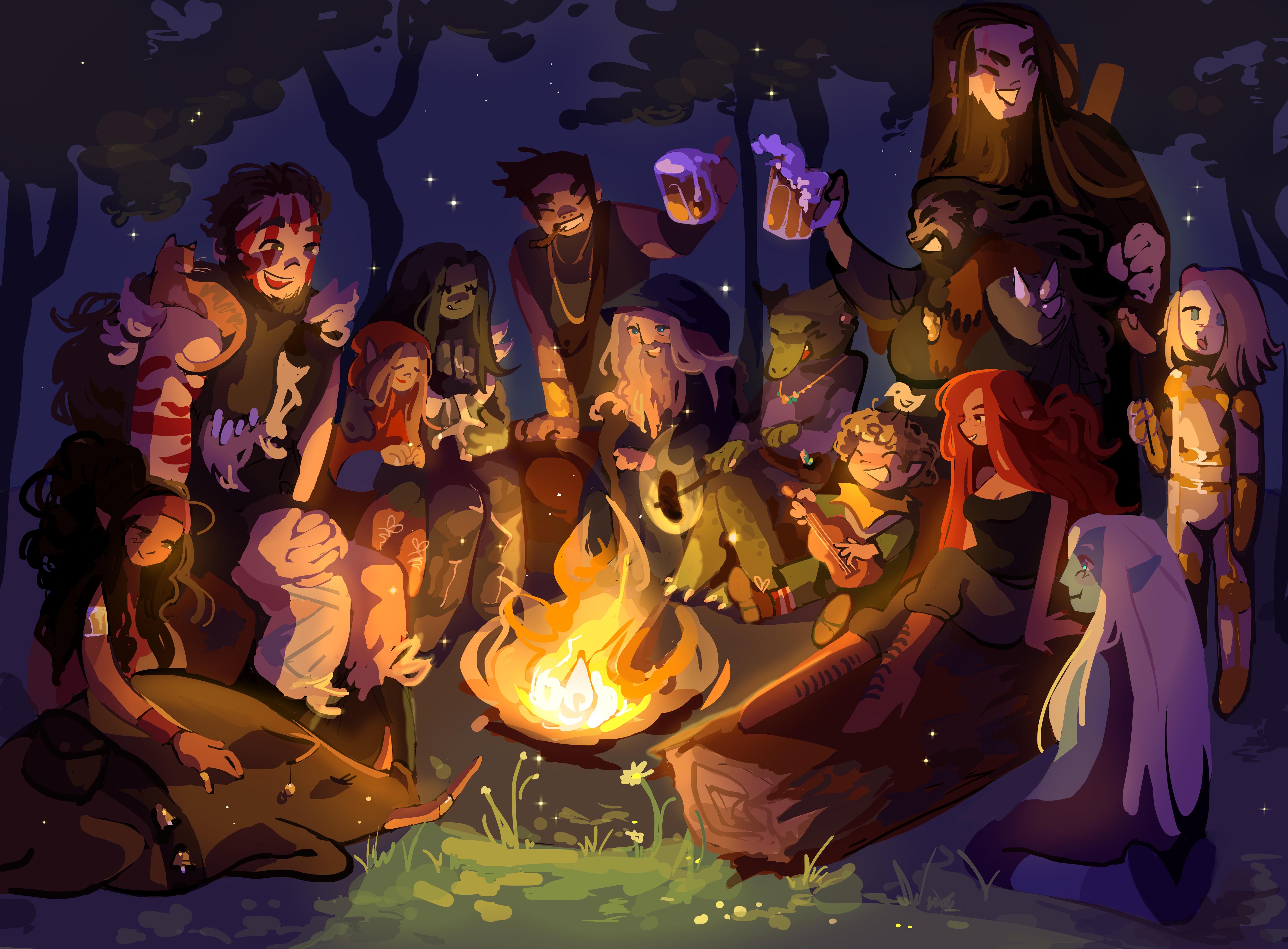
Imagine that you’re in a Dungeons & Dragons campaign with your friends. You’re each playing a different character in the party, adventuring throughout the land, performing good acts and feats of derring-do.
But the real world intervenes in the cruelest way possible. Your friend passes away. And as you are slowly confronting your grief and mourning your loss, you realize a smaller loss.
Your friend’s character is still there, their story unfinished.
There are different ways to handle this. The character could be quietly retired, or become an NPC played by the Dungeon Master. The game itself could end and a new one begin in its wake.
When I lost a friend to suicide who had been part of my D&D game at the time, his character ended up becoming a chosen of his faith, and elevated into my game world’s pantheon. There are still references to him to this day in my other games, since he continues to be a part of my world. It is my small way of honoring my friend.
Every group finds a different way to deal with this at their table.
But you can also honor both your real-life loved one and their roleplaying character at r/AdventuresOfGalder.
Named for Galder the Conjurer, the character played by a man named Laurence who sadly passed away from cancer in 2018, this subreddit is dedicated to those we’ve lost. It is a repository of stories about those people and the characters they played. Their fictional adventures are shared here, their good deeds chronicled.
And sometimes, other Dungeon Masters incorporate these characters into their own home games, bringing new life to these wonderful creations of those we have lost.
It’s an electronic version of lore building, sharing stories of larger-than-life deeds around the campfire, stories that can then go on and evolve and become larger and stranger and funnier and more grandiose as others retell the stories. It’s a part of an ever-growing newborn mythology.
At a time when people feel adrift, alone, confused and hurt and scared, they can come to r/AdventuresOfGalder and find waiting ears and friendly shoulders to lean on. They can share their grief and their love and all the good times for others to enjoy.
Yes, it’s an incredibly sad place, but it’s also beautiful. You should check it out sometime.
A year ago yesterday, my friend Maureen passed away unexpectedly.
We didn’t get to see each other much, given that I live in CT and she lived in North Carolina. But we chatted online when life allowed, and it was always a treat when I would see one of her texts or posts pop up.
Mo and I bonded over bad movies, a shared love of writing and performing, and Brak’s “I Love Beans” song from Cartoon Planet.
And she was forever baffled and interested by the fact that my day job is puzzles.
She was immensely supportive and creative, encouraging me in all my endeavors (successful or not), and every year at Christmastime, she would send something she thought would inspire my creativity.
One year it was rubber ducks to decorate, complete with markers AND clip-on accessories like hats and mustaches.
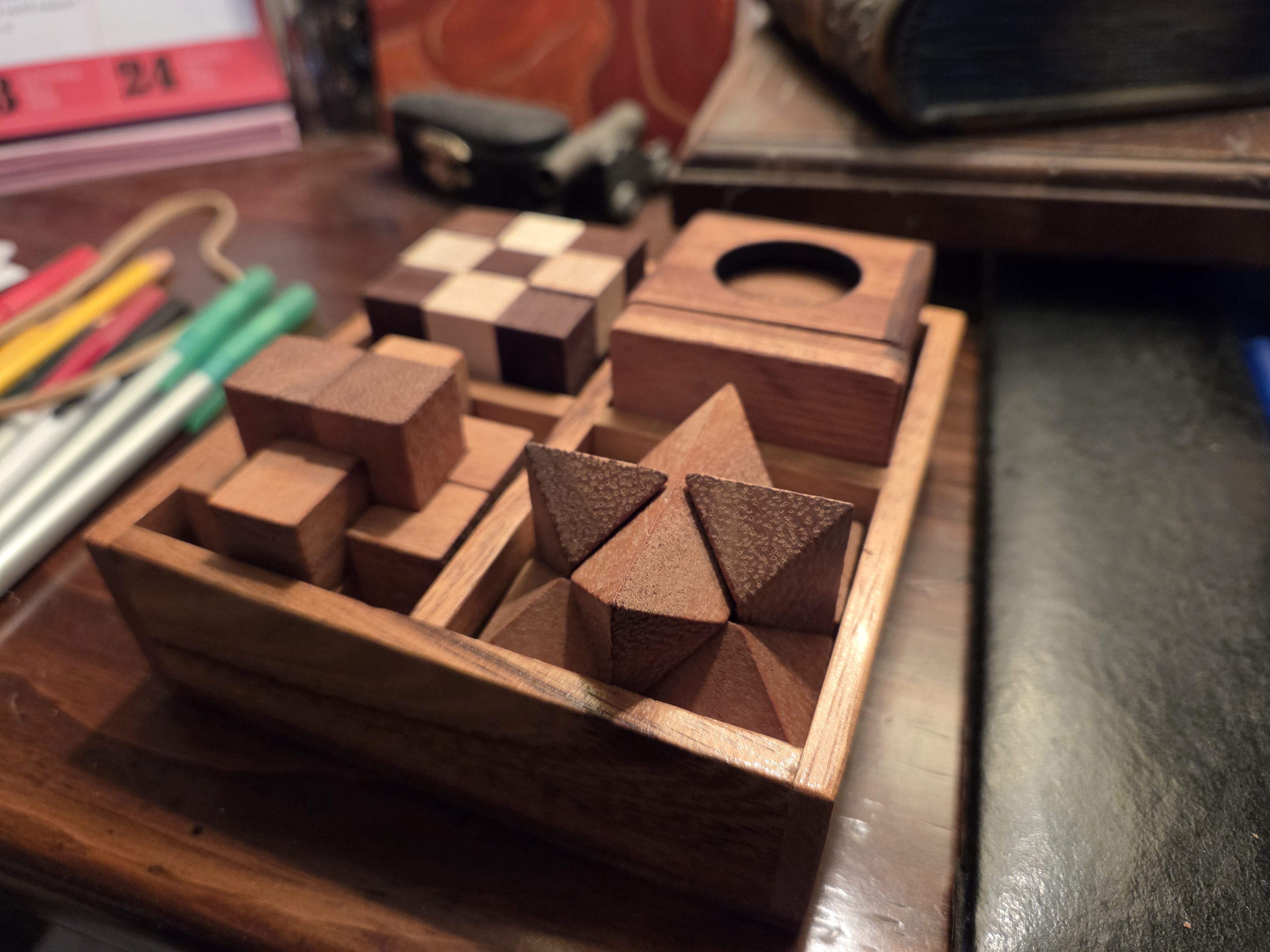
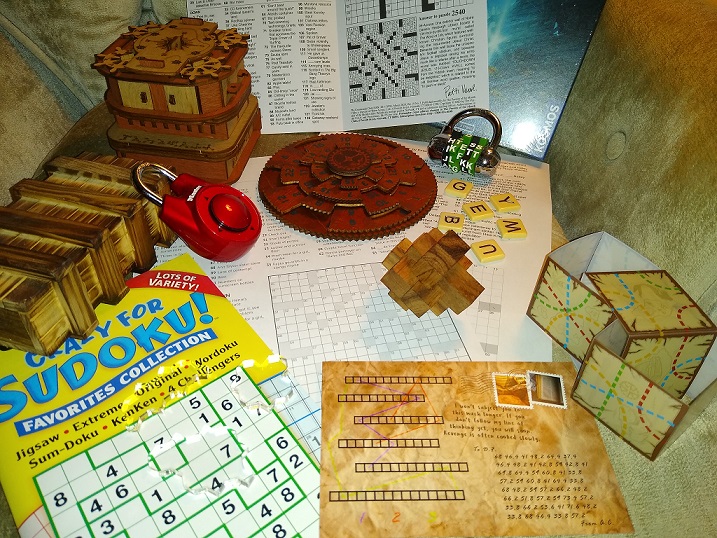
The Christmas before she died, she sent me a puzzle box.
It has four simple wooden mechanical puzzles, including a fit-the-pieces-in-the-box puzzle and a star puzzle.
I rarely take them apart and reassemble them, since I already know the technique behind each. But I often find myself handling them, reflexively rolling one in my hand or running a finger along the edge as I’m working on something.
I’m sure these would work marvelously as fidget objects. I use them to idly engage myself while processing things. I find it more inspiring than simply staring at the computer screen or the blank page while I’m puzzling.
(There’s an IT person at my office who does the same with a Slinky while he’s coding or unraveling a programming issue.)
So many puzzles, however enjoyable, are just brief (or extended) bits of fun. I solve them, and put them aside, happy to have challenged myself but ready for the next a-ha moment.
Unlike all those, this puzzle set sits on my desk, patiently waiting for the next moment when I’m flummoxed or my editing stalls out. Just like my friend, they’re ready to help me out of the next jam.
A little piece of wooden inspiration in the palm of my hand.
Thank you for that gift, Mo.
Do you have a puzzle or a game you associate with a loved one? Did a loved one introduce you to the world of puzzles and games? I would love to hear your story, if you’d care to share.
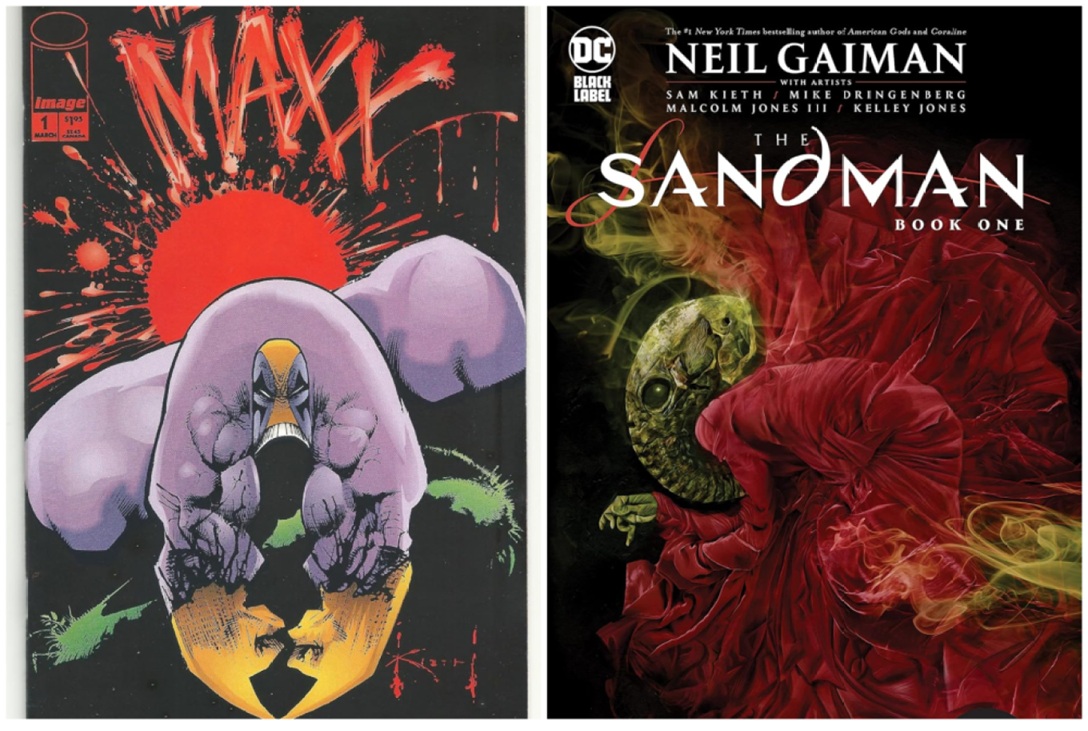
Sam Kieth is a comic book artist, writer, and storyteller who isn’t as well-known as he should be. He wrote and drew for the Hulk, Wolverine, Batman, and many other notable characters, and also co-created The Sandman with the intolerable Neil Gaiman.
When I was younger, his comic The Maxx (and the MTV Oddities cartoon adapted from the comic) were brain-meltingly creative influences on me.
He opened my mind to the possibilities of storytelling, and I still count his works alongside those of Dave Barry, Terry Pratchett, Connie Willis, and Douglas Adams, when it comes to how impactful they were.
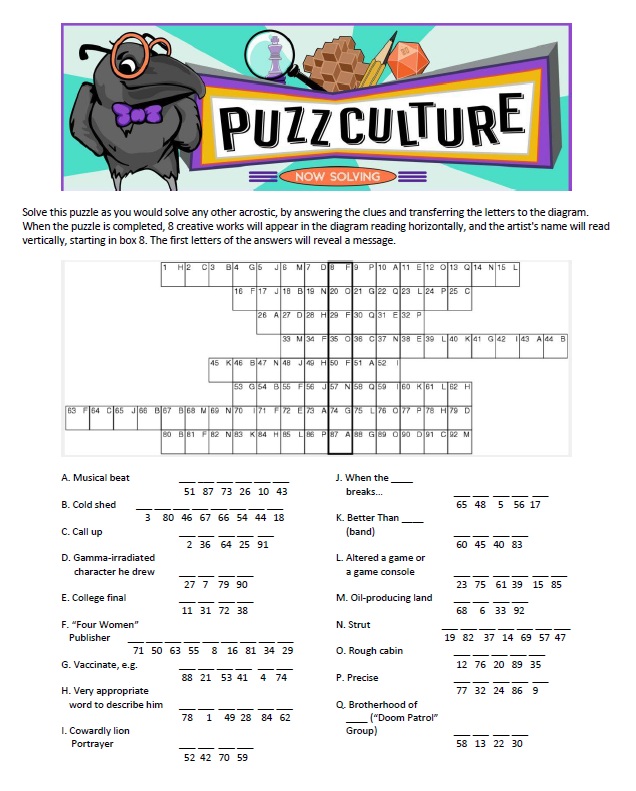
And I want to pay tribute to him the best way I know how, so I created a little acrostic puzzle in his honor.
I hope you enjoy solving it, and take a little time to explore the works of Sam Kieth. He leaves a long and varied creative legacy behind him, and much of it holds up to this very day.
After all, diagonal symmetry is one of the fundamental rules of crossword grid design. (Along with the occasional example of vertical symmetry.)
Puzzlers are used to linguistic symmetry as well. A well-constructed palindrome, the same message reading forward and backward, has delighted and challenged many a puzzly mind. Go hang a salami, I’m a lasagna hog.
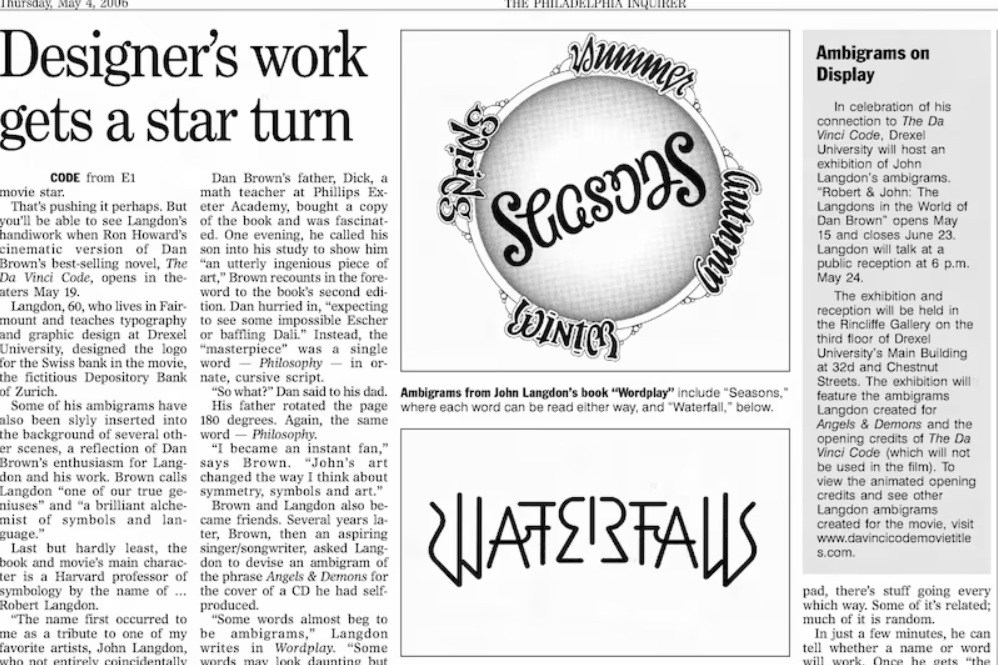
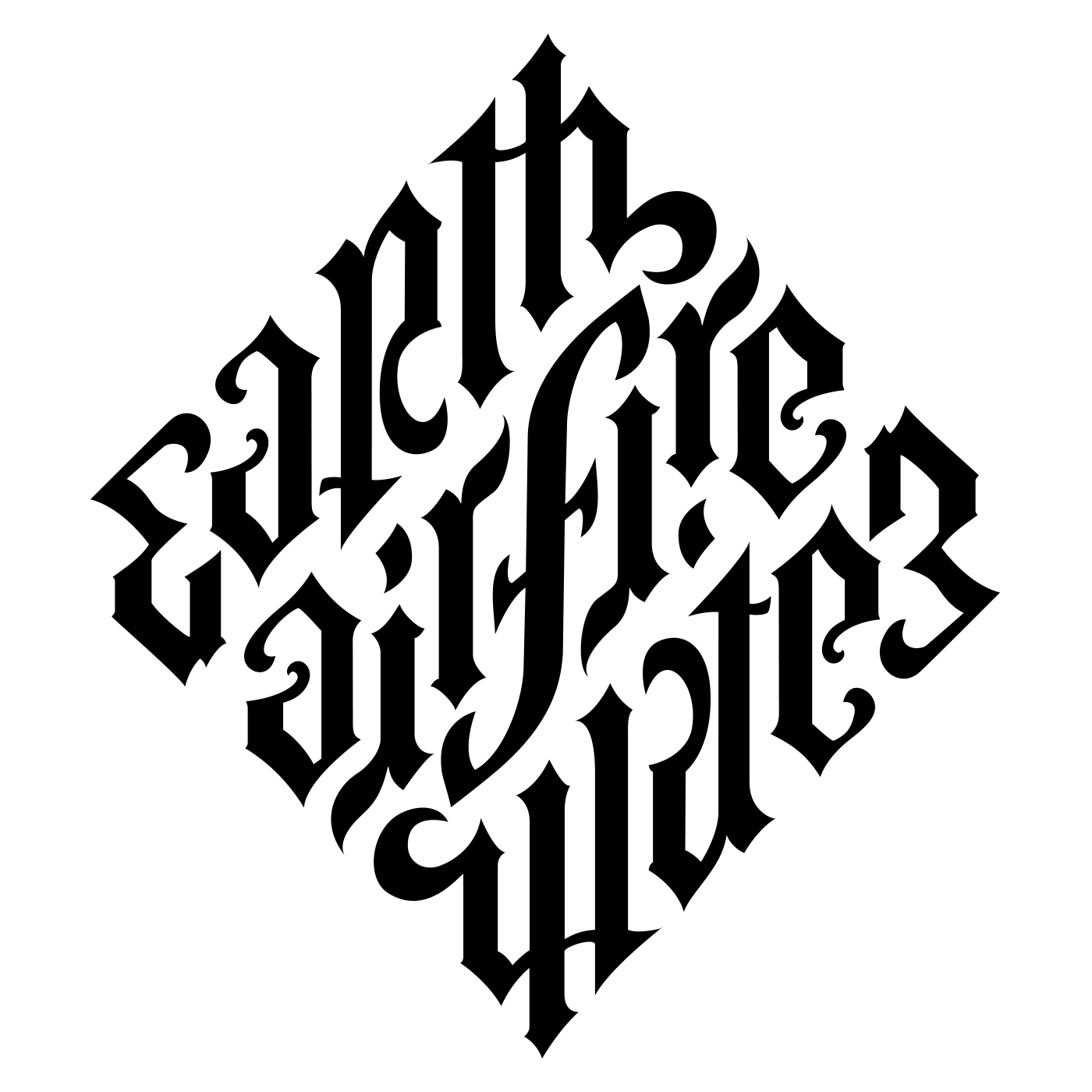
Ambigrams scratch the same itch, combining artistic flourish with clever letter placement to create a message with rotational symmetry, allowing you to rotate the image 180 degrees and see the same message.
The curious thing about ambigrams that they feel ancient, like an artistic work steeped in history from centuries past, but in reality, they’ve only been around since the 1970s! (The term itself was coined by Douglas Hofstadter in 1984.)
In an interview in 2006 with Newswise.com, he said, “In the early ’70s, I tried to do with words what Dali and Escher did with images.”
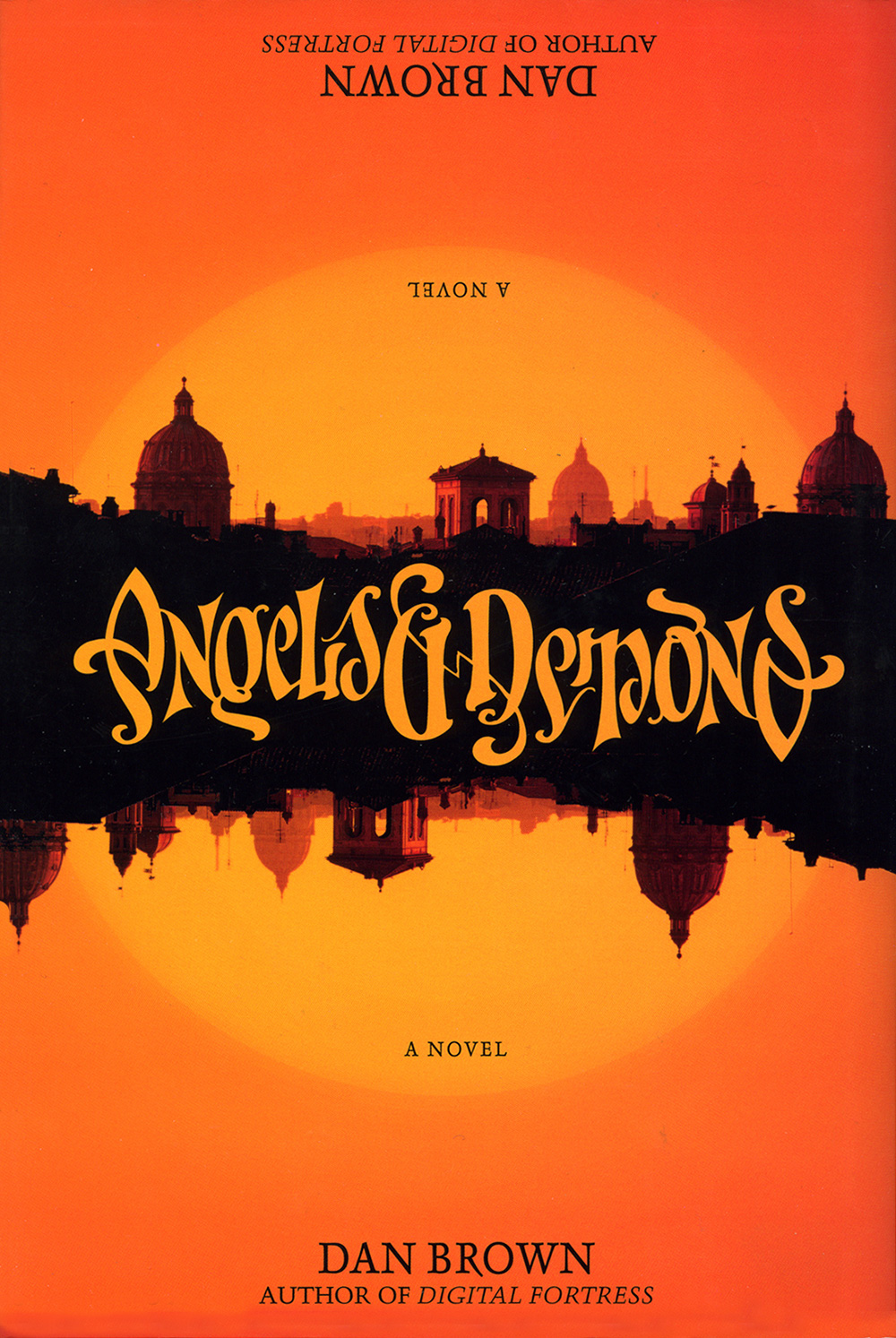
Most famously, he created several ambigrams for Dan Brown’s book Angels & Demons, adding a mystical aura to Robert Langdon’s adventures involving the church and the Illuminati.
Oh, yeah, you noticed that, did you? Yes, the protagonist of The Da Vinci Code and several other bestselling works is named after John Langdon.
In an interview, Brown shared the story of his father, a math teacher, showing him Langdon’s book Wordplay, and he was instantly hooked. “John’s art changed the way I think about symmetry, symbols, and art.”
We sadly lost John earlier this year at the age of 79, but his lasting influence in the world of wordplay is alive and well, not only with his literary legacy and namesake, but in the work of other ambigram artists.
The YouTube channel Write Words – Make Magic has gone viral over the last few years by creating ambigrams for viewers’ names, as well as other cultural touchstones, and it’s absolutely worth a watch. They happily show off their techniques for creating ambigrams, and it’s a true delight.
Ambigrams, and Langdon’s art in general, are all about revisiting one’s perspective. “Ambiguity makes people uncomfortable. But the lesson of Taoism is that if you have only one vantage point, you’re not seeing the truth.”
Puzzles are often about viewing things from another angle. Wordplay, punnery, manipulating language to surprise and playfully mislead… these are hallmarks of crosswords and crossword cluing.
A “very strong sense of legibility but also a marvelous sense of esthetics, flow, and elegance.” This could easily describe a great crossword puzzle, but it’s actually Douglas Hofstadter’s description of John Langdon and his work.
I guess it’s all a matter of perspective. Insight and wordplay, lurking within the symmetry.
If you just know how to look for it.
Do you have any favorite palindromes, ambigrams, or examples of symmetrical puzzling, fellow reader? Let us know in the comments section below! We’d love to hear from you.
Sadly, the start of 2026 has been a rough one for the games industry, as we lost two influential voices in the span of a few days.
Please join me as I take a few moments to honor the lives and contributions of Tim Kask and Steve Dee.
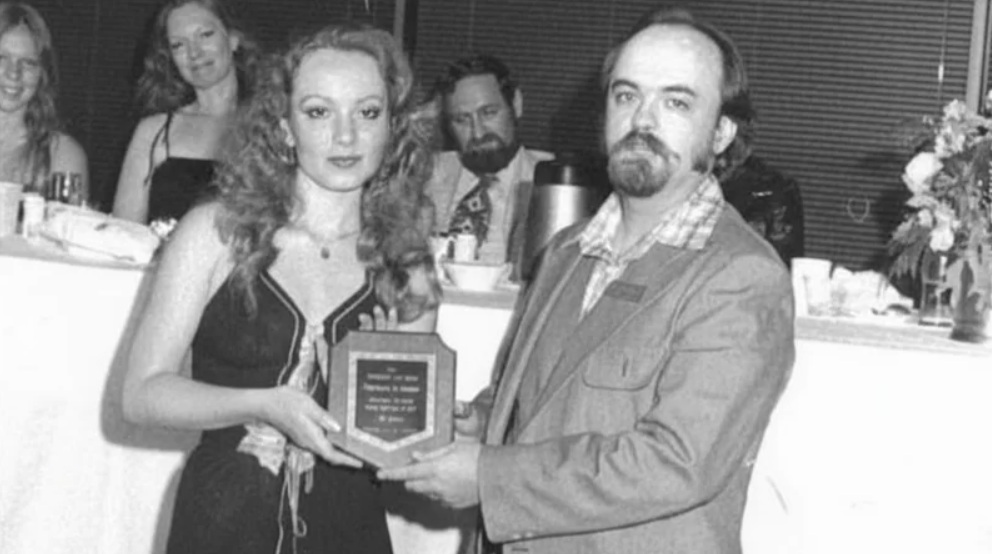
On December 30th, we said goodbye to Tim Kask.
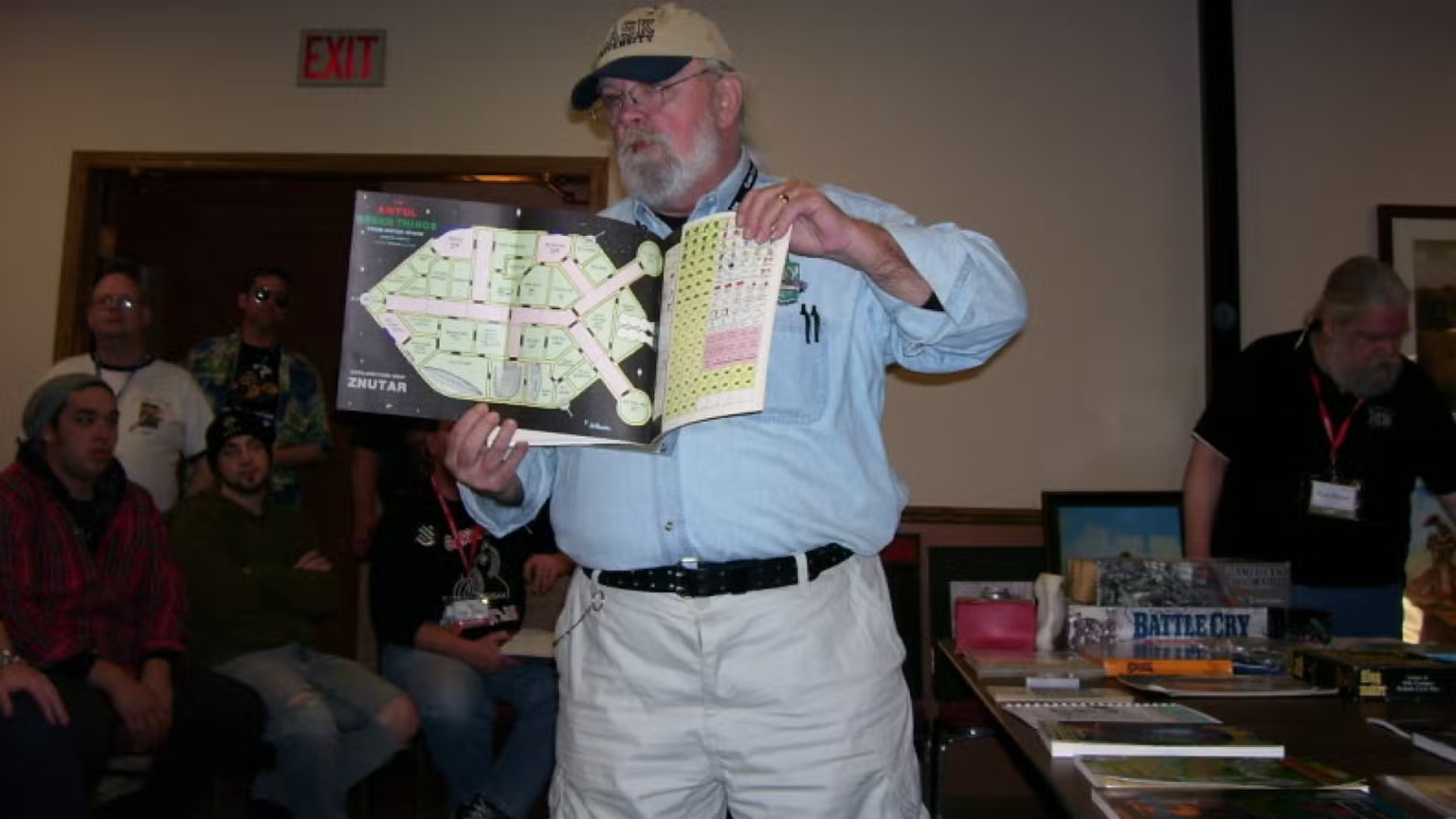
When you think of the early days of Dungeons & Dragons, there are names like Gary Gygax and Dave Arneson that many roleplaying fans probably know. But Tim Kask’s name belongs in the same conversation as those renowned voices.
Tim was hired as an editor for Tactical Studies Rules (aka TSR, the founding company of D&D) by Gygax himself, making him the first full-time employee of the company. He was already a fan of Gygax’s game Chainmail and was one of the playtesters of “The Fantasy Game” (the game that would eventually become Dungeons & Dragons).
And his fingerprints are all over the world’s most famous roleplaying game.
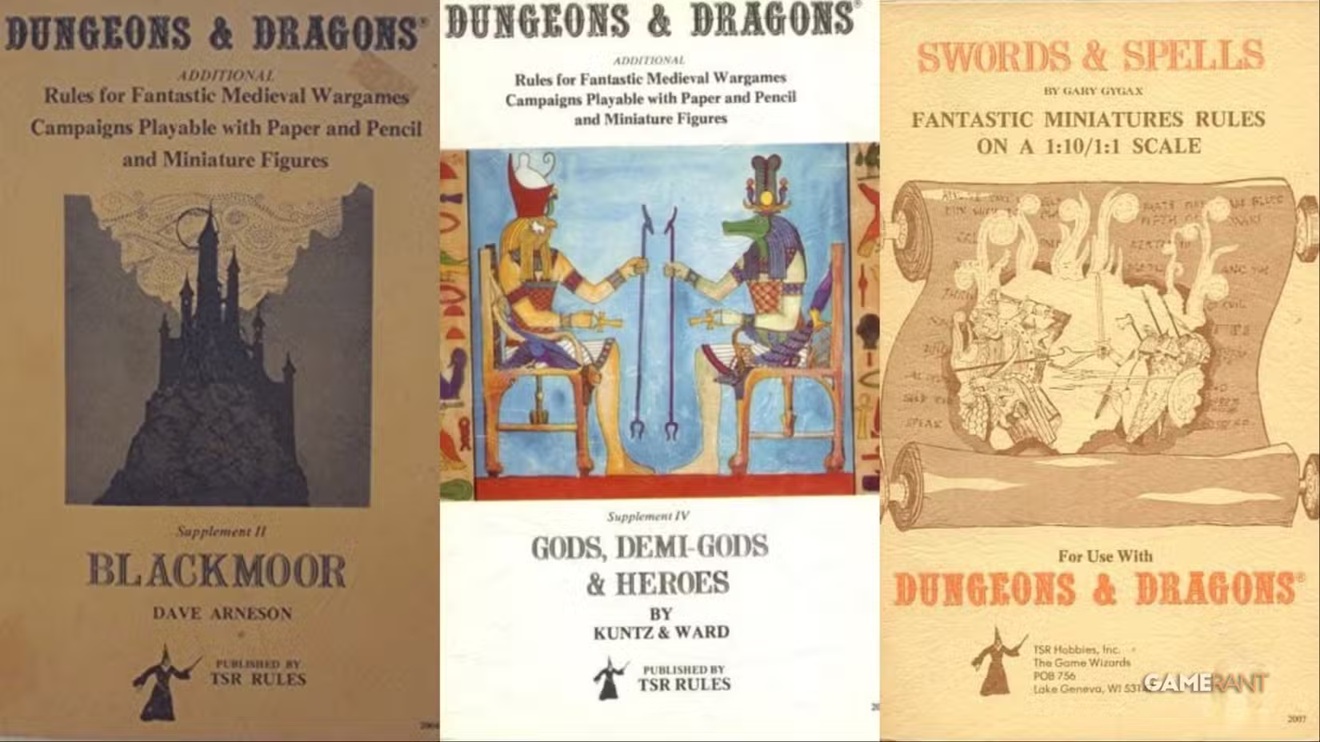
He edited and contributed to Blackmoor, one of the earliest supplemental books for D&D, adding rules, playable classes, and the first published adventure, The Temple of the Frog. Additional supplements like Swords & Spells, Eldritch Wizardry, and Gods, Demigods, and Heroes were also shepherded by Kask’s capable hands.
The first thirty or so issues of Dragon Magazine — formerly The Strategic Review, and then The Dragon, before settling on the name known by most fans — were part of Kask’s ongoing projects for the company as well. It remained one of the premiere D&D-focused magazines for years, and copies of Dragon Magazine are still treasured in RPG collections to this day.
Tim hired influential voices like Kim Mohan, and granted a license to Jennell Jaquays to publish her own D&D fanzine The Dungeoneer, adding new adventures for players to enjoy. (Jacquays would soon revolutionize the concept of the dungeon crawl with her multi-path dynamic dungeons, replacing the linear corridors and encounters that had defined the concept until that point.)
He was one of the first people to call the hobby “role-playing.” Magic Missile automatically hits its target because of Kask. And the Sword of Kas, one of the most legendary weapons in all of D&D, is named after him.
Kask resigned from the company in 1980, displeased with the direction of the game, but he continued to contribute to the games industry by starting magazines, making appearances at Gen Con, writing for The Crusader and Gygax Magazine, and founding game company Eldritch Enterprises. His YouTube channel, Curmudgeon in the Cellar, is a favorite of many gamers and roleplayers.
Fans remember him as straightforward, grumpy, and very very funny, happy to share his knowledge and opinions on the game he helped bring to prominence.
Thank you for everything, Tim.
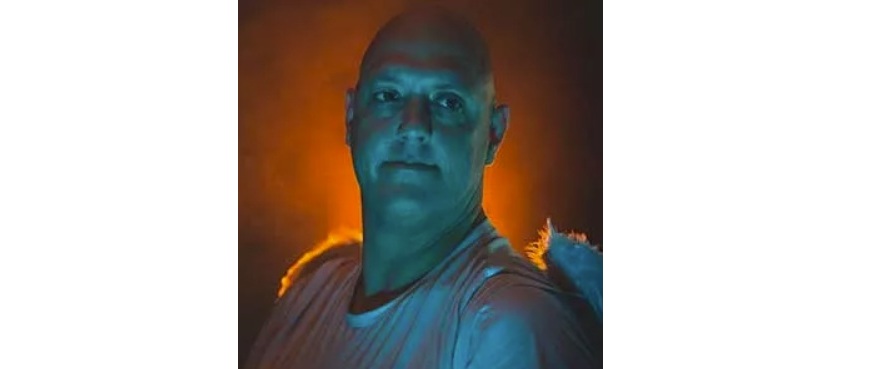
Only a few days later, on January 2nd, we lost Steve Dee as well.
Steve Darlington, better known to board game enthusiasts as Steve Dee, was president of Tin Star Games, an Australian gaming company dedicated to story-driven play and creative expression. Their motto was simple:
We make games. They tell stories.
His games are endlessly repeatable player-driven fun. You’ve probably heard of his most famous creation, There’s Been a Murder (which was on our Halloween game countdown).
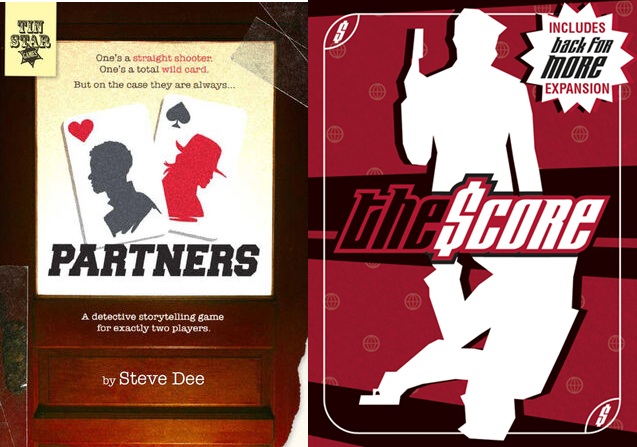
But I want to highlight some of his other games that haven’t received as much of the spotlight. There’s Partners, a two-player game that lets you explore the classic TV crime-solving dynamic of the straight-shooter and their wildcard partner.
There’s also The Score, a simple 18-card game that lets you tell the story of the greatest heist movie ever (at least the greatest heist movie not involving bears).
But he was far more than a mere game designer.
Steve was a huge believer in jams: events where you create something in a limited time, marrying creativity with challenge. He participated in 48-hour jams to create 3-minute short films. He hosted jams and panels at cons, teaching people how to make board games in 2 or 3 hours.
He even hosted a challenge where fans yelled roleplaying game ideas at him and he would turn them into a playable game in just one hour!
Steve’s YouTube channel is a treasure trove of hard-won experience and boundless support for gamers and game designers, shining a light on many of the difficulties of running a small game company in the modern day. His videos are loaded with personality, and his unwavering sincerity shines through in every one.
Described by friends and admirers as humble and helpful, generous and inspiring, Steve was happy to help others with advice, guidance, and encouragement. The number of anecdotes across Facebook and gaming sites was truly overwhelming, mentioning kind words, workshops, impromptu lunch-time feedback sessions, and more.
And it’s so very fitting that his last Patreon post was titled something that fit Steve’s mantra and spirit so perfectly: Just do something.
Please let me conclude this tribute with Steve’s own inspiring words…
In times of crisis, heroism often fails; great efforts come to nothing and the casual or cruel can grant salvation. However, the smallest things can still be incredibly powerful and resonate to eternity. You matter, and if you show up, you can change your fate, or someone else’s. And that is everything.





 PuzzCulture