Product Review: ThinkFun’s Math Dice

[Note: I received a free copy of this game in exchange for a fair, unbiased review.]

If you’re not currently in school, you probably haven’t thought about Order of Operations in a while. Maybe six little letters will bring it all back to you: PEMDAS. Parentheses, Exponents, Multiplication, Division, Addition, Subtraction. (I learned to remember it as “Please excuse my dear Aunt Sally.)

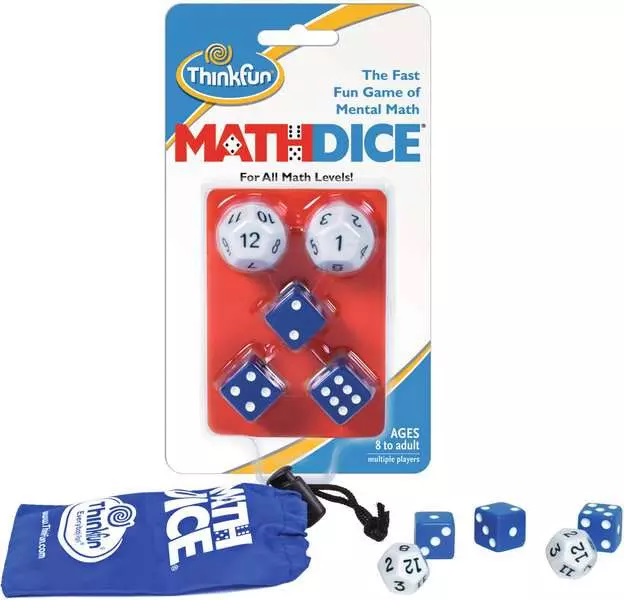
This was a handy mnemonic device to explain how to break down complex equations into simpler ones. But it’s also the basis for ThinkFun’s latest puzzly game: Math Dice.

Math Dice challenges players to put their mathematical skills to the test, using randomly rolled dice and their own numerical ingenuity to get the closest to a given number.

But before we get started with the actual gameplay, I want to take a moment to appreciate how the instruction manual eases new players (and players with less confidence in their math skills) into the game.

After explaining the rules, and offering several techniques to make the game easier or harder, depending on player comfort levels, the manual offers numerous examples to make new players more familiar with all the options available to them.

It’s a terrific way to allay player uncertainty and show them some of the creative ways to mix different operations to make different totals.

Now let’s take a look at the gameplay:

For example, the two 12-sided dice rolled a 12 and a 1. When multiplied, you get your target number of 12. Now the players must try to either match 12 or get closer to 12 than any other player, using the 2, 3, and 6 rolled on the 6-sided dice.

Simple addition will get you to 11.
(3 x 2) + 6 will get you to 12.
(6 – 2) x 3 will also get you to 12.
Can you find any other ways to make 12 from those dice?
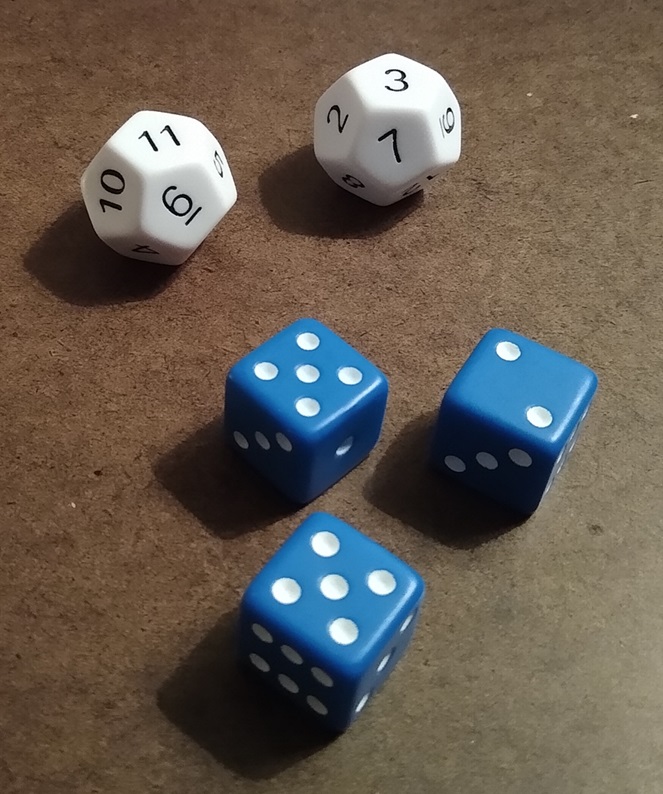
This one is a little tougher. The two 12-sided dice rolled an 11 and a 3, giving us a target number of 33. We also have less flexibility with the 6-sided dice, since we have a 2 and two 5s.

(5 x 5) + 2 will get you to 27. Pretty good!
5^2 + 5 will get you to 30.
2^5 + 5 will get you to 37.

In this case, player who got 30 wins a point!

As someone who is always idly playing with words and numbers during mental downtime or between tasks, this game really appeals to the playful side of my puzzly brain. The challenge of making two sets of numbers balance is both challenging and soothing in the best way, like the purely mental equivalent of a fidget toy or other tool to keep your hands and mind engaged.

But this is also a clever launchpad to introduce younger puzzlers to the idea that numbers aren’t just classwork or homework, they’re something to play with. They’re puzzle pieces to rearrange and put together in all sorts of ways to create new results.

ThinkFun excels at turning learning experiences into engaging puzzles and games. Over the years, they’ve done so with logic problems, optics, programming, gravity, deduction, mechanical puzzles, and more, so it’s no surprise they’ve managed to do the same quite deftly with the basics of mathematics.

[Math Dice is for 2 or more players, ages 8 to Adult, and it’s available from ThinkFun and participating websites starting at only $6.99!]
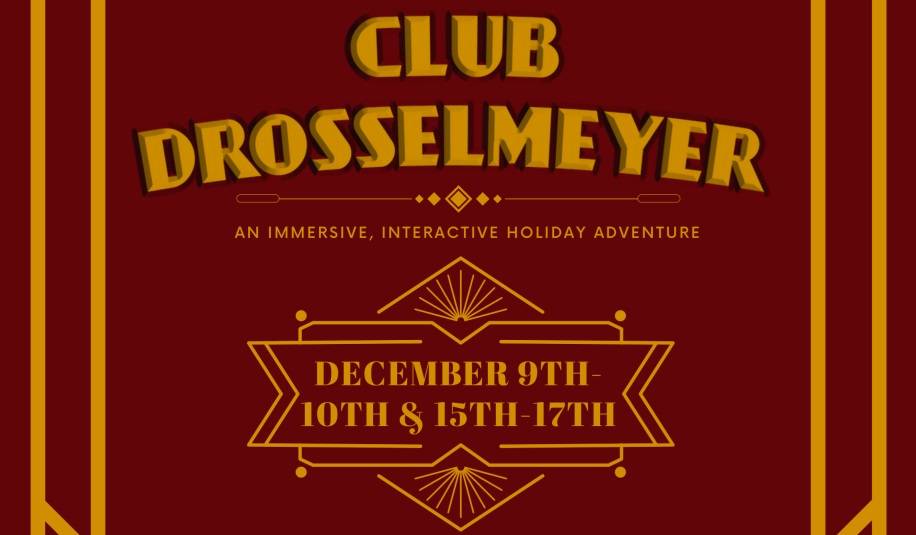
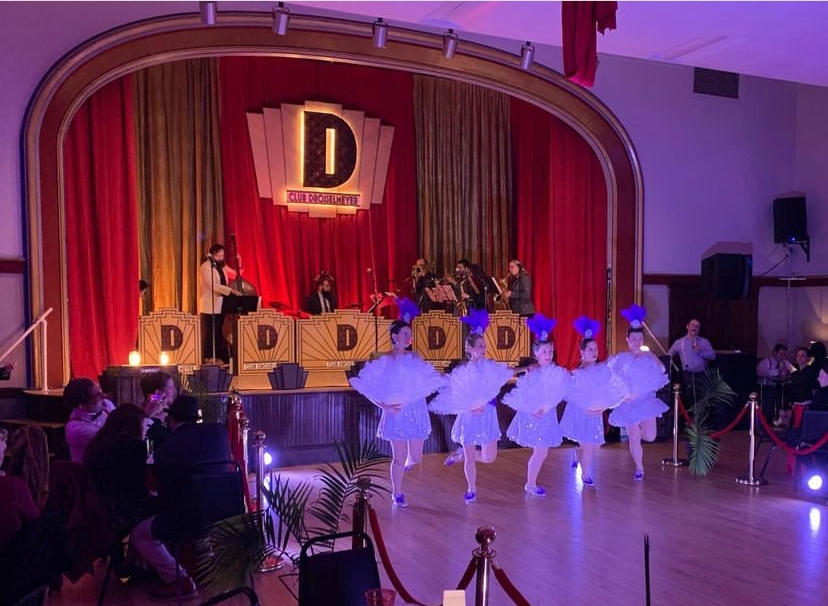
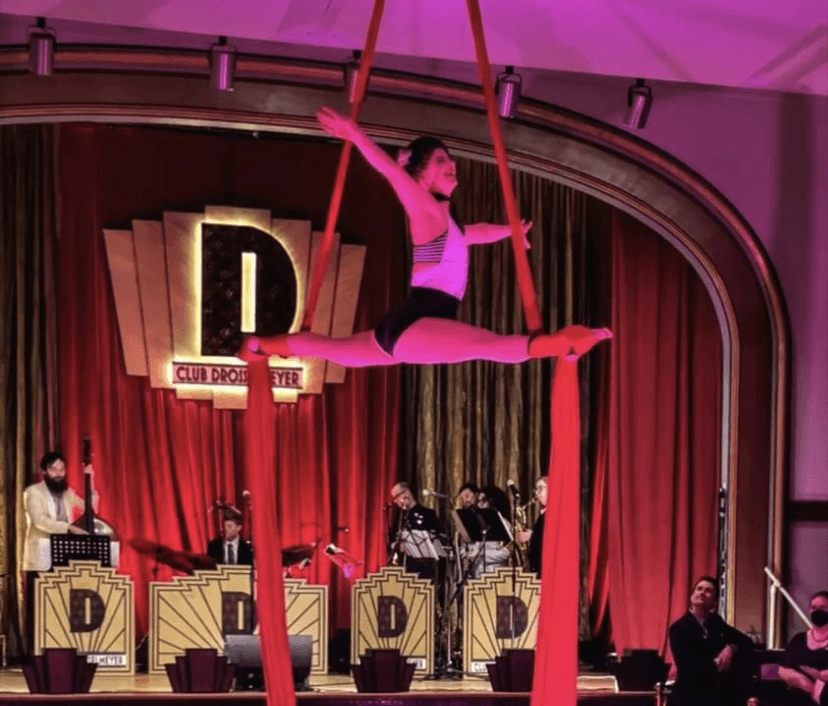
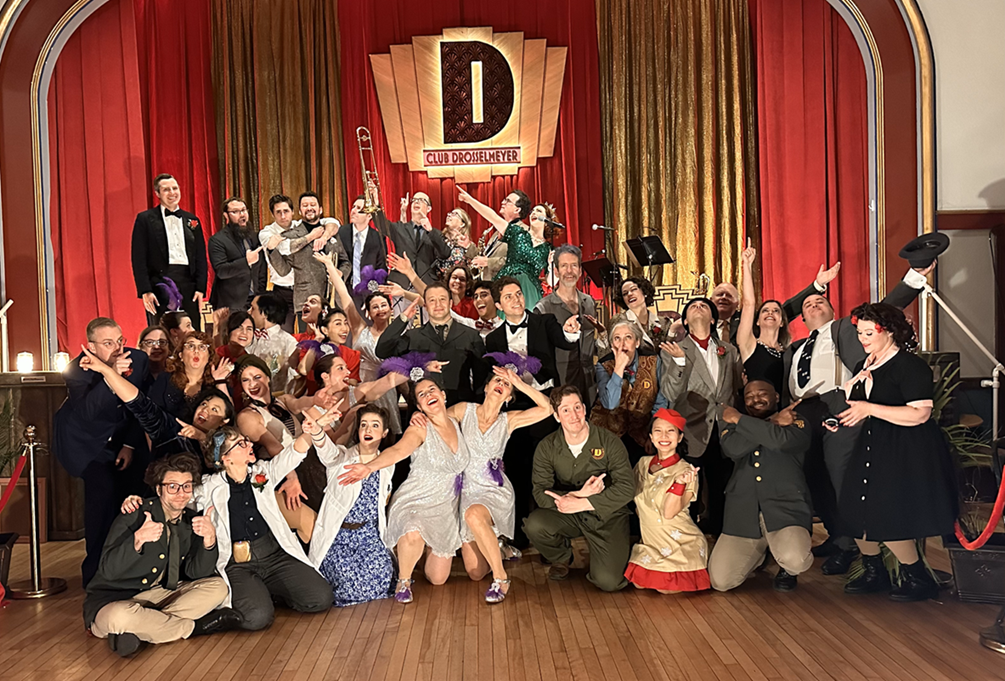
Club Drosselmeyer 1941 is Coming!

You are cordially invited…

If you’re a puzzle fan, you’re absolutely spoiled for choice when it comes to puzzly events to explore. Crossword tournaments, treasure hunts, escape rooms, puzzles by mail, puzzles by email, puzzles on your phone.

But I guarantee you’ve never experienced anything like Club Drosselmeyer.

Imagine getting all gussied up in your best 1940s-era-appropriate garb and grabbing your tickets before heading out to a show in Cambridge, Massachusetts.

What kind of show, you ask? Well, a vaudeville-style variety show with live music, enchanting and exciting performances, and all sorts of mysteries and intrigue playing out before your eyes, all set during the heady days and nights of World War II.

And what if there was an elaborate puzzle hunt tying the entire event together?

In a nutshell, that’s a Club Drosselmeyer event.

And tickets are on sale now for their latest immersive show!

There are performances set for December 6th, 7th, 8th, 13th, and 14th for a two-hour whirlwind of puzzly theatricality. As the organizers themselves say, “Prepare yourself for another season of magic and mayhem, romance and revelry, champagne and sugarplums.”

Although I’ve never gotten to attend a Club Drosselmeyer event in person, a few years ago I participated in their virtual Club Drosselmeyer Interactive Radio Broadcast of 1943, and it remains one of my all-time favorite puzzle experiences.

I enjoyed two hours of wonderful music while tracking a rogue flying toaster, unraveling a criminal conspiracy during an air raid, decoding secret messages, helping a starlet choose the right lipstick for her show, and even performing a magic trick!

This year, they promise all sorts of fun surprises:

Our team is already hard at work choreographing dances and magic, crafting costumes, updating sets, building puzzles, writing insane stories and figuring out how to rope YOU into plots of espionage, military secrets, traitors, heroes, women’s rights, romance, technology, loyalty, ambition and movie stars. The band will be swinging, the drinks will be strong and you will look fabulous.

Club Drosselmeyer is run by a small and incredibly dedicated group of writers, performers, puzzlers, and musicians who put their all into this event every single year, and I simply cannot sing their praises loud enough.

Check out their website for more details and information on previous Club Drosselmeyer events. You will not be disappointed.

Two Epic Treasure Hunts Come to an End!

Image courtesy of Go.ActiveCalendar.com

Boy, it’s been a good week to be a treasure hunter!

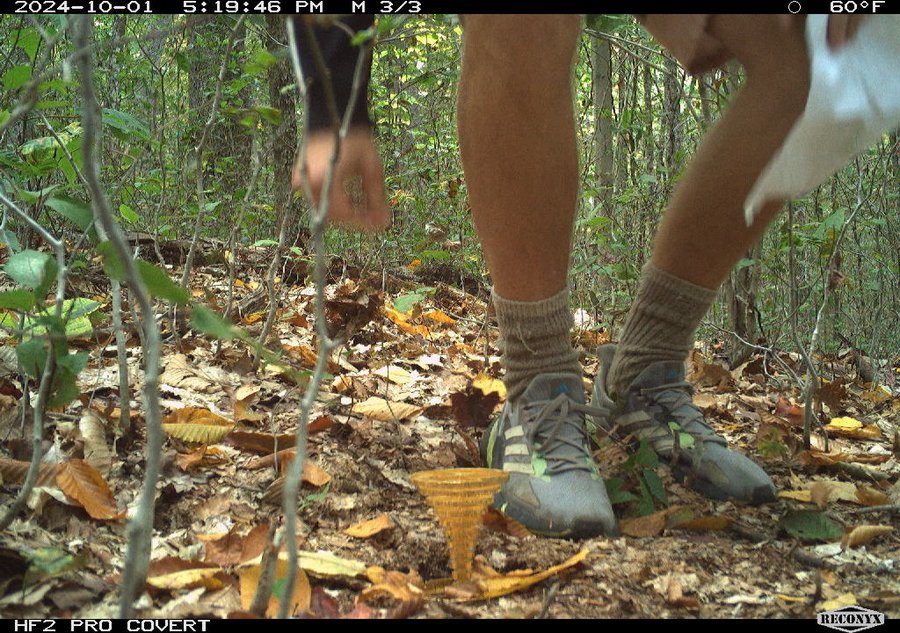
First, the trophy stashed away in Massachusetts by Project Skydrop was found.

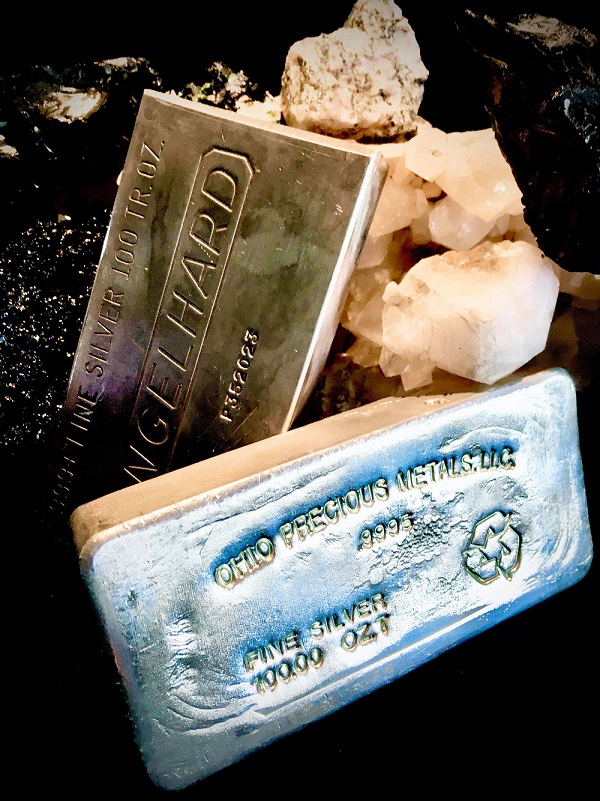
This trophy, valued at $26,000, is only part of the prize, since the trophy contained a code that granted the lucky treasure hunter who found it access to a prize pool of over $87,000! This prize pool was composed of entry fees from the many treasure hunters who signed up for the hunt.

Since the prize was found faster than Project Skydrop organizers predicted, they offered $100 each to the first twenty people to guess the exact coordinates of the now-claimed treasure. The deadline for that second-place prize is today, so I’m definitely curious how many folks were able to claim that c-note.

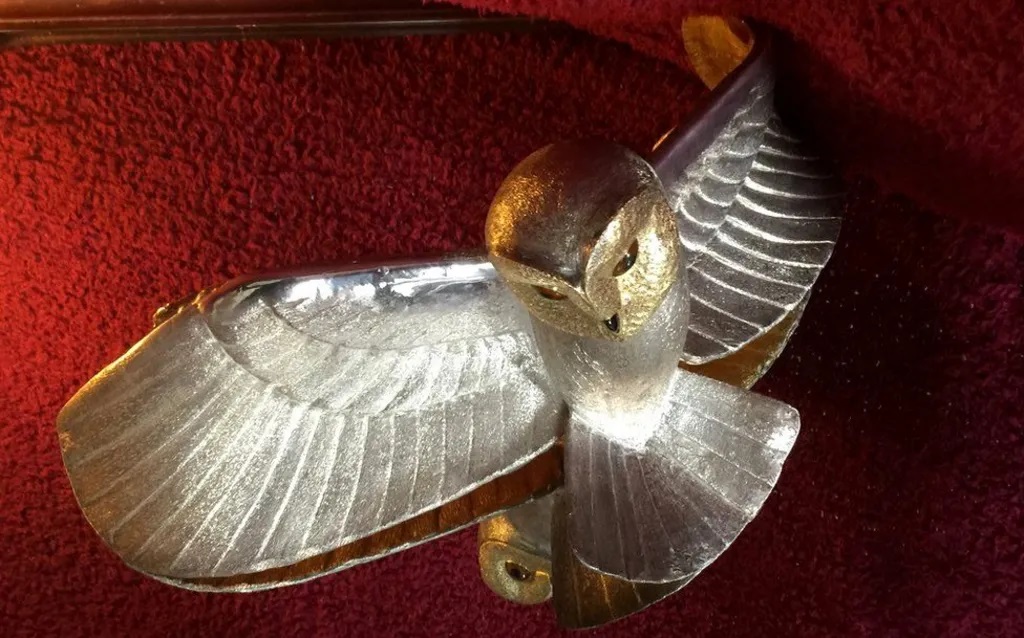
But that was only the beginning of big treasure hunt news, as the hunt for the Golden Owl has also reportedly come to an end.

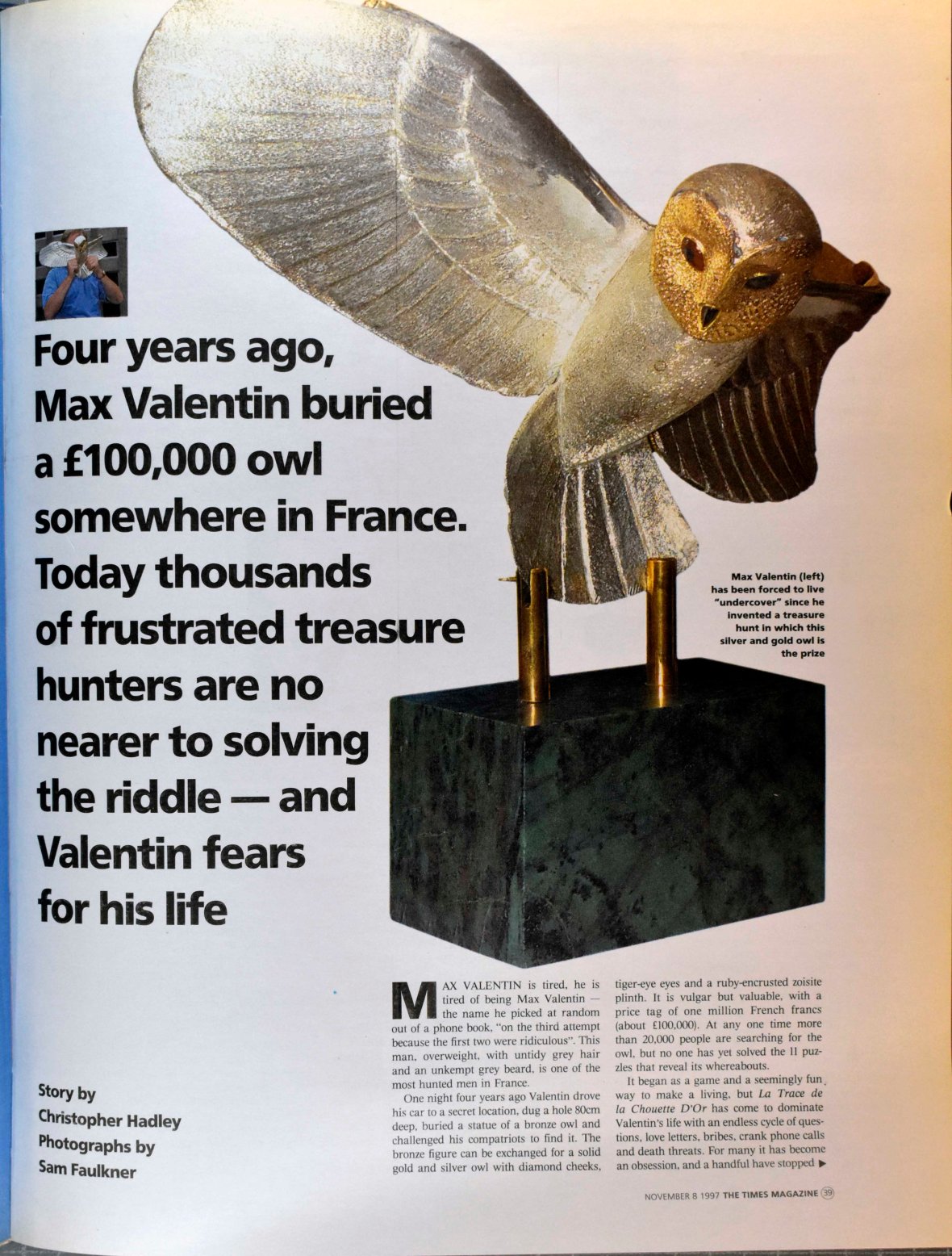
In 1993, the book On the Trail of the Golden Owl was published, igniting a thirty-year search for the titular owl. Solvers had to parse Max Valentin’s eleven riddles to locate the owl, and for decades, the prize eluded even the most ardent solvers.

Hilariously, the creator intended for the hunt to last for only a few months, open to both amateur hunters and experts. “If all the searchers put all their knowledge together, the owl would be found in… two hours”. This sounds like the folks behind Monopoly who claim the game can be played in 45 minutes.

Three years ago, the artist for the original book, Michel Becker, took over the hunt from author Regis Hauser (aka fictional treasure hunt creator Max Valentin), going so far as to dig up the owl to confirm it was still there.

There was supposed to be a bronze owl there (to be exchanged for the actual golden owl, worth over $100,000), but Becker found a rusty iron one instead. He replaced it with a bronze owl, buried it, and continued the hunt for another three years. Chouetteurs — the owl-seeking treasure hunters — got back to work.

Until last week when the owl was finally discovered.

As reported by the BBC, the hunt came to an end in France on October 3rd. Details have been scarce, and hunters around the world have been told to stop looking.

“We confirm that the replica of the golden owl was dug up last night, and that simultaneously a solution has been sent on the online verification system… It is therefore now pointless travelling to dig at any place you believe the cache might be situated.”

Some solvers are relieved that the hunt is finally over, while others are skeptical, believing that instead of hard work and puzzly grit, the prize was found by metal detector instead (which would be expressly against the rules). Still others are disappointed not to have more information, if only to see how tantalizingly close they may have gotten to the correct solution.

The trials and tribulations of the hunt over the years have only added to its legend.

The puzzle hunt lasted so long that it outlived the original publisher of the book, which caused the golden owl to be seized as a bankruptcy asset, something that required four years of legal wrangling to resolve.

The hunt also sadly outlived its creator, who passed in 2009. Some chouetteurs blame the stresses of legal proceedings surrounding the hunt for hastening the death of Hauser.

Two years later, it took the dedicated efforts of a group of treasure hunters to prevent Becker from selling the owl, forcing judicial intervention and saving the hunt from a premature end.

What a saga.

With the end of both the Golden Owl hunt and Forrest Fenn’s treasure hunt a few years ago, this leaves The Secret as the longest ongoing puzzle hunt in the world at this time.

But maybe some intrepid puzzler out there is already cooking up the next great puzzly treasure hunt. I suppose only time will tell.

The Crosswordese Champion?

Crosswordese is an omnipresent part of crossword discussion online.

It’s a scourge! It’s annoying! It ruins the solving experience! Can’t constructors just somehow avoid these particular three- and four-letter combinations, no matter how convenient or crucial they are to the grid?!

Rarely a week goes by without a Reddit post dedicated to the subject or a prominent complaint about some aspect of grid fill in one of the blogs/outlets dedicated to covering the daily crosswords.

And it’s understandable. Whether it’s yet another directional clue or a team’s abbreviation on a scoreboard, some entries just irk people. It raises their ire.

Oh no! The crosswordese is slipping into my everyday vernacular!

Quick, summon some longer vocabulary that’s not conducive to crosswording. Gumption. Hurly-burly. Syzygy. Defenestration.

Phew! That’s better. Now where was I?

Right, crosswordese.

I was pondering the plague of crosswordese, and it occurred to me that there’s probably one particular source that has contributed more crosswordese than any other.

But what could it be?

There’s the music industry, of course. There are loads of musicians common to crosswords: ARIE, ENO, SIA, ARLO, ENYA, DRE, ETTA, ELLA.

The same thing goes for celebs. UMA, ANA, ESAI, INA.

The sports world has its own infamous crosswordese as well: ORR, OTT, PELE, ELS, ITO, ALOU, AROD, ASHE, ILIE, SOSA, YAO, ISAO AOKI.

But those are huge swathes of pop culture. Is there a single pop culture property that has helped (or hindered, according to critics) crosswords the most?

There are a few that come to mind.

Peter Pan offers not just PAN, but SMEE, HOOK, TINK, and NANA.

The Beatles gave us ONO, STARR, and SGT (for Pepper).

Lord of the Rings is certainly worth mentioning, adding ORC, ENT, and LOTR.

Game of Thrones was ubiquitous at one point, helpfully resurrecting OONA and adding ARYA (and to a lesser extent BRON, SANSA, HODOR, and CERSEI).

Then there are some serious heavy-hitters.

The Simpsons has NED, MOE, APU, OTTO, EDNA, and STU (of the Disco variety).

On the sci-fi side, Star Trek offers WORF, TROI, LEVAR, LUC (as in Jean-__), and options for USS. Star Wars is handy as well, with ARTOO, REY, EWOK, POE, HAN, and LEIA.

Not to be outdone, M*A*S*H has plenty to offer: SWIT, ALAN ALDA, FARR, RADAR, and of course NEHI.

I considered awarding the Crosswordese Crown to one of the franchises above, but it occurred to me that I might have to look back a little farther to find the Crosswordese Champion.

Okay, a lot farther.

Some might take issue with me calling the Bible part of pop culture, but there’s no denying its influence in crosswords: LEAH, CAIN, ABLE, ADAM, EVE, ESAU, NOAH, ENOS, EDEN…

That’s a pretty impressive list of crossword regulars.

And yet…

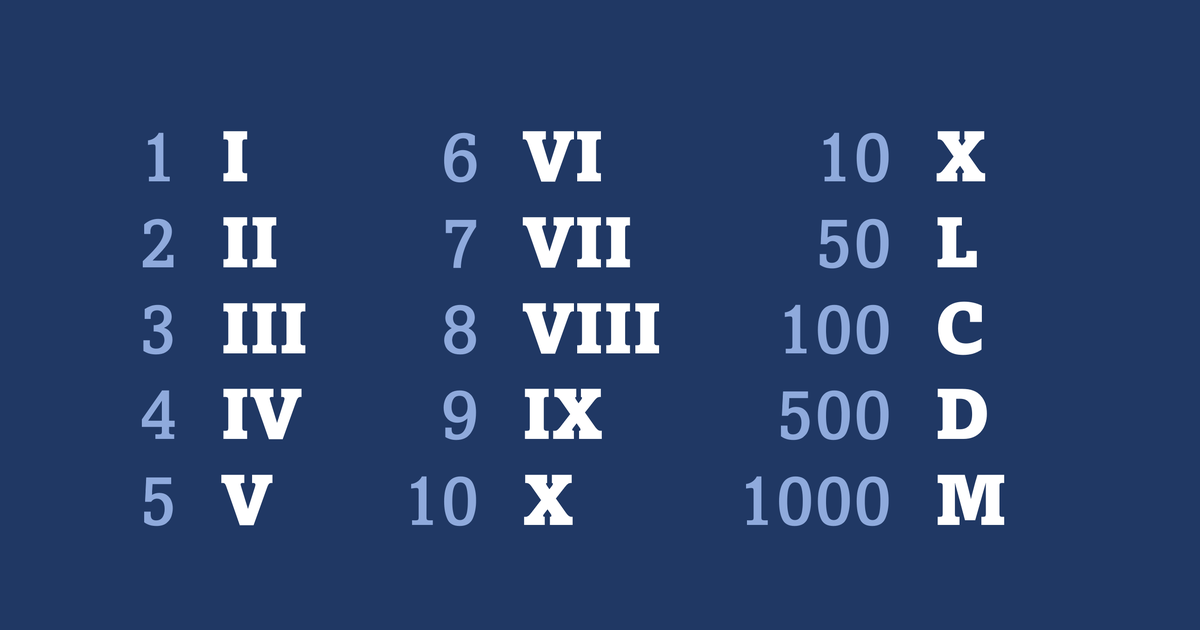
My gut says I might have to give credit to Roman Numerals as a whole. I mean, has any single cultural/pop cultural entity saved more cruciverbalists who’ve constructed themselves into a corner?

And has ANY solver cheered or celebrated when seeing a clue featuring a math equation AND Roman Numerals?

The balance of crosswordese gibberish and solver disinterest just might tip the scales here.

What do you think, fellow puzzlers? Is it the Bible, Roman Numerals, or another source that I missed? Let me know in the comments section below!

A New Way to Wordle!

Image courtesy of NBC News.

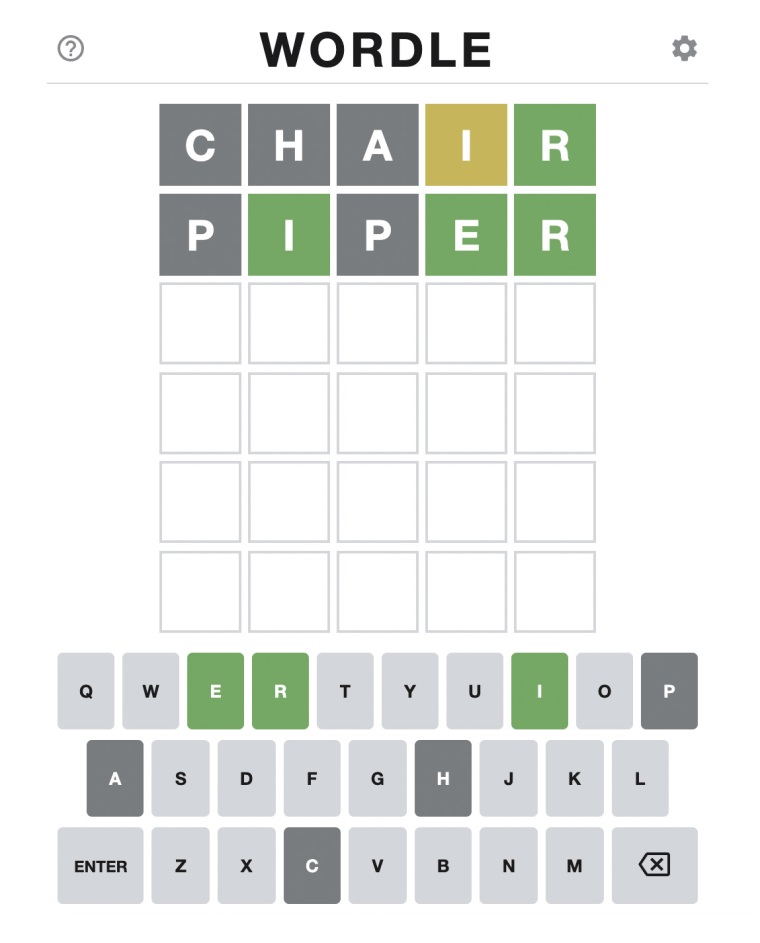
If you’re a Wordle fan, it’s not hard to get your daily five-letter fix of deductive goodness, either on your computer or your phone. (Or one of the many, many, many, MANY variations out there.)

But maybe that’s not enough for you.

Maybe you need to take your Wordling up a notch.

Maybe you need to experience Wordle in a whole new way.

Maybe you need an extra dimension of Wordle.

A third dimension.

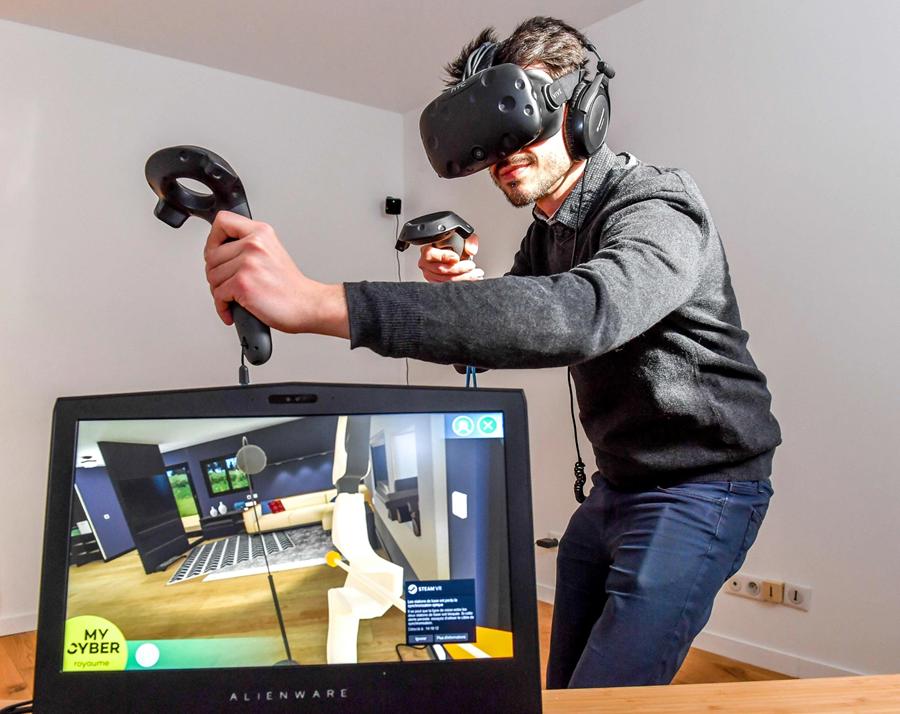
Oh yes, Wordle is now available for solving in VR, thanks to the Meta Quest 3 Wordle app. (Though users of the Meta Quest 2 and the Meta Quest Pro can both always play.)

It’s a free download too!

Image courtesy of NBC News.

However, please forgive me as I ask one simple question…

WHY?

This isn’t like Beat Saber or Five Nights at Freddy’s or Resident Evil VII… there’s nothing about Wordle that particularly lends itself to the 3-dimensional virtual environment.

Letters don’t float around you in the ether to be plucked and tossed into the void to make words. The Wordle hovers in front of you, a little window. A 2-D pop-up. An interactive poster in a virtual room.

Otherwise, it’s just Wordle.

Oh, with one further little caveat…

There’s currently no way to connect your account to the VR play experience. So, if you do the VR version instead of your current method, you’ll lose your streak.

And we know how protective solvers are about their streaks!

Even without that streak-busting hurdle, I don’t see this making a big impact for regular Wordle solvers unless they add some bells and whistles to the VR solving experience.

What sorts of bells and whistles, you ask? Well, I have some suggestions:

— maybe stealing a page from the Octordle (but not as intense) and having multiple windows around you to solve at once
— a dancing mechanic where you must earn your next guesses through performance
— a dancing mechanic where you immediately display your victory dance to anyone who views your Wordle stats for the day
— a dancing mechanic, you know, in the jumpsuit and all, maybe with a wrench
— some dancing squirrels encouraging you as you solve
— actual bells and whistles, plus a kazoo or vuvuzela
— your favorite puzzle constructor or game show host, looking at you disapprovingly with every new guess you make

Just a few ideas, you know. Throwing them out there. Have your people call my people, VR Wordle People.

As for the rest of us Wordlers, I guess I’ll see you on social media. Mom, I got it in three today!

Puzzles in Pop Culture: Ten-Letter Word for “Fundamental”

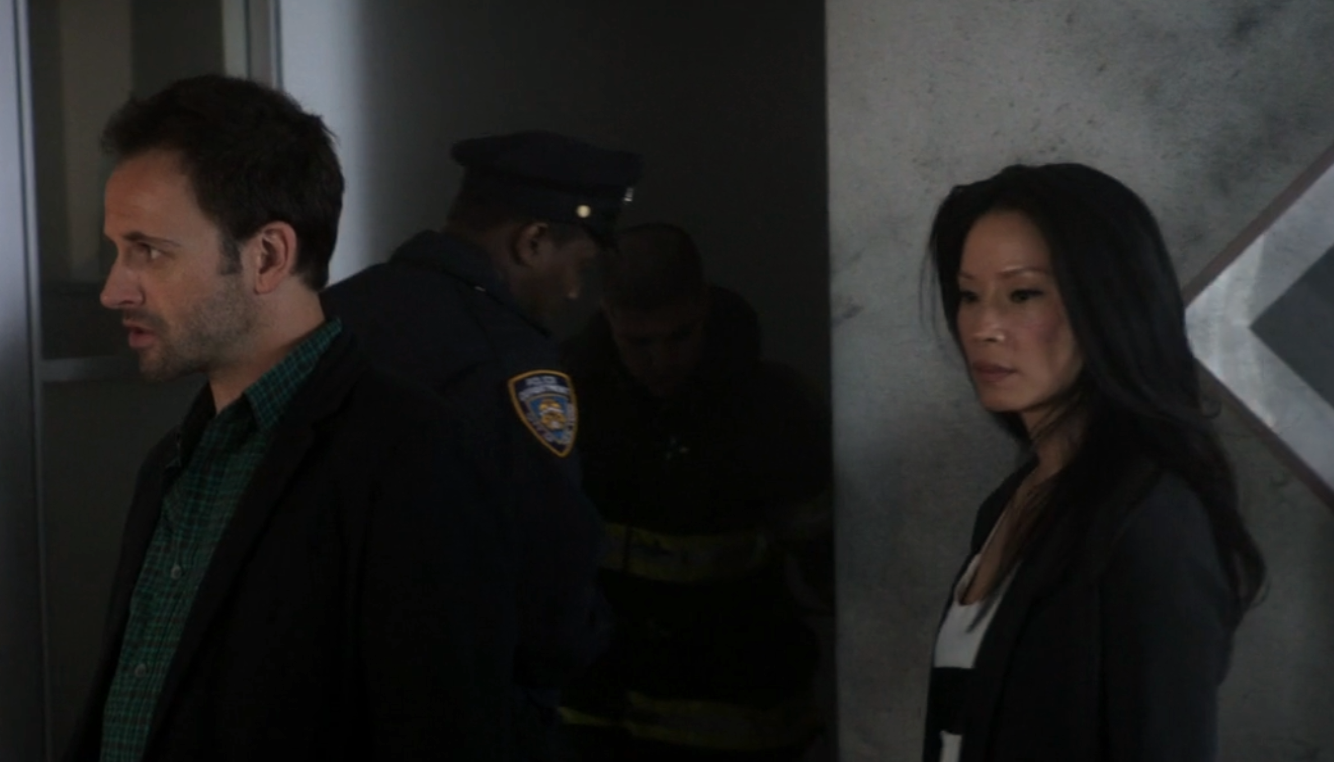
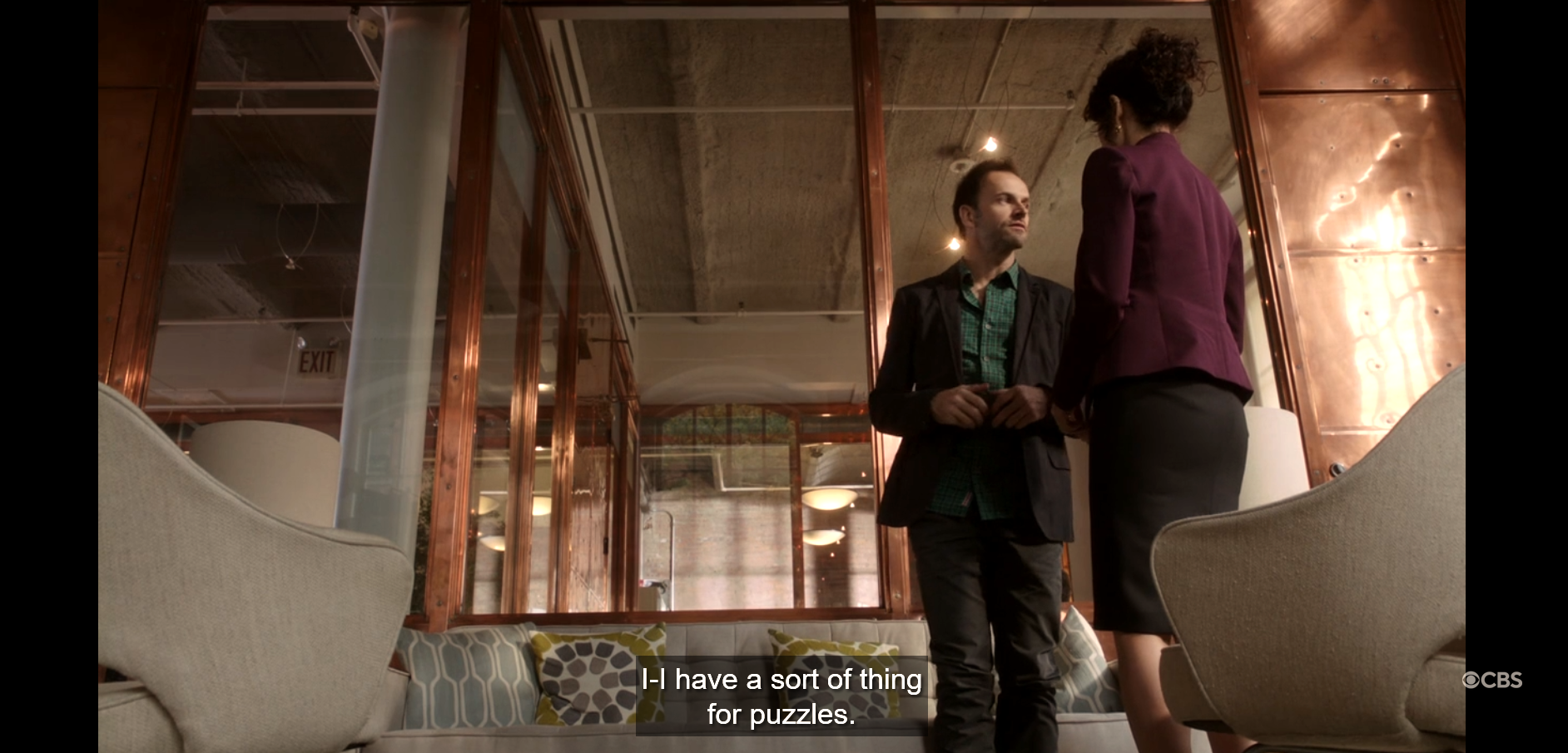
Arthur Conan Doyle’s tales of Sherlock Holmes have myriad adaptations, some with a cast of mice, some medical dramas, some featuring aliens and government conspiracies. Still others hew closer to the original nineteenth-century stories, whether in the form of a period piece, like the films starring Robert Downey Jr., or a modernization, like BBC’s Sherlock. My favorite of this genre is the undersung CBS police procedural/drama Elementary, which ran from 2012 to 2019. Starring Jonny Lee Miller as Sherlock Holmes and Lucy Liu as Joan Watson, Elementary is set in modern-day New York, with Sherlock acting as a pro-bono consultant to the NYPD (he describes himself as a specialist in “deductive reasoning”). While former surgeon Joan Watson eventually becomes Sherlock’s partner in crime-solving, initially, her role is to be his sober companion.

Elementary stays faithful to Arthur Conan Doyle’s depiction of his protagonist as a drug user, opening with Sherlock escaping early from rehab, only to find Joan waiting for him, as she was hired by his father to help him stay sober. His struggles with addiction, time in 12-step meetings, and relationships with other addicts remain mainstays of the series throughout all seven seasons. The work that Sherlock performs, using his deductive reasoning skills for the police, is considered by both him and Joan to be an integral part of his recovery process. Crime-solving keeps his mind busy, giving him constant puzzles to solve.

At its heart, this is a show about solving puzzles. Sherlock’s job is putting together murder motives and methods; his hobbies are picking locks and stockpiling trivia. He gazes at the world as though it is one big jigsaw puzzle and everything needs to be placed just so to make sense. All the pieces are there; you just need to know how to look at them correctly. One episode even hinges on a love of crosswords.

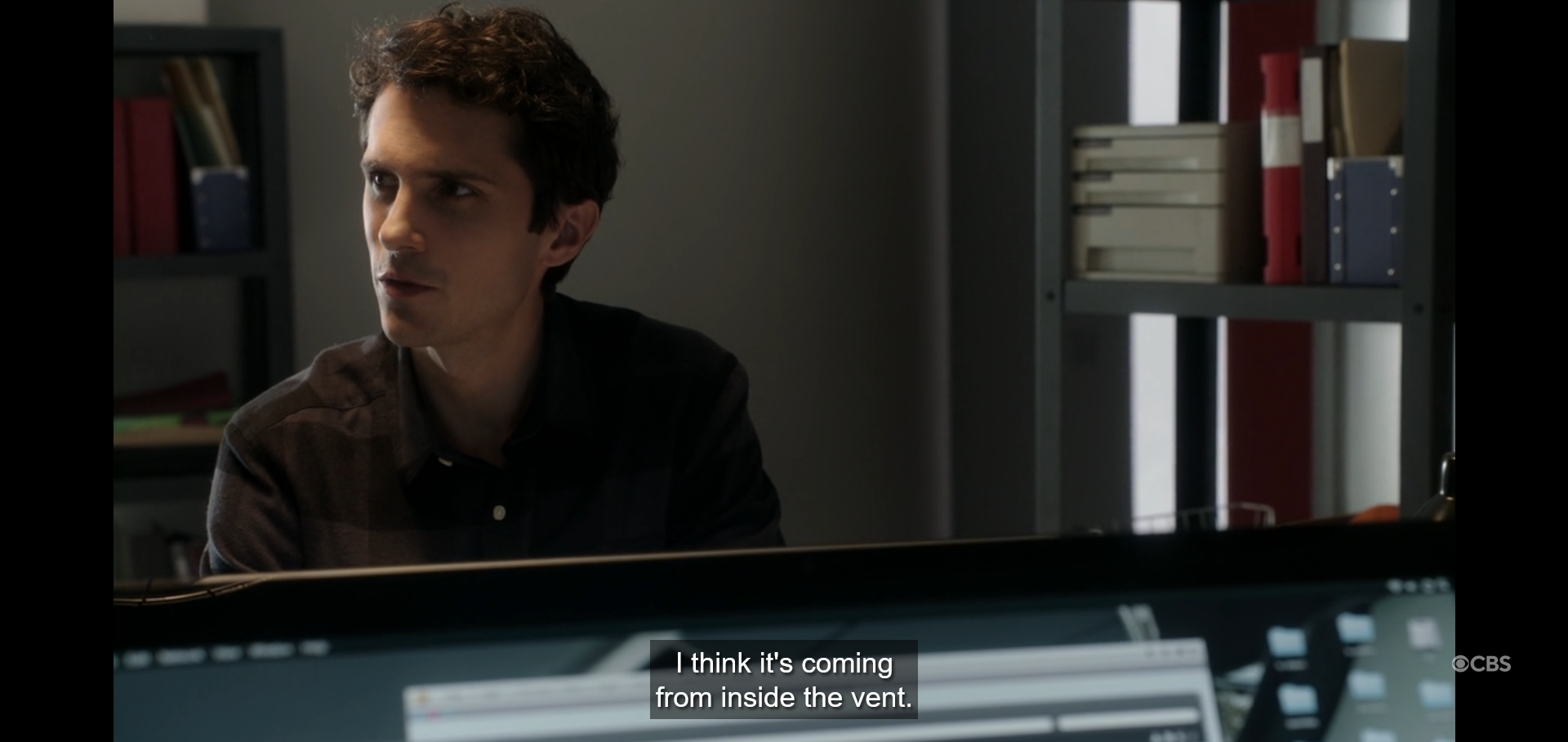
Season one, episode eight, “The Long Fuse,” depicts a bomb going off in the vent of a web design firm’s office. When Sherlock and Joan are called to consult, they discover that the bomb was built four years prior to detonation. The episode is set in 2012, but the logo on the bomb’s battery is from October 2008, as are the newspaper pieces that were stuffed inside. Pieced together, the newspaper shows a Barack Obama who was still only a senator. The man who detonated the bomb did so by mistake: intending to order a sandwich, he called the detonating pager instead of the deli.

Meanwhile, the specter of Sherlock’s addiction reappears. He goes to investigate the company that rented the bombed office four years prior, rifling through the threatening letters they’ve received from ecoterrorists. The company’s head, Heather Vanowen—played by House’s Lisa Edelstein—walks in on Sherlock’s research and says that she recognizes him as a fellow addict. The moment is tense, until she clarifies, “Crosswords.” She used to have her habit under control, but ever since The New York Times put their archives online, she can’t get enough.

This confession is her undoing. Sherlock didn’t just discover the October 2008 date on the newspaper; he also found the imprints of someone writing on a page above—the word NOVOCAINE, which happened to be the answer to the clue “Pain’s enemy” in that day’s crossword. NOVOCAINE serves as a sufficient sample of the perpetrator’s handwriting; all it takes is asking Heather to fill out a few forms, and presto! Her handwriting can be matched to the crossword, clearly identifying her as the bomb’s builder.

The episode comes to an end with Sherlock’s new 12-step sponsor, Alfredo (Ato Essandoh) pulling up to Sherlock and Joan’s brownstone with a shiny new car. A former carjacker and current security consultant, he’s been tasked with trying to break into the car’s security system. Knowing Sherlock’s love of puzzles, he figured he would first let Sherlock take a crack at it.

Earlier in the episode, Alfredo explained the key to being Sherlock’s sponsor: patience. He needs someone to be patient and methodical, the way anyone solving a puzzle must be. As I said, puzzles are the heart of the show, not just in the sense that they’re at its core, but that they permeate the emotional aspects as well. In the world of Elementary, one must be patient and methodical to solve a murder, to solve a crossword, to break into a car’s security system, and to grow and heal.


To think, a prison sentence could have been avoided had Heather simply stuck to solving digital crosswords like Daily POP’s. No ink-stained muss, no legal fuss, no trace of handwriting or physical evidence left lying around in an office vent, waiting to explode.

You can find delightful deals on puzzles on the Home Screen for Daily POP Crosswords and Daily POP Word Search! Check them out!

Thanks for visiting PuzzleNation Blog today! Be sure to sign up for our newsletter to stay up-to-date on everything PuzzleNation!