A Cornucopia of Clever Clues

Problem-solving-crossword

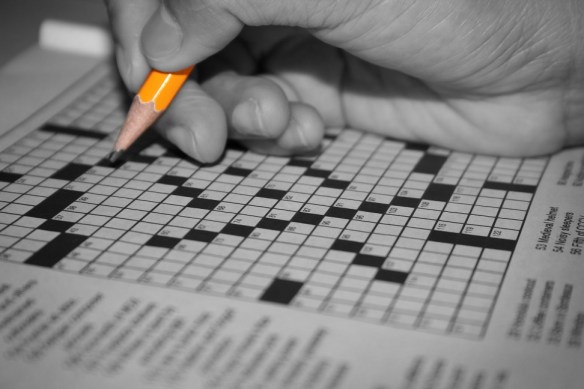
Last month, in the afterglow of the Crossword Tournament From Your Couch event, I waxed nostalgic about some of the clever and tricky cluing that the constructors employed to keep the solvers on their toes.

I had so much fun poring over those puzzles and highlighting the clues that caught my eye that I’ve decided to do it again.

You see, I keep track of favorite clues from constructors as I solve various crosswords. Not only are they often witty, hilarious, and/or impressive, but they inspire me as a puzzler to always try to find entertaining, engaging new angles for clues.

So here are some favorites from my personal clue vault.

(And I’m crediting the constructor listed on the byline for each clue. These clues may have been created elsewhere and reused, created by the constructor, or changed by an editor, I have no way of knowing. So I’m just doing my best to give credit where credit is due.)


I’m a sucker for delicious wordplay, and thanks to a plethora of ingenious constructors, modern crosswords are rarely lacking in linguistic legerdemain.

One of my favorite cluing tropes is the old word-form switcheroo, when a constructor makes you think the clue is one word form (a verb, for instance) when it’s really a noun, or vice versa.

Erik Agard’s clue “Leaves from a club” certainly sounds like a verb, so it’s a fun surprise when you realize the answer is LETTUCE.

Similarly, the ability to utilize the multiple meanings of words can make for some seriously elusive clues. Mike Shenk’s “Volume setting?” has you thinking music or audio, but the answer SHELF also fits neatly.

Byron Walden is a master at this sort of cluing, as evidenced by his clue “Uruguayan uncle?” for the phrase NO MAS. Given how often TIO, TIA, MADRE, and other Spanish familial terms are used in crosswords, it’s a keen example of misdirection.

keep-right-misdirection

And playing with the tropes of crossword cluing creates opportunities for more wordplay.

“Trick or treat,” a clue from Aimee Lucido, masquerades as the common Halloween phrase when it’s really two examples cluing the answer VERB.

Similarly, “Jets or chargers starter” sounds like a sports reference, but the lowercase “chargers” reveals something else is afoot. The answer to this clue (which appeared in a puzzle constructed by Craig Mazan and Jeff Chen) is TURBO.

Erin Rhode’s “Drum, for some” sounds like a simple example-style clue, but the answer RHYME reveals how she hid her wordplay in plain sight.

Yes, these clues have a lot in common with wordplay clues, but they also play with the conventions of crossword cluing.
owl

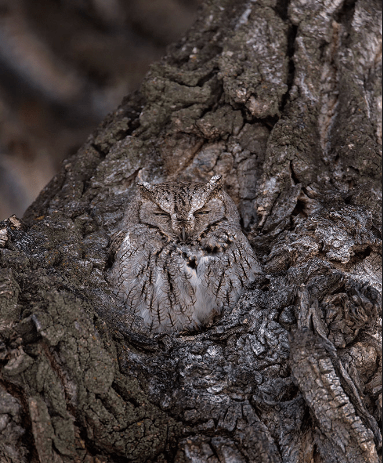
Oh, and speaking of clues that hide their trickery in plain sight, I’ve got a few examples of that as well.

Kathy Weinberg once clued ROWS as “15 things in this puzzle,” which is the sort of clue that’s simultaneously so vague and so on-the-nose that it drives me insane.

Similarly, Steve Faiella uses modern slang to hide an answer in plain sight with the clue “Has beef with somebody, say.” That sure sounds like a vernacular use of “has beef with,” so you’re less likely to read the clue as a simple description of EATS, the actual answer. Very sly.

I’m going to close out today’s post with a clue that’s not only clever, it’s economical as well. Robyn Weintraub clued HOLE with two simple words — “Darn it!” — and it’s as hilarious as it is effective.

What are some of your favorite crossword clues, fellow puzzlers and PuzzleNationers? Let us know in the comments section below! We’d love to hear from you.


Thanks for visiting PuzzleNation Blog today! Be sure to sign up for our newsletter to stay up-to-date on everything PuzzleNation!

You can also share your pictures with us on Instagram, friend us on Facebook, check us out on Twitter, Pinterest, and Tumblr, and explore the always-expanding library of PuzzleNation apps and games on our website!
Cultural Sensitivity and Crosswords: Where Is The Line?

crossword1

A few days ago, an entry in The New York Times Crossword caught the eye of a solver. That solver posted about it in the Facebook group “The Crossword Puzzle Collaboration Directory,” which is dedicated to encouraging new constructors to make and submit puzzles.

That post kicked off an intense debate about problematic entries and how to handle them. Not only is this topic far from settled, but it’s emblematic of a larger question: where is the line?

You see, one of the advantages of our modern Internet-savvy culture is that feedback is virtually instantaneous now. If someone is offended or troubled by an entry or clue in the Monday crossword, it doesn’t take days for a letter to the editor to arrive at the paper. It takes seconds to post online and reach a potential audience.

Of course, that rapid response is a double-edged sword, because hot takes and rush-to-judgment commentary are just as quick to spread.

Both sides of that double-edged sword were in full effect as the replies piled up on that original Facebook post. As those in agreement with the original poster offered their support, counterpoints rolled in, either in defense of the entry or the clue.

(Naturally, given that this is the Internet, some chose to expand on the topic in general disagreement with a culture they claimed was too sensitive and quick to condemn every little thing that offended them. But since those people are an incredible waste of time and energy and have little interest in genuine discussion, this will be my last mention of them.)

Other posters focused on the mechanics of the puzzle itself, pointing out easy fixes that would have prevented the potentially problematic word from appearing at all. Some of these folks sided with the original poster, pointing out that a word that is potentially problematic should be edited out, and it’s part of a constructor’s job to think of these things.

And that’s the question. How much should constructors and editors be taking the potentially problematic aspects of words into consideration when constructing?

True, it’s not always possible to anticipate every negative response to the words filling your grid or the accompanying clues. (Heck, we have numerous examples of words and clues slipping through that catch fire with part of the audience in the worst possible way.)

But is that part of a constructor’s job?

In my opinion, yes, it is.

Crosswords should be inclusive. They should be an engaging activity that evokes occasional frustration but eventual satisfaction, whether you’re completing a grid, unraveling a particularly tricky theme, or besting your previous solving time. It should be fun. It should be entertainment, a distraction.

It should NOT be a place where people feel excluded, or where personal or historical traumas surface because of cluing or grid fill.

For example, I don’t believe CHINK should appear in crosswords, even as “flaw in one’s armor,” because anyone casually glancing at the grid will only see that word, not necessarily the context.

We can do better.

[Image courtesy of Bogoreducare.org.]

Originally, I wasn’t going to mention the specific clue/entry at all, because the issue is larger than this one example. But knowing the word that offended our original poster adds context.

The entry was NOOSE, and the clue was “End of a hangman’s rope.”

For the poster, the associations surrounding both clue and entry were troubling. But, for the most part, the main reason for posting appeared to be twofold:

1. Pointing out that the word’s inclusion in the grid was easily avoidable
2. Asking if other constructors/aspiring constructors found the entry as problematic as she did

She wasn’t calling for peoples’ heads. She was opening a dialogue and inviting discussion. She made her personal feelings clear — by using the word “appalled” — but made the discussion about something larger than her individual reaction.

Problem-solving-crossword

Some replies concerned the clue more than the entry, pointing out that the noose was used for many other, non-negative uses. The general association of nooses with lynching was brought up, with some instantly making the connection while others felt it was unfair or hypersensitive to make that association. Others brought up the word LYNCH, asking if the entry was problematic even if the cluing was about director David or actress Evanna.

These aren’t easy questions to answer. This is obviously not a debate that will be concluded anytime soon. But it’s one worth having.

And when it comes to conclusions to draw from all this, I think the original poster said it best in one of her replies: “In my opinion, it’s better to err on the side of empathy.”

Amen.


Thanks for visiting PuzzleNation Blog today! Be sure to sign up for our newsletter to stay up-to-date on everything PuzzleNation!

You can also share your pictures with us on Instagram, friend us on Facebook, check us out on Twitter, Pinterest, and Tumblr, and explore the always-expanding library of PuzzleNation apps and games on our website!

Puzzly Ideas to Keep You Busy!

puzzlelove

We’re all doing our best to keep ourselves and our loved ones engaged, entertained, and sane during these stressful times.

And after weeks of doing so, it’s possible you’re running out of ideas.

But worry not! Your puzzly pals at PuzzleNation are here with some suggestions.

Please feel free to sample from this list of activities, which is a mix of brain teasers to solve, puzzly projects to embark upon, treasure hunts, unsolved mysteries, ridiculous notions, creative endeavors, and a dash of shameless self-promotion.

Enjoy, won’t you?


Puzzly Ways To Get Through Self-Quarantine

In all seriousness, we hope these ideas help you and yours in some small way to make the time pass in a fun and puzzly fashion. Be well, stay safe, and happy puzzling.


Thanks for visiting PuzzleNation Blog today! Be sure to sign up for our newsletter to stay up-to-date on everything PuzzleNation!

You can also share your pictures with us on Instagram, friend us on Facebook, check us out on Twitter, Pinterest, and Tumblr, and explore the always-expanding library of PuzzleNation apps and games on our website!

View a Clue: Crossword Characters

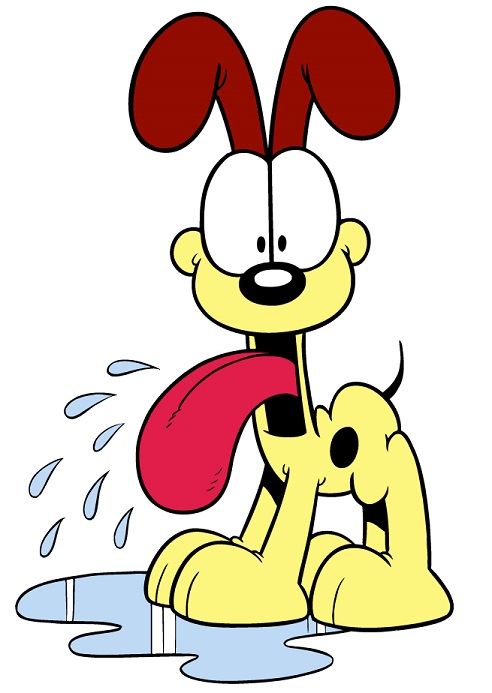
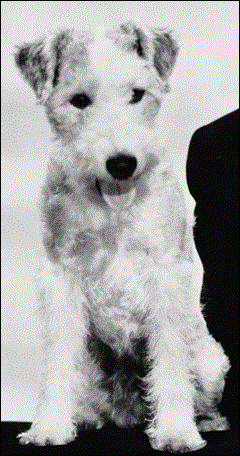
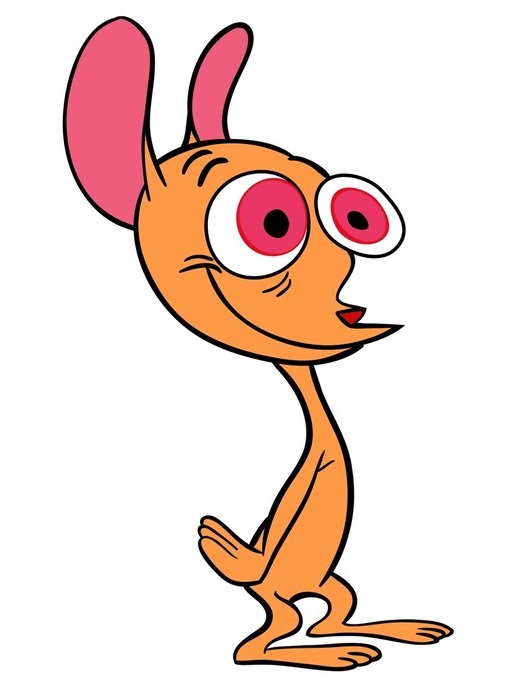
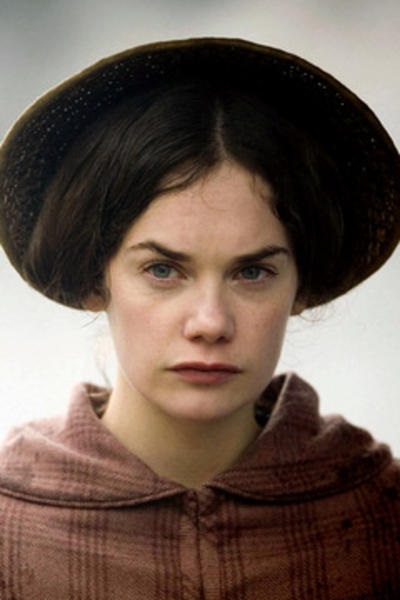
Welcome to the latest edition of PuzzleNation Blog’s most visual feature: the View a Clue game!

I’ve selected ten fictional characters that commonly show up in crossword grids — some have become crosswordese at this point — and I want to see if the PuzzleNation audience can identify them from pictures. It’s a visual puzzle I call View a Clue!

Without further ado, let’s give it a shot!


#1 (4 letters)

view fcc 1

#2 (4 letters)

view fcc 2

#3 (3 letters)

view fcc 3

#4 (4 letters)

view fcc 4

#5 (4 letters) [I’ve included two possible characters for this one.]

view fcc 5a

view fcc 5b

#6 (4 letters)

view fcc 6

#7 (4 letters)

view fcc 7

#8 (5 letters)

view fcc 8

#9 (4 letters)

view fcc 9

#10 (3 letters)

view fcc 10

[All image credits will be posted with the answers next week.]


How many did you get? Let me know in the comments below! And if you have ideas for another View a Clue game, tell us below!

Thanks for visiting PuzzleNation Blog today! Be sure to sign up for our newsletter to stay up-to-date on everything PuzzleNation!

You can also share your pictures with us on Instagram, friend us on Facebook, check us out on Twitter, Pinterest, and Tumblr, and explore the always-expanding library of PuzzleNation apps and games on our website!

Favorite Clues from CTFYC!

ctfccouch

Last week I sang the praises of the Crossword Tournament From Your Couch event, and rightfully so. The entire enterprise was delightful, and the puzzles were tricky and engaging in equal measure.

But I neglected to give the cluing their proper due, as many of the clever themes in CTFYC were bolstered by great cluing (and, occasionally, truly diabolical cluing).

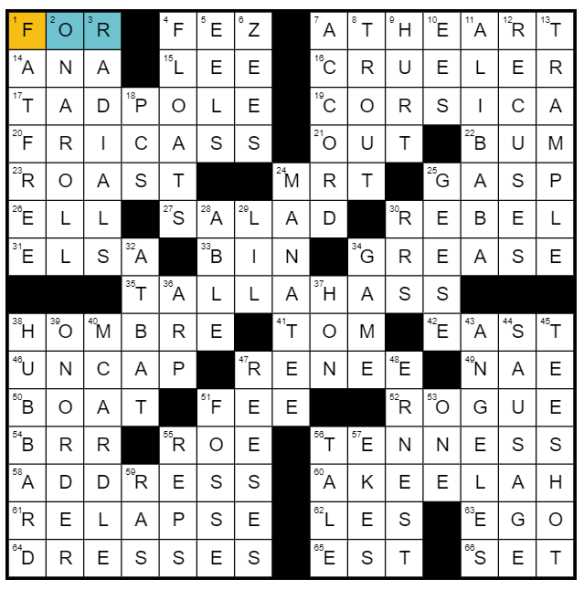
What do I mean by that? Well, let’s look at a clue from the third tournament puzzle, Patrick Blindauer’s “Look Up.” This puzzle featured a clue that had numerous solvers asking for help upon returning to the livestream chat after solving.

The clue? “Response to teens, perhaps?”

The answer? BRR.

I confess, this one had me flummoxed as well. My initial answer was BRO, but that just didn’t seem to work with the crossings in that lower-left corner. Trusting the down entries more than this one, I left BRR in without getting the clue.

puzzle3grid

Of course, once I no longer had a timer lurking in my forebrain and a few seconds to think, I got the wordplay for “teens” — think temperature and not age — and the clue made total sense.

But given the response of some of the other solvers, I suspect this was the slipperiest clue of the entire tournament.

Which should come as no surprise given Blindauer’s pedigree as a constructor. That puzzle alone had a few more clever clues, including “Caught stealing, e.g.” for OUT and the much saltier “Smothers brother who isn’t a dick” for TOM.

As you can tell, I love a clue with some misdirection to it.

Robyn Weintraub’s warm-up puzzle “Get the Pillows Ready” had some notable examples. If you saw “Took the wrong way?” would you come up with STOLE? She clued TEETH with “Location of some crowns” and spruced up a classic crossword entry, NTH, with the clue “Advanced degree for a mathematician?”

Great stuff all around.

Problem-solving-crossword

But it’s not just tricky clues that pique my interest. The other warm-up puzzle, “Put Your Feet Up,” constructed by Rachel Fabi, had a few different styles of clue that caught my eye.

For instance, you can offer multiple clues or multiple examples for the same clue, which can lead to enjoyable wordplay. The clue “Hot thing to drink or spill” for TEA mixes a classic clue with a more updated, slangy use, making for a more interesting clue overall.

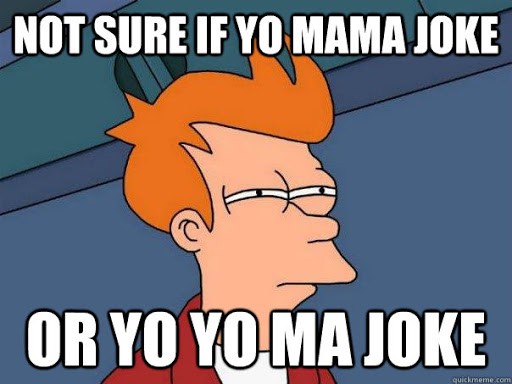
I’m also a sucker for a really wordy clue with personality, and Rachel didn’t disappoint. “Joke type that becomes a cellist if you repeat its first two letters instead of its last two” is an incredibly wordy (and very funny) way to clue the unusual entry YO MAMA.

yoyomama

The clues for OUT, NTH, and TEA are particularly great because those words appear in crosswords ALL THE TIME, and so at some point, you inevitably feel like you’ve seen every possible clue a dozen times over. So when somebody can find a new wrinkle or breathe new life into a tired entry, you rejoice.

Joel Fagliano’s clue “Thing that nobody ever wins” for TIE and “Manual’s intended reader” for USER from Laura Braunstein and Jesse Lansner’s tournament puzzle also fit the bill. I don’t think I’ve encountered either clue before.

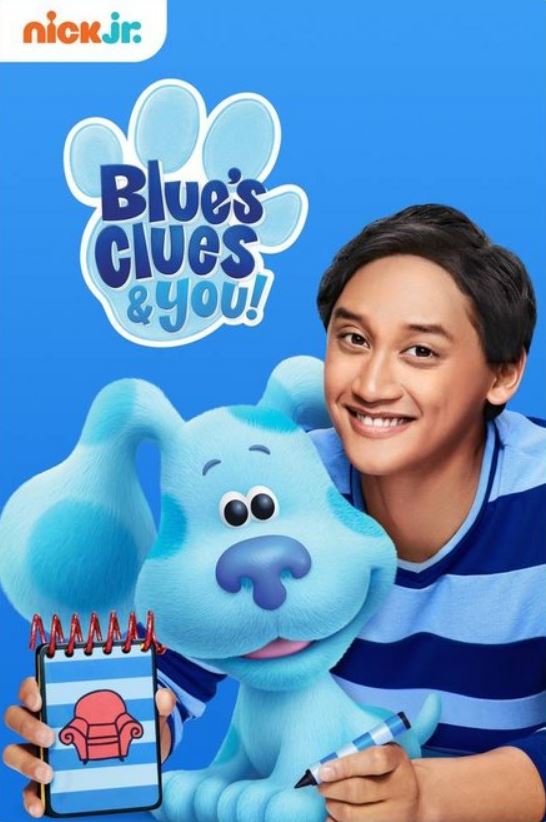
bluesclues

[Wait, not that sort of clue…]

And here’s one more before I wrap this post up. Naturally, I’m returning to my favorite cluing style, misdirection, this time courtesy of Byron Walden from the CTFYC finals.

The clue: “Wanders around LAX?”

The answer: TSA

I read the clue three times before I got it, the perfect a-ha moment sort of clue.

What are some of your favorite clues, fellow puzzlers and PuzzleNationers? Let us know in the comments section below. We’d love to hear from you!


Thanks for visiting PuzzleNation Blog today! Be sure to sign up for our newsletter to stay up-to-date on everything PuzzleNation!

You can also share your pictures with us on Instagram, friend us on Facebook, check us out on Twitter, Pinterest, and Tumblr, and explore the always-expanding library of PuzzleNation apps and games on our website!
How Far Crosswords Have Come (and How Much Farther They Have to Go)

Problem-solving-crossword

The battle to decrease gender inequality and increase representation in crosswords is ongoing. More people than ever are speaking up on behalf of women, people of color, LGBTQIA+ constructors, and non-binary individuals when it comes to who is constructing the puzzles (and being properly credited), as well as how members of those groups are represented by current grid entries and cluing.

Natan Last is one of many people standing up to make crosswords better, more inclusive, and more emblematic of a richer melting pot of solvers and constructors. In a recent article in The Atlantic, Last neatly encapsulates both the movement for a more inclusive crossword publishing community and the many obstacles that stand in its way.

He starts with a single example — a debut puzzle by a female constructor, Sally Hoelscher — and the conversation that ensued when one puzzle aficionado asked about the ratio of women’s names to men’s names in the puzzle.

becoming

[Image courtesy of XWordInfo.]

Originally there were no men’s names. One entry was edited in. And a discussion about parity in puzzles followed.

Last uses this example as a springboard into the greater argument about how modern crossword editing (and editors) discriminate through gatekeeping under the guise of what’s “familiar” or “obscure.”

From the article:

Constructors constantly argue with editors that their culture is puzzle-worthy, only to hear feedback greased by bias, and occasionally outright sexism or racism. (Publications are anonymized in the editor feedback that follows.) MARIE KONDO wouldn’t be familiar enough “to most solvers, especially with that unusual last name.” GAY EROTICA is an “envelope-pusher that risks solver reactions.” (According to XWord Info, a blog that tracks crossword statistics, EROTICA has appeared in the New York Times puzzle, as one example, more than 40 times since 1950.) BLACK GIRLS ROCK “might elicit unfavorable responses.” FLAVOR FLAV, in a puzzle I wrote, earned a minus sign.

kondo

[Image courtesy of CNBC.]

But what is kept out is only part of the problem, of course. Last goes on to mention many of the same insensitive and offensive clues and entries we (and other outlets) have cited in the past.

He caps off this part of the article by highlighting Will Shortz’s responses to these troubling questions:

But when prodded about insensitive edits, he denied them, adding: “If a puzzlemaker is unhappy with our style of editing, then they should send their work elsewhere (or publish it themselves to keep complete control).”

A pretty damning statement, to be sure.

proposingmurder13

Turning away from the problems represented by the most famous daily crossword in the world, Last pivots, turning a spotlight on those who are helping turn the tide in terms of representation and inclusivity.

He shouts-out well-respected and innovative editors like Erik Agard (of USA Today‘s crossword), David Steinberg (of Andrew McMeel Universal’s Puzzles and Games division), and Liz Maynes-Aminzade (of The New Yorker crossword), heaping praise on a fresh constructor-editor partnership that encourages new voices and greater diversity of content.

Last also mentions worthy projects like the Inkubator, Women of Letters, and Queer Qrosswords, as well as the Women’s March crossword movement inspired by the work of Rebecca Falcon.

Across the entire article, Last highlights a system problem in crosswords, challenges those responsible to do better, and praises those who are working for the greater good. And he does so in about a dozen paragraphs. That’s all. It’s efficiency and flow worthy of a top-notch constructor.

You should read it for yourself. You won’t be disappointed.


Thanks for visiting PuzzleNation Blog today! Be sure to sign up for our newsletter to stay up-to-date on everything PuzzleNation!

You can also share your pictures with us on Instagram, friend us on Facebook, check us out on Twitter, Pinterest, and Tumblr, and explore the always-expanding library of PuzzleNation apps and games on our website!