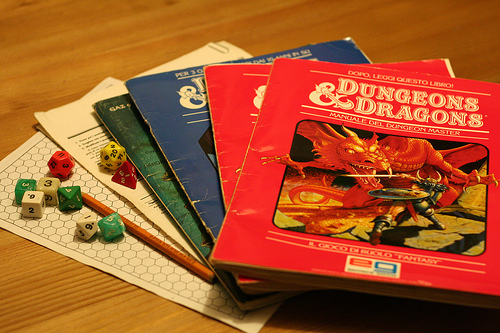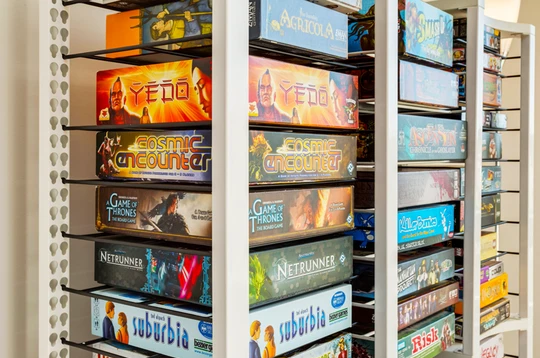
The Worst Board Game?

I was talking about board games with a friend of mine over the weekend, and he asked me what I thought the worst board game was.

That’s a difficult question to answer, because a lot of factors go into it. Some games are fundamentally flawed, while others might not connect with you personally, but other folks love them.

Some games simply don’t explain their rules well, leaving players scrambling and baffled on their first playthrough. Some games have a simple gimmick that is fun once, but has very little replay value. Are those bad games?

A game can be mechanically bad, but if you still have fun at the table with your friends while playing it, is it a bad game?

It’s a lot to unpack.

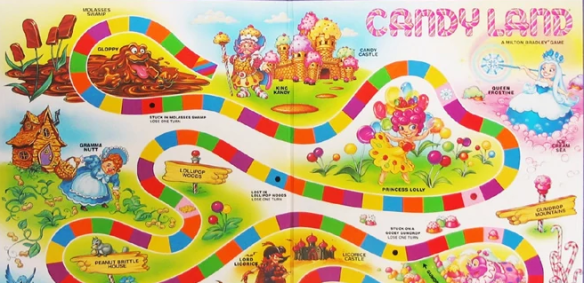
Many of the old classics end up on lists of worst games: Risk, Battleship, Twister, Candy Land, Trivial Pursuit, Chutes & Ladders, Guess Who?, and of course, Monopoly.

I don’t know that it’s necessarily fair to put simpler children’s games on a list of worst games, simply because they’re not as fun to play when you’re older. (Or if you don’t have polio, in the case of Candy Land.)

I also don’t think that games belong on the list simply because they can take a long time, like Risk or Monopoly.

To be fair, some of these games aren’t games at all. Candy Land and Chutes & Ladders involve NO player agency and NO meaningful choices. (Though, in the past, we’ve suggested ways to make Candy Land better.)
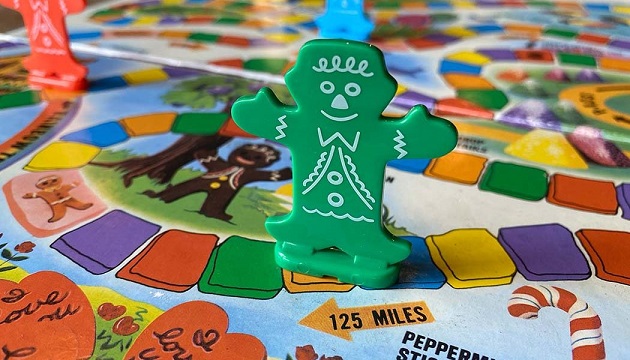
And some of the major flaws of these games can be fixed with house rules.

The main issue with Trivial Pursuit, for instance, is that you have to be on very specific squares to earn your wedges, so a lot of the trivia-answering and die-rolling feels pointless or tedious.

But you can fix that with a house rule like “answering three questions of the same color earns you a wedge” or “answer two questions in a row and you immediately proceed to a wedge spot.” Simple fix!

As for Monopoly… well, it has earned its reputation. And yet, it remains one of the bestselling games. Clearly some people are out there enjoying it. (And I wish to know their secrets.)
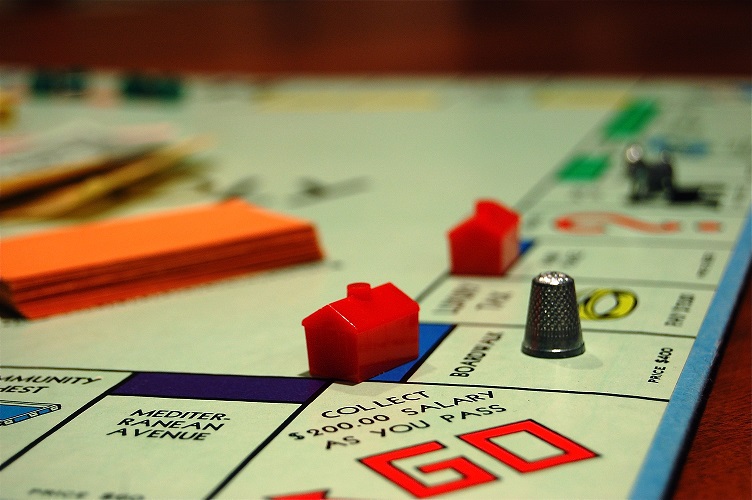
But newer games aren’t immune to ending up on lists of the worst games.

Munchkin often appears there, but I think that’s due less to gameplay and more to how difficult it can be to get into the gameplay, given how child-friendly the art style is.

The Oregon Trail Card Game appears on some lists, which I found surprising. Sure, the game is hard, almost unfairly so, but that’s kinda the point. My work team and I had a blast chronicling our attempts at beating it every week at lunch, as well as the numerous deaths I personally endured during play. It was a Sisyphean joy!

A lot of pop culture tie-in games are generally awful because they’re cash grabs, not genuine attempts to make a fun game. (The Twin Peaks Murder Mystery Game is truly wretched, for instance. But, then again, The Golden Girls version of Clue is delightful. It’s a mixed bag.)

Personally, I would put Cards Against Humanity on the list, because it encourages lame edgelord humor and reaching for low-hanging fruit, comedically. Cleverness and wit often loses to shock value.

But then again, it can be the seedling for a better game. I’ve played Charades Against Humanity (where you have to act out a White Card from the game) many a time and had an absolute blast. Again, house rules save the day.
So, at the end of the day, what is the worst board game?

Whichever one you enjoy the least.

Or Monopoly. Who can say?


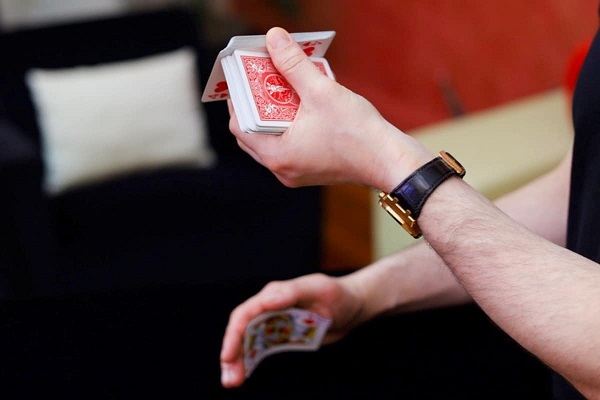
I can, however, with one hundred percent certainty, tell you the worst card game. And no, astonishingly, it’s not War. (Though War suffers from the same flaw as Candy Land.)

The worst card game of all time is Guess the Card.

Here’s how to play, if you’re a masochist:

  • Shuffle a deck of cards.
  • Put the deck of cards in front of you.
  • Try to guess the card on top.
  • Flip over the card and see if you’re right.

That’s it. It’s maddening and insane and barely a game, and I have a friend who makes us play it before every game night she hosts because it makes her laugh hysterically.

So, while it’s the worst card game in the world for most of us, it’s her favorite.

To each their own, I guess.


What’s your least favorite card game or board game? Or, better yet, what’s your favorite? Let’s end on a positive note, shall we? Let me know in the comments section below! I’d love to hear from you.

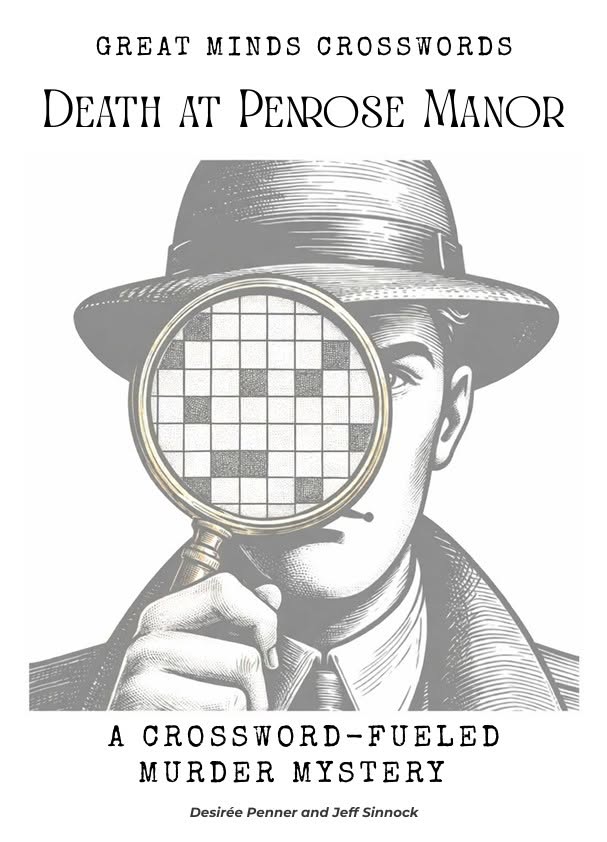
Summer Reading: Death at Penrose Manor: A Crossword-Fueled Murder Mystery

Our Summer Reading series continues this week with some puzzle solving and some mystery solving! (Can it top The Case of the Crossword Cipher? Keep reading to find out!)

This week, join me as I investigate Death at Penrose Manor by Desirée Penner and Jeff Sinnock.

An extravagant party awaits at the home of the eccentric and mercurial Roan Penrose, newspaper magnate and man with a penchant for antagonizing those around him.

So it’s no surprise when he turns up dead during the event.

Thankfully one of the guests, police constable Jade Miller, immediately calls detective Jude Marlow, and now Marlow must unravel a web of lies, motives, and bruised egos in order to solve the murder.

Can you puzzle out which of the nine suspects committed the murder? To do so, you’ll have to read through the interrogations, solve a crossword related to each suspect, and crack the case.

Death at Penrose Manor is a fun riff on both Agatha Christie-style murder mysteries and the trappings of the board game Clue, right down to the colorfully-named suspects and the layout of Penrose Manor.

The puzzles are mostly solid (one or two awkward words per grid), but mostly well-constructed and accessible. The cluing is straightforward, with a few sharp and clever clues peppered throughout.

Your average solver will blaze through these grids, and murder mystery fans who aren’t frequent puzzle-solvers should do fine as well.

(I can’t really dig into the book more without potentially spoiling it, so today’s review will be a little shorter than the others.)

But all in all, I had fun with Death at Penrose Manor. The mix of mystery and puzzles worked really nicely, the characters were hammy in the best way, I enjoyed scribbling notes and theories as I progressed throughout the book, and the reveal at the end was a satisfying one.

This one gets a thumbs-up from me.


Are you doing any reading this summer, puzzly or otherwise, fellow reader? Let me know in the comments section below! I’d love to hear from you.
Solving a Murder, Brick by Brick!

The gift that keeps on giving…

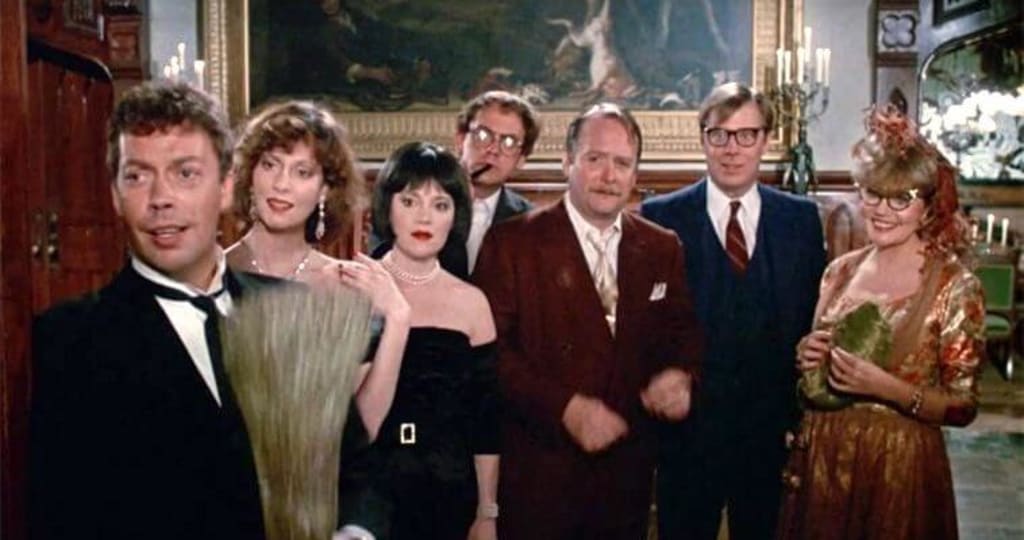
Clue (aka Cluedo) is one of the all-time classic board games.

It has seen numerous variations and licensed versions (like the Golden Girls edition, where you need to find out who ate the last piece of cheesecake) as well as escape room-style adaptations. Characters have come and gone, like Dr. Orchid, who took Mrs. White’s place in 2016.

It has even been turned into a movie, a comedic delight that’s on my rewatch list every year (alongside its less-appreciated but equally subversive counterpart, Murder By Death).

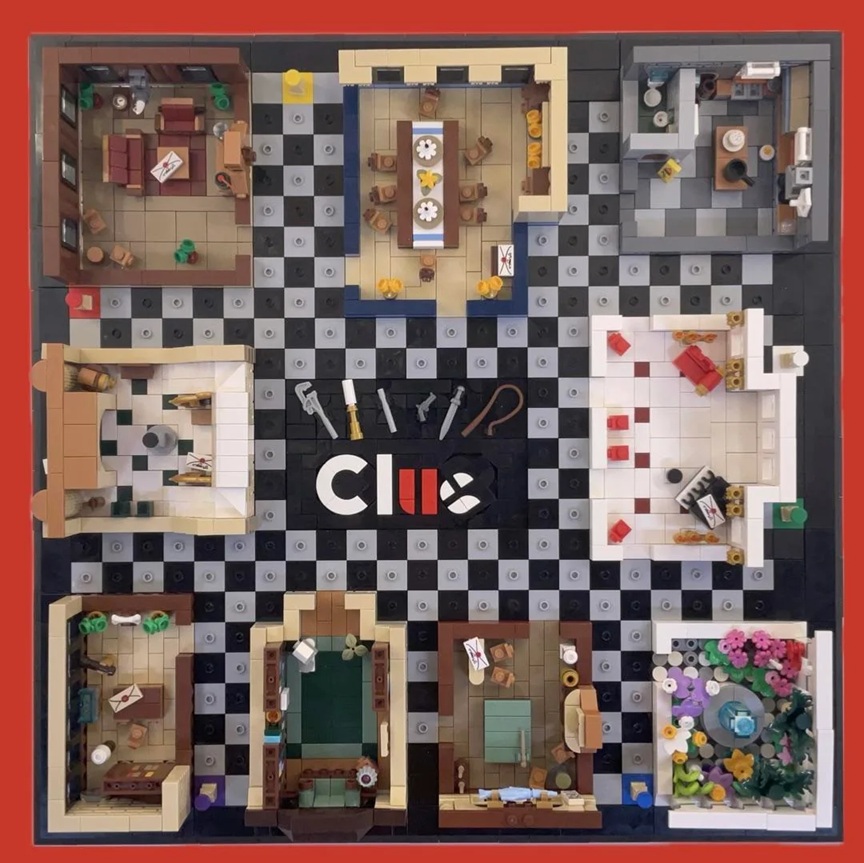
And now it has made the leap back to tabletops with a twist: a LEGO version of the board.

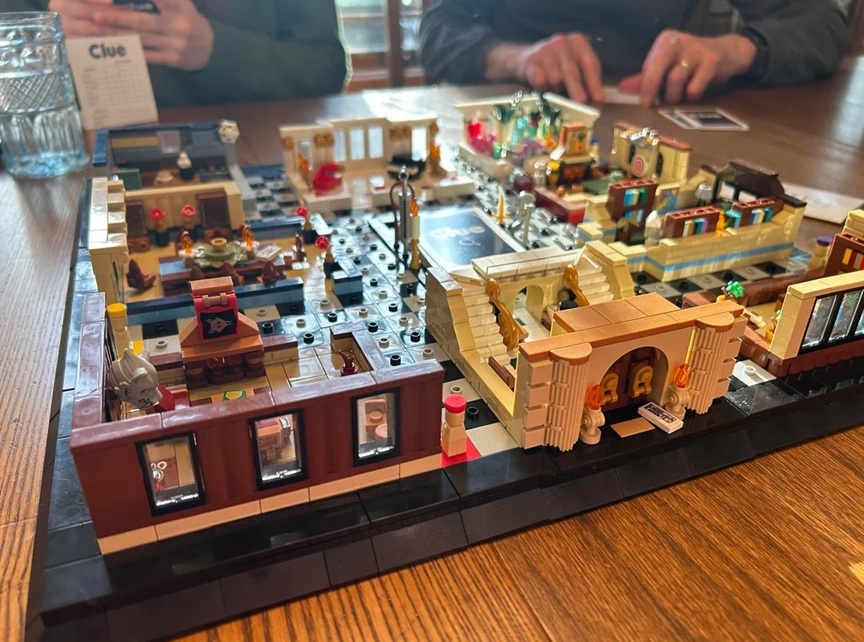
This LEGO creation by a married couple under the reddit handle Brickly_Pair is currently on the LEGO Ideas website, being voted on by fans and fellow constructors and hoping to cross the 5000-like threshold for consideration to become an official LEGO set.

Now, this isn’t the first LEGO Clue board I’ve seen. In fact, I wrote about one back in 2016 that came with an interactive scorecard for your deductive reasoning.

There’s also this other one I found via a quick Google search, which has six color-coded minifigs as your playable characters / suspects.

But the set by Brickly_Pair goes above and beyond both of those previous endeavors.

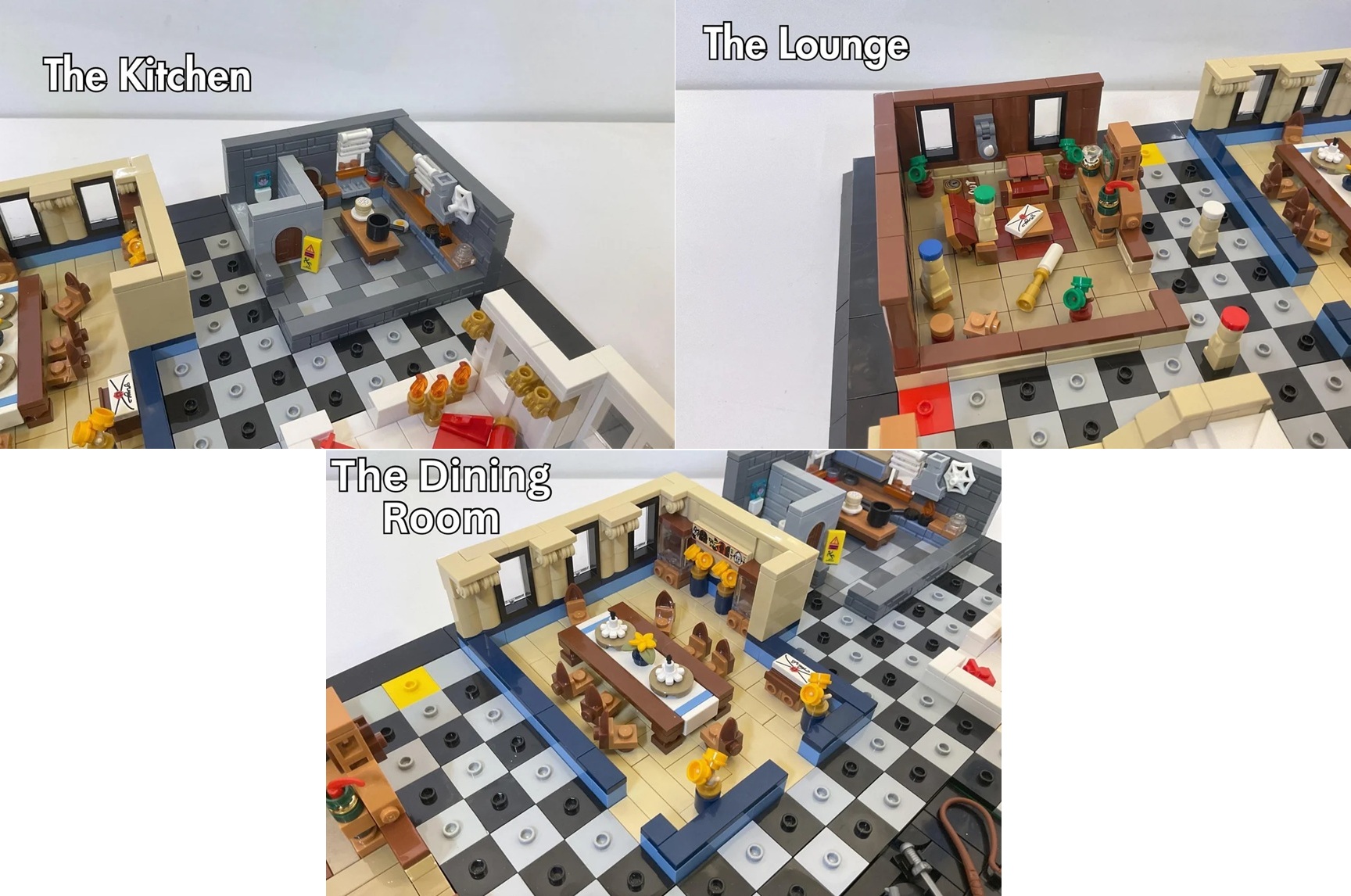
The rooms are beautiful, richly detailed, and immersive. The logo in the center of the board is gorgeous. The game pieces are a little simple, but definitely feel inspired by the actual game’s pieces.

All the little nods to both its source material and classic LEGO sets (like the Wolfpack banner above the fireplace) make this a work of puzzly art as well as a fun way to revamp and revitalize a classic board game.

Now, seriously, could someone get to work on a Murder By Death set? It could have the shifting rooms, falling gargoyles, and best of all, a Jamesir Bensonmum minifig!


Do you think this Clue LEGO set will grace your shelves one day, fellow puzzler? Or would you like to see another board game get the LEGO brick treatment? Let us know in the comments section below! We’d love to hear from you.
Making Classic Board Games Spookier!

I recently posted a list of 31 board games and roleplaying games perfect for the Halloween season, bringing spooks and scares and horror-fueled goodness to your gaming table.

But it occurred to me that you don’t necessarily need to pick up a new board game to get your ghostly gaming and unearthly playtime in. You just need to add a little Halloween spice to those classic games on your shelf.

So here are some house rules for board games we all know and love that will add an eerie or monstrous touch!


Clue: Restless Spirits

In this version of the game, the spirit of Mr. Boddy is still around, and has a role to play in the game.

He appears in a square in the center of the house, rolling a die and moving towards the closest player. If the spirit of Mr. Boddy enters a room with a player (or lands on the same space), they try to possess the player.

You can make an opposed dice roll to see if the spirit succeeds, or you can have the player sacrifice a weapon card to defend themselves. If they don’t have a weapon, or they lose the opposed die roll, they’re possessed, and now they serve the spirit as another figure on the board for three turns, pursuing the closest player while the spirit of Mr. Boddy does the same.

(Some people use similar rules, except Mr. Boddy is a zombie, and he turns the players he bites!)

Either way, it’s a terrific spooky element that pushes the game forward.


Candyland: The Hungry One

Candyland isn’t much of a game to begin with, since once the deck is shuffled, the game is already decided. (It’s like the card game War that way.)

But what if you needed to succeed as a group? What if the Hungry One was lurking, gobbling up the path behind you, and potentially your slowest companion?

In this version, you’re trying to get your whole group to the end, and you can’t get too far apart from each other without consequences.

Separate the deck into four stacks, facing upward with the colors showing. On your turn, pick one of the four available cards and make your move. (Once you take that card, it reveals a new choice underneath for the next player.)

You’re trying to move ahead, but if you get more than 12 spaces ahead of the player furthest back, you lose your next two turns!

Oh, and after all the players have gone, the Hungry One takes their turn, gobbling up the first three spaces — and any players on those spaces! (Or four, or five spaces, depending on how dangerous you want the Hungry One to be!)

Can you get your group safely to the end, or will someone fall into the waiting maw of the Hungry One?


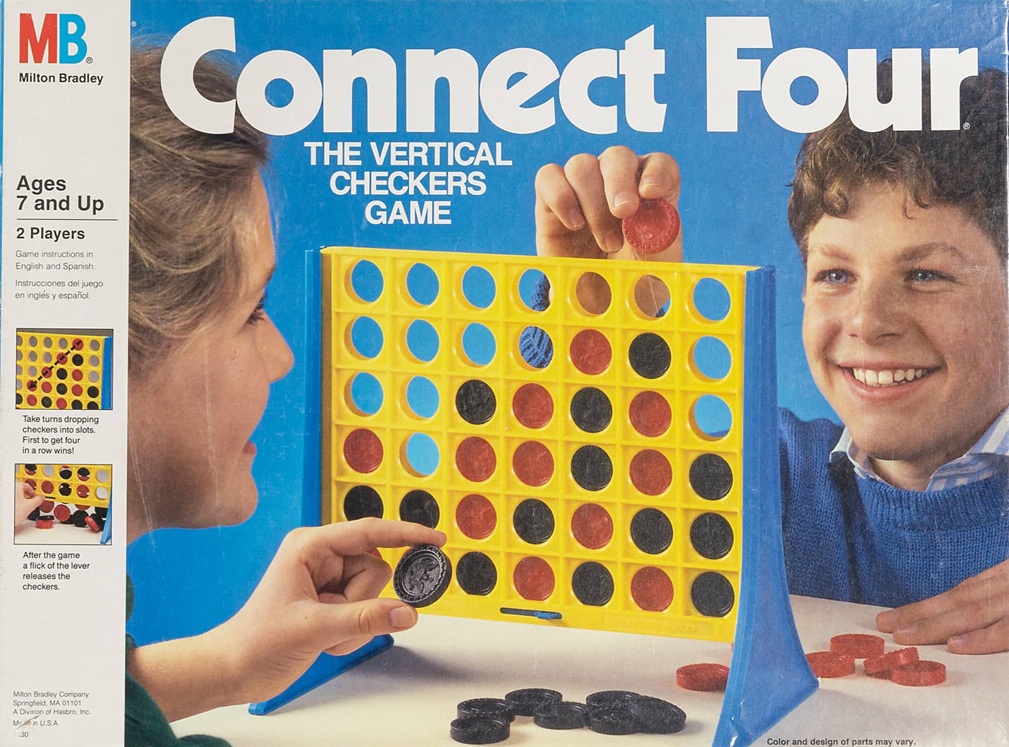
Connect Four: Secret Summoning

Each player worships a different dark lord and secretly creates a pattern of 5 discs in a row in whatever colors or pattern they wish, hoping to recreate that pattern on the board.

Instead of trying to stop your opponent from getting the four-in-a-row, you need to be the first to complete your 5-disc pattern and summon your dark lord.

While playing the game, be sure to warn your opponent of how great and vengeful and terrible and ridiculous YOUR dark lord and why it’s better than their dark lord. A little sinister smack talk never hurt anybody.


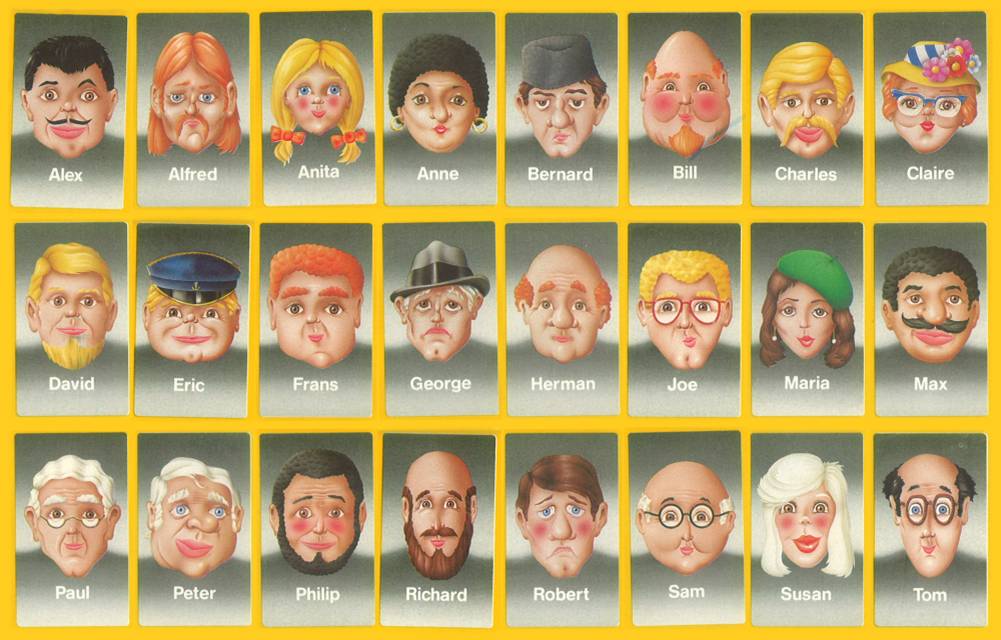
Guess Who: Profiler

This one is pretty simple. Normally, you get a card for your opponent to narrow down with questions, and you do the same for your opponent’s card.

But in this version, you take your card and choose whatever quality about the character made them a victim of a mythical serial killer. So on your opponent’s turn, you tell them one person to flip down on their board, representing another victim of the killer.

Then they try to guess what all the victims have in common. Each round, another victim, another chance to figure out what they have in common.

The winner is the person to guess why the killer targets their victims first. (And for a bonus point, they can try to guess which card you pulled that inspired the crime spree.)


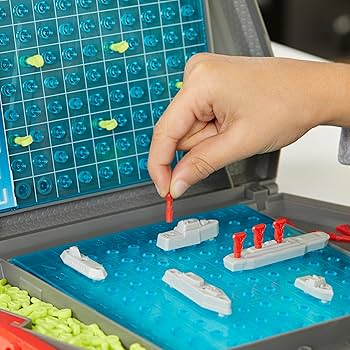
Battleship: The Monster Below

This tactical game is all about making the most of your guesses to track down and destroy your opponent’s fleet, but what if there was something else lurking under the water?

In this supernatural edition of the game, there’s a greater consequence to your misses. Three misses in a row triggers an awakening from the deep, and your opponent gets to pick a 3×3 square (on your board) that includes that last miss.

If part of one of your ships is in that 3×3 square, the monster from the deep emerges and takes a bite from your ship, marking it as hit.

(If more than one ship or more than one spot on a ship is inside that 3×3 square, you only need to mark a single hit, and you DON’T tell your opponent the exact spot. You only say MONSTER! to indicate one of your ships has been bitten.)

Not only does it add a monstrous element to the game (and a consequence for misses), but it also adds a new layer of strategy to the game!

Is it Godzilla? Ebirah? Cthulhu? The Beast from 10,000 Fathoms? You decide the monster!


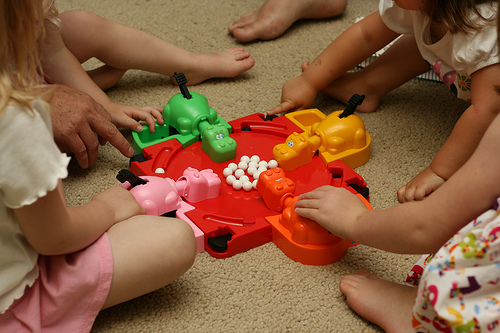
Hungry, Hungry Hippos: Poison Pellets

Here’s a bonus one cooked up by my marvelously devious friend, Lisa Mantchev.

It’s Hungry Hungry Hippos with a dark twist: a single, differently-colored marble in the mix with all the regular marbles.

It’s a poison marble, and you’ve gotta eat up all the regular ones and not get the poisoned one. If you do, you’re done for, and you’re out. Then the remaining players try again, and you keep going until there’s only one survivor.

So be hungry hungry, but not TOO hungry hungry, or it’s curtains for you!


Do you have any Halloween versions of classic board games you enjoy, fellow players? Or do you have a spooky house rule suggestion? Let us know in the comments below. We’d love to hear from you.
A Cracking Collection of Crossword Clues

Someone recently asked me about my favorite crossword clue, and after mentioning four or five off the top of my head, I cut myself off and tried to explain that it’s impossible for me to pick one.

So many clues are out there that surprised me, or outwitted me, or made me laugh, or made me think in an unexpected way. I could never narrow it down..

Regular readers who have seen my reviews of various crossword tournament puzzles will recall I like to highlight favorite clues.

I actually keep track of clues from constructors as I solve various crosswords. Not only are they often witty, hilarious, and/or impressive, but they inspire me as a puzzler to always try to find entertaining, engaging new angles for these crucial crossword elements.

So today, I’d like to pull some favorites from my personal clue vault and give them some time in the spotlight.

(I’m crediting the constructor listed on the byline for each clue. These clues may have been created elsewhere and reused, created by the constructor, or changed by an editor, I have no way of knowing. So I’m just doing my best to give credit where credit is due.)

Misdirection

I love a good misdirection clue, because it not only has a straightforward meaning that sends you one way, but it has a true secondary meaning that usually only emerges once you’ve considered the clue for a bit.

Constructor Amanda Rafkin has a knack for these sorts of clues, delivering terrific examples with “Decline a raise?” for FOLD and “One who’s pro con?” for NERD.

It’s particularly great when a constructor can use a misdirection clue to put a new spin on a word you’ve seen dozens of times before. Peter Gordon did just that with both TYPO (“Character flaw?”) and AHS (“Sounds made with depressed tongues”), and even manages to be topical whilst doing so, as he did with the clue “Page with lines of dialogue” for ELLIOT.

Yacob Yonas took an awkward RE- word — all too common in crossword grids — and made it shine when he clued REHEM as “Take up again, say.” Priyanka Sethy did the same with a multi-word answer when she clued IGOTIT with the delightful “Catch phrase?”

Brendan Emmett Quigley covered up an ugly abbreviation answer — ECG — with a banger of a clue: “Ticker tape?”

As you can tell, misdirection clues are absolutely a favorite of mine.

hofstadter

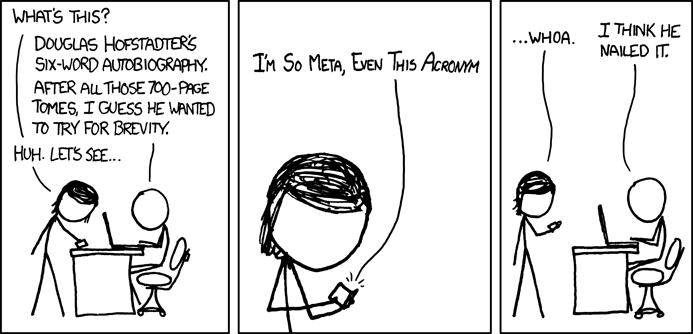
[Image courtesy of XKCD.]

I also can’t resist clues that get a little meta, playing with the format of cluing itself.

TYPO appears for a second time in today’s post, but the cluing is totally different, as Andrea Carla Michaels offered this meta treat: “Something annnoying about this clue but hopefully no others!”

And Francis Heaney went out of his way to word to clue the word AUTOMOBILES in a manner you’ll never forget: “‘Humorous People in ____ Acquiring Caffeinated Drinks’ (Jerry Seinfeld series whose name I might be remembering incorrectly)”

Using multiple examples in a clue not only shows off the variety of definitions some words have, but allows constructors to juxtapose these meanings in entertaining fashion.

Janie Smulyan deftly shows off this technique by cluing SPELLS “Some are dry, some are magic.” Concise and clever.

“Beehive part, or beehive parter” for COMB was Sid Sivakumar’s tricky way to use multiple meanings twice!

And although this Hannah Slovut offering isn’t as concise as the others in this clue for SEE, it’s still a terrific example of employing multiple uses of a word: “Different tense of ‘saw’ that may precede ‘saw'”

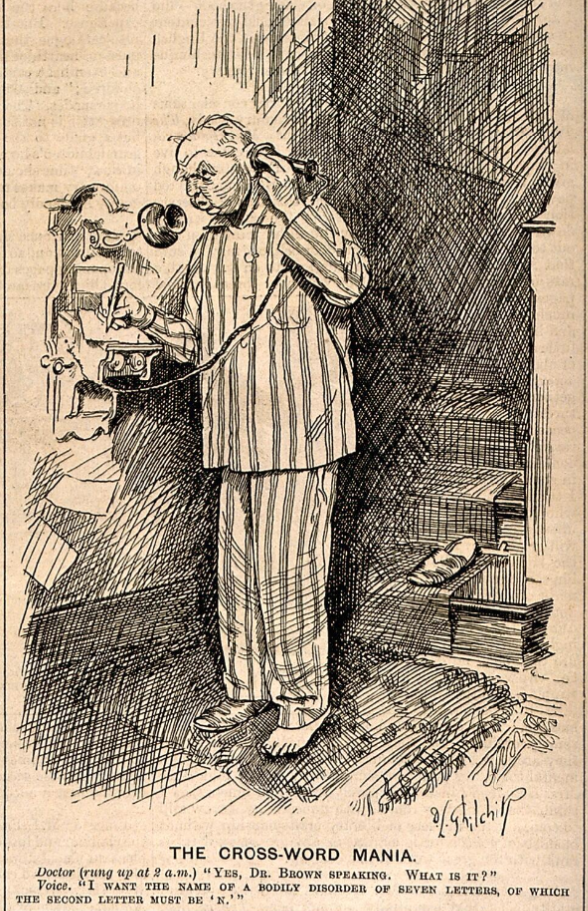
ghilchip

[Image courtesy of David Louis Ghilchip.]

I know some crossword outlets aren’t fans of using clues that specifically reference each other — “With 21-Across, name of Charlie Chaplin film,” for instance — but other publishers are completely fine with this style of cluing.

Naturally, that allows constructors to have some fun making connections and using clues to reference each other.

Hannah Slovut utilized this technique in a recent puzzle, cluing STYE as “Ailment that might be seen near 63-Across.” (63-Across was the exclamation MYEYE.)

There are all sorts of cluing styles we didn’t cover in this post — trivia clues, fill-in-the-blank, clues that use capitalization or pronunciation to mislead the solver — but hopefully we’ll get to them in a future blog post.

misdirection-image-1486812621

In the meantime, how about a few more misdirection clues for the road?

Brooke Husic made readers take a second look at a familiar word — “Surroundings?” — when she used it to clue SIEGES.

Catherine Cetta’s “Spot early on?” definitely sends you down the wrong path before you double-back and find the correct answer: PUP.

And we happily conclude with a clue from puzzle master Mike Shenk, who clearly had some fun with this one, cluing ANKLES with “They’re just over two feet.” Absolutely shameless.

Gotta love it.

What are some of your favorite crossword clues, fellow puzzlers and PuzzleNationers? Let us know in the comments section below! We’d love to hear from you.

dailypopwsicon

Halloween is almost here, and we have some spookily good deals for you to check out. You can find them on the Home Screen for Daily POP Crosswords and Daily POP Word Search! Check them out!

Thanks for visiting PuzzleNation Blog today! Be sure to sign up for our newsletter to stay up-to-date on everything PuzzleNation!

How People Used Puzzles and Games to Endure the Pandemic

Puzzles and games have been there for many people during the pandemic.

Many puzzle and game companies offered (and continue to offer) “COVID discounts” and giveaways to help people financially impacted by the crisis. Companies released free online or zoom-compatible versions of their products to help people get by.

There are all sorts of articles out there about how Dungeons & Dragons and other roleplaying games have served as critical socializing tools in virtual hangouts. Bar-style trivia, zoom games, Jackbox, Board Game Arena, Fall Guys, Among Us… lots of communal activities went virtual as puzzles and games filled a rapidly growing niche.

Whether solved alone or with other members of the household, jigsaw puzzles sales increased 500% or more. Online sites to coordinate trades sprang up, allowing people to swap puzzles they’d solved before for ones new to them.

At a terrible time for many people, puzzles and games helped us cope.

And honestly, if you know the history of games and puzzles, it makes sense. Many of them have been born out of unpleasant circumstances.

Monopoly was a hit during the Great Depression, offering an escape and the illusory feeling of being rich. The game itself only cost two dollars, so it was a solid investment with a ton of replay value.

Candy Land was created to entertain children with polio (although that fact wasn’t commonly known for 50 years). Clue was designed during air raid drills as a way to pass the time. The Checkered Game of Life (later The Game of Life) was inspired by Milton Bradley’s own wild swing of business misfortune.

Risk and other conflict-heavy games weren’t popular in postwar Germany, so an entire genre of games that avoided direct conflict was born: Eurogames.

It’s just as true in the modern day. What game was flying off the shelves during COVID-19 lockdowns? Pandemic.

That combination of escapism and social interaction is so powerful. Games are low-stakes. They offer both randomness (a break from monotony) and a degree of control (something sorely missing during lockdown).

Puzzles too assisted folks in maintaining their mental health. And isn’t it interesting that crossword solving, something viewed by many as a solitary endeavor — I guess they never needed to ask someone else 5-Down — helped fill a crucial social role for people?

Constructors stepped up in interesting, inventive ways. The sense of community fostered by online crossword events like Crossword Tournament From Your Couch (which filled the void of ACPT in 2020) and the Boswords Themeless League was absolutely invaluable to puzzlers who couldn’t attend some of the highlights of the puzzle calendar year.

As I said before, there are numerous articles out there celebrating the benefits of roleplaying games like Dungeons & Dragons, Pathfinder, and more.

Roleplaying games certainly helped keep me sane during lockdown. It might sound ridiculous, but dealing with world-threatening threats, fiercely dangerous monsters, and sinister plots that I could DO something about was medicinal. It was escape in its truest form. It recharged me, allowing me to lose myself in storytelling with friends.

The last 18 months were hard. There may be hard months ahead. But I’m grateful for the puzzle/game community — and the many marvelous pastimes they’ve created — for helping me and many others get by. To smile. To cope. To socialize. And to enjoy.

What games and puzzles have helped you deal with unpleasant circumstances, fellow puzzlers? Let us know in the comments section below. We’d love to hear from you.


dailypopwsicon

Have you checked out our special summer deals yet? You can find them on the Home Screen for Daily POP Crosswords and Daily POP Word Search! Check them out!

Thanks for visiting PuzzleNation Blog today! Be sure to sign up for our newsletter to stay up-to-date on everything PuzzleNation!