It’s officially time for all things spooky, scary, terror-inducing, and horror-fueled to take over for a whole month, and that should include your games! So I’ve assembled a list of 31 games fit for the season. Some are silly, some are tense, but all fit the Halloween vibe nicely.
So, without further ado, let’s get to the list!
OCTOBER 1: Betrayal at the House on the Hill
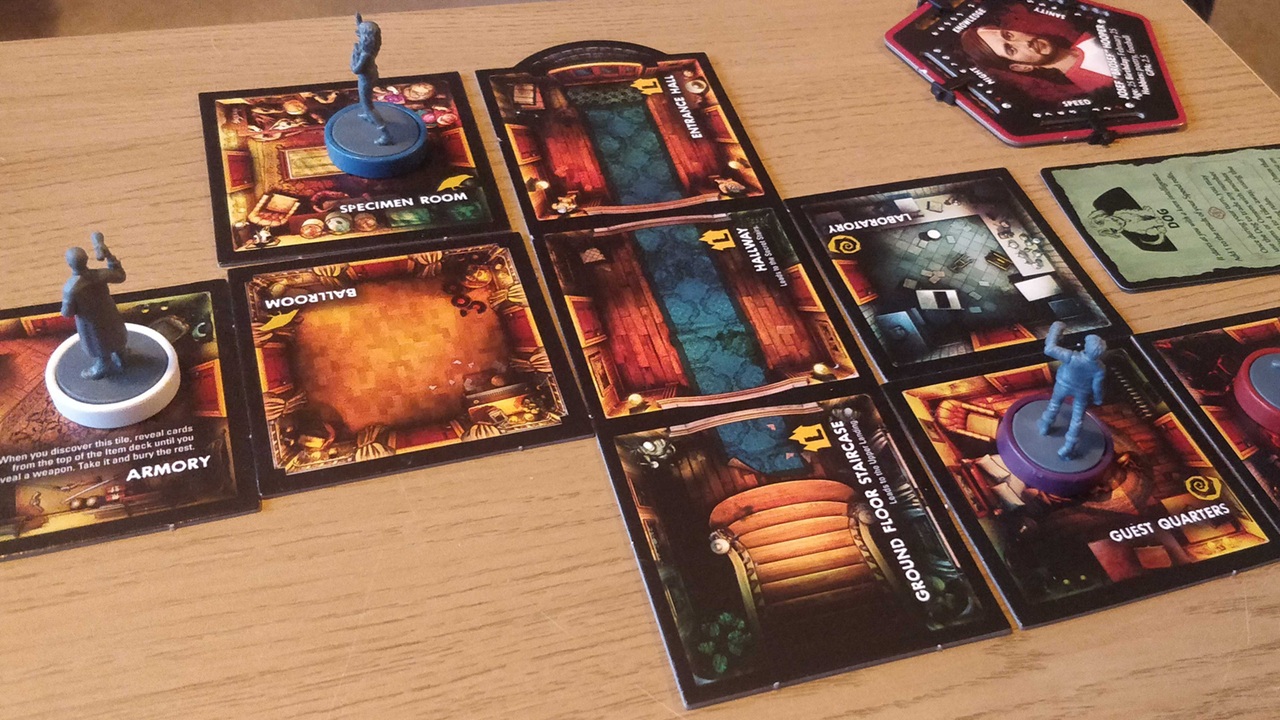
Let’s get a classic out of the way first. This game is loaded with various storylines to keep you spooked for hours on end, and its ever-shifting game board makes every play great fun. Controversial take: The Scooby Doo edition is the superior edition.
OCTOBER 2: Cult Following
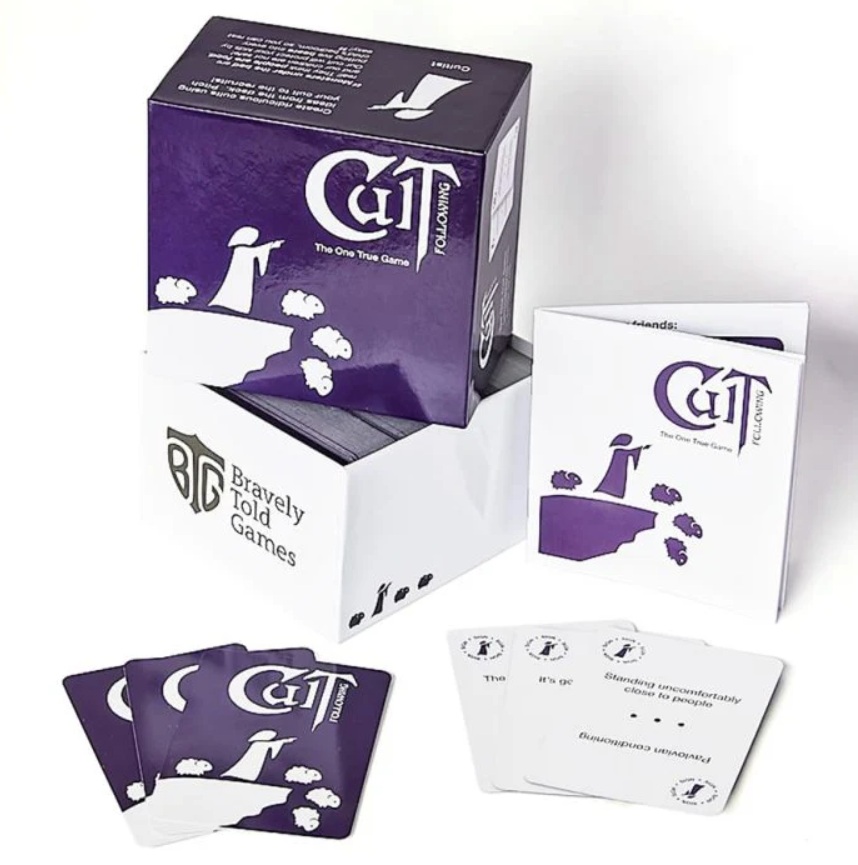
Looking for a party game with a sinister twist? Look no further than Cult Following, the card game where you try to build the best cult and pitch it to your fellow players in the hopes of winning their hearts, minds, and unending loyalty. This is definitely on the sillier side, but the cult gimmick makes it perfectly Halloween-appropriate.
OCTOBER 3: Dead of Winter
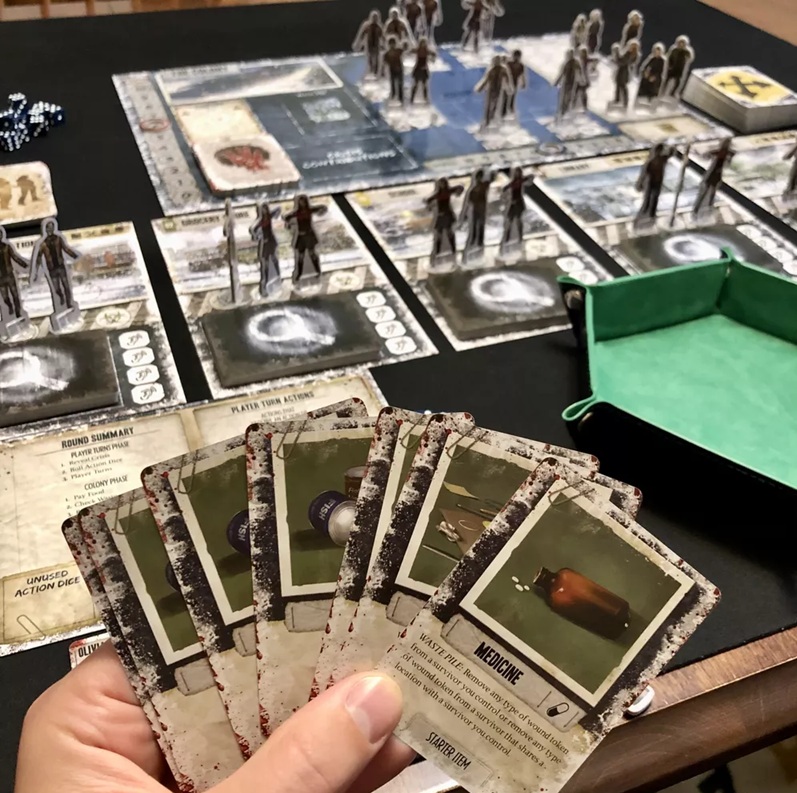
If you’re looking for tension, high stakes, cooperative gaming, and the potential for self-serving surprises, it’s hard to beat Dead of Winter. The players are trying to survive the zombie apocalypse, but each player also has their own agenda (which might not always align with the group’s interests). This is an awesome game with plenty of replay value.
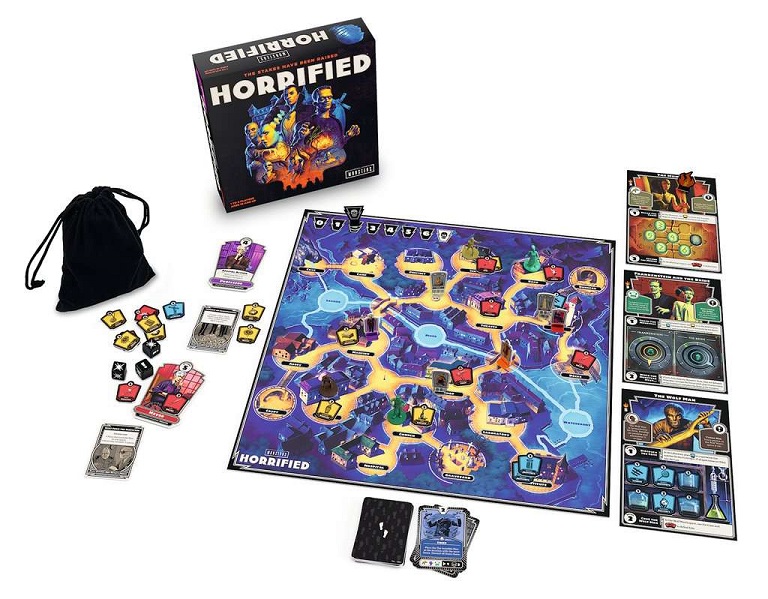
OCTOBER 4: Horrified
More family friendly than some other spooky games, Horrified is a good way to balance scares and good times. In this cooperative game, your group of heroes is pitted against some of the classic Universal movie monsters like The Bride of Frankenstein, The Wolfman, and The Creature from the Black Lagoon. You must work together to complete specific tasks in order to defeat the monsters. (There are loads of different versions. My current favorite is the American Monsters edition!)
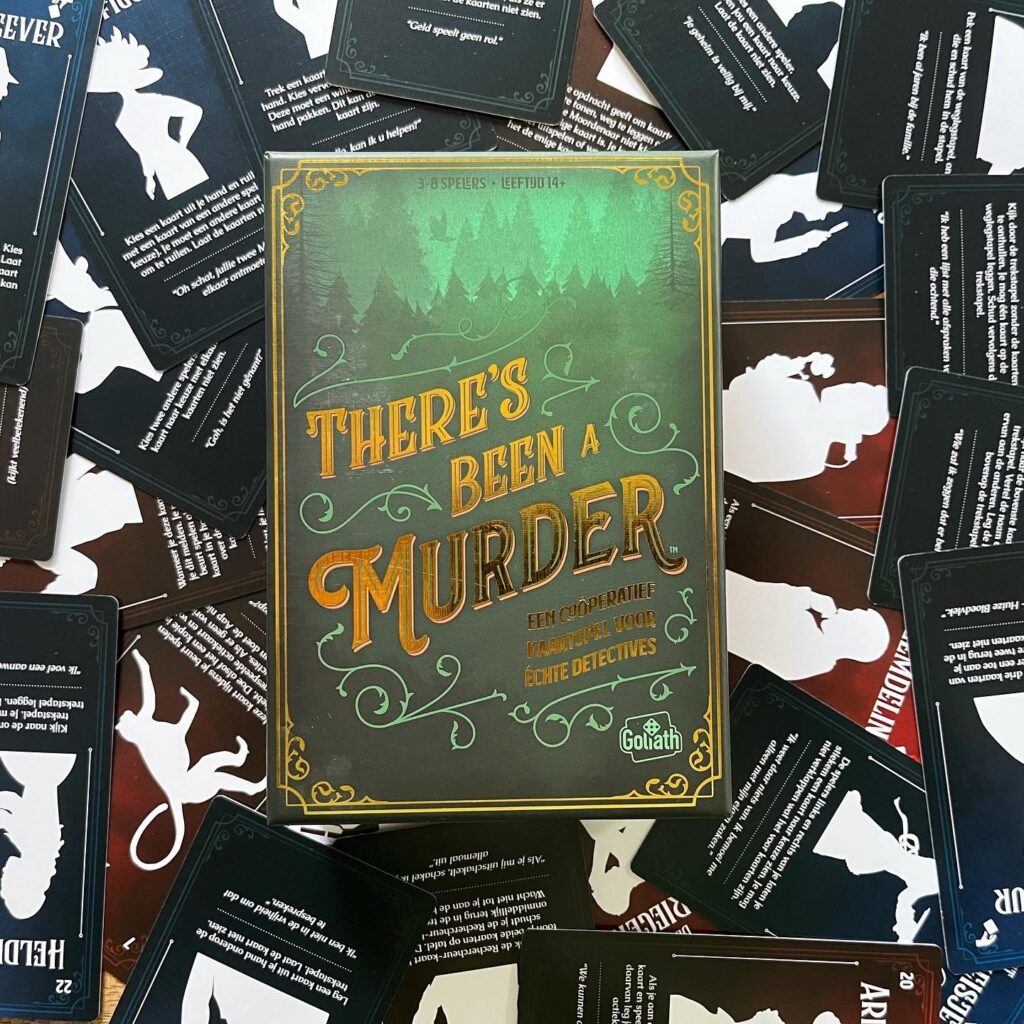
OCTOBER 5: There’s Been a Murder
In this card game that’s quick to learn but harder to master, there’s a murder to be solved, and every card can help or hinder the investigation, depending on your motives. Will you help the Detective solve the crime, or will the Murderer dispatch the Witness and get away scot-free? This is a murder mystery condensed into a card game, and it’s brilliantly done.
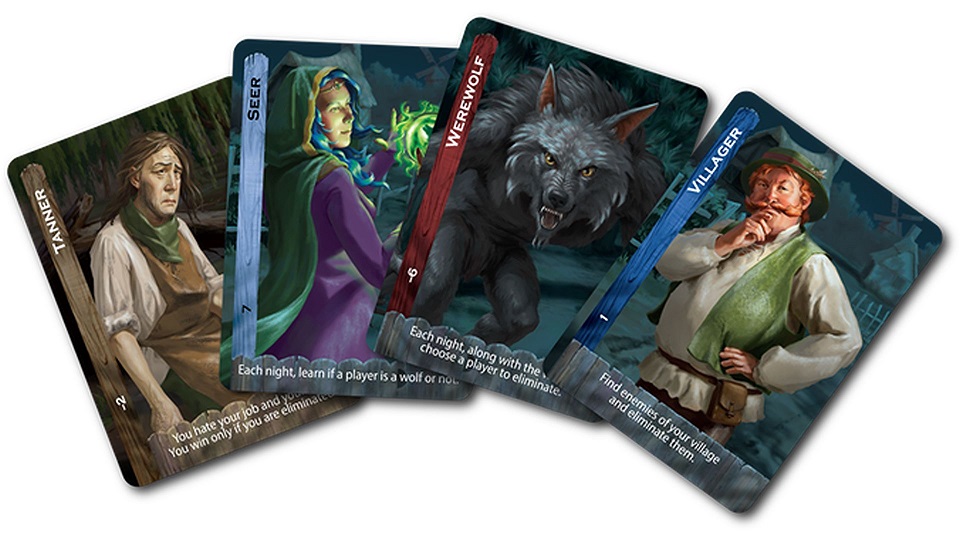
OCTOBER 6: Werewolf
With the full moon, how could I not put this here? This is a classic social deduction game where a group of townsfolk are trying to find the werewolf in their midst. A great party game with very little prep, it’s always a winner. (For similar gameplay but different story trappings, check out Salem 1692 and Are You the Robot?)
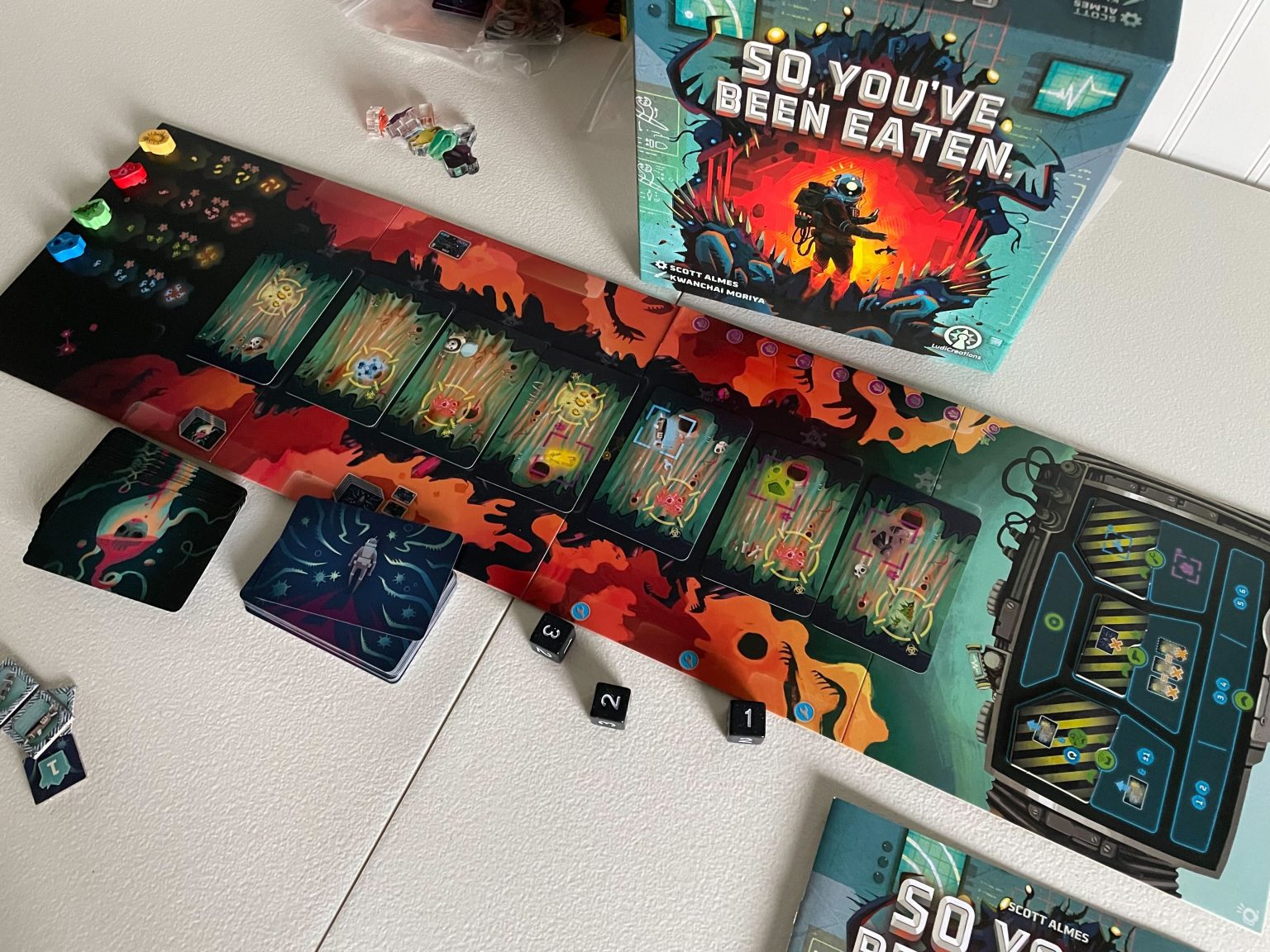
OCTOBER 7: So You’ve Been Eaten
This is more sci-fi than horror, but I think the concept still fits the bill. You’re a miner inside the body of a giant space beast, and you’re trying to get your crystals before the beast’s bacteria turn you into so much bodily detritus. This game can be played with 1 player (as the beast or the miner) or with 2 players (the beast versus the miner), and it’s a peculiar mix of sci-fi horror and strategy.
OCTOBER 8: Dread
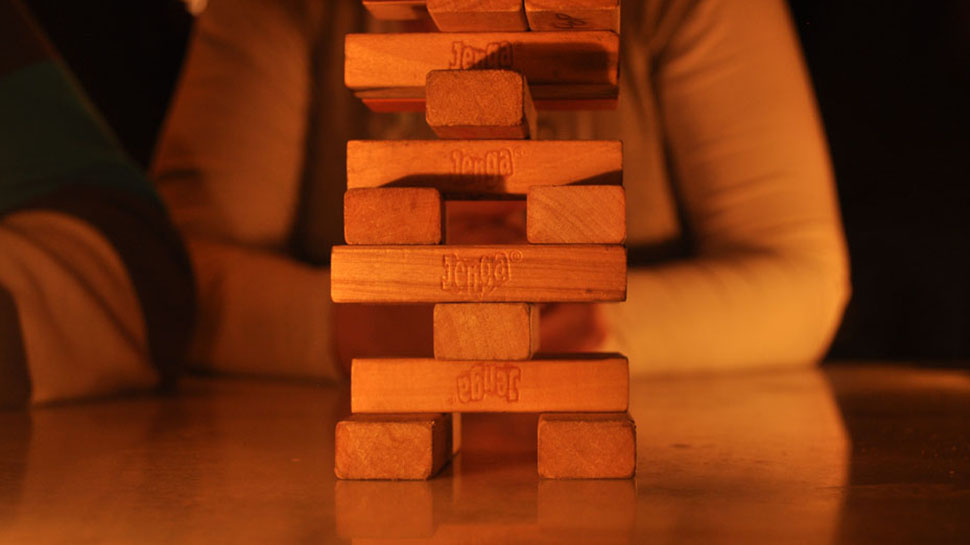
Ever play a scary game with your friends involving nothing but imagination and a Jenga tower? That’s the brilliant concept behind Dread, a horror roleplaying game where your choices lead you to pulling blocks from the tower, and if it falls, you die! With all sorts of scenarios to play, Dread is a new game every time you play. A perfect introduction to roleplaying games for anyone.
OCTOBER 9: Ghost Stories
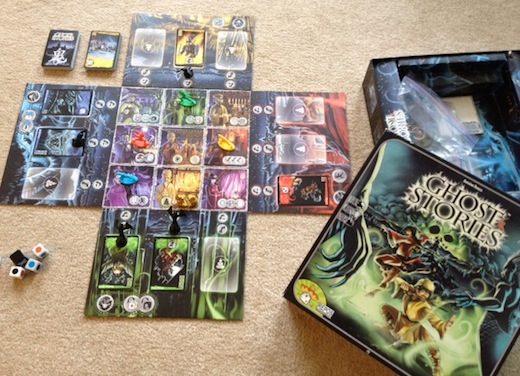
The players take on the roles of Taoist priests protecting village from ghosts. This feels like a Halloween-fueled variation on Castle Panic!, given both the difficulty of the game and the relentless waves of spirits to defeat. But it’s a great time and one of the best cooperative horror games out there.
October 10: Ten Candles
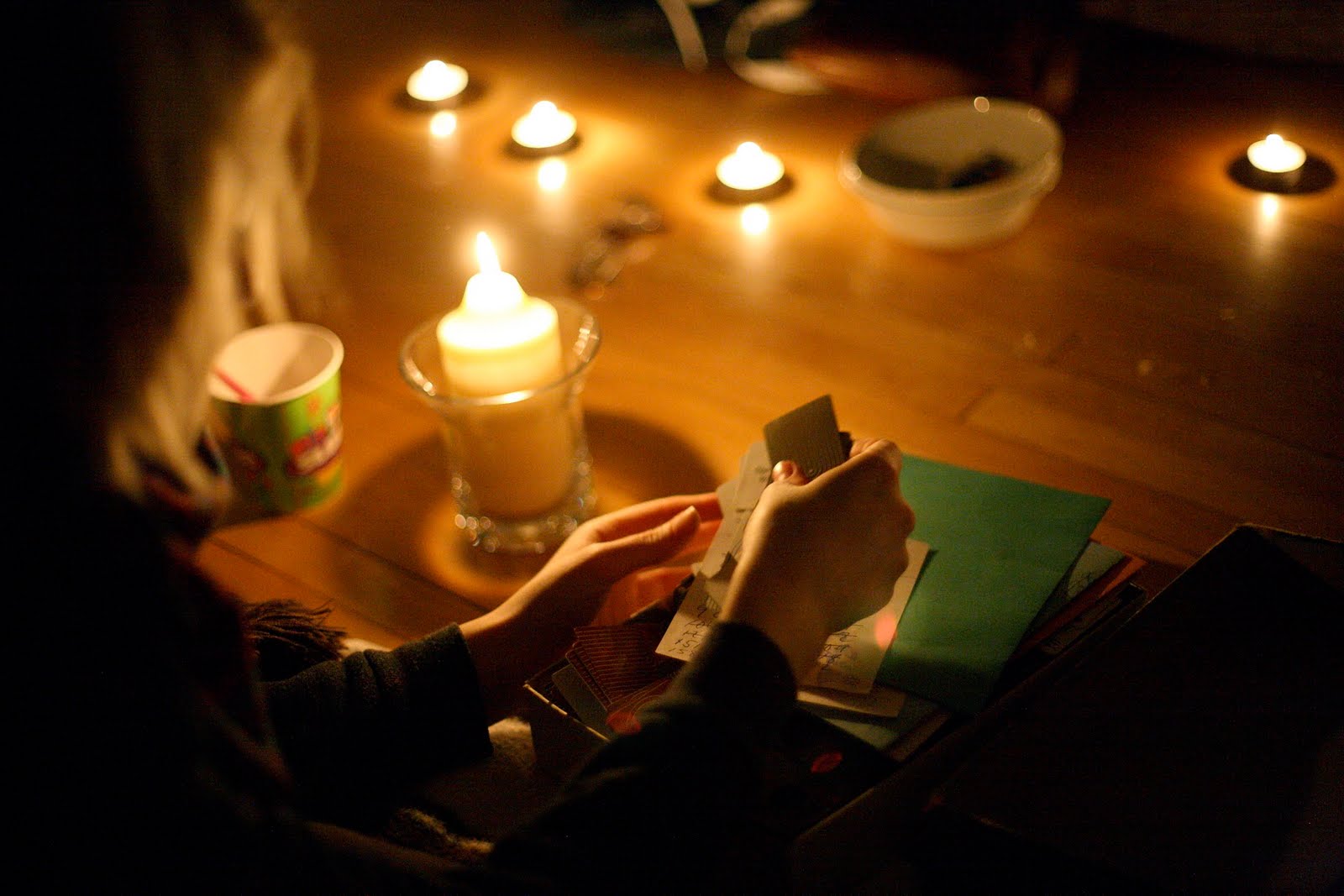
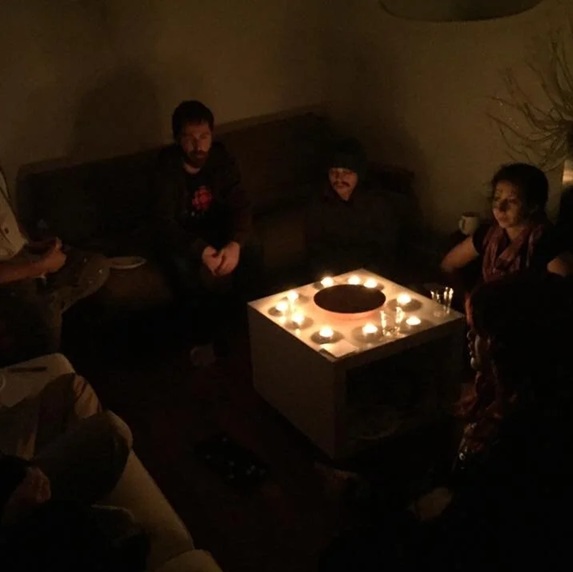
Easily the bleakest game on the list, Ten Candles is a game about the secrets we keep until the end. This collaborative storytelling game after trying to endure as long as the candlelight lasts. It’s fantastically dark and makes you appreciate every single moment.
OCTOBER 11: Psychic Pizza Deliverers Go to Ghost Town
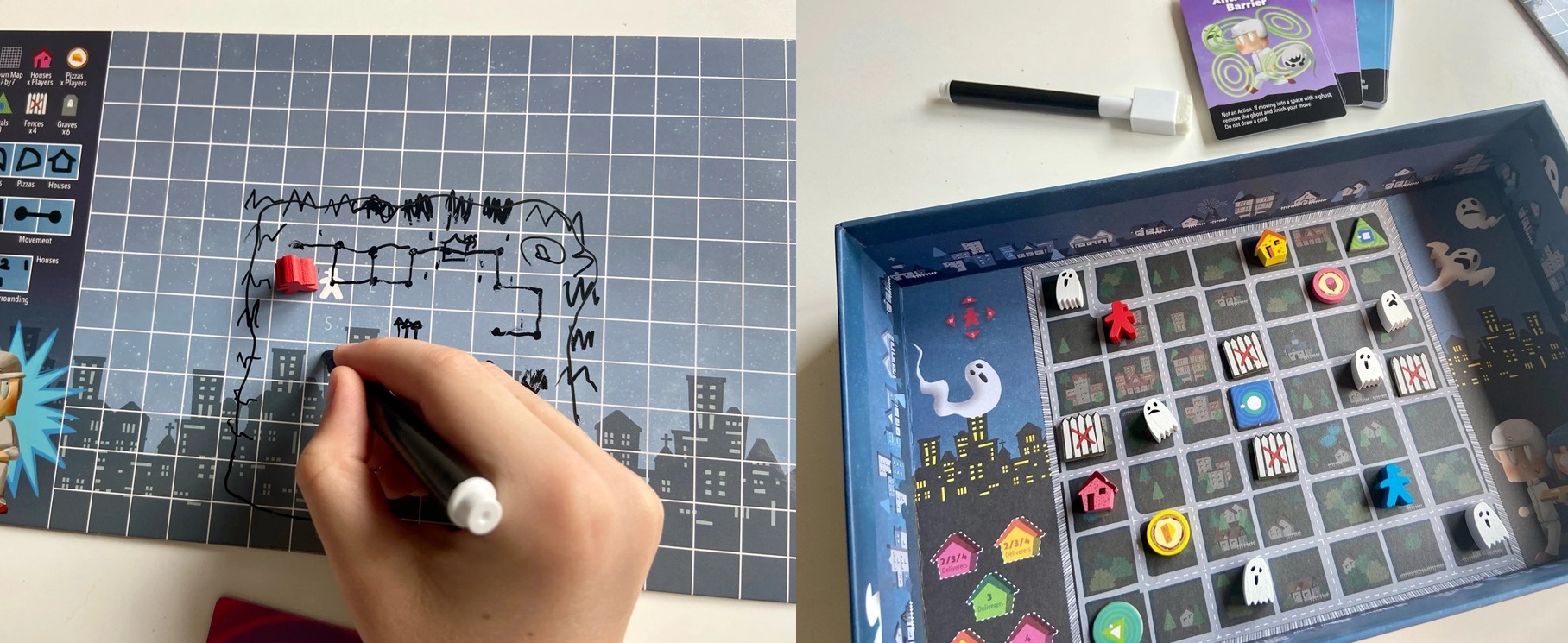
What if 20 Questions, but about psychics delivering pizza while battling ghosts? That’s the insanely creative idea behind Psychic Pizza Deliverers Go to Ghost Town. One player (the Mayor) builds the town and challenges the other players (the aforementioned Psychic Pizza Deliverers) to find a pizza and deliver it to the proper house in 20 turns or fewer. It’s bonkers, but with the right group, it’s so so fun.
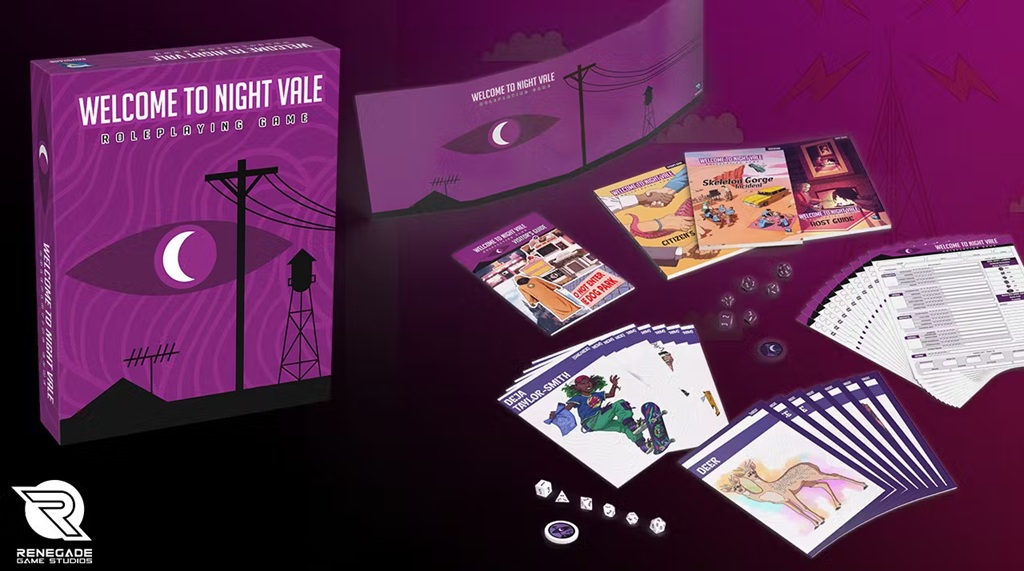
OCTOBER 12: Welcome to Night Vale RPG
If you’re not paranoid or horrified enough yet, this is the perfect game to put you over the top. A roleplaying game set in the town from the wonderful titular podcast, Welcome to Night Vale RPG gives you eldritch horrors, governmental conspiracies, and all the weird your brain can handle. Fun and scary in equal parts, this is great stuff.
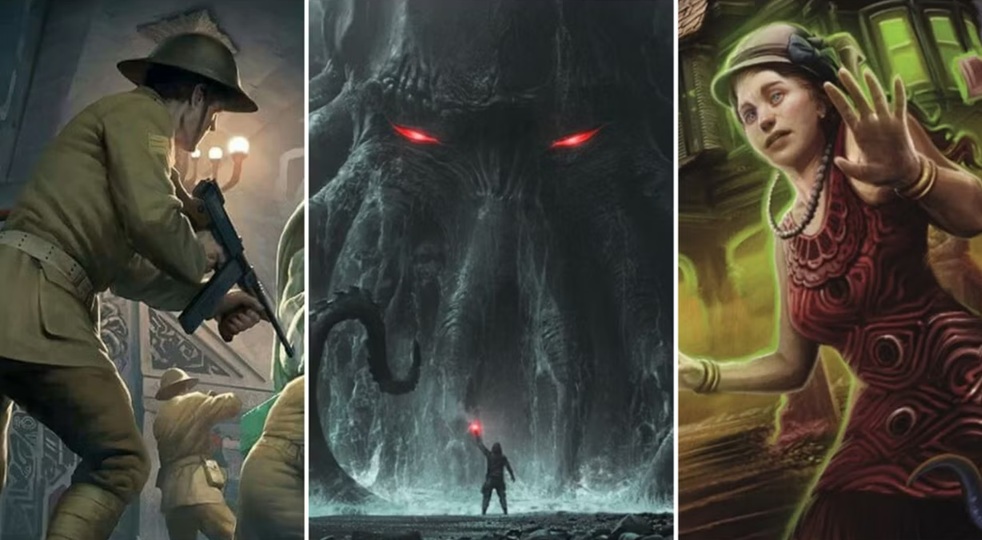
OCTOBER 13: Call of Cthulhu RPG
If you’re looking for mind-shredding scares and sanity-challenging evils, Call of Cthulhu has been the champion of the genre for decades. Based on H.P. Lovecraft’s legendary mythos, Call of Cthulhu has very human, very mortal characters dealing with unknowable cosmic horrors. Tension runs rampant in this game, so be warned.
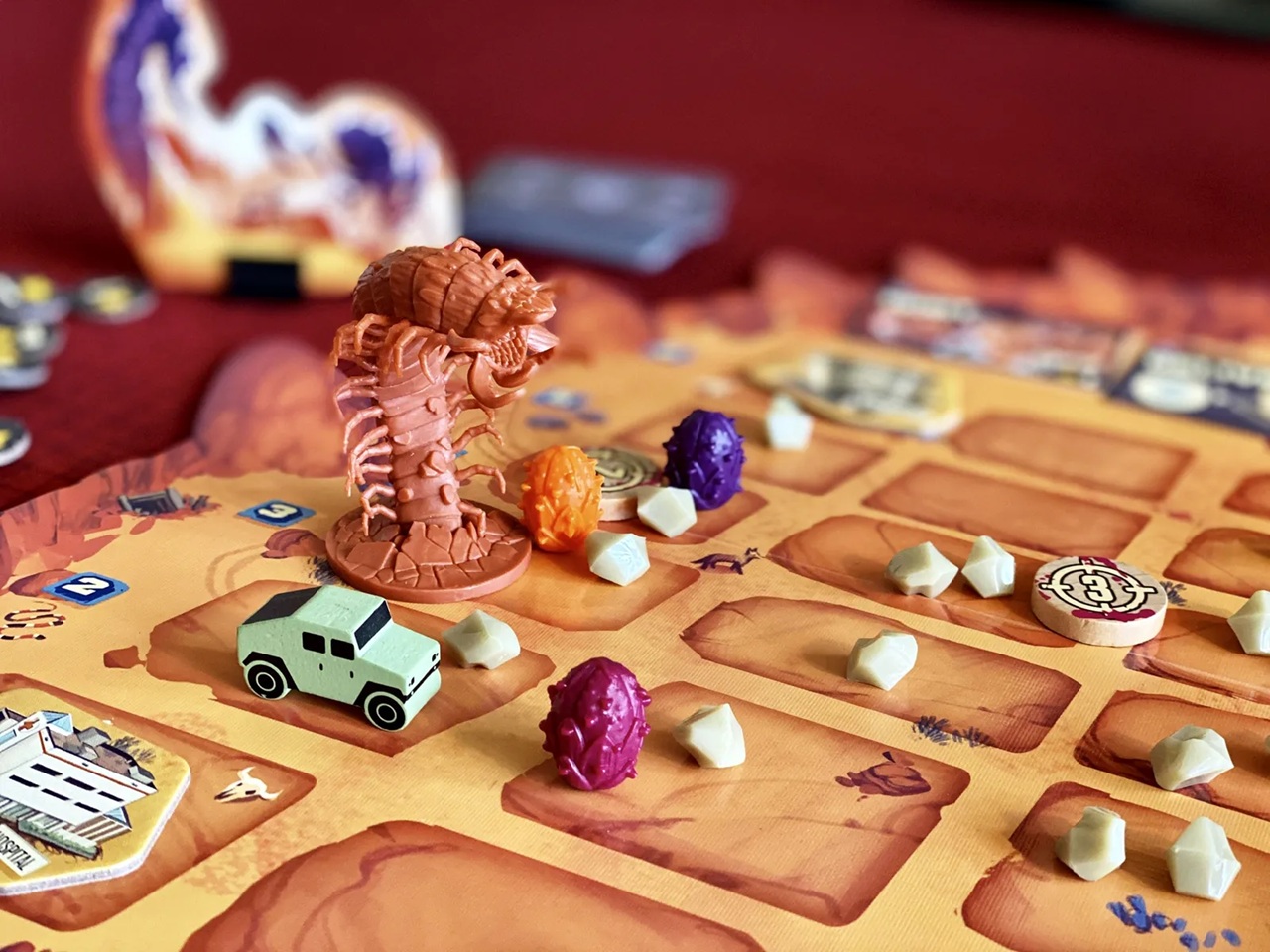
OCTOBER 14: Terror Below
Ever wanted to test your mettle in a Tremors-style scenario? Terror Below is where it’s at. Featuring tense gameplay, beautiful design (especially the minis), and all the giant worms you’ll ever need, Terror Below is an underappreciated gem.
OCTOBER 15: Nyctophobia
There’s perhaps no fear more primal than the fear of the dark, and Nyctophobia uses that to its advantage, plunging all but one player into darkness. (Blackout glasses are provided for the players.) The now-blind players must try to escape a dark forest, while the one player who can see stalks them, removing them from the game one by one. When properly executed, there’s no board game more immersive and scary than this one.
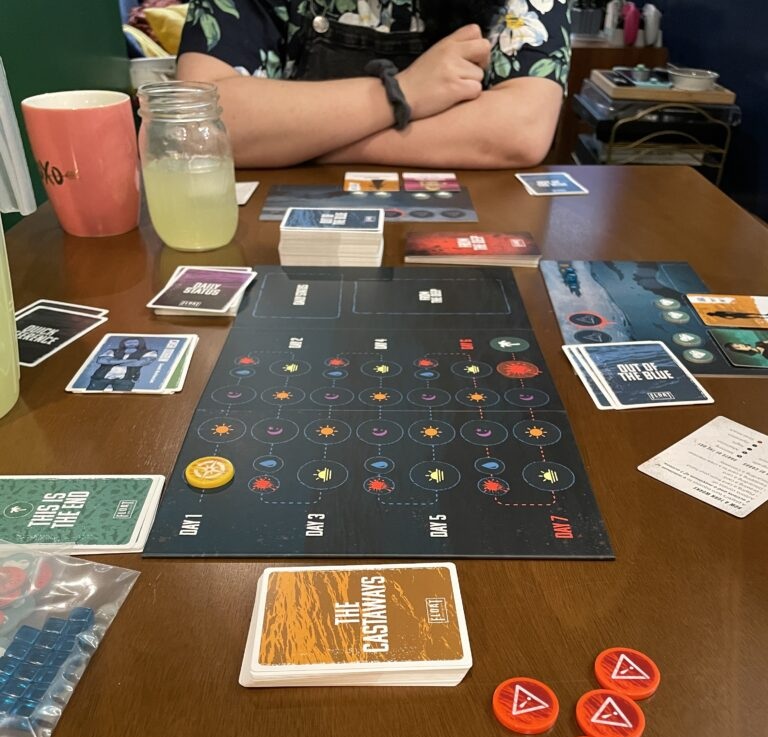
OCTOBER 16: Float from the Deep
You’re lost at sea, with untrustworthy people on the raft with you, and strange terrors lurking in the deep below. Can you make it to the island in the distance before your fellow players betray you, you drown in the unforgiving waters, or something drags you into the briny deep? This survival game (that could be cooperative, depending on the cards) might start a fight at the table, but it’s gonna be one heck of a game night.
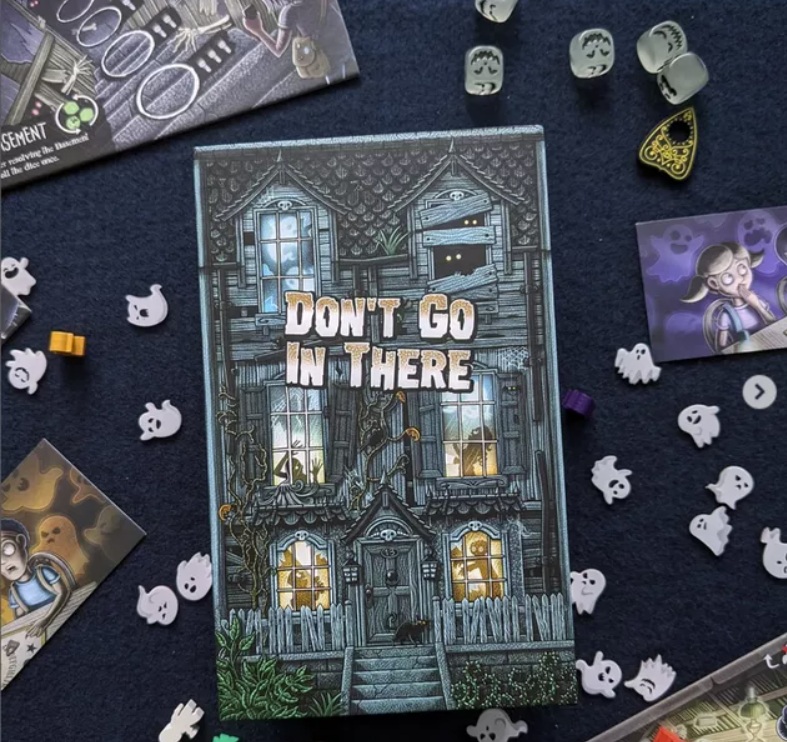
OCTOBER 17: Don’t Go In There
You know how kids are with haunted houses? They wander in, they get haunted by ghosts, and they desperately try to get out alive. This is definitely on the less-spooky end of the selections in today’s list (and one of the shortest to play), but it is still a good time and worthy of a spin at your table, especially with newer players.
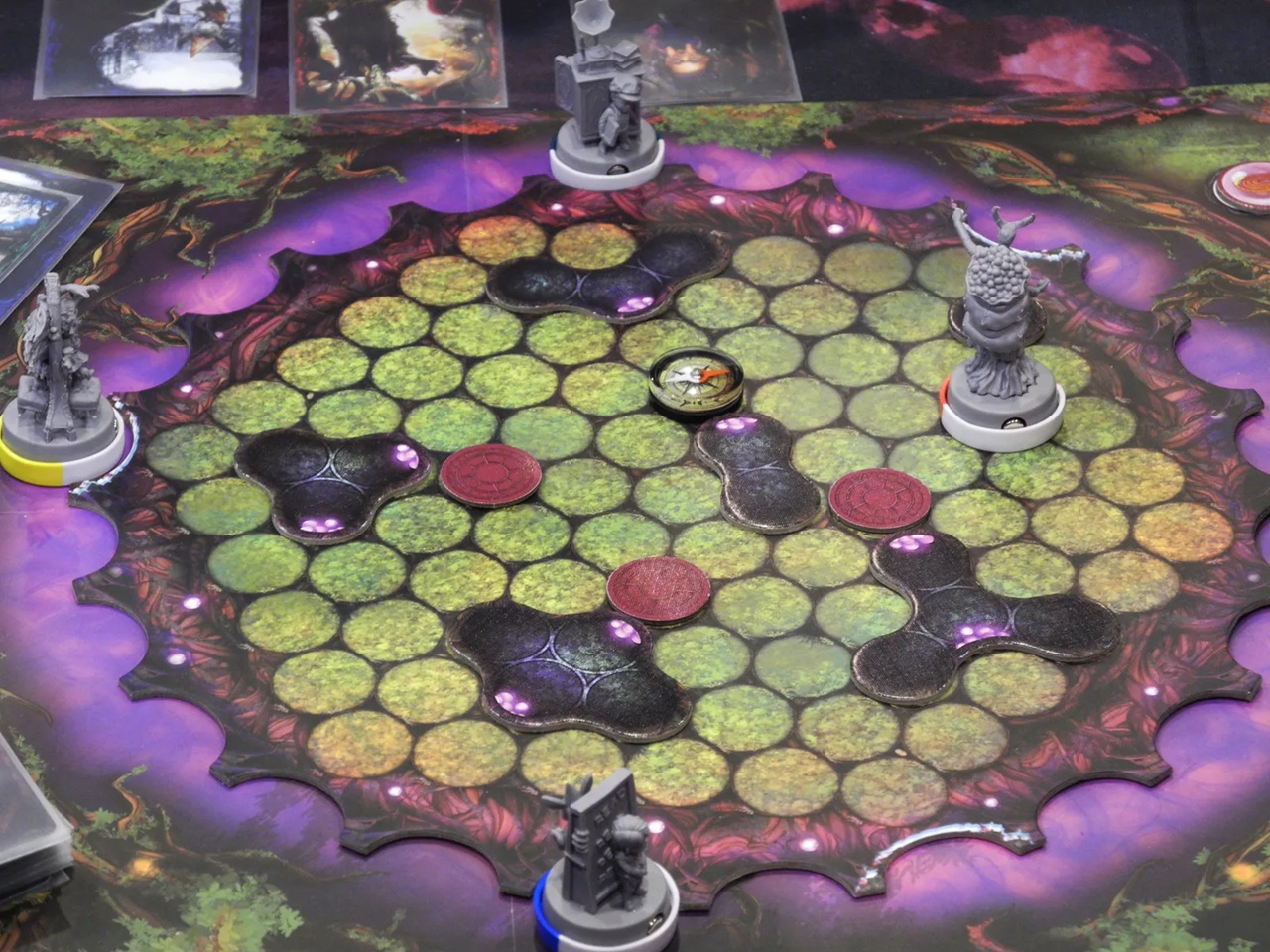
OCTOBER 18: The Faceless
In this game that feels like Stranger Things but with magnets instead of powers, you must navigate your group around the board, following a compass’s directions, manipulating it with cards and the magnetic figures around the board. Part-strategy game, part-scary hunt for your friend’s lost memories, The Faceless is a unique experience.
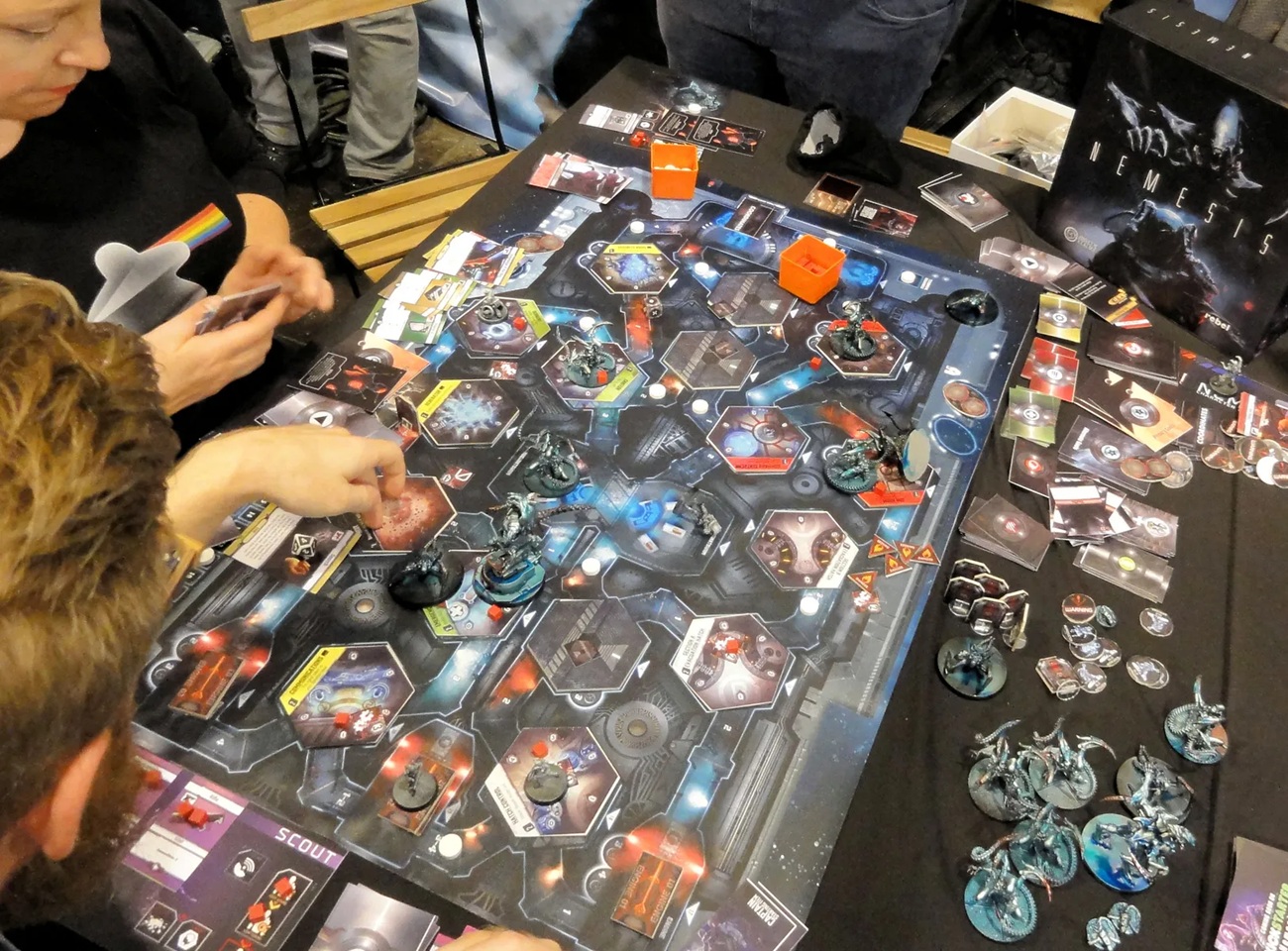
OCTOBER 19: Nemesis
This is, hands down, the best way to play the movie Alien with your friends. Aboard a deteriorating ship, overrun with alien monsters, you can only trust your skills and your fellow crewmates… despite their own agendas. Oh, and the longer the game takes, the stronger the monsters become.
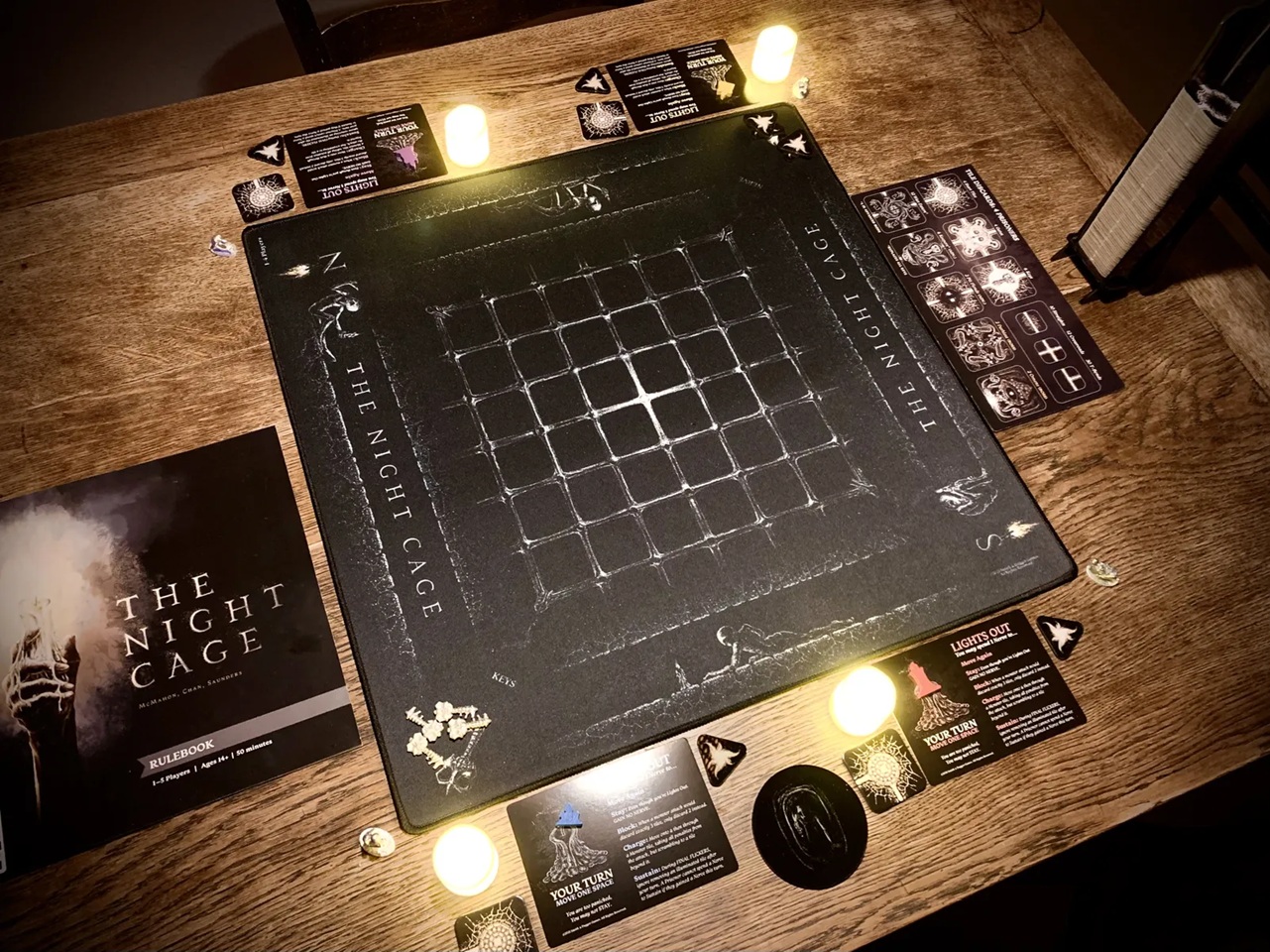
OCTOBER 20: The Night Cage
The light is fading. The tunnel behind you looks different than it did before. There’s something in the dark, and it’s getting closer. The Night Cage is brilliantly anxiety-inducing, so challenging and scary and atmospheric. I cannot say enough good things about this game.
OCTOBER 21: Arkham Horror
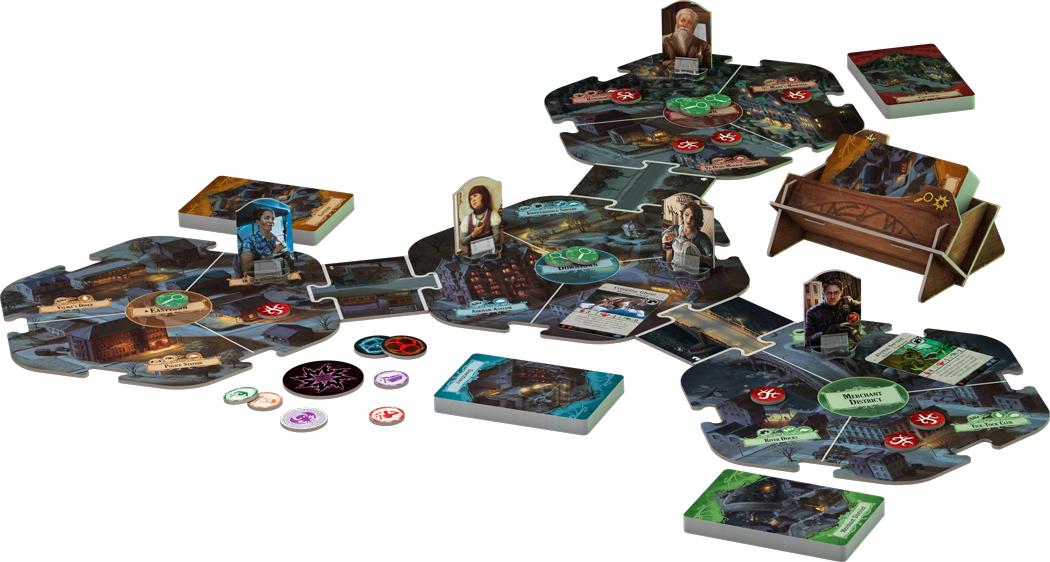
During the Roaring Twenties, you and your fellow investigators must hunt monsters and prevent one of the Old Ones, a great cosmic evil, from being released and dooming the world to insanity and darkness. This cooperative game puts a little bit more of an action-y spin on the Lovecraftian horror genre, but it’s still an engaging horrorshow of an experience.
OCTOBER 22: Mysterium
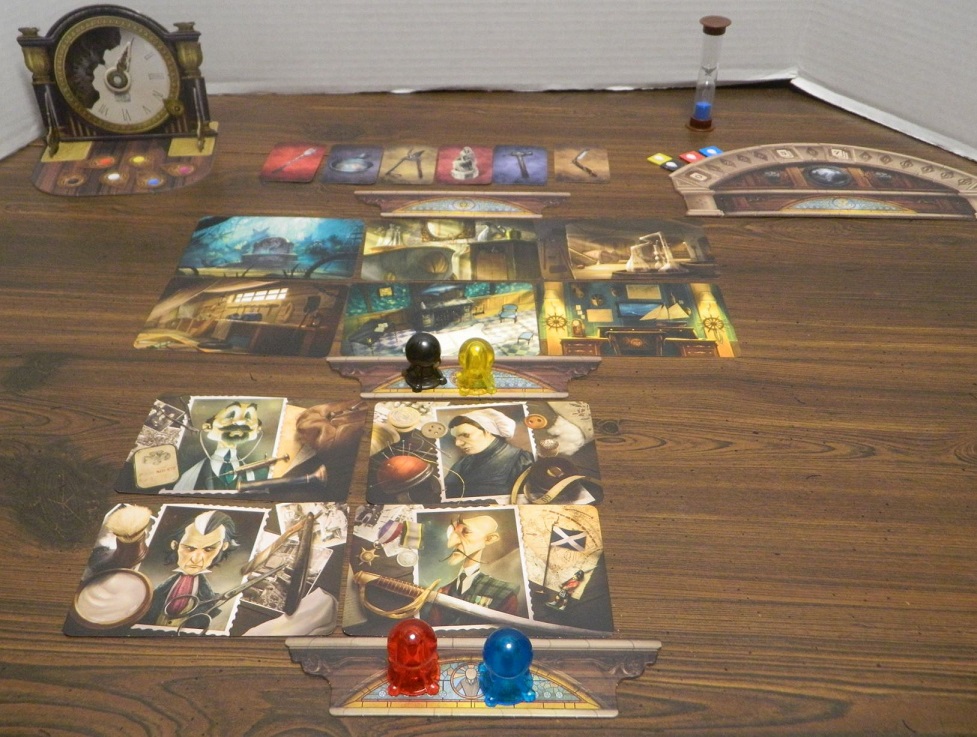
Nothing makes a game atmospheric like a murder to solve, and Mysterium goes way beyond Clue by having players work together to find the murderer. But there’s a twist, as one of the players is a ghost, and cannot speak. Instead, they offer visual clues to all of the other players, who are psychic mediums. The mix of clever communication and immersive storytelling makes this an excellent choice for a macabre night of gameplay and murder-solving.
OCTOBER 23: The Thing
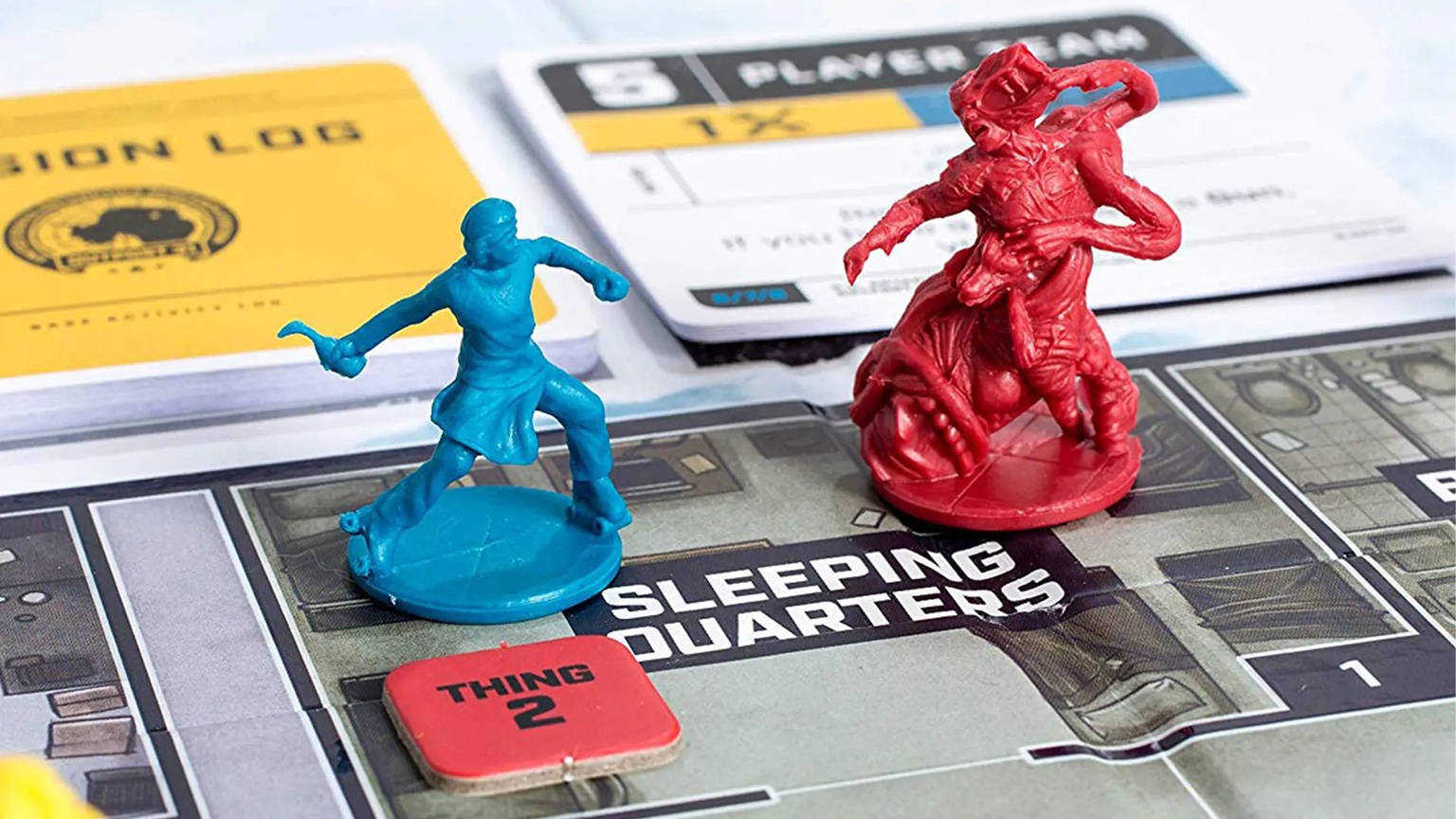
It’s hard to make a board game capture the tension and paranoia of an all-time classic horror movie, but man, The Thing does one hell of a job translating the creeping terror of that isolated polar station at your table. Can you figure out which player is the creature before it’s too late?
OCTOBER 24: Grave Robbers from Outer Space
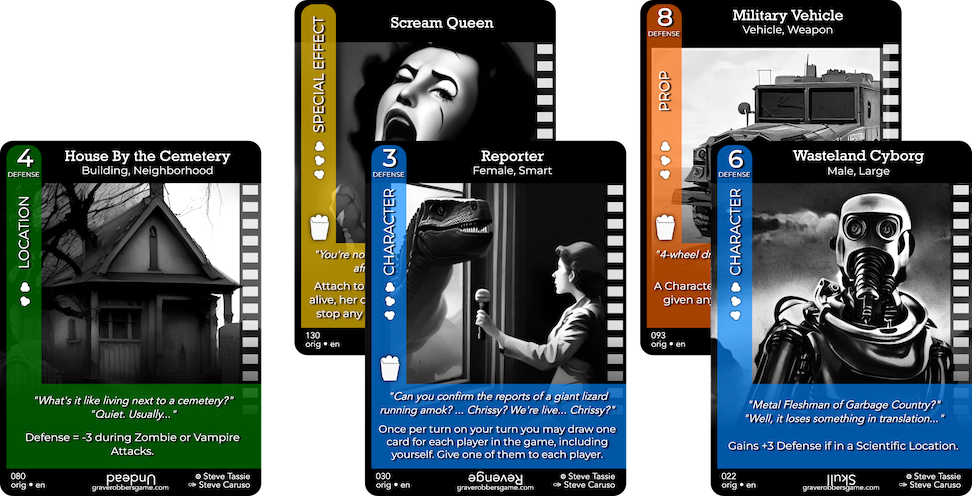
I love movie-based games that break the fourth wall, and this game hits all the high notes for that genre of gameplay. You are the producer of a B-grade monster or slasher movie, sending monsters or villains to attack the movies behind made by your fellow players. It’s meta in the best way, and a really good time.
OCTOBER 25: Sub Terra
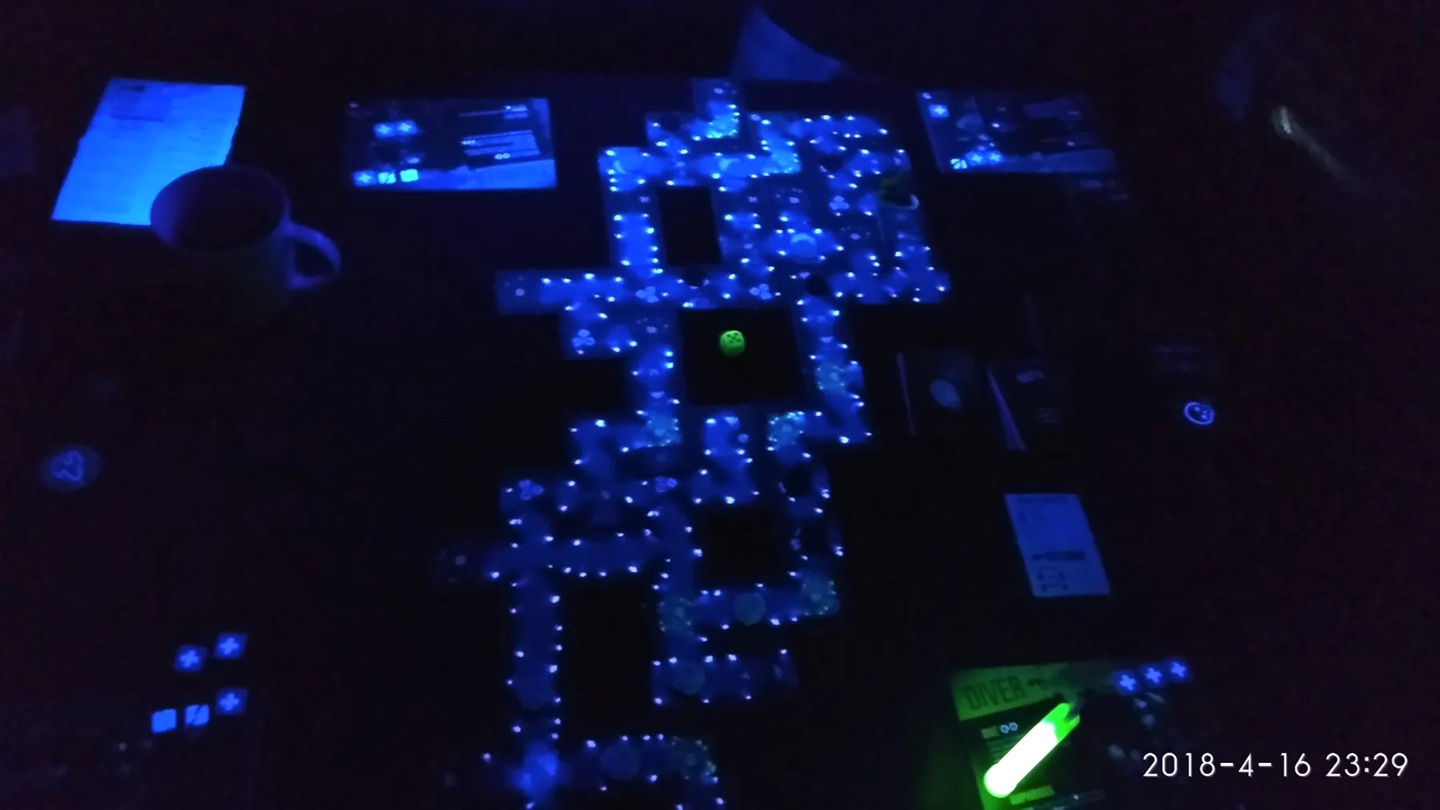
Some horror scenarios are very simple and terribly effective, and this is one of them. In this cooperative game, you’re a group of cavers exploring a network of subterranean tunnels, and you’re trying to find your way out with diminishing light and resources. This tile-laying game is brilliantly claustrophobic and will get your heart pumping!
OCTOBER 26: Dead Man’s Cabal
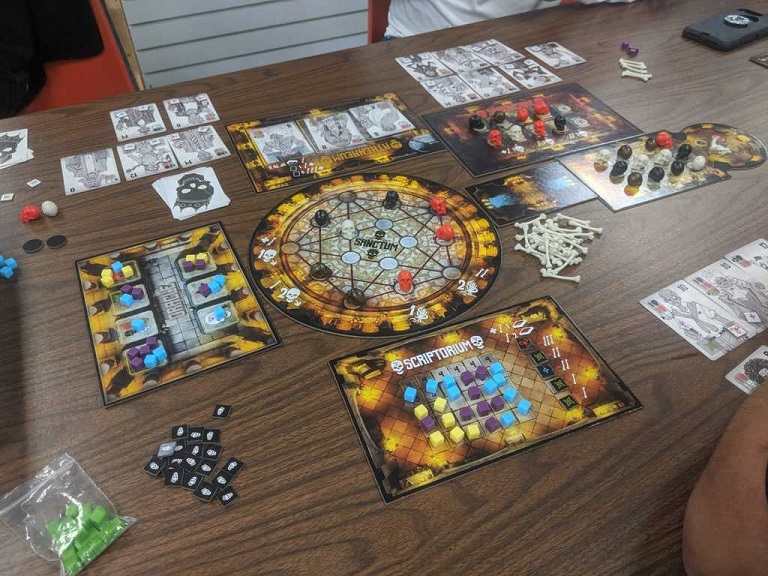
Sometimes it’s hard to gather friends and loved ones for a party. Well, in Dead Man’s Cabal, that’s not a problem, since you can simply raise the dead and make them attend your party! As players compete to gather the most undead partygoers for their event, they can affect not only which guests arrive for their party, but the queue for other players’ resurrected guests as well. The dark tongue-in-cheek humor of the game only enhances the experience, making for a raucous and ridiculous time for all involved.
OCTOBER 27: Buffy the Vampire Slayer RPG
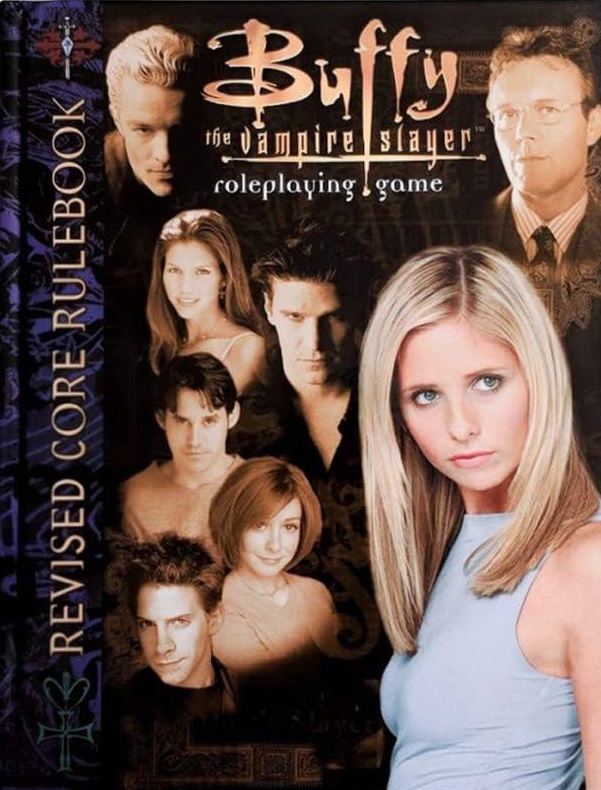
If you want scares and monster-slaying, wrapped in a story-fueled package, the Buffy the Vampire Slayer RPG is the perfect way to get it. Told like a season of the show, you get to build your character’s strengths and flaws, battle the forces of evil, and maybe trigger a plot twist or two along the way. This is a top-5 roleplaying game for me. Do yourself a favor, grab some friends, and try it out.
OCTOBER 28: Mansions of Madness
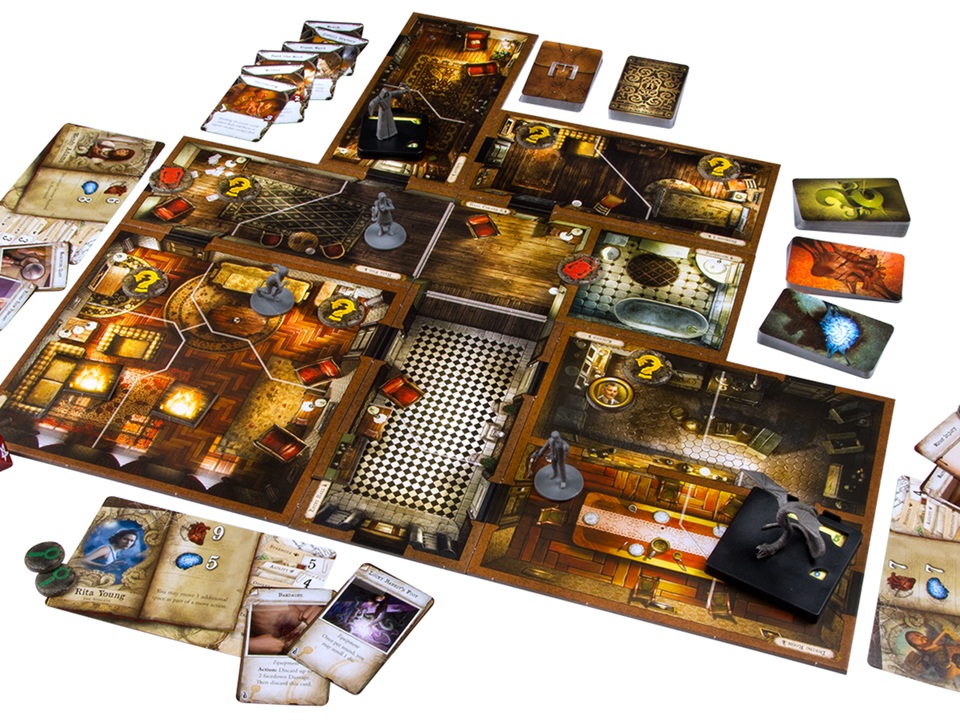
Can you survive a Lovecraftian horror in a mansion? That’s the question posed by this app-assisted game that will have you in knots for hours. With numerous scenarios and game pieces to choose from, this hits a lot of the same checkmarks as Betrayal, but with a decidedly more sinister vibe. Plan your whole night around this one.
OCTOBER 29: Gloom (or Gloomier)
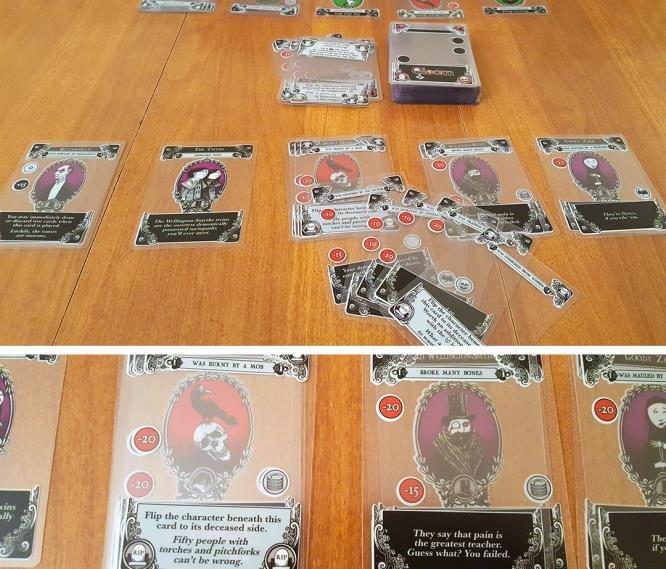
If you’re looking for a darkly fun game with shades of The Addams Family or Edward Gorey, then Gloom is the game for you. In Gloom, each player is the head of a spooky family, and it’s your job to make them miserable in hilariously ghastly ways before they croak. And as you do so, you regale your fellow players with the ongoing tragic tale of their fates. The gameplay is accentuated by the beautiful clear playing cards, which allow you to stack different events and effects on your family characters and still be able to see what’s going on!
OCTOBER 30: The Doom That Came to Atlantic City
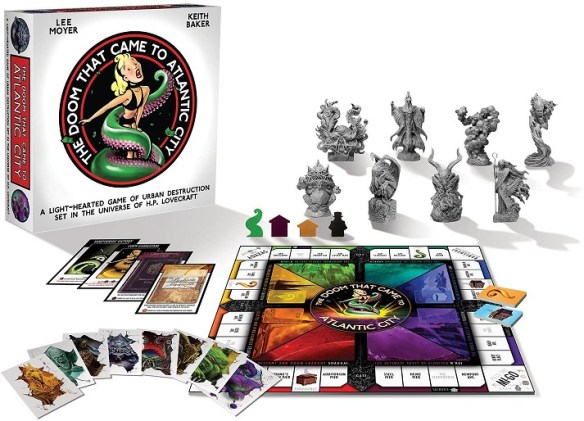
Have you ever wanted to play Monopoly but steeped in APOCALYPTIC MALICE instead of greed? Good! In this game, you crush houses to claim properties, play Chants (instead of Chance) cards, and basically try to be the best doomsday cultist at the table, summoning your monstrous god to end the world before the other players can. It’s tongue-in-cheek and great fun.
OCTOBER 31: Endangered Orphans of Condyle Cove
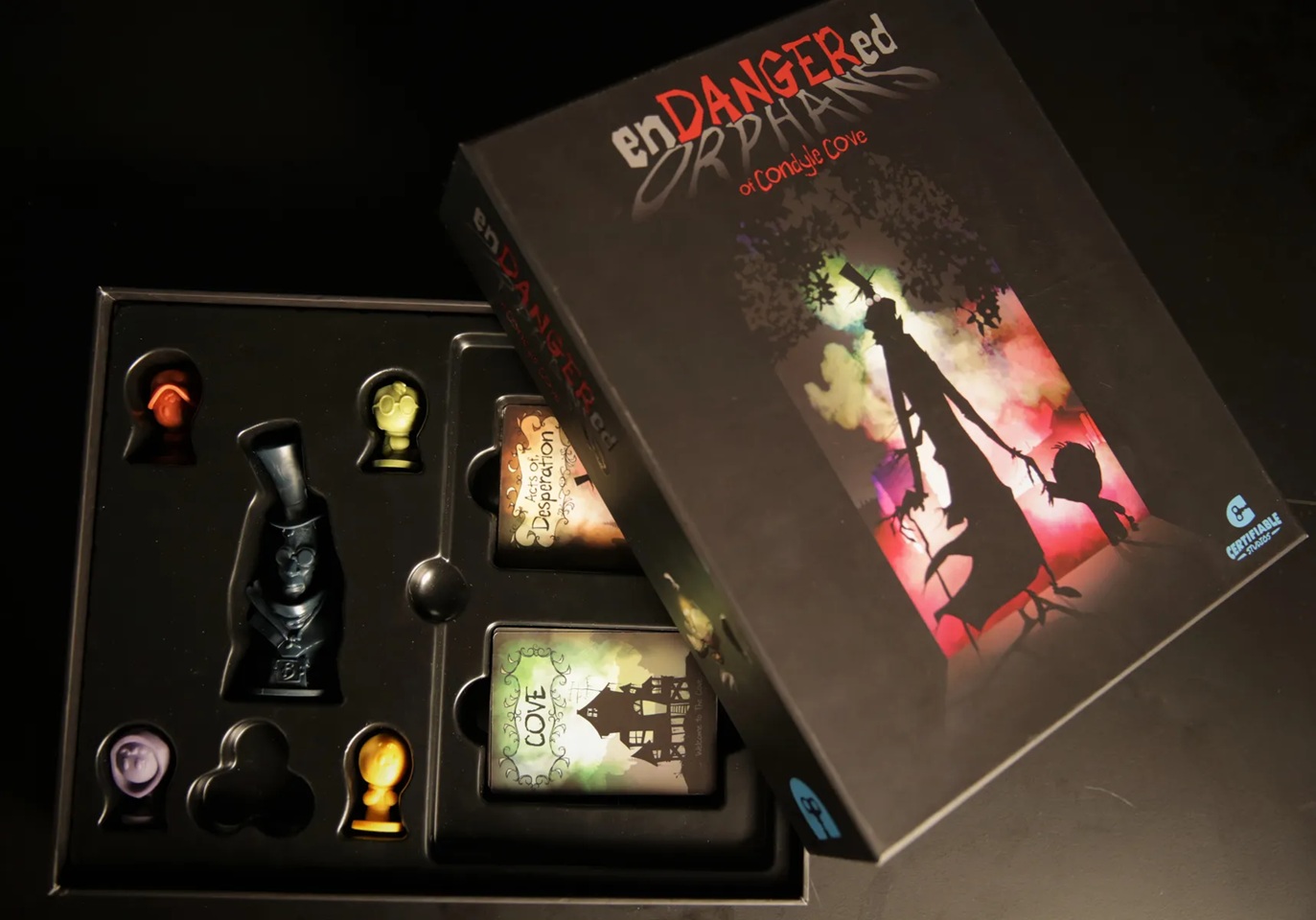
Here is my all-time favorite spooky game. Everyone plays orphans visiting all the creepiest places in town, hoping to be the last one standing before the boogeyman gets you. It’s so gloriously dark and creepy and an incredibly good time. This one might be hard to find, but it’s so worth it.
Will any of these games be haunting your Halloween game tables, fellow players? Or is there a spooky favorite of yours that I missed? Let me know in the comments below!





 PuzzCulture