
The ORCAS are the Oscars of the crossword community, dedicated to celebrating excellence in crosswords, and that was certainly the case during last night’s awards ceremony!
Clocking in at just under an hour, this was an event at breakneck speed, opening as all online award shows should: with technical difficulties.
David Kwong offered some anagram suggestions for other award shows and then passed the mic to Rich Proulx, whose bowtie game was ON POINT.
Rich’s intro was delightful, particularly when he shared that over $15,000 had been raised for the Trevor Project through the ORCAS puzzle packet!
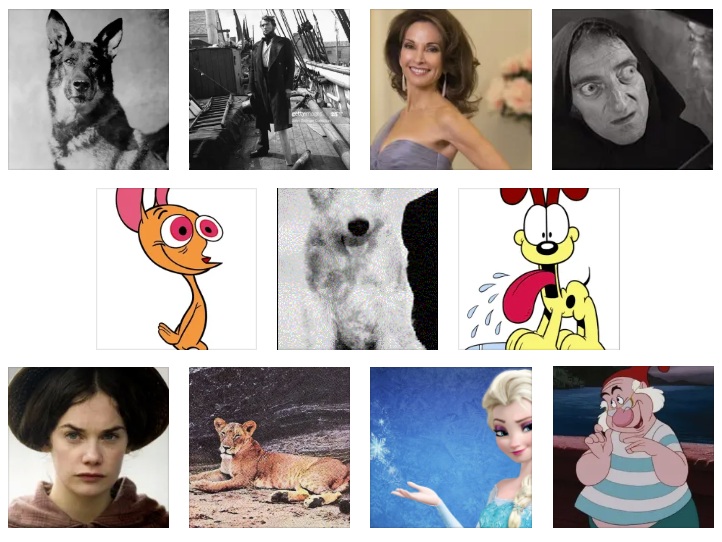
With 97 people in attendance — including many nominees and puzzle luminaries in the chat — the first award was preceded by a tough trivia puzzle celebrating all of this year’s presenters:
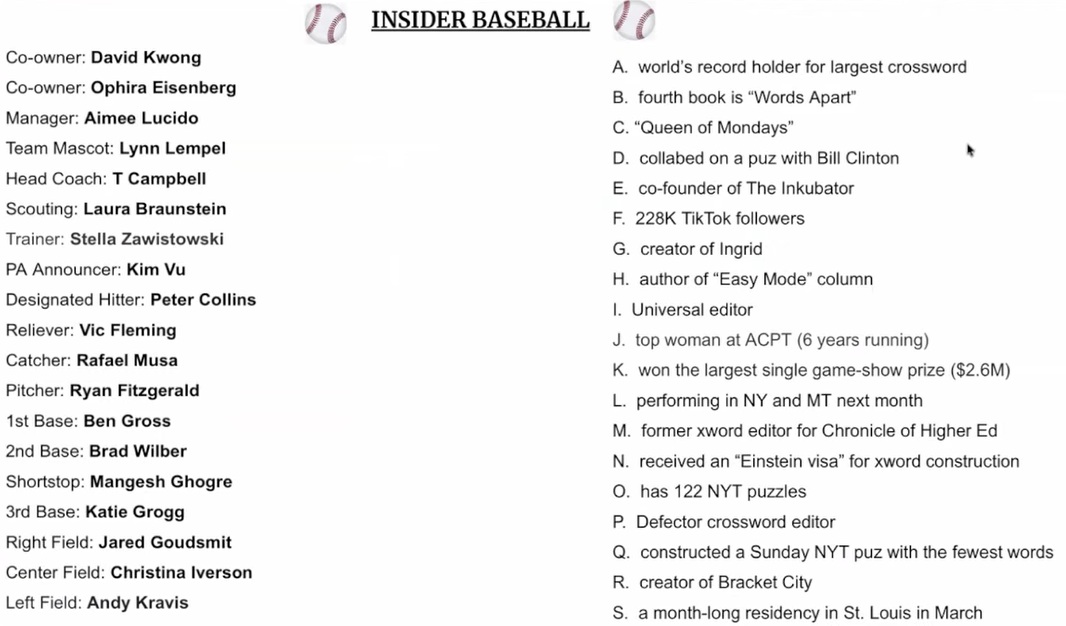
After the solution was revealed, Ophira Eisenberg joined David in the hosting duties before inviting our first two guest presenters to handle BEST META CROSSWORD and BEST EASY CROSSWORD.
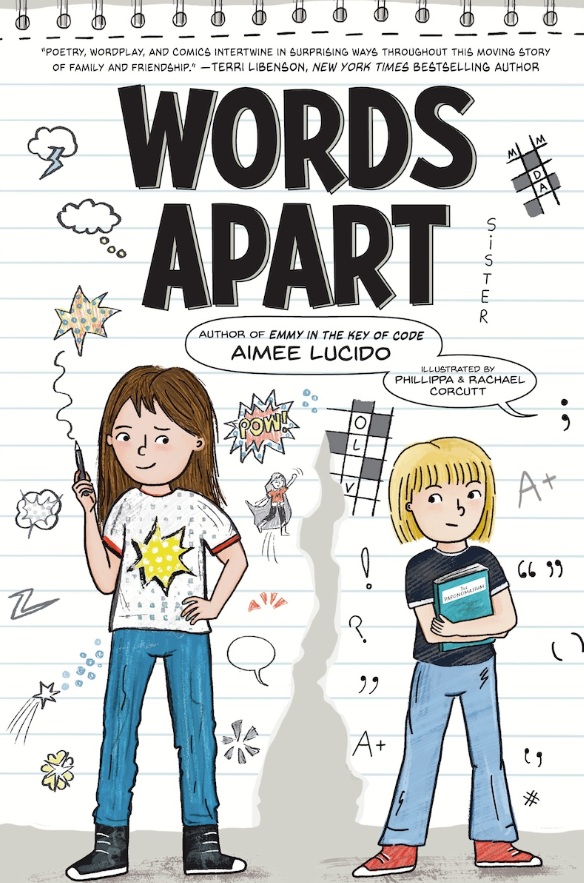
Aimee Lucido (author of Words Apart) read out the nominees for BEST META CROSSWORD.
I must confess that meta crosswords aren’t always my bag, but there’s no denying the skill and craftiness it takes to construct an effective meta. I ended up voting for “Blind Stitch” by Hanh Huynh because it felt like such a solidly constructed introduction to the concept of meta crosswords. It’s a great solve.
WINNER: Evan Birnholz for “Flying Colors”
“Queen of the Mondays” Lynn Lempel then read out the nominees for BEST EASY CROSSWORD.
Making easy crosswords is way tougher than it looks, and making easy crosswords that are still surprising and engaging is even harder. Despite that, this was a stacked category.
My vote went to Nate Cardin’s Untitled puzzle from the LA Times on February 25. Managing to find five phrases/compound words (OVERDRAFT, BODY WASH) where both parts could be followed by the word BOARD was an impressive feat of cruciverbalism.
WINNER: Jess Shulman for “Clear Up to Here?” (Lynn was the first presenter of the evening to do the “opening the envelope” gimmick for the winner.)
T Campbell and Laura Braunstein joined to present the next two categories.
Laura, one of the minds behind The Inkubator crossword, presented the EMERGING CONSTRUCTOR AWARD.
I sadly wasn’t familiar with all of the nominees in this category, so I had to go with someone whose puzzles I felt I’d had a good sampling of. My vote went to Carina da Rosa, whose work in Puzzmo and LilAVCX I’d enjoyed throughout the year.
And it turns out I wasn’t alone in my assessment!
WINNER: Carina da Rosa
T Campbell did a wonderful introduction about what separates BEST SUNDAY-SIZED CROSSWORD from the usual crossword fare before reading the nominees.
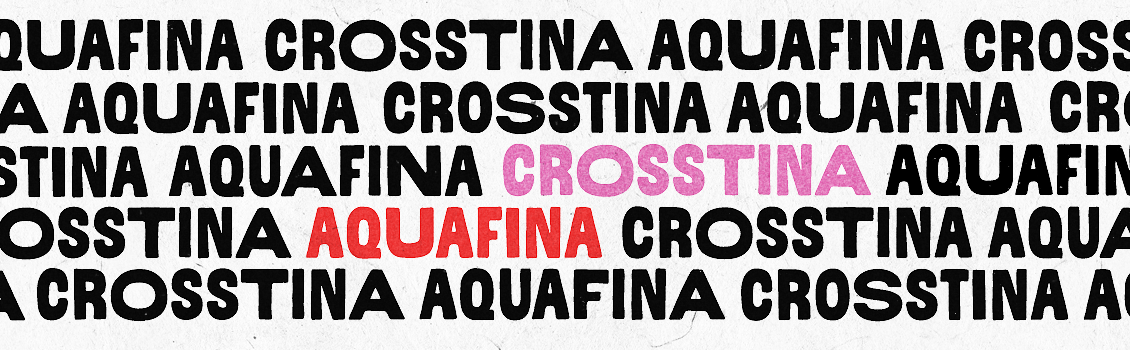
Despite the sheer ambition of “Just One Clue 2” and its crowd-sourced cluing, my vote came down to either the grid shape wordplay of Jonathan Raksin and Jeff Chen’s “Self-Starters” and the diabolic vocabulary in crosstina Aquafina and erik agard’s “themeless no. 36.”
I mean, we got SATAN WORSHIP and TWO CHEEKS OF THE SAME ASS, neither of which I’ve ever encountered in a grid. That being said, my deep affection for visual gimmicks in crosswords won out here.
WINNER: crosstina Aquafina and erik agard’s “themeless no. 36.”
Stella Zawistowski and Kim Vu were the next two guest presenters, with Stella handling BEST VARIETY CROSSWORD.
I love variety crosswords, because there are so many ways you can play with the traditional crossword formula to make something new and exciting. Rows Garden and Marching Bands puzzles are deviously designed masterpieces when constructed well, and this category showed off skill and cleverness in equal measure.
My vote went to a puzzle style I’d never seen before, as Ryan Faley’s “Nonplussed 4” combined across and down cluing with a non-traditional grid and a Rows Garden-style interior shape (pluses instead of blooms). I loved the construction and creativity, and the revealer was the cherry on top. Terrific stuff.
WINNER: joon pahk’s Two Outta Three Ain’t Bad
“joooooooooooooooooooooooooon” calls rang out both over the stream and in the chat to celebrate joon’s win.
Kim then read the nominees for BEST TOURNAMENT CROSSWORD.
Tournament puzzles are invariably bangers because they can push the difficulty AND creative envelopes, and this category was LOADED with heaps of cool ideas and challenges. (Last year’s Lollapuzzoola alone could have filled this entire category.)
The two puzzles that stuck with me the most were David Steinberg’s Westwords puzzle and Kareem Ayas’s Wild Discoveries puzzle from Lollapuzzoola. They were both wildly inventive, challenging, and above all else, memorable. This was the toughest choice of the entire ballot.
In the end, Kareem got my vote. And again, I wasn’t the only one impressed by his playful puzzling.
WINNER: Kareem Ayas for “Wild Discoveries”
A brief In Memoriam played next, offering tongue-in-cheek farewells to Deb Amlen (for ending her tenure with The New York Times), the Browser Crossword, and the free version of The New York Times Mini Crossword.
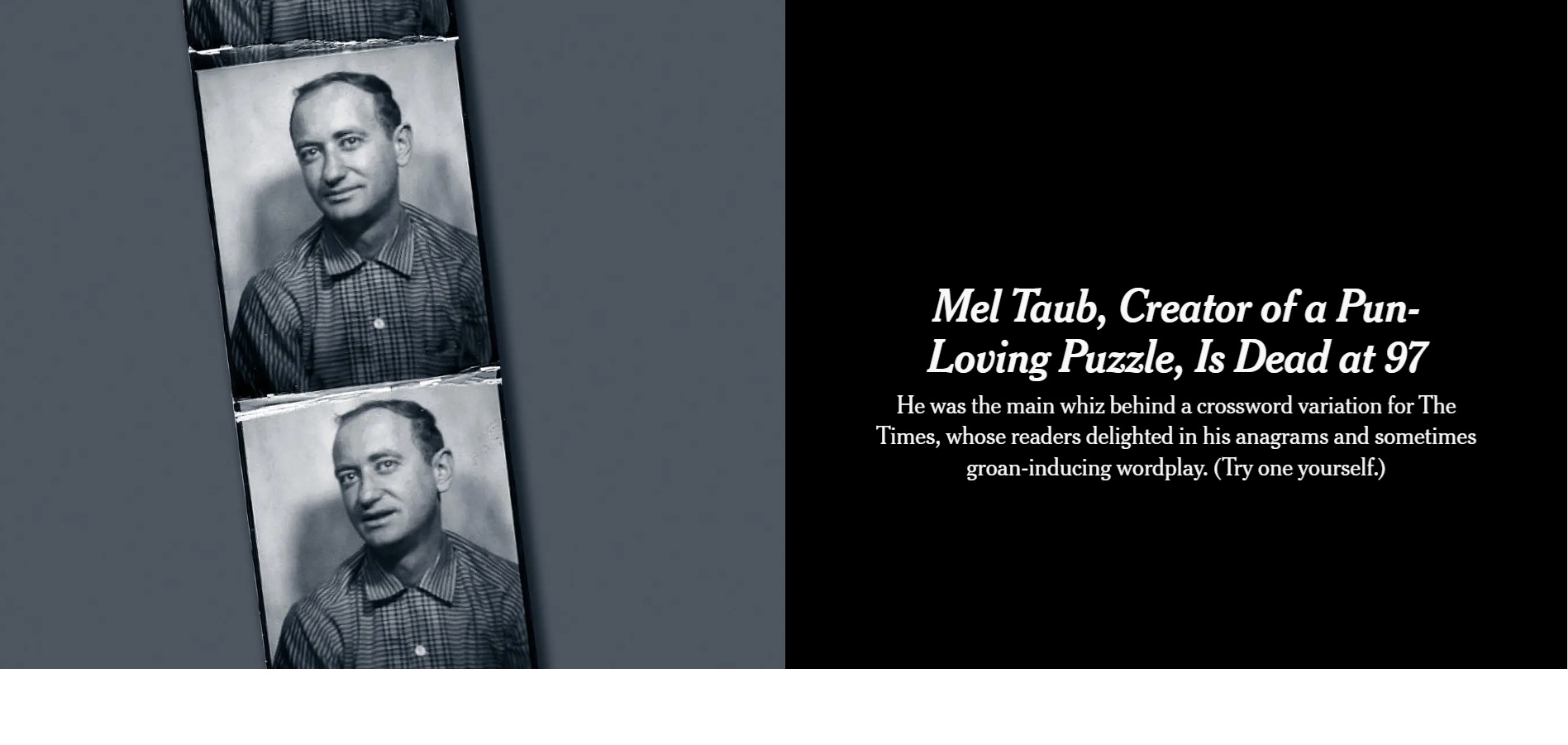
We then got a sincere send-off for influential creator and puzzle icon Mel Taub.
Our next two guest presenters were Peter Collins and Vic Fleming. They had a great little gimmick involving a swear jar and a virtual handover of $10 to celebrate the eventual winner of BEST CLUE (and my favorite of the nominated clues):
WINNER: [They might have “fuck you” money] for SWEAR JARS by Amie Walker and Amanda Rafkin, AVCX, April 18th
They next presented BEST THEMED CROSSWORD, which was another stacked category.
This category was a case of leading with your strongest contender, because Ada Nicolle blew me away with “Would You Let Me Finish” from Apple News+ on January 5th.
The grid is populated with longer entries that, when the last letters are removed, form the actual answers to the clues. So GOT THE ICK becomes GO-TH-IC, for example. It’s a great gimmick and a fun reveal when you get it.
WINNER: Untitled by Adam Wagner and Rebecca Goldstein
Rafael Musa, Ryan Fitzgerald, and Ben Gross then interrupted the proceedings for an interactive game with the audience. But first, they had a surprise award to hand out!
The Leviathan Award celebrates important contributions to the world of crosswords, so Ryan was blindsided by this award for creating the crossword software Ingrid. A video full of kind words from fellow constructors was played. It was heartwarming stuff.
Three instances of a puzzle game called Bracket City challenged the audience next. The goal was to unravel a series of crossword-style clues nested within each other, like so:
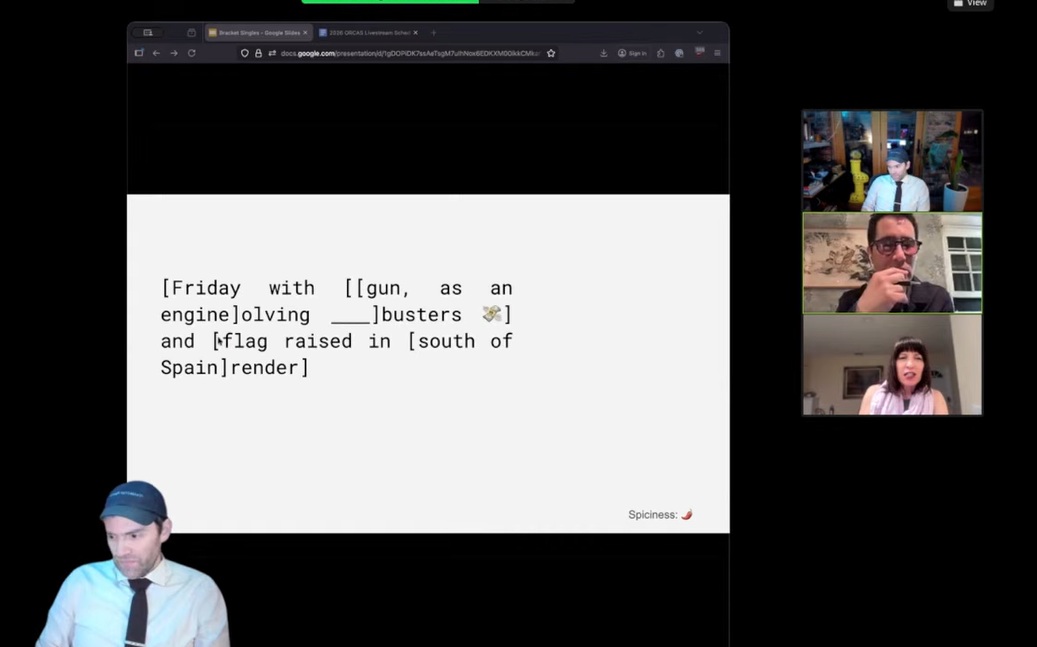
I doubt I was the first to solve this puzzle, but I was the first to post the solution in the chat: BLACK AND WHITE.
Work from the inside out with the brackets. [gun, as an engine] is REV, so you get [REVolving __] for DOOR, then [Friday with REVolving DOORbusters] for BLACK. [south of Spain] is SUR, so you get [flag raised in SURrender] for WHITE. BLACK AND WHITE is the final answer.
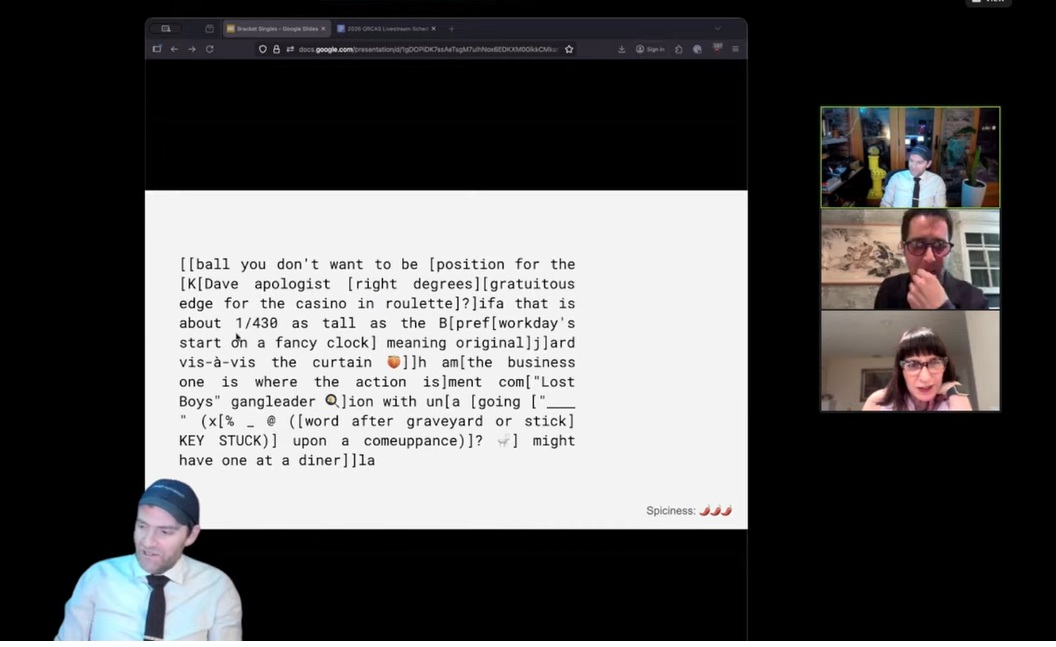
David and Ophira solved the first two puzzles live while the audience solved at home, and everyone was challenged to solve the third (and most complicated) bracket city puzzle in their free time. Can you unravel it?
David and Ophira continued the awards and presented the next category, BEST MIDI CROSSWORD.
As was the case with several categories, we were absolutely spoiled for choices when it came to midi crosswords. Crossword Gentleman Doug Peterson had a great one, we had ablaut reduplications from Alex Rossell Hayes, a tightly constructed foursome of BOOM-based entries from Amie Walker, and Peanuts grid art from franci dimitrovska.
But I had to go “By the Numbers” by Kaye Brown. The sheer ambition of a LOST-centric puzzle with character names reading across and aligning with the infamous numbers from the show. It’s a fantastic bit of constructing wizardry.
WINNER: Amie Walker for “Bangers”
Our next presenters were Brad Wilber and Mangesh Ghogre to handle the one-two punch of BEST CRYPTIC CROSSWORD and BEST VARIETY CRYPTIC CROSSWORD.
I have been on a quest to improve my cryptic crossword solving over the last few years, so the nominees in these two categories put me through my paces! The devious cluing was at its peak in the cryptics, and I think I spent more time on each cryptic than I did on any two or three of the puzzles in the other categories!
Amidst all the tough cluing and interesting vocabulary, it was Jamie Ding’s AVCX Cryptic and The Rackenfracker’s “High Definition” who got my votes this year.
WINNER, BEST CRYPTIC: PiGuyN for “pi guy cryptic 22”
WINNER, BEST VARIETY CRYPTIC: The Rackenfracker (JonMichael Rasmus & Sean Weitner) for “High Definition”
Our penultimate pair of guest presenters were Katie Grogg (looking glam!) and Jared Goudsmit. They presented the nominees and some great puns as well (and made a strong case for hosting next year’s awards).
The first award they presented was BEST CROSSWORD-RELATED MEDIA.
This is a new category for this year’s ORCAS, and as you can imagine, I was absolutely stoked to be included amidst a murderer’s row of excellent, insightful commentary on all things crosswords.
I quite selfishly voted for a PuzzCulture piece, as I was immensely proud of “The Curious Case of Richard Simon’s Aunt, Hedwig.” I didn’t expect to win, and was very content just for the opportunity for new eyes to find the blog.
WINNER: Adam Aaronson for “Square Theory”.
The chat was so chuffed for Adam, with several shouting out his post as eye-opening and game-changing. Congratulations Adam!
Katie and Jared then presented BEST CROSSWORD COMMENTARY.
I love the behind-the-curtain glimpses offered in columns like Rex Parker’s, Wordplay, and the LA Times Crossword Corner, many of whom have been commenting crosswords longer than some of the attendees have been making crosswords or solving them!
All of these nods are well-deserved — Deb and Malaika are brilliant, distinct voices in the crossworld — but it was “Malaika Handa and Stephen Lurie” by Renee Thomason that got my vote.
WINNER: Sally Hoelscher for “Terrors of the Deep”
Our final two awards were presented by Christina Iverson and the very dapper Andy Kravis. First up was BEST THEMELESS CROSSWORD.
This one was a three-horse race for me, with killer efforts by Paolo Pasco, guest host Christina, and Erik Agard, all chock-full of great vocabulary and ambitious crossings. I finally managed to narrow it to Erik’s August 18th New Yorker puzzle when it came to my vote, but really, any of these three would be worthy winners.
WINNER: Erik Agard’s August 18th New Yorker puzzle
Finally, it was time for CONSTRUCTOR OF THE YEAR.
I genuinely have no idea how you even narrow down nominations for this category, because there are SO MANY talented constructors. My shortlist would be 30 people deep, easy!
Each of the puzzles included in the Trevor Project Puzzle Pack represented the nominees well, but it was Rafael Musa and Adam Wagner’s puzzles that stuck with me the most. I loved the gimmick in Adam’s “Endless Loop,” but in the end, I went with Rafael Musa. Each time I saw that name in the byline, I knew I was guaranteed a terrific solve.
WINNER: Adam Wagner
Adam was there to accept and gave a very sweet speech, celebrating the welcoming crossword community and the support of his wife and family. Amazingly, he only started constructing in 2019!
You can’t complain about an award show that only takes up an hour of your time, especially when Oscar and Emmy broadcasts can last into the wee hours. And the crossword community is full of quirky, likable folks, so anytime you can get a bunch of them in a room (virtual or otherwise) together, you’re guaranteed a good time.
I thought it was a little weird that the games got more time than some of the categories, but this was my first ORCAS. Maybe that’s how the show usually goes!
Congratulations to all the winners! There were so many amazing puzzles published last year, and it was a pleasure to get to solve so many mind-bending, entertaining, and lovingly crafted cruciverbalist creations.
It was cool to see 5 out of my 15 selections get the nod (and a few other winners in my honorable mentions). And I’m already taking notes to contribute nominees to next year’s ORCAS!
What did you think of the ORCAS, fellow puzzler? Did your favorites win? Was there a puzzle you loved that you wish had gotten more of a spotlight?
Let me know in the comments section below. I’d love to hear from you!


 PuzzCulture