Games as Diagnostic Tools?

There’s a lot of misinformation out there about the connection between puzzles/games and brain health.

If you’re a puzzle fan, no doubt you’ve seen the onslaught of ads about “brain fitness,” “brain training,” and all sorts of promises about memory help and staving off Alzheimer’s, dementia, and other cognitive conditions.

A casual Google search will turn up dozens of articles online arguing both sides. And so much of the data is inconclusive at best.

But!

There are absolutely benefits to playing puzzles and games in very specific circumstances:

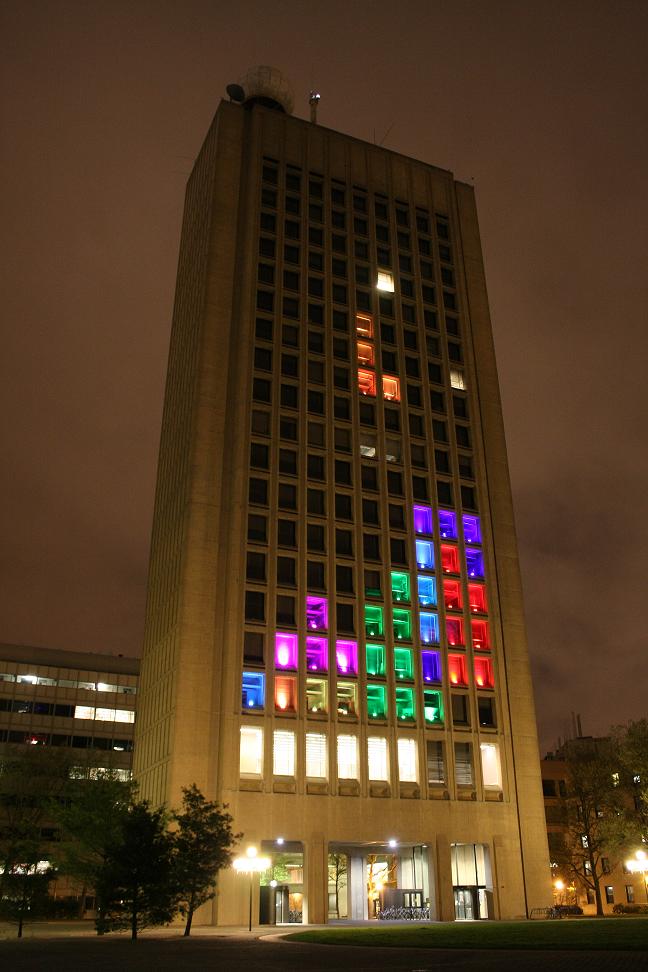
  • Tetris has been used by researchers to help people suffering from traumatic flashbacks, a type of post-traumatic stress.
  • The University of Exeter conducted a study involving more than 19,000 participants that concluded that adults age 50 and older who regularly solve puzzles like crosswords and Sudoku have better brain function than those who do not.
  • An article from Scientific American discussed how crossword solving engages the episodic buffer, one of the mechanisms related to our working short-term memory, our ability to temporarily hold information while performing cognitive tasks.
  • Jigsaw puzzle solving can induce a mental state similar to dreaming, one that helps with stress, relaxation, and mood.
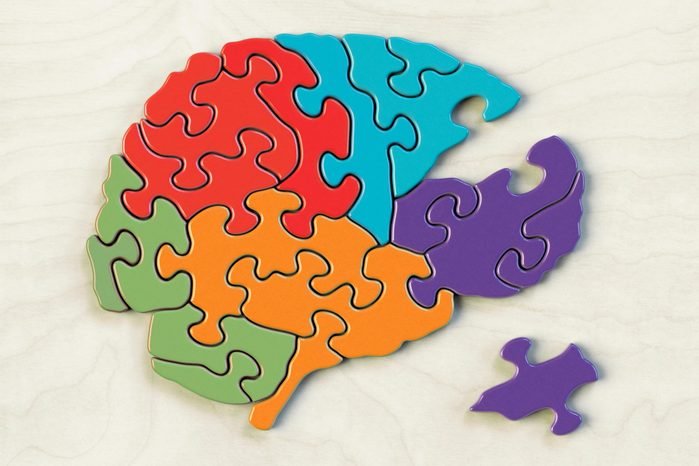
The latest exciting possibility of a connection between puzzles/games and health comes from a publication in the Proceedings of the National Academy of Sciences, which reports that playing a three-minute video game has proven effective in identifying patients with depression based on anhedonia.

Anhedonia is the loss of the ability to enjoy things you would normally find pleasure in. Basically, the goal post of “enjoyable” moves, meaning something you previously enjoyed no longer results in the same good feelings it did.

And when you consider that anhedonia is present in an estimated 70 percent of patients with major depression issues, you can see how devastating anhedonia’s moving goal posts would be for someone already struggling with depression.
So how does this game work as a diagnostic tool?

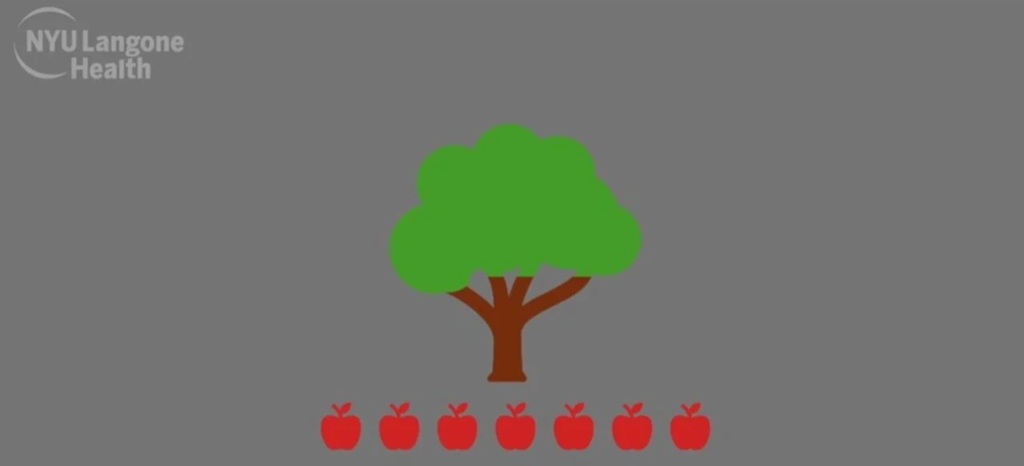
The game challenges the player to collect the most apples from a series of digital trees. With each round of harvesting, fewer apples fall from the tree, and at some point, a player will move on to the next tree.

That moment, that decision point, is where the researchers are focusing their diagnostic attention:

The researchers asked 120 game players—50 diagnosed with major depression and 70 who were not—to compete to collect the most apples falling from digital trees. Researchers use such foraging tasks because reward-seeking circuitry, especially regarding something that looks like food, has been engrained in the mammalian brain by evolution.

And it turns out that the subjects who were previously diagnosed stopped taking pleasure in the game 50 percent sooner than non-diagnosed players.

While the non-diagnosed players would often stick with a tree until its yield dropped to 5 apples, those diagnosed with depression abandoned one tree for the next while the yield was still 8 or 9 apples.
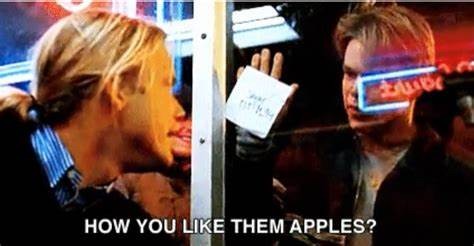
Yes, like most diagnostic tests, this game will probably prove less effective as knowledge of it grows, but it remains a valuable option for researchers.

Dan Iosifescu, MD, a professor in the Department of Psychiatry at NYU Grossman School of Medicine, elaborates on that:

Depression is increasingly thought of as an umbrella term that may include several distinct conditions… Measuring reference points may help us identify a specific subtype of depression linked to anhedonia, clarify its disease-causing brain computations, and tailor treatments.

And we may be able to do this remotely by asking patients, rather than traveling repeatedly for in-person visits, to spend a few minutes per week playing a smartphone game that lets us quickly adjust their treatment.

Greater accessibility of testing is definitely a good thing (although at the moment, the game is not publicly available to try).

Here’s hoping this game and others like it can be used to get specialized help to those who need it.


Do you find certain games and puzzles therapeutic, fellow puzzler? Let us know in the comments section below! We’d love to hear from you.
Puzzling and Brain Health Update: Crosswords and Jigsaw Puzzles

brain health

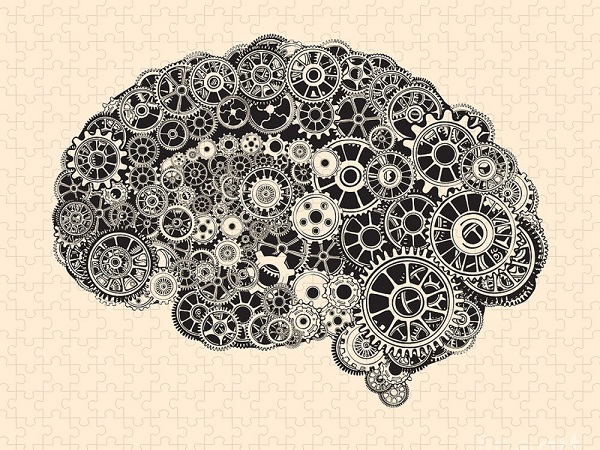
[Loads of images come up when you google “brain health” or “brain fitness,”
but I liked this one much more than all of the ones with brains lifting barbells.]

“Brain health.” “Brain fitness.” “Brain-training.” Ever since I started writing for PuzzleNation Blog, I’ve been chronicling the debate over whether solving puzzles makes a verifiable, detectable impact on brain function, development, and overall health.

There are plenty of puzzle magazines, apps, websites, and services that claim to help with brain fitness. Some make vague assertions related to memory, mental flexibility, and other cognitive functions. Others are insanely specific, promising to reverse the aging process or to help prevent the onset of dementia and other cognitive difficulties later in life.

(Examples of the latter style of advertisement are rarer these days after Lumosity’s two-million-dollar payout for falsely advertising that their puzzle games could “reduce or delay cognitive impairment associated with age and other serious health conditions,” as well as “stave off memory loss, dementia, and even Alzheimer’s disease.”)

cogs-in-the-shape-of-a-human-brain-ryger

[This puzzle by Ryger can be found here!]

Whether we’re talking short-term or long-term benefits to brain health from puzzling, you’ll find dozens of articles online arguing both sides. Unfortunately, so much of the data out there is inconclusive, or is hindered by test groups too small to be applicable to the general population.

However, the positive, verifiable data we can find is encouraging.

Tetris has been used by researchers to help people suffering from traumatic flashbacks, a type of post-traumatic stress. The University of Exeter conducted a study involving more than 19,000 participants that concluded that adults age 50 and older who regularly solve puzzles like crosswords and Sudoku have better brain function than those who do not.

(While 19,000 is still relatively small when compared to millions upon millions of adults over 50, it’s still one of the largest test groups yet assembled for brain health studies related to puzzles.)

dory

And while people are always discussing short-term memory or long-term memory and how they relate to puzzle solving, it turns out there’s a middle ground between the two that crosswords may have a positive effect on. An article from Scientific American last year discussed how crossword solving engages the episodic buffer, one of the mechanisms related to our working memory, our ability to temporarily hold information while performing cognitive tasks.

Most cognitive activities engage the working memory through either verbal components or visuospatial components. (Visuospatial means how we perceive the relationships between different objects in multiple dimensions). But as it turns out, while playing Scrabble or solving crosswords, both visuospatial and verbal components are utilized by the short-term memory.

Of course, this is preliminary work, and there’s so much more to learn about short-term and long-term memory, but apparently, wordplay like Scrabble and crosswords could have a unique effect on how our working memory functions. That’s pretty cool!

But they’re not the only puzzles that we’ve discovered some fascinating new details about. Jigsaw puzzles can have a positive effect on the brain during the solving process.

BrainGames-scaled

Now, like crosswords and Sudoku puzzles, jigsaw puzzles have been the subject of several articles claiming they can help with brain health (or even decrease the presence of Beta-amyloid protein in the brain, a major component of the plaque that indicates Alzheimer’s disease). But I cannot verify those facts in scientific journals to my satisfaction, so I’m tabling that part of the argument.

What I do want to talk about it is how jigsaw puzzle solving can induce a mental state similar to dreaming, one that helps with stress, relaxation, and mood.

The company Sanesco Health is heralded as an industry leader in neurotransmitter testing, and according to an article on their site, placing those tricky little pieces in the right places can do you a world of good:

The connections made while working on jigsaw puzzles aren’t limited to our brain cells. Exercising both sides of the brain simultaneously also allows the brain to move from a Beta state, the wakeful mind, into an “Alpha” state, the same mental state experienced while dreaming. The Alpha state is where we tap into our subconscious mind.

Jigsaw puzzles naturally induce this state of creative, focused meditation, where connections can be made on deeper levels. And that release of dopamine with every puzzle piece you successfully place is an added bonus! Dopamine causes improved motor skills, an increase in concentration, optimism, confidence, and an enhanced recollection.

[Imagine how restful she felt after this!]

Considering that jigsaw puzzle sales spiked during the pandemic — with some outlets reporting sales increases of up to 500% — it sounds like people were either consciously or subconsciously making the perfect choice to cope with the stresses of lockdown.

As always, we’ll keep our eye out for any additional data on these findings.

But in the meantime, happy puzzling! It might be good for you!


dailypopwsicon

Well, summer’s over, but we still have deals galore for you to check out. You can find them on the Home Screen for Daily POP Crosswords and Daily POP Word Search! Check them out!

Thanks for visiting PuzzleNation Blog today! Be sure to sign up for our newsletter to stay up-to-date on everything PuzzleNation!

Puzzles and Brain Health: Finally Some Definitive Data?

For years now, brain health and puzzle-solving have been intertwined topics.

There have been many, MANY published studies touting all sorts of effects, both positive and negative, of solving puzzles. Alongside those studies, there have been numerous products of a puzzly nature that claim to do everything from improving memory to staving off Alzheimer’s, dementia, and other debilitating conditions.

I’ve been reading articles on the subject for more than six years now, and the results, for the most part, have been inconclusive. This is often due to small sample sizes for the experimental data, or evidence that leads to likelihoods rather than verifiable, repeatable, reliable data.

Across all of these articles, there are essentially three suppositions:

  • A. Solving puzzles helps maintain or improve brain function
  • B. Specific “brain-training” exercises, programs, or products help maintain or improve brain function more so than traditional/unfocused puzzle solving
  • C. Solving puzzles (whether traditional or “brain-training”) helps stave off conditions like dementia, Alzheimer’s, and memory loss later in life

When it comes to Supposition B, I’ve yet to see anything that proves a “brain-training” or “brain-boosting” puzzle regimen actually helps in a meaningful way. In fact, at one point, one of these “brain-training” companies had to pay a two-million-dollar fine for making promises that their program couldn’t verifiably deliver on.

[Image courtesy of SharpBrains.com.]

But let’s leave that nonsense aside for a moment and focus on Supposition A, the idea that solving puzzles is good for the brain.

For the first time, we have a study performed by a reputable organization with a sample size large enough that it may finally allow us to draw some decent conclusions. Two articles published this month in the International Journal of Geriatric Psychiatry have concluded that adults age 50 and older who regularly solve puzzles like crosswords and Sudoku have better brain function than those who do not.

The study, conducted by researchers from the University of Exeter, involved a test group of more than 19,000 participants.

From an article on Science Daily discussing the study:

Researchers asked participants in the PROTECT study . . . to report how frequently they engage in word and number puzzles and undertake a series of cognitive tests sensitive to measuring changes in brain function. They found that the more regularly participants engaged with the puzzles, the better they performed on tasks assessing attention, reasoning and memory.

From their results, researchers calculate that people who engage in word puzzles have brain function equivalent to ten years younger than their age, on tests assessing grammatical reasoning, and eight years younger than their age on tests measuring short term memory.

Yes, this is only one study, and yes, obviously more testing and sampling is needed to apply this to the millions upon millions of folks age 50 and older who might benefit from this. But it’s worth giving this topic deep consideration. A sample size of 19,000 is impressive, and there’s no profit or “brain-training” scam behind the study.

And, regarding Supposition C, while this study didn’t offer anything definitive, it remains a possibility. Dr. Anne Corbett of the University of Exeter Medical School said, “We can’t say that playing these puzzles necessarily reduces the risk of dementia in later life but this research supports previous findings that indicate regular use of word and number puzzles helps keep our brains working better for longer.”

How much longer, who can say? But, when it comes to better brain health, it seems we can finally say that puzzles are good for you. (I always suspected.)


Thanks for visiting PuzzleNation Blog today! Be sure to sign up for our newsletter to stay up-to-date on everything PuzzleNation!

You can also share your pictures with us on Instagram, friend us on Facebook, check us out on TwitterPinterest, and Tumblr, and explore the always-expanding library of PuzzleNation apps and games on our website!

The Healing Power of Tetris

Despite the wealth of data out there — and all the “brain-boosting” apps and products claiming they’ll keep your brain in fighting trim — the verdict is still out on whether puzzle-solving can prevent or positively impact Alzheimer’s, dementia, or other age-related mental issues.

But that doesn’t mean that puzzles and puzzle games can’t help in other ways.

Researchers at the Karolinska Institute in Sweden have been treating people suffering from traumatic flashbacks — a form of accident-induced post-traumatic stress disorder — by having them play Tetris.

 Originally, the researchers tested this concept by showing unpleasant videos to test subjects and having them play Tetris for twenty minutes afterward. Their research showed that people who played the game — versus a control group that wrote about how they spend their time — suffered from fewer unpleasant and intrusive flashbacks or memories over the following week.

Apparently, the act of playing the game interferes with how people form the visual component of flashbacks. The gameplay doesn’t interfere with actual formation of memories, simply whether the brain will recall those unpleasant memories.

As it turns out, this might be a quality unique to Tetris or Tetris-style games. The same research team discovered that playing a quiz-style game made the flashbacks worse for those subjects than for the subjects who played no game at all after a traumatic event.

It appears that not only did Alexey Pajitnov create one of the most popular games of all-time, but that his legacy may also include helping the victims of traumatic events with their healing process. Amazing stuff.


Thanks for visiting PuzzleNation Blog today! Be sure to sign up for our newsletter to stay up-to-date on everything PuzzleNation!

You can also share your pictures with us on Instagram, friend us on Facebook, check us out on TwitterPinterest, and Tumblr, and explore the always-expanding library of PuzzleNation apps and games on our website!

PuzzleNation Looks Back at 2016!

The year is quickly coming to a close, and as I look back on an eventful year in the world of puzzles and games, I’m unbelievably proud of the contributions both PuzzleNation Blog and PuzzleNation made to the puzzle community as a whole.

Over the last year, we explored board games and card games, strategy games and trivia games, dice games and tile games, do-it-yourself puzzlers and pen-and-paper classics. We met designers, constructors, authors, artists who work in LEGOs and dominos, and creative types of all kinds.

We unraveled math puzzles and used statistics to play Hangman and Guess Who smarter. We accepted the challenge of diabolical puzzles, optical illusions, Internet memes, and more.

We delved into puzzle history with posts about Bletchley Park, puzzle graffiti from ancient Greece, Viking board games, and modern mysteries like the Kryptos Sculpture and the Voynich Manuscript. We separated fact from fiction when it comes to puzzles and brain health, avoiding highfalutin promises and sticking to solid science.

We spread the word about numerous worthwhile Kickstarters and Indiegogo campaigns, watching as the puzzle/game renaissance continued to amaze and surprise us with innovative new ways to play and solve. We shared amazing projects and worthy causes like Humble Bundles and puzzle/game donation programs for schools that allowed puzzle lovers to help others.

We celebrated International TableTop Day, built a puzzle fort in honor of International Puzzle Day, attended the American Crossword Puzzle Tournament and the Connecticut Festival of Indie Games, and dove deep into puzzle events like the Indie 500, the UK Sudoku Championship, the 2016 UK Puzzle Championship, and Lollapuzzoola. We even celebrated a puzzly wedding proposal, and we were happy to share so many remarkable puzzly landmark moments with you.

It’s been both a pleasure and a privilege to explore the world of puzzles and games with you, my fellow puzzle lovers and PuzzleNationers. We marked four years of PuzzleNation Blog this year, I’m approaching my 650th blog post, and I’m more excited to write for you now than I was when I started.

And honestly, that’s just the blog. PuzzleNation’s good fortune, hard work, and accomplishments in 2016 went well beyond that.

In April, we launched Penny Dell Crosswords Jumbo 3 for iOS users, and in May, we followed that with Penny Dell Crosswords Jumbo for Android. In November, we launched our new Penny Dell Sudoku app on both Android and iOS.

But the standout showpiece of our puzzle app library remains the Penny Dell Crossword App. Every month, we release puzzle sets like our Dell Collection sets or the themed Deluxe sets for both Android and iOS users, and I’m proud to say that every single puzzle represents our high standards of quality puzzle content for solvers and PuzzleNationers.

We even revamped our ongoing Crossword Clue Challenge to feature a clue from each day’s Free Daily Puzzle in the Crossword app, all to ensure that more puzzle lovers than ever have access to the best mobile crossword app on the market today.

And your response has been fantastic! The blog is closing in on 2000 followers, and with our audience on Facebook, Twitter, Instagram, and other platforms continuing to grow, the enthusiasm of the PuzzleNation readership is both humbling and very encouraging.

2016 was our most ambitious, most exciting, and most creatively fulfilling year to date, and the coming year promises to be even brighter.

Thank you for your support, your interest, and your feedback, PuzzleNationers. Have a marvelous New Year. We’ll see you in 2017!


Thanks for visiting PuzzleNation Blog today! Be sure to sign up for our newsletter to stay up-to-date on everything PuzzleNation!

You can also share your pictures with us on Instagram, friend us on Facebook, check us out on TwitterPinterest, and Tumblr, and explore the always-expanding library of PuzzleNation apps and games on our website!

It’s Follow-Up Friday: Bogus Brain Health edition!

Welcome to Follow-Up Friday!

By this time, you know the drill. Follow-Up Friday is a chance for us to revisit the subjects of previous posts and bring the PuzzleNation audience up to speed on all things puzzly.

And today, I’d like to return to the subject of brain health and puzzles.

The physicist Emerson Pugh once said that “if the human brain were so simple that we could understand it, we would be so simple that we couldn’t.”

We’re still working hard to unravel the mysteries of how we learn, how we store information, and how puzzle-solving affects the brain in the short term and in the long term. There have been many MANY studies published touting all sorts of results, both positive and negative. And there have been numerous products of a puzzly nature that claim everything from improved memory to staving off Alzheimer’s, dementia, and other debilitating conditions.

As a puzzle guy, I wholeheartedly believe that puzzle-solving has its benefits, and I’m always on the lookout for any new data on the subject to share with you, my fellow puzzlers and PuzzleNationers.

As far back as 2013, I was digging through every brain health article I could find, trying to find something substantial about the role of puzzles in brain health. I was hoping for a solid yea or nay, but the scientific community inevitably served up a resounding “maybe?”

Heck, as recently as this past September, I mentioned the conflicting data out there regarding brain health and puzzle-based programs like those on the Lumosity website.

And a recent article on Gizmodo may have put the final nail in the coffin when it comes to all of these lofty brain-health promises.

Citing a paper from Psychological Science in the Public Interest, the article discusses a recent attempt to comb through the numerous previous studies and test them under more rigorous scientific conditions.

The end result? From the Gizmodo article:

“Based on our extensive review of the literature cited by brain-training companies in support of their claims, coupled with our review of related brain-training literatures that are not currently associated with a company or product, there does not yet appear to be sufficient evidence to justify the claim that brain training is an effective tool for enhancing real-world cognition,” conclude the authors in the study.

Not surprisingly, brain-training can improve performance on the particular task or puzzle that’s being trained for. But there was very little evidence to show that these brain-games extend beyond that. These programs simply don’t improve everyday cognitive performance.

While I doubt this will be the last we’ve heard of puzzles as the be-all end-all cure for brain health, it’s good to know that dedicated minds are hard at work exposing the snake oil amidst the real science.


Thanks for visiting PuzzleNation Blog today! Be sure to sign up for our newsletter to stay up-to-date on everything PuzzleNation!

You can also share your pictures with us on Instagram, friend us on Facebook, check us out on TwitterPinterest, and Tumblr, and explore the always-expanding library of PuzzleNation apps and games on our website!