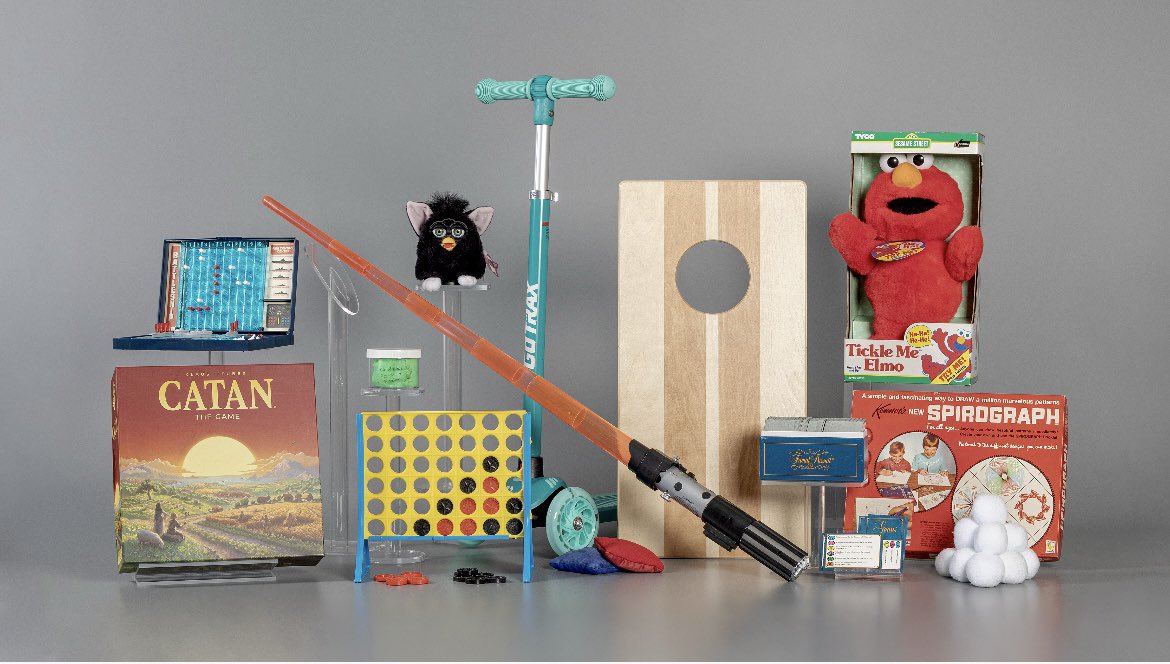
This year’s contenders for the National Toy Hall of Fame Class of 2025 have been whittled down to 12 finalists, and the competition is fierce.
You’ve got classic toys from across the decades (Furby, spirograph, Star Wars lightsaber, Tickle Me Elmo), representatives from more physical activities (scooter, cornhole), board games (Battleship, Catan, Connect Four, and Trivial Pursuit), and even materials kids play with (slime, snow).
The idea of “play” is represented in so many different ways across these 12 finalists, and it really encompasses just how vast and varied play is, how much imagination and expression and creativity are reflected in all sorts of different childhood experiences.
Personally, I’m rooting for the lightsaber, Trivial Pursuit, and snow to make the cut. I’ve been a Star Wars fan since I was 2. Trivial Pursuit was the first trivia game I can remember playing (even if it was an edition intended for players way older than I was at the time). And snow is so fundamental to winter play — sledding, snowmen, snowball fights, DAYS OFF FROM SCHOOL TO PLAY — that it’s surprising it hasn’t already been inducted.
(Though I suspect Catan, Connect Four, and Tickle Me Elmo will make the cut instead of some of my faves.)
Yes, while the final determinations are made by the National Toy Hall of Fame’s National Selection Advisory Committee — ooh, so formal! — the three toys that receive the most public votes will be submitted for consideration alongside the top three submissions from the Selection Committee.
Which of these twelve contenders would you like to see join such playtime luminaries as Lite-Brite, My Little Pony, the stick, the Atari 2600, and the Rubik’s Cube? Let me know in the comments section below! I’d love to hear from you.
And while you’re at it, tell me what toys you think should be in the National Toy Hall of Fame!
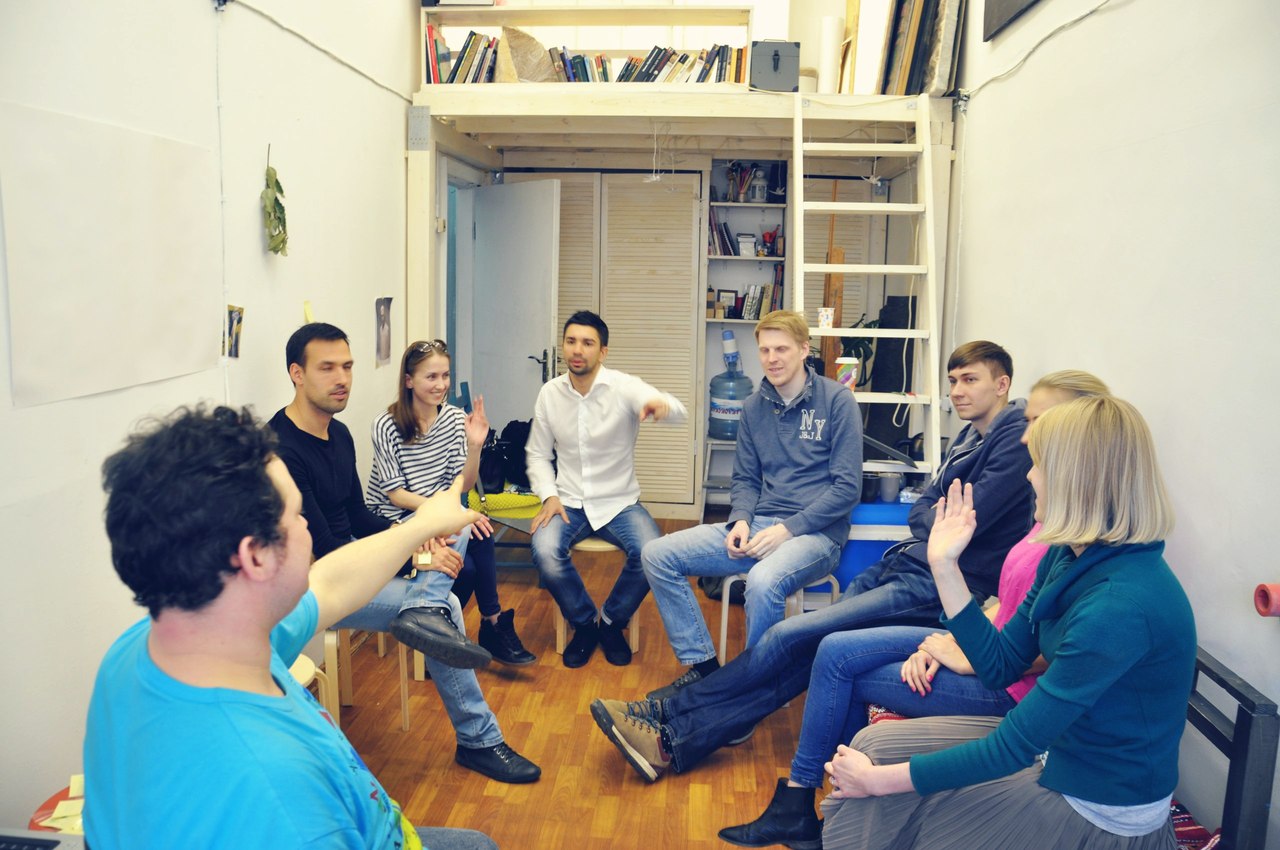
The goal? To share research, showcase games, and discuss the future of game studies through the lens of BIPOC experiences (Black, Indigenous, and People of Color).
Here is a bullet point list of themes the conference was designed to explore:
Representation and Identity in Video Games
Digital & Analog Games as Cultural Artifact
Games By & About Black and Indigenous Communities
Decolonizing Game Development & Design
Integration of Indigenous & Black Knowledge Systems
Afrofuturism in Gaming
Cultural Preservation & Digital Heritage
Social Impact & Activism Through Games
Diversity, Equity & Inclusion in Playful Technologies
Both board games and video games were topics of discussion across the three-day event, with panels and presentations covering properties as varied as Yu-Gi-Oh!, collegiate Esports, The Last of Us, murder mystery games, Dragon Age, virtual reality, the cultural value of arcades, and more.
“I think one of the most important things to recognize about games is that they are kind of a cultural artifact. And being a cultural artifact, it’s important to ask questions about what these things mean in society, or what these things mean to the people who make them.”
“… One of the things I think is really interesting in game studies is we have the opportunity to think critically about the kinds of problems we’re solving and then also the kinds of solutions we’re offering. So a lot of what people talk about in, say, decolonizing games is about reinvestigating those two questions, what’s the real problem here? What’s the source of that problem? Similarly, how are we solving the problem?”
For years, I have discussed in this blog how the world of puzzles and games not only reflects our culture and choices, but why that’s important. But I can only examine those things through one particular lens, that of a white cishet male. There are blindspots I’m unaware of and experiences I simply don’t have, despite my best efforts.
That’s why it’s so important to have other voices included in the discussion, and events like this are crucial to the health of the games industry and our understanding of why we play games at all.
How the experiences of Black users suffer in virtual reality due to whiteness as a default in so many games.
How the roles of Black and Latinx characters in games like Overwatch and Marvel Rivals contribute to not just representation, but reinforce perceptions of particular ethnic groups only in violent situations, not those of support or providing nonviolent solutions.
How video games are being used to preserve Latinx culture and the artistic legacy of the Hmong.
I learned about topics like Quare Theory and Misogynoir (how racist and anti-Black depictions affect the public perception of Black women), explained through the medium of video games.
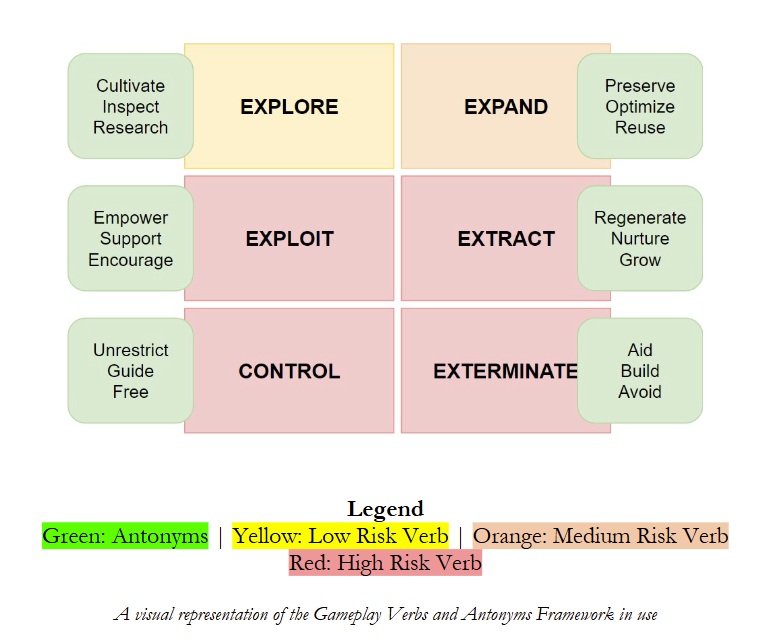
But the article I found myself returning to several times over the last few days was “Decolonizing Play: Exploring Frameworks for Game Design Free of Colonial Values.”
It was startling to realize just how many video games are foundationally built on the values of Colonialism, and how easy it would be to NOT reinforce those harmful cyclical patterns.
From the paper by Elaine Gomez: When the topic of colonization arises, many game developers often hesitate to get involved in meaningful and constructive design conversations around how to mitigate values that are heavily ingrained in game theory and player expectations.
Some of the conversations broached by these panels and papers are uncomfortable, but difficult conversations are worth having. Challenging the biases and preconceived notions that games are often built upon is worthwhile. (I’m hoping to reach out to some of the Conference’s participants for more details in the coming weeks to follow up on these enlightening discussions.)
In the meantime, I encourage everyone to read the proceedings from the event and take some time to really ponder the topics presented.
The world of puzzles and games is big enough for everyone, and only gets better when everyone feels included. The 2025 Conference on BIPOC Game Studies is proof of that.
One of my favorite go-to trivia games is Overlaps. Basically, the answer to the trivia question is a combination of two titles. You can use movies, celebrity names, anything really.
And I thought I’d share one of my Overlaps games with you today, fellow puzzler.
Here’s an example to get you started:
A hardworking midwestern mom is mistaken for an 11 year old orphan girl and goes to Avonlea.
And the answer is: Roseanne of Green Gables
Can you unravel these descriptions that overlap a TV show title and a book title?
Let’s find out!
A look at the day-to-day work lives of Thought Police working for Big Apple Brother.
A love quadrangle and an amateur play performance cross paths with a popular shape-named game show involving getting a partner to say the right word.
A talking horse says one thing and means his mother in this curious tale of trying to avoid fate.
Firemen, police, and EMTs in Los Angeles find themselves in a mental institution under the thumb of a tyrannical nurse.
Time and relative dimensions in space are bent by a curious visitor to a disfunctional middle-aged couple’s home after a university faculty party.
456 players compete for a grand prize as the political climate of Westeros changes forever.
With a sword and chakram in hand, a former marauder shares her story of balancing life in high school and her new royal duties.
Wacky hijinks ensue as a man shares the story of courting a famous author of fairy tales and nursery rhymes.
A high schooler with grand ambitions and a habit of stopping time to talk to the camera endures struggles with mental health after her aspiring post-college writing career fails to materialize.
Piloting giant mechanical battle suits to battle angels, the Pevensie children liberate a magical land from the White Witch.
A programming startup company deals with funding issues and a dependence on drugs to navigate turbulent personal and professional relationships in New York City after World War II.
A video diary to a newborn baby from her older sibling serves as the golden ticket to a peculiar candymaker’s legacy.
The misadventures of a young man and his scuffling siblings in a fictional Midlands town in the 1800s as issues of women’s rights, marriage, and political reform are explored.
Two secret service agents seek dangerous magical artifacts while listening to audio tapes recorded by a young woman who committed suicide.
Travel to a curious locale where dreams can come true, particularly for the one woman who lives there, waiting for her people to return for her.
A sharp-tongued and satirical look at the news is presented by a two-inch boy who looks just like a mouse.
How many did you unravel? Let us know in the comments section below! We’d love to hear from you.
One year ago today, my first post under the PuzzCulture name went live.
It’s been both overwhelming and gratifying to return to writing about the world of puzzles and games after a few years away, and I’m so so grateful to all of you who have joined me on this journey.
And although it’s only been a year, it sure feels like a LOT has happened over the last twelve months.
More deep dives into the history of puzzles and games. More puzzles to solve. More interviews. More reviews. And other things without the word “views” in them. (But hopefully ones that still inspire your views!)
Again, I’m so chuffed with the response PuzzCulture has garnered so far, and I’m excited to continue creating content for you to enjoy.
But what are you looking for, fellow puzzler? Is there something you would like to see that we haven’t done before? Or something you’d like to see more of?
Let us know in the comments section below! We’d love to hear from you.
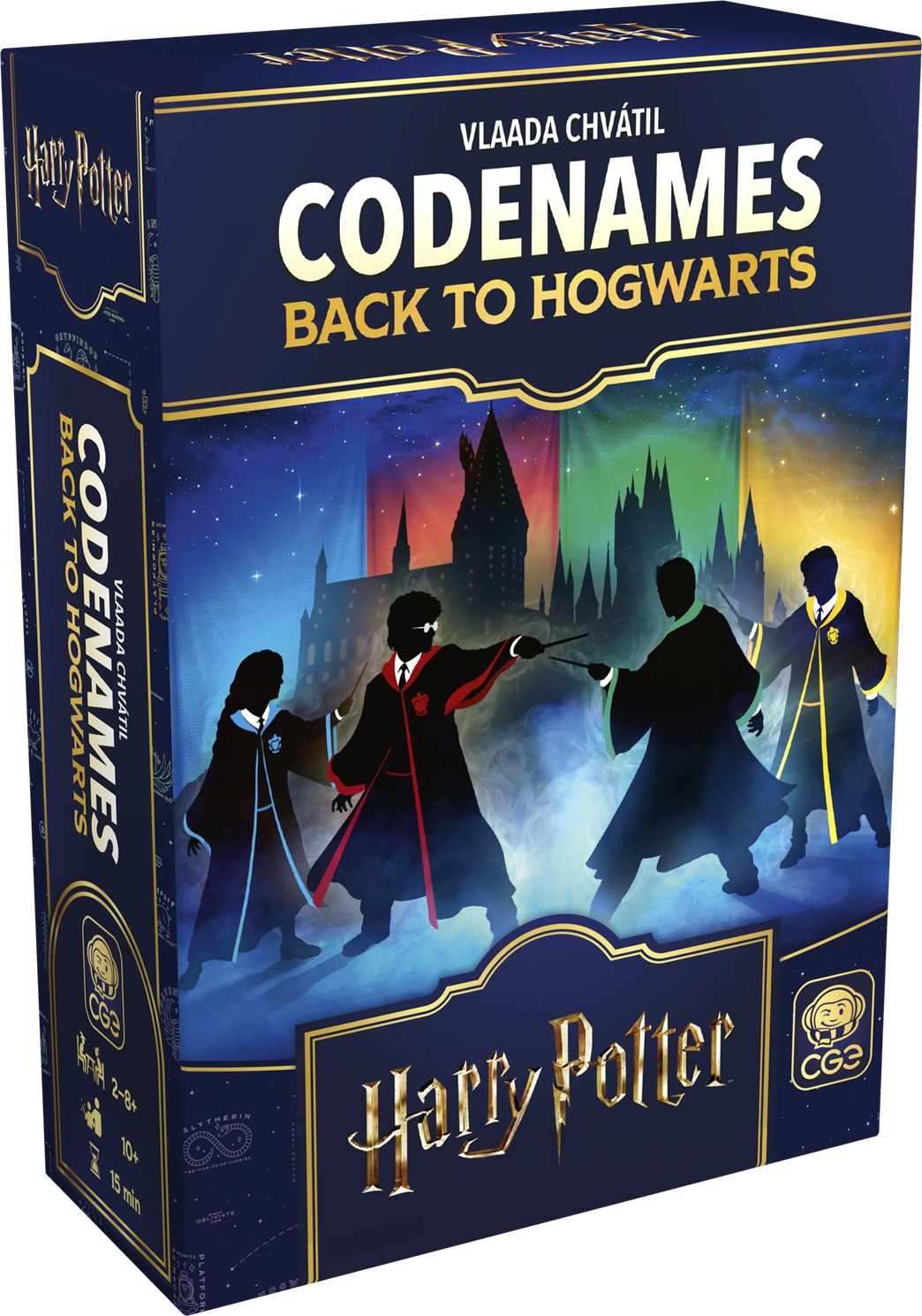
Czech Games is the home of Codenames, one of the most recognizable board game brands on the market today. It has been licensed dozens of times to include different pop culture properties, and it is the lifeblood of a smaller board game publisher.
And they just crashed into a wave of pro-LGBTQIA+ sentiment after announcing their new release.
Codenames: Back to Hogwarts.
Now, you may wonder what the big deal is. After all, this isn’t even the first Harry Potter-themed Codenames game. One was released years ago.
Well, in case you’re unfamiliar, in the intervening years between the release of that game and the release of this new one, J.K. Rowling, the author of the Harry Potter books, has revealed herself to be an anti-trans zealot.
She has been on a campaign for years against the trans community (and LGBTQIA+ people, and virtually anyone else who stands up to her bigotry), and publicly celebrated laws in England that curtail the rights of trans individuals.
Moreover, she has promised that she will continue to use the money she earns from licensing Harry Potter to harm people.
Czech Games experienced a deluge of negative comments and feedback (as well as calls to boycott the company’s products), and has spent the last week or so promising to reassess.
To be honest, most in the board game community expected nothing to come from this. LOTS of companies still cut licensing deals with Harry Potter, like LEGO, and especially with the new TV show coming, there’s going to be more of this.
So I was pleasantly surprised when the company released the following statement:
We are all devastated that the project we were so excited to share with you caused harm instead of joy. We have been working to bring you the best possible games for years, and just like our other titles, we worked diligently to bring you this latest title, too.
In our excitement about creating a game within a universe many of us still treasure, we failed to see how that universe no longer brings joy to others. Over time, the harmful views of the story’s creator have escalated into harmful actions. We apologize unreservedly for not doing more to consider that possibility, and for subsequently announcing the game without taking preemptive actions to mitigate the pain it would cause.
Many of you have expressed your understandable anger, pain, and disappointment through a variety of platforms. Frankly, we were not prepared for the volume of the response. As a result, multiple accounts and comments were blocked or muted that should not have been. We would never want anyone experiencing the pain this situation has caused to then feel like they are being silenced. So for that, too, we want to sincerely apologize.
Like the world we live in, CGE is made up of individuals with various backgrounds, gender identities, sexual orientations, and belief systems. None of us would ever want to take actions that would hurt or restrict the rights of another human being. We commit to remaining supportive of an inclusive and welcoming community of gamers. We believe in the rights of all people to have their own identity, and we reject hate and bigotry in all their forms. Trans rights are human rights.
With the above in mind, and after many heartfelt and vital discussions both internally and with members of the affected community, we have decided to donate 100% of the profit from this game to appropriate charitable organizations. We will ensure that an amount equal to or greater than the fee paid to license this product will go directly to organizations that provide support for the trans community.
We evaluate profits and make charitable-giving decisions each December, and we will continue using this annual process to direct the game’s profits. We will listen to recommendations from the community to help guide our choices of organizations that provide support for the trans community. Our goal is to select those that offer direct, practical help to people in need — for example, services similar to the emergency hotline that was recently discontinued.
At CGE, we are committed to making decisions that come from the heart in everything we do. We opened discussions with members of the affected communities and we came together as a whole company to find a way forward that was a genuine reflection of our values and desire to do the right thing. We are sorry for the time it took us to communicate our path forward, but we hope you see that we did so with the care and consideration that you all deserve.
I think it’s the best we could have hoped for. An acknowledgment of the harm caused, a promise to do better, and a tangible response that the audience will be able to track.
Boycotts work, speaking up works, and I’m so proud of the board game community for making noise and pushing back, leading to a turnaround like this.
There is no ethical consumption of Harry Potter material, given J.K. Rowling’s intentions. If she makes a single dime from you, it will go towards hurting others. That’s simply the facts as presented.
And it’s entirely possible that there would be huge costs and even legal consequences if Czech Games didn’t fulfill the agreement they made over the HP license.
So this feels like the most positive outcome going forward. Czech Games isn’t a huge company like LEGO. If you don’t buy HP LEGOs, or stop buying LEGOs entirely out of protest, the company probably won’t notice. (You should STILL speak up, of course.)
But Czech Games will. Most board game companies are small, and profit margins are often razor-thin. A PR disaster like this could easily end a board game company.
I don’t look forward to all the HP nonsense we’re going to hear as the show looms closer, but I’m grateful that the board game community stood up, and Czech Games listened.
Free RPG Day is one of my favorite events of the year. It helps spread the word about roleplaying games, gives new players a chance to try out games for themselves, and it supports local game shops. It’s a win-win all around.
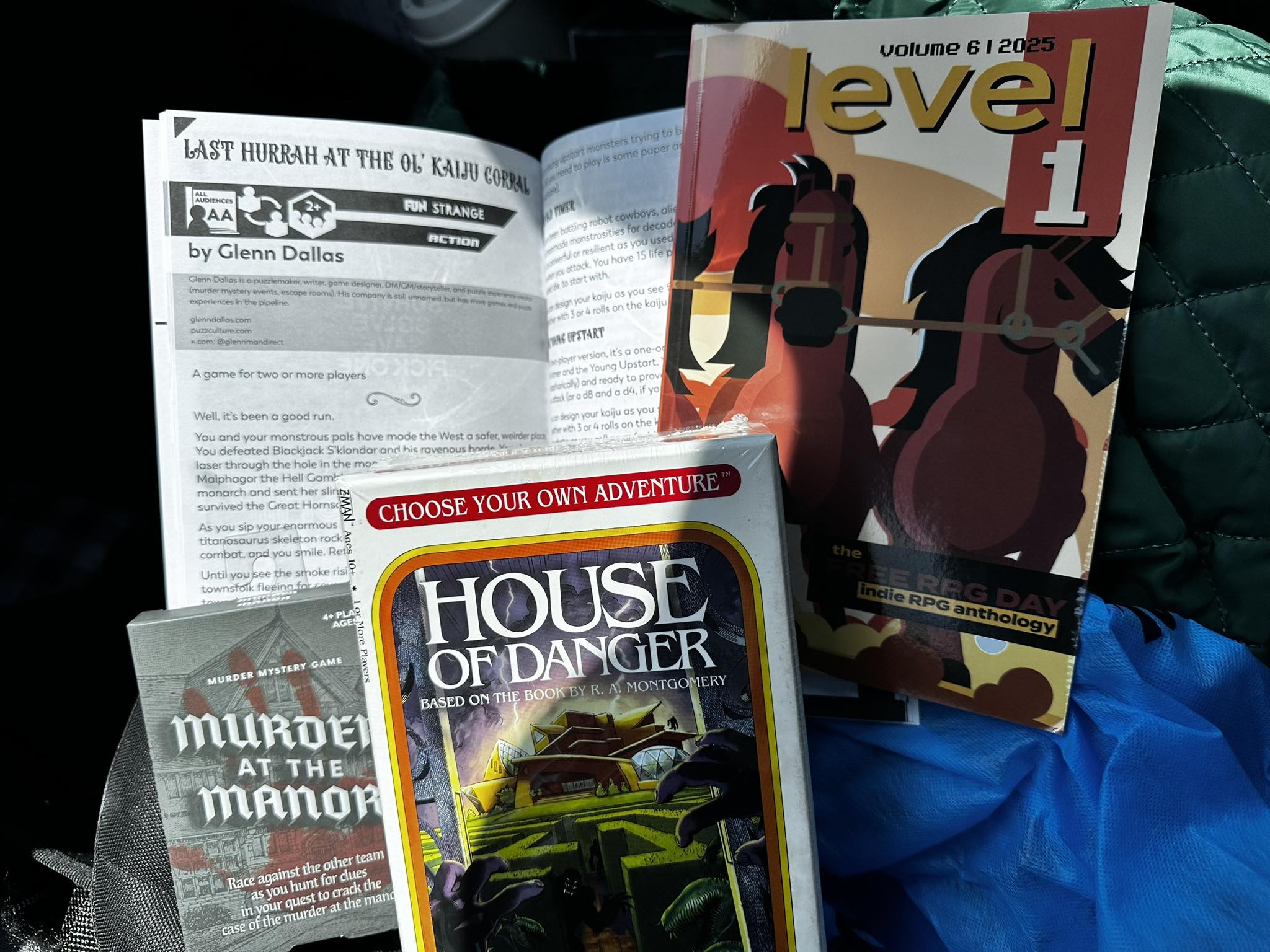
This event means even more to me because, for the last two years, a game I’ve created has been included in 9th Level Games‘ flagship Free RPG Day publication, Level 1.
Each year, the Level 1 anthology has a different theme. Last year’s was programming, and this year’s was How the West Was Lost.
I highly recommend checking it out. The absolute variety of games and play styles inspired by that simple spark of inspiration — How the West Was Lost — shows the versatility of roleplaying games as well as the immense creativity of game designers in the community! I’m proud to once again be included among those eclectic and talented folks.
All the proceeds from this treasure trove of gaming fun will go towards the Level Up Fund, a charitable endeavor intended to grant game designers free use of 9th Level Games’ Polymorph game system, encouraging creators to continue creating games all year round!



 PuzzCulture