PDP Tabletop Tournament: Round 3

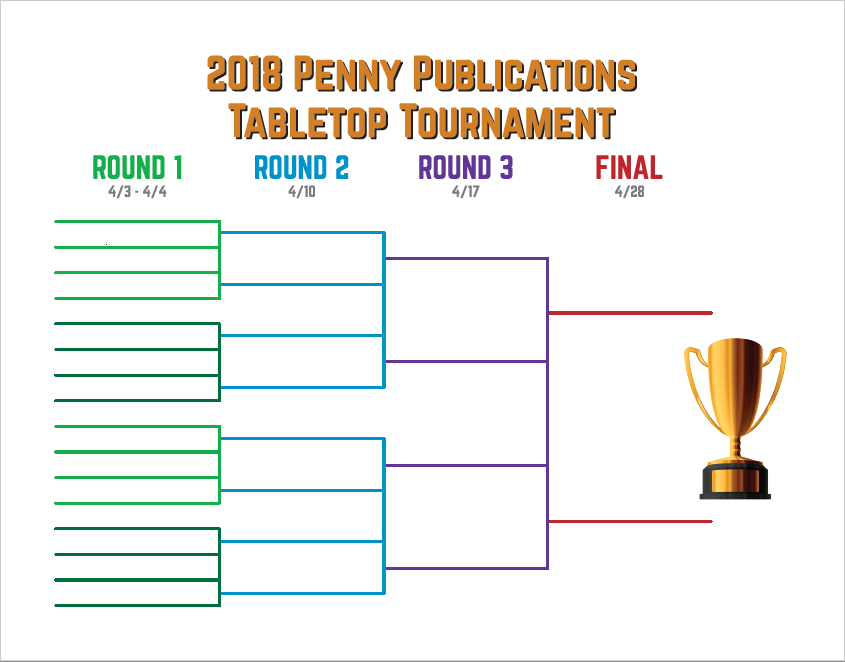
Two weeks ago, 15 intrepid members of the Penny/Dell Puzzles crew (as well as yours truly, your friendly neighborhood PuzzleNation blogger) embarked on the first stage of a four-week journey: The PDP Tabletop Tournament.

In Round 1, the field was culled from sixteen competitors to eight after tense battles of On the Dot and Bananagrams.

In Round 2, it was halved again as this group of elite puzzlers went to war in games of Timeline and Qwirkle.

We’re down to just four competitors, each inspiring their own hashtags: #TeamNikki, #TeamRick, #TeamGordon, and #TeamJenn.

What awaited them in Round 3? Let’s find out, shall we?

Unlike Rounds 1 and 2, there wouldn’t be two games to play. Instead, all four competitors would play a single game, and the top two scorers would go on to the championship finals next week.

The game for Round 3? Sheriff of Nottingham.

Sheriff of Nottingham is a card game that mixes strategy, resource management, and bluffing. The players collect cards with different goods to take to market — apples, chickens, bread, and cheese — as well as cards of contraband items (like spices, mead, and weapons). Each of these cards is worth points, and the contraband goods are worth more than the legal goods. Of course, the contraband goods are illegal, so if you’re caught bringing them to market, there’s a penalty.

And, unfortunately, in order to get your goods (legal or otherwise) to market, you have to get past the Sheriff.
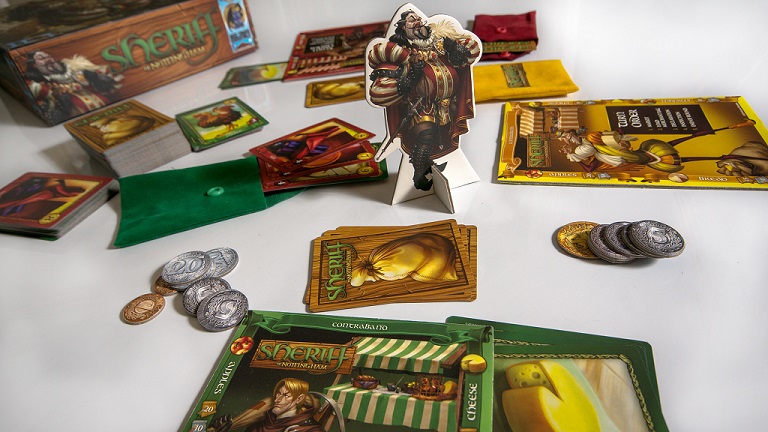
For example, in a four-player game, let’s say the first player is the Sheriff. The other three players will each place up to five cards in their bag, then snap it shut, and declare what’s inside to the Sheriff. A player may be telling the truth about the contents of her bag, or she may be lying. The Sheriff can choose to either let a bag pass through unchecked or open and inspect the contents of any bag.

Anything that gets through the Sheriff goes into your market stand and is worth points at the end of the game. If the Sheriff chooses to check your bag, one of two things happens. If you were honest about what’s in the bag, the Sheriff pays you the value of those items. If you lied about the contents of your bag and the Sheriff catches you, you must pay him a penalty, and any contraband goods in the bag are seized.

[Nikki places a kindly offering of cheese from a fellow player
into her marketplace during her turn as the Sheriff.]

Of course, you can always negotiate with the Sheriff before the bag is opened. Bribes (of coin, product, or favors) can be offer, and deals can be made.

Once the Sheriff has either let the players’ bags through or finished the inspections, everyone settles their goods in the marketplace, the next player takes over as Sheriff, and the cycle starts again.

The game ends after every player has been the Sheriff twice. Then the players count up the value of everything they’ve brought to market — including any contraband they’ve snuck through — as well as their coin piles. (Plus, there are bonus points to be gained if you brought the most of any product to market. For instance, the person who brought the most apples is King of Apples, and the person who brought the second-most is Queen of Apples. Both titles are worth points.)

This game is obviously more complex and involved than the games played in Rounds 1 and 2, so there was a practice game last Thursday to allow players to familiarize themselves with the rules and the gameplay.

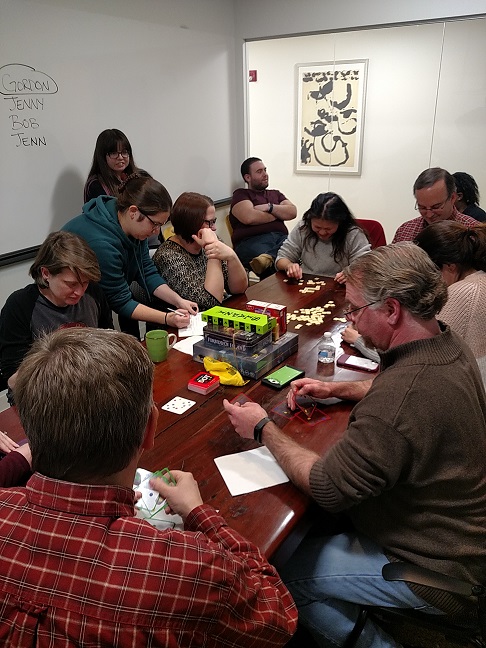
Once starting coins and cards were allotted to each player (plus a few coins extra to encourage wheeling-and-dealing/bribery), the game commenced. In the end, only two of the four players at the table would be moving on to the finals. What combination of Nikki, Rick, Gordon, or Jenn would face off for the championship?

As it turns out, there was already a wrinkle there. Jenn unfortunately couldn’t make it to the tournament this week, but she was allowed to choose a player to sub in for her: JP. Although she didn’t know what game would played in Round 3 when she picked him, as it turns out, she chose well. JP not only won the practice round last week, but he’d won a previous game played a month or two ago.

JP started off as the Sheriff, and surprisingly, he let the other players off easy, choosing not to inspect any of their bags for contraband (perhaps hoping such kindness would be reciprocated when he brought goods to market in turns to come).

[As Sheriff, Gordon inspects the contents of Nikki’s bag, looking for contraband.
He’ll be disappointed, and end up paying her for the inconvenience.]

As Gordon, Nikki, and Rick each took a turn guarding the path to market, this first go-around proceeded quickly. There were only a few attempts to sneak contraband through. There was also a touch of bribery, but hey, that’s part of the game. In fact, Rick rejected a bribe from Gordon at one point and chose to inspect his products anyway, which was a surprise.

All in all, only ten minutes passed before the role of Sheriff returned to JP.

The tension picked up as the second go-around began, and game play slowed down considerably. People were being more deliberate in both choosing the items for their bag and in their deliberations as Sheriff.

[Rick watches intently as Gordon chooses what to take to market.]

One of the things that makes Sheriff of Nottingham so engaging is that you can’t ever really know who is winning. Whenever someone sneaks contraband through (or pays off the Sheriff to look the other way), you have no idea how many points they scored. All you know is that they got something of higher value to market. Unless you make a concentrated effort to keep track of the goods people are focusing on — particularly if they’re hoping to score those bonus points as King or Queen of a product — it can be tough to know exactly where you stand, points-wise, compared to the others.

Nerves began to fray as more goods flooded the marketplace. Sheriffs looking for “contributions” drove harder bargains, adding both coins and goods to their coffers. Apples became quite a valuable foodstuff for bribes, particularly when Nikki was Sheriff.

Rick’s second turn as the Sheriff coincided with the last turn, and he ominously declared, “This is going to be a very expensive round.” Everyone laughed, but given how strongly Rick had been playing, they also knew he’d be driving a hard bargain for anyone trying to score last-minute points by sneaking contraband through.

This second go-around lasted nearly twice as long as the previous one, and emotions were running high as Rick’s turn as Sheriff ended and the gameplay concluded.

We then counted up the legal goods everyone brought to market, and determined who would be scoring bonus points. Everyone did well here, racking up some valuable eleventh-hour coinage.

  • JP was King of Cheese.
  • Rick was King of Chickens and Queen of Cheese.
  • Gordon was King of Bread and Queen of Apples.
  • Nikki was King of Apples (thanks in part to those marvelous bribes), Queen of Bread, AND Queen of Chickens.

The judges then swooped in to count everyone’s haul, and the players stepped away from the table to enjoy some marvelous cookies and treats provided by the judges… and await their fate.

In the end, it was a very close game. Only fourteen points separated the top scorer and the third place finisher. (Less than 30 points separated the entire field.)

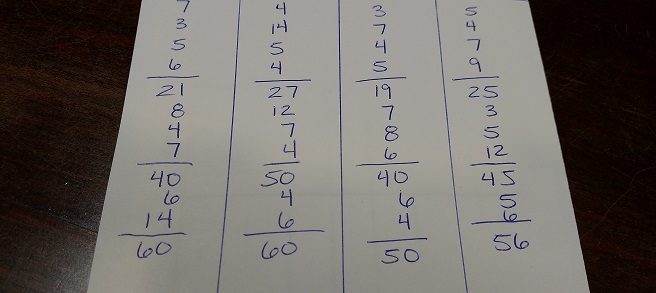
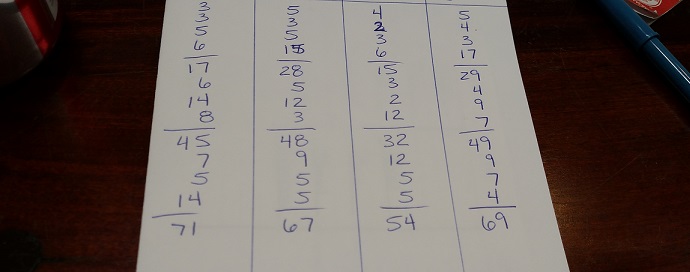
Gordon secured a spot in the finals with top score (165), followed closely by Nikki (159) and Rick (151), with JP closing things out (137).

So it would be Nikki and Gordon proceeding to the finals! Congratulations to both of them, as well as kudos to Rick and JP for their impressively strong performances throughout the game.

The finals will held as part of our annual International Tabletop Day event next week!

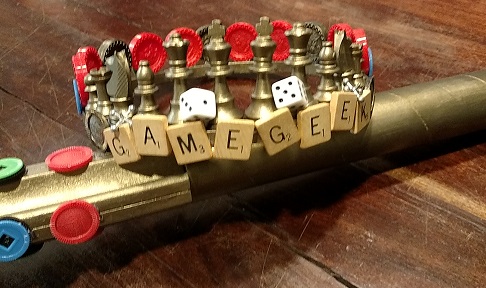
And, of course, a crown, scepter, and Game Night Gift Pack await the eventual champion.
To be concluded…

[You can check in on the next round of the tournament live on Tuesday on our Instagram account!]


Thanks for visiting PuzzleNation Blog today! Be sure to sign up for our newsletter to stay up-to-date on everything PuzzleNation!

You can also share your pictures with us on Instagram, friend us on Facebook, check us out on TwitterPinterest, and Tumblr, and explore the always-expanding library of PuzzleNation apps and games on our website!
Making Board Games More Accessible Than Ever!

[Image courtesy of Make Board Game.]

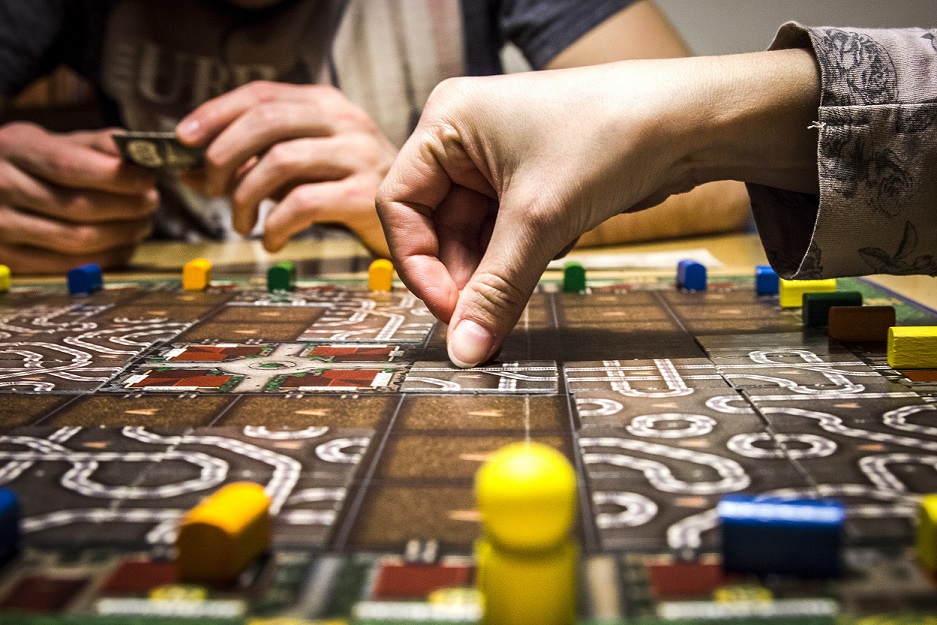
I’m a huge proponent of the idea that there’s a game out there for everybody. Some prefer fun, lighthearted fare. Others like the high-stakes of a winner-take-all scenario. Some thrive in cooperative games where victories are shared and losses softened by camaraderie, while others like one-on-one strategic battles.

But no matter who you are, there’s a game out there for you.

Unfortunately, for colorblind gamers or those dealing with visual impairments, some of the most popular games are less accessible.

[Ticket to Ride remains one of the more colorblind-friendly games on the market today. Image courtesy of Board Game Duel.]

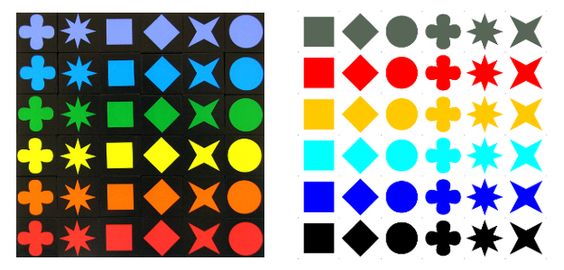
I’ve had several colorblind friends tell me that the color-and-pattern-matching tile game Qwirkle is a no-go, because the game’s colors (as well as the black tiles on which those colored symbols are set) can cause serious confusion that hampers gameplay.

Although there’s no official colorblind-friendly edition of Qwirkle on the market, there is a colorblind-friendly version of the game that has been shared online. The color palette is more accessible, and instead of black tiles, the base tiles are gray.

Other games have also picked up on the need to keep their multicolored games accessible to a broader audience. As mentioned in a recent post on the official Tabletop Day website, the game Lanterns: The Harvest Festival incorporates specific symbols for each of their differently colored cards to make it easier for colorblind players to distinguish them.

And if you’re a visually impaired game enthusiast, there are other companies out there working hard to ensure you have the widest possible range of games to enjoy.

The folks at 64 Oz. Games produce specialty sleeves and other modifications for established board games and card games, allowing visually impaired players to play alongside their sighted pals.

[An image from their successful Kickstarter campaign a few years ago.
Image courtesy of 64 Oz. Games.]

A combination of Braille and clever use of QR codes has opened up games like Munchkin, Cards Against Humanity, Coup, Love Letter, Seven Wonders, King of Tokyo, and numerous roleplaying games to a previously excluded audience.

Add items like their 3D printed Braille roleplaying dice and a touch-based game called Yoink! that is based on tactile gameplay, and you have a wonderful resource for all sorts of game fans.

As we gear up to celebrate a day dedicated to gathering with family and friends to enjoy playing games, it’s a pleasure and a privilege to acknowledge those who are going above and beyond to make sure as many people as possible can participate.

It’s a beautiful thing.


Thanks for visiting PuzzleNation Blog today! Be sure to sign up for our newsletter to stay up-to-date on everything PuzzleNation!

You can also share your pictures with us on Instagram, friend us on Facebook, check us out on TwitterPinterest, and Tumblr, and explore the always-expanding library of PuzzleNation apps and games on our website!

PDP Tabletop Tournament: Round 2

Last week, 15 intrepid members of the Penny/Dell Puzzles crew (as well as yours truly, your friendly neighborhood PuzzleNation blogger) embarked on the first stage of a four-week journey: The PDP Tabletop Tournament.

After fast and furious rounds of the anagram-fueled tile game Bananagrams and the pattern-matching card game On the Dot, the field was pared down from 16 enthusiastic puzzlers to 8 worthy contenders who triumphantly emerged, ready and willing to tackle whatever challenges awaited them in round 2.

Let’s find out what happened, shall we?

Round 2 kicked off in similar fashion to Round 1, as the 8 competitors were split into 4-person groups. Each group of four would play two games. Two winners — one from each game — would come from each foursome and move on to the next round.

The two games for Round 2? Qwirkle and Timeline.

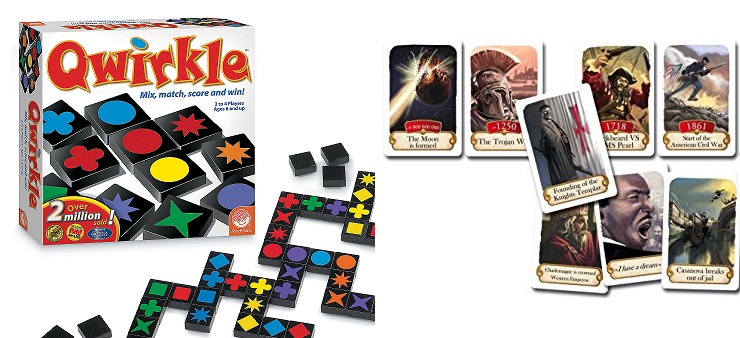
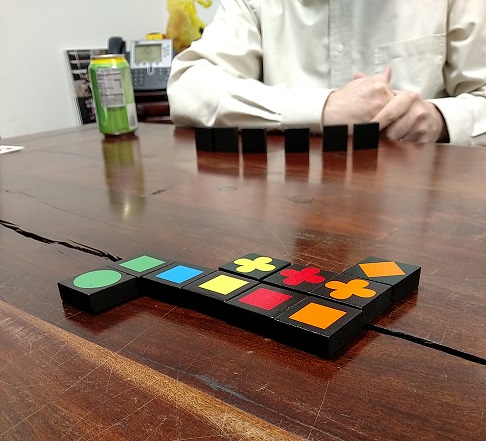
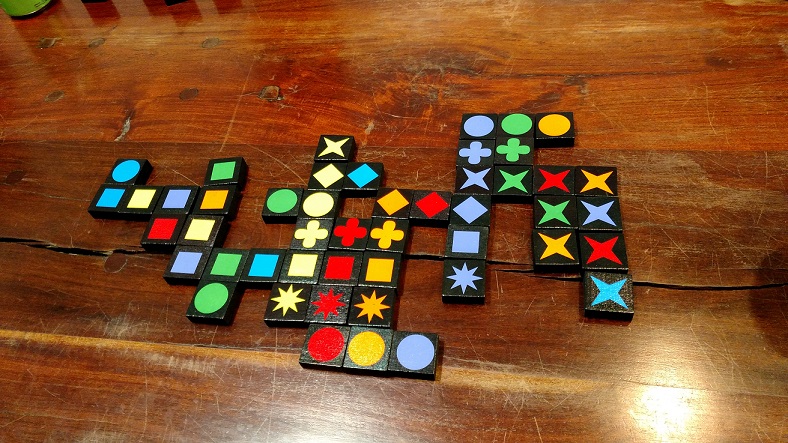
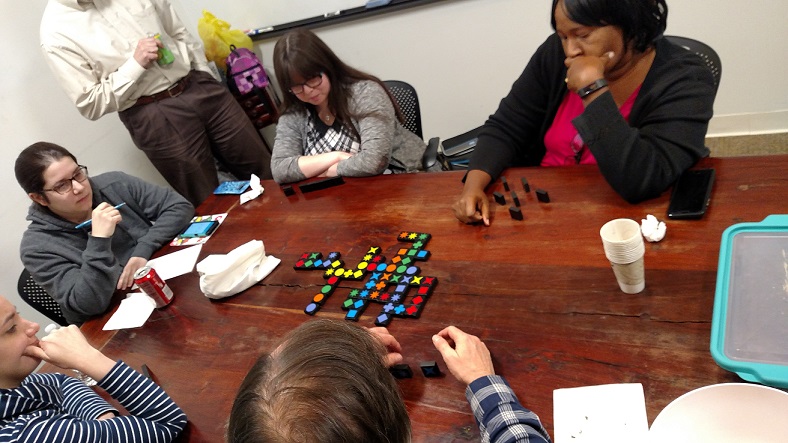
Qwirkle is a tile game that mixes the gameplay of Mexican Train Dominoes with the Uno mechanic of matching colors or matching symbols. There are 6 different shapes and 6 different colors, and players score points by playing tiles from their hand on a communal gameplay area (similar to Scrabble or dominoes). Neighboring tiles can be the same color (a green square next to a green star) or the same shape (a red diamond next to a purple diamond). But you can’t repeat any tiles within a row (meaning that if a blue diamond is in a row of diamonds, you can’t play another blue diamond in that row).

You earn bonus points by completing Qwirkles — six-tile runs that either have 6 different symbols all of the same color or 6 different colored tiles with the same symbol. In our tournament, the player with the highest point total after 20 minutes would move on to Round 3.

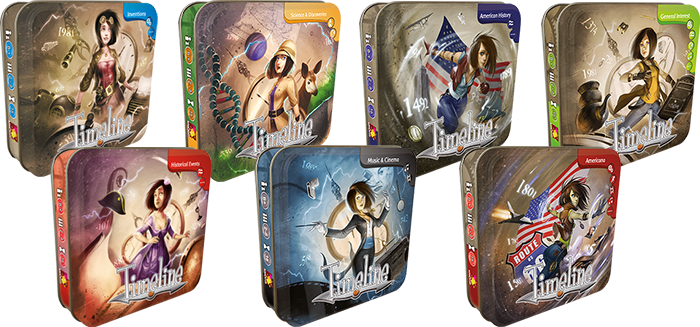
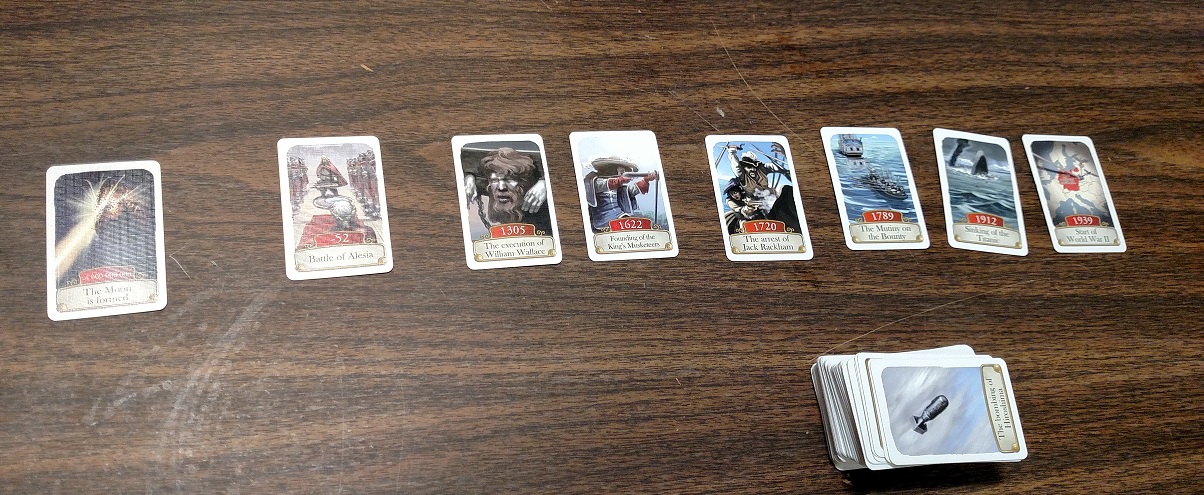
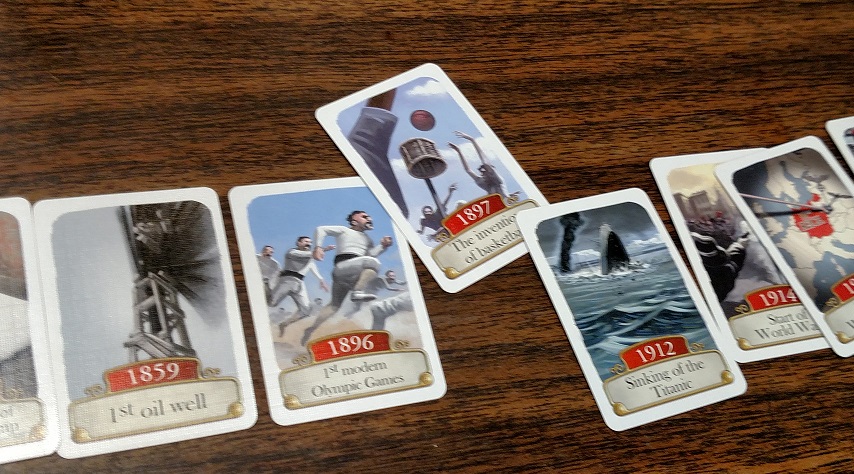
Timeline is a card game where every card depicts a different moment in history, and the players are trying to place cards from their hand into a historically correct timeline. Players take turns adding cards to the timeline, placing them before or after previously played cards. You don’t have to know the exact year the event on a given card took place; you simply have to figure out when it happened in relation to the other events that have already been played.

You play your card, and then flip it over to reveal the actual year the event occurred. If you’re correct, the card stays, and you have one fewer card in your hand. If you’re wrong, the card is removed from the timeline and you draw a new card. The first player to place every card in their hand wins. (And moves on to Round 3.)

My group settled in for a game of Qwirkle while the other foursome set their sights on Timeline. (I didn’t name any players in Round 1 because that would’ve been 16 names for you to keep track of, but I’ll name players this time so you can follow along.)

Group 1 consisted of me, Nikki, Rick, and Sue; Group 2 consisted of Jen (last year’s champion), Jenn, Gordon, and Robin.

Qwirkle was an interesting choice for the second round, because it offered players less control than the games in Round 1. On the Dot has everyone using the same cards to match the pattern, so it comes down to speed and skill. Bananagrams has a random tile selection, but since you can change the grid at any time to accommodate new letter tiles, you have a lot of control in how you place things.

But with Qwirkle, you only have 6 tiles at a time to place, and you’re dealing with one communal play area. So you’re limited in what you can play by the tiles already on the board; if there are no diamonds on the board to match, for instance, you can’t play a diamond tile unless there’s another symbol on the board that’s the same color as your diamond tile.

Plus, you can’t just play a lot of tiles, if you have several that match, because you don’t want to leave openings for your opponents. If you add three different colored star tiles to the two already on the board, great, you’ve got 5 points. But you’ve left the board open for someone to play the sixth-colored star tile and score a Qwirkle, which means bonus points.

So you have to play both offensively and defensively at the same time.

And my opponents were all solid players, so I knew I had my work cut out for me. At our annual International Tabletop Day event, Sue usually plays Qwirkle, so I knew she knew the game well. And Nikki and Rick are both smart, tenacious players. (In Round 1, Rick nearly won On the Dot, and the Bananagrams game that followed was so close that we needed a tie-breaker game of Slapzi to determine the winner.)

Everyone was playing cautiously, trying to prevent others from landing those precious Qwirkle bonus points. (Although I think I was the only one who was actively sabotaging Qwirkles where possible, because hey, that’s part of the game, right?)

At the end of our twenty-minute session, everyone had played well. We all finished within ten points of each other. Unfortunately, it was not meant to be for your PN-blogging pal, as I was knocked out of the tournament here, alongside Qwirkle-savvy Sue.

But who was moving on? We didn’t know yet. You see, Nikki and Rick had tied at 60 points apiece, so a tie-breaker was needed. Yes, once again, Rick would be playing Slapzi.

Since I was busy with my group, I didn’t see any of the highlights from Group 2’s session of Timeline. All I knew was that Jenn was going through to the next round.

We switched games, and Group 2 started their Qwirkle game while we settled our tie with a round of Slapzi.

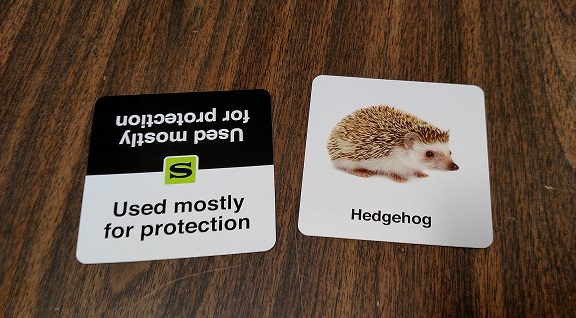
Both Nikki and Rick were quick on the draw — though there were a few questionable plays like this one:

In the end, Nikki bested Rick and moved on to Round 3.

The four of us then settled in for our game of Timeline. There was still a chance for me to salvage the day and continue onward to Round 3 in the proud name of PuzzleNation.

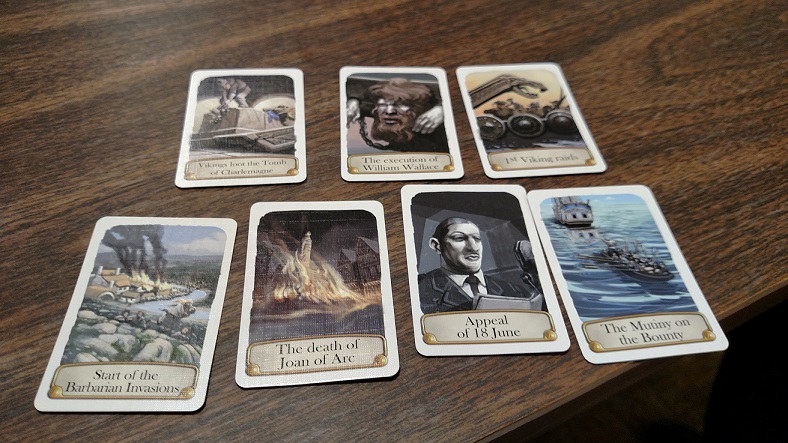
[My Timeline hand. Lots of Viking knowledge needed…]

Success in Timeline depends on two factors: how well you know the events in your hand, and which events get played on the timeline before your turn. For instance, you might have several events that you suspect took place in the 1800s, but you’re not sure when. If there are several cards with dates from the 1800s already in play, you could have a very hard time placing yours. But if the timeline features events from much earlier (like the taming of fire or the creation of the moon) or much later (like the creation of CDs or the launching of the space shuttle Discovery), then you’ll be able to place at least one of your cards with relative ease.

Naturally, the game gets tougher as the timeline fills out, and the gaps between cards get smaller.

The first few turns went well for everyone. I think it was our third go-around before someone incorrectly placed a card. Rick and I jumped ahead with some lucky guesses (I mean, skillful application of vast historical knowledge), and soon, we were each down to three of our original seven cards.

Unfortunately, I botched two cards in a row — including stupidly placing the Appeal of 18th June AFTER the events of World War II — and Rick calmly swooped in, placing his final card — the invention of basketball — in the correct gap in the timeline.

No tie-breakers for Rick this time; he was moving on to Round 3.

We wrapped up our game in time to settle in and watch the conclusion of Group 2’s Qwirkle match, which was a bit higher-scoring than ours. (There were definitely more Qwirkles scored in their game.)

In the end, a surprise upset occurred, and last year’s champion Jen was knocked out of the running by Gordon, who joined Nikki, Rick, and Jenn as the contenders in Round 3. So no matter who wins this year, we’re guaranteed a new champion. Unexpected!

So, alas, I shan’t be competing in either the semi-final or final round of this year’s tournament. But then again, that does free me up to take pictures, observe, add my own unique brand of obnoxious color commentary, and document the event in full for your reading pleasure.

Next week, the remaining four players will try their hand at a game unlike any they’ve encountered in the tournament thus far. Next week, it’ll be about strategy, cunning, bluffing, cutting deals, and a fair bit of trickery, as Nikki, Rick, Gordon, and Jenn play Sheriff of Nottingham.

The two players who score the most points will move on to the finals, which will be held at our annual International Tabletop Day event in the last week of April!

And, of course, a crown, scepter, and Game Night Gift Pack await the eventual champion.

To be continued…

[You can check in on the next round of the tournament live on Tuesday on our Instagram account!]


Thanks for visiting PuzzleNation Blog today! Be sure to sign up for our newsletter to stay up-to-date on everything PuzzleNation!

You can also share your pictures with us on Instagram, friend us on Facebook, check us out on TwitterPinterest, and Tumblr, and explore the always-expanding library of PuzzleNation apps and games on our website!
PDP Tabletop Tournament: Round 1

The spirit of puzzly competition is alive and well. Not only are we still basking in the afterglow of the ACPT, but the third round of the World Puzzle Federation Puzzle Grand Prix is this weekend! AND registration for this year’s Indie 500 Crossword Tournament is now open!

But that’s not all!

The crew at Penny Dell Puzzles put together a Tabletop Tournament in honor of the upcoming International Tabletop Day on Saturday, April 28.

It’s a 16-person four-week tournament with different games to play every week, and round 1 kicked off this week. (This is actually the third year of the tournament, but this year has more competitors than ever before! Plus, both the 2016 and 2017 winners are competing again this year.)

One of the things I liked about the layout of the tournament is that there are no one-on-one match-ups until the final. Instead of a single-elimination tournament, competitors were slotted into groups of four. Each group of four would play two games, and the two winners (one from each game) would come from each foursome and move on to the next round.

The two games for Round 1? On the Dot and Bananagrams.

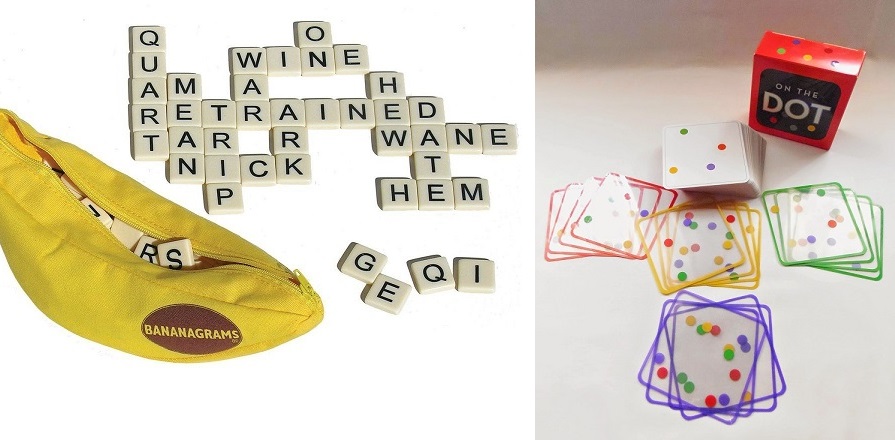
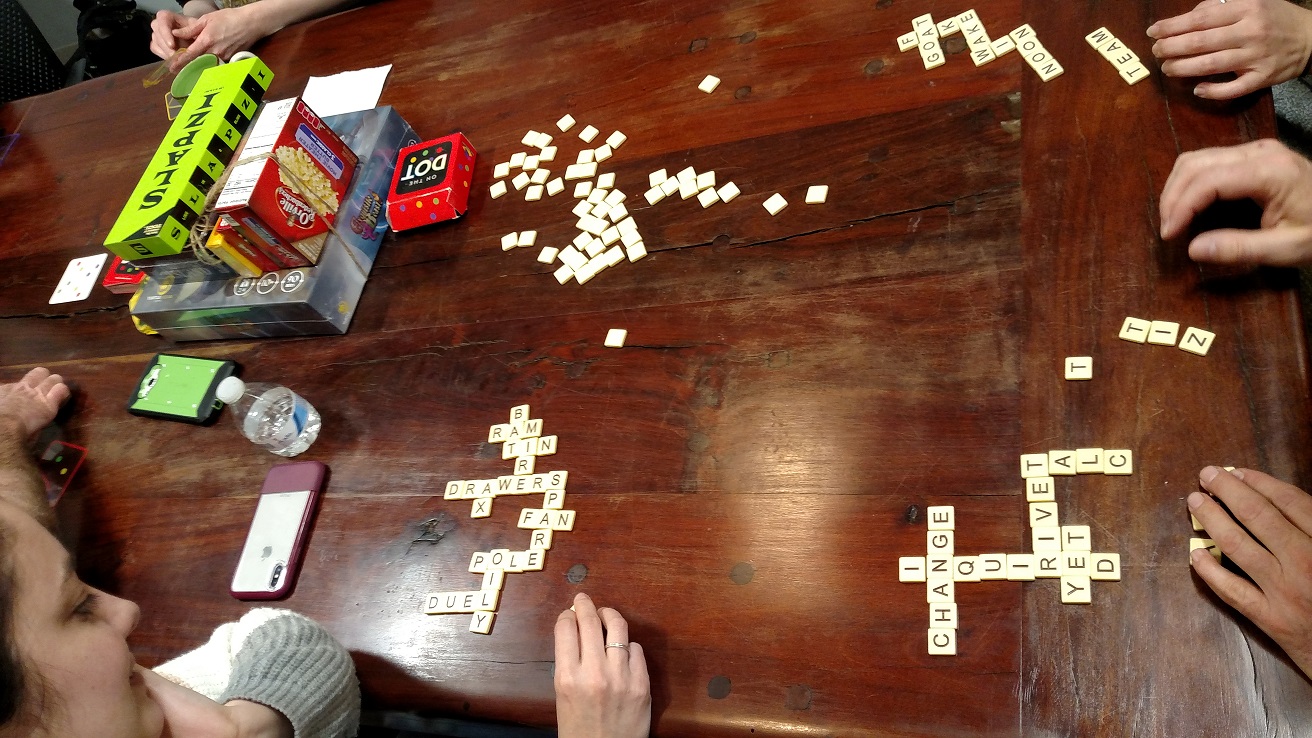
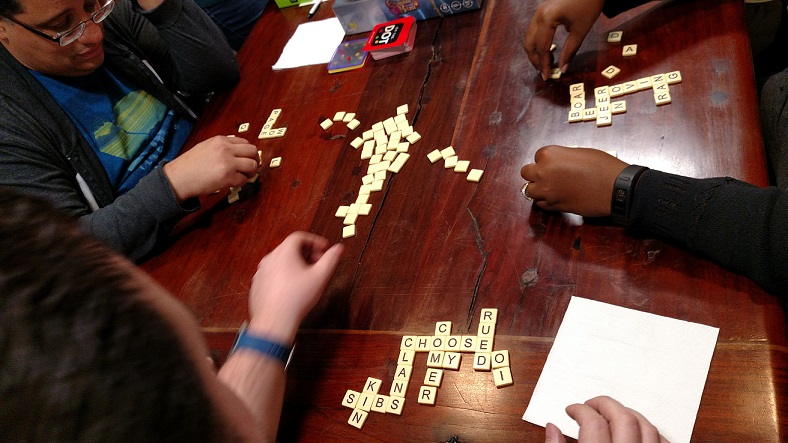
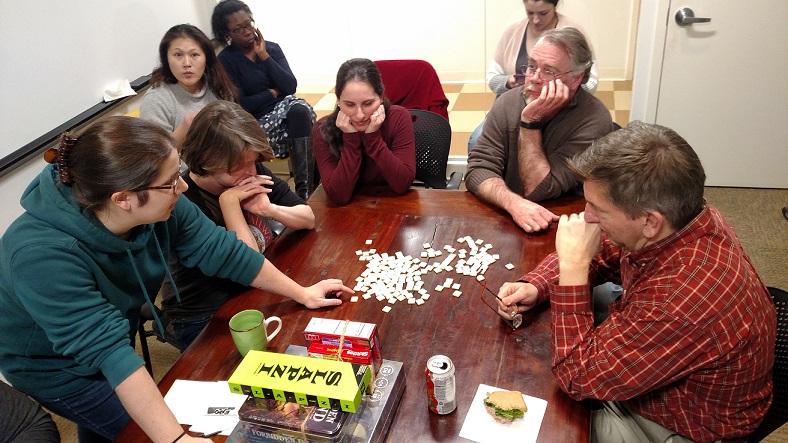
Bananagrams is a tile game where, much like Scrabble, players pull letter tiles and try to form small crossword-like grids. But in Bananagrams, you can anagram and rearrange the grid as needed, instead of being locked into using the words you’ve already played. Each player starts with a certain number of tiles, and each time you’ve used all your tiles, you say “Peel!” and each player grabs a new tile. This continues until the tile pile is depleted. Then the first player to complete their grid and say “Bananas!” is the winner, moving on to round 2.

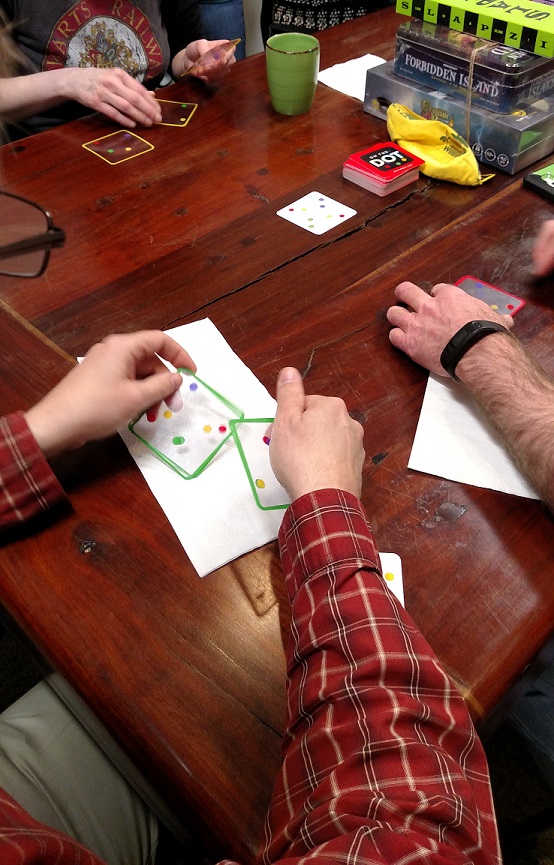
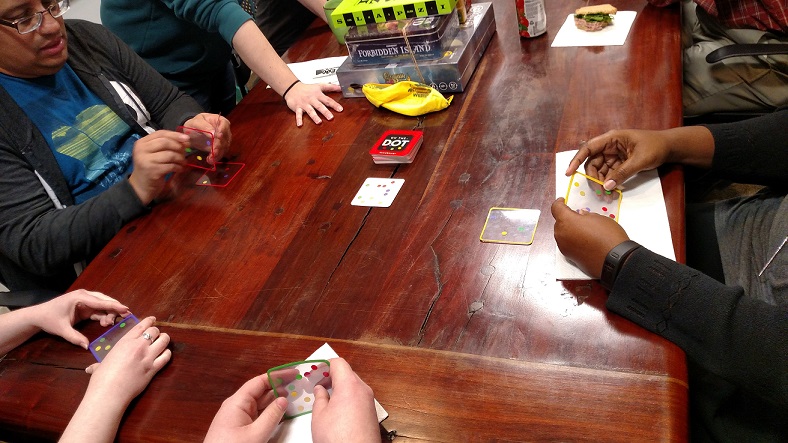
On the Dot is a pattern-matching game. Each player has four clear cards with randomly-placed colored dots on them, and it’s up to the player to arrange all four cards so that the colored dots showing match a given pattern. The first player to match three patterns would move on to the next round.

This two-winner-per-group arrangement is nice, because it offers people with different puzzle/game skills multiple chances to move on, instead of a one-and-done scenario. The two games also allow two different quartets to compete at the same time; as one group plays Bananagrams, the other plays On the Dot. Since we only had our lunch hour to complete round 1 (and 16 competitors crammed into the conference room), time was of the essence.

My group was first to compete in Bananagrams, and as the sole representative for PuzzleNation in the tournament, I was determined to make a strong showing for the brand.

Things started off smoothly. We had 21 tiles to start with, and I quickly formed a strong anchor word with DONKEY. But before long, my puzzly competitors proved their own skills were formidable, as cries of “Peel!” began to ring out, and the tile pile quickly diminished.

Honestly, I don’t think I said “Peel” once. I was always close to completing my grid, but never fast enough. But I seized my chance once the tile pile was empty. I only had a few letters left, and some quick anagramming had me confident. I called “Bananas!” and the judges came over to check my grid.

But alas, I’d made an error. I had originally played the word MAKO in part of the grid, then stole the M and A to form other words, intending to come back and fix that part later. But in my overzealousness, I left KO in the grid, which is not a word, so I was disqualified. Curses!

The player to my left was only about a half-second behind me, and she made no clumsy errors. Her grid was clean, and she was declared the first winner from our group to move on.

I would have to try my luck at On the Dot if I hoped to salvage the day.

We switched games with the other competing foursome at the table, and distributed the clear cards for the next contest: On the Dot.

Although I was disappointed with my performance in Bananagrams, I remained confident going into On the Dot, since I’m fairly strong in pattern-matching and similar forms of puzzling.

The first pattern to match was revealed, and we were off!

On the Dot really consists of two skills: being able to place the cards so the dots are in the right places AND hiding the dots and colors you don’t need. That second part can be more difficult than simply matching the pattern, honestly. If you need a yellow dot in a certain spot and nothing near it, it’s not good enough to have a yellow dot in that spot and a purple one right beside it.

I quickly cracked the first pattern, earning 1 point (and a few groans from the other competitors in my quartet).

I was able to follow that with two more victories, earning three points and a clean sweep. I was officially bound for Round 2. Huzzah!

Several other competitors that day turned in similarly dominating performances in On the Dot, while other rounds were hotly contested and came down to the wire.

The rounds of Bananagrams were a little bit slower, but still interesting. I wasn’t the only competitor who was snake-bit by improper words in Bananagrams that day. NAT disqualified one competitor, while NI disqualified another. (At least, according to the online Scrabble Dictionary we were using as our source. No matter what those knights say.)

One of the games ended in a deadlock, as neither player remaining could complete their grid. Another ended in so contentious a fashion that a tiebreaker game was needed to determine a winner!

Fortunately, the judges were prepared for this possibility, and a quick round of Slapzi was used to settle any such ties/issues.

Slapzi is a quick-reaction game where each player is dealt five double-sided cards. Each card has a unique image on each side — everything from dogs and fire hydrants to ladybugs and lawnmowers. Then a description card is played — “has two syllables” or “made of wood,” for instance — and the first person to play one of their cards that matches the description drops that card from their hand. The first person to empty their hand wins.

Between the three games, eight competitors moved on to round 2 (including last year’s champ), one step closer to a grand prize of a Game Night Gift Pack, complete with snacks!

But that’s not all. The winner would also get a crown and scepter to carry around, in order to better lord their victory over their vanquished foes!

With a prize pack and a shot at becoming Tabletop Tournament Royalty on the line, things just got a lot more interesting.

To be continued…

[You can check in on the next round of the tournament live on Tuesday on our Instagram account!]


Thanks for visiting PuzzleNation Blog today! Be sure to sign up for our newsletter to stay up-to-date on everything PuzzleNation!

You can also share your pictures with us on Instagram, friend us on Facebook, check us out on TwitterPinterest, and Tumblr, and explore the always-expanding library of PuzzleNation apps and games on our website!

PuzzleNation Blog Looks Back on 2017!

2017 is quickly coming to a close, and as I look back on an eventful year in the world of puzzles and games, I’m incredibly proud of the contributions both PuzzleNation Blog and PuzzleNation made to the puzzle community as a whole.

Over the last year, we explored board games and card games, strategy games and trivia games, dice games and tile games, do-it-yourself puzzlers and pen-and-paper classics. We met game designers, constructors, artists, and creative types of all kinds.

We unraveled math puzzles and tackled the Crossword from Hell. We accepted the challenge of diabolical brain teasers, optical illusions, Internet memes, and more, even pondering our place in the world of puzzles as electronic solvers like Dr. Fill and AlphaGo rise in capability.

We delved into puzzle history with posts about the legacy of female codebreakers in World War II, game dice from centuries ago, theories about Shakespeare’s secret codes, and the long history of cryptography and the NSA. We brought to light valuable examples of puzzles in art, popular culture, famous quotations, and even the natural world as we pondered whether bees are verifiable problem-solvers like crows and octopuses.

We spread the word about numerous worthwhile Kickstarters and Indiegogo campaigns, watching as the puzzle/game renaissance continued to amaze and surprise us with innovative new ways to play and solve. We shared worthy causes like Puzzles for Progress, as well as amazing projects like new escape rooms, dazzling corn mazes, and the ongoing Kubrick’s Game interactive experience.

We cheered the 75th anniversary of the New York Times Crossword, and chronicled the many celebrations that marked the occasion, from guest crossword constructors like Bill Clinton and Lisa Loeb to a puzzle-centric cruise across the Atlantic!

We also mourned as friends and fellow puzzlers passed on. We said goodbye to David Lindsey and Raymond Smullyan, two underappreciated giants of the field. The pun-fueled show @midnight this year, which inspired our monthly hashtag game, also closed up shop, sadly.

We celebrated International TableTop Day, made puzzly bouquets in honor of International Puzzle Day, marveled at the records broken at the Rubik’s Cube World Championship, attended the American Crossword Puzzle Tournament and New York Toy Fair, and dove deep into an ever-expanding litany of puzzle events like the Indie 500, BosWords, Lollapuzzoola 10, and Crosswords LA.

We found puzzly ways to celebrate everything from Pi Day, the Super Bowl, and Star Wars Day to Halloween, Thanksgiving, and Christmas, and we were happy to share so many remarkable puzzly landmark moments with you. We even discovered Puzzle Mountain!

It’s been both a pleasure and a privilege to explore the world of puzzles and games with you, my fellow puzzle lovers and PuzzleNationers. We marked five years of PuzzleNation Blog this year, I recently penned my 800th blog post, and I’m more excited to write for you now than I was when I started.

And honestly, that’s just the blog. PuzzleNation’s good fortune, hard work, and accomplishments in 2017 went well beyond that.

Every month, we delivered quality content for the Penny Dell Crosswords App. From monthly deluxe sets and bonus boxes to Dell Collection sets and holiday bundles, dozens upon dozens of topnotch puzzles wended their way to our loyal and enthusiastic solvers.

And just last month, we launched our newest puzzly endeavor — Daily POP Crosswords — bringing you fresh, up-to-date cluing and relatable themes in world-class puzzles created by some of the industry’s best constructors! (Many of whom you’ve gotten to know in our recent interview series, Meet the Daily POP Crosswords Constructors!)

But whether we’re talking about the Penny Dell Crosswords App or Daily POP Crosswords, I’m proud to say that every single puzzle represents our high standards of quality puzzle content crafted for solvers and PuzzleNationers.

And your response has been fantastic! Daily POP Crosswords is thriving, the blog has over 2200 followers, and with our audience on Facebook, Twitter, Instagram, and other platforms continuing to grow, the enthusiasm of the PuzzleNation readership is both humbling and very encouraging.

2017 was our most ambitious, most exciting, and most creatively fulfilling year to date, and the coming year promises to be even brighter.

Thank you for your support, your interest, and your feedback, PuzzleNationers. The new year looms large, and we look forward to seeing you in 2018!


Thanks for visiting PuzzleNation Blog today! Be sure to sign up for our newsletter to stay up-to-date on everything PuzzleNation!

You can also share your pictures with us on Instagram, friend us on Facebook, check us out on TwitterPinterest, and Tumblr, and explore the always-expanding library of PuzzleNation apps and games on our website!

Tabletop Day 2017: PuzzleNation Style!

tabletopday_logo

Saturday, April 29, is the fifth annual International Tabletop Day! Whether you play board games, role-playing games, card games, dice games, puzzles, or logic games, this is the holiday for you, family, and friends to come together and play games

Although the actual holiday is tomorrow — making today Tabletop Day Eve — we celebrated early! The PuzzleNation Crew got together with our friends from Penny Dell Puzzles for a few hours of Tabletop Day fun on Tuesday! Games were played, snacks were consumed, and fellow puzzlers and PuzzleNationers were introduced to some terrific games.

tabletopday20171

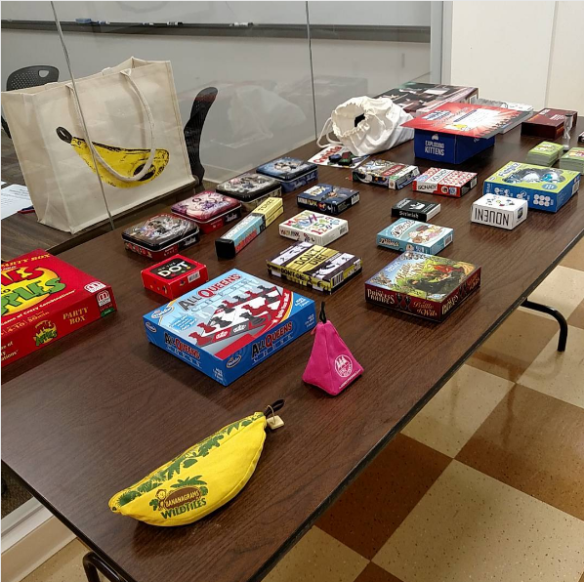
[The spread of games available for the event. Can you name them all?]

As usual, the event started with people picking out their favorites and introducing new players to the game. Tsuro, a path-laying tile game where each player maneuvers a flying dragon across the board, was immediately snatched up by our first group of players.

While one table was occupied with Tsuro, I introduced several players to the quick-play pattern-matching card game Loonacy, which always lives up to its name. The fast-paced play and constantly changing images to match make for a fun intro game or a palate cleanser between longer-play games.

tabletopday20174

More hands of Loonacy followed as the Tsuro players moved on to the runaway Kickstarter sensation Exploding Kittens. The players bravely tried to avert and avoid the catastrophes induced by various adorable, oblivious. combustible cats.

But, as you can see from the photo above, everything game-related immediately came to a halt when Tabletop Day Cake arrived!

Shout-out to fellow puzzler Jen Cunningham for delivering a delicious dice-shaped treat fit for experienced tabletoppers and board game newbies alike!

tabletopday20172

After a much-appreciated cake break, we switched to dice games as several players filled their hands with colorful cubes and played Tenzi.

There’s something very enjoyable about hearing players shaking big handfuls of dice and preparing to roll them all at once. It’s like a drumroll. Great stuff.

As some players returned to work, others filtered in, and we opted to close out our Tabletop Day celebration with a bit of Apples to Apples.

It was a silly, mellow way to wrap up a terrific session of gaming. Another marvelous Tabletop Day success!

tabletopday20175

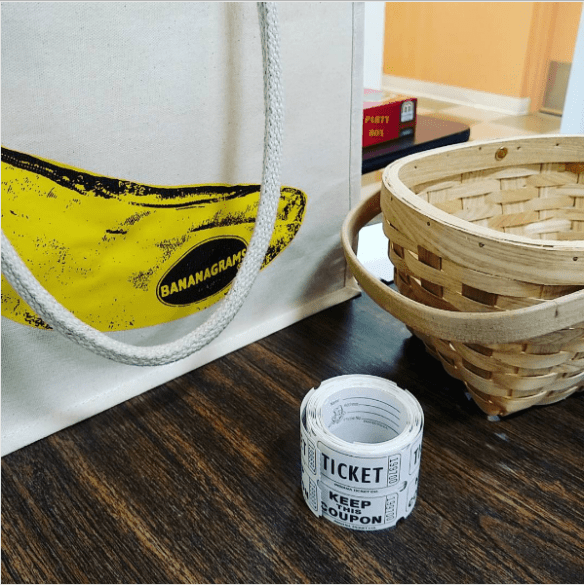
[Naturally, people waited with baited breath to see who won our raffle AND this terrific Bananagrams tote bag full of games and goodies!]

So, fellow puzzlers and PuzzleNationers, how are you celebrating International Tabletop Day tomorrow? Let us know in the comment section! We’d love to hear from you! And remember to check out Tuesday’s post for ideas on how to participate in a Tabletop Day event near you!


Thanks for visiting PuzzleNation Blog today! Be sure to sign up for our newsletter to stay up-to-date on everything PuzzleNation!

You can also share your pictures with us on Instagram, friend us on Facebook, check us out on TwitterPinterest, and Tumblr, and explore the always-expanding library of PuzzleNation apps and games on our website!