What Belongs in Crosswords: Another Look

Years ago I wrote a blog post discussing how crosswords have to walk a tightrope, balancing topicality and freshness vs. familiarity and family-friendly content.

I mentioned that older solvers may decry newer names, slang, terminology, or pop culture references, while younger solvers will bemoan not just older references they consider passe, but long-established crossword-friendly words they quickly tire of seeing.

And it’s frustrating to still encounter an elitist mentality when it comes to certain crossword solvers.
Now, you’re obviously allowed to have preferences when it comes to grid fill and cluing. But there’s a line, and these elitists stomp across it, barking all the way.

I’ve had commenters rant about the “ignorant ghetto language” in the LA Times crossword, citing “sup,” “did,” and “street cred.” And recently, a commenter shared their annoyance at pop culture references in crosswords, claiming that “doing a puzzle is a test of one’s general knowledge of history, science, and the arts.”

And I’m sorry, but that’s simply untrue. Doing a puzzle — specifically a crossword — is a test of one’s ability to answer clues, deduce words from letter placement, and test one’s vocabulary and knowledge of MANY facets of culture, pop or otherwise.
Different venues will provide different solving experiences, and you’re welcome to cherry-pick your crossword outlets that fit your preferences, but you don’t get to wholesale dismiss other puzzles, grid fill, clues, and content simply because you consider it beneath you.

In the past, I pondered the idea of the “average solver” — something my fellow blogger and puzzler Rae also wrote quite eloquently about — and we both came to the same conclusion: crosswords are better when they try to reach further, to challenge, to evolve.

As Rae wrote:

If we construct a puzzle for the average solver, are we really constructing a puzzle for anyone at all? Or has all the life been sucked out of the puzzle, all the potential for anyone to connect with its quirks?

I love seeing a constructor’s preferences, humor, and interests reflect in a puzzle’s grid fill and cluing. There’s such personality to it!

And it’s a very slippery slope to want puzzles limited to what YOU consider relatable.

Years ago, I was amazed when anyone outside the tri-state area had heard of Action Park, but now, thanks to a documentary about that now-infamous entertainment venue, I wouldn’t be surprised to hear it referenced by someone from either coast of the US or beyond!

Mystery Science Theater 3000, the beloved comedy show where a presenter and their robot chums throw zingers at z-grade movies, used to be famed for its Wisconsin- and Minnesota-specific references and humor. As a teenager from Connecticut, I didn’t get all of them (thankfully, a friend from Wisconsin was able to fill those knowledge gaps for me), but I still very much enjoyed the show.

Later, when it was brought back through Kickstarter campaigns and a Netflix revival, writers from outside the Wisconsin/Minnesota area got to add their experiences and references to the show. Some fans complained that it was no longer their niche little treat, but I for one loved hearing references from my pop cultural childhood that never would’ve graced an MST3K episode from years past.
It’s fine not to know something. It’s not a flaw.

I certainly have my weaknesses when it comes to certain topics and fields of interest. Anyone matched up against me in Learned League should be rooting for questions about flowers, artists, and the names of athletes. I haven’t put in the time to educate myself on those topics, so I can’t be mad when I don’t get some of those trivia questions.

But when it comes to crosswords, I don’t get angry when I don’t know an entry or a reference. I look it up and learn and move on. Hardly a week goes by without learning a new word or phrase from Puzzmo crosswords and cluing. Heck, I’ve lost count of the cultural references and names I’ve learned from collections like A Trans Person Made Your Puzzle and Juliana Pache’s Black Crosswords!

There’s no shame in not knowing something.

There SHOULD, however, be shame in refusing to learn. There SHOULD be shame in excluding things that don’t fit YOUR definition of “culture.” To dismiss pop culture, to dismiss the unfamiliar, is to limit yourself and diminish the art of crosswords.

To argue, as that commenter did, that “sports, transient celebrities, and TV shows” aren’t part of general knowledge or are somehow inferior to their definition of “culture” is unfortunately fighting the tide of how culture works.
Puzzles are constantly evolving as we evolve, and whether you call it culture or pop culture, it all belongs in a crossword grid. We should be making puzzles MORE inclusive, not less.

In closing, I am inspired one last time by our commenter, who said that “a quote from Virginia Wolfe is more resonant than the title of a children’s book written by a former model or ice skater.”

So let’s wrap up this post with a quote from both Virginia Woolf and a quote from a children’s book with quite the resonant title, shall we?

“Lock up your libraries if you like; but there is no gate, no lock, no bolt that you can set upon the freedom of my mind.” — Virginia Woolf, A Room of One’s Own

“I’ll solve a puzzle, read a book, and learn a fun new fact!” — Jessica Hische, Tomorrow I’ll Be Brave

Happy puzzling, everyone!

A Language Barrier Preventing Game Sales?

Image courtesy of The Wall Street Journal.

I’ve written a lot this year about how political decisions have impacted the games industry.

With Trump’s wildly inconsistent implementation of tariffs, we’ve already seen game companies close, cancel projects, and try to right the ship amidst uncertain costs, supply opportunities, and factory dealings.

But the United States isn’t the only place where politically motivated choices are hurting businesses focused on gaming.

It’s happening in Quebec as well:

The very livelihood of these hobby shops and game stores are threatened by Bill 96 (aka Law 14). How so?

Well, one of the rules implemented by Bill 96 involves product labeling:

Starting June 1, 2025, if a registered trademark within the meaning of the Trademarks Act appears on one of your products that includes a generic term or a description of the product in a language other than French, that information must also appear in French on the product.

This means that ALL of their game materials, models, paints, and accessories must include a French translation. They cannot stock them without fulfilling these conditions.

Unfortunately, most of these products simply aren’t available in French. They’re too niche or too focused on the English speaking market (and understandably so), so there’s no incentive for special print runs to accommodate Quebec law.

But it’s not going to punish the consumer, just the store owners. Consumers will be pushed to purchase the same products online (where Bill 96 doesn’t apply), and the hamstrung store owners will lose out on those sales entirely.

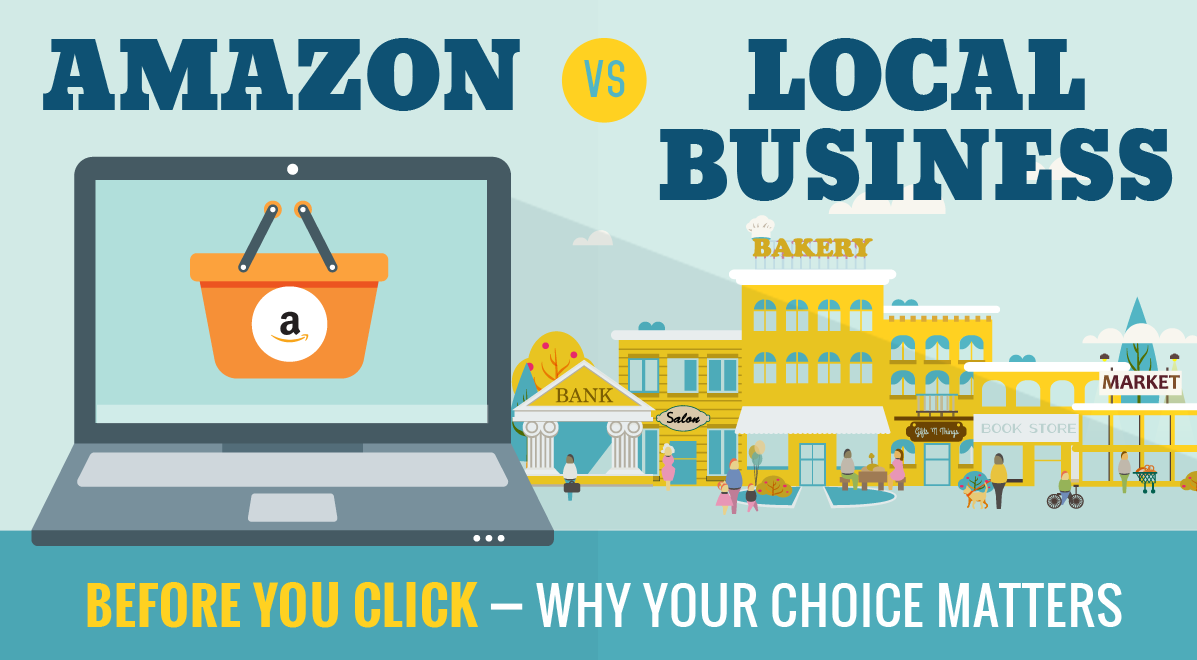
This hurts small businesses directly while pushing customers toward juggernauts like Amazon. And all for a law that’s more about political theater than actually serving the public.

It’s hard enough to run a game company or a game store these days. It would be nice if shortsighted, poorly thought-out government mandates avoided making it borderline impossible to build a brand, serve an audience, or entertain folks for a few hours with a fun distraction.

Here’s hoping all the nonsense stops soon and game companies, hobby shops, and gaming enthusiasts can enjoy their efforts in peace.

A Summer Camp for Games?

Hey, are you in the Boston area and looking for the perfect summer activity for the young game designers in your life?

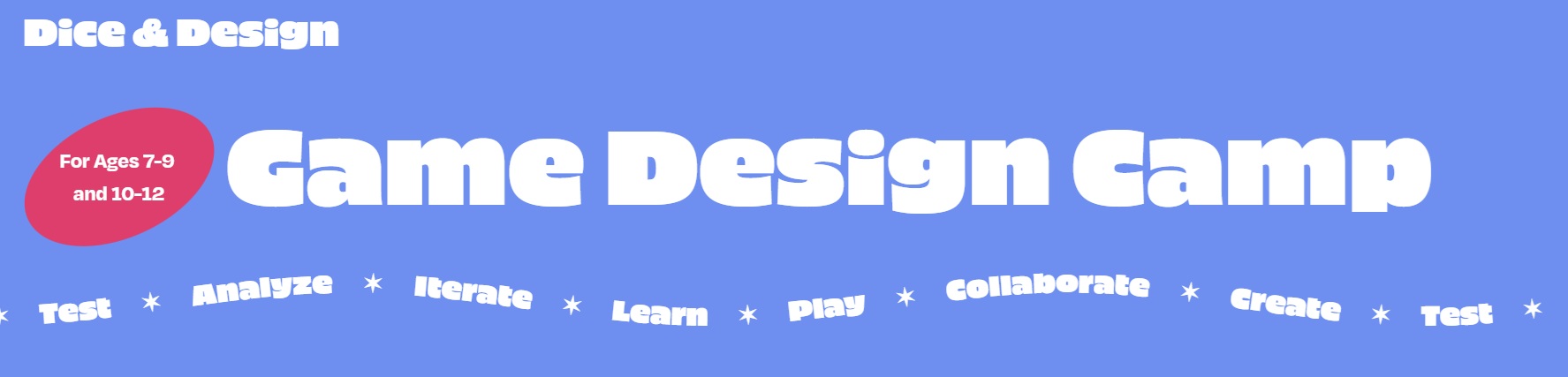
You should check out the Dice and Design Games Summer Camp in Belmont, MA!

This summertime gaming festival of fun is the creation of Caro Murphy, an award-winning game designer who not only founded the Boston Festival of Indie Games, but has lectured on game design at the university level and contributed heavily to Disney’s Star Wars: Galactic Starcruiser interactive experience and Club Drosselmeyer events like this year’s Cthulhu Luau!

They’ve put together a five-day program to teach kids about game design and help them create their own card games, board games, roleplaying games, or LARPs, whatever interests them!

With morning and afternoon sessions to choose from, this seems like an awesome way to get the youngsters in your life started on a lifelong journey of game creating, appreciating, and collaborating.

Go to diceanddesign.com for more details on this event. (Thank you to the team at Club Drosselmeyer for spreading the word!)

Do you know of any other kid-friendly puzzly or game-fueled events happening this summer, fellow puzzlers? Let us know in the comments section below! We’d love to hear from you.

The Riddle of the Two Guards

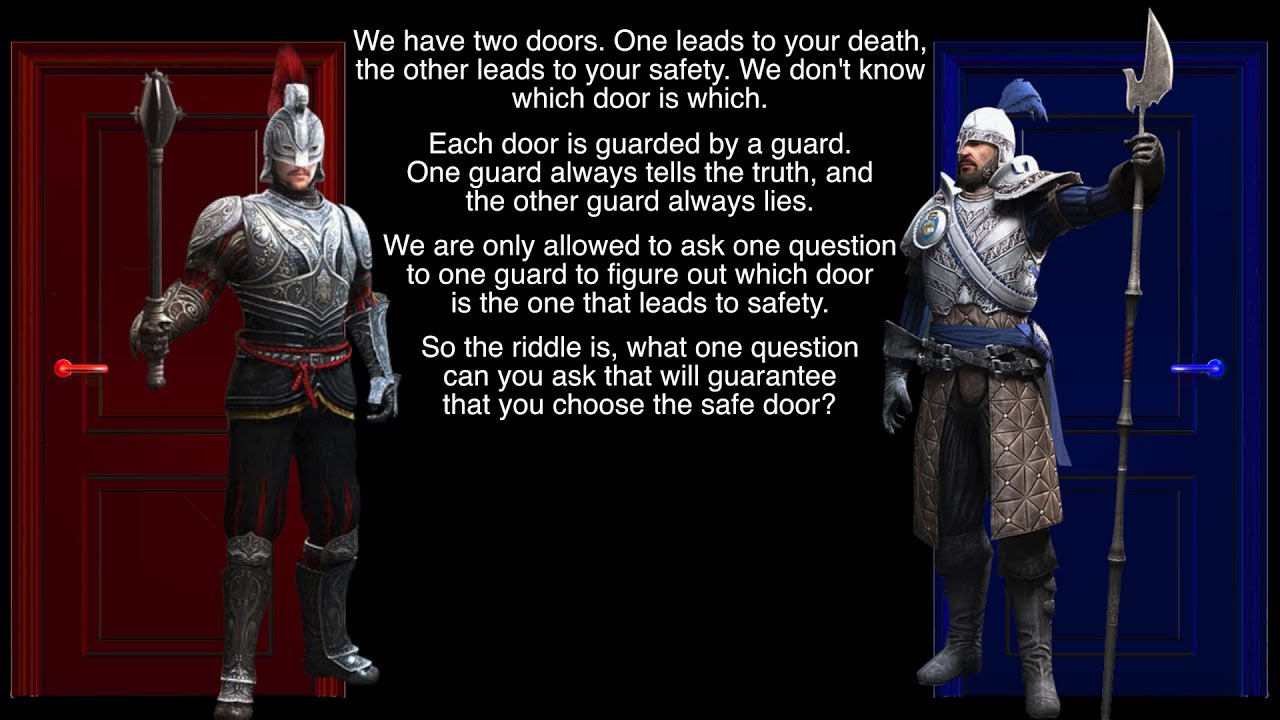
Hey there, fellow puzzler. Stop me if you’ve heard this one before:

Ah yes, the riddle of the two guards. Also known as the two doors puzzle, the two guards/two doors puzzle, and, my personal favorite, that awful crap riddle.

It’s easily the most famous example of a Knights and Knaves logic puzzle, which all work off the idea of individuals who always lie or always tell the truth, and a solver who needs to deduce how to proceed.

I think the best and most colorful presentation of the riddle was in the film Labyrinth, thanks to Jennifer Connolly and some very lovely puppetry:

I’ve always wondered about this riddle. Is there a sign posted that explains the rules? Because otherwise, you’d assume the guard who tells the truth would have to explain the rules…

Unless the one who lies tells you the rules, which are a lie, and it’s a trap and you’re totally screwed!

Geez, this is getting complicated already.

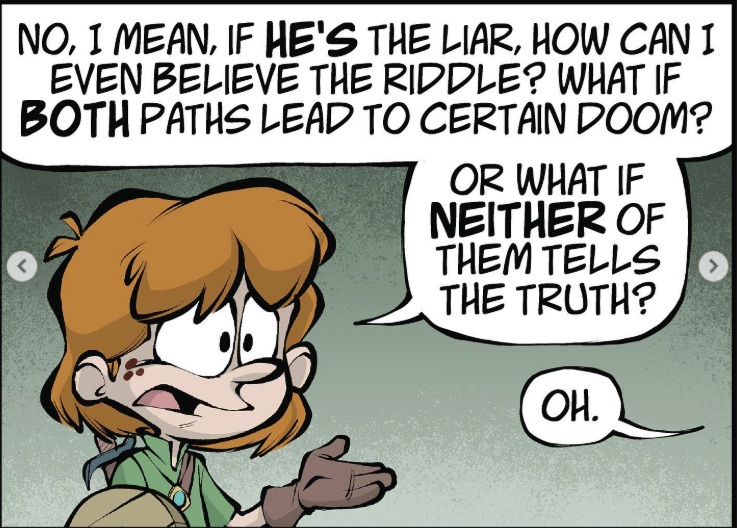
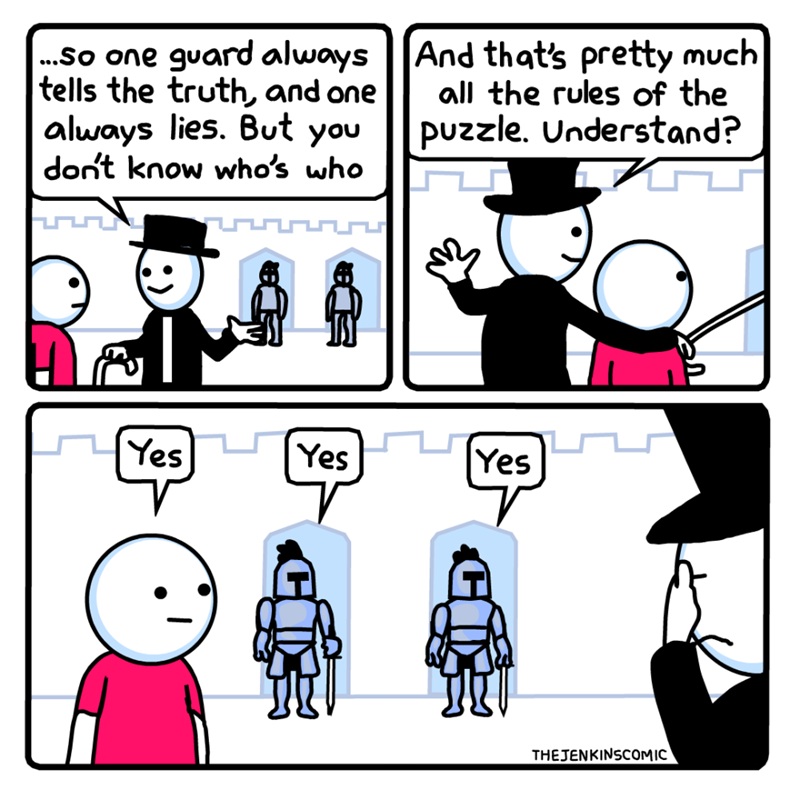
Oh good, I’m not the only one who agonizes over this sort of thing. Image courtesy of Crabgrass Comic.

Let’s assume the rules are fair. There’s a guard who always lies and a guard who always tells the truth, and you need a single question to root out which door is the safe one to enter.

The traditional answer is to ask one guard which door the OTHER guard would say leads out.

But what if one of the guards is INVISIBLE?!

If the guard you asked is the one who lies, then he will lead you astray by telling you (falsely) that the other guard—the truthful guard—will point you towards door B. This makes door A the safe bet.

If the guard you ask is the one who tells the truth, he will tell you (honestly) that the other guard—the lying guard—will point you towards door B. This makes door A the safe bet.

In both cases, the outcome is the same: walk through the opposite door.

Naturally, people have tried to find ways around this.

Some suggest that you ask the guards to walk through their respective doors and report back what they see. I don’t know that this would work, because it’s not clear if the guards would have to follow your orders. Also, we don’t know if certain doom for US would be certain doom for the guards. If they both walk out totally fine, it probably won’t work.

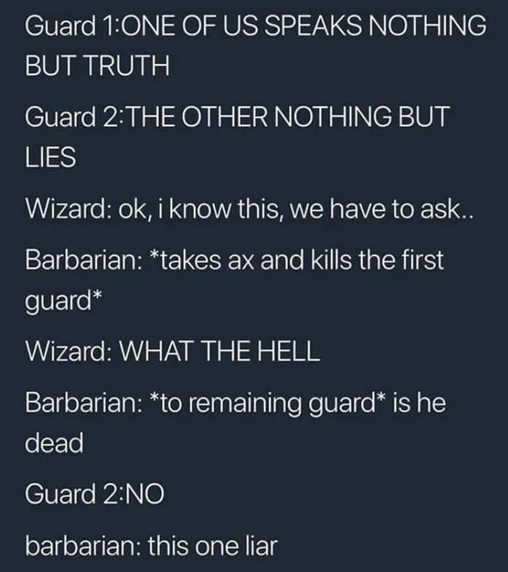
For another option, you can act in typical Dungeons and Dragons-fueled fashion and use what I call the direct approach:

But unfortunately, it misses the meat of the riddle. It’s not just knowing which guard lies and which guard tells the truth, it’s about knowing which door to take as well.

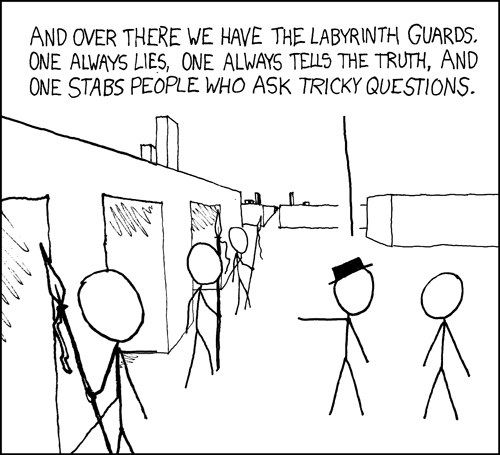
Of course, if you believe the folks at XKCD, there are consequences for cleverness as well:

Although it is a riddle easily given to weasel words and pedantry, it has led to some wonderful comedy.

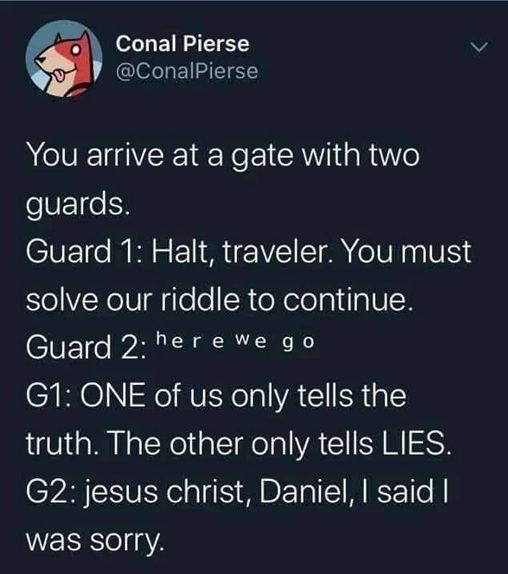
This joke, for instance, gives us some much-needed backstory to the guards and their current circumstances:

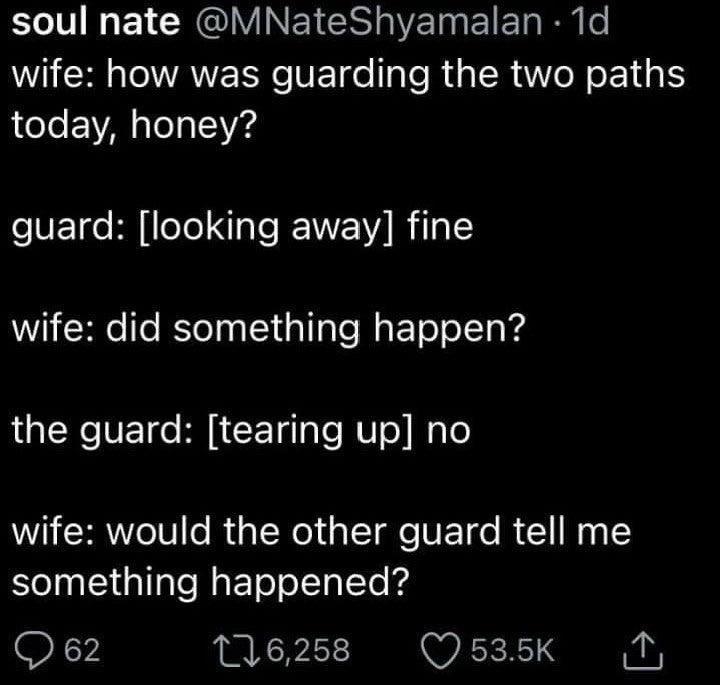
In a similar vein, this one lets us see one guard’s life after clocking out for the day:

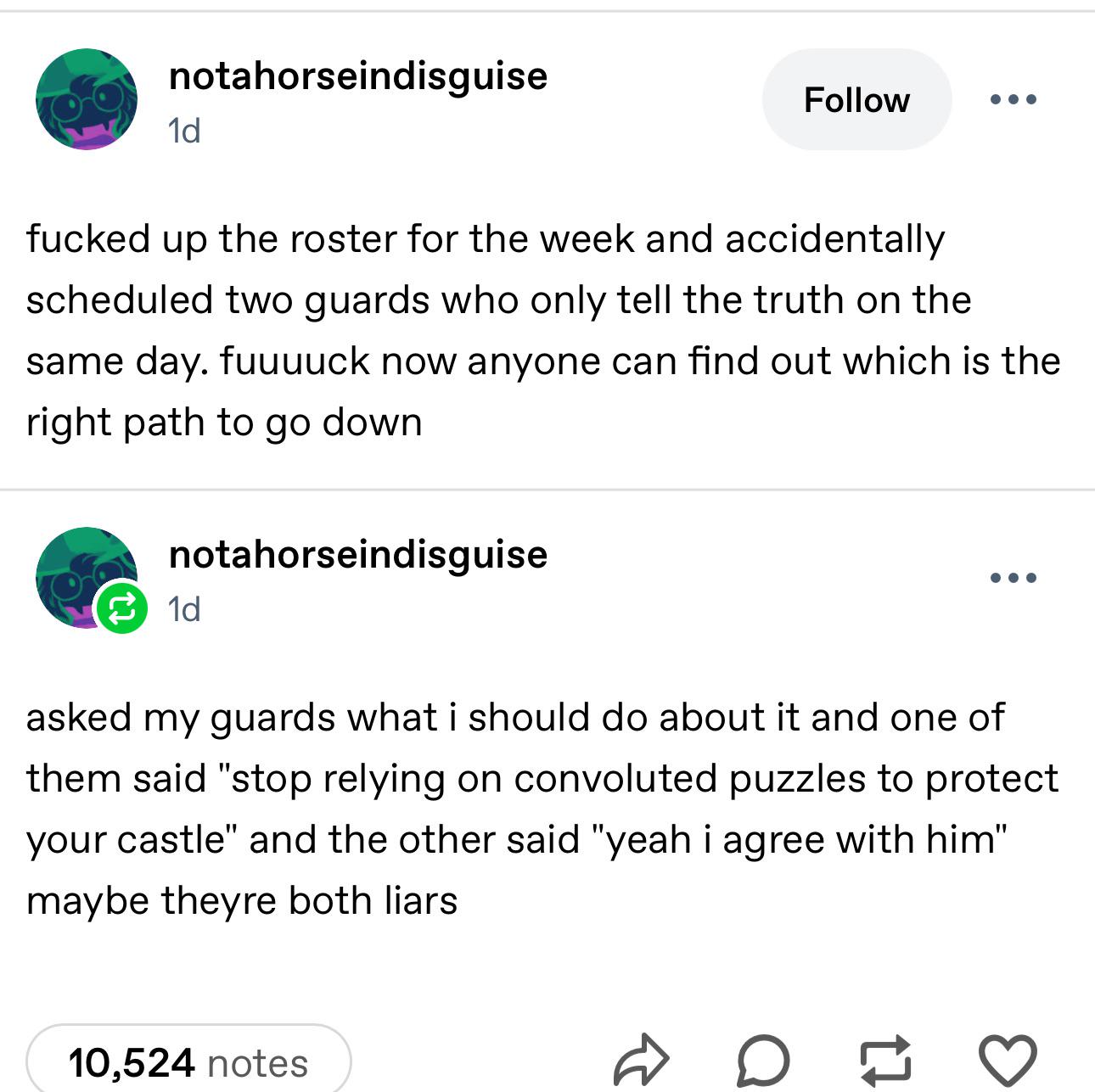
I also enjoy this one, which ponders what sort of person would employ a riddle like this as a security measure in the first place:


So I put it to you, fellow puzzler: how would you tackle the riddle of the two guards? Labyrinth style? Barbarian style? Or have you conjured up a different question to ask the guards?

Let us know in the comment section below. We’d love to hear from you!

More Names Depart D&D! What Does It Mean for the Brand?

It’s a little sad that the only time Dungeons & Dragons hits the headlines these days, it’s for stupid behind-the-scenes reasons and not terrific storytelling reasons.

Over the last two years, Dungeons & Dragons has been in the news for:

-trying to destroy the third-party market from which they profited by releasing a new OGL (the gaming license that allows third-party companies to make content for the D&D brand)
-repeatedly using AI-generated material after claiming they would not
-sending actual Pinkerton agents to someone’s house for revealing a Magic the Gathering product ahead of time
-being accused of racial stereotyping and social tone-deafness for one of the playable races in Spelljammer
gutting their Sigil team and continuing to push for more AI-fueled content (including the idea of AI Dungeon Masters to run their games)

Except for the successes of Baldur’s Gate 3 (which is more due to the video game company than Wizards of the Coast or Hasbro) and the D&D movie (which has no follow-up plans that we’re aware of), it’s been a cavalcade of poor choices, mismanagement, and actions that seem designed to burn good will with the audience rather than build it.

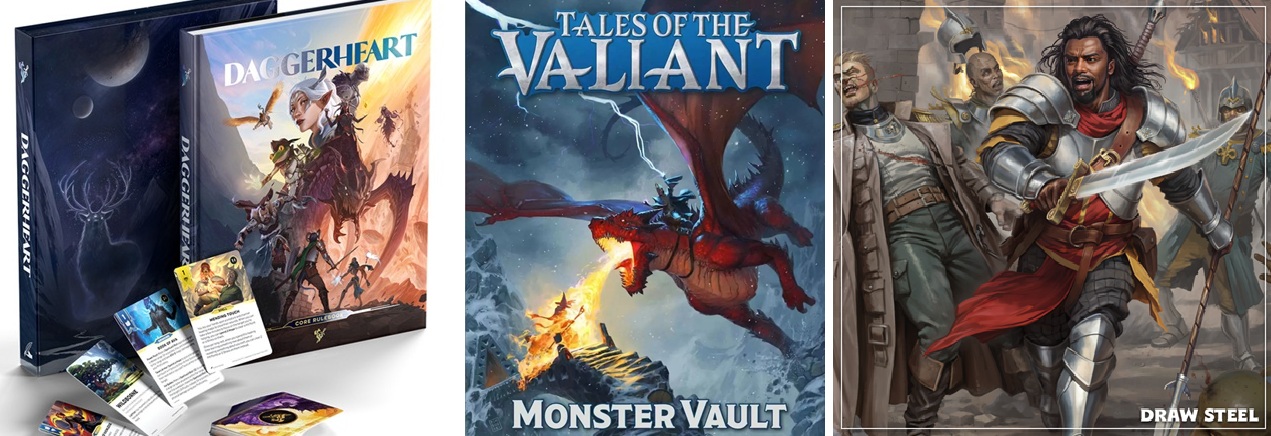
In the aftermath of the OGL scandal, several competitors have risen to challenge D&D’s status as the RPG juggernaut, including Matt Colville’s MCDM RPG/Draw Steel, Kobold Press’s Tales of the Valiant, and Critical Role/Darrington Press’s Daggerheart.

And now they’re hemorrhaging talent on the creative side as well.

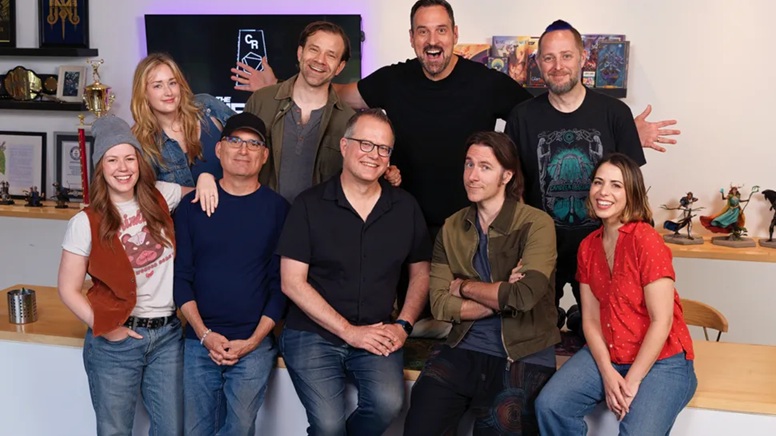
Back in April, Chris Perkins and Jeremy Crawford both departed from Wizards of the Coast, D&D’s parent company.

This was rightfully seen as a huge blow to the brand, as Perkins and Crawford were not just the most visible representatives D&D had to the playing public, but also the architects of modern D&D over the last two decades or so.

They were the smiling public faces that endured the slings and arrows from an unhappy fanbase, doing their damnedest to explain away the poor choices foisted on them by WOTC and Hasbro. Whatever good will the brand had, much of it was due to those two.

A few days ago, Perkins and Crawford announced they were joining Darrington Press, the publishers of D&D competitor Daggerheart, with the intent of producing new non-D&D RPG content. Given that Critical Role has been credited with a large chunk of D&D’s continued popularity over the last decade, seeing two of the most influential voices in D&D join them should give Wizards of the Coast shivers.

This week also marked the departure of two more important voices at WOTC, one by choice, and one not by choice.

Jess Lanzillo, vice president of the D&D brand announced she was stepping away from WOTC after eight years working on both Magic: The Gathering and D&D. She has been credited with pushing for new releases, helping shepherd 2024’s revised rules, and increasing branding opportunities for Magic: The Gathering.

Head of content (and face of much of D&D’s video/online content) Todd Kenreck announced he was laid off from D&D this week as well. Losing another popular public face of the brand — and doing so by choice this time — marks another short-sighted decision by WOTC/Hasbro higher-ups.

Now, let me be clear, I’m not ringing alarm bells and claiming that D&D is dying. Far from it. D&D IS roleplaying to so many people, and they could coast on that for years.

efArhae

But it’s worth noting that this FEELS like a sea change in the market. I would argue consumer confidence in D&D hasn’t been this low since the late 90s/early 2000s when the brand floundered wildly after the release of Fourth Edition (and the rise of Pathfinder in its wake), but that doesn’t mean doom and gloom.

All those alternatives are looking to build a name for themselves, particularly on the Darrington Press side by hiring Crawford and Perkins, as well as Daggerheart making waves by completely selling out every edition of their new releases.

Hasbro and WOTC desperately need to reassess what they THINK the audience wants, as well as what Dungeons & Dragons should be.

The ship isn’t sinking yet, but it’s leaking. And who knows when the iceberg might hit.

Boswords, Westwords, MoMath, and Free RPG Day: A Big Week for Puzzles and Games!

There’s so much going on this week in the intertwined worlds of puzzles and games to get into, so let’s skip the intro and get to the good stuff!

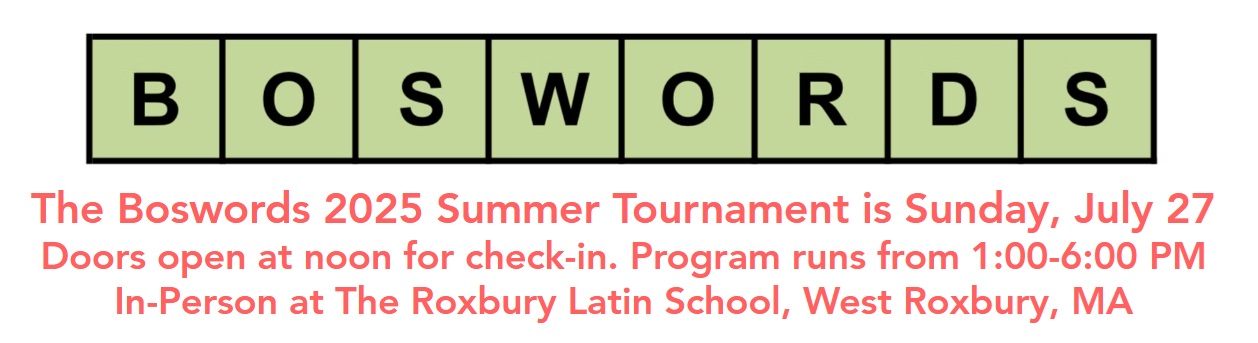
Boswords Summer Tournament registration is open!

Sunday July 27th marks the latest edition of the Boswords crossword puzzle tournament, and that’s only six weeks away! Thankfully, registration is now open to reserve your spot in this year’s event.

You can participate either in-person or online (as an individual or in pairs) and test your mettle in 5 themed puzzles and a themeless championship puzzle constructed by a marvelous lineup of cruciverbalists: Ross Trudeau, Chandi Deitmer, Hemant Mehta, John Harrington, Mary Tobler, and Quiara Vasquez!

Go to boswords.org for details, to register, or to sample content from previous Boswords events!


Westwords this weekend!

Boswords may be six weeks in the future, but the second annual Westwords Crossword Tournament is happening this Sunday, June 22nd!

This event is also being held both in-person and online, with four themed puzzles and two themeless/freestyle puzzles to challenge solvers. The list of constructors for this year’s event is quite impressive: Amie Walker, Caitlin Reid, David Steinberg, Kevin Christian, Nate Cardin, and Willa Angel Chen Miller!

Go to westwordsbestwords.com for full details and get in on the fun!


One Up Event at the National Museum of Mathematics (MoMath)

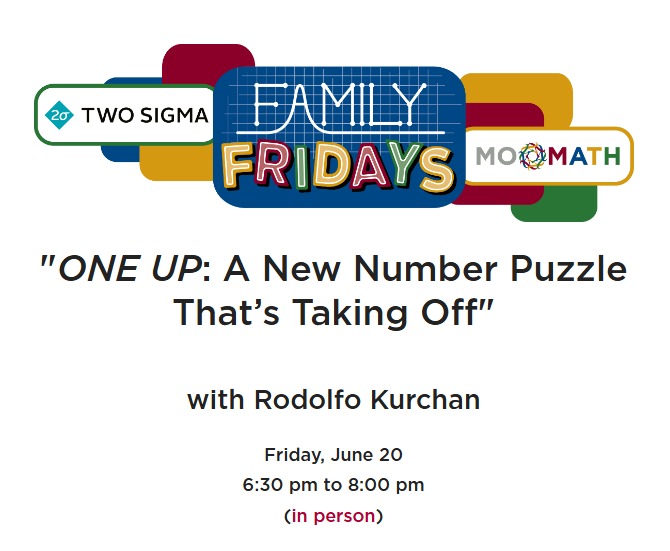
If you’re looking for a family friendly puzzly event to check out, MoMath has you covered on Friday, June 20th.

They’ve invited puzzler Rodolfo Kurchan to share the story behind the latest puzzle taking the world by storm, the logic puzzle One Up!

You can learn solving tricks, learn the origins of this puzzle, and spend some quality puzzling time with friends and family.

Go to momath.org/family-fridays for more details!


Free RPG Day

Last, but certainly not least, Free RPG Day is this Saturday, June 21st.

The concept behind Free RPG Day is simple. All over the world (but mostly in the United States), local game shops, hobby shops, and other outlets team up with RPG publishers to distribute new, fresh, and most importantly, free material for all sorts of different roleplaying games, systems, and settings.

Explore the world of roleplaying games at your friendly local game shop and pick up some game quickstarts and free swag along the way!


Will you be participating in any of these puzzle- and game-fueled activities this weekend, fellow puzzler? Let us know in the comments section below. We’d love to hear from you!