

I know Star Wars Day was a few days ago — check out the Star Wars crossword I constructed for May the Fourth — but while the spirit of that galaxy far, far away is still being celebrated, I want to recommend some Star Wars-infused fun for board game and RPG fans to savor.
Now, there are dozens, possibly hundreds, of Star Wars-themed games. But, as I proved with my history of Godzilla games, it can take a long time for a beloved franchise to get a tabletop game worthy of the subject matter.
Thankfully, there are some choice options out there with Star Wars sauce for your tabletop enjoyment.
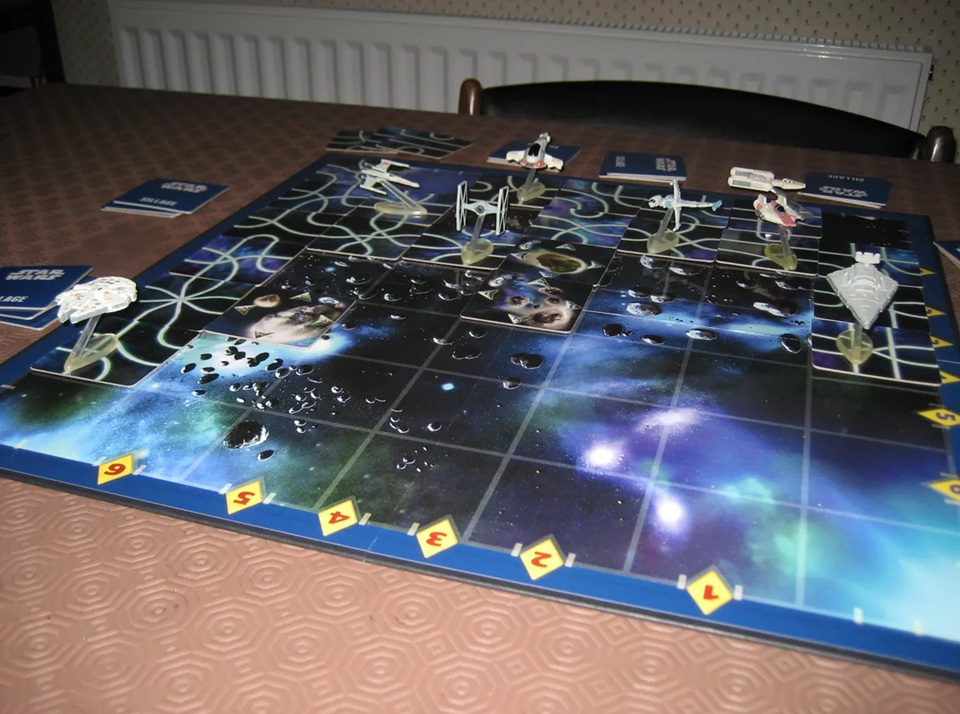
Star Wars: Asteroid Escape
In this space-based variation on the game Tsuro — one of my all-time favorite board games — you try to navigate your ship through space by laying tiles and following the path as it connects to other tiles. Each player is laying tiles, quickly filling up the board, so you need to grow more and more strategic with your plays as the stack of tiles dwindles.
But with asteroids also roaming the field of play, can you outlast every other ship on the board? This is a terrific mix of Star Wars flavor with everything that makes Tsuro fun and challenging. It might be hard to find, but it will be a welcome addition to your game shelf.
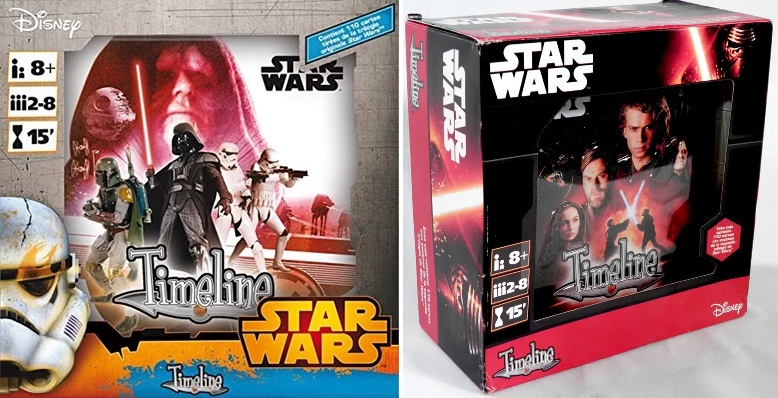
Star Wars: Timeline
I love the Timeline games. (I own nearly a dozen of them!) The simple act of trying to place your card in relation to other events on the table is both a great trivia experience and an opportunity to engage in some deduction and logical thinking.
So when I heard about Star Wars versions of Timeline, I happily snapped them up. With editions for both the original trilogy and the prequel trilogy, it will definitely exact a toll on your memory to see if you can precisely place key moments from the movies in the proper order.
Although easier than some of the other editions of Timeline (like their Inventions edition), this is still great fun for Star Wars fans of all ages.
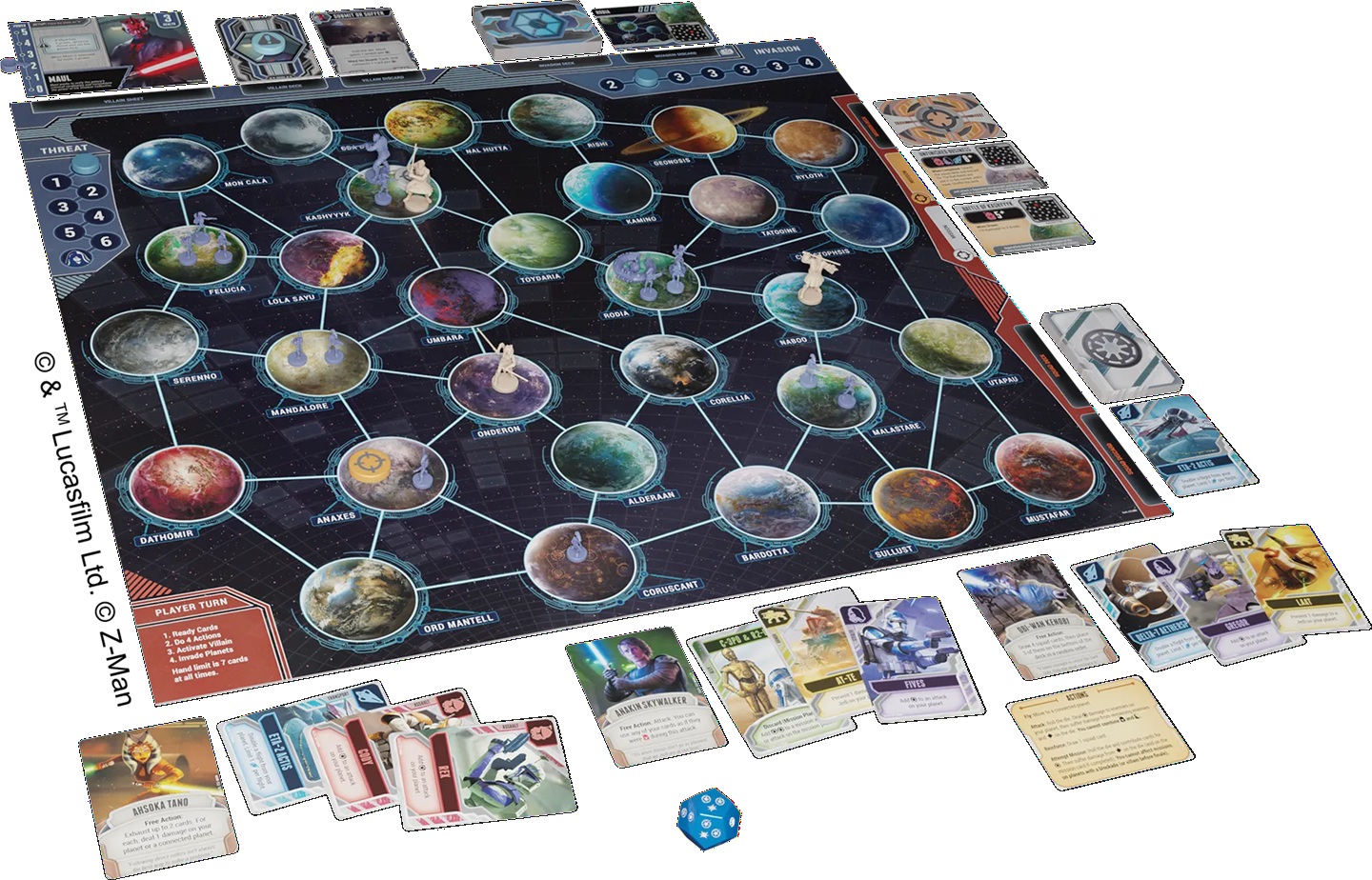
Star Wars: The Clone Wars
In this prequel era take on Pandemic, players take on the role of Jedi trying to battle back the onslaught of battle droids across the galaxy. Can you stop the spread of Confederacy forces by saving one world at a time?
While Star Wars versions of Risk and Monopoly are pretty much the same game with Star Wars seasoning, The Clone Wars takes the best of the Pandemic system and feels like it takes it in a fresh direction. This isn’t just another version of Pandemic, this is a very clever marriage of the two that takes the best from both.
Strategy and cooperation is absolutely key in this one, and the cooperative aspect separates it from many of the other games on today’s list.
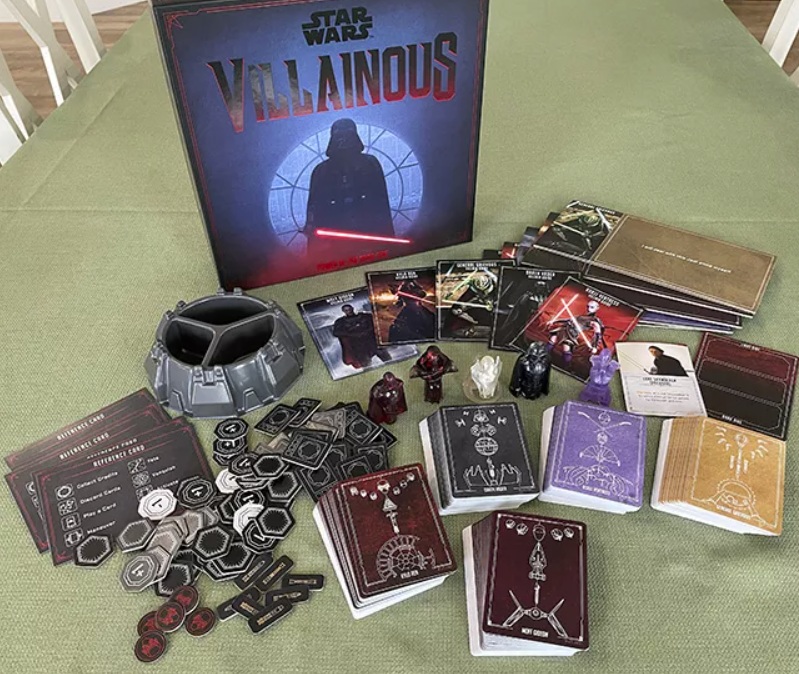
Villainous: The Power of the Dark Side
The Villainous games are amazingly well-designed games. Balancing different mechanics for four different villains as you try to achieve their goals and foil the efforts of the villains played by other players, this Disney franchise continues to expand and never disappoints.
And The Power of the Dark Side, their first Star Wars edition of the game, is one of the best versions of Villainous available today. With five villains to choose from — spanning the original, prequel, and new trilogies, as well as the Clone Wars TV show –there’s truly a villain here for any Star Wars fan.
Can you achieve your villainous dreams, or will the other evildoers at the table outmaneuver you and realize their darkest ambitions?
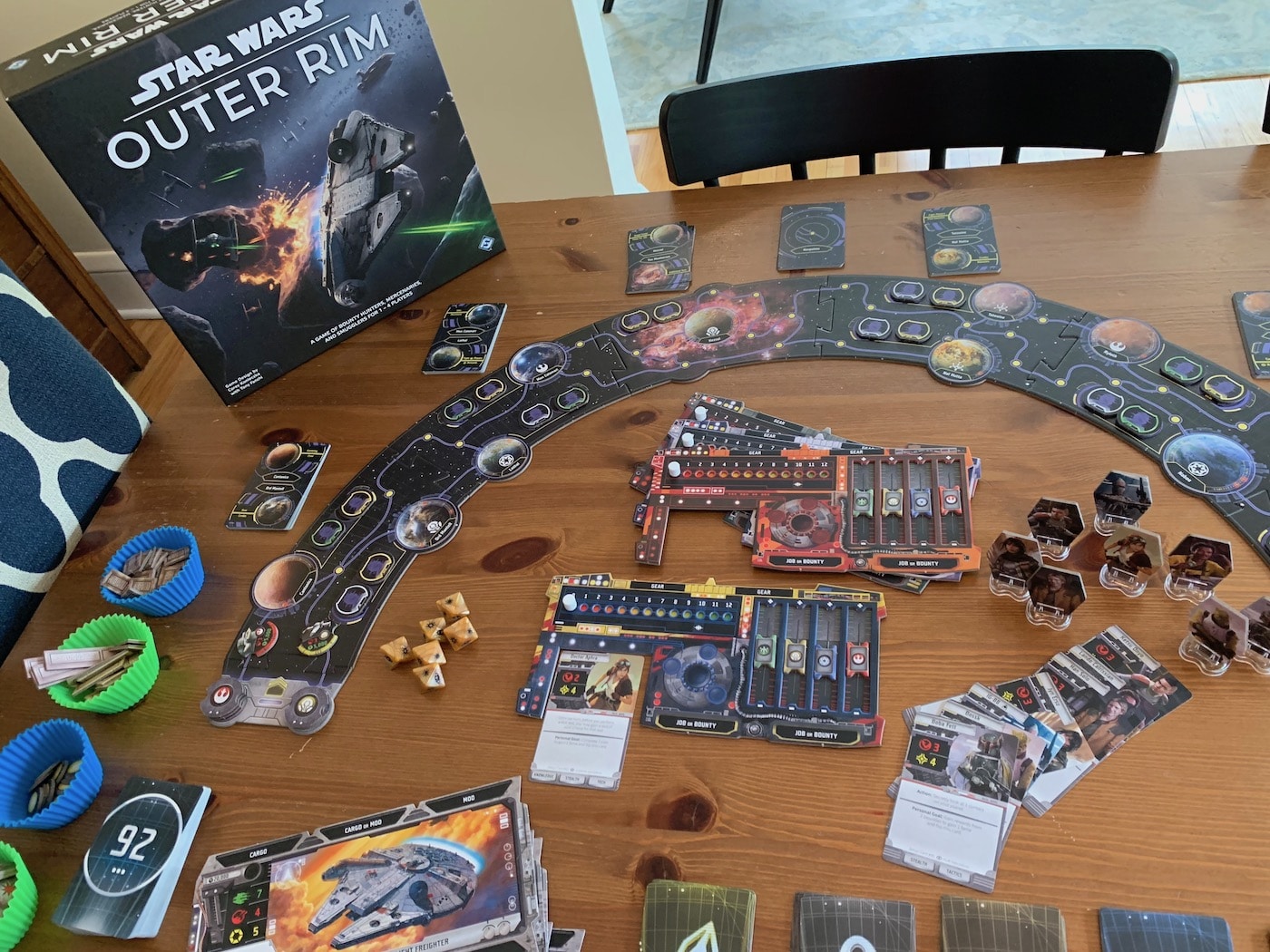
Star Wars: Outer Rim
Embrace your inner scoundrel with this game, where each player strives to complete jobs for their employers, collect bounties, smuggle cargo… you know, your usual day-to-day shenanigans in the Star Wars universe.
This game sorta gives you the roleplaying experience in a one-session microcosm. You’ll make your character, make your choices, upgrade your gear and your ship, and make some money, all while dealing with shady and dangerous folks. It’s a whole narrative arc crammed into a single sitting.
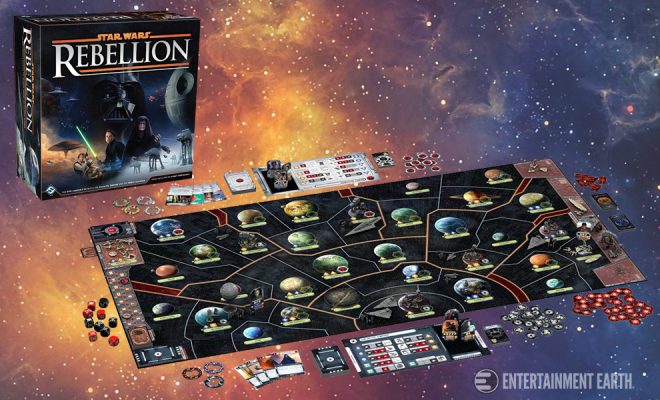
Star Wars: Rebellion
While Outer Rim is a personal journey, Rebellion is Star Wars on a galactic scale. This is full-blown war between the Rebellion and the Empire, where one side has a Death Star to build and an insurrection to crush, while the other builds alliances, plays cat-and-mouse with the Empire, and plots to destroy the Empire’s greatest weapon.
I’ve only played this game a few times — it’s expensive, a bit overwhelming, and takes a while to get good at — but it’s been a blast every time.
The tabletop scene for Star Wars sure is stacked, but there are plenty of terrific immersive options out there as well for roleplaying fans looking to explore the universe of Star Wars.
And while officially licensed games are great (I’ll be mentioning one below), sometimes the best stories are told in the shadows by companies that understand the spirit of that franchise, but can’t afford all the bells and whistles.
Here are two of my favorites:
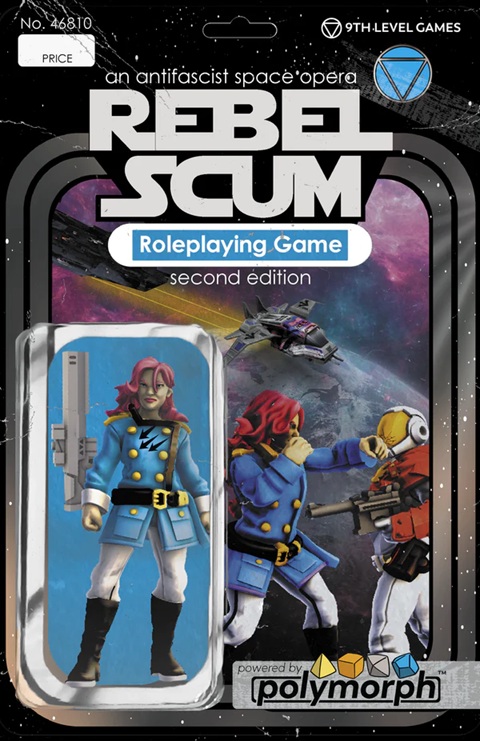
Rebel Scum
If, for any reason at all, you felt like punching a Nazi in the face, you can do so in Rebel Scum by 9th Level Games. Yes, they’re space Nazis running an evil empire, and you’re an intrepid anti-fascist trying to save the galaxy, but hey, punching Nazis, amirite?
This game manages to feel like an epic battle across the stars AND a session of playing with your favorite action figures all at the same time. It’s childhood wonder and all the heroic action we wish we could undertake as adults.
Will you stop Baron Deathray and his Killtroopers with a handful of dice and a lot of gumption? Only one way to find out.
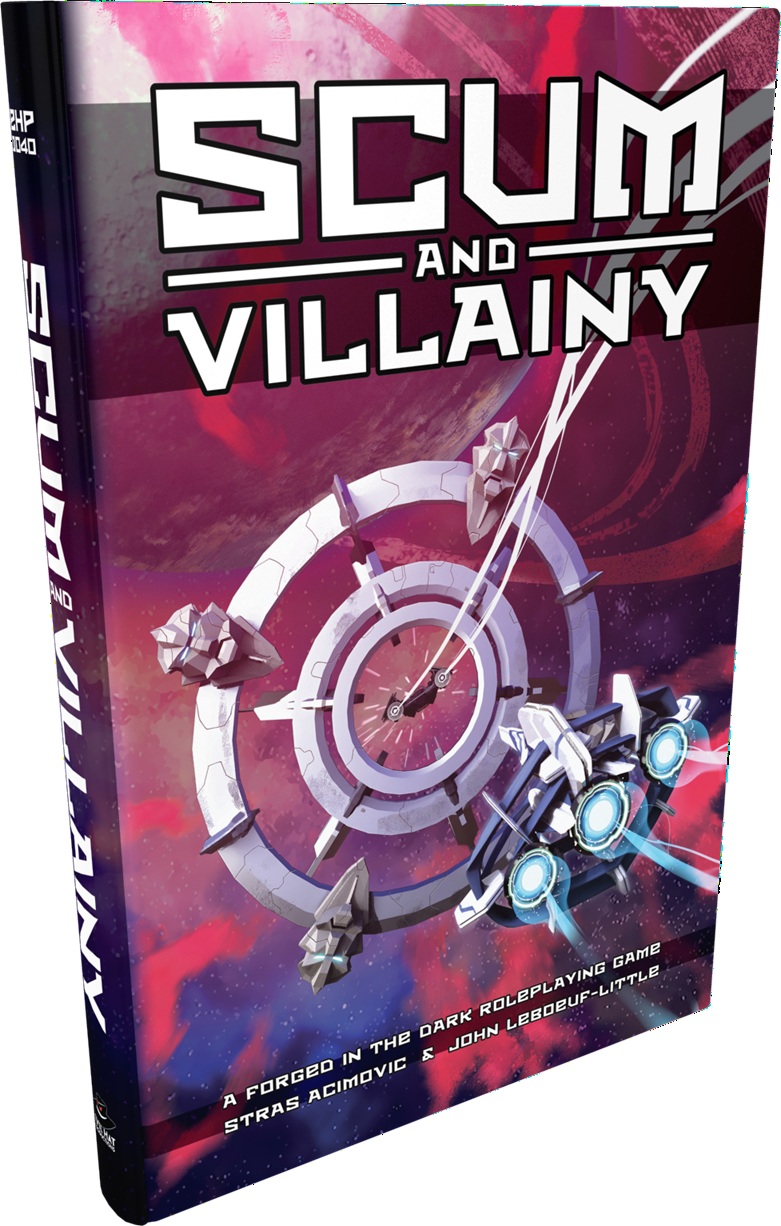
Scum and Villainy
If you really like the Han Solo-esque scrappy smuggler making his way through the universe sorta thing, Evil Hat Productions have you covered with Scum and Villainy.
While the Evil Galactic Hegemony is ever-present, this game is more about criminal dealings, clever negotiation, devious schemes, and profiteering adventure. It feels like the day-to-day trials and tribulations of a struggling spaceship crew.
I love the focus in Scum and Villainy on the roleplay aspect of RPGs. So much of the game is about character and the worlds you visit, and not as much about swinging lightsabers and dodging turbolasers.
As you can see, there are many different ways to play a Star Wars game. It can be a war game, an exploration game, a scheming game, a storytelling game… sometimes all of them at once. And Fantasy Flight Games brings a seriously impressive narrative tool to the table with their Star Wars Roleplaying Game.
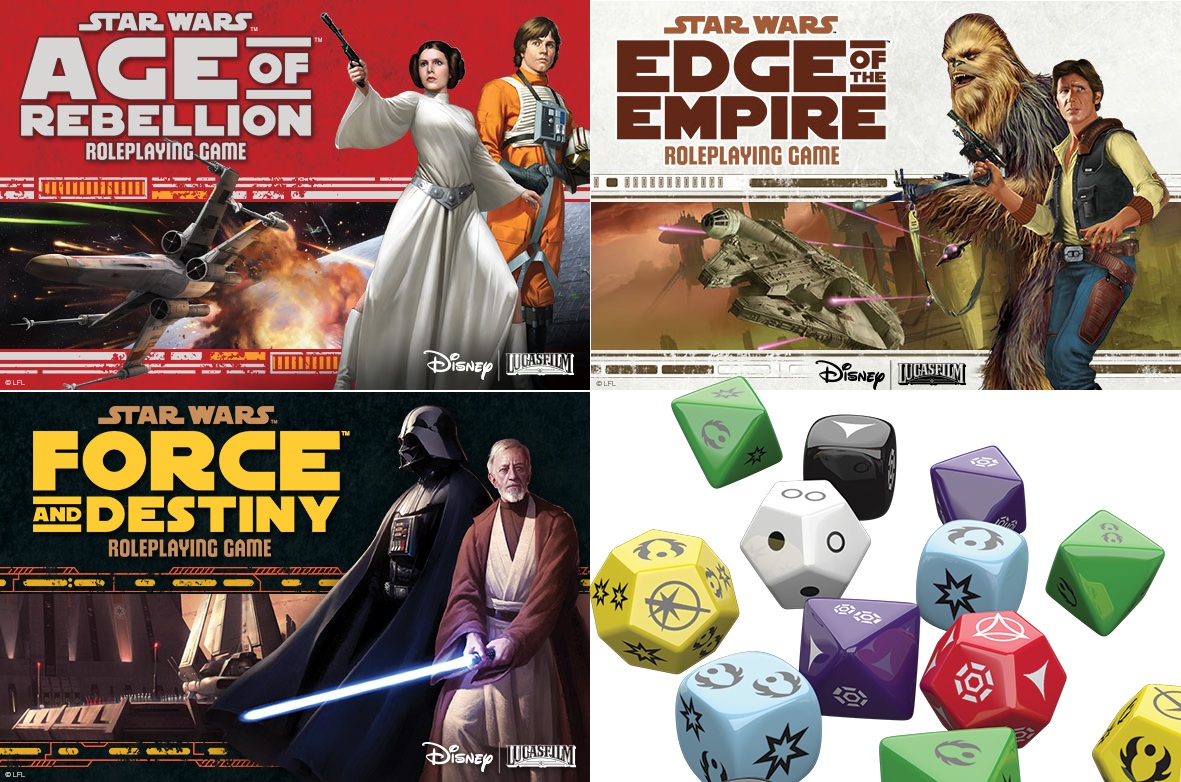
There have been Star Wars RPG games since the 80s, but I don’t think any of them offered the same spirit of choice, chance, and adventure that the FFG edition of the game does.
Like most RPGs, you pick a class and build your stats and roll dice to determine the outcome of your choices. But unlike many RPGs where the number you roll declares your action a success or a failure, the narrative dice of Star Wars FFG offer a much more exciting and engaging answer.
It’s not just a binary option, you succeed or you fail. With narrative dice, you can have additional complications, both positive and negative.
You could fail, but with some unexpected advantage: You missed a swing of your lightsaber, but you cut through the awning supports and blinded your foe for a round.
You could succeed, but with some negative consequence: You might have caught the bad guy with your blaster, but you also shot the engines of your ship, and now they need repairs.
Your actions tell a story that goes well beyond yes and no. And in a world where scoundrels often make mistakes while trying to do good, it’s a more interesting, more immersive journey every time, and it truly brings those adventurous moments to life.
Whether you’re a scoundrel on the Edge of the Empire, a hero during the Age of Rebellion, or someone caught between the Light Side and the Dark Side in Force and Destiny, they’ve got a place for you to tell your story.
Did your favorite Star Wars game or RPG get mentioned? Or are you miffed I left out Star Wars Trivial Pursuit and its bweepy little R2-D2 dice roller?
Let me know in the comments section below! I’d love to hear from you.






 PuzzCulture