Book Review: The Gamesmaster by Flint Dille

Welcome to PuzzCulture Book Reviews!

All of the books discussed and/or reviewed in PCBR articles are either directly or indirectly related to the world of puzzling, and hopefully you’ll find something to tickle your literary fancy in this entry or the entries to come.

Let’s get started!

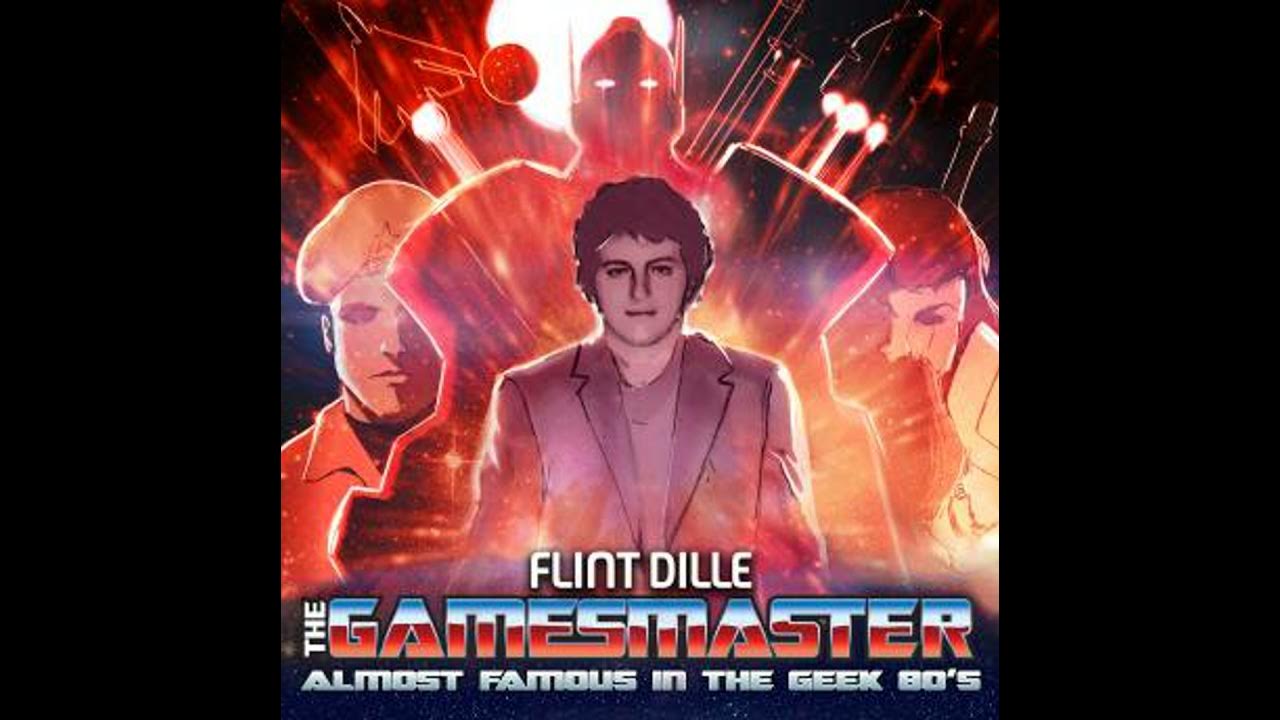
The subject of today’s book review is The Gamesmaster by Flint Dille.

In the late 70s and early 80s, popular culture exploded as cartoons became vehicles to sell toys and the modern blockbuster continued to rise to prominence in cinemas after the successes of Jaws and Star Wars.

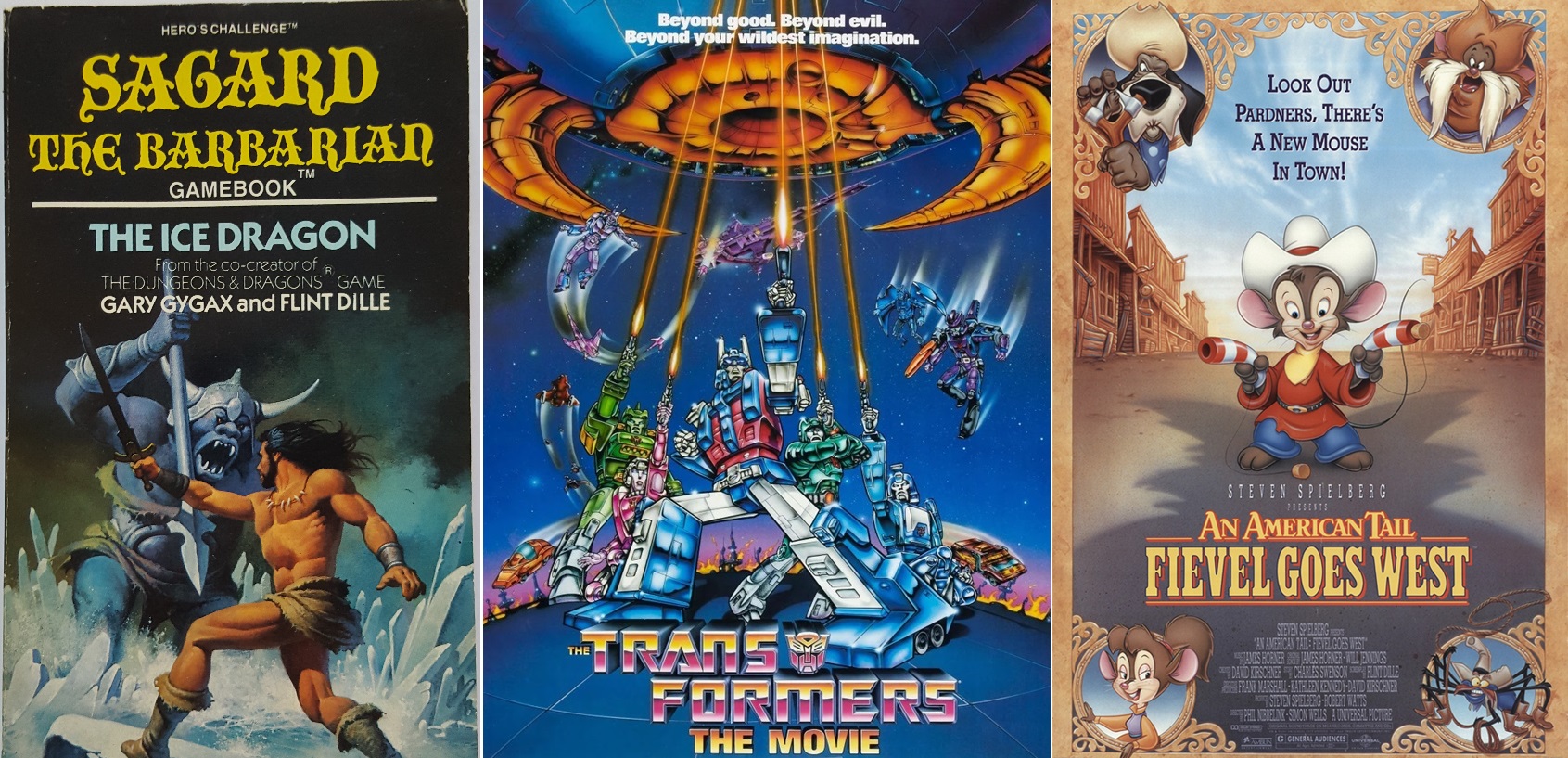
G.I. Joe and Transformers, two of the most iconic franchises from the 1980s, are still influential properties today, but one name that helped craft both franchises (and many others) is probably unfamiliar to you: Flint Dille.

The Gamesmaster chronicles what Dille calls “The Geek ’80s” — aka his animation and pop culture heyday — exploring the birth, growth, and tumultuous developments behind the roleplaying game Dungeons & Dragons as well as the animated shows G.I. Joe, Transformers, Inhumanoids, and the Star Wars cartoons Droids and Ewoks.

This almost feels like a nonfiction companion book to the novel Ready Player One, since so much ’80s pop culture is explored in Dille’s stories. He gives us glimpses into the writers’ rooms of various animated shows (both the most influential and the sadly forgotten), providing what feels like an outsider’s view of Hollywood. It’s the equivalent of a fan getting a deep look behind the scenes.

But the game fans in the readership will get the most out of his journey through the offices of TSR, detailing the steady rise of D&D‘s reach and influence, as well as the incredibly turbulent interpersonal struggles amongst the writers and innovators who helped shape it. Dille generously shouts-out the contributions of fellow creators, but also shares the flip side of success, highlighting the bad luck that followed many of his friends on the TSR side of things.

And at a time where D&D itself is questioning Gary Gygax’s role and somewhat problematic legacy in the wake of the game’s 50th anniversary, Dille offers valuable insight into those crucial, formative years.

Although Dille’s not the most focused or artful storyteller — this feels more like a rambly series of conversations than a traditional autobiography — he is an immensely charming and likable narrator, happily sharing credit, admitting missteps, and celebrating the legacies he played an influential role in crafting.

The Gamesmaster offers a key piece in the often patchy, unreliable history of Dungeons & Dragons, whilst still embracing the nerdy energy that brought roleplaying, Transformers, G.I. Joe, and other celebrated franchises to prominence during the 1980s.

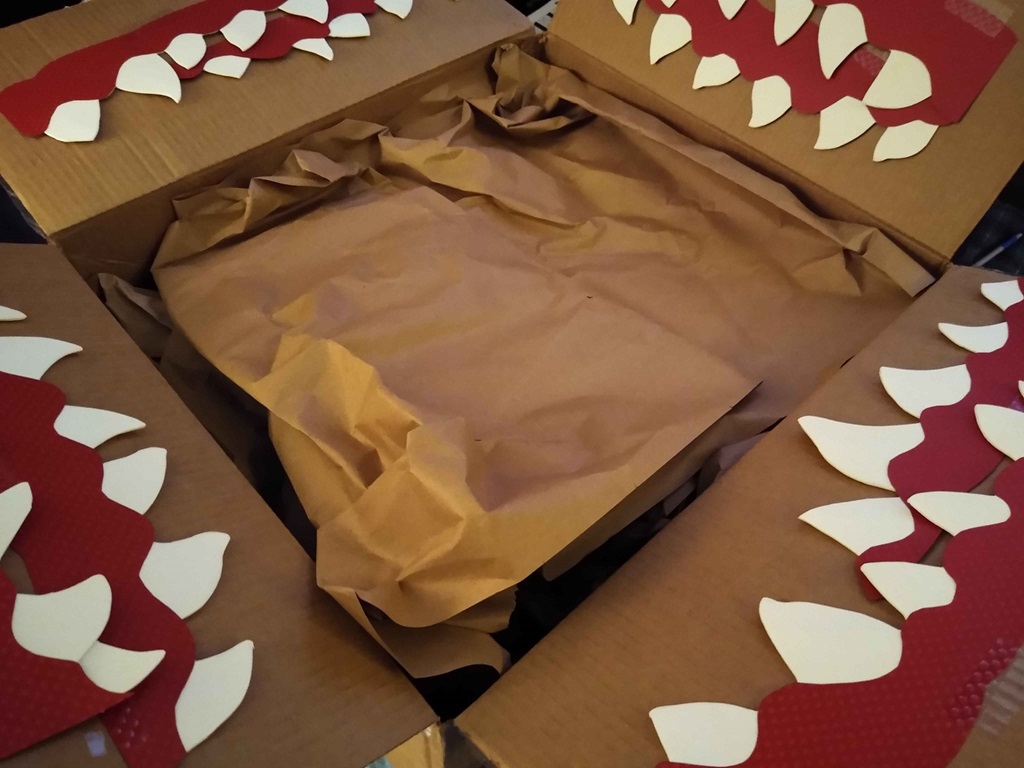
So I received a box in the mail the other day.

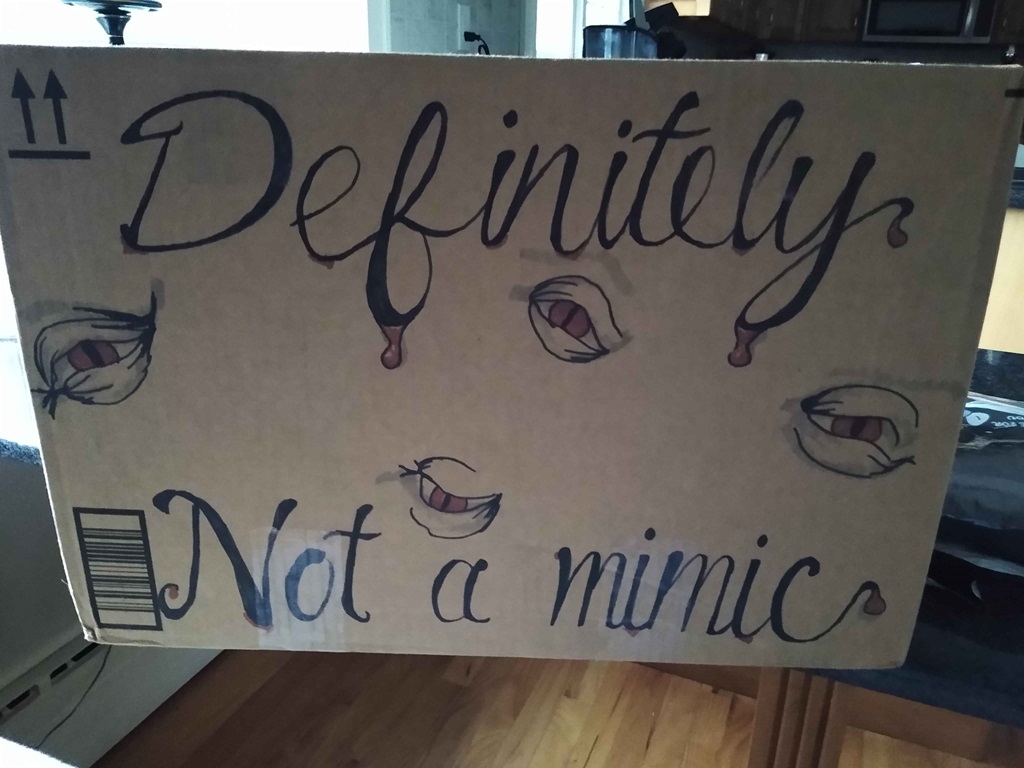
It seemed like your average Amazon box.

But then I looked a little closer.

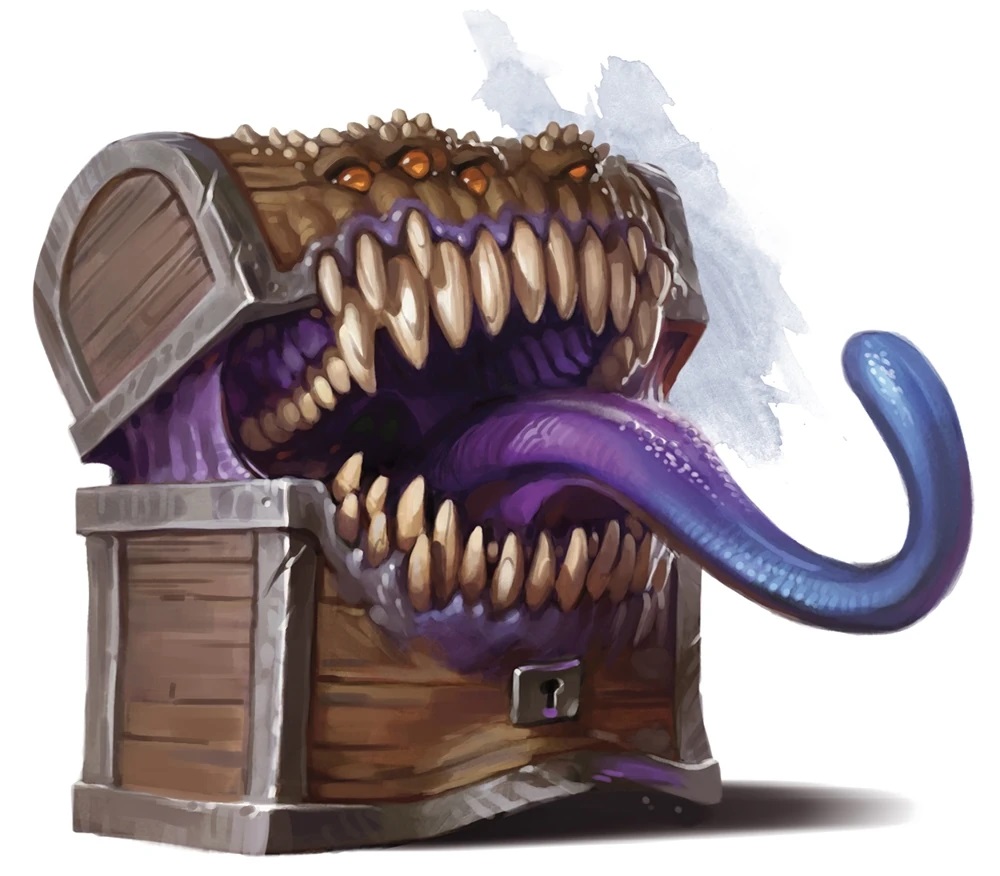
Okay. It says it’s definitely not a mimic. That’s good enough for me.

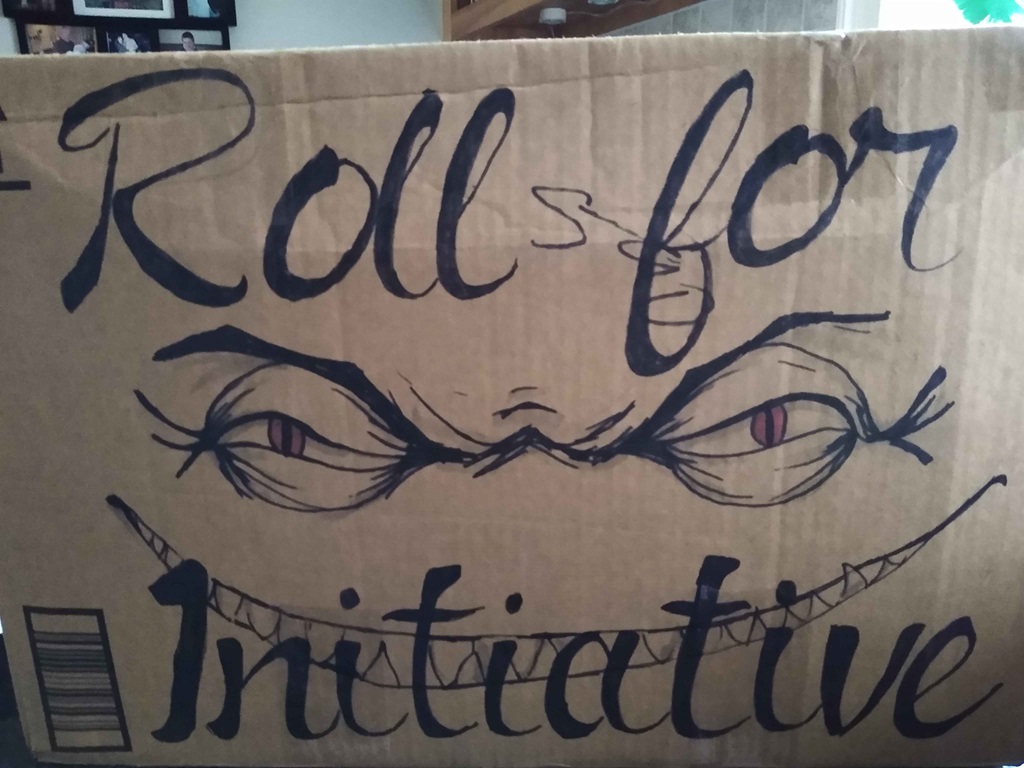
But maybe I should examine the rest of the box.

More eyes. And a mouth. And a warning to roll for Initiative.

Clearly nothing to worry about. Let’s open it up!

Yup, I was right, nothing to worry about! There are even cookies lurking under the packaging paper!

Oh, hey, there’s a note:

YOU ATTEMPT TO RETRIEVE THE COOKIES BY REACHING DOWN THE GULLET OF A PARTICULARLY OBVIOUS MIMIC. BECAUSE, WELL… COOKIES!

And you know what? The note was right. I grabbed those cookies like Gollum going after the One Ring.

At least if the mimic eats me, I’ll go out doing what I love. Eating cookies.

*various munching noises*

Sorry. Cookies.

Hey, wait, I didn’t get eaten by the mimic. What gives?

Oh, another note! Let’s see what it says:

YOU RETRIEVE THE COOKIES. THE MIMIC CLEARS ITS THROAT. YOU’VE SAVED IT FROM CHOKING. IT’S GRATEFUL. ITS FORM CHANGES. YOU NOTICE A FALSE BOTTOM TO THE BOX.

And you know what? This note was right too! There was a false bottom.

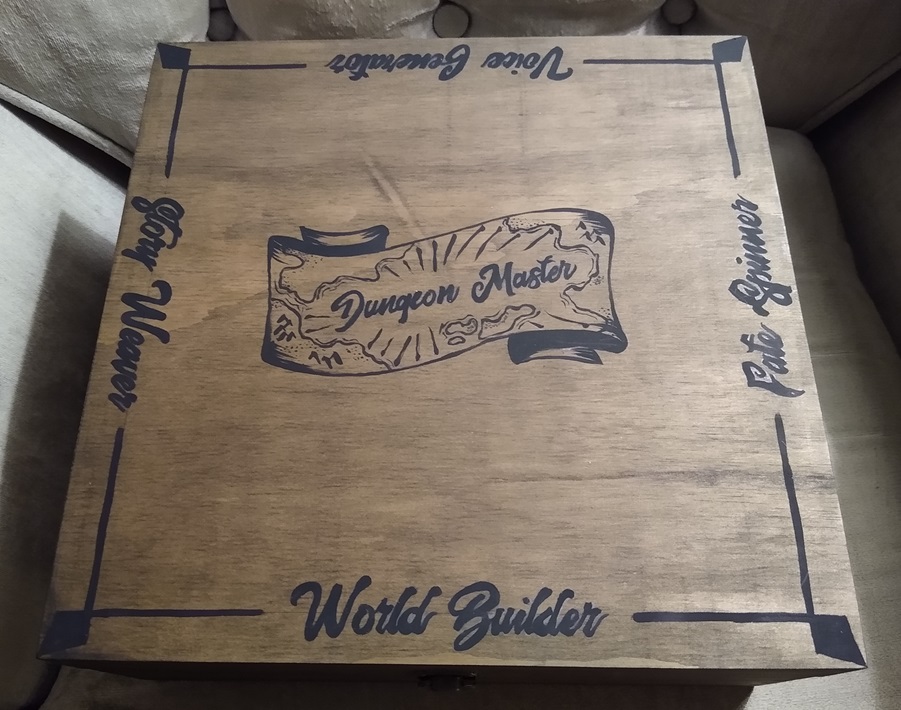
I pulled it up and discovered a beautiful wooden box.

It also had a note attached:

BEYOND THE SUGARY GUTS OF THE MIMIC LIES… THE LAIR OF THE DUNGEON MASTER.

YOU HAVE MASTERED IT. IT REVEALS ITS TREASURES TO YOU.

I couldn’t resist. I’d gone this far, risked life and limb for the greatest treasure of all — cookies — and discovered another reward.

I opened the box…


Allow me to explain, fellow puzzlers.

I am a man of many puzzly pursuits, and roleplaying games stand very high on that list. I’ve been running RPG games like Dungeons & Dragons, Star Wars RPG, Dread, GURPS, See You Space Cowboy, Buffy the Vampire Slayer RPG, and many others over the years.

Although I have had the pleasure of being a player in a few games, for the vast majority of that time, I’ve been running the games for others. Be it as a Storyteller, a Dungeon Master, or any of the other terms used to describe game masters for roleplaying systems, running an RPG is one of my favorite things in the world to do.

I get to tell stories with my friends, build a world with them, surprise them with plot twists and villainous plans, and watch them solve puzzles, unravel conspiracies, and defeat great evils with only their wits and some dice rolls.

It’s the best.

I’m currently the Dungeon Master for several campaigns, one of which features some of my lovely coworkers. And they decided to surprise me this holiday season with a small treasure trove of delights, including a notebook, stickers, dice, and a very lovely card.

And one of them went the extra mile to not only package this wonderful gift up with cookies and careful packaging, but to include a small quest for me as well.

Beware of the mimic, people!

Would I brave the potential danger of a mimic for cookies?

As you can see, the answer is yes. Obviously.

I am incredibly lucky to have friends and players like this, and I’m equally blown away by the kindness and whimsy involved in this present. And I simply couldn’t resist sharing the story with all of you.

It’s amazing what people can do with a marker, some construction paper, and a boatload of creativity.

A New Gaming Opportunity for Opportunity?

[Image courtesy of Wikipedia.]

Last month, the world collectively mourned the loss of the Opportunity Rover, as NASA declared that the incredible machine’s marathon body of work on Mars had officially ended.

Its mission was meant to last 90 days. Opportunity vastly overperformed, delivering photos and data for a mind-blowing fifteen years of service. The Little Engine That Could has got nothing on the Opportunity Rover.

The outpouring of sadness and affection for the Rover surprised many, serving as a heartwarming reminder of the amazing things we can accomplish. It also represents our almost magical ability to come together as a people in appreciation of an icon, one we’d come to adore and anthropomorphize into a plucky, inquisitive adventurer.

[Image courtesy of Tom Gauld.]

As you might expect, a character with this much esteem couldn’t pass into history without the game community immortalizing it in some way, shape, or form.

Thanks to WalrockHomebrew, an independent content creator for RPGs like Dungeons & Dragons 5th edition, the Opportunity Rover can now be part of your roleplaying campaigns!

Creating not only full stats for Oppy as a neutral good construct but a plausible explanation for how this real-world scientific device has found itself in a magical universe, WalrockHomebrew has crafted a fun fictional legacy for the much-loved rover.

Understandably, Oppy isn’t much of a fighter, though it can use its rock abrasion tool to scratch at any potential foes. It’s far more capable as an observer, seeing through magical illusions and glamours.

It can even see invisible creatures and creatures in the Ethereal Plane. As far as we know, the actual rover couldn’t.

Though, if it could, I suspect its reports to NASA would’ve been front page material every single day.

[WalrockHomebrew even offered rules for how to restore the rover in-game to full operational capacity. Pretty cool!]

This is a wonderful tribute to one of the most amazing devices ever conceived. Thank you, Oppy, for all of the wonders you revealed.

And thank you, WalrockHomebrew, for letting us hold onto that magic in an unexpected and delightful way.


Thanks for visiting PuzzleNation Blog today! Be sure to sign up for our newsletter to stay up-to-date on everything PuzzleNation!

You can also share your pictures with us on Instagram, friend us on Facebook, check us out on TwitterPinterest, and Tumblr, and explore the always-expanding library of PuzzleNation apps and games on our website!

Congratulations to Elm City Games!

I talk a lot about the puzzle/game community, my fellow puzzlers and PuzzleNationers, and so on, and that’s because, deep down, the community is one of my favorite things about being a puzzler and game enthusiast.

There are many cool, inspiring, and brilliant people that contribute so much to the world of puzzles and games, making it ridiculously fun to be a part of, and today, I’d like to give a shout-out to one particular member of that community.

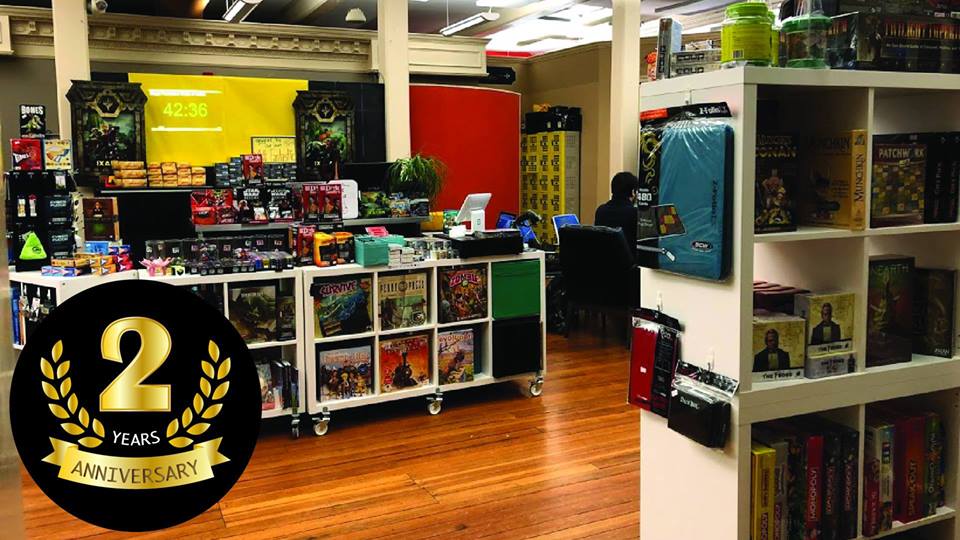
Elm City Games is celebrating its second anniversary this Saturday with a party and potluck event, and I’m overjoyed for them. They truly put the “Friendly” in Friendly Local Game Shop, representing the best aspects of the puzzle/game world.

I got to explore Elm City Games when they hosted the first Connecticut Festival of Indie Games back in May of 2016. They threw open their doors to dozens of aspiring and established game designers and a slew of game fans, and to this day, it remains one of the best puzzly events I’ve ever had the privilege of attending.

One of the coolest and most inclusive spots in Connecticut for game lovers, they even host board game mixers on Fridays so you can meet fellow players and try out any number of games from their incredible in-house library. (They’ve also cultivated a choice selection of games for purchase in the store, including rarities and lesser-known titles.)

To celebrate the occasion, they’re hosting events all day (starting at noon) like learn-to-play sessions of Dungeons & Dragons, game tournaments, and more!

What more can I say? It’s a great spot run by rad people. So if you’re anywhere near New Haven, CT, on Saturday, swing by to wish Matt and Trish well, enjoy some games, and support a terrific local hub for all things great about gaming.

[Elm City Games is located on the 2nd floor at 760 Chapel Street, New Haven.]


Thanks for visiting PuzzleNation Blog today! Be sure to sign up for our newsletter to stay up-to-date on everything PuzzleNation!

You can also share your pictures with us on Instagram, friend us on Facebook, check us out on TwitterPinterest, and Tumblr, and explore the always-expanding library of PuzzleNation apps and games on our website!

It’s Follow-Up Friday: Hall of Fame edition!

Welcome to Follow-Up Friday!

Follow-Up Friday is a chance for us to revisit the subjects of previous posts and bring the PuzzleNation audience up to speed on all things puzzly.

And today, I’d like to return to the subject of Dungeons & Dragons!

I’ve written about Dungeons & Dragons and other roleplaying games in the past, because I think they are a wonderful, underappreciated part of the world of puzzles and games. Some of the best and most satisfying riddles and puzzles I’ve ever solved were an integral part of a game of D&D.

So I’m excited to announce that Dungeons & Dragons has been inducted into the National Toy Hall of Fame!

Housed at The Strong National Museum of Play, the National Toy Hall of Fame recognizes those products and improvised toys that have played a crucial role in the development of children and teens.

Whether they assist in hand-eye coordination, storytelling, deduction, athletics, or creativity, they are all classic examples of toys tied to fond memories of childhood. Previous inductees include the Rubik’s Cube (2014), Hot Wheels (2011), the Radio Flyer Wagon (1999), Jacks (2000), and Play-Doh (1998).

And I for one think Dungeons & Dragons is a very worthy addition to this club.

From the induction notice:

Dungeons & Dragons and its imitators actually changed the nature of play.

In Dungeons & Dragons players assume the roles of characters who inhabit a world moderated and narrated by a Dungeon Master, a player who explains the action to others and solicits their reactions to the unfolding story. The Dungeon Master’s storytelling skills and the players’ abilities to imagine add enjoyment to the game. Some aspects of the play are familiar, such as dice. But the special dice for Dungeons & Dragons hold up to 20 sides. Rolling them determines each character’s individual strengths, plots their complex interactions, and decides the outcome of their encounters.

More than any other game, Dungeons & Dragons paved the way for older children and adults to experience imaginative play. It was groundbreaking. And it opened the door for other kinds of table games that borrow many of its unique mechanics.

For over forty years, Dungeons & Dragons has been synonymous with roleplaying, collaborative storytelling, and good old-fashioned sword-swinging derring-do. And I think it’s fantastic that it’s getting some long-overdue recognition for the positive role it has played in so many people’s lives.

Congratulations to you, Dave Arneson and Gary Gygax. Thank you for hours and hours of brilliant, engaging fun.


Thanks for visiting PuzzleNation Blog today! Be sure to sign up for our newsletter to stay up-to-date on everything PuzzleNation!

You can also share your pictures with us on Instagram, friend us on Facebook, check us out on TwitterPinterest, and Tumblr, and explore the always-expanding library of PuzzleNation apps and games on our website!

Demystifying Role-Playing Games

When you hear the words “role-playing game,” what comes to mind? A bunch of nerds in a basement, hunched around a table debating weird and esoteric rules? Practitioners of the black arts, thumbing their noses at God and all that is natural? Or nothing at all?

rpg-2009-berlin-2

Some TV shows, like Community and Freaks & Geeks, have displayed role-playing games in a positive light, but for the most part, role-playing games in general, and Dungeons & Dragons in particular, have gotten a bad rap over the last few decades, maligned as (at best) a game for lonely friendless types and (at worst) a tool to corrupt children.

(This might sound ridiculous to many of you, but folks like Pat Robertson continue to talk about role-playing games as if they’re synonymous with demon worship.)

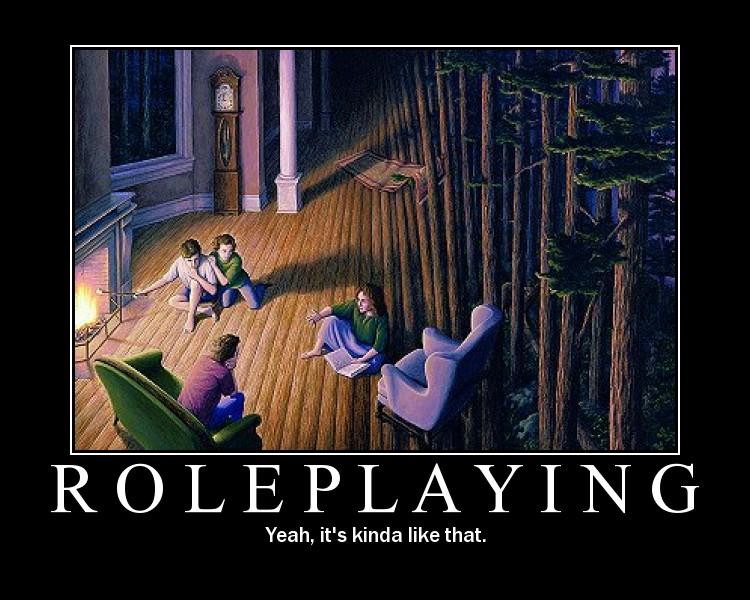
But in reality, role-playing games are simply a way for a group to tell one collaborative story.
roleplaying-kinda-like-that

There are two major elements to this storytelling. The first is managed by a single person who oversees that particular game or gaming session. In Dungeons & Dragons, this person is called the Dungeon Master, or DM; in other games, this person is the Game Master, the Storyteller, or bears some other title tied to the game or setting. For the sake of simplicity, from this point on, I’ll refer to this person as the DM.

So, the DM manages the setting and sets up the adventure. In this role, the DM will describe what the player characters (or PCs) see and explain the results of their actions. The DM also plays any characters the players interact with. (These are known as NPCs, or non-player characters.) Essentially, the DM creates the sandbox in which the other players play.
1951073350_7e357dbdec_3

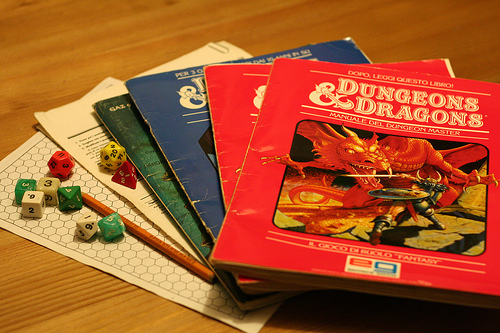
Which brings us to the second element in role-playing storytelling: the players. Each player assumes a role, a character, and plays that character for the length of the session, or the game, if there are multiple sessions. (Some games last months or years, so these characters evolve and grow; players often become quite attached to their characters.)

The PCs navigate the world created by the DM, but their actions and decisions shape the narrative. No matter how prepared a DM is or how carefully he or she has plotted out a given scene or adventure, the PCs determine much of what happens. They might follow the breadcrumbs exactly as the DM laid them out, or they might head off in an unexpected direction, forcing the DM to think on the fly in order to continue the adventure.
dd2

That’s what makes role-playing games so amazing: you never quite know what you’re going to get. The PCs usually don’t know what the DM has in store, and no DM can predict with perfect clarity what the PCs will do. You’re all crafting a story together and none of you knows what exactly will happen or how it all ends.

For instance, I run a role-playing game for several friends that is set in the universe of Buffy the Vampire Slayer, and my PCs routinely come up with solutions to problems and puzzles that I didn’t expect, but that nonetheless would work. They constantly keep me on my toes as a DM, and it’s one of my favorite aspects of the game.

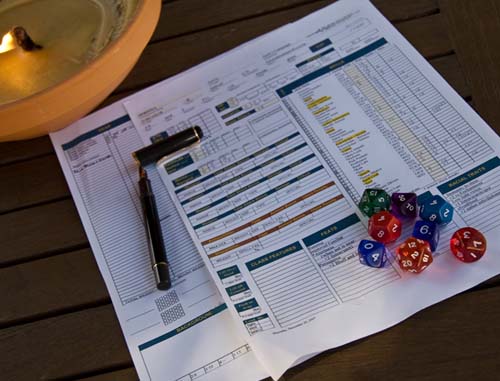
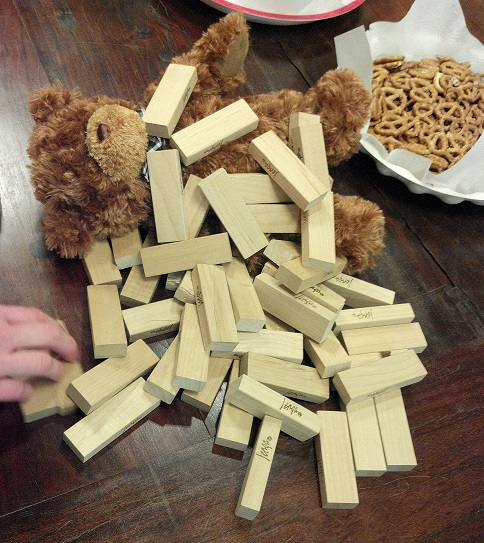
Oftentimes, major events and key moments are determined by dice rolls, adding an element of chance to the story. (In some games, players have replaced dice rolls with a Jenga-style block tower, and they must remove pieces from it to achieve certain goals. That adds a marvelous sense of real-world tension to the narrative tension already present!)
tabletop6

And while I’ve talked quite a bit about the game aspect, some of you might be wondering where the puzzly aspect comes in.

Some of the best, most satisfying puzzle-solving experiences of my life have come from role-playing games.

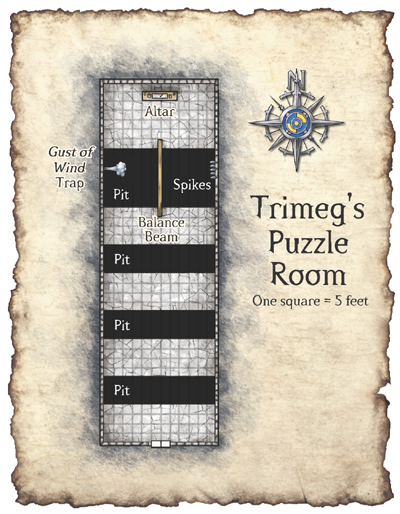
These puzzles can be as simple as figuring out how to open a locked door or as complicated as unraveling a villain’s dastardly plot for world domination. It can be a poem to be parsed and understood or a trap to be escaped.

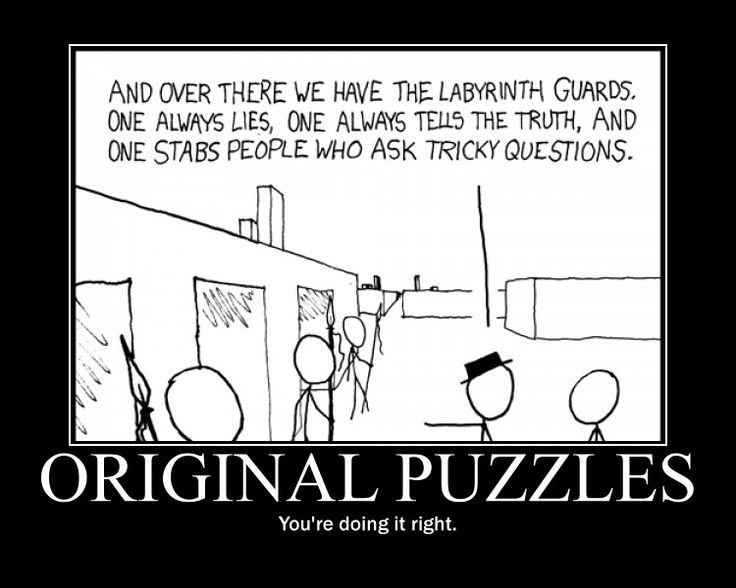
There are riddles of goblins and sphinxes, or the three questions of trolls, or even the brain teasers and logic problems concocted by devious fey hoping to snare me with clever wordplay. I’ve encountered all sorts of puzzles in role-playing games, and some of them were fiendish indeed.
trimegspuzzleroom

One time, during a LARP session (Live-Action Role-Playing, meaning you actually act out the adventure and storytelling), I thought I’d unraveled the meaning of a certain bit of scripture (regarding a key that would allow me to escape the room) and acquired a sword as my prize, only to realize much much later that the key I’d spent the entire session searching for was the sword itself, which unlocked the door and released me.

And designing puzzles for my players to unravel is often as much fun as solving the puzzles myself. Especially when they’re tailored to specific storytelling universes or particular player characters.

(Trust me, it doesn’t matter if you’re dealing with a Jedi or a paladin; riddles stop pretty much everybody in their tracks.)
b7052aee1c93bff98f4c513e4470fbb6

Whether it’s Dungeons & Dragons or Pathfinder, Legend of the Five Rings or Star Wars, GURPS or Ninja Burger, there’s a role-playing game out there for everyone, if you’re just willing to look.


This post was meant as a brief overview of role-playing games as a whole. If you’d like me to get more in depth on the subject, or if you have specific questions about role-playing games, please let me know! I’d be happy to revisit this topic in the future.

Thanks for visiting PuzzleNation Blog today! Be sure to sign up for our newsletter to stay up-to-date on everything PuzzleNation!

You can also share your pictures with us on Instagram, friend us on Facebook, check us out on TwitterPinterest, and Tumblr, and explore the always-expanding library of PuzzleNation apps and games on our website!