
Welcome to the PuzzCulture 2025 Holiday Puzzly Gift Guide!
We’re so excited to be bringing you our biggest ever gift guide! There are so many tremendously fun and puzzly products to share with you this year. We just might be your one-stop shop for all things puzzly!
In this edition of the Holiday Puzzly Gift Guide, we have endeavored to strike a balance between the most affordable price we could find for each product and the most reliable outlet to get your gifts to you in time for the holidays!
Please enjoy this assortment of dice games, brain teasers, card games, puzzle books, group & party games, murder mysteries, escape room games, and board games, all organized in price from lowest to highest. We’re sure you’ll find the right gift for any puzzler on your list!
Any amounts in Pounds have been placed where they’d land roughly when converted to dollars. And please note that shipping is not factored into any of these prices.
Happy puzzling!
Quick search links
- Puzzle Books, Magazines, and Puzzle Bundles
- Various Prices
- Up to $10
- Up to $20
- Up to $30
- Up to $40
- Up to $60
- $70 and Over
Puzzle Books, Magazines, and Puzzle bundles
Since most of the puzzle books, magazines, and puzzle bundles in this year’s gift guide are between $5 and $15, and most subscription services are between $15 and $30 per year, we figured we’d bundle them all up front before we get into all of the games, puzzles, and other terrific holiday treats!
Pencil-and-paper puzzles are alive and well, and we’re happy to share some of our favorites with you.
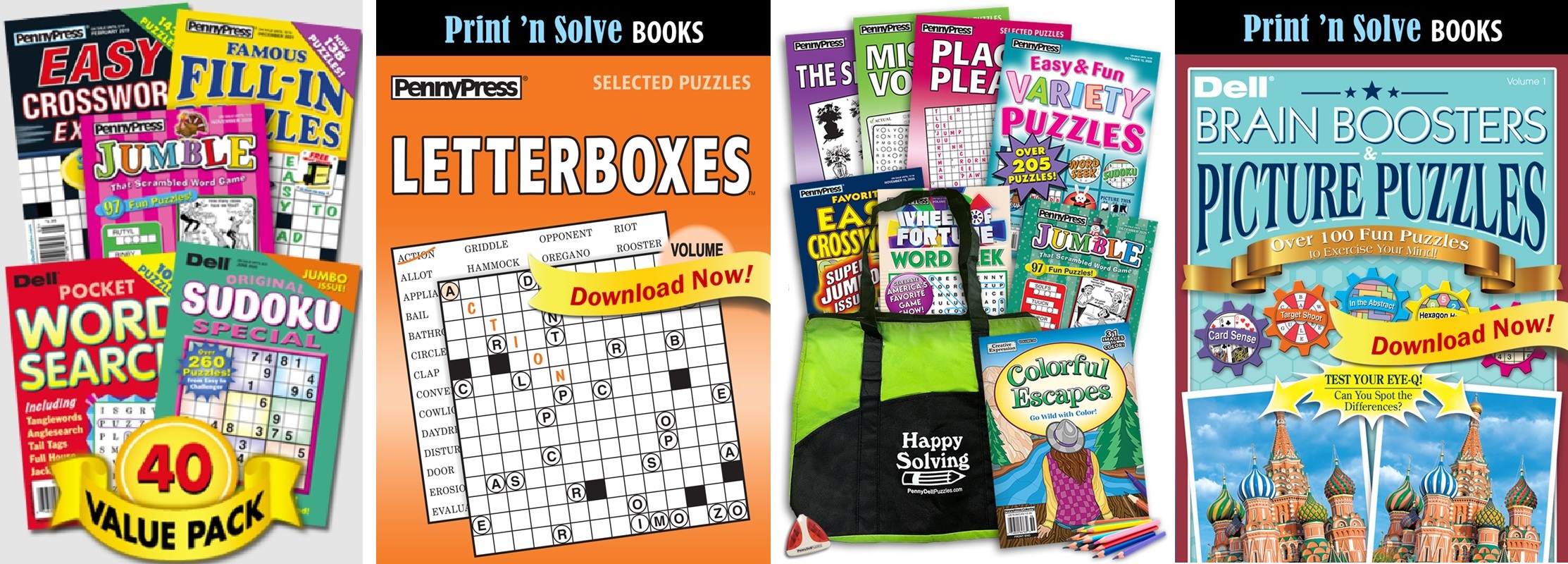
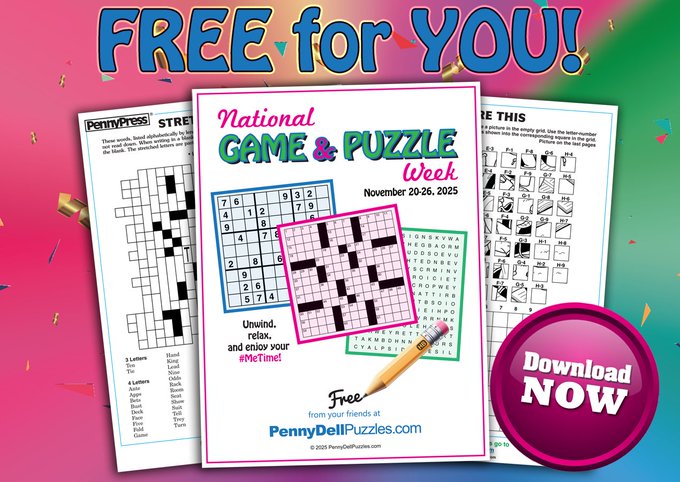
Our friends at Penny Dell Puzzles have put together some outstanding holiday collections with puzzles galore to be solved!
Maybe you’re looking for a grab bag full of different puzzles, like their Winter Fun Holiday Pack ($27.95) or a Championship Puzzle Pack of 40 magazines ($33.95)! Or perhaps you’d prefer one kind of puzzle, with the ease of printing at home with Print N’ Solve Magazines and Puzzle Packets (starting at $4.75). Either way, the folks at Penny Dell Puzzles have got you covered.
And be sure to check out their deals on Facebook and Twitter throughout the holiday season. They’ve got bundles and discounts for days!

And while we’re on the topic of puzzle books, some of the best constructors (and many favorites of the blog) have released their own books for your perusal! And with New York Times, Los Angeles Times, and USA Today puzzles to their credit, you’re sure to find some quality puzzlers within these pages!
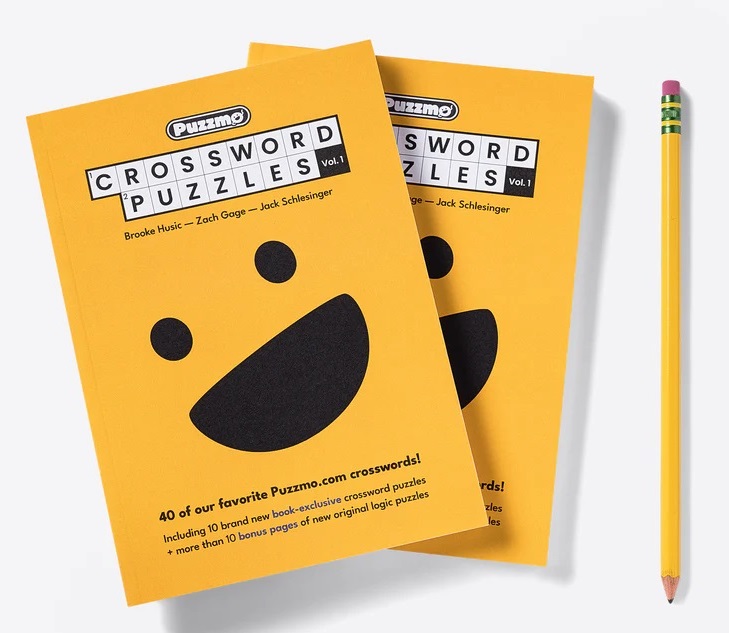
Puzzmo Crosswords ($24.99 for two copies)
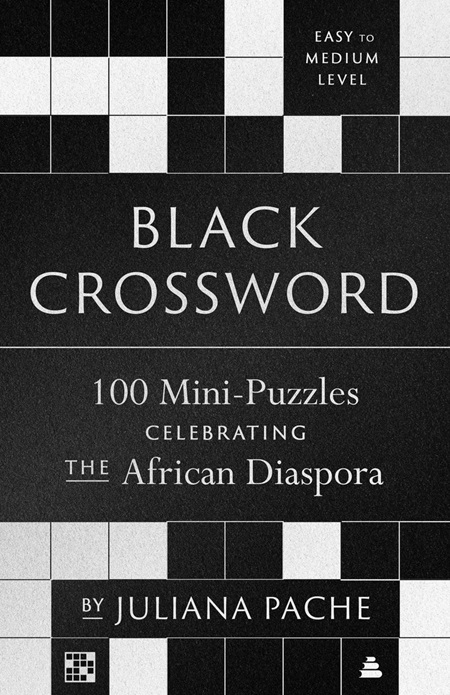
Black Crossword Mini and Midi volumes by Juliana Pache ($15.99 each)
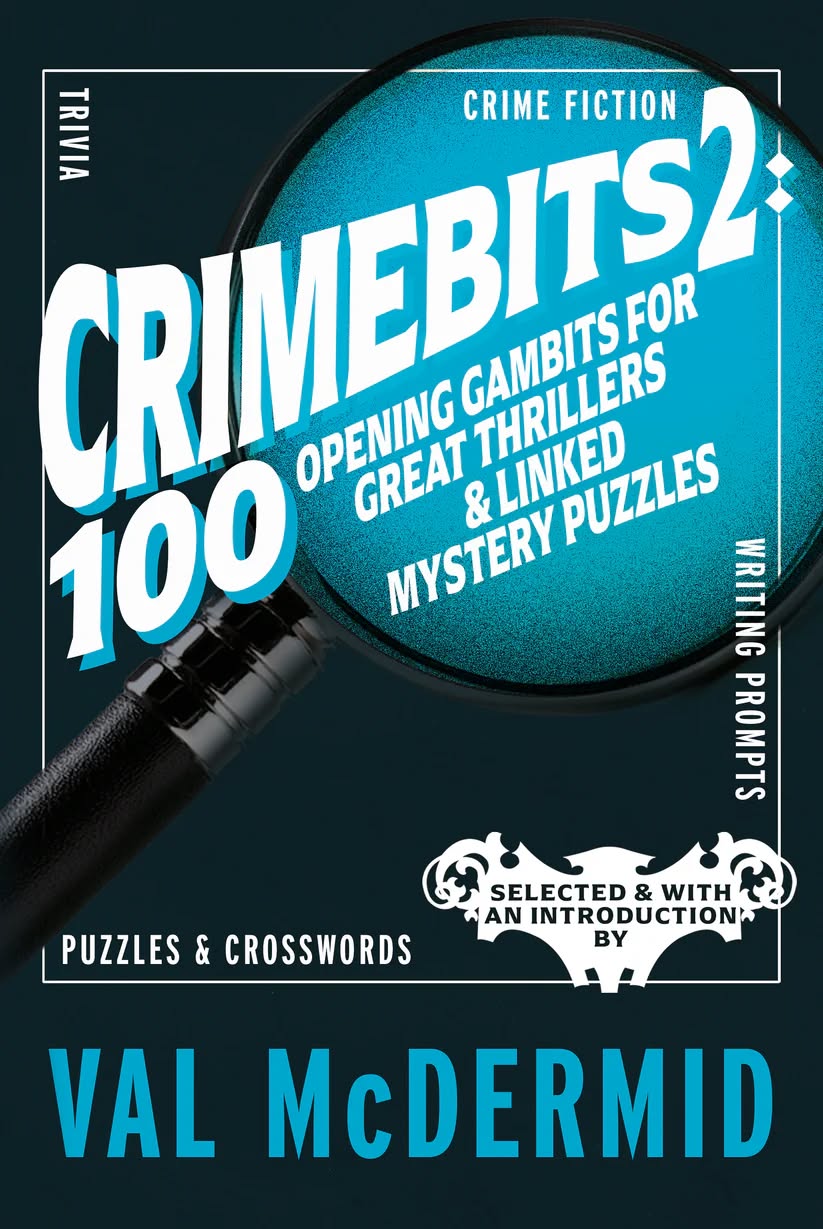
Crimebits 2, puzzles by Robin Stears ($18.95)
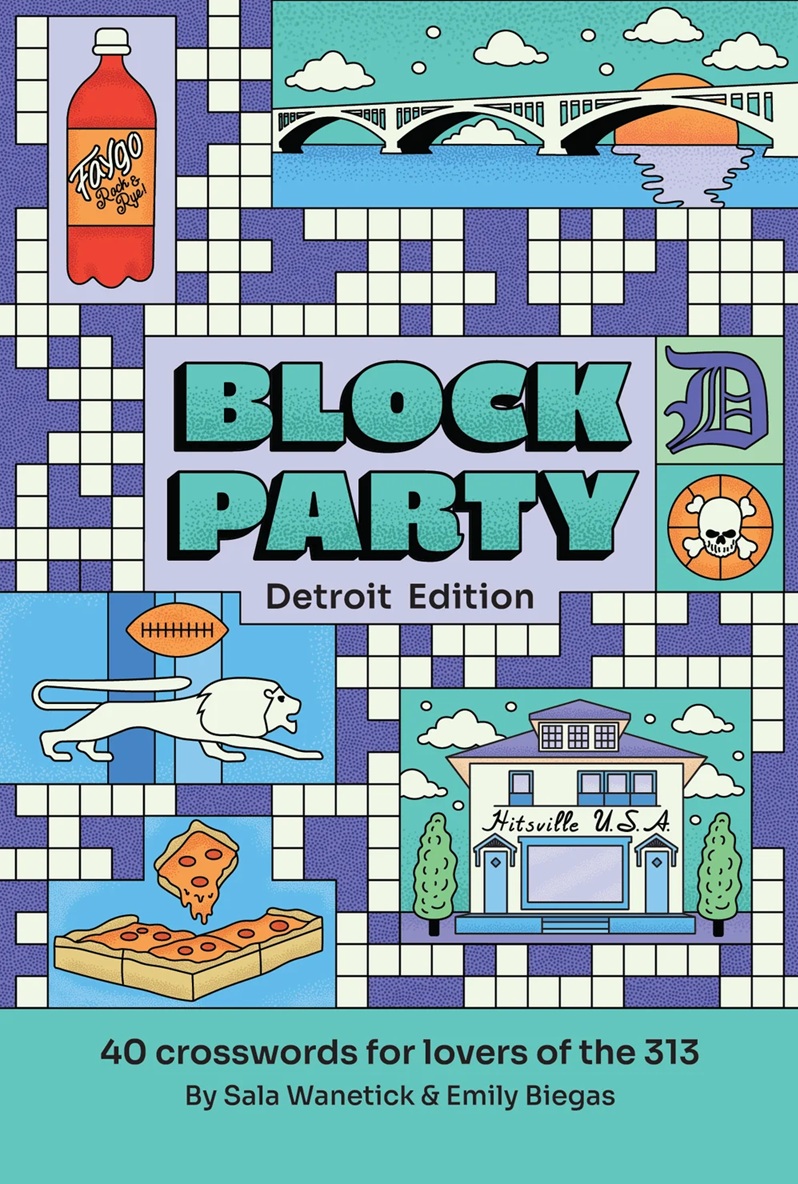
Block Party: Detroit Edition by Block Party Puzzles ($20)
A24’s 99 TV Crosswords, edited by Brooke Husic and Will Nediger ($34)
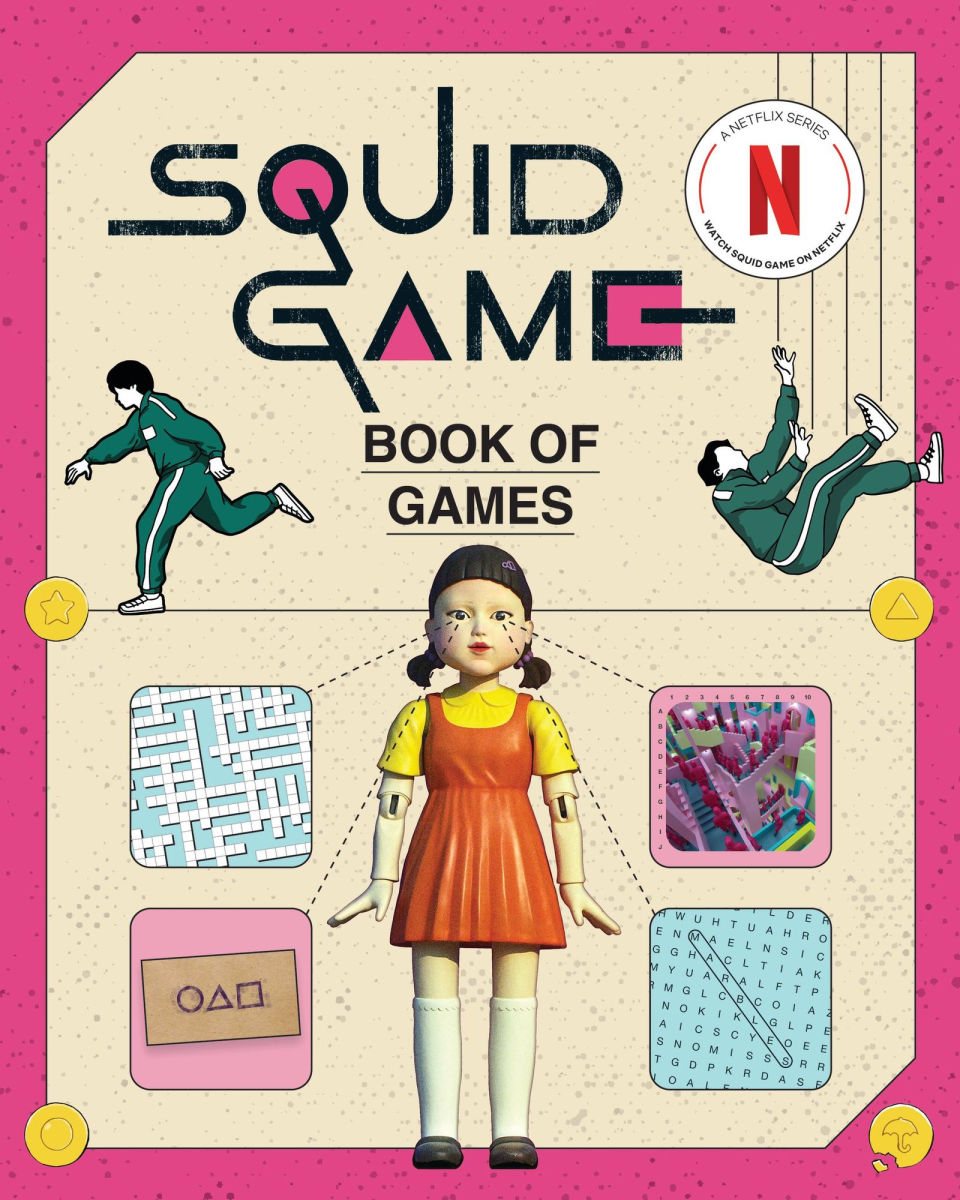
Squid Game Book of Games ($17.99)
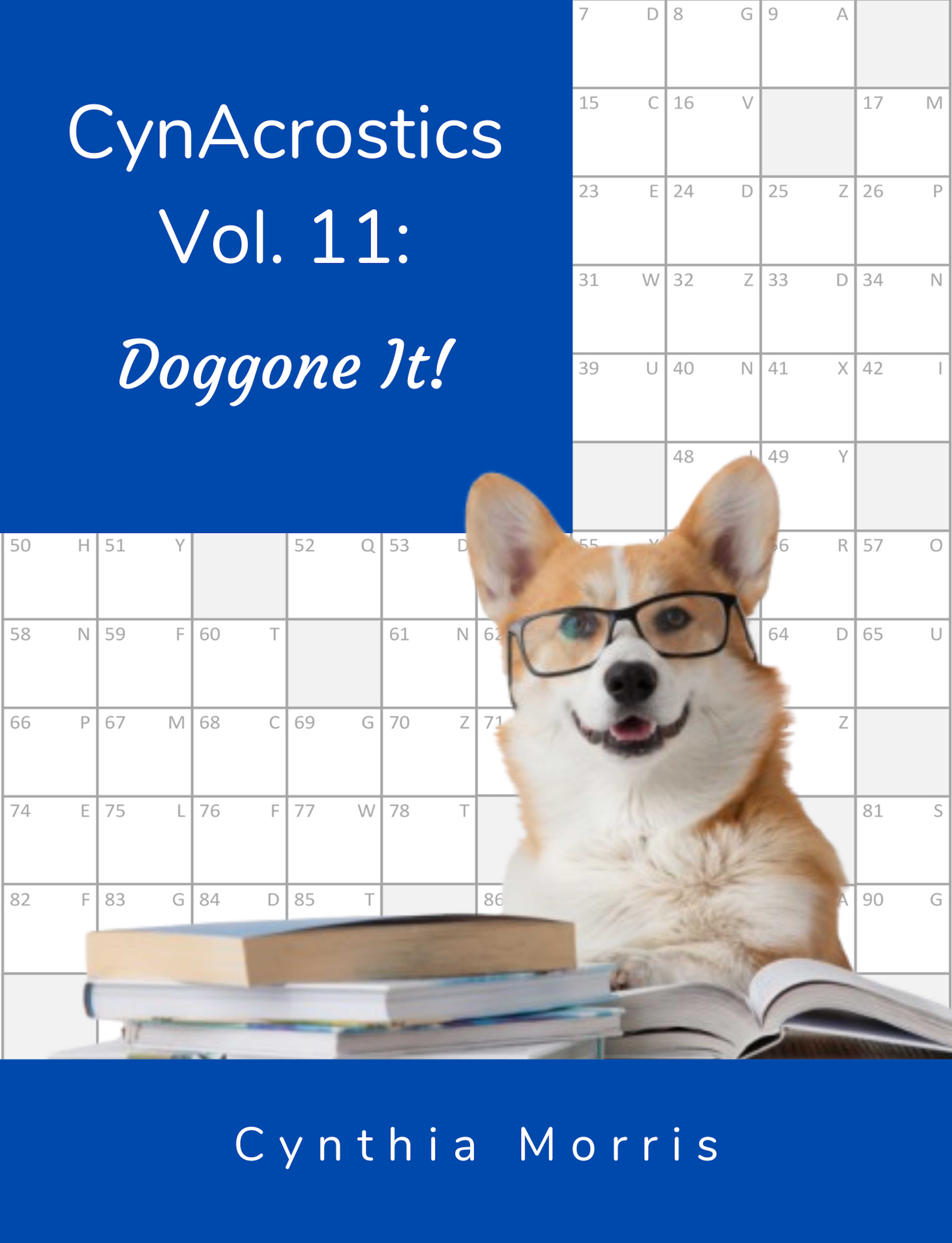
CynAcrostics Volume 11: Doggone It! by Cynthia Morris ($11.95)
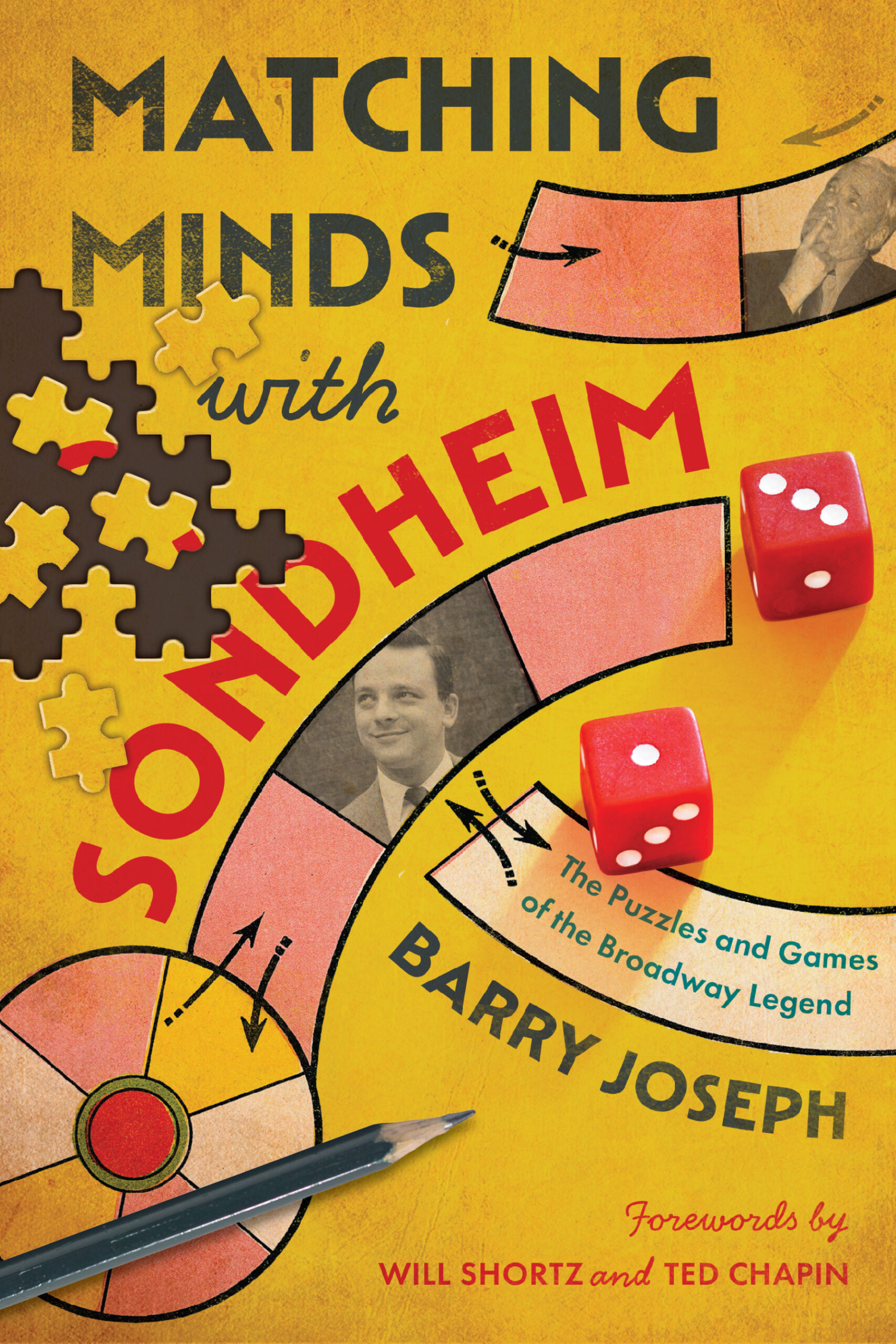
Matching Minds with Sondheim by Barry Joseph ($35)
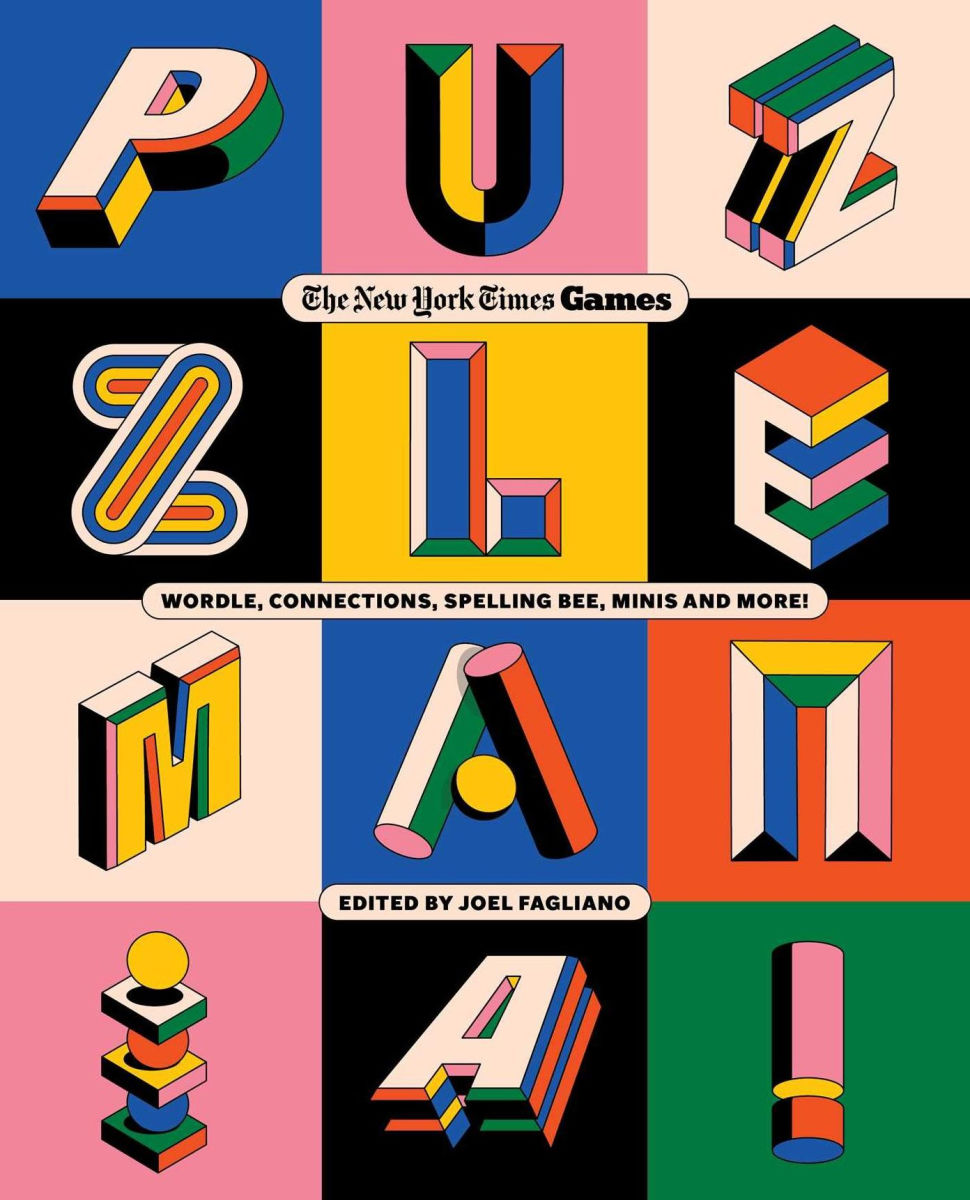
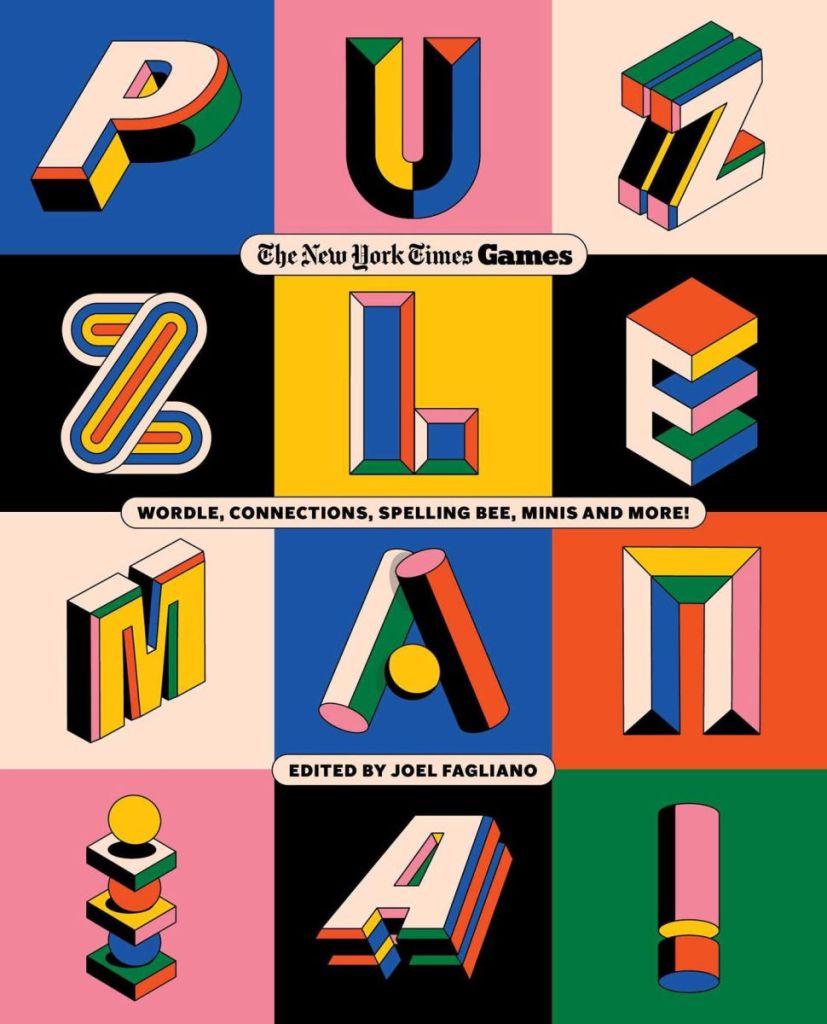
Puzzle Mania!: Wordle, Connections, Spelling Bee, Minis and More!
from The New York Times ($38)
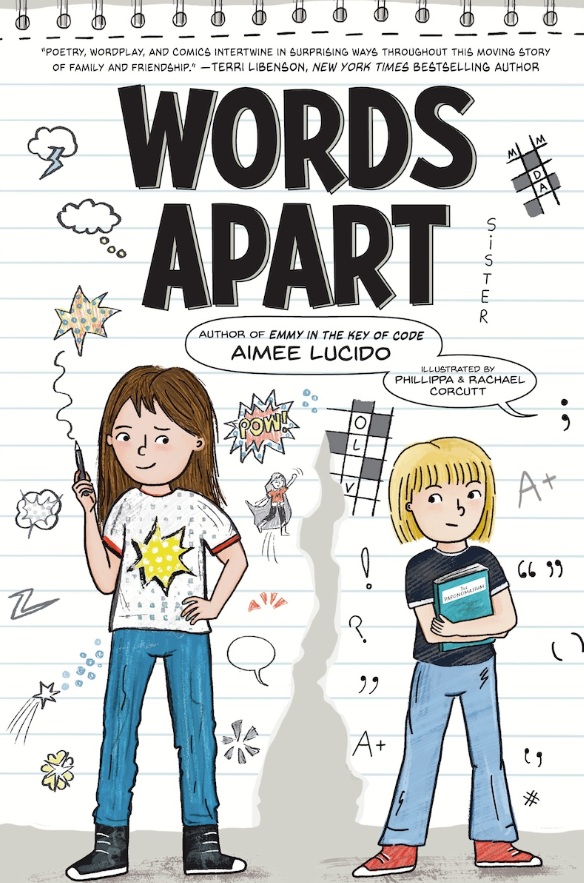
Words Apart by Aimee Lucido, illustrated by Phillippa Corcutt and Rachael Corcutt ($9.99)
[Click here to check out our review of Words Apart!]
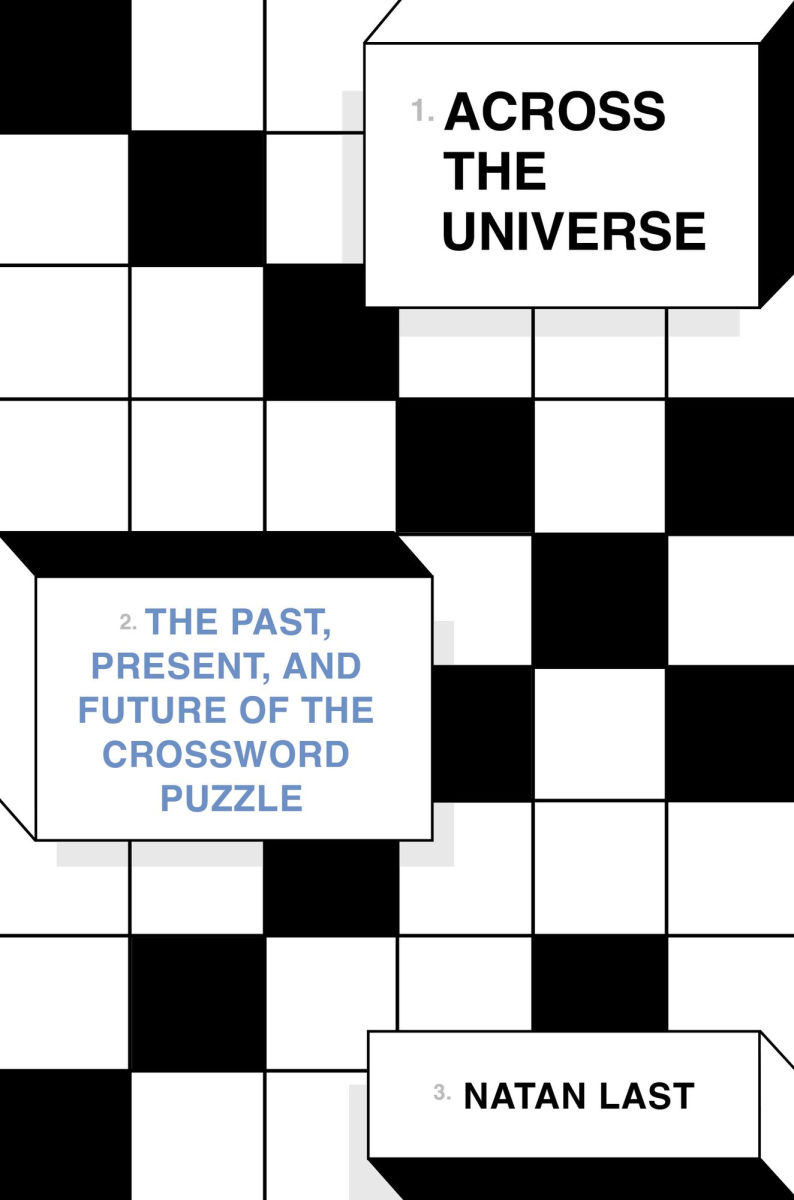
Across the Universe: The Past, Present, and Future of the Crossword Puzzle by Natan Last ($29)
[Review coming soon!]
In addition to those new collections above, here are some of our favorite puzzle books from previous years!
–Ada Nicolle’s A-to-Gen Z Crosswords ($12.99)
–Doug Peterson and Jeff Chen’s It’s So Easy Crosswords ($11.99)
–Paolo Pasco’s Crossword Puzzles For Kids ($5.88)
–Eric Berlin’s Puzzlesnacks: More Than 100 Bite-Size Puzzles for Every Solver ($12.96)
–Brendan Emmett Quigley’s Octopus Crosswords ($8.22)
–Todd McClary’s Fresh Freestyle Crosswords ($5.01)
–Frasier Simpson’s Cryptic Crosswords Volume 1, Volume 2, and Volume 3 ($11.95 each)
–Andrews McMeel Publishing’s Pocket Posh Sixy Sudoku Easy to Medium and Pocket Posh Sixy Sudoku Hard ($8.99 each)
—USA Today’s Sudoku Super Challenge 3 and Sudoku and Variants Super Challenge ($9.99 each)
–Andy Kravis’s Challenge Accepted!: 100 Word Searches ($7.99)
–Shawn Marie Simmons’ 25 Word Search Puzzles for Classic CHRISTMAS Lovers ($6.99)
–Andrews McMeel Publishing’s Posh Take Care: Creative Challenge ($12.99)
—USA Today’s Word Fill-In Puzzles Super Challenge ($9.99)
–Andrews McMeel Publishing’s Take Care by Posh: Inspired Activities for Peace, Take Care by Posh: Inspired Activities for Clarity, and Take Care by Posh: Inspired Activities for Balance [featuring crosswords and other puzzles] ($8.99 each)
Email Subscription / Downloadable Puzzles
Many top constructors and organizations market their puzzles directly to solvers, so between email subscriptions and downloadable puzzle bundles, you’ve got plenty of quality choices!
—The American Values Crossword (subscription and daily puzzles, $50 for 1 year)
–Matt Gaffney’s Weekly Crossword Contest (starts at $3 per month on Patreon)
–Peter Gordon’s Fireball Crosswords ($42 for 1 year)
–Joon Pahk’s Rows Garden puzzles ($20 for 1 year) and Variety puzzles ($15 for 1 year) OR get both for $30!
–Eric Berlin’s Puzzlesnacks bundles ($9.99 each)
–Andrew Ries’ Section Eight Puzzle Pack ($8)
—GoComics Premium subscription ($34.99, all the puzzles formerly on the Puzzle Society, plus hundreds of comic strips)

Also, there are some wonderful puzzle bundles available in exchange for donations to worthy causes!
—Puzzles for Palestine, a 22-puzzle bundle for ending the siege of Palestine in Gaza and the West Bank
—Women of Letters, an 18-crossword bundle by female constructors in support of women’s rights causes
—These Puzzles Fund Abortion, a 23-puzzle bundle supporting women’s reproductive rights
—A Trans Person Made Your Puzzle, a 10-puzzle bundle created by Trans constructors supporting the Trans community
Various Prices
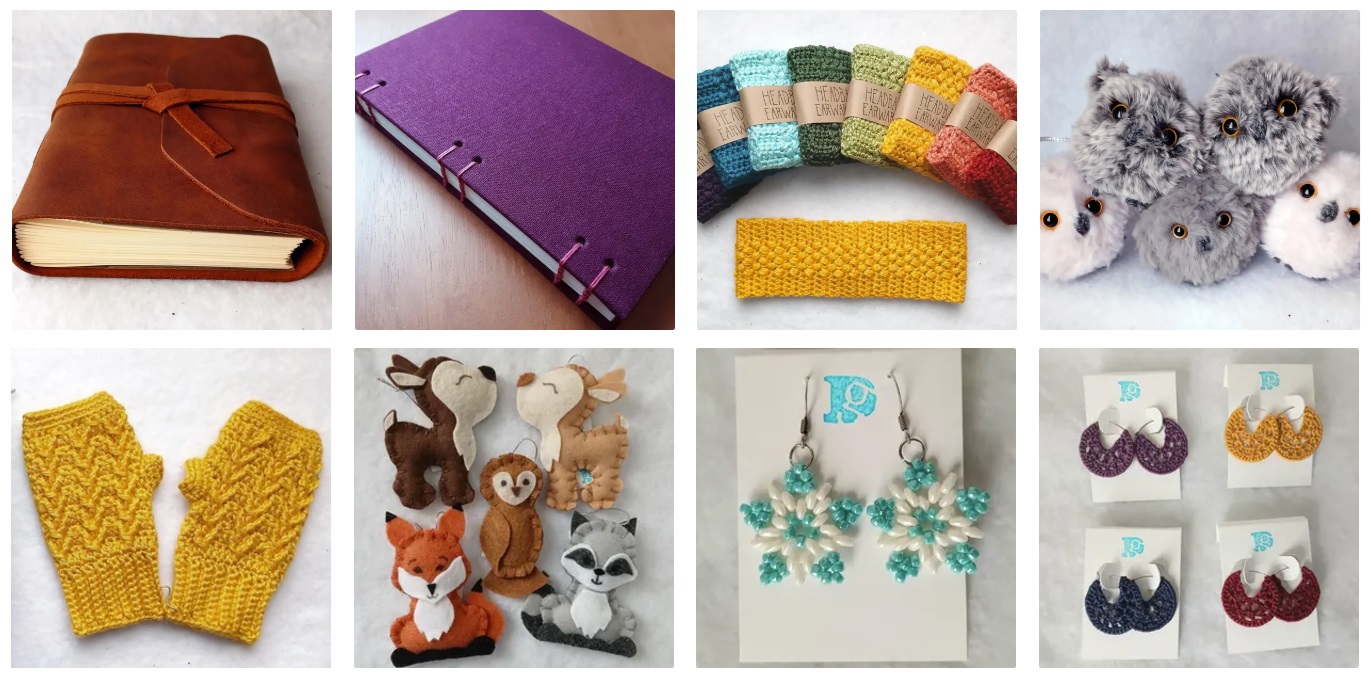
Notebooks, Ornaments, and Crafts by DGhandcrafted
Up to $10
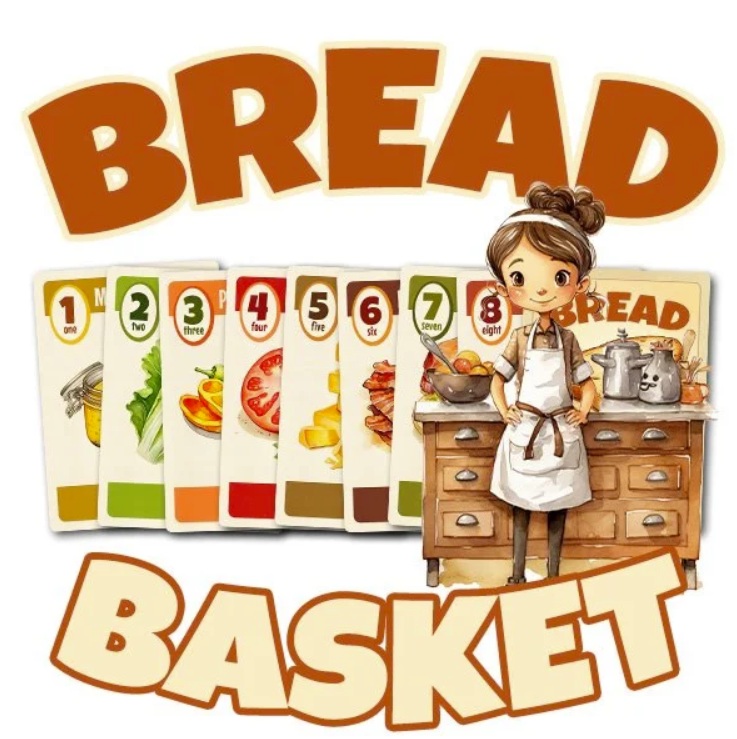
Bread Basket (Crab Fragment Labs, card game)
This family-friendly card game challenges you to score points by making sandwiches! Can you outthink your opponents and their ingredients to make tasty and valuable sandwiches for yourself? ($3 in PDF, $10.95 as a card deck)
[Click here to check out our review!]
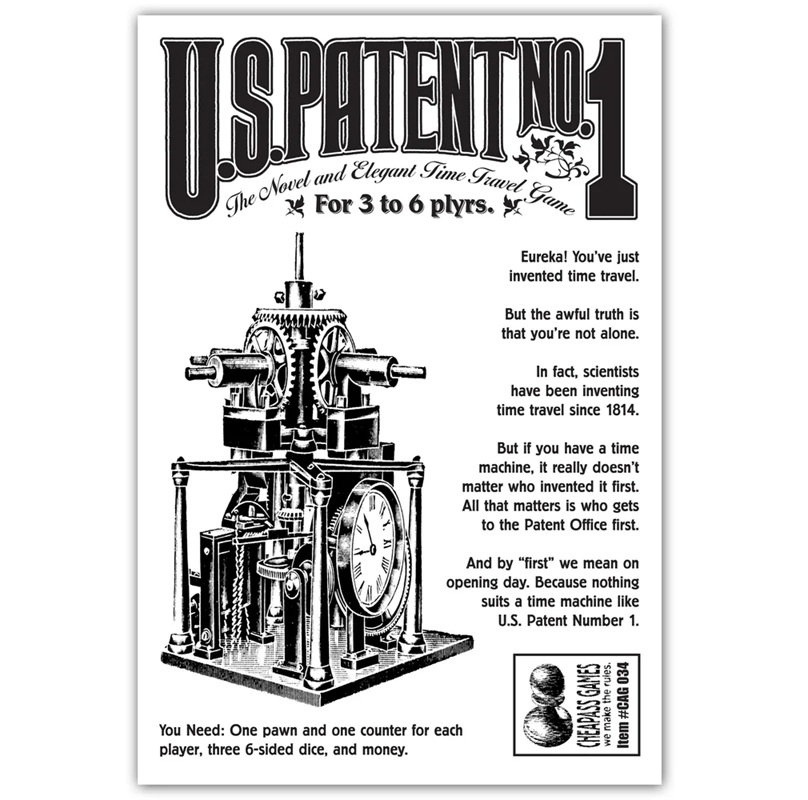
US Patent #1 (Crab Fragment Labs, board game)
You’re all scientists that have invented time travel, but can you outfit your time machine and outrace your fellow inventors to the day the patent office opens and claim US Patent #1? This strategy game is an all-time favorite and it’s a perfect Print-and-Play joy for friends and family to try out! ($5)
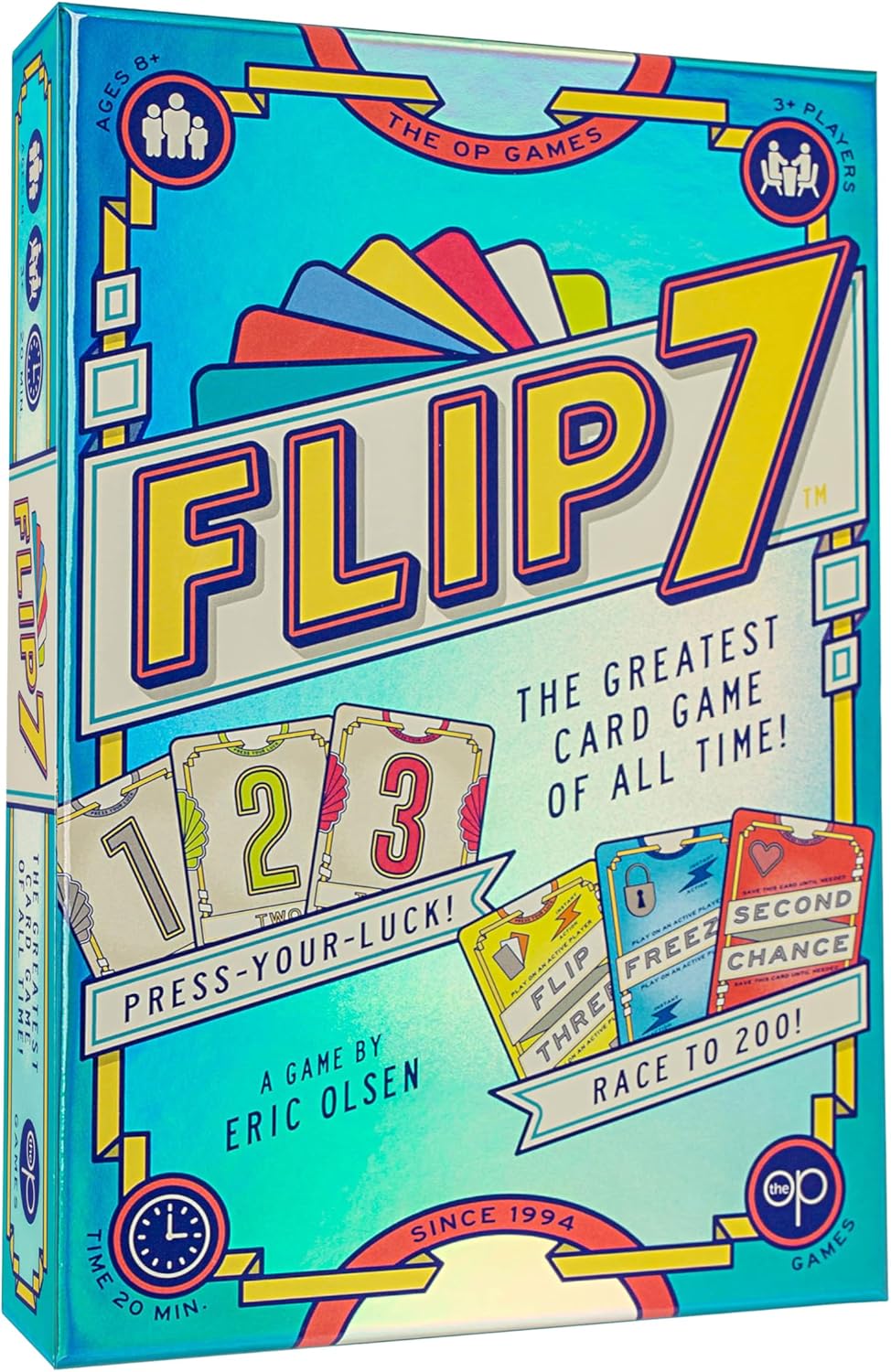
Flip 7 (Eric Olsen/USAopoly, party/group game)
In this push-your-luck card game with the cards numbered one through twelve, the concept is simple: flip over your cards and don’t repeat a number. Problem is, there’s 1 one and 12 twelves, so you’re bound to repeat sometimes. Can you Flip 7 and score extra points? ($7.99)
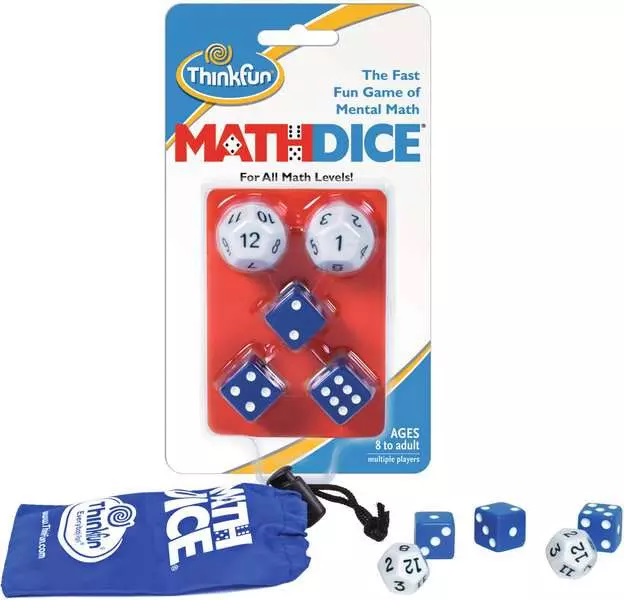
Math Dice (ThinkFun, dice game)
Can you out-think and out-math your opponents when it comes to addition, division, square roots, and more? That’s what awaits players with Math Dice, a deviously fun game of who can get closest to the target with only their math skills and cleverness! ($7.99)
[Click here for our full review!]
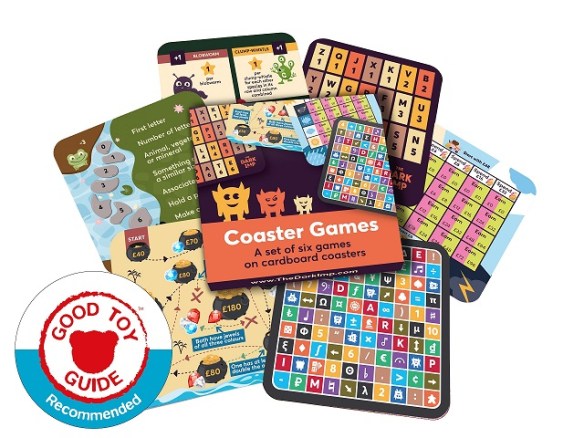
Coaster Games (The Dark Imp, party/group game)
Coaster Games is a six-pack of games encompassing all sorts of gameplay styles. Counting, word building, deduction, strategy, resource management, and more, and they all fit in your pocket. Perfect for parties or quickplay fun between longer game sessions, you’re guaranteed to find something to enjoy here! (£6.99)
[Find our review of Coaster Games here!]
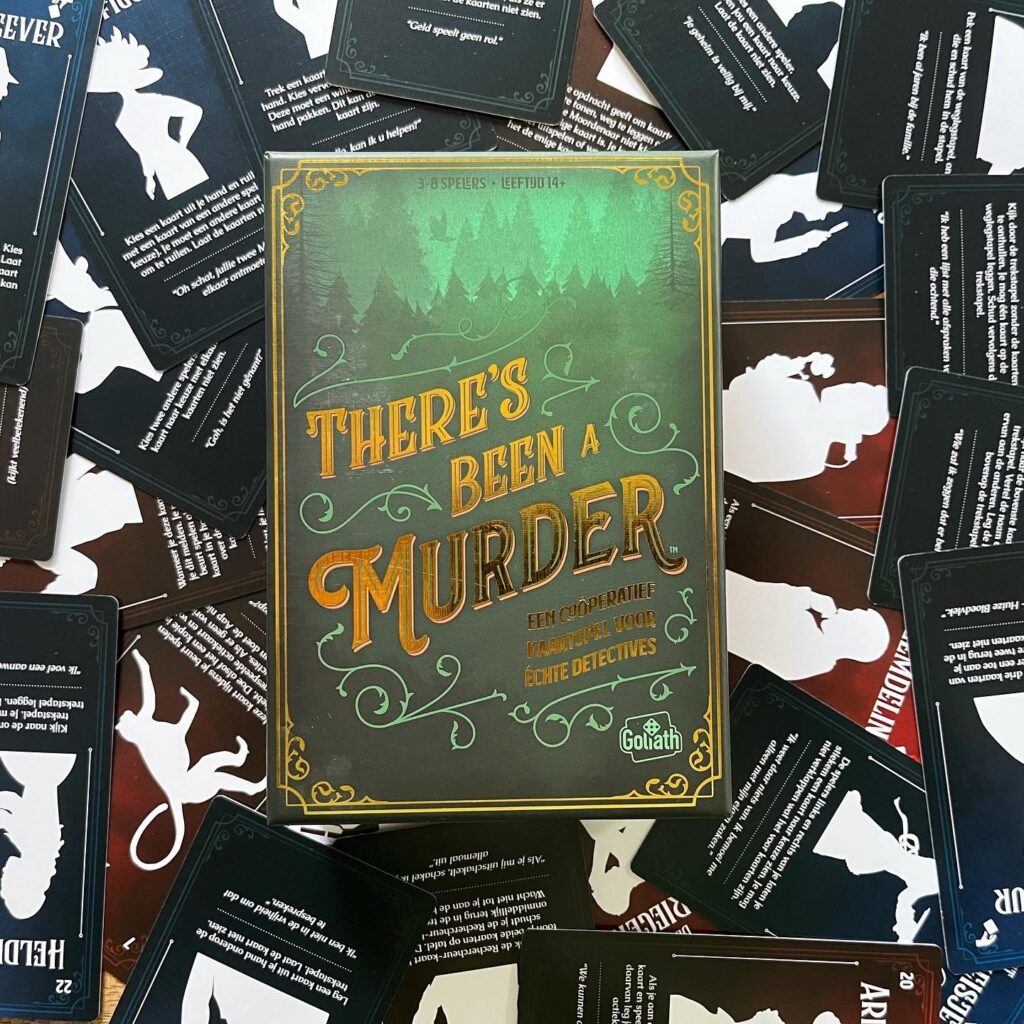
There’s Been a Murder (Pressman, party/group game)
Can you and your friends solve a murder? In this card game, every card can help you solve the crime (or hinder the investigation, if you’re the murderer). It’s amazing how Pressman boiled down all of the elements of a murder mystery into a card game this easy to learn, a game that you’ll happily play again and again. ($8.99)
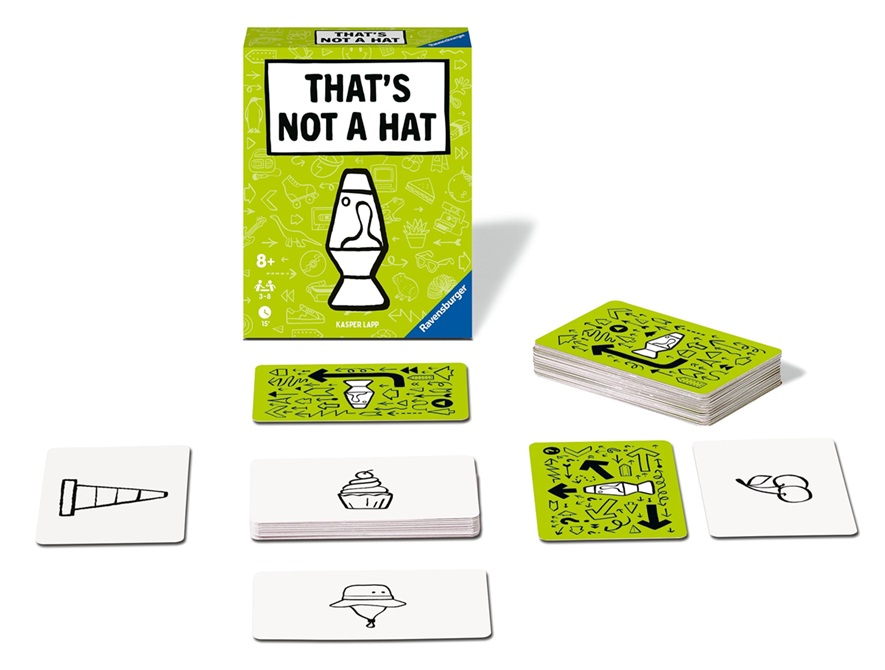
That’s Not a Hat (Ravensburger, party/group game)
A White Elephant gift exchange is always a fun time, especially watching the gifts getting traded all around. But, if they were still wrapped, could you remember every gift as it moved from person to person? That’s Not a Hat puts your memory to work, asking if you can recall each gift as it is hidden from view and passed around the table. It’s tougher, and more fun, than you think! ($9.99)
[Click here to check out our full review!]
Up to $20
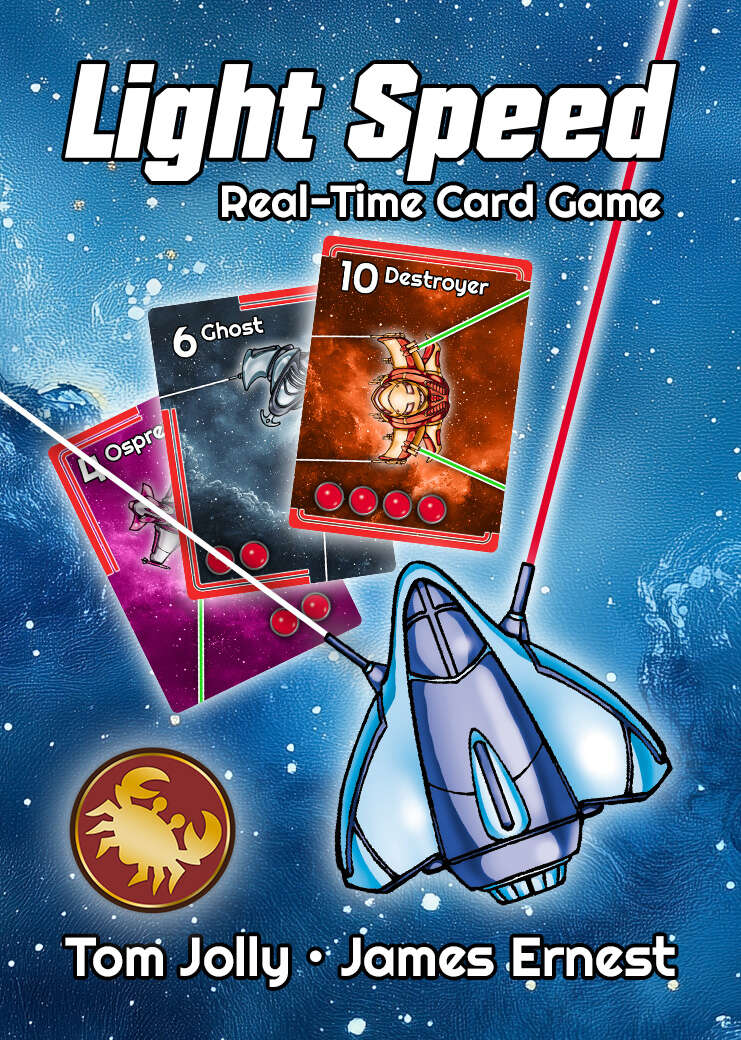
Light Speed (Crab Fragment Labs, card game)
Tired of turn-based combat and strategy? Light Speed has you covered. In this real-time card game, you play your ships as quickly as you want until one player runs out of cards, and then you see what happens! With combat, mining, strategy, and speed, this card game is great fun. ($10.95)
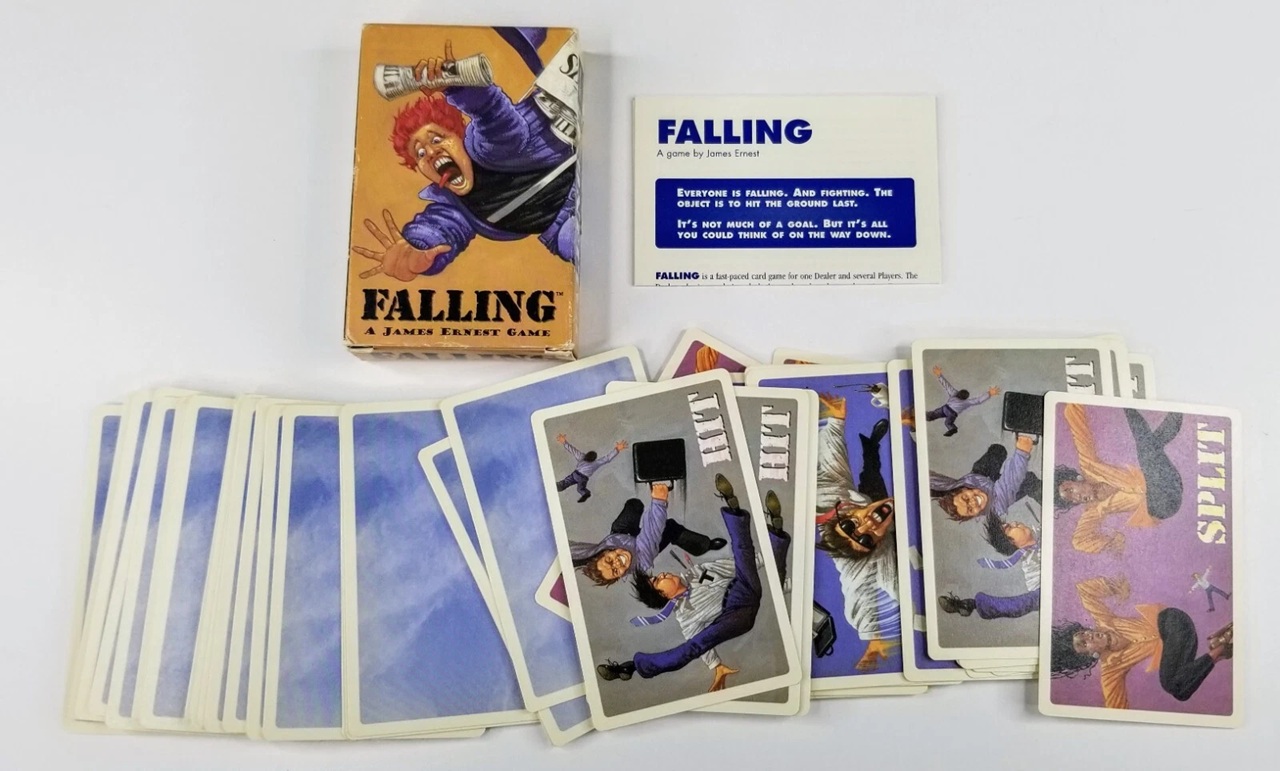
FALLING (Crab Fragment Labs, card game)
Some card games go quickly, but FALLING only takes 90 seconds. You’re all falling, and you want to hit the ground last. This game is insanely fast, chaotic, and an absolute riot to play over and over. Give it a shot. Trust me, you’ve got the time. ($10.98)
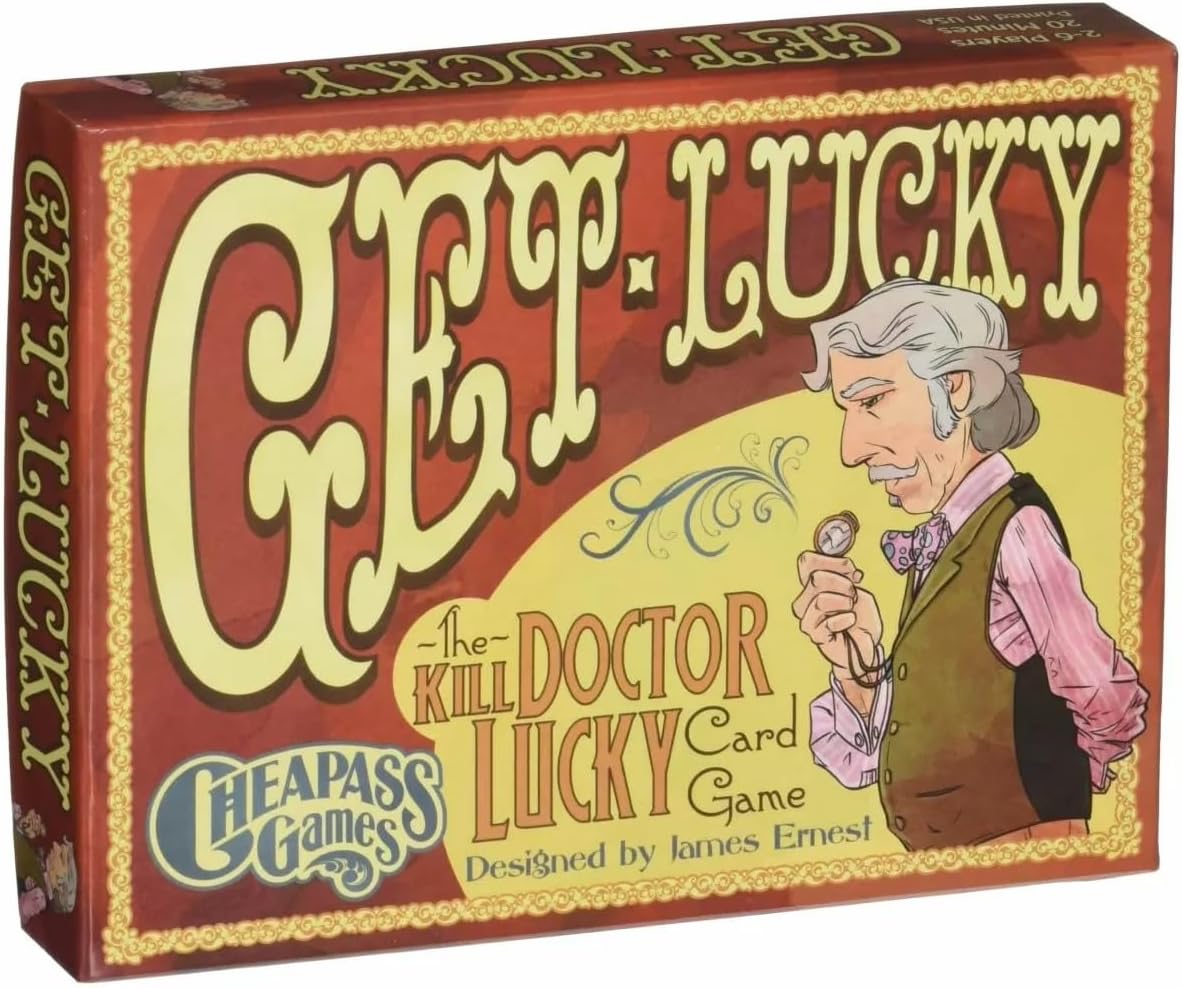
Get Lucky (Crab Fragment Labs, card game)
In this quick-play card game, you must scheme against your fellow players to be the first to kill Doctor Lucky. But Doctor Lucky is called that for a reason, so it’s gonna take a few tries, even with upgraded weapons, motives, and opportunities. Will you be the one to succeed? ($14.95)
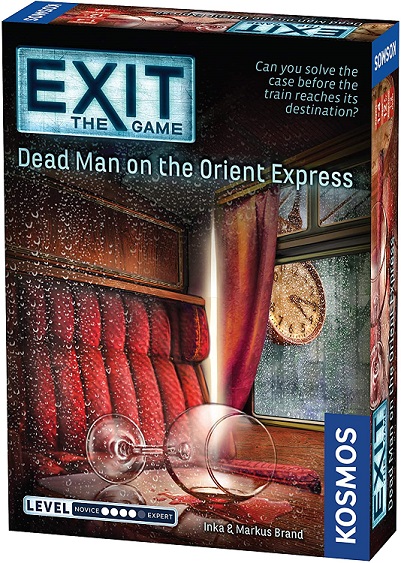
Exit: The Game: Dead Man on the Orient Express (Kosmos, escape room/solve the mystery game)
Exit: The Game products create an escape room experience by combining a deck of cards, a guidebook, a sliding decoder ring, an interactive phone app, and miscellaneous items to be used throughout the game. What sets Dead Man on the Orient Express above and beyond is that there’s a mystery to solve in the background, even as you tackle all the delightful escape room-style puzzles! ($14.99)
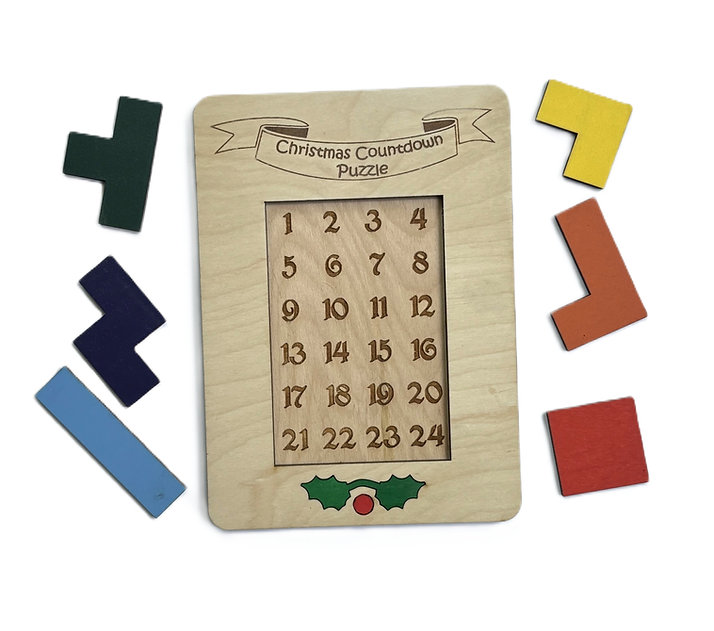
Christmas Advent Calendar Puzzle (Palmetto Puzzle Works, fill-the-frame puzzle)
Instead of an advent calendar with a little puzzle every day, what about an advent calendar that IS the puzzle every day? Solve your way to Christmas as you arrange these pieces to display each date before the holiday! ($18)

Tenzi (dice game)
All of us have rolled dice in games before, but can you roll what you need as fast as possible? That’s the challenge of Tenzi, a game that pits up to four players against each other in tests of speed and dexterity. Can you roll ten 6’s before everyone else? ($18.95)

Word Nerd Mug by Penny Press ($19)
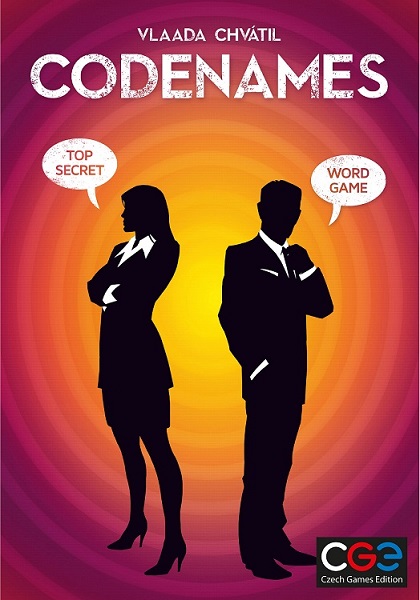
Codenames (Czech Games, card game)
It’s a race against time to locate all of your spies before your opponents. But in order to do so, you need to communicate information with a single word. Codenames will put your word association skills to work as you try to find secret agents disguised with code words, while avoiding innocent citizens and dangerous assassins along the way! ($19.94)
[Read our full review of Codenames here!]
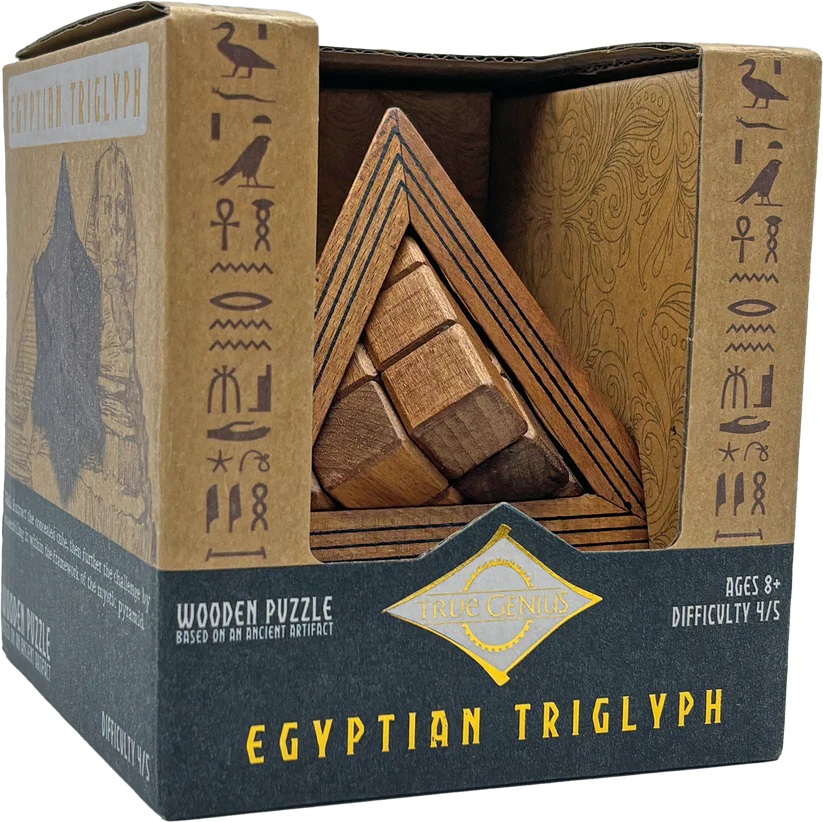
Egyptian Triglyph (Project Genius, brain teaser)
It’s hard enough to build a cube out of Tetris-style puzzle block shapes, but imagine trying to disassemble — and then reassemble one — INSIDE a 3-D triangular frame. Egyptian Triglyph bends your brain into new shapes and taxes your spatial awareness in very cool ways. A topnotch reinvention of a puzzly classic! ($19.99)
[Click here for our full review!]
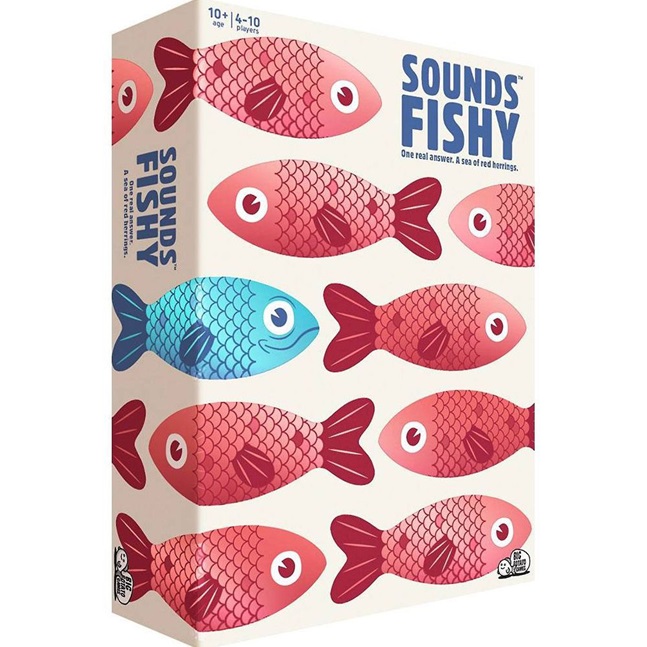
Sounds Fishy (Big Potato Games, party/group game)
What’s better than a trivia game? A trivia game with bluffing! Can you convince your fellow players that your fake trivia answer is the correct one? Try your luck and your skill with Sounds Fishy! ($19.99)
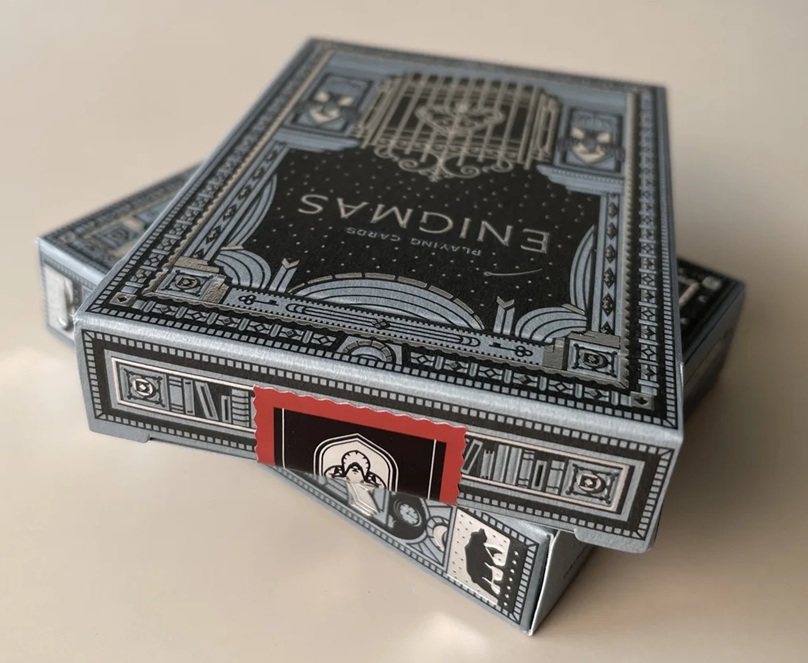
Enigmas Puzzle Hunt Playing Cards: Midnight edition (David Kwong/Dave Shukan, solve the mystery game)
A puzzle hunt lurking within a normal deck of cards? It sounds impossible, but when you’re dealing with puzzler and magician David Kwong, anything can happen with Enigmas! Can you unravel the mystery hiding amongst these playing cards? ($20)
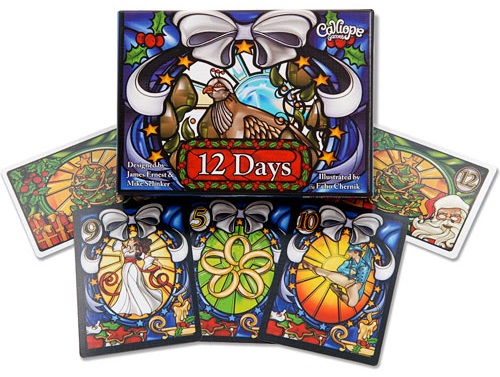
12 Days (Calliope Games, card game)
A proper holiday-themed game for the holidays? You betcha. This wagering game, based on the 12 Days of Christmas, has some of the most beautiful art in the entire card game genre. Plus the two ways to earn points — winning each day of Christmas with the lowest card in the pot vs. keeping as many of a certain value card as possible for the end of the game — offer tons of strategic opportunities in a simple card game. What a treat! ($20)
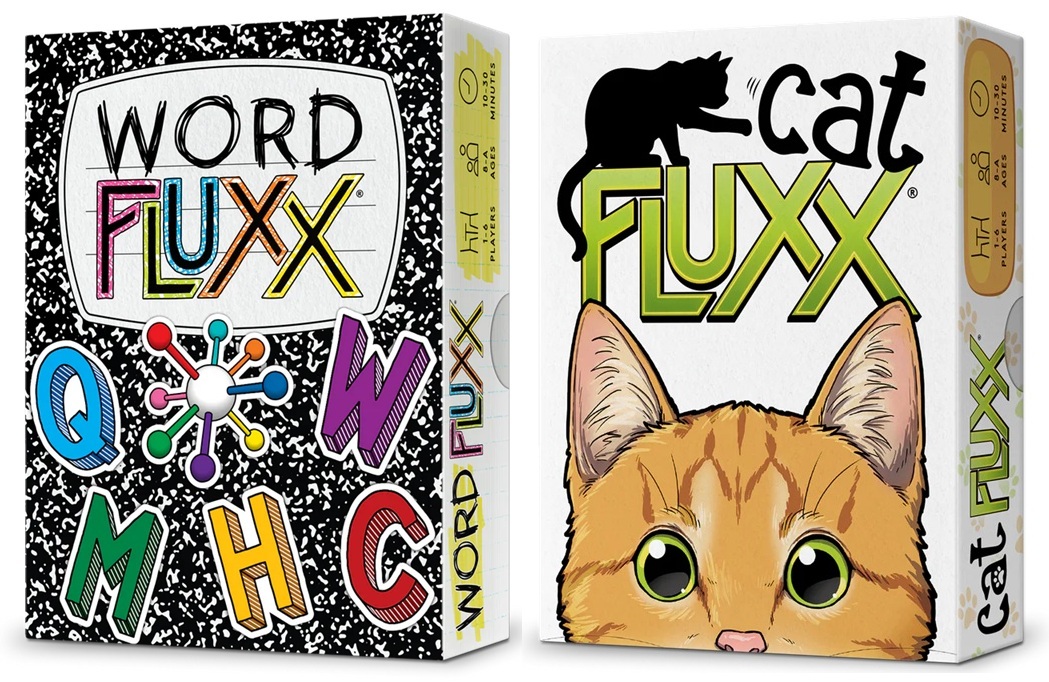
Word Fluxx and Cat Fluxx (Looney Labs, card game)
The chaos and ever-changing rules of Fluxx have taken many forms over the years, from anatomy and astronomy to Star Trek and Alice in Wonderland — and they’ve made their most accessible Fluxx games yet with Word Fluxx and Cat Fluxx. Build your words or delight in your feline friends as you try to win this classic quick-changing card game! ($20)
Up to $30
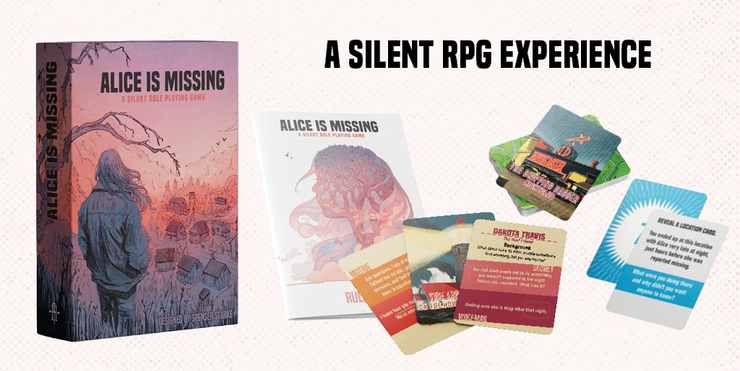
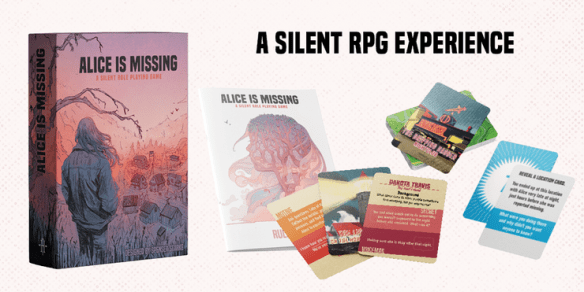
Alice is Missing (Hunters Entertainment, escape room / solve the mystery game)
Can you and your fellow players solve a mystery without ever saying a word? That’s the challenge offered by the uniquely atmospheric and haunting RPG mystery game Alice Is Missing.
A game played entirely through text messaging, each player takes on the role of a character in the town of Silent Falls, trying to find out what happened to Alice Briarwood. We promise, you’ve never played anything like it. ($21.99)
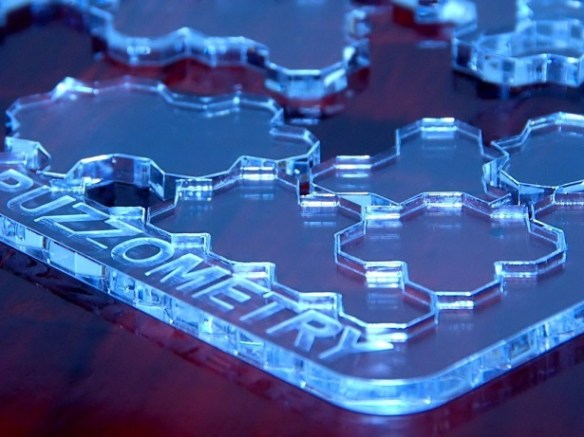
Puzzometry (jigsaw puzzle)
For a next-level jigsaw challenge, Puzzometry is tough to top. These beautiful pieces can be combined in seemingly endless combinations, and yet, there’s only one solution. Available in seven different styles — Puzzometry ($22.33), Puzzometry Jr. ($17.58), Puzzometry Squares ($22.33), Puzzometry Hex ($22.33), Puzzometry Steps ($22.33), Puzzometry Six ($22.33), and Puzzometry Jr. 2 ($17.58) — you’ve got distinct challenges appropriate for all different ages!
[Check out the full review of the original Puzzometry by clicking here!]
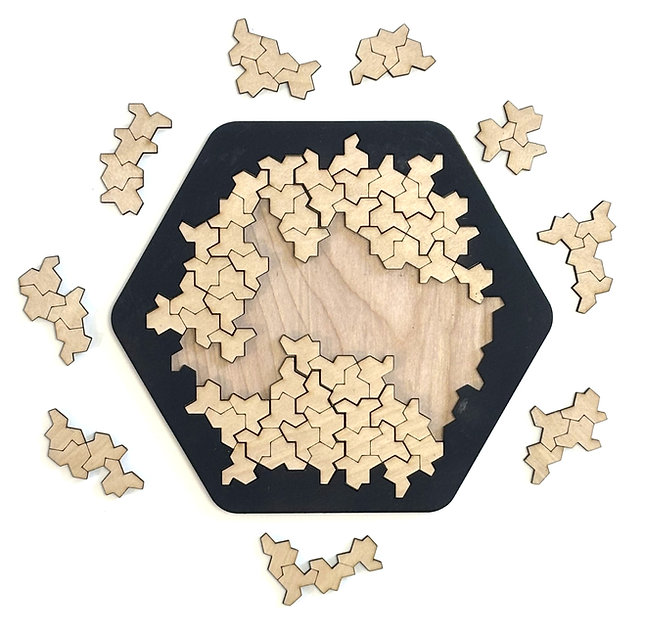
Fragments of Chaos: An Einstein Tile Challenge (Palmetto Puzzle Works, fill-the-frame puzzle)
Einstein’s influence is still felt today, as we have recently discovered the “Einstein monotile” (a tessellation without symmetry), and naturally, someone clever has turned the idea into a puzzle. Can you place these 23 irregularly-shaped pieces into the hexagonal grid? ($22.50)
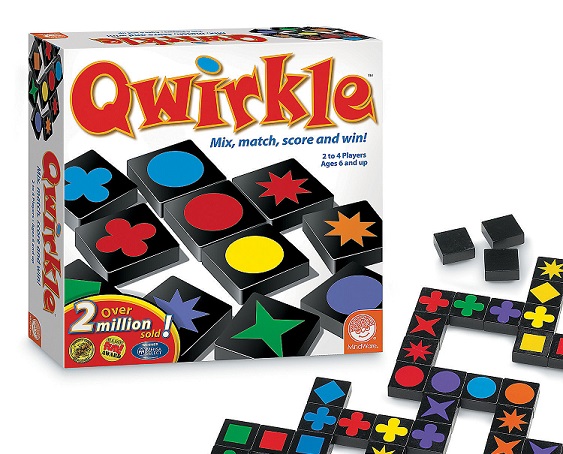
Qwirkle (MindWare, board game)
A wonderful mix of Uno and Mexican Train Dominoes, Qwirkle is a tile-placing game where you try to maximize your points while minimizing the help you give to your opponents. With six bright colors and six different shapes to match up, Qwirkle is endless fun that’s so easy to jump into! ($22.99)
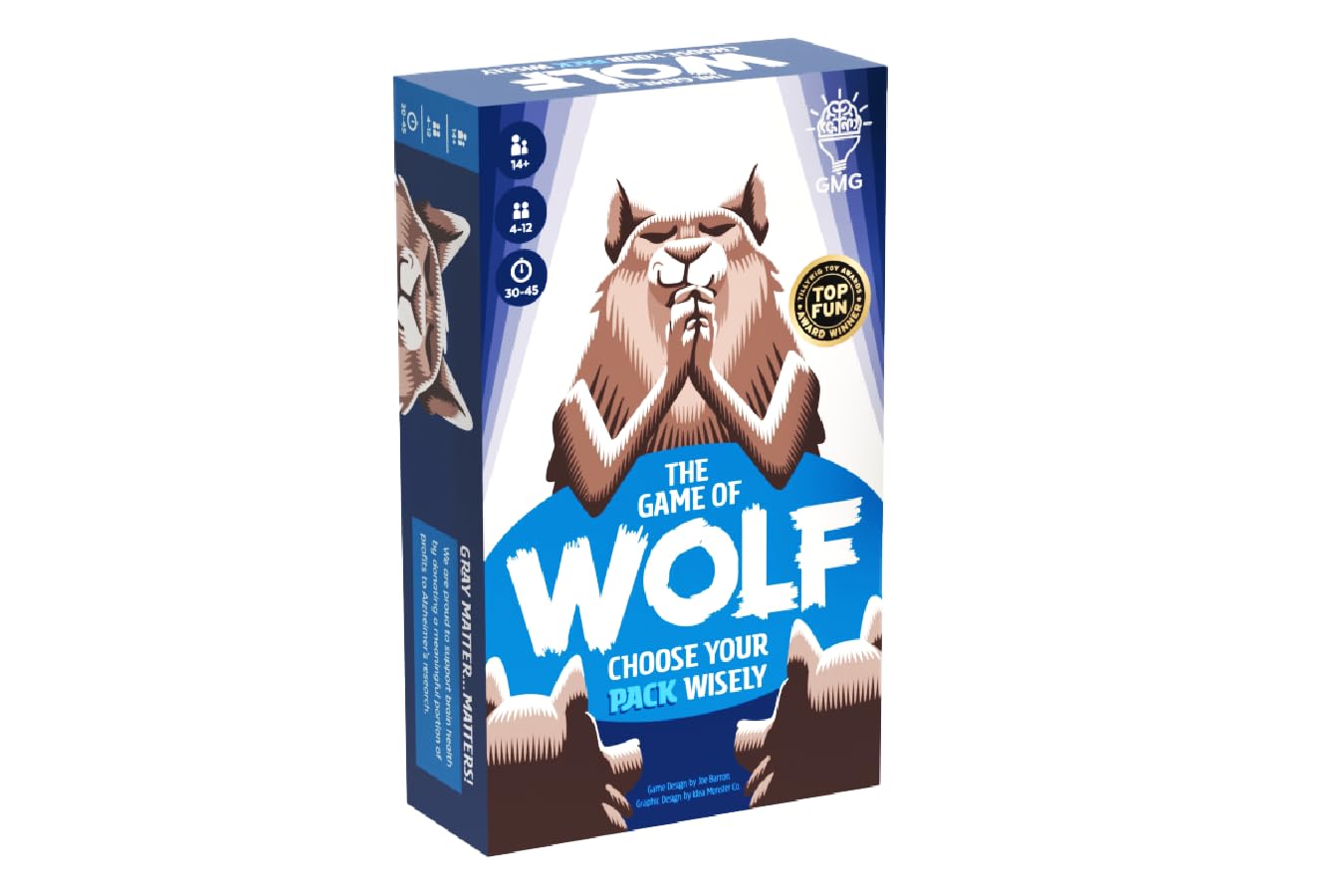
The Game of Wolf (Gray Matters Games, party/group game)
In the dog-eat-dog world of trivia, is it better to go alone or with the pack? In The Game of Wolf, trivia and strategy meet as you try to answer questions and double your points! With fresh topics and loads of interesting questions, The Game of Wolf has become my go-to trivia game. ($23.48)

Slapzi (Tenzi, party/group game)
Slapzi will keep you on your toes. In this quick-reaction game, you’ve got to match your picture cards to the clue cards before your opponents. But with clues like “Not sold in a hardware store” or “Two of the same letter together,” this isn’t as easy as it appears! ($23.95)
[Click here to check out our full review of Slapzi!]
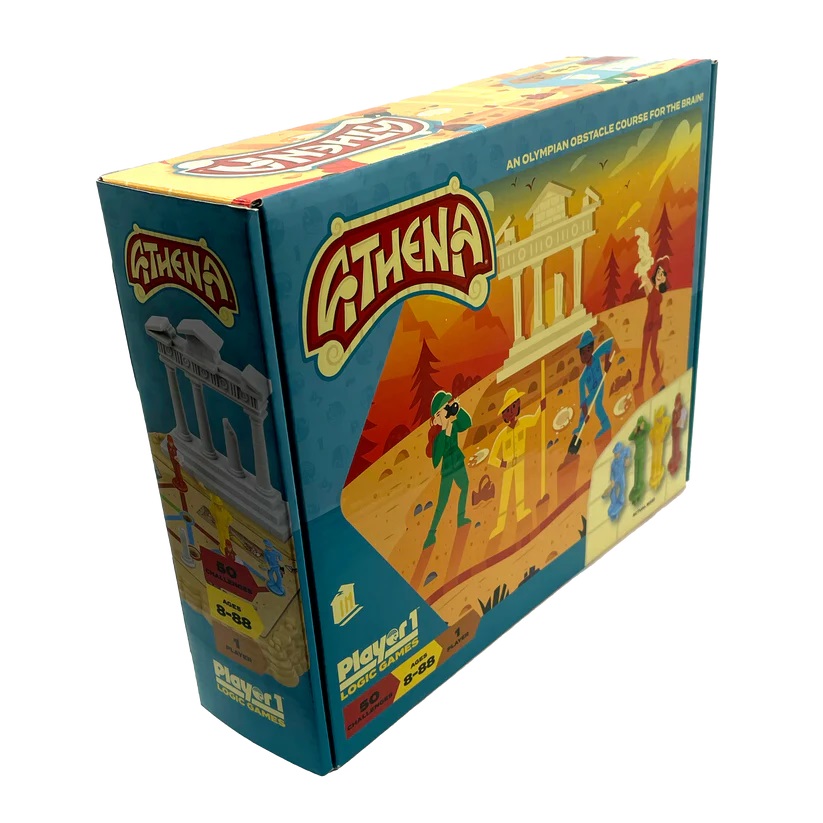
Athena (Project Genius, brain teaser)
Put your chess skills and tactics to the test with Athena. A puzzle requiring you to think several steps ahead in order to reunite a statue with its pedestal on a busy archaeological dig site, Athena has over 50 challenging patterns for you to solve! ($24.99)
[Click here for our full review!]
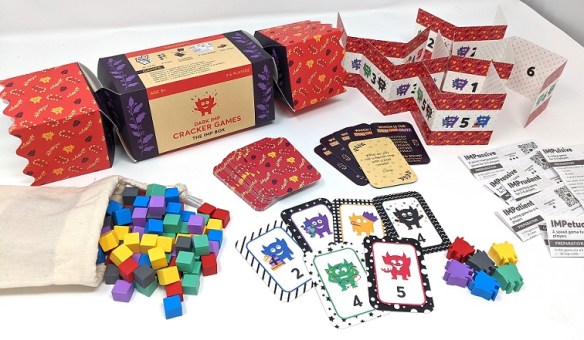
Cracker Games: The Imp Box (The Dark Imp, party/group game)
Six unique family games in a reusable box that looks like a Christmas cracker? What an idea! Voting, collecting, observation, and trading are among the gameplay styles you’ll find in The Imp Box, and this neat little package packs a lot of variety into a small space! (£19.99)

Escape Room Advent Calendar (Insync Games, escape room / solve the mystery game)
This advent calendar has no numbers on the doors, and solving a daily puzzle is the only way to figure out which door to open! This clever, festive, chocolate-filled treat is a puzzly twist on a holiday classic! ($27)

Spaceteam (Timber and Bolt, card game)
Can you repair your ship and get the engines up and running before a black hole ends your space adventure forever? That’s the name of the game in Spaceteam, a cooperative, communication-based game where you have to accomplish various tasks with your fellow players while sharing tools. It’s delightful chaos, heightened by the five-minute hourglass timer counting down your dwindling seconds before disaster strikes! A definite favorite around here. ($27.95)
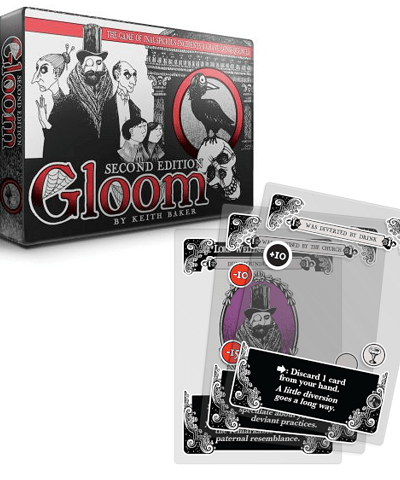
Gloom and Gloomier (Atlas Games, card game)
Do you enjoy The Addams Family or the art of Edward Gorey? Then Gloom might be a strategy game worth checking out. In this tactical game with a sinister twist, you’re trying to make your Victorian family miserable for points and the lives of your opponents’ families better! Yup, misfortune equals good fortune for you! With gorgeous transparent cards you can lay over each other to track your scores, there’s no storytelling game out there quite like it.
With loads of expansions to add to the creepy world of Gloom — as well as the Gloomier spinoff game — this is hilariously macabre fun! ($27.95)
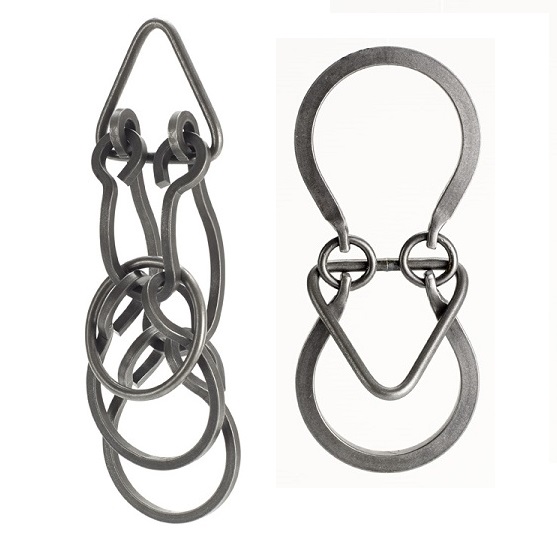
Tavern Puzzles / Tucker-Jones House Inc. (brain teaser)
These hand-forged beauties are ready to challenge your dexterity and cleverness, as you accept the Tavern Puzzles challenge. Whether you’re trying to remove twice as many pieces in a Collaborative Effort or free the triangle from Tridiculous, you’re sure to put your skills to the test. ($29.95 each)
Up to $40
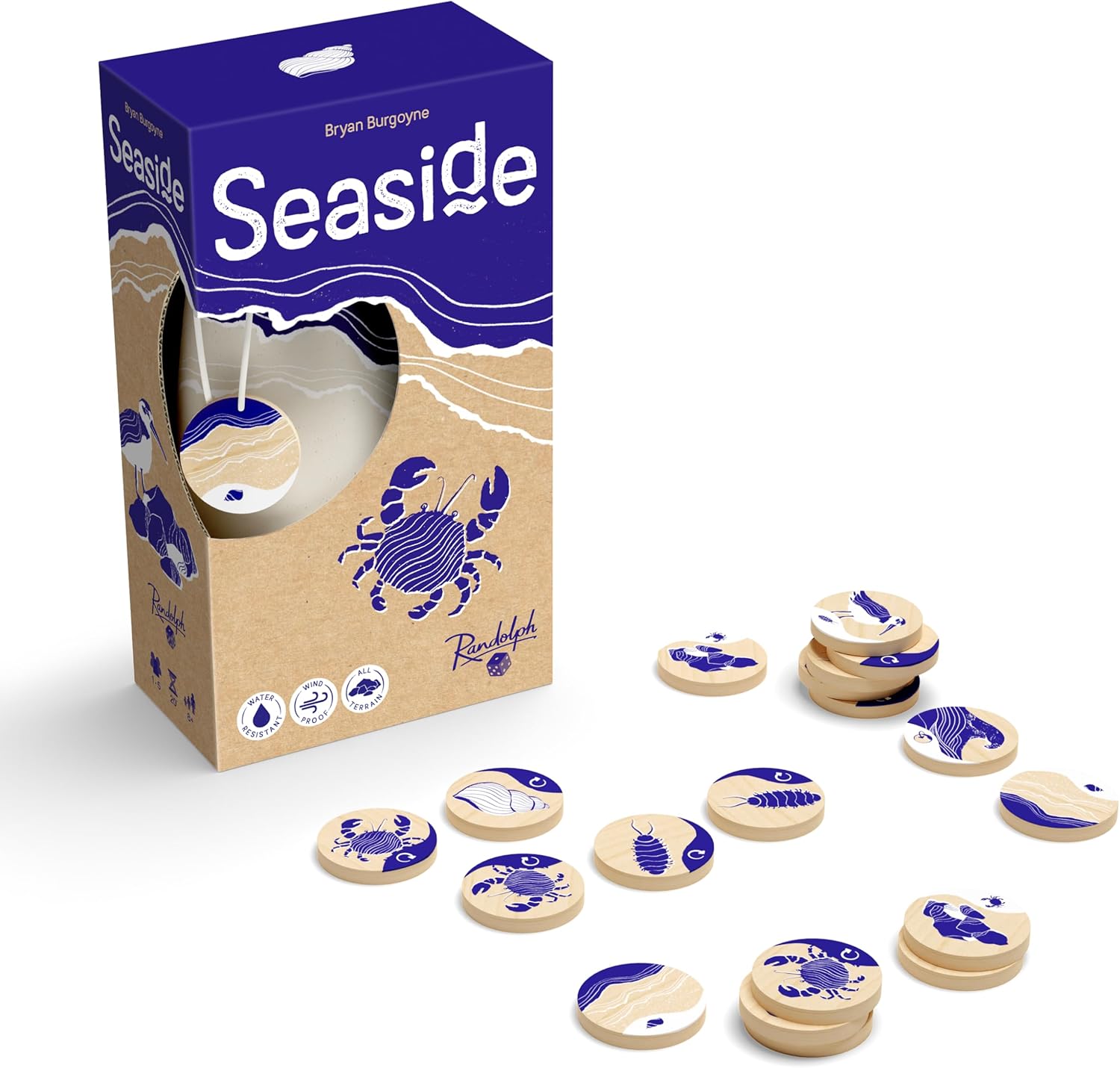
Seaside (Bryan Burgoyne/Randolph, party/group game)
A trip to the beach in game form, Seaside is all about collecting tokens from the sea and building the biggest stack. This simple game offers surprising depth and strategy, and the tokens are beautiful and environmentally friendly. You could take this game anywhere and set up in seconds! ($31.99)
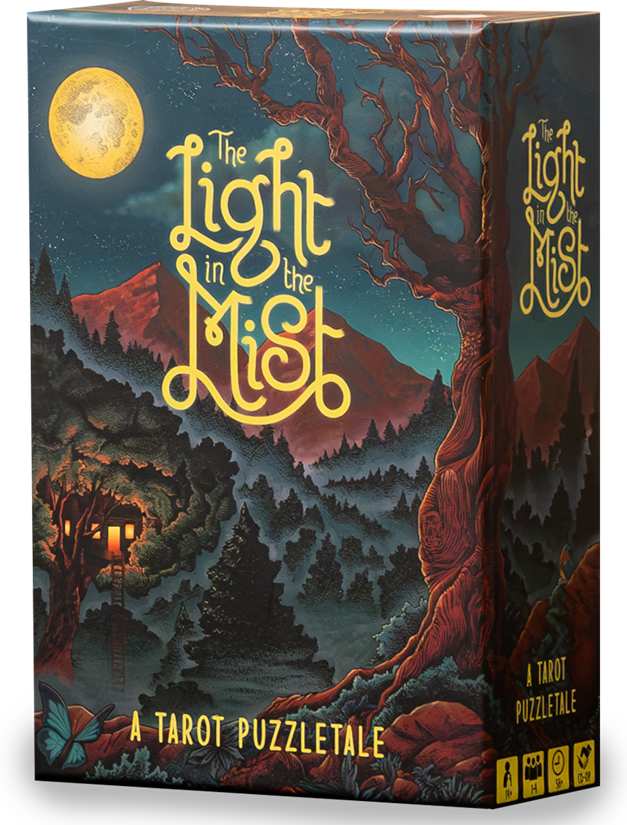
The Light in the Mist (Allplay, solve the mystery game)
We’ve got puzzles in calendars, puzzle boxes, games, and playing cards, but how about a puzzle AND a story hidden in a tarot deck? The Light in the Mist walks you through the memories of a missing friend and creates a unique puzzle-solving experience! ($34)
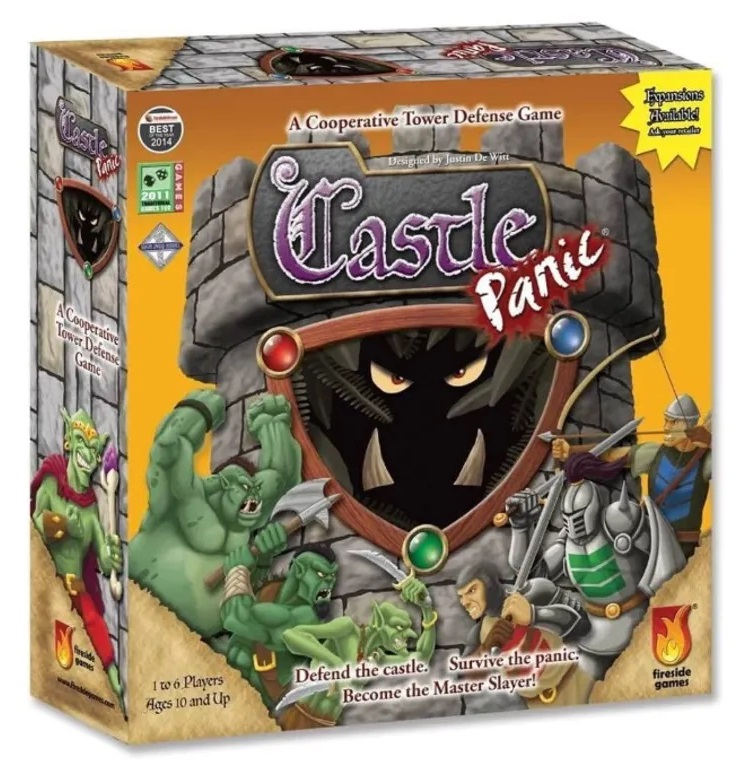
Castle Panic! (Fireside Games, board game)
Can you and your fellow players repel wave after wave of monsters as a team? Tackle a unique spin on traditional tower defense games in this cooperative game of resource management and tactics! ($35)
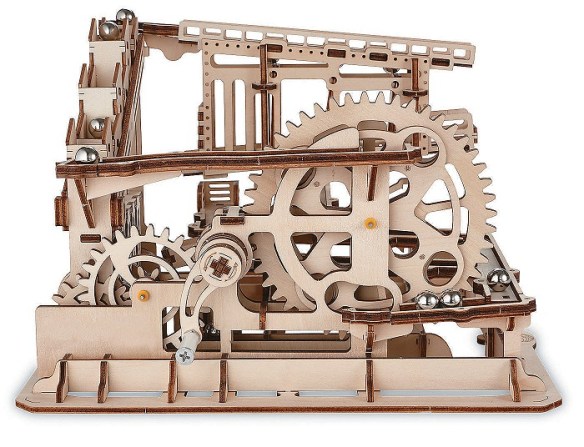
Gearjits Roller Coaster (Gearjits, marble puzzle)
Bring your puzzle skills to life as you assemble a working roller coaster from these wooden pieces. Assembling handcranks and gears to operate the machine along with the structure of the roller coaster itself makes this 3-D puzzle more exciting and satisfying than the average 3-D puzzle. ($39.95)
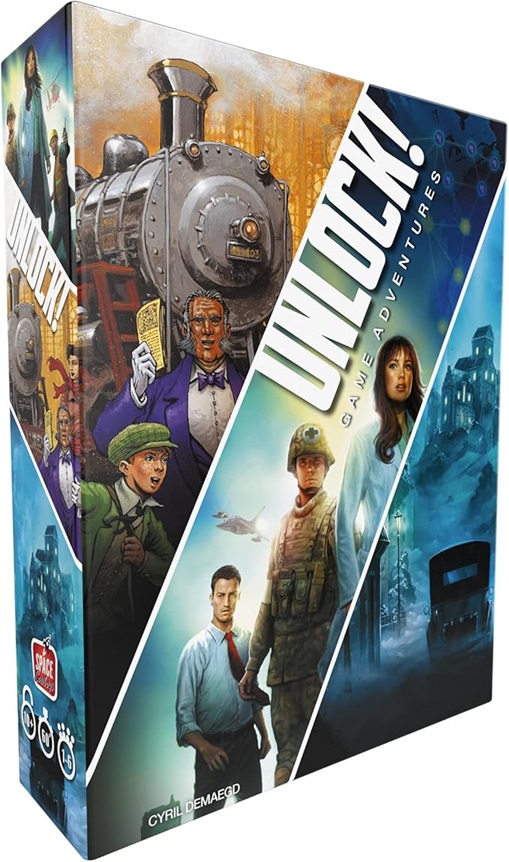
Unlock! Games (Asmodee, escape room / solve the mystery game)
Unlock! games consist of entirely of a deck of cards and your app. The cards provide locations, challenges, helpful items, solutions, and warnings, all identified with numbered or lettered cards in the deck. There are numerous Unlock! escape games to try — covering everything from haunted houses to desert islands — and they’re offered in sets of three! ($39.99)
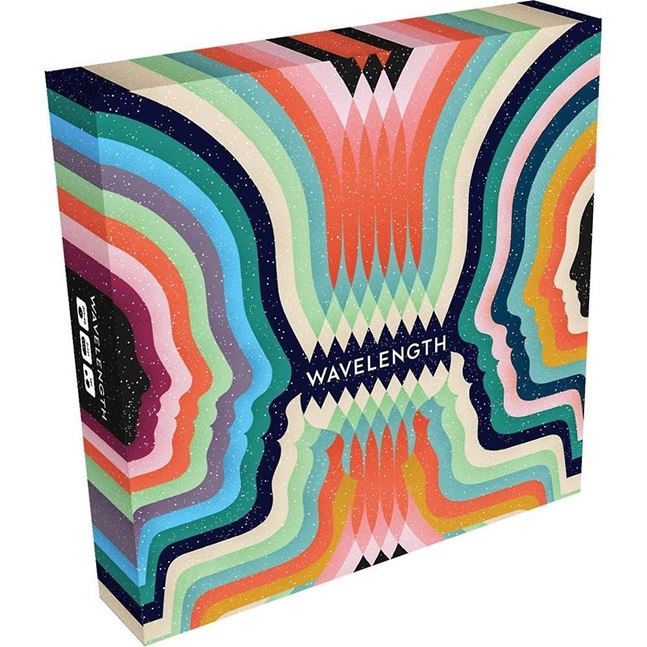
Wavelength (Asmodee, party/group game)
Can you get your teammates to pick the exact spot on the dial you want… with a single word? That’s the challenge of Wavelength, a literal game of inches that shows where our opinions differ and where they align. A terrific party game you can learn in seconds! ($39.99)
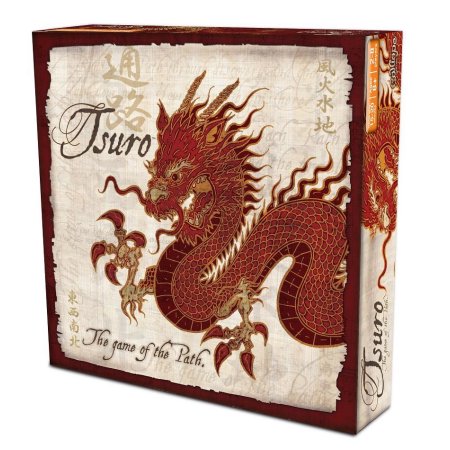
Tsuro: The Game of the Path (Calliope Games, board game)
A path-laying game with tons of style and historical spirit, Tsuro casts up to eight players as flying dragons, and tasks you with laying out your path with special tiles. Try not to meet any other dragons or fly off the board! It’s a simple mechanic with plenty of replay value, and perfect for quick games with large groups. ($40)

Sagrada (Floodgate Games, dice game)
One of the most beautiful strategy games on the market today, Sagrada is a singularly peaceful gaming experience. Compete with other players to build the most beautiful stained glass window, but with dice instead of glass! Unique and challenging, Sagrada is something else. ($40)
Up to $60
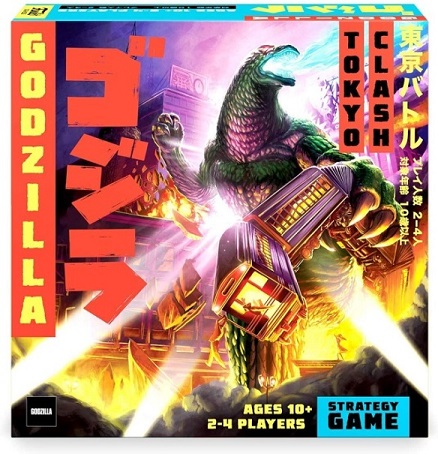
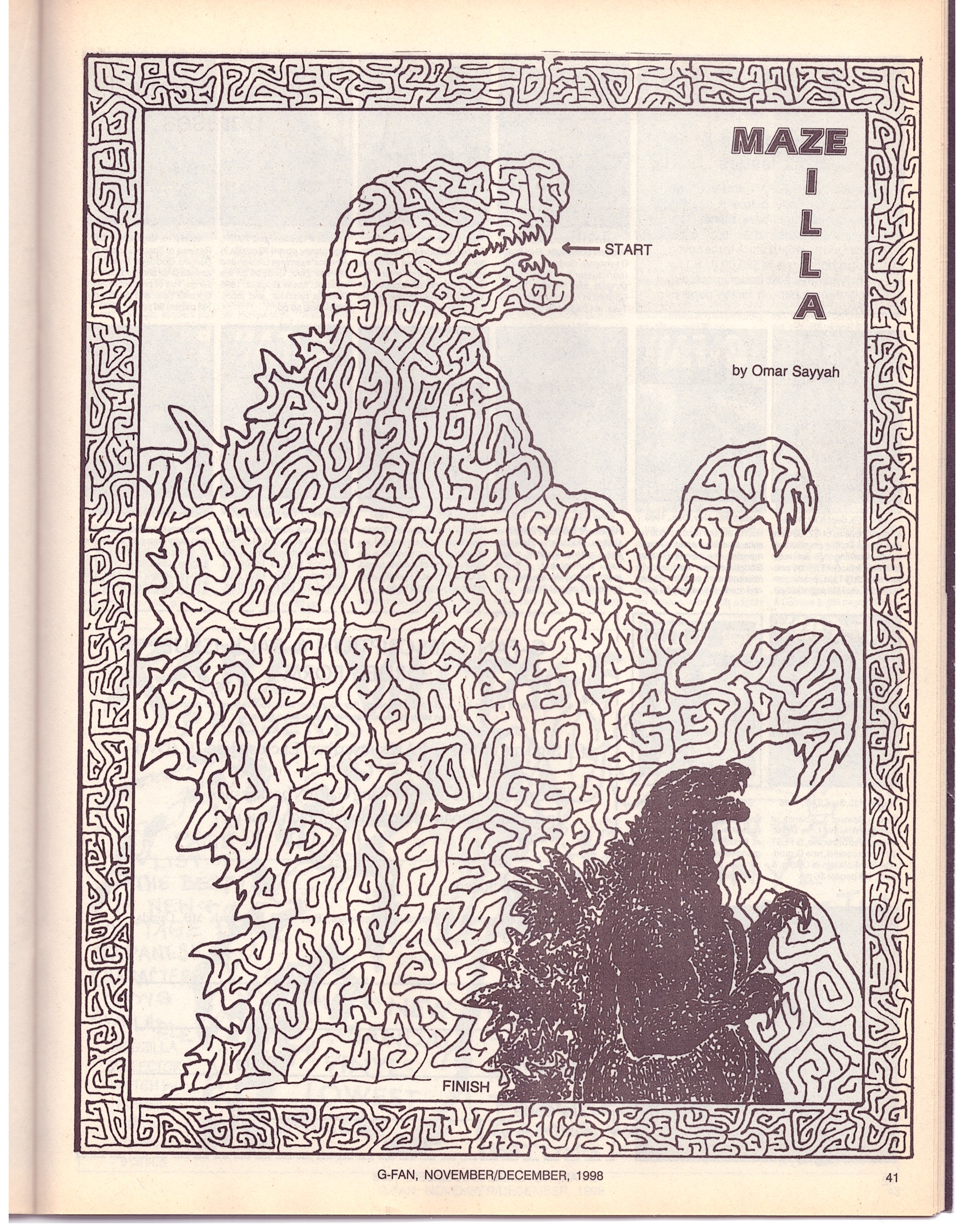
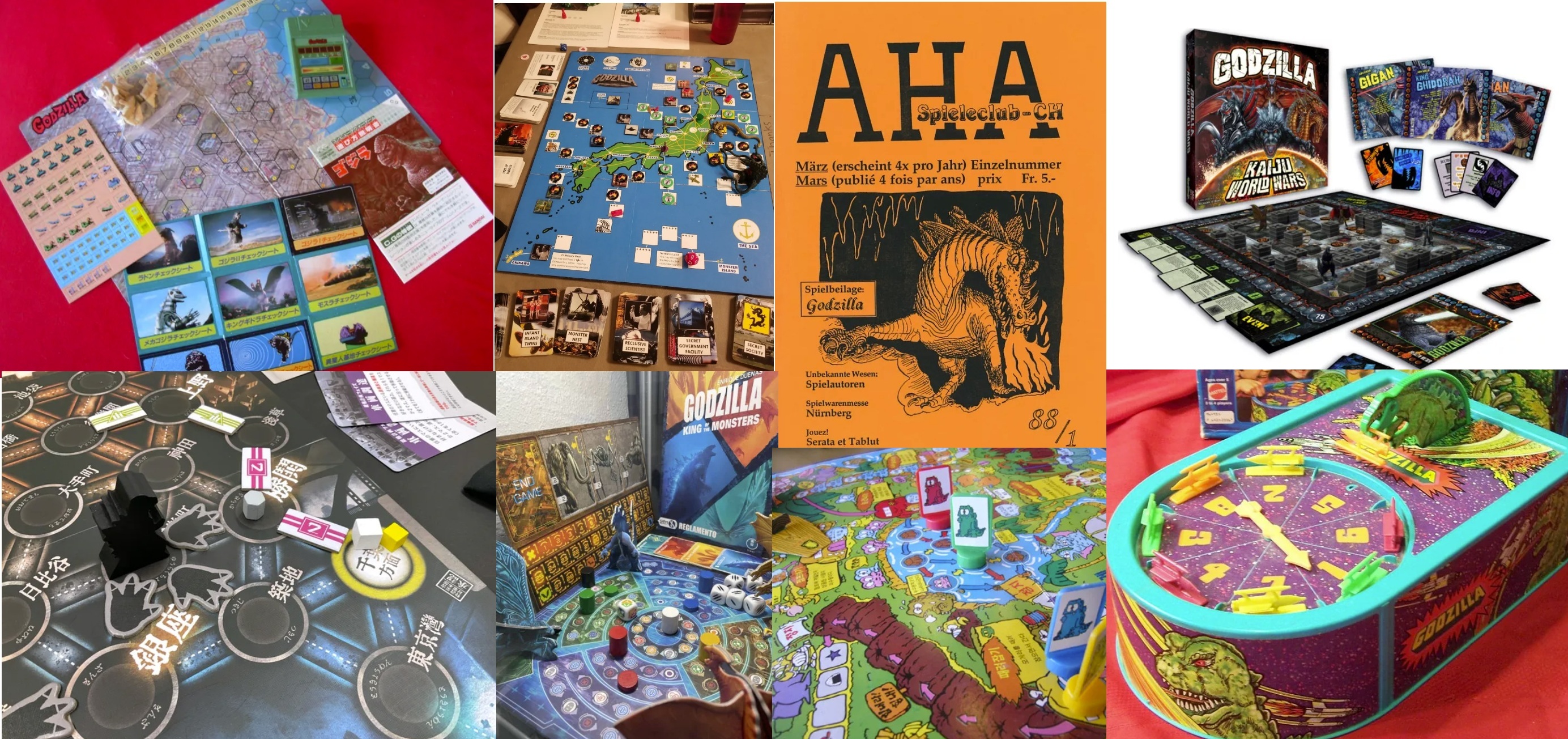
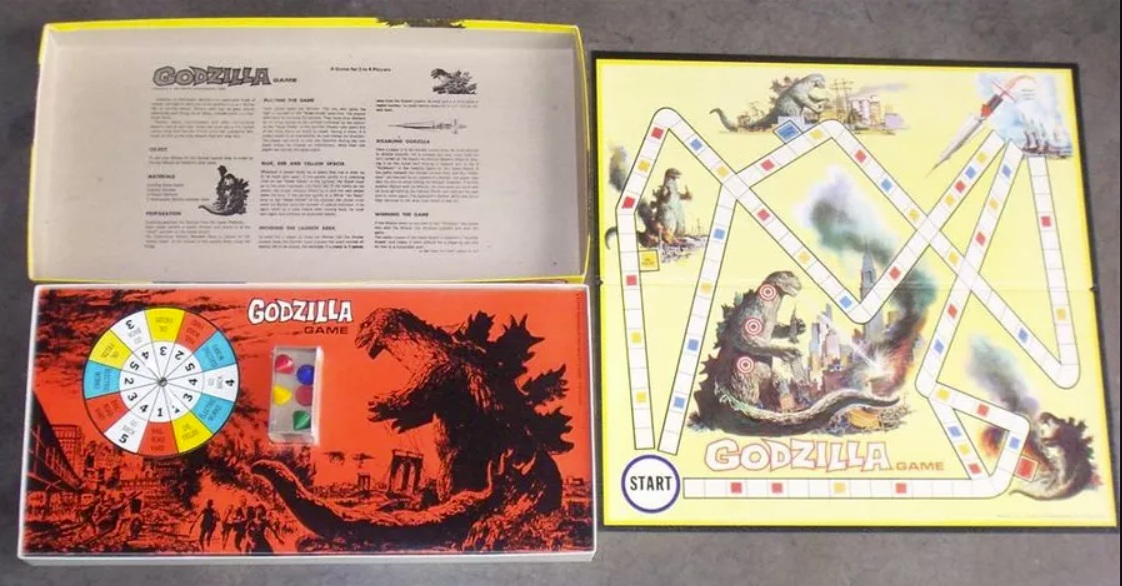
Godzilla: Tokyo Clash (Funko Games, board game)
Choose one of these four iconic monsters and let loose your fury all over Tokyo in Godzilla: Tokyo Clash. This tactical monster-vs.-monster game allows you to smash buildings, vehicles, and your fellow monsters on a game board that’s different every time you play! Will you be King of the Monsters by the time Tokyo is in ruins? ($42.99)
[Check out our full review of Godzilla: Tokyo Clash here!]
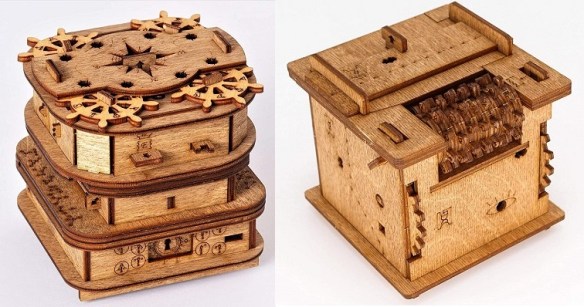
Cluebox Escape Rooms in a Box (iDventure, brain teaser)
These multi-stage puzzle boxes are completely self-contained. You need to explore every inch of its surface to find clues and tools to unlock each stage of the puzzle box and reveal further challenges. Whether you delve into Davy Jones Locker ($49.99) or try to unravel the mystery of Schrodinger’s Cat ($44.99), you will definitely find your puzzly mettle tested by these devious devices!
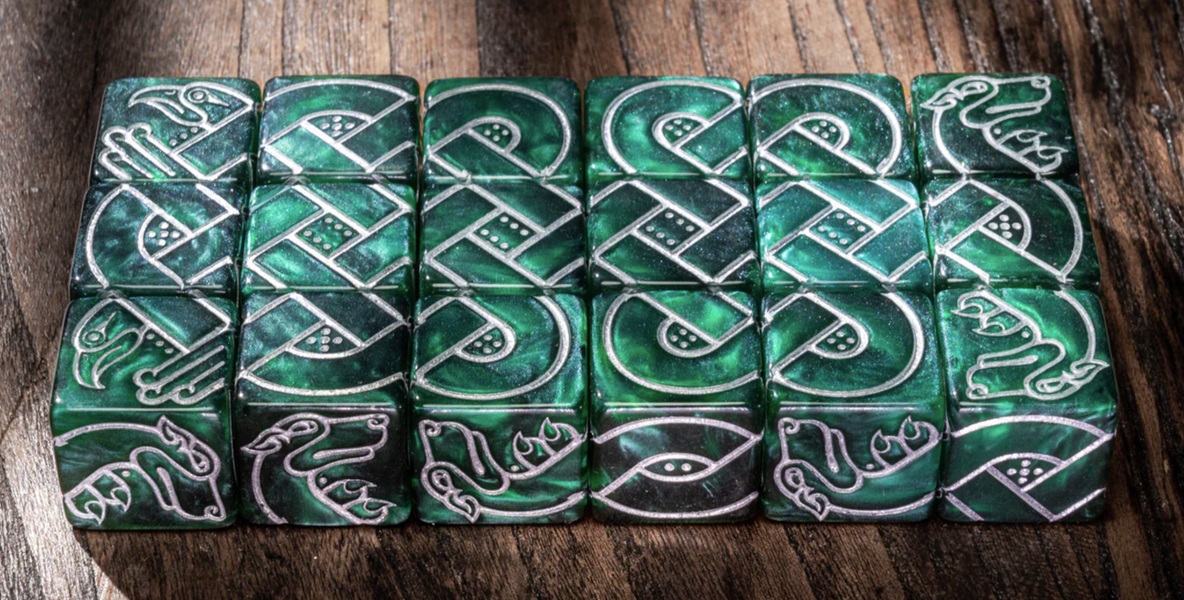
Knot Dice Celtic Animals (Black Oak Games, dice game)
Can you twist, turn, and spin these dice to complete beautiful, elaborate patterns inspired by Celtic knots? That’s the name of the game with Knot Dice Celtic Animals, a dice game as challenging as it is gorgeous. With single-player and multi-player puzzles included, you’ll be tying yourself in knots for days! ($45, available in several colors)
And you can add new wrinkles and patterns to your solving with Knot Dice and Knot Dice Squared! ($40 and $45, respectively)
[Click here to check out our full review of Knot Dice and Knot Dice Squared!]

Chessplus
The first thing you learn in chess is how the pieces move. But what if that could change? What if you could make new pieces that move in unexpected ways? How would that change the game? With Chessplus, you’ll find out, as you mix and match chess pieces in order to capture your opponent’s king. The possibilities really are endless! ($45)
[Click here for our full review of Chessplus!]
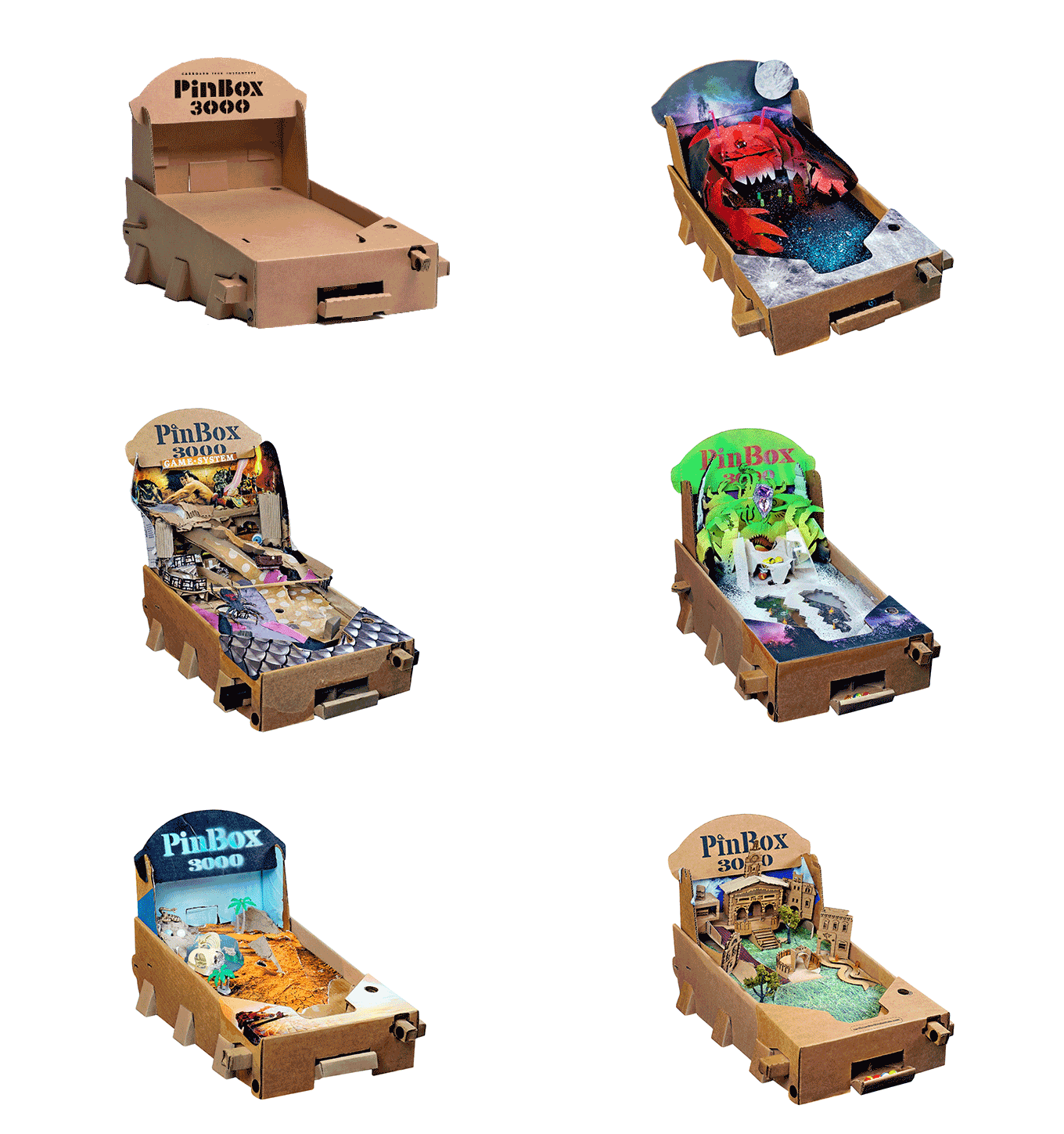
Pinbox 3000 (Cardboard Teck Instantute)
How about the chance to build your own game? Is that puzzle enough for you? Pinbox 3000 provides all the pieces you’ll need, plus valuable advice for brainstorming and creating your very own pinball game. It’s endlessly customizable, so you can make your Pinbox pinball game as simple or as complex as you like! ($49.95)

The Great Dinosaur Rush (APE Games, board game)
Bring the insane real-life rivalry of paleontologists Cope and Marsh to life in The Great Dinosaur Rush! As you collect fossils and discover your own unique dinosaur, you must also steal bones, sabotage other scientists, and more! Show off your cunning and creativity in this game that proves historical truth is weirder than fiction! ($50)
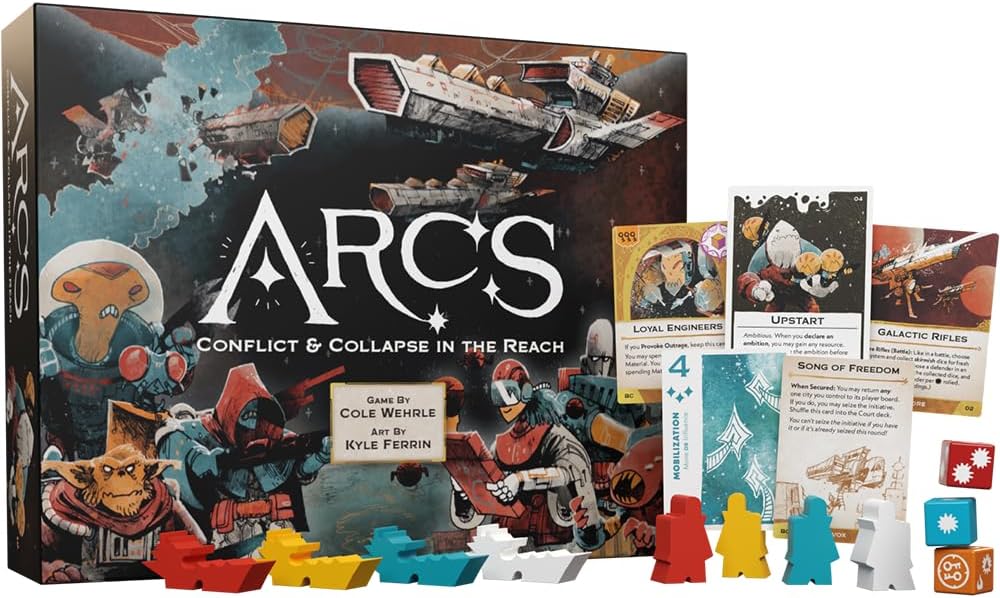
Arcs (Leder Games, board game)
Each player represents a different alien civilization, trying to complete their established goals and rule the galaxy. Arcs is a fairly complex game, and it’s definitely one that takes some time to play. But the art is beautiful, the gameplay is nicely balanced, and there are tons of different choices to make. ($54)
$70 and Over
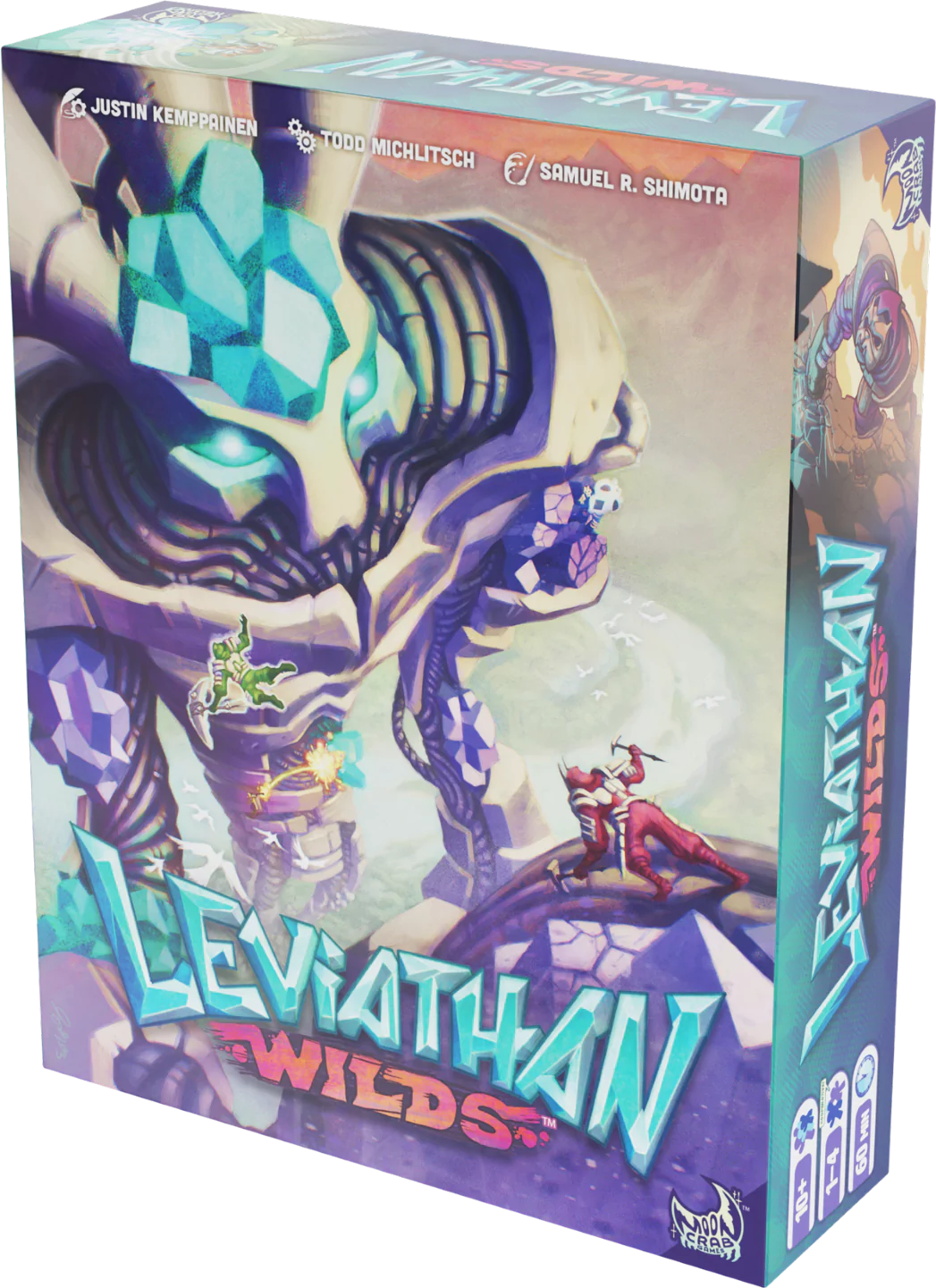
Leviathan Wilds (Moon Crab Games, board game)
In this exciting strategy board/card game, you must climb one of seventeen leviathans and scramble all over it to heal it while avoiding its attacks. Be both action hero and environmentalist by scaling these beautiful beasts and trying to save them! ($74)
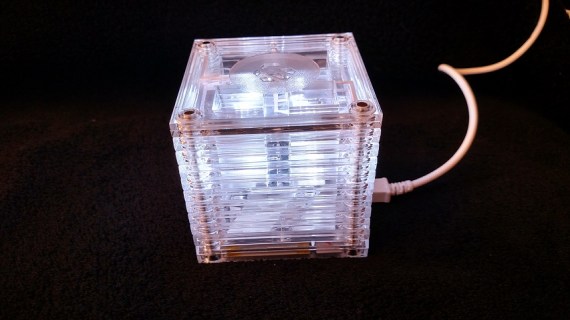
Lightbox (Eric Clough, brain teaser)
A puzzle box unlike anything you’ve ever seen, Lightbox creates different patterns of shadow and light as you shift and arrange the various plastic plates that make up the box. As you twist and reset them, different electrical connections are made, and different plates light up. As gorgeous as it is challenging, Lightbox is a very eye-catching puzzle that always wows new solvers. ($85)
[Check out our full review of Lightbox by clicking here!]

Gravitrax Starter-Set XXL (Ravensburger, marble puzzle / game)
Simply the coolest marble run builder I’ve ever seen, the Gravitrax Starter-Set XXL offers hundreds of pieces and a terrific base to build upon. Create ramps, loops, and elaborate patterns with ease! And although there are smaller Gravitrax games to start with, the Gravitrax Starter-Set XXL is an absolute wonder! ($129.99)
[Click here for our full review!]
Thank you to all of the constructors, designers, and companies taking part in this year’s holiday puzzly gift guide! So great to have so many of you back, and so marvelous to welcome so many new faces and new puzzles and games!






 PuzzCulture