Who doesn’t love stumbling upon a puzzle where you didn’t expect one?
I’m sure many of us do. I certainly do!
So when musician and YouTuber im sad alex dropped a new song that included a word search in the video, you know I had to jump on that!
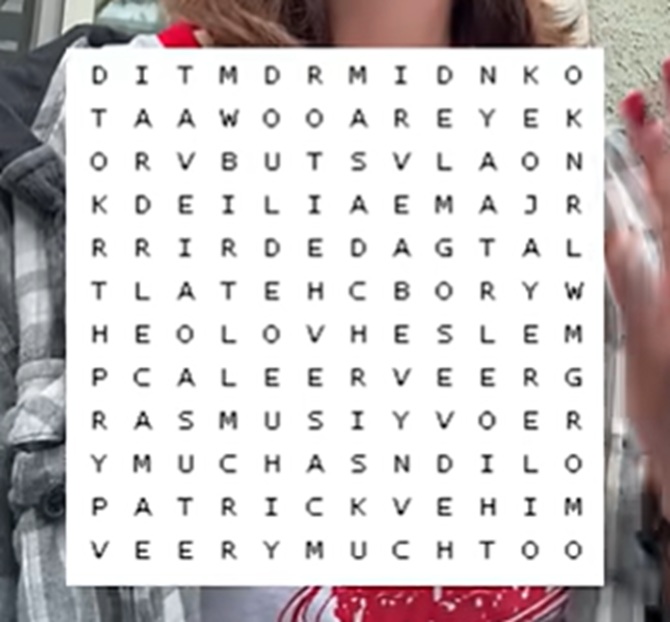
Alex claims all of their exes’ names are concealed in this grid, and if you find all of them, you’ll get a secret message.
Here’s a screenshot of the grid so you can take a crack at it yourself:
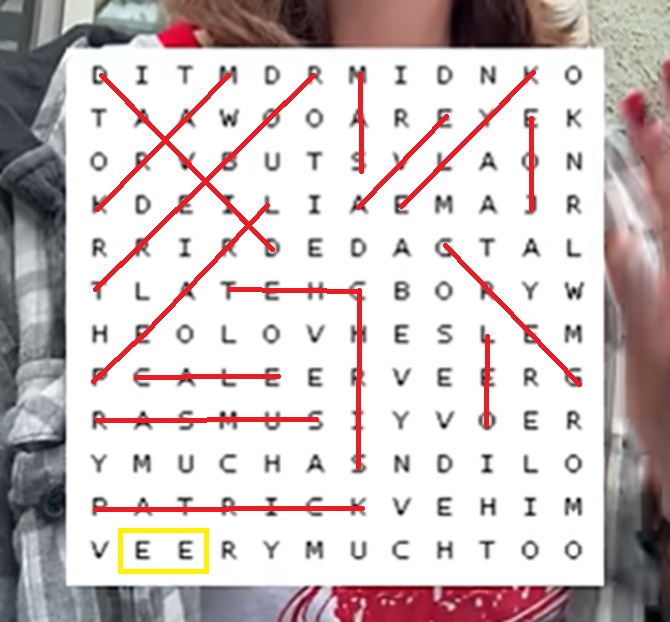
I wasn’t able to complete a perfect solve, but I found the following names: Patrick, David, Mark, Robert, Kyle, Chris, Sam, Greg, Joe, Eva, Leo, Chet, Pearl, Rasmus, and Cale.
It took a few tries, because there are other options like Jay, Earl, Abe, etc., but I got pretty close by solving as I tried to assemble the message hidden in the remaining letters.
The message I found read: It did not work out and I married a tall boy who loves me very very much and I love him very much too.
The only part I couldn’t resolve was the double E in the very last “VERY”.
But it was a fun challenge!
I highly recommend checking out Alex’s songs. They’re an entertaining mix of sweet and funny, and her voice is absolutely gorgeous.
I’ll conclude today’s post with my favorite imsadalex song, which is her duet with the very meme-able Dirt Man song:
Have you encountered any puzzles in unexpected places lately, fellow solvers? Let me know in the comments section below! I’d love to hear from you.
In the pantheon of game show hosts, there are names, there are stars, and there are icons.
Wink Martindale deserves to be called an icon.
He was the host of twenty-one different game shows across a career spanning more than 60 years, including Debt, Tic-Tac-Dough/The New Tac-Tic-Dough, Gambit, High Rollers, and my personal favorite, Trivial Pursuit. (I remember watching and playing along on days I was home sick from school.)
But it may come as a surprise that he contributed far more than memorable game show moments to pop culture.
As a disc jockey in the 1950s, he gave Elvis Presley a lot of airtime, and Elvis rewarded Wink’s enthusiasm and loyalty with his first interview, which was recorded during an episode of Top Ten Dance Party. (Col. Parker was apparently fuming over it!)
His spoken-word song “Deck of Cards” sold over one million copies in 1959, and he made the top ten of the Billboard Hot 100 Chart.
He continued to work in radio all throughout his life, spanning local disc jockey work all the way to appearances on Sirius Radio in the 2010s. His television appearances were equally varied, running the gamut from Your Hit Parade to The Howard Stern Show, including commercials for Orbitz and KFC.
Wink was awarded a star on the Hollywood Walk of Fame in 2006.
He also has a YouTube channel where he chronicles the history of game shows. You should absolutely check it out. (This episode debuted a mere two hours before he passed.)
On a personal note, I found Wink to be an immensely gracious and giving individual.
Back in 2013, I was only a year into writing what was then known as PuzzleNation Blog, and still finding my feet. I had sent out dozens upon dozens of interview requests to puzzly people, celebrities, authors, and more. One of those many requests went to Wink Martindale Productions.
I received a reply the very next day. He was happy to do so.
He politely corrected me about the number of game shows he had hosted, pointing out it was “one more than the great Bill Cullen.” (Sorry, Hollywood Reporter and MSN, who claimed it was 20, not 21.)
His answers were short and to the point, but honest and charming. He shared that his favorite memory from his career was the day his agent told him he’d be hosting his first game show, What’s This Song, for NBC. “Like your first car or your first house, there is nothing that can compete with THE FIRST anything!”
He didn’t know me or anything about the blog, and yet he took time from his still-busy schedule to give us a boost. It was a kind gesture I’ve never forgotten.
It gives me comfort to know he was surrounded by family and loved ones at the end.
Farewell, Wink. Thank you for your humor and heart and all those memories.
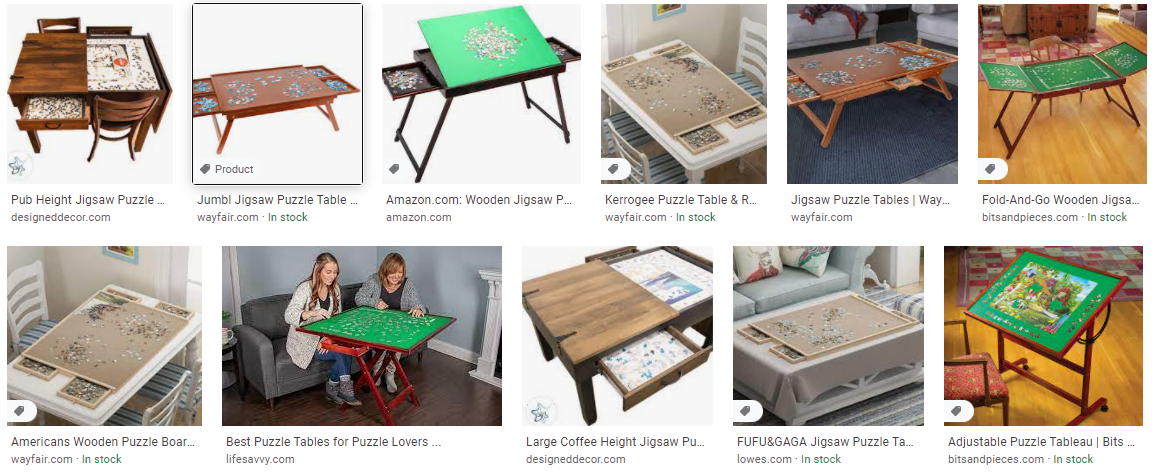
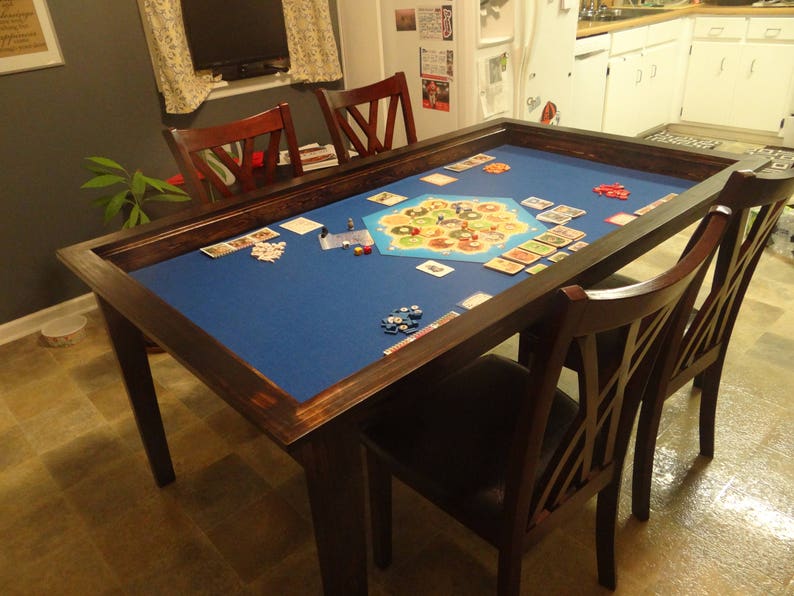
Whether you’re a jigsaw puzzle solver or a tabletop game enthusiast, you’ve probably seen puzzle and game tables. A relatively new addition to the furniture options available for puzzlers and game fans, these tables generally come in one of two forms.
Either they have a removable top with a recessed area underneath to keep your puzzles mid-solve or games mid-play, or they have a central solving surface and side drawers to contain separated pieces. Sometimes this solving surface tilts up / tilts toward you to make it easier to work on.
But those are generally what you’ll see when it comes to puzzle / gaming tables.
Each has its pluses and minuses. With the removable top version, you have to put the top somewhere, and then you have the deeper solving space, which some solvers find uncomfortable.
With the center table and drawers, you’re still dedicating most of a table to puzzles, and many of them struggle to keep your work in place when folded up or moved around. (Some of these have a removable tray, which can slide into the body of the table, but this can also be unwieldy.)
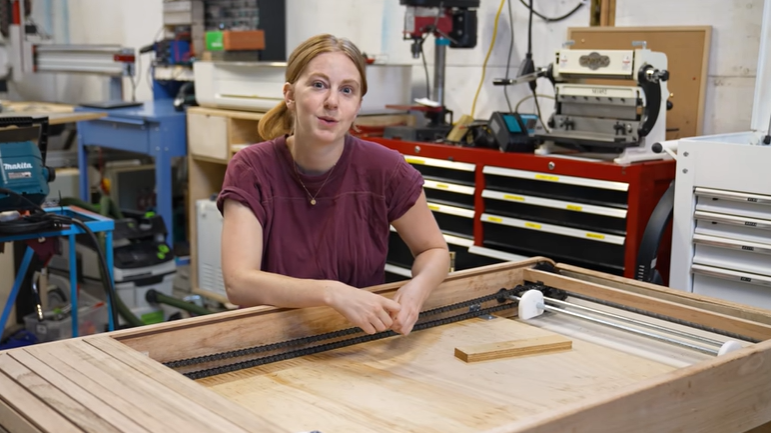
Simone is known for her wacky, inventive, hilarious, and creative construction projects, many of which involve robotics or moving parts. So let’s see what she came up with.
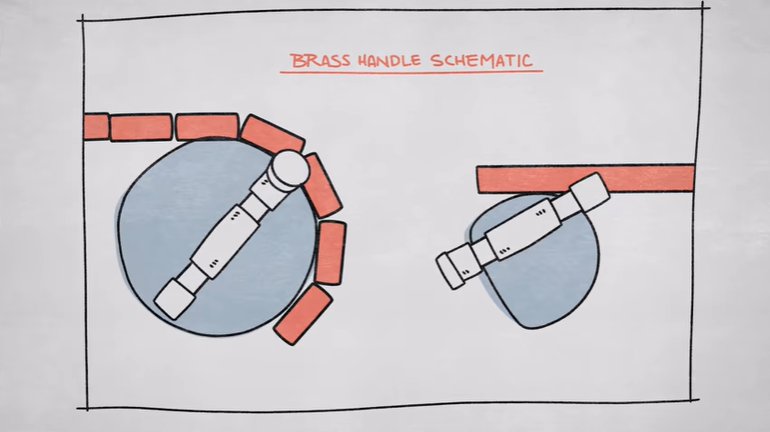
Her table features two hand cranks, each of which solves one of the problems with the removable top version of a puzzle/gaming table.
The first crank turns gears which roll the table top underneath and out of the way, revealing the hidden puzzle-solving space inside. This prevents you from having to worry about storing or handling a heavy or cumbersome tabletop while you solve.
The second crank raises the solving space until it’s flush with the sides of the table. This removes any need to lean down into a recessed play area or solving space to enjoy your puzzles and games. The puzzle literally comes to you!
Plus, this solves some of the issues with other solving tables. There’s no removable tray to navigate, or sliding drawers or flaps that could cause what you’ve already built to shift or fall apart. It simply lowers into the body of the table itself, otherwise resting just as you left it.
This video shares the entire construction process, including missteps, problems, new solutions, and the eventual successful reveal. (Fair warning: the video is mostly safe for work, but there are two random f-bombs in it, so be aware.)
As you can see, the final product is absolutely beautiful, and unlike virtually every other puzzle or game table you see on the market today.
Pretty much every jigsaw solver I know — and a fair few board game players — would love a piece like this in their house, myself included.
What do you think, fellow puzzlers and PuzzleNationers? Would you like to have this lovely table in your house? Or is there another piece of puzzly furniture that’s caught your eye? Let us know in the comments section below! We’d love to hear from you.
Well, summer’s over, but we still have deals galore for you to check out. You can find them on the Home Screen for Daily POP Crosswords and Daily POP Word Search! Check them out!
Thanks for visiting PuzzleNation Blog today! Be sure to sign up for our newsletter to stay up-to-date on everything PuzzleNation!
It’s a dynamic, fluid time for crosswords. It feels like we’re on the cusp of a sea change.
Women, people of color, and members of the LGBTQIA+ community are featured more often, although we still have a LONG way to go on all of those fronts where representation is concerned, both for constructors and editorial staff.
Younger voices are rising up the ranks, and helping to influence the direction of crossword language through projects like the Expanded Crossword Name Database. Online resources like more inclusive word lists, free or discounted editing software (often constructed by younger solvers!), and words of guidance from online crossword collaboration groups are more available than ever.
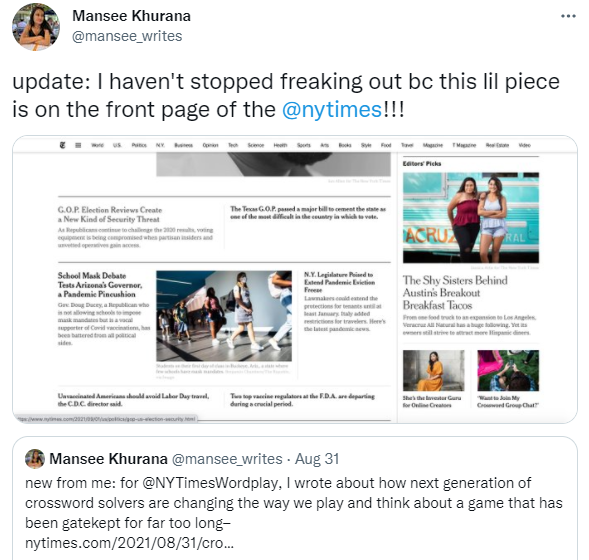
Her article is a terrific snapshot of the modern crossword world.
It discusses the divide between older solvers and younger, and how the content of crosswords doesn’t always serve both sides. It tackles the concept of “evergreen puzzles” — crosswords edited for timeless reprint value, eschewing up-to-date and provocative references that would appeal to younger solvers and underrepresented groups for the sake of republication later.
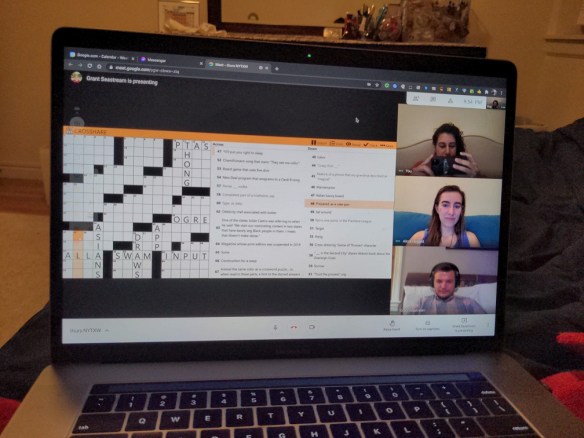
The article mentions the many virtual and online spaces that are now comfortable haunts for younger crossword fans. Facebook forums, Discord chats, Zoom solving parties, Crossword Twitter, r/crossword on Reddit, and even Tiktok accounts dedicated to crosswords got some time in the sun, and it’s really cool to see how these new spaces have emerged and grown more influential.
[A solve-along video from YouTube, Twitch, and Crossword Tiktok user Coffee and Crosswords. Actual solving starts around 10 minutes in.]
Several names familiar to crossword solvers were cited as well. Constructors like Sid Sivakumar (mentioned just yesterday in our Lollapuzzoola wrap-up), Nate Cardin, and Malaika Handa were all quoted in the piece, reflecting many of the same concerns we’ve heard from new and upcoming solvers in some of our recent5 Questionsinterviews.
I actually remember the author’s post reaching out to the contributors and readers of r/crossword a few months ago, and I was glad to see the subreddit getting some mainstream attention. Yes, like any internet forum, it can be combative and argumentative at times, but that’s a rarity.
Most of the time, it’s a supportive community for crossword fans and aspiring constructors, a place where they share questions, bravely offer up their first attempts for input and criticism, and discuss all things puzzly. It’s genuinely inspiring to see new solvers on a near-weekly basis reaching out and being embraced by fellow solvers and cruciverbalists-in-progress.
I highly recommend you take the time out to read Mansee’s piece. She captures a true sense of not just where crosswords are now, but where they’re headed. And if these young people have anything to say about it, it’s headed somewhere very bright indeed.
One of the cooler bits of promotion I’ve seen from a gaming company recently was executed by the team at Magic: The Gathering for their new Zendikar Rising brand.
For the uninitiated, Magic: The Gathering is a collectible card game where players buy starter decks and booster packs of cards in order to build the best possible deck with which to battle their friends in card-playing combat. Each player is a wizard known as a planeswalker, playing cards that represent creatures summoned, spells cast, magical items used, and more.
So what was their intriguing promotional tactic?
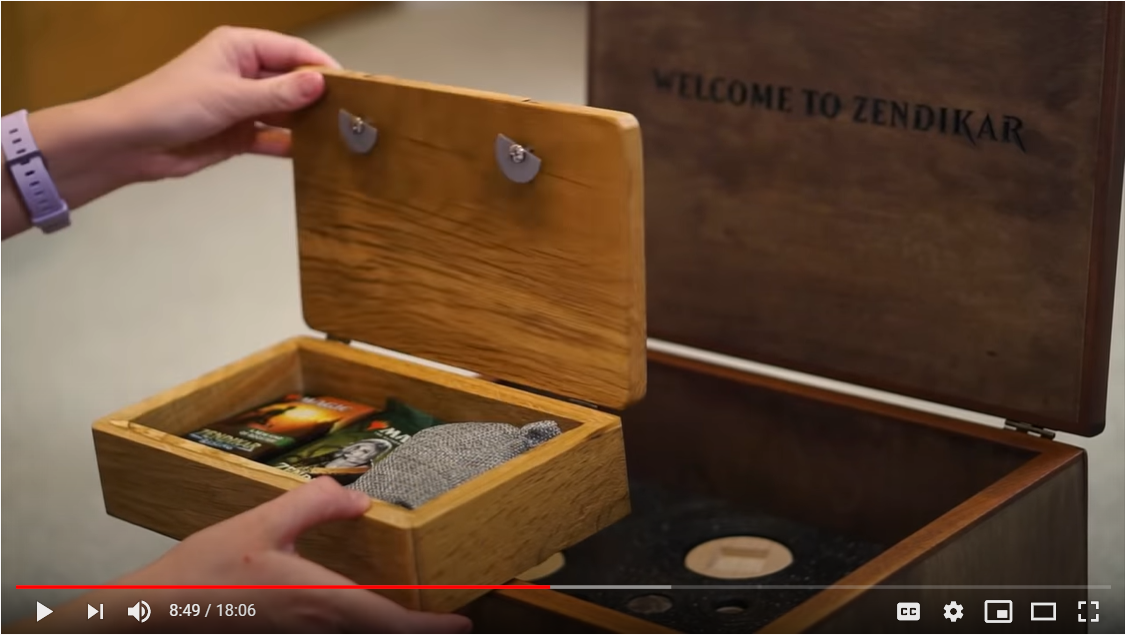
They sent out a bespoke chest — a puzzle box to entice players, gamers, and social media influencers — accompanied by a riddle which offered clues for each stage of the puzzle box to help solvers unravel its secrets.
Now, sending a puzzly chest of treasure to gamers is an instant win. If you’re a fan of fantasy narratives like those woven into the gameplay of Magic: The Gathering, this is the perfect enticement.
But that was only the company’s first stroke of genius in their Zendikar Rising campaign.
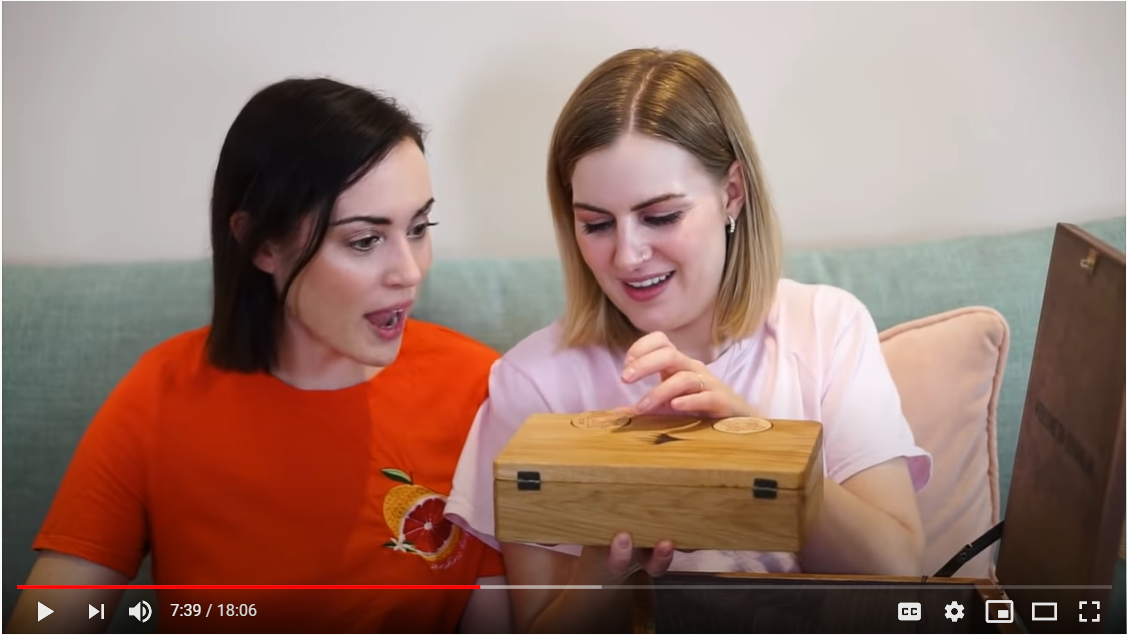
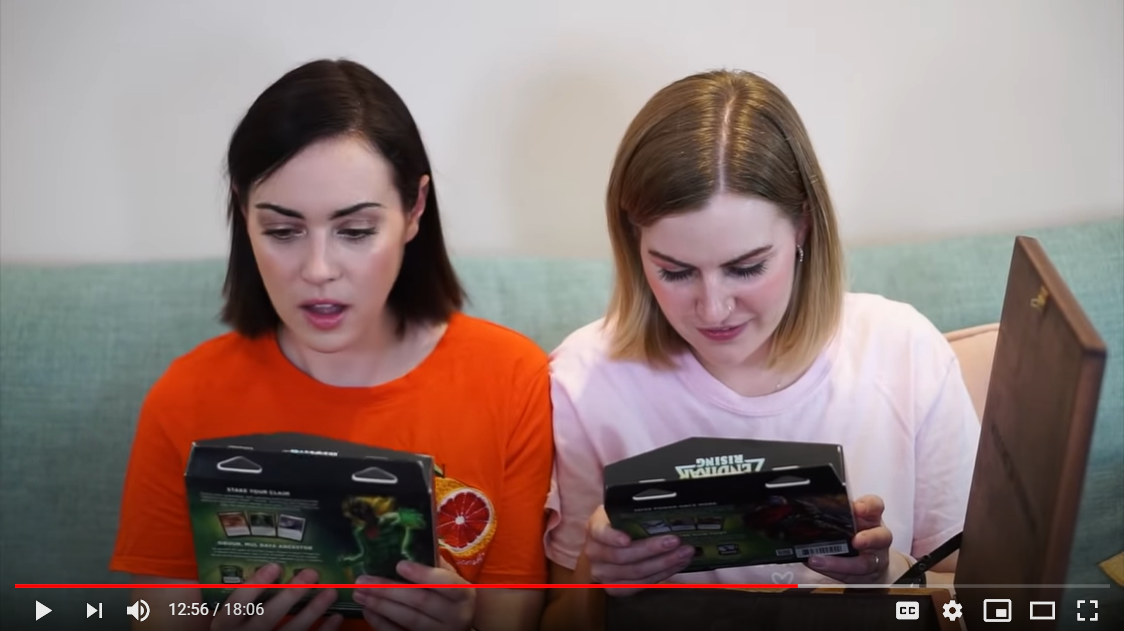
Their second was sending a box to YouTubers Rose Ellen Dix and Rosie Spaughton.
Rose and Rosie are a charming married couple who post all sorts of comedic content, social commentary, and slice-of-life vlog posts on YouTube. They also host a gaming channel where their specialty is being very bad at games.
So when I saw that they were tackling the M:TG bespoke mystery box for their next Let’s Play Games video, I knew it would make for terrific viewing.
I was not disappointed.
First, they read the letter accompanying the puzzle box, which detailed their role as adventurers trying to sort out this treasure box while the rest of the party continued on their adventure.
Their mission was to solve the riddle and uncover the treasure inside the mystery box.
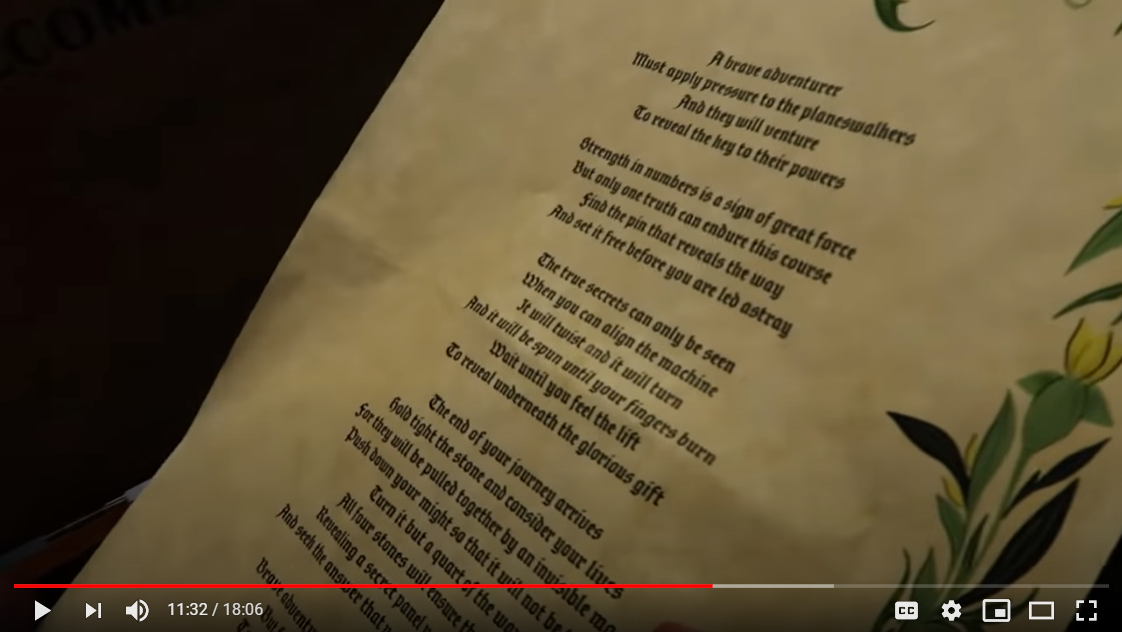
Here’s the riddle that awaited them:
A brave adventurer must apply pressure to the Planeswalkers and they will venture to reveal the key to their powers.
Strength in numbers is a sign of great force, but only one truth can endure this course. Find the pin that reveals the way, and set it free before you’re led astray.
True secrets can only be seen when you can align with the machine. It will twist and it will turn and it will be spun until your fingers burn. Wait until you feel the lift to reveal underneath the glorious gift.
The end of your journey arrives Hold tight the stone and consider your lives. For they will be pulled together by an invisible magic Push down your might so it will not be tragic. Turn it but a quarter of the way. All four stones will ensure their sway, Revealing a secret panel you must remove and seek the answer that your talents will approve.
Brave adventurer, thy quest has come to an end, but fear not, for your gifts will tend to your strength in magic in Zendikar.
While Rose immediately suggests throwing the box or setting it on fire, Rosie focuses on the logo on top of the box, and Rose begins pressing on it. Eventually, Rosie pressed on the right spot, revealing a secret compartment and a key.
The key opened the outer box, which revealed two smaller puzzle boxes, both wrapped in fabric.
Rosie’s box had two dials on the lid, which both had to be turned to a certain point for the box to open. Rosie quickly figured this out, revealing two booster decks for their new Zendikar Rising game, as well as two small metal pyramids that would be needed for the next stage of the solve.
Rose’s box appeared to be nailed or screwed shut, but one of the pins could be removed, allowing the lid to slide open sideways and reveal the treasure inside: two more booster decks and two more small metal pyramids.
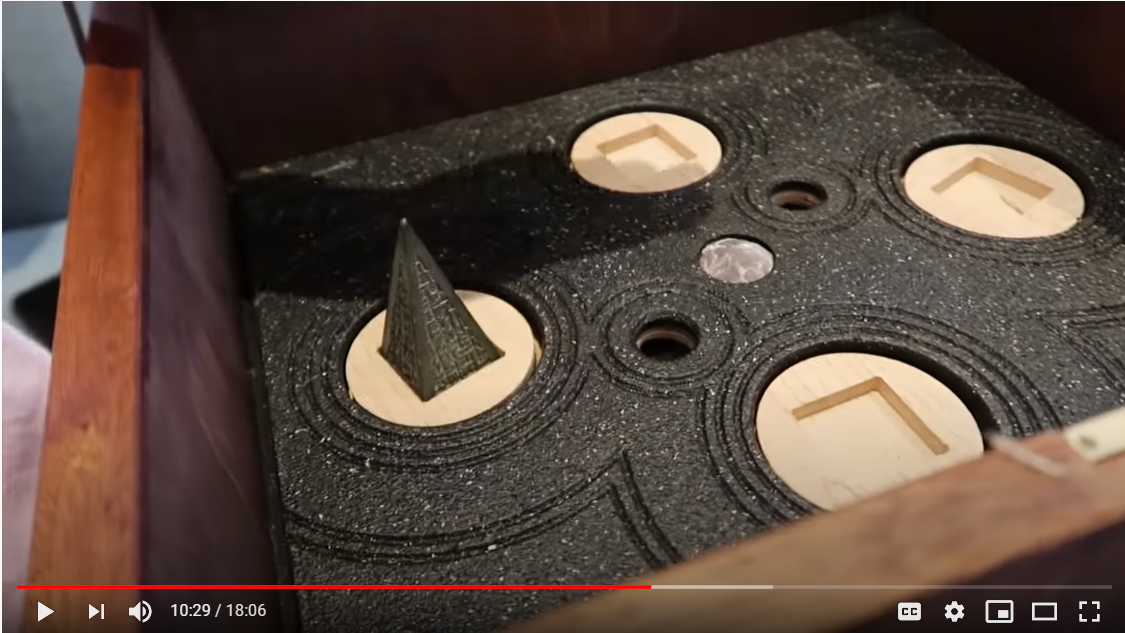
Inside the main box, below the two smaller treasure boxes, was an elaborate panel with four dials and two holes. The trick was to place the pyramids in the correct spaces, turn them a certain way, and lift the panel to reveal the treasure. This required a bit of trial and error, but the dynamic duo would not be denied.
The panel lifted, revealing two Zendikar Rising Commander Decks. The Commander Decks are designed specifically to introduce new players to the game and ease them into the world and gameplay. (The cards in the Booster Packs can augment and add to the Commander Decks.)
While the puzzle box is hardly the most challenging out there, it was an absolute delight to watch Rose and Rosie tackle it. They’re effortlessly hilarious, and their frustration (as well as the bickering that ensues) was very entertaining.
Also, it’s thoroughly enjoyable to hear two people who don’t play Magic: The Gathering describe the game. The mix of sheer enthusiasm and total vagueness regarding actual gameplay did a pretty solid job of making the game seem exciting and inviting.
I look forward to seeing them try their new Zendikar Rising sets out. It will probably be a terrific gateway video for new players.
Well played, Magic: The Gathering.
Thanks for visiting PuzzleNation Blog today! Be sure to sign up for our newsletter to stay up-to-date on everything PuzzleNation!
Welcome to 5 Questions, our recurring interview series where we reach out to puzzle constructors, game designers, writers, filmmakers, musicians, artists, and puzzle enthusiasts from all walks of life!
It’s all about exploring the vast and intriguing puzzle community by talking to those who make puzzles and those who enjoy them! (Click here to check out previous editions of 5 Questions!)
And we’re excited to welcome Deb Amlen as our latest 5 Questions interviewee!
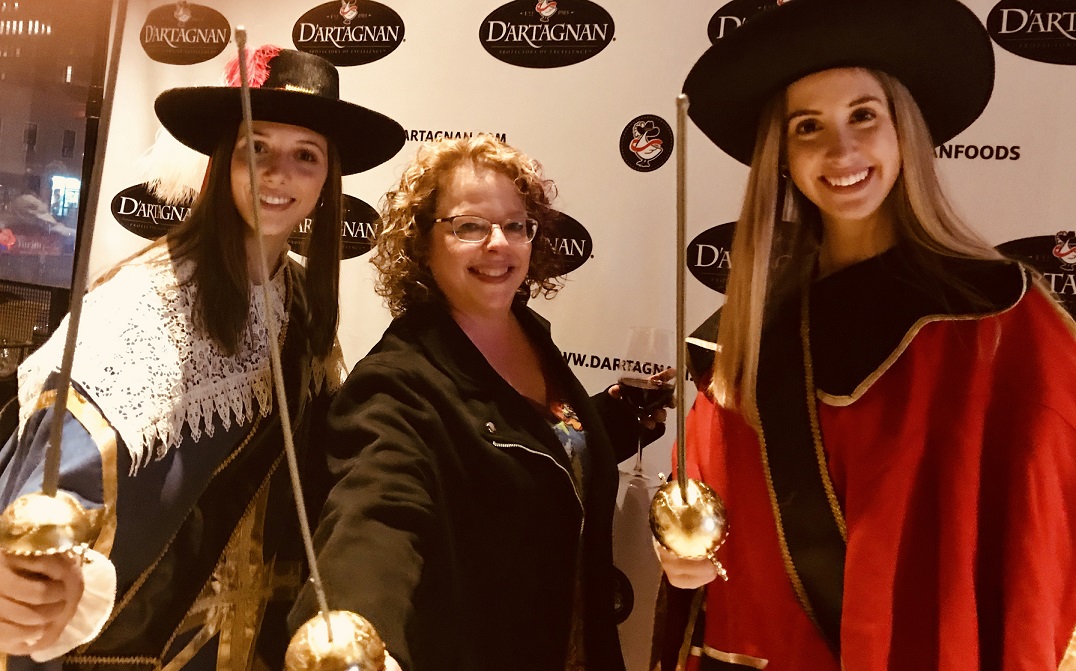
[Deb in the center, flanked by her fellow Musketeers.]
Deb is a talented crossword constructor, but these days, it’s more likely you know her for her role as the head writer and senior editor of Wordplay, the crossword blog and educational/humor column associated with The New York Times crossword puzzle.
One of the most public faces associated with the crossword, Deb entertains and informs across both the blog and its associated Twitter account, as well as hosting a live-solving show on YouTube with fellow constructor Sam Ezersky and celebrity guests!
Deb was gracious enough to take some time out to talk to us, so without further ado, let’s get to the interview!
5 Questions for Deb Amlen
1. How did you get started with puzzles?
Word games like “Ghost” were always my favorite things to play when I was a child, but I didn’t really get into puzzles until I was a young adult. I watched my father solve the New York Times crossword when I was really young, but I didn’t start solving on my own until I bought myself a subscription to New York Magazine after college and discovered Maura Jacobson’s puzzles.
I started constructing crosswords when my own kids were young because, as a stay-at-home mom, I desperately needed a creative outlet that didn’t involve Pokémon or Elmo. I read everything I could about puzzle making and learned how to make crosswords from Nancy Salomon. Nancy has mentored hundreds of constructors to publication.
2. As the flagbearer for crosswords in the public eye, The New York Times crossword is often the most scrutinized when it comes to cultural sensitivity regarding entries and clues, and more than once, that has depicted the Times puzzle in an unflattering light.
As a very public figure for the brand — not to mention the de facto social media gatekeeper — this puts you in the unenviable position of being between the audience and the editorial team. How do you handle these situations, and as an enthusiastic solver yourself, how do you think the Times is doing in this arena?
The crossword does get a lot of flack, doesn’t it? Honestly, some of it is warranted, some of it is not.
There is definitely a need to bring the flagship puzzle into the 21st century in terms of diversity and representation. Like most large companies, however, sometimes change happens slowly at The New York Times.
A lot of work is being done by the company and the puzzle editors behind the scenes, though, to increase diversity on their team and to be more aware of content that is inflammatory, and I think the recent puzzles reflect that. They have a ways to go, but the conversation is active and ongoing, and I’m very optimistic about the future of the crossword.
As far as social media goes, people tend to conflate “the Wordplay Twitter account” with “Everything The New York Times Does With Regard to Puzzles and Games.” So, since I run the Wordplay account and the puzzle editors are not really on social media, I tend to be the target of people’s complaints, which is hilarious because I’m just the columnist. Luckily, The Times has allowed me to expense a thick skin, so I’m doing OK. When I’m not, I take a break from social media, which I highly recommend and think everyone should do.
On the other hand, most people are well-wishers and are a lot of fun. They tweet their solving victories to me and I give them a gold medal emoji, which people really respond to. It’s very satisfying to be able to lift people up and encourage them, especially on social media, which can be very negative.
3. For the 75th anniversary of the New York Times crossword, constructors and celebrity guest puzzlers collaborated on numerous puzzles. Which celebrity constructors surprised you the most with their work, and who would you like to see as guest constructors in the future?
[Author’s note: When asked about her puzzle, Natasha said, “Working with Deb Amlen to create this puzzle has quite literally been a lifetime highlight for me.”]
4. What’s next for Deb Amlen?
Dinner, probably.
5. If you could give the readers, writers, aspiring constructors, and puzzle fans in the audience one piece of advice, what would it be?
Enjoy yourself. This is not like sitting down to take the SAT; it’s a game. And games should be fun. Life is too short to sweat the crossword.










 PuzzCulture