More Names Depart D&D! What Does It Mean for the Brand?

It’s a little sad that the only time Dungeons & Dragons hits the headlines these days, it’s for stupid behind-the-scenes reasons and not terrific storytelling reasons.

Over the last two years, Dungeons & Dragons has been in the news for:

-trying to destroy the third-party market from which they profited by releasing a new OGL (the gaming license that allows third-party companies to make content for the D&D brand)
-repeatedly using AI-generated material after claiming they would not
-sending actual Pinkerton agents to someone’s house for revealing a Magic the Gathering product ahead of time
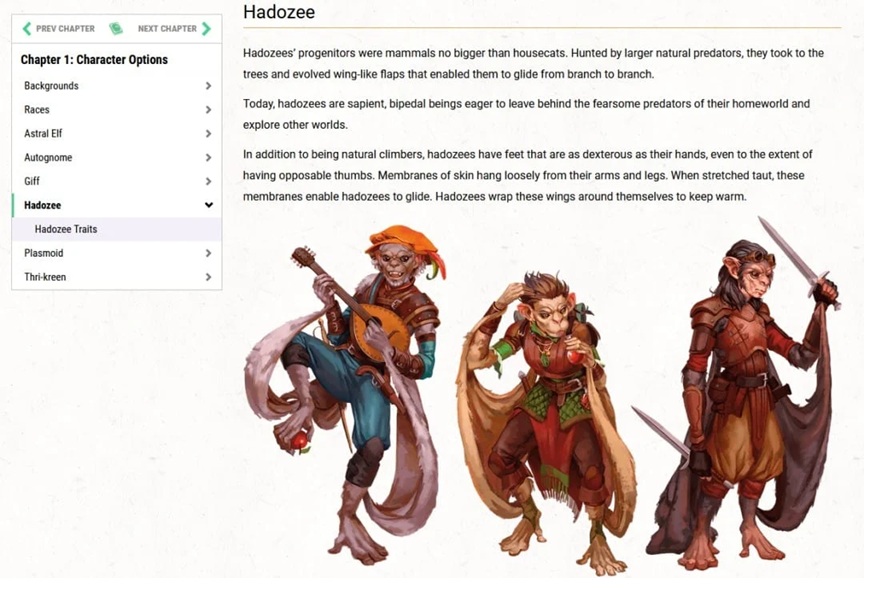
-being accused of racial stereotyping and social tone-deafness for one of the playable races in Spelljammer
gutting their Sigil team and continuing to push for more AI-fueled content (including the idea of AI Dungeon Masters to run their games)
Except for the successes of Baldur’s Gate 3 (which is more due to the video game company than Wizards of the Coast or Hasbro) and the D&D movie (which has no follow-up plans that we’re aware of), it’s been a cavalcade of poor choices, mismanagement, and actions that seem designed to burn good will with the audience rather than build it.

In the aftermath of the OGL scandal, several competitors have risen to challenge D&D’s status as the RPG juggernaut, including Matt Colville’s MCDM RPG/Draw Steel, Kobold Press’s Tales of the Valiant, and Critical Role/Darrington Press’s Daggerheart.
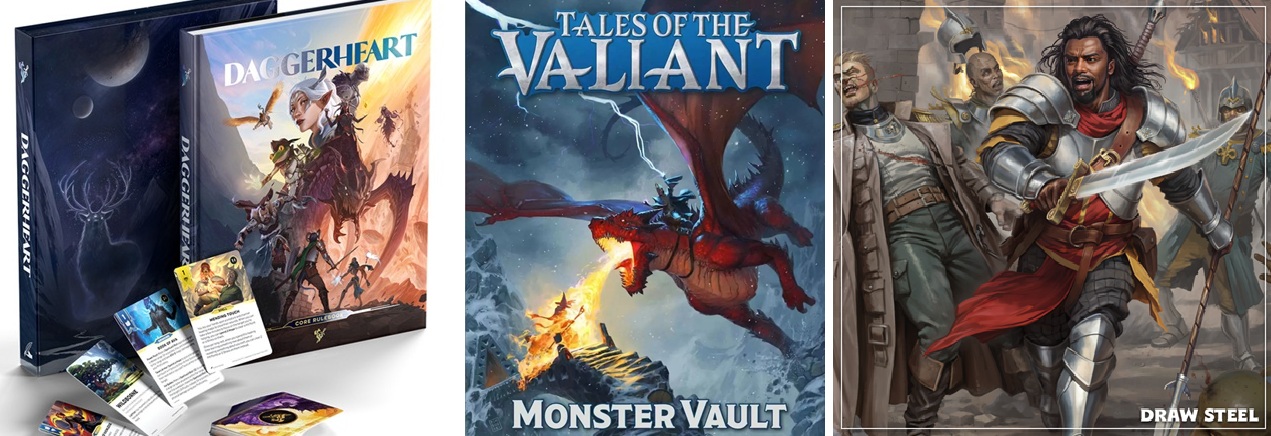
And now they’re hemorrhaging talent on the creative side as well.

Back in April, Chris Perkins and Jeremy Crawford both departed from Wizards of the Coast, D&D’s parent company.

This was rightfully seen as a huge blow to the brand, as Perkins and Crawford were not just the most visible representatives D&D had to the playing public, but also the architects of modern D&D over the last two decades or so.

They were the smiling public faces that endured the slings and arrows from an unhappy fanbase, doing their damnedest to explain away the poor choices foisted on them by WOTC and Hasbro. Whatever good will the brand had, much of it was due to those two.

A few days ago, Perkins and Crawford announced they were joining Darrington Press, the publishers of D&D competitor Daggerheart, with the intent of producing new non-D&D RPG content. Given that Critical Role has been credited with a large chunk of D&D’s continued popularity over the last decade, seeing two of the most influential voices in D&D join them should give Wizards of the Coast shivers.
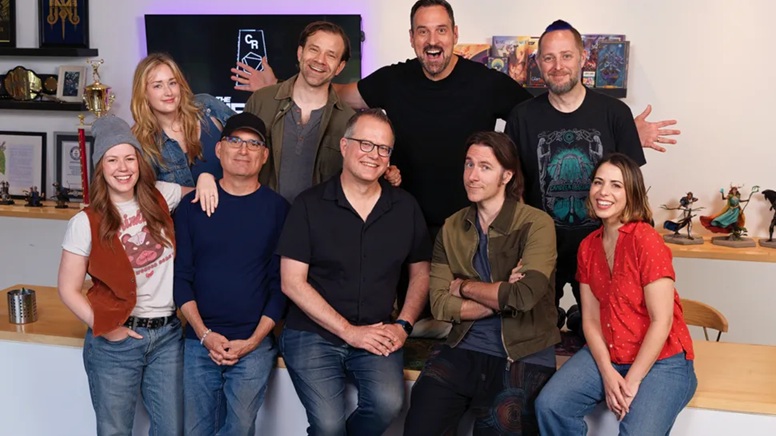
This week also marked the departure of two more important voices at WOTC, one by choice, and one not by choice.

Jess Lanzillo, vice president of the D&D brand announced she was stepping away from WOTC after eight years working on both Magic: The Gathering and D&D. She has been credited with pushing for new releases, helping shepherd 2024’s revised rules, and increasing branding opportunities for Magic: The Gathering.

Head of content (and face of much of D&D’s video/online content) Todd Kenreck announced he was laid off from D&D this week as well. Losing another popular public face of the brand — and doing so by choice this time — marks another short-sighted decision by WOTC/Hasbro higher-ups.

Now, let me be clear, I’m not ringing alarm bells and claiming that D&D is dying. Far from it. D&D IS roleplaying to so many people, and they could coast on that for years.
efArhae

But it’s worth noting that this FEELS like a sea change in the market. I would argue consumer confidence in D&D hasn’t been this low since the late 90s/early 2000s when the brand floundered wildly after the release of Fourth Edition (and the rise of Pathfinder in its wake), but that doesn’t mean doom and gloom.

All those alternatives are looking to build a name for themselves, particularly on the Darrington Press side by hiring Crawford and Perkins, as well as Daggerheart making waves by completely selling out every edition of their new releases.

Hasbro and WOTC desperately need to reassess what they THINK the audience wants, as well as what Dungeons & Dragons should be.

The ship isn’t sinking yet, but it’s leaking. And who knows when the iceberg might hit.
More Dungeons & Dragons Employees Laid Off, Sigil Dead in the Water?

I had a different post scheduled for today, but unfortunately, Hasbro and Wizards of the Coast cannot stop making bad choices, so I must turn the PuzzCulture spotlight toward Dungeons & Dragons once again for sad reasons, rather than pleasant ones.

For the uninitiated, Wizards of the Coast (WOTC) is the company that owns the Dungeons & Dragons brand. They, in turn, are owned by the toy company Hasbro, and these conjoined companies have done a staggeringly impressive job burning decades of good will and consumer confidence over the last two years.

There have been numerous scandals involving:

  • the use of AI-generated content (and regular promises NOT to use AI, only for it to “accidentally” show up again)
  • accusations of racial insensitivity (over the reintroduction of beings known as the Hadozee for their Spelljammer expansion)
  • the disastrous OGL scandal, where the company had to backpedal after trying to bleed the entire third-party market for their own gain. (And accidentally creating several new competitors by driving former allies away.)

But none of those are the reason for today’s outrage.

No, this time around, it’s for simple short-sightedness, as word has recently leaked that another 30 employees — roughly 90% of the current development team for their virtual tabletop platform Sigil — have been laid off.

This will sound awfully familiar to D&D fans, as Hasbro laid off 1,100 employees just before Christmas in 2023, many of whom worked for WOTC.

Apparently the plan is to fold Sigil (or some of its assets) into the current virtual platform owned by the company, D&D Beyond.

Sigil, as it stands, is a far cry from the 3D interactive virtual gaming platform promised in the summer of 2024 by WOTC. Instead, a buggy, unfinished version of Sigil was recently launched as an early playtest for Master Tier subscribers to D&D Beyond, many of whom had problems even accessing the limited version of the Sigil platform.

It’s hard to know the future of Sigil or the remaining development team at this point. This could be part of a fire-and-rehire-as-contractors maneuver, something that plagues modern development companies these days.

This could be an attempt to refocus their efforts on the video game market after the success of Baldur’s Gate 3, which uses Dungeons & Dragons settings, characters, monsters, and other content.

Honestly, it’s hard to believe that Hasbro and WOTC, which are not video game companies, can hope to replicate either BG3‘s success or realize their grandiose plans to release multiple games a year, something that’s a challenge for even top video game companies.

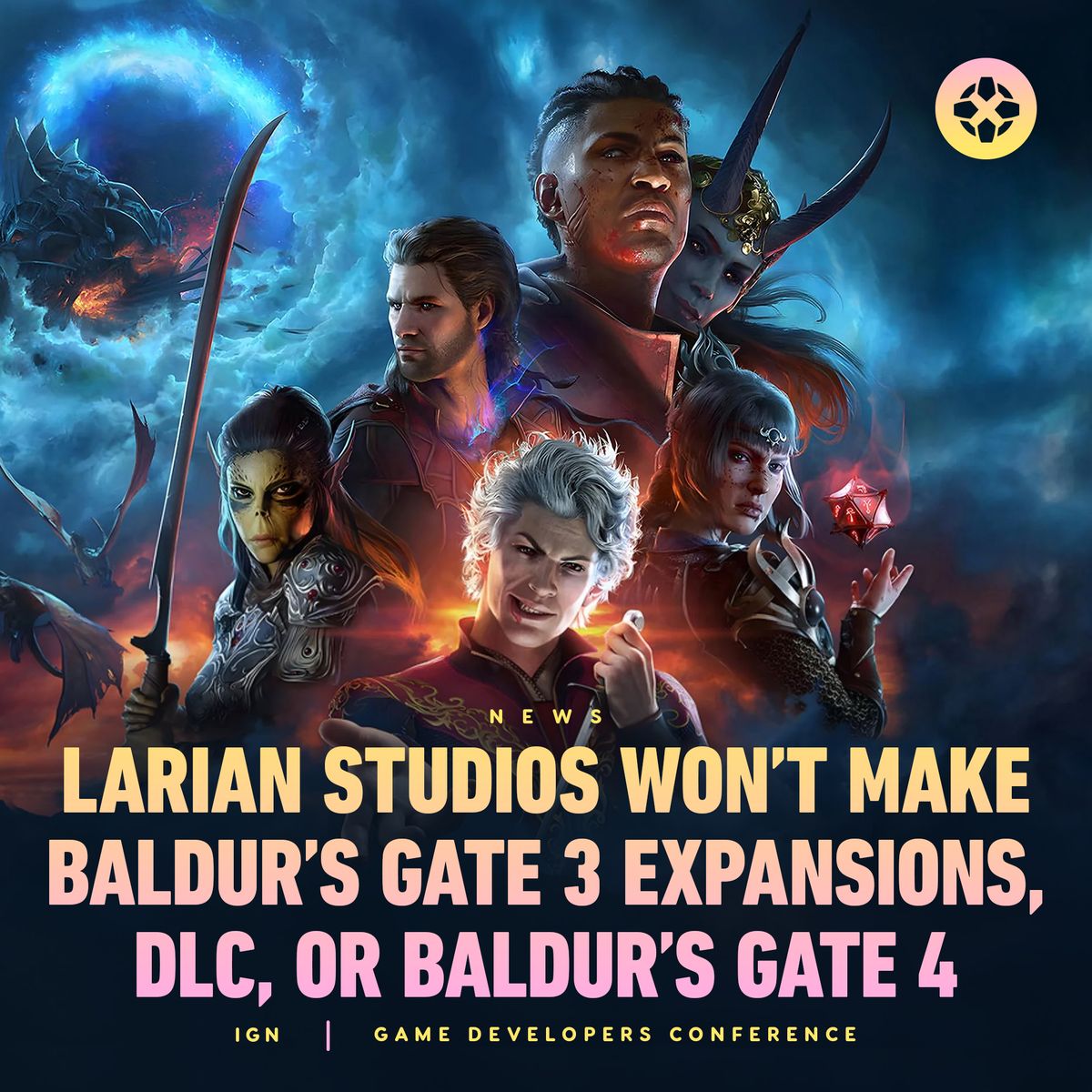
Especially since Larian Studios, the company responsible for BG3, already announced they won’t be producing any additional content for BG3.

I don’t believe Hasbro and WOTC have given up on their plans for digital D&D content. We know for a fact that they aspire to create AI Dungeon Masters to run games for players so they can further monetize their remaining audience. (And Dungeon Masters are in relatively short supply compared to players. This has always been the case; good DMs are hard to find and harder to “manufacture.”)

I wish nothing but the best for the former members of the Sigil development team, and hope they all land on their feet.

Although the future of the D&D brand remains in the hands of WOTC and Hasbro, thankfully for fans of Dungeons & Dragons, the future of playing and enjoying the game remains wholly in our hands. We have the books, we have a thriving third-party marketplace to provide exciting new content, and we have our imagination, which is the greatest resource a table will ever need.

As long as we keep gathering around a table — virtual or physical — and telling our stories, roleplaying games as a whole are in good hands.

Playing Dungeons & Dragons Like Royalty!

Dungeons & Dragons (or any roleplaying game, for that matter) is about telling a story together. Many Dungeon Masters go above and beyond to immerse players in the roleplaying experience.

Some use miniatures or models atop battlemats to help players visualize the events that are taking place (especially combat). Others use music to set the tone, create atmosphere, or provide dramatic effect.

These little bits of set dressing can be simple or elaborate, but they all contribute to a better roleplaying experience.

Now imagine if you could turn the dial up to 11 and really immerse yourself in your setting. Say, by playing D&D in an actual castle.

That’s the idea behind D&D in a Castle, a special event being held in Challain-la-Potherie, France, from July 1st to the 5th.

Check out the sales pitch:

Spend four days playing Dungeons and Dragons in a castle with world class DMs in a vacation like none you have ever experienced. Retreat into a magnificently restored castle for a spot of luxury, relaxation, and, of course, role-playing.

Yup, a team of professional Dungeon Masters help attendees to build their characters and familiarize themselves with the game before they even walk through the door. And after that, there are two daily RPG sessions and optional ones in the evening.

Over the course of the five days, you are guaranteed to play at least 24 hours of Dungeons & Dragons.

Now THAT is immersion.

With names like Jeremy Crawford (the lead rules developer for D&D) and Satine Phoenix (actress, artist, and DM) involved, this is sure to be a massively creative event, and I am thoroughly envious of anyone and everyone attending.

This will certainly raise the bar for D&D night at the house afterward. Dimming the lights and putting on some mood music will pale in comparison to the palatial spread at Challain-la-Potherie.

Of course, if you’re looking for a more affordable option here in the US, I highly recommend Troll Haven in Sequim, Washington. The Gate Keeper’s Castle is absolutely awesome, and the perfect setting for a LARP, an escape room, or some immersive D&D.

Just be careful if you invite a rogue to the castle, folks. They have sticky fingers.


Thanks for visiting PuzzleNation Blog today! Be sure to sign up for our newsletter to stay up-to-date on everything PuzzleNation!

You can also share your pictures with us on Instagram, friend us on Facebook, check us out on TwitterPinterest, and Tumblr, and explore the always-expanding library of PuzzleNation apps and games on our website!

Demystifying Role-Playing Games

When you hear the words “role-playing game,” what comes to mind? A bunch of nerds in a basement, hunched around a table debating weird and esoteric rules? Practitioners of the black arts, thumbing their noses at God and all that is natural? Or nothing at all?

rpg-2009-berlin-2

Some TV shows, like Community and Freaks & Geeks, have displayed role-playing games in a positive light, but for the most part, role-playing games in general, and Dungeons & Dragons in particular, have gotten a bad rap over the last few decades, maligned as (at best) a game for lonely friendless types and (at worst) a tool to corrupt children.

(This might sound ridiculous to many of you, but folks like Pat Robertson continue to talk about role-playing games as if they’re synonymous with demon worship.)

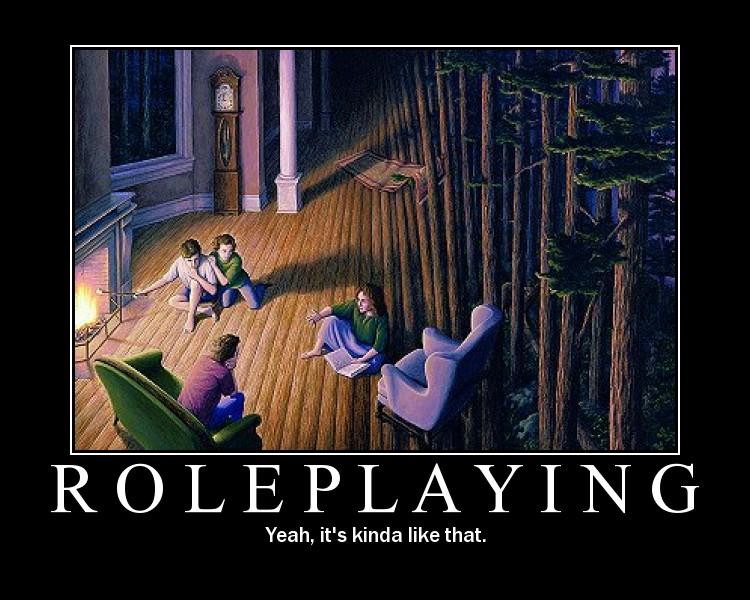
But in reality, role-playing games are simply a way for a group to tell one collaborative story.

roleplaying-kinda-like-that

There are two major elements to this storytelling. The first is managed by a single person who oversees that particular game or gaming session. In Dungeons & Dragons, this person is called the Dungeon Master, or DM; in other games, this person is the Game Master, the Storyteller, or bears some other title tied to the game or setting. For the sake of simplicity, from this point on, I’ll refer to this person as the DM.

So, the DM manages the setting and sets up the adventure. In this role, the DM will describe what the player characters (or PCs) see and explain the results of their actions. The DM also plays any characters the players interact with. (These are known as NPCs, or non-player characters.) Essentially, the DM creates the sandbox in which the other players play.

1951073350_7e357dbdec_3

Which brings us to the second element in role-playing storytelling: the players. Each player assumes a role, a character, and plays that character for the length of the session, or the game, if there are multiple sessions. (Some games last months or years, so these characters evolve and grow; players often become quite attached to their characters.)

The PCs navigate the world created by the DM, but their actions and decisions shape the narrative. No matter how prepared a DM is or how carefully he or she has plotted out a given scene or adventure, the PCs determine much of what happens. They might follow the breadcrumbs exactly as the DM laid them out, or they might head off in an unexpected direction, forcing the DM to think on the fly in order to continue the adventure.

dd2

That’s what makes role-playing games so amazing: you never quite know what you’re going to get. The PCs usually don’t know what the DM has in store, and no DM can predict with perfect clarity what the PCs will do. You’re all crafting a story together and none of you knows what exactly will happen or how it all ends.

For instance, I run a role-playing game for several friends that is set in the universe of Buffy the Vampire Slayer, and my PCs routinely come up with solutions to problems and puzzles that I didn’t expect, but that nonetheless would work. They constantly keep me on my toes as a DM, and it’s one of my favorite aspects of the game.

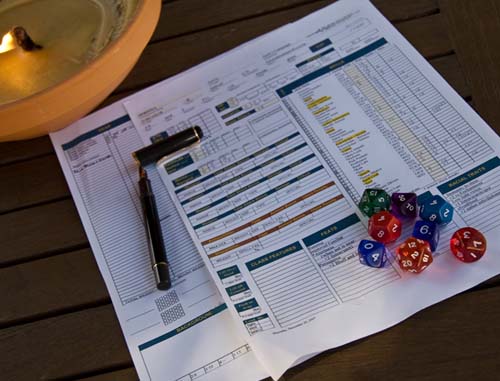
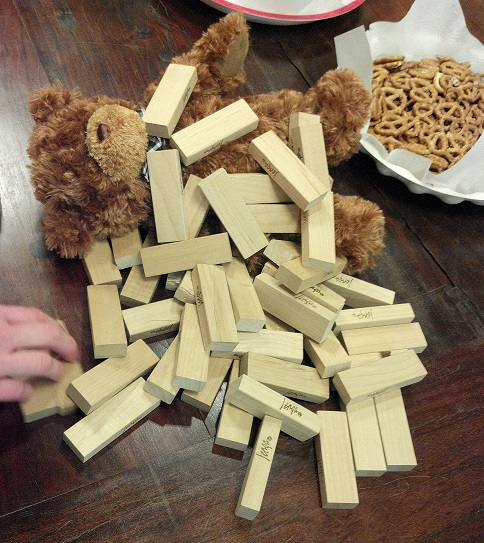
Oftentimes, major events and key moments are determined by dice rolls, adding an element of chance to the story. (In some games, players have replaced dice rolls with a Jenga-style block tower, and they must remove pieces from it to achieve certain goals. That adds a marvelous sense of real-world tension to the narrative tension already present!)

tabletop6

And while I’ve talked quite a bit about the game aspect, some of you might be wondering where the puzzly aspect comes in.

Some of the best, most satisfying puzzle-solving experiences of my life have come from role-playing games.

These puzzles can be as simple as figuring out how to open a locked door or as complicated as unraveling a villain’s dastardly plot for world domination. It can be a poem to be parsed and understood or a trap to be escaped.

There are riddles of goblins and sphinxes, or the three questions of trolls, or even the brain teasers and logic problems concocted by devious fey hoping to snare me with clever wordplay. I’ve encountered all sorts of puzzles in role-playing games, and some of them were fiendish indeed.

trimegspuzzleroom

One time, during a LARP session (Live-Action Role-Playing, meaning you actually act out the adventure and storytelling), I thought I’d unraveled the meaning of a certain bit of scripture (regarding a key that would allow me to escape the room) and acquired a sword as my prize, only to realize much much later that the key I’d spent the entire session searching for was the sword itself, which unlocked the door and released me.

And designing puzzles for my players to unravel is often as much fun as solving the puzzles myself. Especially when they’re tailored to specific storytelling universes or particular player characters.

(Trust me, it doesn’t matter if you’re dealing with a Jedi or a paladin; riddles stop pretty much everybody in their tracks.)

b7052aee1c93bff98f4c513e4470fbb6

Whether it’s Dungeons & Dragons or Pathfinder, Legend of the Five Rings or Star Wars, GURPS or Ninja Burger, there’s a role-playing game out there for everyone, if you’re just willing to look.


This post was meant as a brief overview of role-playing games as a whole. If you’d like me to get more in depth on the subject, or if you have specific questions about role-playing games, please let me know! I’d be happy to revisit this topic in the future.

Thanks for visiting PuzzleNation Blog today! Be sure to sign up for our newsletter to stay up-to-date on everything PuzzleNation!

You can also share your pictures with us on Instagram, friend us on Facebook, check us out on TwitterPinterest, and Tumblr, and explore the always-expanding library of PuzzleNation apps and games on our website!

TableTop Day: PuzzleNation Style!

The third annual International TableTop Day was last Saturday, and according to reports across the Internet, it was the most successful and joyous TableTop Day yet! Games were donated by some of the top companies (our friends at Looney Labs and Steve Jackson Games among them) as well as by the folks at Geek & Sundry, and the puzzle game community came together once again to prove how amazing and warm puzzlers and gamers can be.

For the second year in a row, we at PuzzleNation had our own little TableTop Day event with our friends at Penny/Dell Puzzles, and it was great fun! Games were played, an insane amount of sugary treats were prepared, snacks were consumed, and fellow puzzlers and PuzzleNationers were introduced to some terrific games.

I raided my personal puzzle and game collection to provide some choice offerings for my fellow puzzlers, and readers of the blog will no doubt recognize several items from previous product reviews!

Here’s the full rundown of games we had:

(Sadly, a lot of personal favorites had to be excluded because they would take more than 30 minutes to play, like some of the offerings from Cheapass Games and other great companies, and it was a work day. I promise, this is a fraction of my full puzzle and game collection.)

Timeline proved to be one of the biggest hits of the day, because it’s so simple to play and offers endless replay value. (Especially with seven different editions of the game to choose from!)

I also managed to win my first game of Jenga in what seems like a decade!

There was plenty of switching between games as well. Here, a game of Just Desserts immediately followed a round of Bananagrams Wild Tiles!

But that wasn’t all! To include fellow puzzlers who couldn’t attend the event in person, we had our own Hashtag Game running in-house all day. Inspired by both @midnight hashtag games and our friends at Schmovie, we had a contest to create “Penny/Dell Puzzle Movies.”

I’ll be posting ALL of the entries on Friday, but here are a few favorites:

  • The Scarlet Letterboxes
  • Schindler’s List-A-Crostic
  • Double Trouble Indemnity

All in all, it was an awesome time. Hope everyone enjoyed!

Thanks for visiting PuzzleNation Blog today! You can share your pictures with us on Instagram, friend us on Facebook, check us out on TwitterPinterest, and Tumblr, and be sure to check out the growing library of PuzzleNation apps and games!