International Sudoku Day is tomorrow!

Tomorrow, 9/9, is International Sudoku Day. And while I have a special Sudoku puzzle planned for tomorrow, I wanted to take some time today to talk about this puzzle.

Because, honestly, Sudoku is kind of amazing.

It’s a logic puzzle — a deduction puzzle — that looks like a math puzzle. (And, in fact, its genuinely mathier cousins Kenken and Cross Sums/Kakuro don’t have a tenth of the audience that Sudoku does.)

It’s one of the very few puzzles I can think of that requires no introduction, no words, no guidance. If you just look at that grid, you inherently know what you need to do.

That’s a very rare thing. I mean, sure, if you look at a logic puzzle — the premise, the grid, the hints to help eliminate things — you can pick it up quickly. A crossword is fairly universal, but still requires the outside knowledge of vocabulary, facts, and wordplay each solver brings.

Sudoku is clean, simple, and irrefutable. It crosses linguistic and cultural barriers with ease.

And yet, it took decades to become an overnight sensation.

Similar puzzles can be traced back to France in the 1890s, but Sudoku as we know it was featured in Dell Pencil Puzzles and Word Games in 1979 under the name Number Place (though it has also been called To The Nines), thanks to constructor Howard Garns.

Links to a solvable online version of each of those two puzzles are here and here.
Try out these half-century-old puzzles!

Wayne Gould kickstarted a UK Sudoku craze after creating a generation program for the puzzles and selling it to The Times in London.

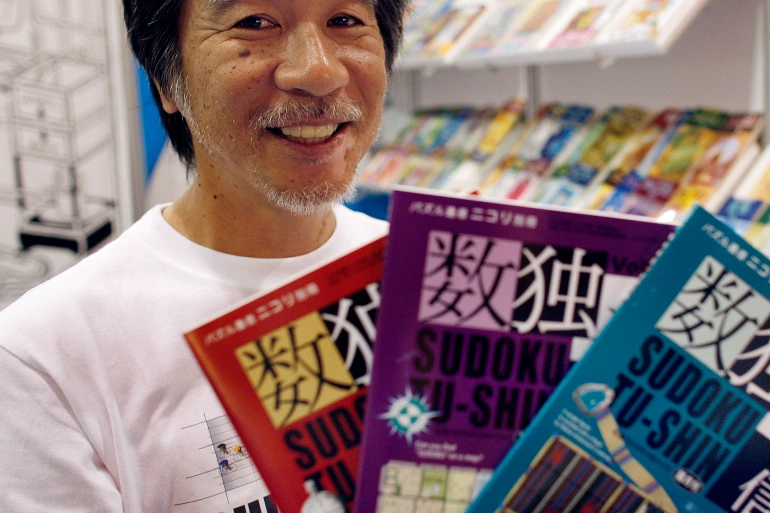
Maki Kaji began championing Sudoku in the 1980s in Japan with his puzzle magazine Nikoli, and he’s why most people know the puzzle as Sudoku now. (Originally the puzzle was called Suuji wa dokushin ni kagiru, or “numbers should be single.” Maki later took the suggestion to shorten it to Sudoku.)
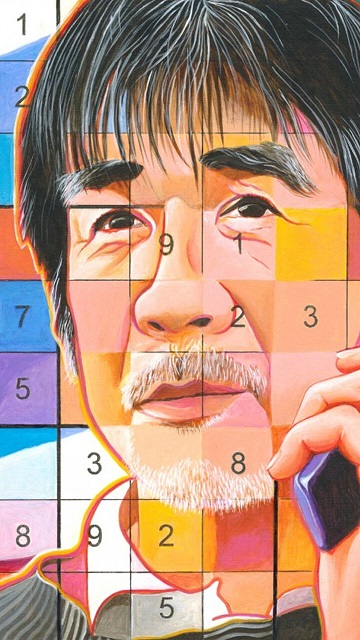
maki kaji 1

We can literally track the puzzle’s expansion across the years, and its rebirth as Sudoku in the 2000s, because many puzzle solvers have lived through Sudoku’s entire modern lifespan.

And it’s baffling, isn’t it? That Sudoku feels so timeless and universal, but is relatively young, as puzzles go.

We’ve been playing with words for far longer than we’ve been playing with numbers. Anagrams and riddles go back centuries upon centuries. They’ve been playing Go in China for more than 2,500 years, and the Royal Game of Ur dates back to the third millennium BC.

Sudoku is just a pup compared to them, but it’s among the most widely solved and recognizable puzzles.
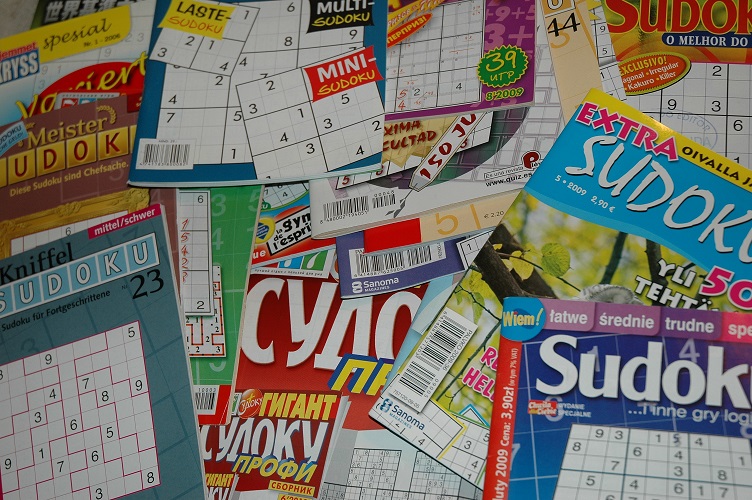
I’ve spent a lot of timing thinking about (and writing about) Sudoku over the years. A decade ago, I tried to calculate how many of the 5-and-a-half billion possible unique Sudoku puzzles had been published up to that point.

I’ve chronicled as many variants of Sudoku as I could, both in English and abroad. One year I tried solving the puzzles from the UK Sudoku Championship and was thoroughly humbled.

And yet, I’m still fascinated by every new twist. I try every variant I see clever constructors come up with. I inevitably watch every video where someone solves the hot new “impossible” Sudoku.
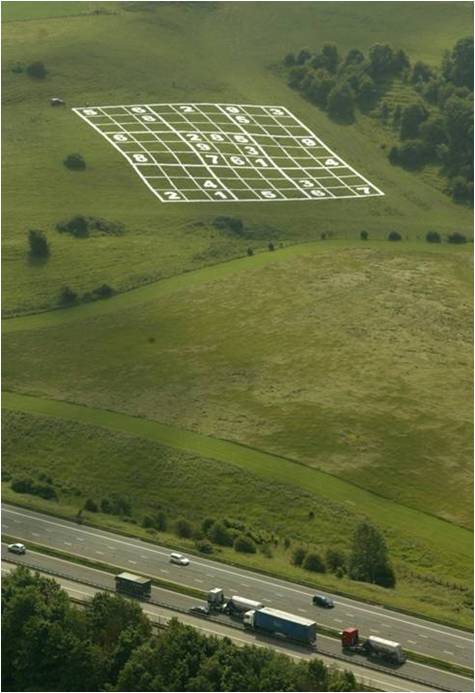
In less than half the time crosswords have been around, Sudoku has swept across the world and become a household name.

True, there haven’t been any Sudoku musical revues or pop songs — at least, not that I’m aware of! — but it remains one of the most ubiquitous pen-and-paper puzzles in the world today.

“Numbers should be single.” Maybe. But I like the message of Number Place better: every number in its place. An unsolved Sudoku grid shan’t remain empty for long.

Happy solving, friends!

Farewell, Maki Kaji.

maki kaji 1

When you get right down to it, the puzzle world isn’t all that big. There are a few names that everyone knows, and plenty of names that people should, but generally don’t. And sadly, too many of those names aren’t celebrated until after they’re gone.

Maki Kaji is one of those names you should know.

He passed away recently, and different articles and obituaries called him everything from “puzzle enthusiast” to “Sudoku creator,” but the title he most deserves is the one he put on his business cards: Godfather of Sudoku.

Honestly, he’s one of the three most important people in the history of Sudoku.

Howard Garns is credited with creating Number Place for Dell Pencil Puzzles and Word Games in May 1979 (though a French variant of the puzzle appeared in the newspaper La France in the 1890s). Wayne Gould stumbled upon Sudoku puzzles in a magazine, then designed a generation program and sold it to the Times in London, kickstarting the craze in the UK that spread elsewhere.

maki kaji 2

[Maki Kaji at Brazil’s first national Sudoku competition in São Paulo in 2012.]

But it was Maki Kaji who championed the puzzle all over, using it in his puzzle magazine Nikoli starting in the early 80s, then taking advantage of the UK boom and selling it in dozens of countries. (Gould didn’t have the resources, so many newspapers and publishers came to Maki Kaji for them.)

The name Sudoku came from him. (In American puzzle magazines, it was Number Place or To the Nines.) Originally the puzzle was called Suuji wa dokushin ni kagiru, or “numbers should be single,” before taking the suggestion to shorten it to Sudoku.

Of course, despite his close association with Sudoku, Maki championed puzzles in all forms. He founded Nikoli (also known as Puzzle Communication Nikoli) with two school friends in 1980, four years before adding Sudoku to its roster of puzzles. It was Japan’s first puzzle magazine!

maki kaji 3

One of the goals of Nikoli was to feature what they called “culture independent” puzzles, meaning puzzles that didn’t rely on a specific language or alphabet. (Talk about accessibility!)

“When we create our puzzles, we want people to enjoy them and not feel stressed by them,” he said.

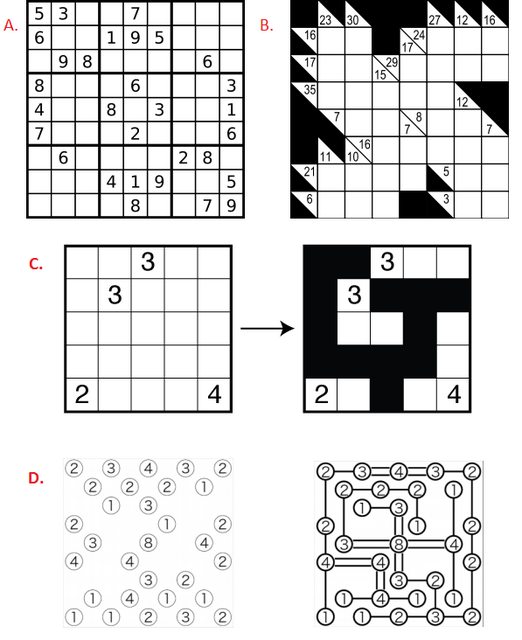
Because of this culture-independent style, Nikoli was famed for its many logic puzzles, because they relied less on words and more on numbers, symbols, and elegant grid positioning. Popular puzzles included familiar ones like Sudoku and Kakuro, as well as less familiar puzzles like Nurikabe and Hashiwokakero.

nikoli puzzles

“I don’t want to just be the godfather of Sudoku,” Maki said. “I’d like to spread the fun of puzzles until I’m known as the person who established the puzzle genre in Japan.”

One of his key tools was a section in Nikoli that invited readers to submit their own ideas for puzzles. It quickly became the most popular part of the magazine. Readers submitted new puzzles, which other readers then refined and expanded on. Nikoli is credited with introducing hundreds of new logic and number puzzles to the world through this puzzle-loving fan-fueled pipeline.

Of course, even the Godfather of Sudoku ventured into crosswords from time to time. In fact, in 2017, it was reported that he published the world’s largest ever crossword, with 59,365 across clues and 59,381 down clues on a printed grid 30m long, kept in a scroll.

Go big or go home, I guess.

maki kaji 4

[Constructor Peter Gordon (and his Sudoku license plate) with Maki.

Maki stepped down as president of Nikoli just last month, and the company released this statement in response to his passing:

Kaji-san came up with the name Sudoku and was loved by puzzle fans from all over the world. We are grateful from the bottom of our hearts for the patronage you have shown throughout his life.

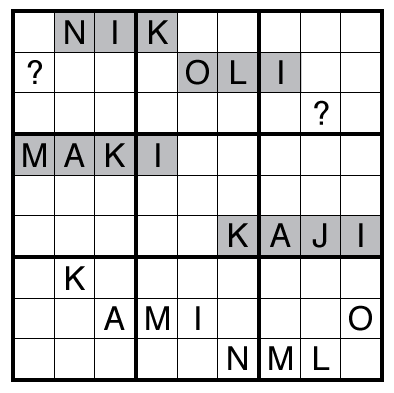
But, naturally, it takes a puzzler to truly honor a puzzler, and I think Thomas Snyder (aka Dr. Sudoku, no slouch himself when it comes to the famed number puzzle) offered the perfect tribute on his Art of Puzzles website:

A wordoku puzzle dedicated to Maki Kaji.

snyder wordoku

The puzzle world is a far richer and more varied place thanks to the creativity, hard work, and passion of Maki Kaji. You probably didn’t know his name before. But hopefully, you’ll remember it now.

Farewell, Maki. Thank you for bringing so many new eyes to the world of puzzles.

[Source links: Kotaku, The Guardian, Wikipedia.]


dailypopwsicon

Have you checked out our special summer deals yet? You can find them on the Home Screen for Daily POP Crosswords and Daily POP Word Search! Check them out!

Thanks for visiting PuzzleNation Blog today! Be sure to sign up for our newsletter to stay up-to-date on everything PuzzleNation!