Product Review: ThinkFun’s Math Dice

[Note: I received a free copy of this game in exchange for a fair, unbiased review.]

If you’re not currently in school, you probably haven’t thought about Order of Operations in a while. Maybe six little letters will bring it all back to you: PEMDAS. Parentheses, Exponents, Multiplication, Division, Addition, Subtraction. (I learned to remember it as “Please excuse my dear Aunt Sally.)

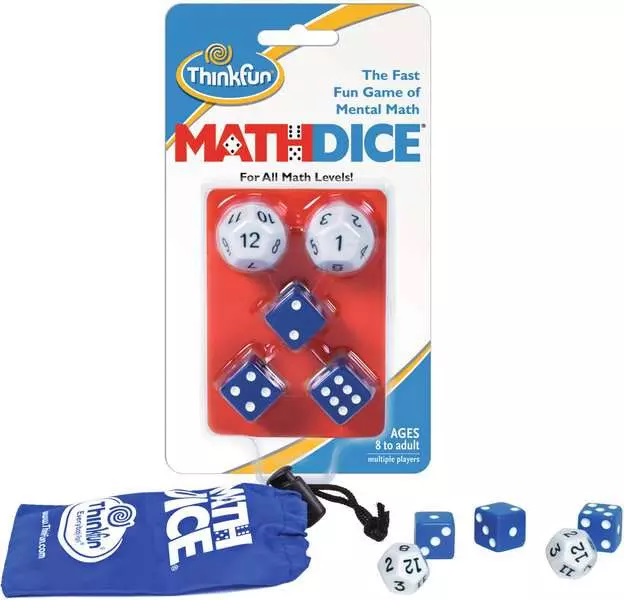
This was a handy mnemonic device to explain how to break down complex equations into simpler ones. But it’s also the basis for ThinkFun’s latest puzzly game: Math Dice.

Math Dice challenges players to put their mathematical skills to the test, using randomly rolled dice and their own numerical ingenuity to get the closest to a given number.

But before we get started with the actual gameplay, I want to take a moment to appreciate how the instruction manual eases new players (and players with less confidence in their math skills) into the game.

After explaining the rules, and offering several techniques to make the game easier or harder, depending on player comfort levels, the manual offers numerous examples to make new players more familiar with all the options available to them.

It’s a terrific way to allay player uncertainty and show them some of the creative ways to mix different operations to make different totals.

Now let’s take a look at the gameplay:

For example, the two 12-sided dice rolled a 12 and a 1. When multiplied, you get your target number of 12. Now the players must try to either match 12 or get closer to 12 than any other player, using the 2, 3, and 6 rolled on the 6-sided dice.

Simple addition will get you to 11.
(3 x 2) + 6 will get you to 12.
(6 – 2) x 3 will also get you to 12.
Can you find any other ways to make 12 from those dice?
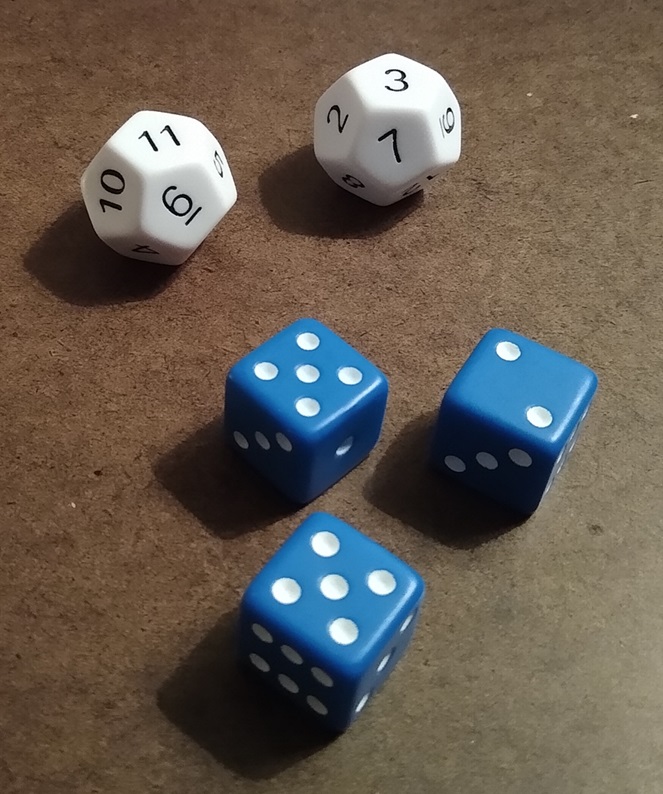
This one is a little tougher. The two 12-sided dice rolled an 11 and a 3, giving us a target number of 33. We also have less flexibility with the 6-sided dice, since we have a 2 and two 5s.

(5 x 5) + 2 will get you to 27. Pretty good!
5^2 + 5 will get you to 30.
2^5 + 5 will get you to 37.

In this case, player who got 30 wins a point!

As someone who is always idly playing with words and numbers during mental downtime or between tasks, this game really appeals to the playful side of my puzzly brain. The challenge of making two sets of numbers balance is both challenging and soothing in the best way, like the purely mental equivalent of a fidget toy or other tool to keep your hands and mind engaged.

But this is also a clever launchpad to introduce younger puzzlers to the idea that numbers aren’t just classwork or homework, they’re something to play with. They’re puzzle pieces to rearrange and put together in all sorts of ways to create new results.

ThinkFun excels at turning learning experiences into engaging puzzles and games. Over the years, they’ve done so with logic problems, optics, programming, gravity, deduction, mechanical puzzles, and more, so it’s no surprise they’ve managed to do the same quite deftly with the basics of mathematics.

[Math Dice is for 2 or more players, ages 8 to Adult, and it’s available from ThinkFun and participating websites starting at only $6.99!]
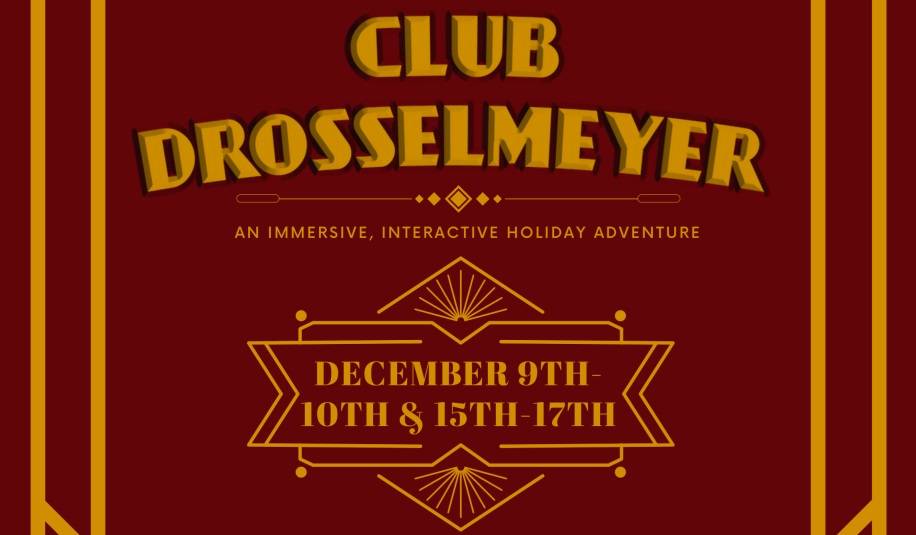
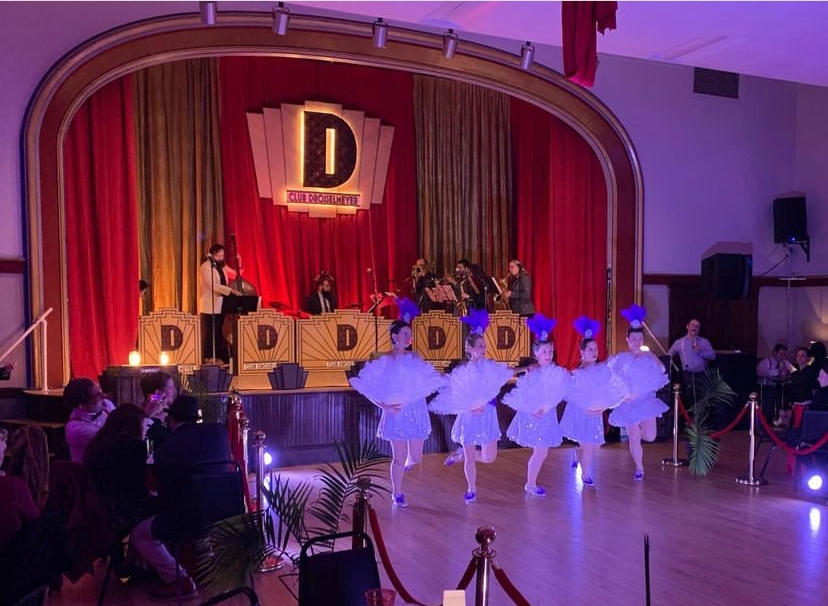
Club Drosselmeyer 1941 is Coming!

You are cordially invited…

If you’re a puzzle fan, you’re absolutely spoiled for choice when it comes to puzzly events to explore. Crossword tournaments, treasure hunts, escape rooms, puzzles by mail, puzzles by email, puzzles on your phone.

But I guarantee you’ve never experienced anything like Club Drosselmeyer.

Imagine getting all gussied up in your best 1940s-era-appropriate garb and grabbing your tickets before heading out to a show in Cambridge, Massachusetts.

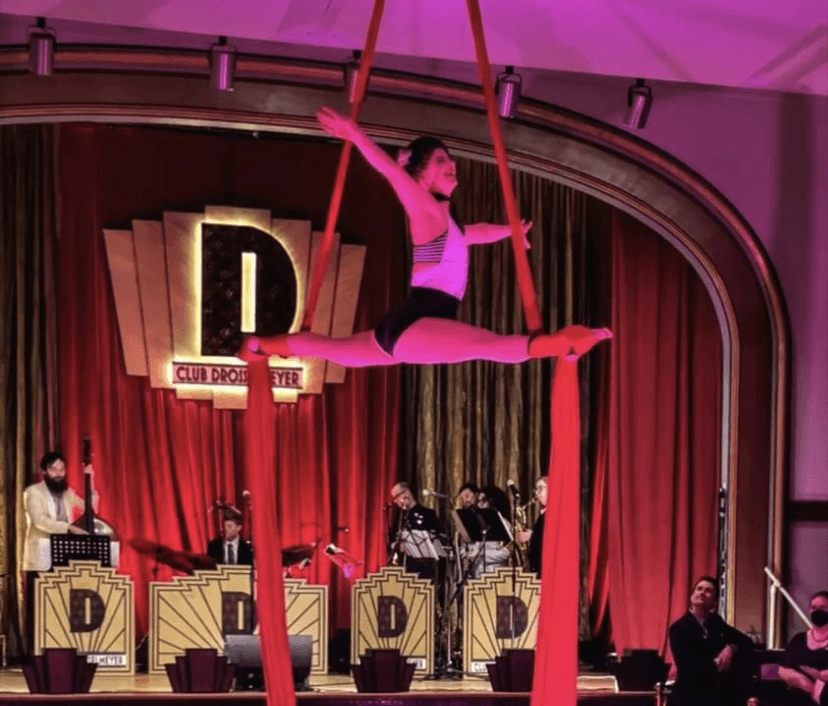
What kind of show, you ask? Well, a vaudeville-style variety show with live music, enchanting and exciting performances, and all sorts of mysteries and intrigue playing out before your eyes, all set during the heady days and nights of World War II.

And what if there was an elaborate puzzle hunt tying the entire event together?

In a nutshell, that’s a Club Drosselmeyer event.

And tickets are on sale now for their latest immersive show!

There are performances set for December 6th, 7th, 8th, 13th, and 14th for a two-hour whirlwind of puzzly theatricality. As the organizers themselves say, “Prepare yourself for another season of magic and mayhem, romance and revelry, champagne and sugarplums.”

Although I’ve never gotten to attend a Club Drosselmeyer event in person, a few years ago I participated in their virtual Club Drosselmeyer Interactive Radio Broadcast of 1943, and it remains one of my all-time favorite puzzle experiences.

I enjoyed two hours of wonderful music while tracking a rogue flying toaster, unraveling a criminal conspiracy during an air raid, decoding secret messages, helping a starlet choose the right lipstick for her show, and even performing a magic trick!

This year, they promise all sorts of fun surprises:

Our team is already hard at work choreographing dances and magic, crafting costumes, updating sets, building puzzles, writing insane stories and figuring out how to rope YOU into plots of espionage, military secrets, traitors, heroes, women’s rights, romance, technology, loyalty, ambition and movie stars. The band will be swinging, the drinks will be strong and you will look fabulous.

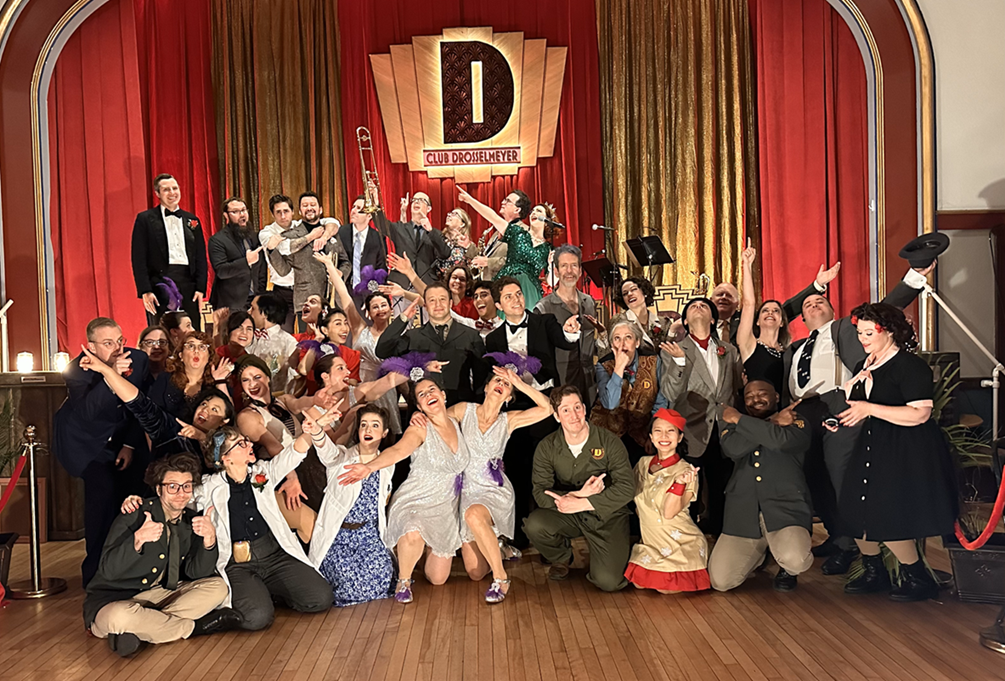
Club Drosselmeyer is run by a small and incredibly dedicated group of writers, performers, puzzlers, and musicians who put their all into this event every single year, and I simply cannot sing their praises loud enough.

Check out their website for more details and information on previous Club Drosselmeyer events. You will not be disappointed.

The Crosswordese Champion?

Crosswordese is an omnipresent part of crossword discussion online.

It’s a scourge! It’s annoying! It ruins the solving experience! Can’t constructors just somehow avoid these particular three- and four-letter combinations, no matter how convenient or crucial they are to the grid?!

Rarely a week goes by without a Reddit post dedicated to the subject or a prominent complaint about some aspect of grid fill in one of the blogs/outlets dedicated to covering the daily crosswords.

And it’s understandable. Whether it’s yet another directional clue or a team’s abbreviation on a scoreboard, some entries just irk people. It raises their ire.

Oh no! The crosswordese is slipping into my everyday vernacular!

Quick, summon some longer vocabulary that’s not conducive to crosswording. Gumption. Hurly-burly. Syzygy. Defenestration.

Phew! That’s better. Now where was I?

Right, crosswordese.

I was pondering the plague of crosswordese, and it occurred to me that there’s probably one particular source that has contributed more crosswordese than any other.

But what could it be?

There’s the music industry, of course. There are loads of musicians common to crosswords: ARIE, ENO, SIA, ARLO, ENYA, DRE, ETTA, ELLA.

The same thing goes for celebs. UMA, ANA, ESAI, INA.

The sports world has its own infamous crosswordese as well: ORR, OTT, PELE, ELS, ITO, ALOU, AROD, ASHE, ILIE, SOSA, YAO, ISAO AOKI.

But those are huge swathes of pop culture. Is there a single pop culture property that has helped (or hindered, according to critics) crosswords the most?

There are a few that come to mind.

Peter Pan offers not just PAN, but SMEE, HOOK, TINK, and NANA.

The Beatles gave us ONO, STARR, and SGT (for Pepper).

Lord of the Rings is certainly worth mentioning, adding ORC, ENT, and LOTR.

Game of Thrones was ubiquitous at one point, helpfully resurrecting OONA and adding ARYA (and to a lesser extent BRON, SANSA, HODOR, and CERSEI).

Then there are some serious heavy-hitters.

The Simpsons has NED, MOE, APU, OTTO, EDNA, and STU (of the Disco variety).

On the sci-fi side, Star Trek offers WORF, TROI, LEVAR, LUC (as in Jean-__), and options for USS. Star Wars is handy as well, with ARTOO, REY, EWOK, POE, HAN, and LEIA.

Not to be outdone, M*A*S*H has plenty to offer: SWIT, ALAN ALDA, FARR, RADAR, and of course NEHI.

I considered awarding the Crosswordese Crown to one of the franchises above, but it occurred to me that I might have to look back a little farther to find the Crosswordese Champion.

Okay, a lot farther.

Some might take issue with me calling the Bible part of pop culture, but there’s no denying its influence in crosswords: LEAH, CAIN, ABLE, ADAM, EVE, ESAU, NOAH, ENOS, EDEN…

That’s a pretty impressive list of crossword regulars.

And yet…

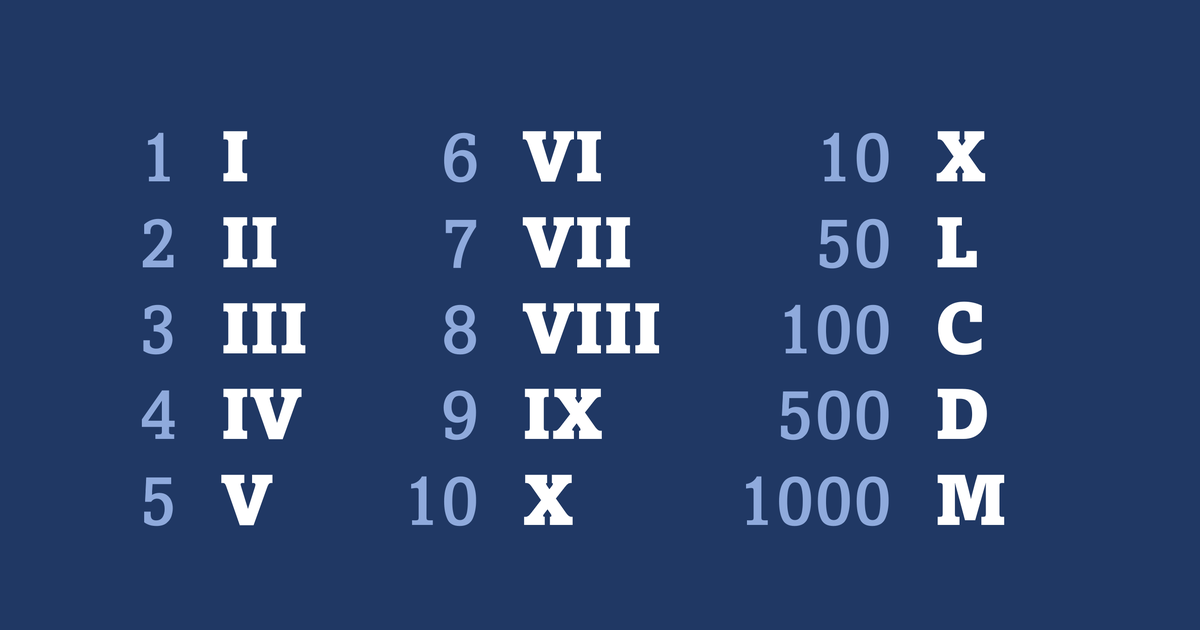
My gut says I might have to give credit to Roman Numerals as a whole. I mean, has any single cultural/pop cultural entity saved more cruciverbalists who’ve constructed themselves into a corner?

And has ANY solver cheered or celebrated when seeing a clue featuring a math equation AND Roman Numerals?

The balance of crosswordese gibberish and solver disinterest just might tip the scales here.

What do you think, fellow puzzlers? Is it the Bible, Roman Numerals, or another source that I missed? Let me know in the comments section below!

A New Way to Wordle!

Image courtesy of NBC News.

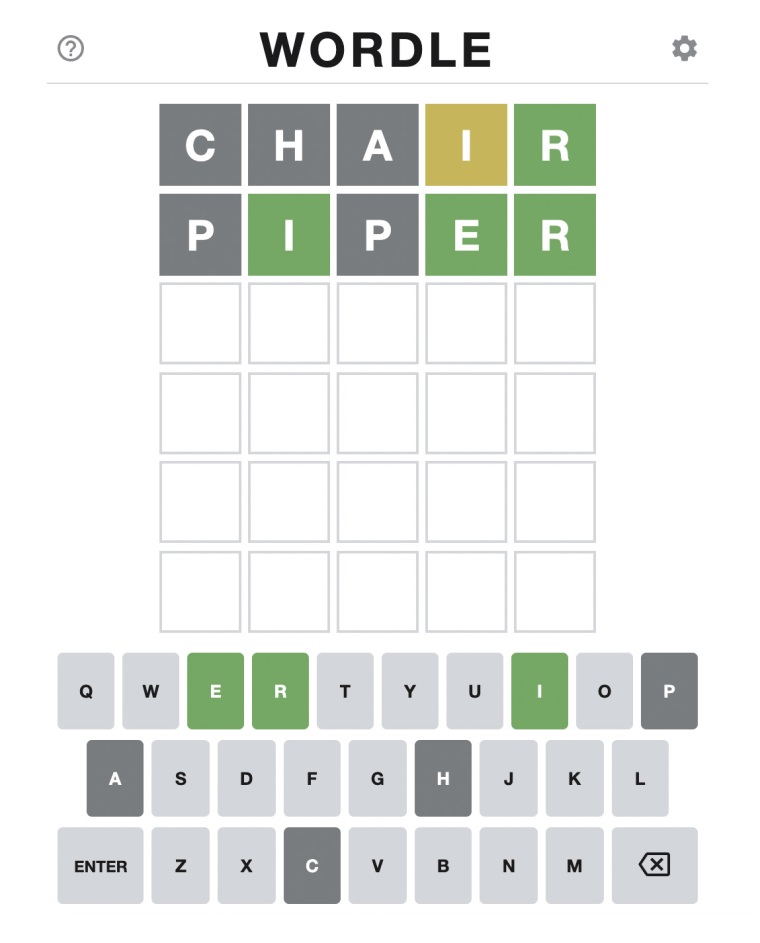
If you’re a Wordle fan, it’s not hard to get your daily five-letter fix of deductive goodness, either on your computer or your phone. (Or one of the many, many, many, MANY variations out there.)

But maybe that’s not enough for you.

Maybe you need to take your Wordling up a notch.

Maybe you need to experience Wordle in a whole new way.

Maybe you need an extra dimension of Wordle.

A third dimension.

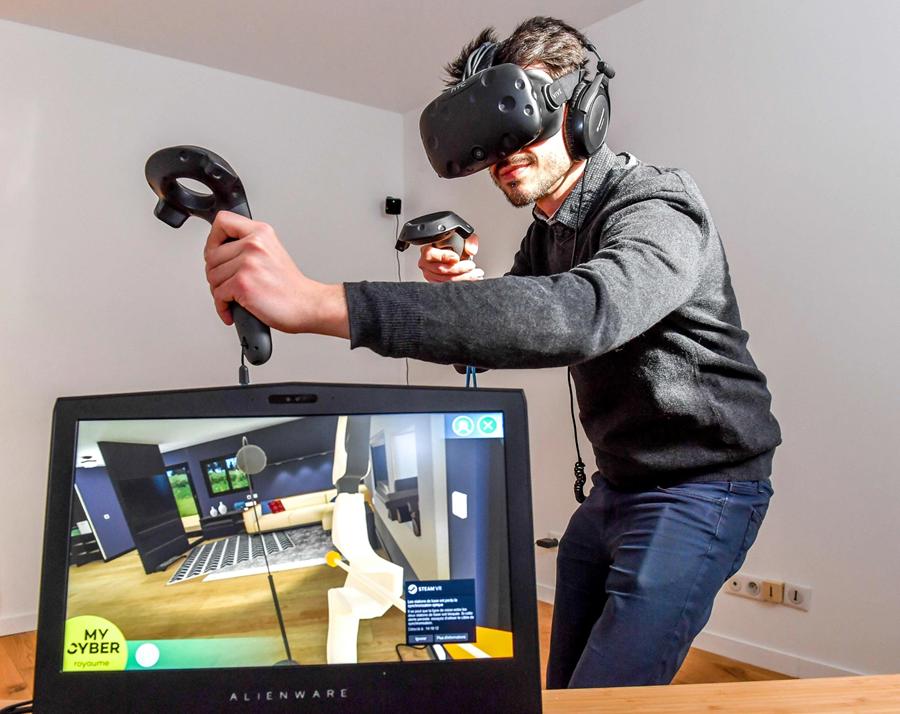
Oh yes, Wordle is now available for solving in VR, thanks to the Meta Quest 3 Wordle app. (Though users of the Meta Quest 2 and the Meta Quest Pro can both always play.)

It’s a free download too!

Image courtesy of NBC News.

However, please forgive me as I ask one simple question…

WHY?

This isn’t like Beat Saber or Five Nights at Freddy’s or Resident Evil VII… there’s nothing about Wordle that particularly lends itself to the 3-dimensional virtual environment.

Letters don’t float around you in the ether to be plucked and tossed into the void to make words. The Wordle hovers in front of you, a little window. A 2-D pop-up. An interactive poster in a virtual room.

Otherwise, it’s just Wordle.

Oh, with one further little caveat…

There’s currently no way to connect your account to the VR play experience. So, if you do the VR version instead of your current method, you’ll lose your streak.

And we know how protective solvers are about their streaks!

Even without that streak-busting hurdle, I don’t see this making a big impact for regular Wordle solvers unless they add some bells and whistles to the VR solving experience.

What sorts of bells and whistles, you ask? Well, I have some suggestions:

— maybe stealing a page from the Octordle (but not as intense) and having multiple windows around you to solve at once
— a dancing mechanic where you must earn your next guesses through performance
— a dancing mechanic where you immediately display your victory dance to anyone who views your Wordle stats for the day
— a dancing mechanic, you know, in the jumpsuit and all, maybe with a wrench
— some dancing squirrels encouraging you as you solve
— actual bells and whistles, plus a kazoo or vuvuzela
— your favorite puzzle constructor or game show host, looking at you disapprovingly with every new guess you make

Just a few ideas, you know. Throwing them out there. Have your people call my people, VR Wordle People.

As for the rest of us Wordlers, I guess I’ll see you on social media. Mom, I got it in three today!

Puzzling Bodies

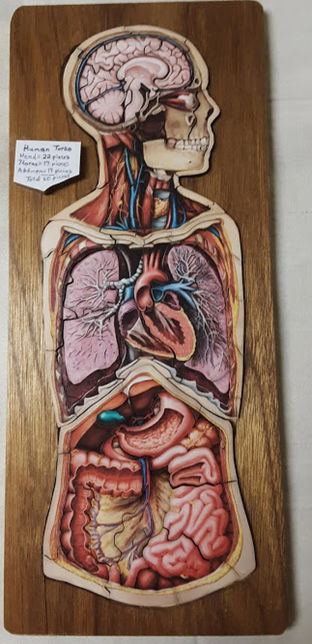
My eye was recently caught by the headline, “Retired Professor Builds Wooden Anatomy Puzzles.” The article in question is a human-interest piece detailing the woodworking career of former biology professor Roman Miller. AP Journalist Jillian Lynch writes, “Of interest to both oddity-seekers and students, Miller’s anatomy puzzles are a unique offering that blends his love of woodworking and understanding [of] the functions of organs in the human body.”

Interestingly, anatomy puzzles appear to make up only a small percentage of Miller’s recent artistic output. His website features several animal puzzles, a handful of numerically or alphabetically themed puzzles, two abstract shape puzzles, and—among the other miscellaneous wares—a single puzzle showing off the insides of a human head and torso. Yet the article chose to shine the spotlight on the anatomy puzzles, noting that Miller has made twenty such works over the course of his time operating a scroll saw. Lynch clearly knows that there is an allure to what lies inside of us, likely to reel in readers. Human anatomy is, after all, puzzling in real life, much more so than the alphabet or shapes.

An EMT’s worst enemy.

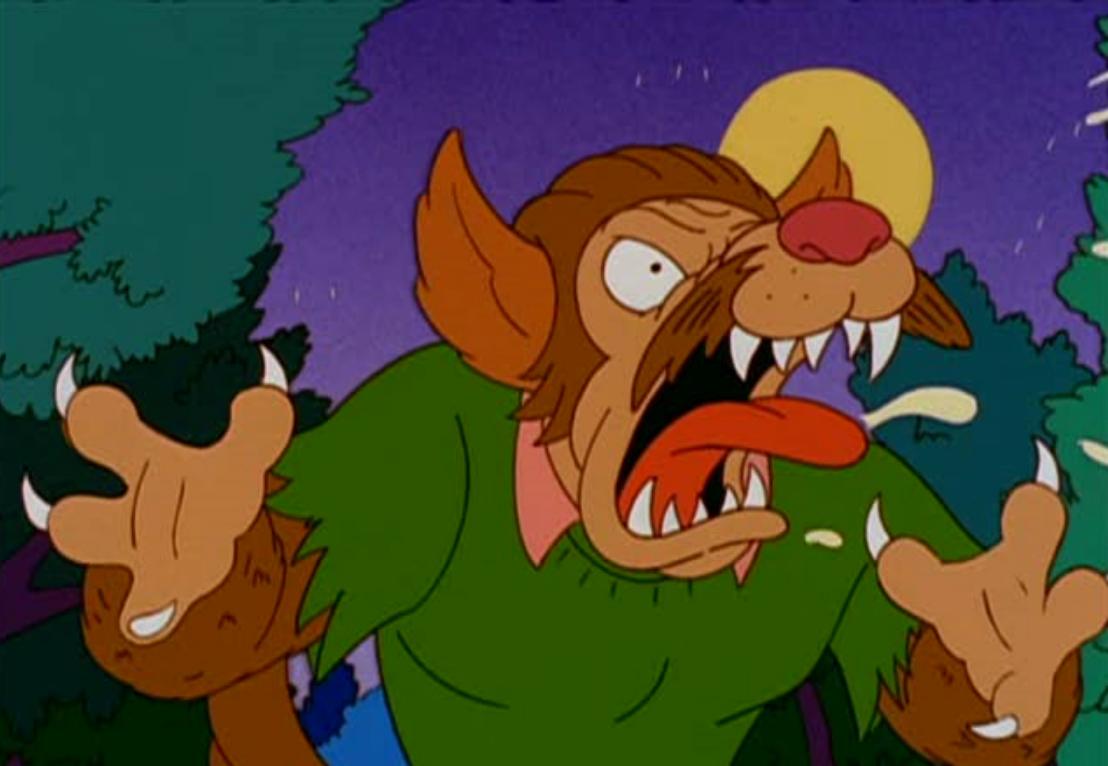
Several years ago, I trained to be an EMT. A regular class exercise was “trauma assessment,” during which a teaching assistant would invent a gruesomely injured patient. Students would evaluate this fictional character and then determine how best to treat them. One T.A. favored mythical creatures gone rogue—unicorn-horn stabbings and vampiric exsanguination. The assessment that stuck most clearly in my head revolved around an imaginary man’s evisceration-by-werewolf. I clearly remember concluding that a cool, damp cloth should be placed over the patient’s abdomen. The T.A. agreed, reminding us all never to try placing a patient’s intestines back inside their body. “Internal organs are a complex puzzle,” he said. “You do not have the training to put that puzzle back together correctly.”

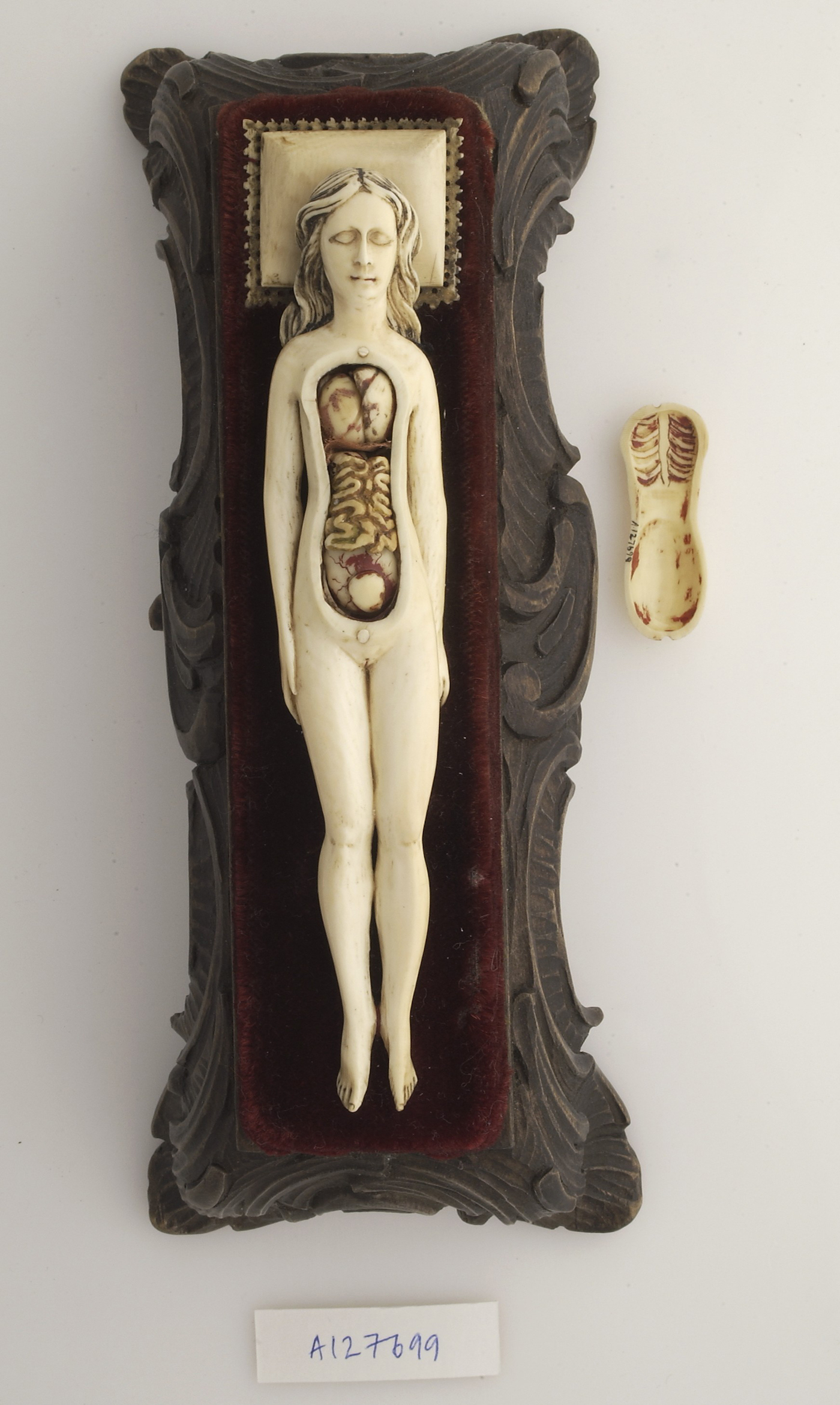
Miller’s motivation for making those twenty puzzles was a desire to help young children learn the basics of anatomy, preparing them for further education in biology. Maybe those children would go on to become surgeons—those who do have the training to put the puzzle of the organs back together in the wake of a werewolf attack. While Miller is quoted in the article as saying, “Nobody makes anatomy puzzles,” the use of puzzles to teach anatomy is actually a very old concept, dating at least back to the 18th century. Dissectible wax models known as “anatomical venuses” provided medical students with an alternative to illustrations or cadavers when learning the body’s workings.

An ivory obstetrical model.

Although these models were strangely idealized in their femininity as compared to a bare-bones wooden rendering like Miller’s, they were undeniably puzzles—one essay opines, “18th century obstetrical models represent women simultaneously as ideals of graceful femininity and as puzzle boxes of removable parts.” Here in the 21st century, three-dimensional models representing humans as puzzle boxes of removable parts are readily available online, luckily with fewer misogynist undertones; for a lower price, you can download a digital human anatomy puzzle with timed challenges. Between models, computer games, and jigsaw puzzles, anatomical knowledge today is much more accessible than it would have been in the 18th century.

Still, there is perhaps no better manifestation of the theory that the map is not the territory. If you know how to put an alphabet puzzle in order, then we can likely say that you know the alphabet. A talent for piecing together a representational puzzle of a human’s internal organs, however, does not indicate that you’re equipped to put a real human’s intestines back where they belong. Unless you’re a surgeon—AKA a next-level puzzler—if you’re ever in the company of someone who has been eviscerated by a werewolf, I don’t recommend trying to transfer your skills to a flesh-and-blood context. Miller presents his jigsaw puzzles as a simple starting point for biological education. Ahead of that starting point lies a long and winding path, infinitely more complex than any map of the path could ever be.


You can find delightful deals on puzzles on the Home Screen for Daily POP Crosswords and Daily POP Word Search! Check them out!

Thanks for visiting PuzzleNation Blog today! Be sure to sign up for our newsletter to stay up-to-date on everything PuzzleNation!

5 Questions with Constructor Christina Iverson

Welcome to 5 Questions, our recurring interview series where we reach out to puzzle constructors, game designers, writers, filmmakers, musicians, artists, and puzzle enthusiasts from all walks of life!

It’s all about exploring the vast and intriguing puzzle community by talking to those who make puzzles and those who enjoy them. (Click here to check out previous editions of 5 Questions!) Today I’m excited to introduce our latest interviewee, Christina Iverson!

Christina is a crossword constructor and the assistant editor for the LA Times Crossword. When she’s not working on puzzles, she can often be found reading, knitting, biking or hiking. She lives with her husband and two young children in Ames, IA. Find Christina on Twitter at @xtinaiverson.


1. How did you get started with puzzles?

I’m a first generation crossword solver. I grew up with a love of words, books, games, and puzzles, but no one in my family solved crosswords. In my mind, crosswords were just about trivia, and using big words that no one really uses in real life. Not true! 

I realized that in 2018 when my son was a baby. My husband and I were trying to get him to fall asleep in his own bed at night before we went to bed (!). He’d usually last about 10 minutes before waking up again, crying. 

One night while our TV show was paused, I came back from our son’s room to find my husband working on a crossword puzzle. We realized that crosswords were more easily interrupted than TV shows, and started solving them pretty regularly together. I was really terrible at them at first, so I started solving puzzles by myself to get extra practice; it’s not as fun to solve puzzles with someone who knows the answer before you even understand what the clue is getting at.

It wasn’t very long before I started trying to construct my own puzzles. I’ve always been interested in creating puzzles and games; I invented my first board game when I was probably 5 or 6, made treasure hunts for my brother in grade school, and designed logic puzzles for my geometry teacher in high school. So it didn’t seem like much of a stretch to go from solving to constructing. 

The first puzzle I made was a puzzle for my husband, about our cat, George Melvin. I constructed on my own for a couple of months before I reached out to some mentors in the crossword community. Jeff Chen, Amanda Chung, and Ross Trudeau all gave me invaluable assistance at the beginning of my journey, and I don’t think I would have gotten published without their help.

2. What, in your estimation, makes for a great puzzle? What do you most enjoy—or most commonly avoid—when constructing your own? What do you think is the most common pitfall of constructors just starting out?

I think a great puzzle is one that brings a smile to your face. For me, it’s mostly about having fun theme entries and a good “aha” moment, and also keeping the grid clean and free from yucky crossword glue. 

I think the most common pitfall of new constructors is that they can be so enthusiastic that they move on to the next constructing stage too quickly. They often underestimate the importance of the theme entries, and move on to making a grid before having a solid theme set. The theme makes or breaks the puzzle, so if the theme isn’t well-conceived and well-executed, it doesn’t matter how great the rest of the puzzle is. They also often move on to writing clues before ironing out issues in a grid. I think many new constructors remember too vividly the times that they have run into words they didn’t know in a puzzle, and can have the attitude that all crosswords are full of obscure words and lots of abbreviations. (I definitely had this misconception when I first started out!) 

3. Do you have any favorite crossword themes or clues, either your own or those crafted by others?

My favorite puzzles to solve and construct are Sunday grids, and I especially like ones with wacky theme entries. I always try to make the theme entries as silly and fun as possible. One of my favorite puzzles I’ve made was in The New York Times with my frequent collaborator Katie Hale, and had R sounds switched for Ws. For example, “Cause for celebration at a pachyderm sanctuary?” led to AN ELEPHANT IN THE WOMB. 

And one of my favorite clues that always stands out for me was in a themeless puzzle by Matthew Stock—“Ground shaking stuff?” was the clue for PEPPER. So clever!

An elephant recently out of the womb.

4. How did you end up as Patti Varol’s assistant editor for The LA Times? And what’s next for Christina Iverson?

I have been submitting puzzles to the Crosswords Club and Daily POP for a while, so Patti was familiar with me and my work. In February, I had made a puzzle for the Boswords Winter Wondersolve, an online crossword competition. The constructors were all interviewed over Zoom, and Patti was watching. I mentioned in the interview that I’d love to be doing crossword things full time some day. About two minutes later, I had an email in my inbox from her about a potential job opportunity. Rich Norris was retiring in March, and she was looking for an assistant once she took over as editor for The LA Times. I enthusiastically said yes, and I’m so glad I did! I think we work together well and make a great team. 

I really like what I’m doing right now, and don’t see any big changes coming up on the horizon. I do hope that I’ll have more time for constructing once my son starts school in the fall, as right now I’m mostly just constructing on the weekend, and doing LA Times work during the week.

5. If you could give the readers, writers, aspiring constructors, and puzzle fans in the audience one piece of advice, what would it be?

You do you, and don’t let other people dictate what the right way is to solve puzzles. Puzzles are all about challenging yourself in a fun way. If it’s more pleasant for you to solve with a thesaurus and Wikipedia, then do that. If you enjoy speed solving, have fun that way.

And for new solvers and new constructors both, remember that no one is amazing the first time they do something, and that it takes time and practice, but you can have fun the whole time. 


Christina’s work can often be found in the Daily POP Crosswords app! Download now and keep an eye out for her name, and enjoy our other contributors’ puzzles while you’re there. You can find delightful deals on the Home Screen for Daily POP Crosswords and Daily POP Word Search!

Thanks for visiting PuzzleNation Blog today! Be sure to sign up for our newsletter to stay up-to-date on everything PuzzleNation!