The Beale Ciphers: A Puzzly Treasure Hidden Since the 1800’s?

There’s nothing quite like a treasure hunt to spark the imagination. From The Treasure of the Sierra Madre to the adventures of Indiana Jones, from tales as far back as Poe’s “The Gold-Bug” to stories as recent as an episode of NCIS: New Orleans last year, a treasure hunt can turn a crime story or an adventure tale into an irresistible narrative for the ages.

Thankfully, there are a few treasure hunts lurking out there in the real world, offering clever solvers the chance to live out their own adventure. In the past, we’ve explored the mystery of Forrest Fenn’s Rocky Mountain treasure, we’ve chronicled efforts to locate all of Byron Preiss’s The Secret treasures, and we’ve suggested tactics for cracking Jason Rohrer’s A Game for Someone hunt.

But as intriguing as those hunts are, none of them have spanned more than a century of searching. (Without resulting in unfortunate demises, that is. We’re looking at you, Oak Island.)

No, that singular honor belongs to a treasure hunt known as the Beale Ciphers.
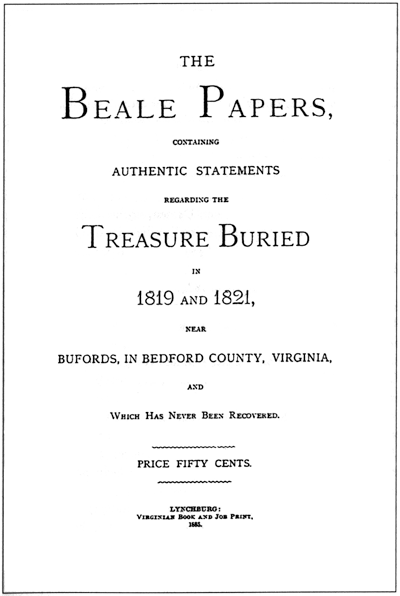
beale_papers

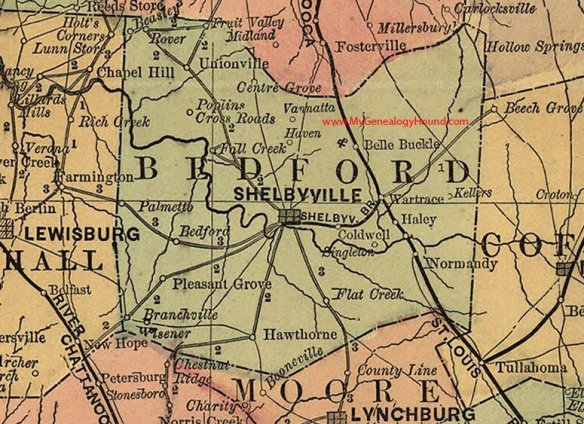
As the story goes, a man named Thomas J. Beale buried a treasure trove of gold and silver somewhere in Bedford County, Virginia, in the early 1800s. Beale then encrypted the location of the treasure, the contents of the treasure, and the names of those he wished to have the treasure. Beale handed off those encryptions to an innkeeper, then vanished, never to be seen again. (His promise of later providing the key for the ciphers was never fulfilled.)

The innkeeper failed to crack the ciphers, then held onto them for decades before passing them along to an unnamed friend before his death. The unnamed friend spent twenty more years trying to unravel the encryptions (managing to solve the second of the three encrypted messages). Eventually, the friend published the encryptions and the story of Beale’s treasure in a pamphlet he began selling in 1885.

So, how do the ciphers work?

It’s simple, really. Take a book, pick a given page, and number all of the words on the page. (Or just start at the beginning of the book.)

If you’re using A Tale of Two Cities, for instance:

1 It
2 was
3 the
4 best
5 of
6 times,
7 it
8 was
9 the
10 worst
11 of
12 times…

So, using the first letters of each word (and the corresponding number), the word BOW could be encrypted 4 11 8 or 4 11 2 or 4 11 10.

This grants people in the know two advantages. The code is incredibly difficult to break on its own, because unlike a cryptogram (or any other message encrypted with a Caesar cipher or a one-to-one relationship between coded letters), each appearance of a given letter could be a different number, not the same one over and over.

Plus, if you know the key (the book and page number), decoding it requires no puzzly skill at all.

It’s diabolical and effective, as proven by Beale’s trio of ciphers, since only one has been cracked (because the solver stumbled upon the Declaration of Independence as the key).

[The second Beale cipher.]

The decrypted text from the second cipher:

I have deposited in the county of Bedford, about four miles from Buford’s, in an excavation or vault, six feet below the surface of the ground, the following articles, belonging jointly to the parties whose names are given in number three, herewith:

The first deposit consisted of ten hundred and fourteen pounds of gold, and thirty-eight hundred and twelve pounds of silver, deposited Nov. eighteen nineteen. The second was made Dec. eighteen twenty-one, and consisted of nineteen hundred and seven pounds of gold, and twelve hundred and eighty-eight of silver; also jewels, obtained in St. Louis in exchange to save transportation, and valued at thirteen thousand dollars.

The above is securely packed in iron pots, with iron covers. The vault is roughly lined with stone, and the vessels rest on solid stone, and are covered with others. Paper number one describes the exact locality of the vault, so that no difficulty will be had in finding it.
bealemap

Of course, there are some problems there, even with the cipher that treasure hunters consider solved. You see, there are some irregularities with the solution. Not only are there four misspellings in the translation, but a variation on the original Declaration of Independence must be used or the cipher doesn’t decode correctly.

Now, mistakes happen. (As we learned with the story of Brian Patrick Regan.) But if there are mistakes in the two unsolved ciphers as well, that only makes the chances of finding the proper key even slimmer, because a mistake in the early numbers of the code might convince someone that they’ve got the wrong key, even if they have the right one!

Do you find that challenge daunting, fellow puzzlers? It’s understandable if you do. The other two ciphers have resisted the best efforts of even master cryptographers and cryptanalysts.

Given that the Declaration of Independence was the key for the second cipher, many aspiring treasure hunters have tried using other famous historical documents as possible keys for the other ciphers, including the Magna Carta, the Constitution, the Monroe Doctrine, and more, as well as the plays of Shakespeare and the Lord’s Prayer.
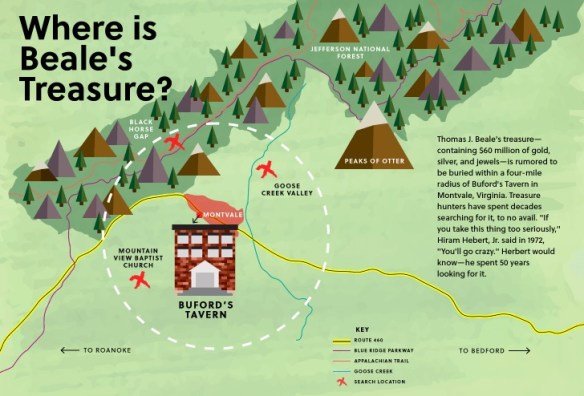
bealemontvale

There are also plenty of reasons to doubt that this treasure exists at all. (The same question marks hang over some of the other treasure hunts we’ve mentioned, like Forrest Fenn’s.)

There are questions regarding the language in the pamphlet, where the gold was supposedly found, why Beale would bother encrypting the names of the people he wanted to inherit the treasure, and even whether Beale himself ever existed in the first place. (Famous skeptic and investigator of the supernatural Joe Nickell believes the pamphlet is a fraud.)

But does that mean the ciphers are? Not necessarily.

An analysis in 1970 by Dr. Carl Hammer of Sperry-UNIVAC indicated that the number patterns are not random. He believed that further attempts at cracking the ciphers would be worthwhile.

Heck, even our old codebreaking friends Elizebeth Smith Friedman and her husband William tried to unravel the Beale ciphers, but without success. She called the ciphers “a diabolical ingenuity designed to lure the unwary reader.”

And, of course, not every hunter has come away empty-handed. One team of treasure hunters stumbled upon a cache of Civil War artifacts while hunting for Beale’s trove.

So what do you think, PuzzleNationers? Is the Beale treasure real? Will it ever be found? Let us know in the comments section below! We’d love to hear from you.


Thanks for visiting PuzzleNation Blog today! Be sure to sign up for our newsletter to stay up-to-date on everything PuzzleNation!

You can also share your pictures with us on Instagram, friend us on Facebook, check us out on TwitterPinterest, and Tumblr, and explore the always-expanding library of PuzzleNation apps and games on our website!
A Clued Sudoku Puzzle? It’s More Than Meets the Eye

cryptic

The hunt is always on for the next big puzzle idea.

Sometimes, it’s an old idea that gets repackaged and catches fire. That’s what happened with Sudoku, a puzzle that had been around since the late ’70s, but only rose to prominence decades later.

Other times, it’s a combination of different puzzle types that yields something special. Our friends at Penny Dell Puzzles, for instance, have a popular puzzle called Anagram Magic Square, which combines crossword-style cluing, anagrams, and the mathematical element of a magic square to create an engaging puzzle experience you can solve from several angles.

Whether a puzzle is destined for superstardom or not depends on a lot of factors: difficulty, the type of solving it involves, how intuitive the solving is (i.e. needing a lengthy explanation vs. getting the gist of the puzzle from a glance), visual aesthetics, and more.

As a puzzler, it’s always exciting to try out a new puzzle. Wholly original ideas are rare, to be sure, but even a single twist on an old classic can be enjoyable if executed well.

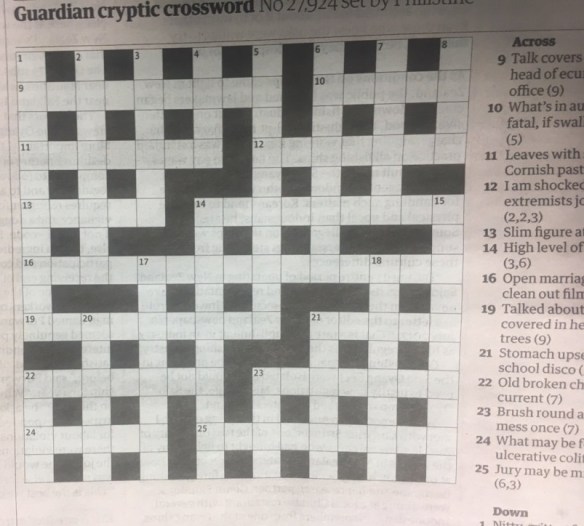
Today, we’re taking a look at a puzzle that combines Sudoku with cryptic crosswords (aka British-style crosswords). It’s called Cluedoku, and it was created by cryptic constructor Charlie Methven, better known in solving circles as Chameleon, a contributor to British puzzle outlets like The Guardian.

cluedoku

[Just a sample of the puzzle. Check out the entire puzzle here.]

Like Sudoku, Cluedoku involves placing the digits 1 through 9 into each row, column, and 3×3 square in the grid. But unlike Sudoku, there are no set letters.

Instead, you have 81 clues, one for every cell in the grid, utilizing cryptic-style cluing to hint toward which of the nine numbers goes in a given cell.

Once you’ve unraveled a clue and placed a number in the grid, standard Sudoku rules apply: that number will only appear once in a row, column, or 3×3 square.

But that’s easier said than done. These clues run the gamut of slyly clever to almost baffling. Even when you consider that there are only nine possible answers for each clue, it’s still a challenge. (Plus, not all of the clues adhere to the standard cryptic cluing mechanic of having both a definition AND a wordplay clue included.)

That being said, you’ll find lots of traditional cryptic cluing tricks at play here.

Now, we’re going to be discussing specific clues and answers from this puzzle, so this is your spoiler warning.

***

***

***

***

***

***

***

Last chance to solve without spoilers!

***

***

***

***

***

***

Okay, here we go.

In terms of traditional cryptic cluing gimmickry, we see hidden words, anagrams, homophones, word reversals, and more.

In clue 6 — Axis revolves without beginning to accelerate — we revolve (aka reverse) axis to spell SIXA, and then drop the A (“without beginning to accelerate”) to spell SIX.

In clue 8 — Prime cut from sloth reeks — the answer hides in plain sight, as a prime number (three) reads out in sloTH REEks (and can be cut out of it).

In clue 22 — Scenes in X-Men Origins reveal how many claws Wolverine has! — the phrase “origins reveal” points towards the first letters of the words that precede it proving the answer, meaning that SIX is the number of claws Wolverine has (three on each hand).

There is a similar game in clue 67 — With only seconds remaining, Officer Columbo outwits crook — which has the second digits of “Officer Columbo outwits crook” spelling out FOUR.

In clue 27 — UFO demolished third of Parliament Square — the letter R (“third of Parliament”) gets mixed up with UFO to make FOUR, a square.

crossword1

But other clues would be familiar to crossword solvers in America.

Clue 29 — Number of Romans in the New Testament? — is simple wordplay for 6, since Romans is the SIXth book. (Similarly, clue 62 — Number of lines taken by bar staff — is a reference to the FIVE lines that make up a staff in sheet music.)

Clue 34 — Top score in Scrabble — is a bit more devious, requiring you to know that T is worth 1 point, O is worth 1 point, and P is worth 3 points, making the correct answer FIVE.

Clue 48 — Man’s arms’ legs’ digit — feels like a clue you’d see at the Indie 500 or Lollapuzzoola, because it’s initially baffling, but then reveals itself as merely clever and challenging. You see, there are THREE legs on the coat of arms for the Isle of Man. But that’s concealed by the wordplay involving three different words that don’t mean what you’d think.

This mix of American and British-style clues made for a fun solve that mixed and mingled two worlds of cluing nicely.

I think my favorite clue was Clue 39 — 192+284 — because it was built like one of those magazine word puzzles, the ones where “rockcaughthardplace” means “caught between a rock and a hard place.” In this case, you have “2+2” literally in 1984. And for anyone familiar with George Orwell’s famous novel, 2+2 in 1984 equalled FIVE.

Although obviously Cluedoku isn’t really sustainable as a recurring puzzle — you’d burn out your anagrams and homophones pretty quickly, as Chameleon himself stated in an interview — it is an impressive marriage of two different puzzles that rarely interact otherwise.

But he did raise the possibility of another variation in the future:

If I did another Chameleon cluedoku, I think I’d use the seven colours of the rainbow plus black and white, as solvers could then colour in each square as they solved. How’s “Cry over Norwich’s core Canary”?

That sounds like a fun follow-up to an interesting puzzle.

What did you think of Cluedoku, fellow puzzlers and PuzzleNationers? Let us know in the comments below! We’d love to hear from you.


Thanks for visiting PuzzleNation Blog today! Be sure to sign up for our newsletter to stay up-to-date on everything PuzzleNation!

You can also share your pictures with us on Instagram, friend us on Facebook, check us out on TwitterPinterest, and Tumblr, and explore the always-expanding library of PuzzleNation apps and games on our website!

PN Video Game Review: Untitled Goose Game

goosegame1

[Image courtesy of USG.]

A game review? We know, it’s been a long time. Yes, we often discuss the puzzly aspects of video games both new and old, but it’s rare that we review them.

Thankfully, friend of the blog Jennifer Cunningham — puzzler, artist, musicologist, and former Tabletop Tournament Champion — offered to step up and review a puzzle game as clever as it is subversive, one that’s already made quite an impression across social media.

So, without further ado, let’s turn things over to Jen for her take on Untitled Goose Game.


On September 23rd, 2019, a new video game release took the Internet by storm.

Untitled Goose Game, an independent stealth and puzzle game from House House, has a straightforward description: It’s a lovely morning in the village, and you are a horrible goose.

That’s it. That’s the tagline. And yet it has already won the hearts (and memes) of many.

goosegame2

[Image courtesy of Polygon.]

Yes, players take on the role of a rogue goose, being mischievous and causing mayhem in a quiet English village. The objective of the game is to complete a series of tasks to advance to the next area of the town. Players are given very simple abilities as the goose: you can waddle and run, you can grab and pick up items with your beak, you can honk, you can duck (pun not intended), and you can flap your wings.

With these skills, players must determine how to complete their “To Do List” tasks, while avoiding being thwarted or chased away by the village’s (perhaps justifiably) irate citizens. Such tasks include “get into the garden,” “break the broom,” and “be awarded a flower.”

Unlike many video games, there are no hints given to players such as flashing or highlighted items, arrows, dialog, etc., so players must experiment and problem-solve in order to accomplish the vaguely-described tasks.

goosegame3

[Image courtesy of Goose Game.]

Since there is no life system and no time limits, players are free to explore the world and see what sticks. Sneaking around, hiding objects, and sometimes deliberately calling attention to your goose-self are required to succeed. It is completely up to the player to figure out how to approach each endeavor. Additionally, players will discover some hidden tasks as they experiment and try to solve each task’s unique puzzle.

Untitled Goose Game is fun, farcical, and highly entertaining. It will make you think, laugh, and almost wish you were a rebellious goose yourself. But a word of warning: it is a relatively quick game. Players can easily win the entire game in just a few hours.

While there are bonus tasks that open up after winning, there isn’t must incentive to replay the game over and over unless you’re determined to beat your own personal timed record. We can only hope that the developers come up with a sequel or expanded gameplay in the future.

Untitled Goose Game is available for digital purchase in the Nintendo Switch Store and for PC/Mac at Epic Games.

goosegame4

[Image courtesy of EuroGame.net.]

Ratings for Untitled Goose Game:

  • Enjoyability: 4/5 — This game provides a high level of entertainment despite the limited world. You truly feel as one with the goose. The varying difficulty of tasks is well balanced to allow players of all puzzle-solving abilities to accomplish the game’s objectives.
  • Puzzle incorporation: 4/5 — Completing tasks requires the player to determine how to use your basic goose skills to achieve them with no clear directive on how to accomplish them. Prepare for a lot of trial-and-error. It is truly a problem-solving puzzle game.
  • Graphics: 3/5 — Beauty is in the eye of the beholder. This is an indie game so the graphics are not on par with most PC/Switch video games or franchises. The graphics are somewhat flat, similar to paper cutouts. But at the same time, that is part of the game’s charm (much like its non-title title) and detail is certainly not lacking. The colors are muted but calming, the world is crisp and clean, and movement is smooth.
  • Gameplay: 4/5 — The drive to sow a little chaos lives within all of us, and this game lets us play out that devious urge in perhaps the most innocent way while challenging players with puzzly goodness. If you’re going to cause trouble, might as well be a cute goose just doing its goose thing. The satisfaction that comes with completing a task is extremely gratifying, as is the sandbox-esque freedom of being able to cause mayhem for no honkin’ reason at all.

Thanks for visiting PuzzleNation Blog today! Be sure to sign up for our newsletter to stay up-to-date on everything PuzzleNation!

You can also share your pictures with us on Instagram, friend us on Facebook, check us out on TwitterPinterest, and Tumblr, and explore the always-expanding library of PuzzleNation apps and games on our website!
A Puzzle Hunt at a Wedding Reception?

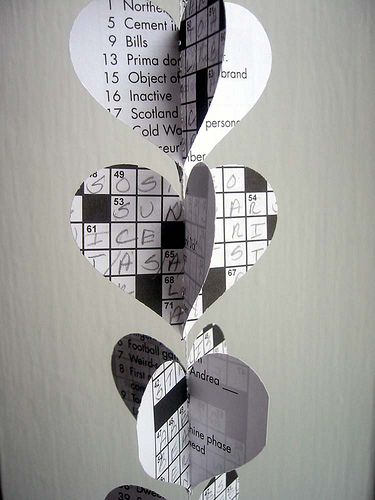
puzzlelove

We’ve seen our fair share of puzzly romance here on the blog over the years, particularly when it comes to proposals. There was the Rubik’s Cube proposal, the Monopoly proposal, and of course, the two proposals facilitated by our friends at Penny Dell Puzzles.

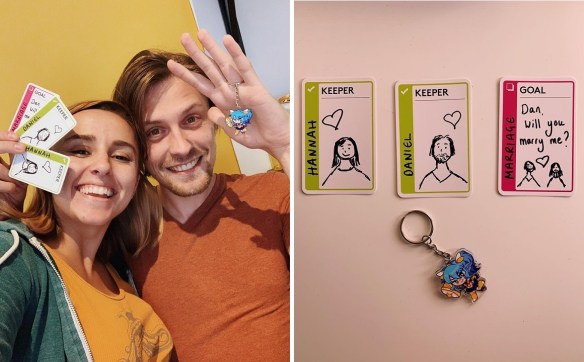
Heck, just recently, YouTuber and author Hannah Witton proposed to her partner using some Fluxx cards she created especially for the occasion!

hannathwittonfluxxall

But in today’s blog, we’ve got a new twist on things. We’ve seen puzzly proposals… but how about a puzzle-fueled wedding reception?

When Laser Webber (half of the wonderful musical duo The Doubleclicks) and Richard Malena got married, they decided to celebrate the day with a puzzly reception, since they love puzzles and games, and they knew some of their guests were diehard puzzle/game fans as well.

So, what’s the perfect hook for a wedding reception puzzle?

Simple. Their rings had gone missing, and it was up to the puzzlers in attendance to find them!

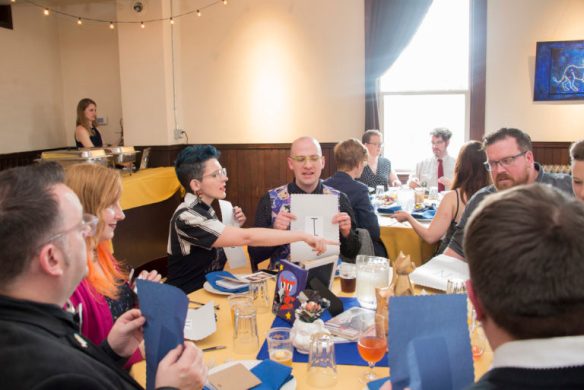
laserwedding2

Each table at the reception had a theme — Dungeons & Dragons, Oregon, Lord of the Rings, etc. — and on the back of each placemat was a letter. The letters spelled out a word related to another table’s theme, leading to certain tables teaming up. (There were also bonus letters on some of the placemats, which would be used in the next clue.)

So, say there were nine tables, and those nine tables boiled down to three teams (three tables per team), those teams could then combine the bonus letters from their tables to spell a bonus word.

The three bonus words, when combined, formed the phrase “ringing present interior.”

A-ha! A clue must be lurking on the present table!

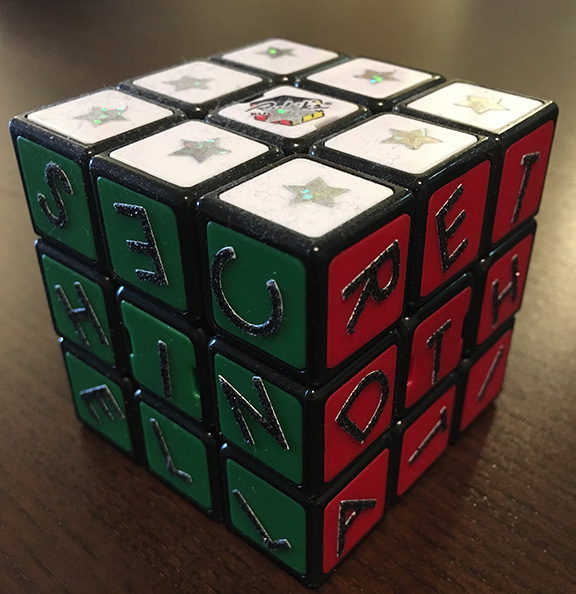
The solvers made their way there, and shook the presents. Although several of them made interesting noises, only one contained a bell that rang out in suspicious fashion. The guests paused for a second, then tore into the paper and opened the box, revealing a Rubik’s Cube.

laserwedding4

Naturally, this one had been personalized for the event, with letters or star stickers on it in addition to the usual colors. When solved, from left to right, the cube read:

THESECRETCOD
EBEHINDTHECO
NSTELLATIONS

or

“the secret code behind the constellations.”

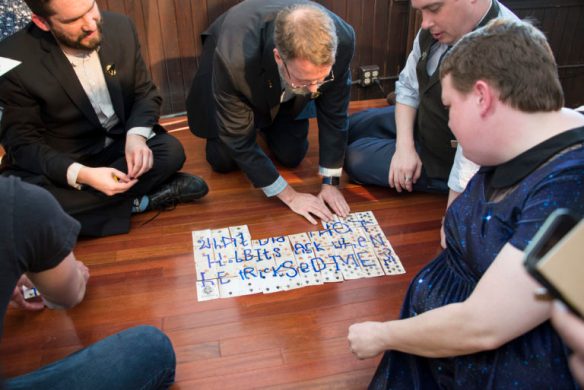
The eyes of solvers immediately turned to the paintings of constellations that decorated the reception area. Or, more specifically, to what was behind the paintings. With a touch more destruction — paper backings to the paintings, rather than wrapping paper this time — a number of playing cards were revealed, each with bits of a message painted on.

laserwedding3

When properly arranged, the message on the cards read, “What did that hobbits ask when he tricksed me?”

How clever is that? Not just a Lord of the Rings reference (one sure to delight LOTR fans in attendance), but a reminder of what they were looking for… the lost rings of the newly married couple.

The solvers then confronted the emcees and asked the crucial question, “What have I got in my pocket?” and the emcees revealed they had the rings all along.

The guests had triumphed and reunited the couple with their rings!

laserwedding1

It was a really unique way of celebrating being together with friends and loved ones — and doing something you love in a big, fun, silly, personalized way as well — and we here at PuzzleNation Blog are forever impressed by the creativity and puzzly ingenuity of our fellow puzzlers.

[For the full story, including a hilarious mishap during the placemat portion of the puzzle hunt, check out Richard’s blog post about the reception here.]


Thanks for visiting PuzzleNation Blog today! Be sure to sign up for our newsletter to stay up-to-date on everything PuzzleNation!

You can also share your pictures with us on Instagram, friend us on Facebook, check us out on TwitterPinterest, and Tumblr, and explore the always-expanding library of PuzzleNation apps and games on our website!

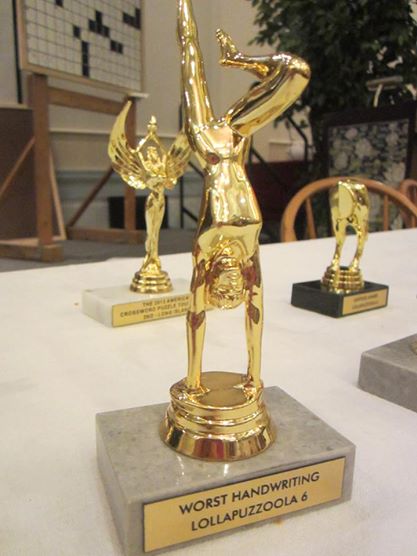
Delving into the Lollapuzzoola 12 puzzles!

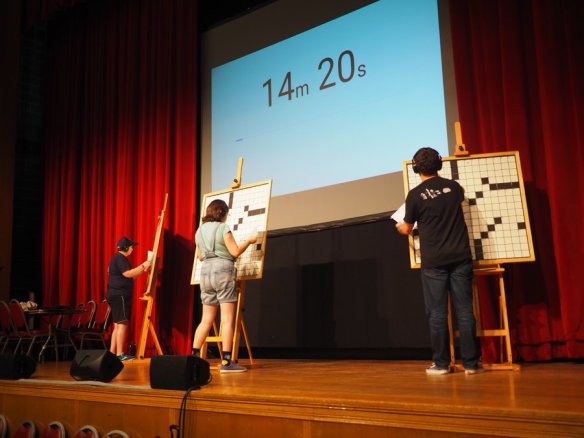
The twelfth edition of Lollapuzzoola arrived, as expected, on a Saturday in August, and it did not disappoint. The largest annual crossword tournament in New York (and the second largest in the world) has become not only one of the highlights of the puzzle calendar, but an institution at this point.

I was not in attendance, but I did sign up for the Solve At Home puzzle packet. Last weekend, I finally had a chance to sit down and try my hands at this year’s tournament puzzles, and I was not disappointed. Lollapuzzoola continues to push the envelope with inventive themes and unique spins on how to bring crosswords to life.

This year’s theme was “Be Part of the Future!” so every puzzle had something to do with time periods or the future in general, and the constructors were clearly inspired in all sorts of ways. Let’s take a look at what they came up with.


Warm-Up: Twinlets by Brian Cimmet

This puzzle felt more like hitting the ground running than warming up, but it definitely got the creative juices flowing. The solver is presented with two identical grids and two sets of clues, and you have to figure out which grid each answer applies to.

This was complicated by the fact that several of the clues were the same for multiple entries. For example, the clue to 1 Across for both grids was “Popular Nabisco cracker brand.” The grids themselves also made for a tough solve, since there were several sections only connected by a single word, so you had fewer ins to tell you which answer applied.

Overall, this was a tough but fair way to open up the tournament, despite a few oddball entries (like YES OR NO).

Interesting grid entries included SOFT TACO, SUDOKU, ZYGOTE, and RAGTIME, and my favorite clues were “Pace rival” for ORTEGA and “Actress Gadot who has done lots of great things, but listing them isn’t going to help you get the answer (which you’ve probably already written in anyway, so really what’s the point)” for GAL.

tensesit

[Image courtesy of Wrong Hands.]

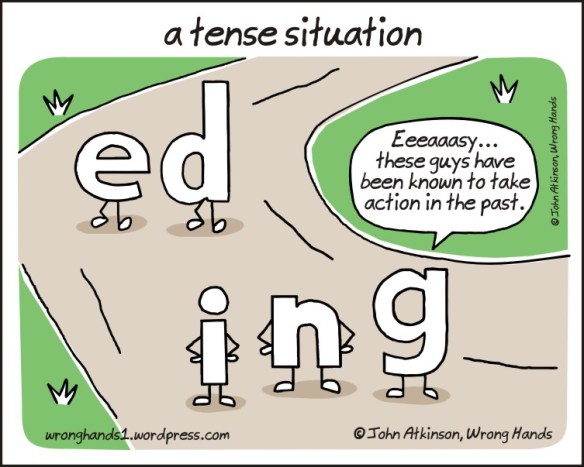
Puzzle 1: Tense Situation by C.C. Burnikel

The competition puzzles kicked off with this gem, a terrific 15x opener that properly set the tone for the rest of the day’s puzzles with a fun hook and solid fill. The themed entries all involved verbs where the tense had changed from the traditional phrasing, so TURKEYSHOOT became TURKEYSHOT (“Picture of a Thanksgiving entree?”) and NANCYDREW became NANCYDRAW (“Command to Mrs. Reagan to use a crayon?”).

Packing 6 themed entries into a relatively small grid didn’t hamper the grid construction at all, making for relatively little crosswordese and a smooth solve overall.

Interesting grid entries included STONE COLD, BYZANTINE, and BYRDS, and my favorite clue was “Prepares to sing an anthem” for RISES.

Puzzle 2: Wormholes by Stella Zawistowski

The difficulty increased with Puzzle 2, as Zawistowski tested solvers with an enjoyable swapping puzzle. In this puzzle, the theme entries each mentioned a unit of time, but it was swapped with another theme entry’s unit of time. So GLORYDAYS and MODELYEAR became GLORYYEAR and MODELDAYS. These unfamiliar phrases, when paired with straight-forward cluing, made for a solve that keeps you on your toes.

When paired with some tough fill — entries like OPCIT, SYLPH, and UNAGI — you’ve got a recipe for a puzzle that probably slowed a few puzzlers down in competition.

Interesting grid entries included EL CAPITAN, LAYLA, ON A BREAK, and MARILU (plus a nod to the absolutely horrible B-movie THE CAR), and my favorite clues were “Ran in the rain, say” for BLED and “Many a Comic-Con event” for PANEL.

Fountain of youth concept.

[Image courtesy of Burke Williams Spa.]

Puzzle 3: “If I Could Turn Back Time” by Paolo Pasco

At the halfway point for the regular tournament puzzles, our constructor took our time gimmick into the future in a delightfully fun way. In Puzzle 3, all of the celebrity names in the themed entries really needed the revealer (FOUNTAIN OF YOUTH), because they’d aged in punny fashion. JULIA CHILD became JULIA ADOLESCENT, HARVEY MILK became HARVEY CHEESE, JOEY FATONE became KANGAROO FATONE, and so on.

Six themed entries plus a revealer made for a very busy grid, but the fill complemented the puzzle nicely, making for one of the quickest and smoothest solves of the day.

Interesting grid entries included XANAX, FIJI, THE CURE, STIMULI, and OH HELL, and my favorite clues were “Musical key dreaded by racecar drivers?” for AFLAT, “Redding who made lots of green singing the blues” for OTIS, and the pairing of “Length of your friend’s one-man version of ‘Cats,’ seemingly” for EONS and “Casual answer to ‘Do you want to see my one-man version of ‘Cats’?” for NAH.

Puzzle 4: Saving Face by Maddie Gillespie and Doug Peterson

Although Puzzle 3 was the most fun to solve, Puzzle 4 was my favorite when it came to the grid construction and overall concept for the puzzle. You see, many of the across entries had letters missing, letters that had been shoehorned into their clues (and fit between the other letters in broken grid boxes).

So while DENALI was spelled DEALI in the grid, the missing N found its way into the clue “Alaskan national park with many nice walls for climbers.” [Bolding is my own to highlight the added letter.]

The missing/repurposed letters spelled out three words reading down — WATCH, SUNDIAL, and CLOCK — all time-keeping artifacts hidden between the lines. A completed grid also reveals the instructions for the solver to follow, reading GATHER THE PIECES and FIX THE TIMELINES down the grid.

There’s a lot going on in this puzzle, and it all works together nicely. Not unlike some of the missing artifacts, when properly maintained.

Interesting grid entries included ECSTASY, LIME WEDGE, XBOX, AMBASSADOR, and IDEA MEN, and my favorite clues were “Group with an electrifying stage presence” for ACDC and “Gendered term that 26-Down should be able to improve upon” for IDEA MEN. (This was, naturally, 26-Down.)

hottubtime

[Image courtesy of The Verge.]

Puzzle 5: Movie Theater Time Machine by Robyn Weintraub

The regular tournament puzzles wrapped up with this 21×21 puzzle, which expanded on the time-shifting gimmick of puzzle 3 with movie titles as the themed entries. For instance, instead of SUNSET BOULEVARD, we had SUNRISE BOULEVARD. Instead of BOOGIE NIGHTS, it was BOOGIE AFTERNOONS. With entries shifting backward and forward in time, there was plenty of opportunity for some fun wordplay.

The larger grid allowed for longer themed entries and longer fill entries as well, adding loads of clever vocabulary to a well-constructed grid. This was the perfect capper to the traditional tournament puzzles, making for a fair and engaging solve to close out the day.

Interesting grid entries included GENERATION X, SPIDER-SENSE, LET’S DANCE, JETTY, and ONE-ACT PLAY, and my favorite clues were “It’s frequently in a sonnet?” for OFT and the clever trio of “Go with the flow, figuratively” for ADAPT, “Go with the flow, e.g.” for IDIOM, and “Go with the flow, literally” for DRIFT.

lollafinal

Puzzle 6: Finals by Mike Nothnagel

As always, there were two sets of clues for the Finals puzzle, the Local and the more difficult Express clues. No matter which clues you were working with, you were in for a terrific tournament finale.

With a pair of 10-letter entries mentioning time as anchors for the puzzle — FINEST HOUR and MINUTE MAID — Mike delivered a tight grid with some terrific filler entries and impressive stacks of 7- and 8-letter words in the corners.

This was a final puzzle worthy of a tournament built around clever hooks, top-notch construction, and delightful cluing, and it delivered in spades. I certainly had to jump all over the grid to find places to get started, whereas the top solvers no doubt powered through with staggering speed.

Interesting grid entries included WAR DANCE, BEGUILES, YULETIDE, GROUP HUG, and AVALON, and my favorite clues were “Road trips to the big game?” for SAFARIS and “They may send your spouse to another room” for SNORES.

There was also a tiebreaker themeless by Brian Cimmet which was a quick and satisfying solve, and seemed to be going for the record for clue length with examples like:

  • “Actress Ronan of ‘Lady Bird,’ whose name has four vowels in it and is pronounced SEER-shuh, if that’s any help” for SAOIRSE
  • “Mother of the most famous television character played by 20-Across” for ELYSE (20-Across was, appropriately, MICHAEL J. FOX)
  • “It precedes Alaska in a horrible dad joke I learned as a kid” for IDAHO

The puzzles at Lollapuzzoola always impress, and this year was no exception. The grids were tight, there was little crosswordese, and the creative themes and puzzle mechanics — from hiding entry letters in clues to switching verb tenses and ages on the solver — ensured that not only would fun be had by all, but that the unique puzzles would linger in your memory.

Mission accomplished, and congratulations on the competitors and the organizers who made it all happen. Lollapuzzoola is only getting more creative, more groundbreaking, and more clever with each passing year.

I can’t wait to see what they come up with next year!


Thanks for visiting PuzzleNation Blog today! Be sure to sign up for our newsletter to stay up-to-date on everything PuzzleNation!

You can also share your pictures with us on Instagram, friend us on Facebook, check us out on TwitterPinterest, and Tumblr, and explore the always-expanding library of PuzzleNation apps and games on our website!

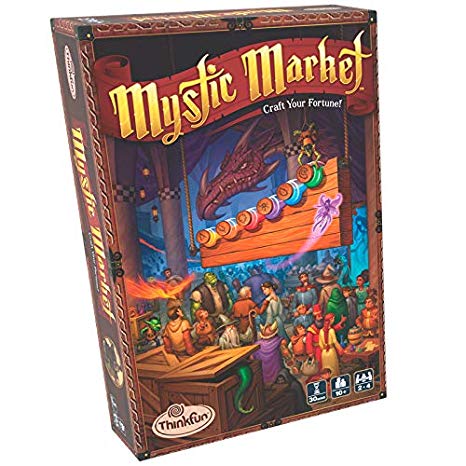
PuzzleNation Product Review: Mystic Market

mysticmarketheader

[Note: I received a free copy of this game in exchange for a fair, unbiased review. Due diligence, full disclosure, and all that.]

If you’re familiar with ThinkFun and their challenging and clever logic puzzle games, you know that most of them are one-player endeavors designed to pit the player against the game itself, playing repeatedly with increasing levels of complexity added as the Challenge Cards toss new twists and turns your way.

It is a formula that has worked well for them in the past, and yet, it’s one that they’ve completely put aside with their newest offering, Mystic Market.

mysticmarket4

Rather than focusing on deduction in some form — through completing tasks, paths, or circuits — Mystic Market requires players to react to both their opponents’ actions and the ever-shifting demands of the game moment-by-moment in order to achieve victory. You see, players at the Mystic Market are competing to earn the most money. But how do you do that?

By buying and selling magical ingredients, as well as the potions you can make from those magical ingredients, of course.

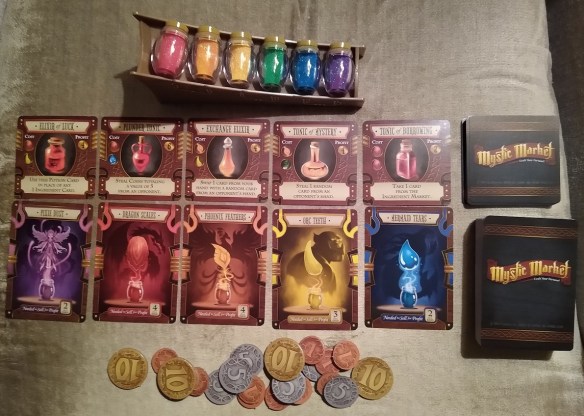
To start, players receive four ingredient cards and five one-point coins. They then take turns interacting with the communal Ingredient Market and Potion Market, where they can buy, sell, or swap ingredients, as well as craft or play potions.

Each potion you craft and play not only brings in a profit, but it also allows you to take actions that affect the game (even when it’s not your turn).

But here’s where things get much trickier. The cost of ingredients (when purchasing them) and the value of ingredients (when selling them) changes throughout the game.

mysticmarket1

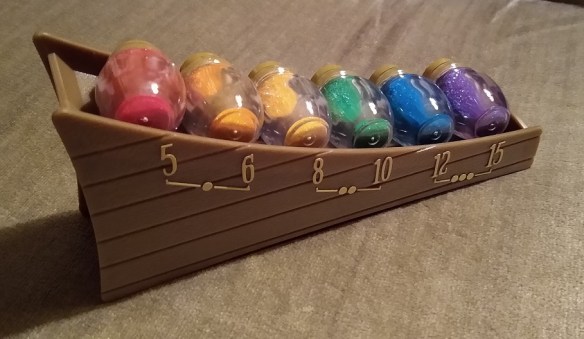
Say hello to the Value Track. This inclined plane contains samples of all six ingredients in the game, representing their current value on the market from least expensive to most expensive. (The numbers represent the value of ingredients when sold as a set, while the dots indicate the cost of ingredients.)

The value of ingredients can be altered in two ways: by player actions or by random supply shifts.

When a player sells ingredients — either as single cards or complete sets — they move the colored vial representing that ingredient to the top of the Value Track, lowering its current value (because there’s now more of that ingredient on the market, so the price comes down). The other vials shift as a result of this action, and any vials that were previously cheaper increase in value due to relative rarity in the market.

This mechanic not only brings an element of randomness to the game (because prices aren’t static, as they are in many other games), but it also introduces a deeper level of strategy and opportunism to the gameplay as well.

mysticmarket2

Because you can purposely affect the market, either inflating or deflating the value of ingredients through your purchasing and sales, you can create new chances for investment or spoil the attempted investments of your fellow players if you see them stockpiling certain ingredients.

You also have to keep a close eye on the Value Track, because you want to spend as little as possible when buying, and then strike while the iron is hot and sell when your ingredients are worth more.

There are a plethora of resource management games out there, with tons of mechanics for buying, selling, and swapping resources between players or with some sort of market or bank, but I can’t think of another game that simulates an ever-changing spectrum of prices and values for those resources as simply or as elegantly as Mystic Market does.

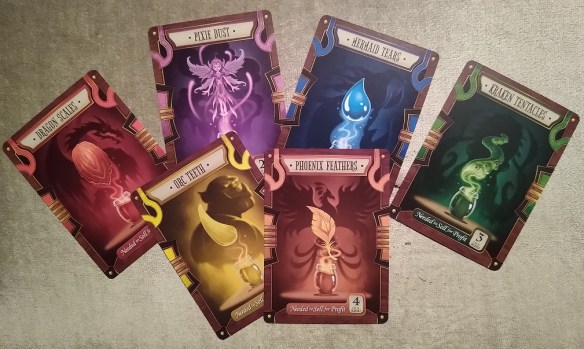
So, really, you have to play two games in one. You’re not just an alchemist working to create magical potions from otherworldly ingredients like phoenix feathers or mermaid tears; you’re also a savvy entrepreneur looking to corner the market on the ingredients you need and make a tidy profit from your investments.

mysticmarket3

It’s certainly a lot to manage, and it took a handful of playthroughs before I really felt like I had a good handle on balancing all of the game’s elements. But with each successive round of play, I understood and enjoyed the experience more than the previous game. Because as you get better at taking advantage of the Value Track, so do your opponents. Each game becomes the magical equivalent of an arms race as you try to build your fortunes and make the most of a dwindling supply of resources.

This isn’t the sort of game I’d expect from ThinkFun — competitive gameplay isn’t really their style — but that only made Mystic Market a delightfully surprising treat that still ably represents their core values: teaching through play. This time around, they manage to make business, investments, and the stock market all integral parts of a terrific gaming experience.

[Mystic Market is available from ThinkFun and other participating retailers.]


Thanks for visiting PuzzleNation Blog today! Be sure to sign up for our newsletter to stay up-to-date on everything PuzzleNation!

You can also share your pictures with us on Instagram, friend us on Facebook, check us out on TwitterPinterest, and Tumblr, and explore the always-expanding library of PuzzleNation apps and games on our website!