More Names Depart D&D! What Does It Mean for the Brand?

It’s a little sad that the only time Dungeons & Dragons hits the headlines these days, it’s for stupid behind-the-scenes reasons and not terrific storytelling reasons.

Over the last two years, Dungeons & Dragons has been in the news for:

-trying to destroy the third-party market from which they profited by releasing a new OGL (the gaming license that allows third-party companies to make content for the D&D brand)
-repeatedly using AI-generated material after claiming they would not
-sending actual Pinkerton agents to someone’s house for revealing a Magic the Gathering product ahead of time
-being accused of racial stereotyping and social tone-deafness for one of the playable races in Spelljammer
gutting their Sigil team and continuing to push for more AI-fueled content (including the idea of AI Dungeon Masters to run their games)
Except for the successes of Baldur’s Gate 3 (which is more due to the video game company than Wizards of the Coast or Hasbro) and the D&D movie (which has no follow-up plans that we’re aware of), it’s been a cavalcade of poor choices, mismanagement, and actions that seem designed to burn good will with the audience rather than build it.

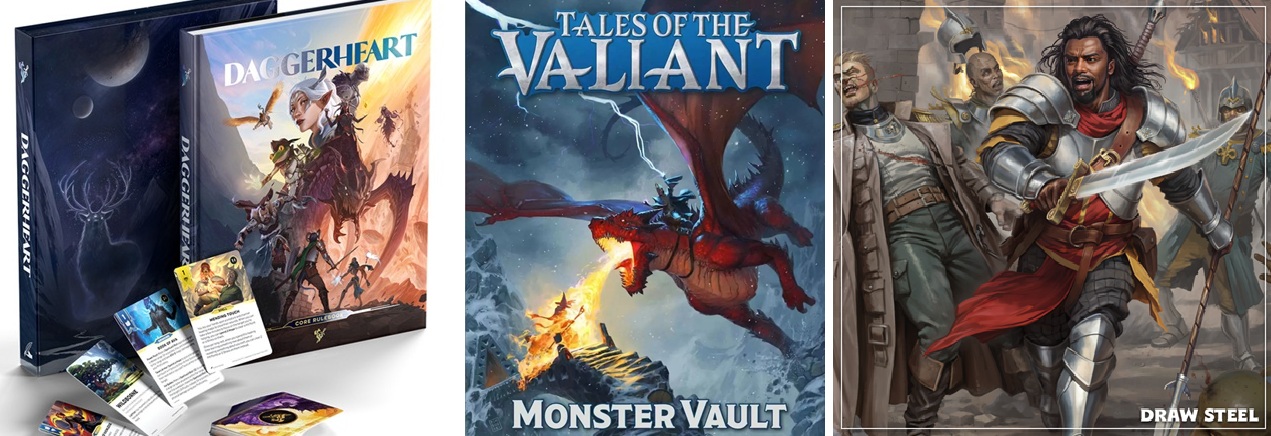
In the aftermath of the OGL scandal, several competitors have risen to challenge D&D’s status as the RPG juggernaut, including Matt Colville’s MCDM RPG/Draw Steel, Kobold Press’s Tales of the Valiant, and Critical Role/Darrington Press’s Daggerheart.
And now they’re hemorrhaging talent on the creative side as well.

Back in April, Chris Perkins and Jeremy Crawford both departed from Wizards of the Coast, D&D’s parent company.

This was rightfully seen as a huge blow to the brand, as Perkins and Crawford were not just the most visible representatives D&D had to the playing public, but also the architects of modern D&D over the last two decades or so.

They were the smiling public faces that endured the slings and arrows from an unhappy fanbase, doing their damnedest to explain away the poor choices foisted on them by WOTC and Hasbro. Whatever good will the brand had, much of it was due to those two.

A few days ago, Perkins and Crawford announced they were joining Darrington Press, the publishers of D&D competitor Daggerheart, with the intent of producing new non-D&D RPG content. Given that Critical Role has been credited with a large chunk of D&D’s continued popularity over the last decade, seeing two of the most influential voices in D&D join them should give Wizards of the Coast shivers.

This week also marked the departure of two more important voices at WOTC, one by choice, and one not by choice.

Jess Lanzillo, vice president of the D&D brand announced she was stepping away from WOTC after eight years working on both Magic: The Gathering and D&D. She has been credited with pushing for new releases, helping shepherd 2024’s revised rules, and increasing branding opportunities for Magic: The Gathering.

Head of content (and face of much of D&D’s video/online content) Todd Kenreck announced he was laid off from D&D this week as well. Losing another popular public face of the brand — and doing so by choice this time — marks another short-sighted decision by WOTC/Hasbro higher-ups.

Now, let me be clear, I’m not ringing alarm bells and claiming that D&D is dying. Far from it. D&D IS roleplaying to so many people, and they could coast on that for years.
efArhae

But it’s worth noting that this FEELS like a sea change in the market. I would argue consumer confidence in D&D hasn’t been this low since the late 90s/early 2000s when the brand floundered wildly after the release of Fourth Edition (and the rise of Pathfinder in its wake), but that doesn’t mean doom and gloom.

All those alternatives are looking to build a name for themselves, particularly on the Darrington Press side by hiring Crawford and Perkins, as well as Daggerheart making waves by completely selling out every edition of their new releases.

Hasbro and WOTC desperately need to reassess what they THINK the audience wants, as well as what Dungeons & Dragons should be.

The ship isn’t sinking yet, but it’s leaking. And who knows when the iceberg might hit.

Free Board Games and RPGs?

At the start of the pandemic in 2020, game companies around the world rallied around their customers, offering discounts, producing print-and-play versions of their games, and creating new online variants of their games to allow for Zoom play or remote play.

It was a remarkable effort at a very trying time, one that many board game enthusiasts like myself remember warmly.

So, five years later, as this baffling tariff war threatens the industry as a whole, we’re seeing the board game industry again roll with the punches and work with the audience to survive.

Some are having “tariff sales” at deep discounts to help clear inventory, gauge audience interest in certain games, or create a cash bumper to help them weather the uncertain tariff storms.

Others are making PDFs more available to customers, helping mitigate both prices for the audience and reduce production costs for the company.

Today, I want to highlight a few companies that have gone beyond that, offering free products for customers to enjoy.

Yes, they would obviously rather that you visit their shops and pay for PDFs or physical copies, but the fact that they have free board game libraries AT ALL is worthy of attention and admiration.

So here we go!


9th Level Games

Every year, dozens of roleplaying game companies create Free RPG Day handouts for game stores to offer fans. Sometimes they’re quickstart versions of the games to introduce new players. Sometimes they’re exclusive adventures or modules to play either in-store or at home. Othertimes, they’re entirely new games, free of charge.

For five years now, 9th Level Games has created their own Free RPG Day offering, the Level 1 Anthology. It’s a collection of new games by up-and-coming and established RPG creators, all centered around a theme. Last year’s edition was all about programming. This year’s is about the end of the wild west.

You can visit your friendly local game shop on June 21st this year to pick your physical copy of the game.

But if you want to check out ANY of the previous years’ Level 1 Anthologies, they continue to offer the PDFs free of charge!

9th Level Games is one of my favorite RPG companies — making classics like Kobolds Ate My Baby!, Mazes, Return to Dark Tower, and The Very Good Dogs of Chernobyl — and I’m proud to have a game featured in last year’s Level 1 collection as well as a game in this year’s upcoming collection. Please check out both the freebies and the full lineup of games on their website.


Crab Fragment Labs

A company called Cheapass Games launched with a very simple idea: they only give you what you need to play the game. No reselling you tokens and dice and chips and fake money that you can already borrow from other games. Just what you need to play their games. It was affordable and brilliant.

They’ve created some of my all-time favorite board games, including:

The Big Idea (can you put two cards together to make a silly product and market it to your investors/other players?)
Kill Doctor Lucky (can you eliminate the luckiest man alive?)
Unexploded Cow (can you combine unexploded World War II ordnance and mad cows to turn a profit?)
U.S. Patent Number 1 (can your time machine beat other time machines to the day the patent office opened and claim the very first patent?)

And while many games from the Cheapass Games era are still available, their creative legacy lives on through Crab Fragment Labs, a game company that not only develops their own clever and challenge games, but also hosts a free print-and-play library of many board games for you to enjoy.

They have a shop as well, where you can support their gaming mission. Please check them out!


Dungeons & Dragons

I know that the prices of D&D books can seem daunting these days, but what you might not know is that there are publicly available rulesets for you to enjoy right now! You can use their own quickstart rules, as well as the advice on DnDBeyond.com to delve into building your own game world free of charge!


Rowan, Rook, and Decard

If Dungeons & Dragons is still a little intimidating, no worries! Have you ever tried a one-page RPG?

Rowan, Rook, and Decard offers a brilliant library of RPG games at all price levels, and many of their one-page RPGs designed by Grant Howitt are Pay What You Want. It’s a delightfully affordable way to try out the hobby without breaking the bank! (There’s also a free RPG section!)

Want to play bears planning the perfect crime? Try Honey Heist.

Want to play a group of seagulls causing mayhem? Try Everyone Is Seagulls.

Want to see Sean Bean finally survive film? Try Seans Bean Star In: A Very Northern Christmas.

Want to combine Regency romance with giant robots? Try Pride and Extreme Prejudice.

Comedy, horror, action, long-form, short-form? They’ve got it all. Check out their entire library here!


If you’re looking to play online, you have options like Free Board Games.org, Tabletopia, and Calculators.org, as well as this list from RPG Geek.

For those with 3D printers at home, How-To Geek has collected ten board games you can print at home right now. The list includes Connect 4, Battleship, Chess, and Settlers of Catan.

You’d be amazed at what’s out there for gamers on a budget if you just know where to look. Please support any and all of these companies where you can. They’re helping keep the hobby alive, affordable, and exciting.

Happy tabletopping, everyone!

More Dungeons & Dragons Employees Laid Off, Sigil Dead in the Water?

I had a different post scheduled for today, but unfortunately, Hasbro and Wizards of the Coast cannot stop making bad choices, so I must turn the PuzzCulture spotlight toward Dungeons & Dragons once again for sad reasons, rather than pleasant ones.

For the uninitiated, Wizards of the Coast (WOTC) is the company that owns the Dungeons & Dragons brand. They, in turn, are owned by the toy company Hasbro, and these conjoined companies have done a staggeringly impressive job burning decades of good will and consumer confidence over the last two years.

There have been numerous scandals involving:

  • the use of AI-generated content (and regular promises NOT to use AI, only for it to “accidentally” show up again)
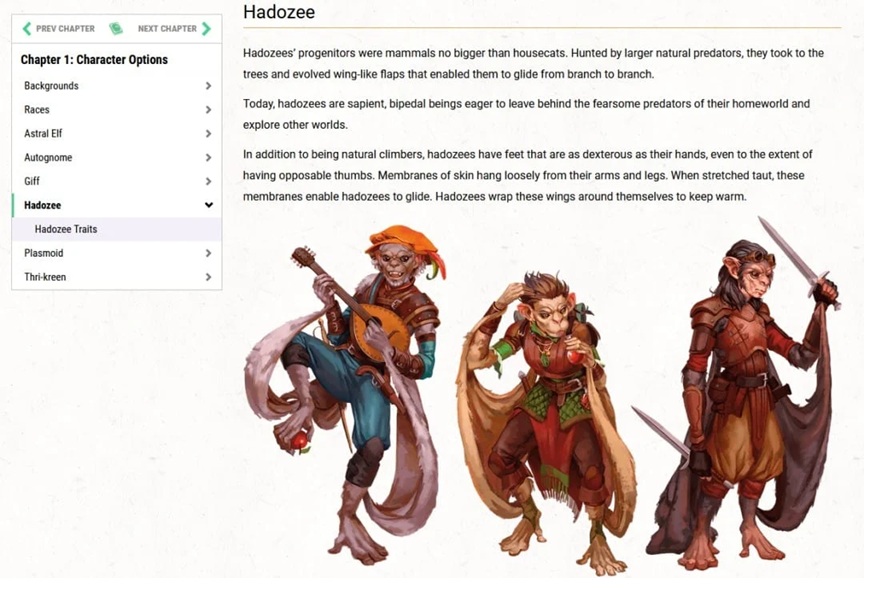
  • accusations of racial insensitivity (over the reintroduction of beings known as the Hadozee for their Spelljammer expansion)
  • the disastrous OGL scandal, where the company had to backpedal after trying to bleed the entire third-party market for their own gain. (And accidentally creating several new competitors by driving former allies away.)

But none of those are the reason for today’s outrage.

No, this time around, it’s for simple short-sightedness, as word has recently leaked that another 30 employees — roughly 90% of the current development team for their virtual tabletop platform Sigil — have been laid off.

This will sound awfully familiar to D&D fans, as Hasbro laid off 1,100 employees just before Christmas in 2023, many of whom worked for WOTC.

Apparently the plan is to fold Sigil (or some of its assets) into the current virtual platform owned by the company, D&D Beyond.

Sigil, as it stands, is a far cry from the 3D interactive virtual gaming platform promised in the summer of 2024 by WOTC. Instead, a buggy, unfinished version of Sigil was recently launched as an early playtest for Master Tier subscribers to D&D Beyond, many of whom had problems even accessing the limited version of the Sigil platform.

It’s hard to know the future of Sigil or the remaining development team at this point. This could be part of a fire-and-rehire-as-contractors maneuver, something that plagues modern development companies these days.

This could be an attempt to refocus their efforts on the video game market after the success of Baldur’s Gate 3, which uses Dungeons & Dragons settings, characters, monsters, and other content.

Honestly, it’s hard to believe that Hasbro and WOTC, which are not video game companies, can hope to replicate either BG3‘s success or realize their grandiose plans to release multiple games a year, something that’s a challenge for even top video game companies.

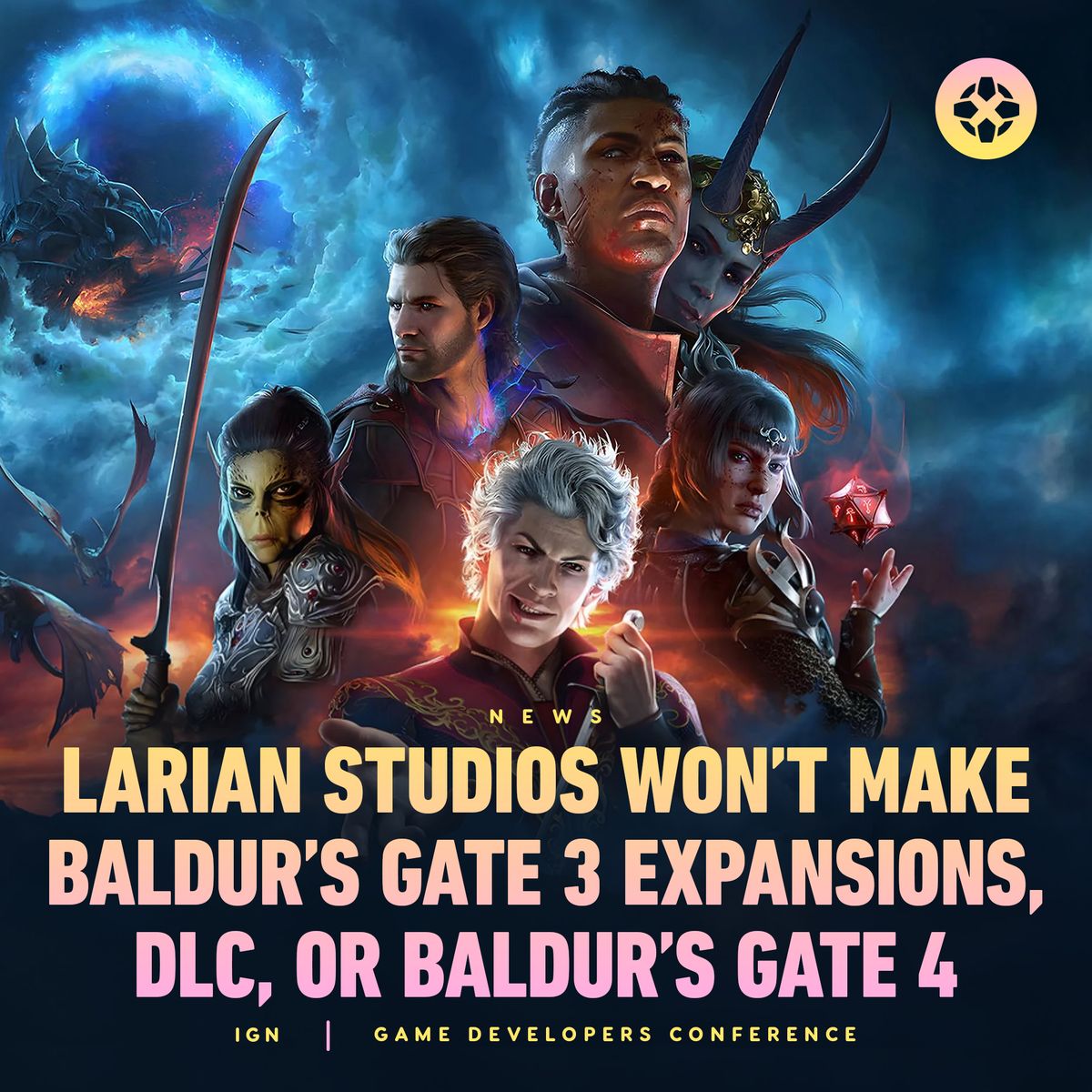
Especially since Larian Studios, the company responsible for BG3, already announced they won’t be producing any additional content for BG3.

I don’t believe Hasbro and WOTC have given up on their plans for digital D&D content. We know for a fact that they aspire to create AI Dungeon Masters to run games for players so they can further monetize their remaining audience. (And Dungeon Masters are in relatively short supply compared to players. This has always been the case; good DMs are hard to find and harder to “manufacture.”)

I wish nothing but the best for the former members of the Sigil development team, and hope they all land on their feet.

Although the future of the D&D brand remains in the hands of WOTC and Hasbro, thankfully for fans of Dungeons & Dragons, the future of playing and enjoying the game remains wholly in our hands. We have the books, we have a thriving third-party marketplace to provide exciting new content, and we have our imagination, which is the greatest resource a table will ever need.

As long as we keep gathering around a table — virtual or physical — and telling our stories, roleplaying games as a whole are in good hands.

RPG Actual Play News Roundup!

A lot of cool things are happening in the actual play RPG scene these days.

For the uninitiated, actual play games (also known as liveplay games) are when a party of roleplaying game enthusiasts share their gameplay for viewers.

Some of them simply record a regular session around the table, while others create sets, graphics, and expend a fair bit of coin on their production values to enhance the viewing experience.

There are LOADS of podcasts and video series in the actual play RPG arena, and over the last few weeks, several of the heavy hitters in the genre have announced big projects.

So let’s do a roundup of actual play RPG news!


Dimension 20 + WWE

The comedy streaming service Dropout is the home of Dimension 20, one of the premiere liveplay games running today. Fresh off of selling 20,000 tickets for a show at Madison Square Garden, Dimension 20 recently announced a new campaign featuring their flagship Dungeonmaster Brennan Lee Mulligan. And his four players at the table are all WWE superstars!

Xavier Woods, Kofi Kingston, Bayley, and Chelsea Green will be tackling a gladiatorial arena in the time of ancient Greece in Titan Takedown, starting April 2nd!

It’s interesting that they’re using D&D rules instead of any pro wrestling RPG systems, but otherwise, I’m excited to see this campaign play out!


Critical Role 10th Anniversary

The top dogs in the RPG actual play scene are undoubtedly Critical Role, a self-proclaimed group of “nerdy-ass voice actors who sit around and play Dungeons & Dragons.”

They have a hit show on Amazon Prime, The Legend of Vox Machina, which is based on their original RPG campaign.

They just wrapped up their third multiyear campaign with a huge crossover event featuring the characters from all three campaigns. (The final episode lasted a whopping EIGHT AND A HALF HOURS.

They’re currently running a short follow-up game, Divergence.

Not only that, but there are big expectations for the announcement for their fourth campaign, which could feature their in-house RPG system, Daggerheart.

Ten years after their debut on Geek & Sundry, Critical Role is still shaping the actual play landscape.


Geek & Sundry

And speaking of Geek & Sundry, they recently announced a tabletop charity event featuring several top names in the actual play community.

Alongside Geek & Sundry’s own Felicia Day, Matt Mercer of Critical Role is returning to Geek & Sundry for this special one-shot event, and he is joined by Daredevil star (and RPG influencer) Deborah Ann Woll, Superman portrayer Brandon Routh, and comedian Reggie Watts. The game is being DMed by Bill Rehor of Beadle & Grimm’s, which not only produces topnotch specialty RPG products, but also created the D&D/improv comedy show Faster, Purple Worm! Kill! Kill!

This Pathfinder one-shot game, entitled Lost Odyssey: Godfall, will raise money for the Children’s Miracle Network Hospitals and their Extra Life program.

And it’s also advertising a unique opportunity for viewers to experience the game “firsthand” by using VR headsets to virtually sit at the table alongside the players!

I have no idea if the technology will back up the interactive promises made, but at the very least, this should be a very entertaining round of roleplaying for a very worthy cause!


Baldur’s Gate Liveplays at Conventions

One of the biggest success stories in RPG-inspired video games over the last few years was the 2023 release of Baldur’s Gate 3. Set in the Forgotten Realms D&D setting, the video game brought many new eyes to the world of Dungeons & Dragons, giving them a sampling of the worldbuilding and storytelling potential of traditional tabletop gaming.

But an unexpected and delightful spinoff of the game’s success has been the series of actual play games inspired by Baldur’s Gate 3 at major fan conventions.

The voice actors for some of the game’s most popular characters have been playing D&D for live audiences, and seeing the voice actors learn to love the game that inspired their video game roles has been a wonderful treat.

Astarion, Karlach, Lae’zel, and Wyll have all come to life for gamers and D&D fans alike as the actors themselves roll dice and take control of the story.


Did any of these projects grab your attention, fellow puzzler? What’s your favorite actual play group or campaign? Let us know in the comments below!

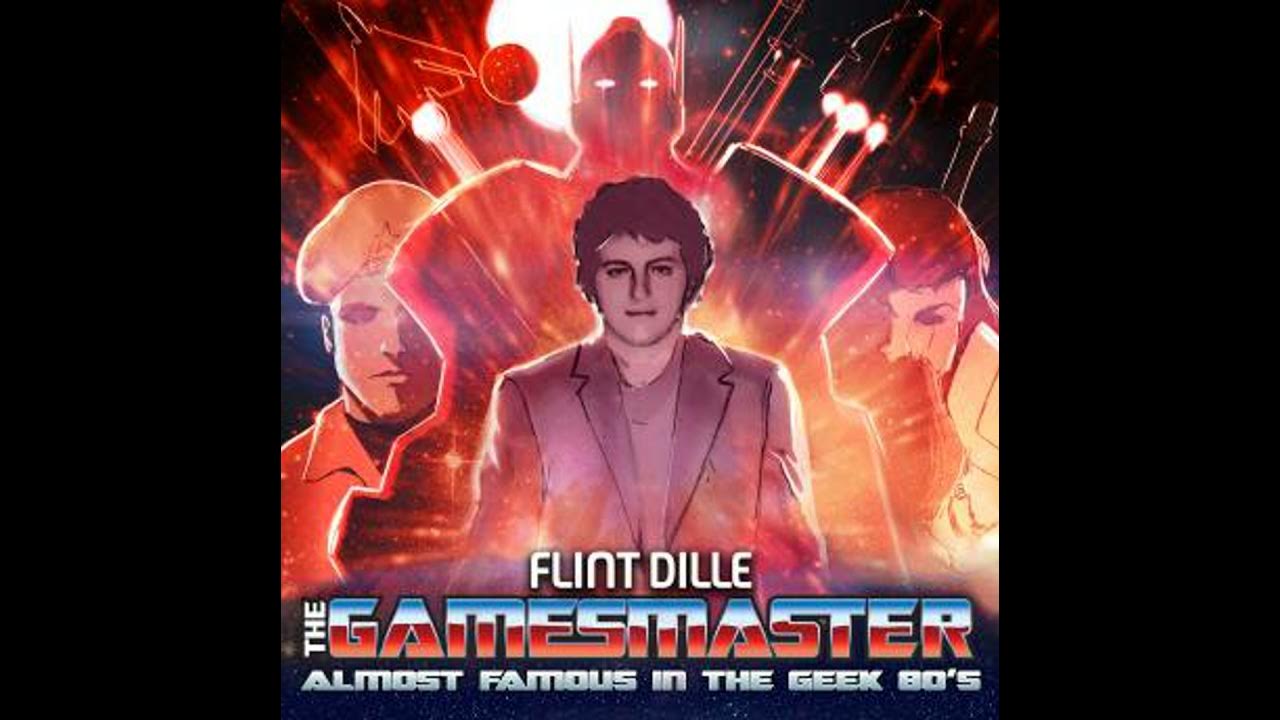
Book Review: The Gamesmaster by Flint Dille

Welcome to PuzzCulture Book Reviews!

All of the books discussed and/or reviewed in PCBR articles are either directly or indirectly related to the world of puzzling, and hopefully you’ll find something to tickle your literary fancy in this entry or the entries to come.

Let’s get started!

The subject of today’s book review is The Gamesmaster by Flint Dille.

In the late 70s and early 80s, popular culture exploded as cartoons became vehicles to sell toys and the modern blockbuster continued to rise to prominence in cinemas after the successes of Jaws and Star Wars.

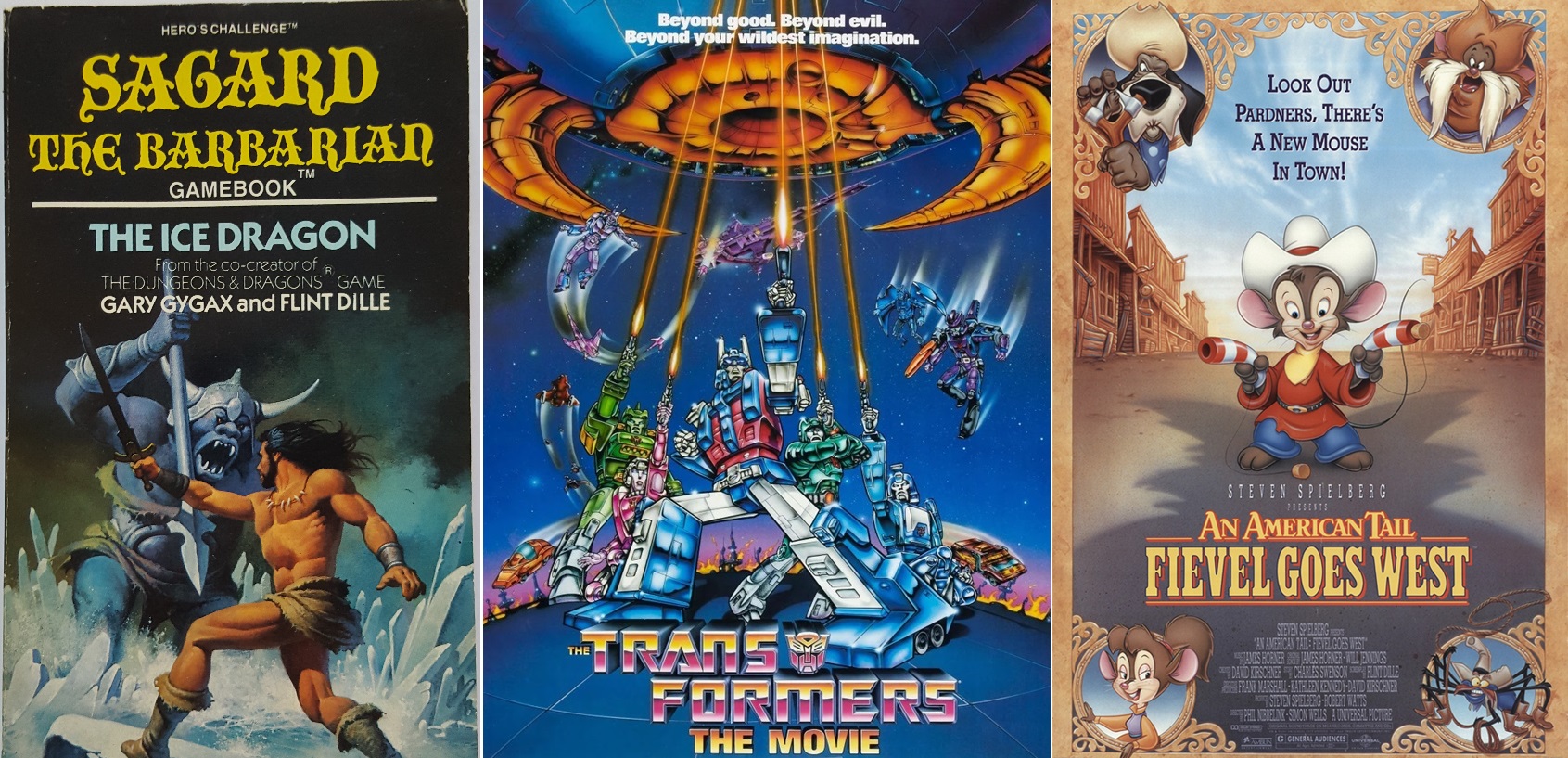
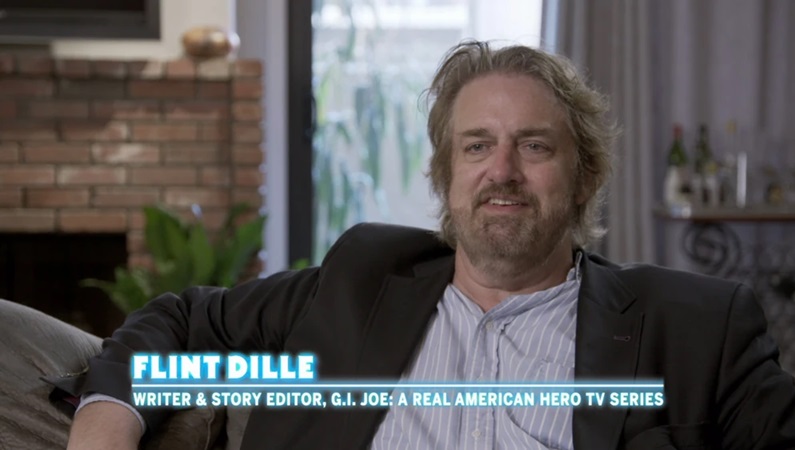
G.I. Joe and Transformers, two of the most iconic franchises from the 1980s, are still influential properties today, but one name that helped craft both franchises (and many others) is probably unfamiliar to you: Flint Dille.

The Gamesmaster chronicles what Dille calls “The Geek ’80s” — aka his animation and pop culture heyday — exploring the birth, growth, and tumultuous developments behind the roleplaying game Dungeons & Dragons as well as the animated shows G.I. Joe, Transformers, Inhumanoids, and the Star Wars cartoons Droids and Ewoks.

This almost feels like a nonfiction companion book to the novel Ready Player One, since so much ’80s pop culture is explored in Dille’s stories. He gives us glimpses into the writers’ rooms of various animated shows (both the most influential and the sadly forgotten), providing what feels like an outsider’s view of Hollywood. It’s the equivalent of a fan getting a deep look behind the scenes.

But the game fans in the readership will get the most out of his journey through the offices of TSR, detailing the steady rise of D&D‘s reach and influence, as well as the incredibly turbulent interpersonal struggles amongst the writers and innovators who helped shape it. Dille generously shouts-out the contributions of fellow creators, but also shares the flip side of success, highlighting the bad luck that followed many of his friends on the TSR side of things.

And at a time where D&D itself is questioning Gary Gygax’s role and somewhat problematic legacy in the wake of the game’s 50th anniversary, Dille offers valuable insight into those crucial, formative years.

Although Dille’s not the most focused or artful storyteller — this feels more like a rambly series of conversations than a traditional autobiography — he is an immensely charming and likable narrator, happily sharing credit, admitting missteps, and celebrating the legacies he played an influential role in crafting.

The Gamesmaster offers a key piece in the often patchy, unreliable history of Dungeons & Dragons, whilst still embracing the nerdy energy that brought roleplaying, Transformers, G.I. Joe, and other celebrated franchises to prominence during the 1980s.

Minotaurs Don’t Make Sense?

When you think of mazes, there’s probably no figure more iconic than the legendary minotaur.

The Bull of Minos — the direct translation of “minotaur” — called an elaborate labyrinth on the island of Crete home. This labyrinth, built by Daedalus, was said to be inescapable.

Even if you’re not a fan of Greek mythology, you probably know the basics of the story. Unsolvable maze. Half-man, half-bull. It’s all pretty simple.

So you can imagine my surprise when I stumbled upon not one, but TWO different videos talking smack about one of my favorite mythical creatures!

The first one discussed the intelligence of the minotaur:

Now, a very simple misconception lay at the heart of this video. The speaker is conflating two different definitions of labyrinth.

The first is the traditional idea of an elaborate maze full of intricate passageways, blind alleys, and torturous complexity.

The second refers to labyrinth gardens, which are designed to be walked slowly, meditatively, and take you on a journey through a series of paths and concentric circles, but one that can be easily navigated or escaped. None of the trickery or challenge of a traditional labyrinth.

So when the above video claims that a minotaur would have to be pretty stupid to fail to escape the labyrinth, they’ve got the wrong labyrinth in mind.

This brings us to the second video of the day, which discusses how minotaurs have been adapted for the Dungeons & Dragons roleplaying game:

The speaker claims that D&D’s minotaurs don’t make sense, since they “can never get lost in a maze and will always find a way out.”

So, I went to verify what he said.

He referred specifically to the 5th edition version of the minotaur, so I checked both the 5th edition Monster Manual and the Monsters of the Multiverse sourcebook released later.

In the MM, all I find is this: “the minotaur can perfectly recall any path it has traveled.”

So what? There are a LOT of paths in a labyrinth, and remembering which ones you’ve walked doesn’t necessarily make you better at finding your way out.

Plus, how long is a path? How is the start or end of a path defined? Maybe our life is one LONNNNNG path, and he’s gotta recall ALL of it?!

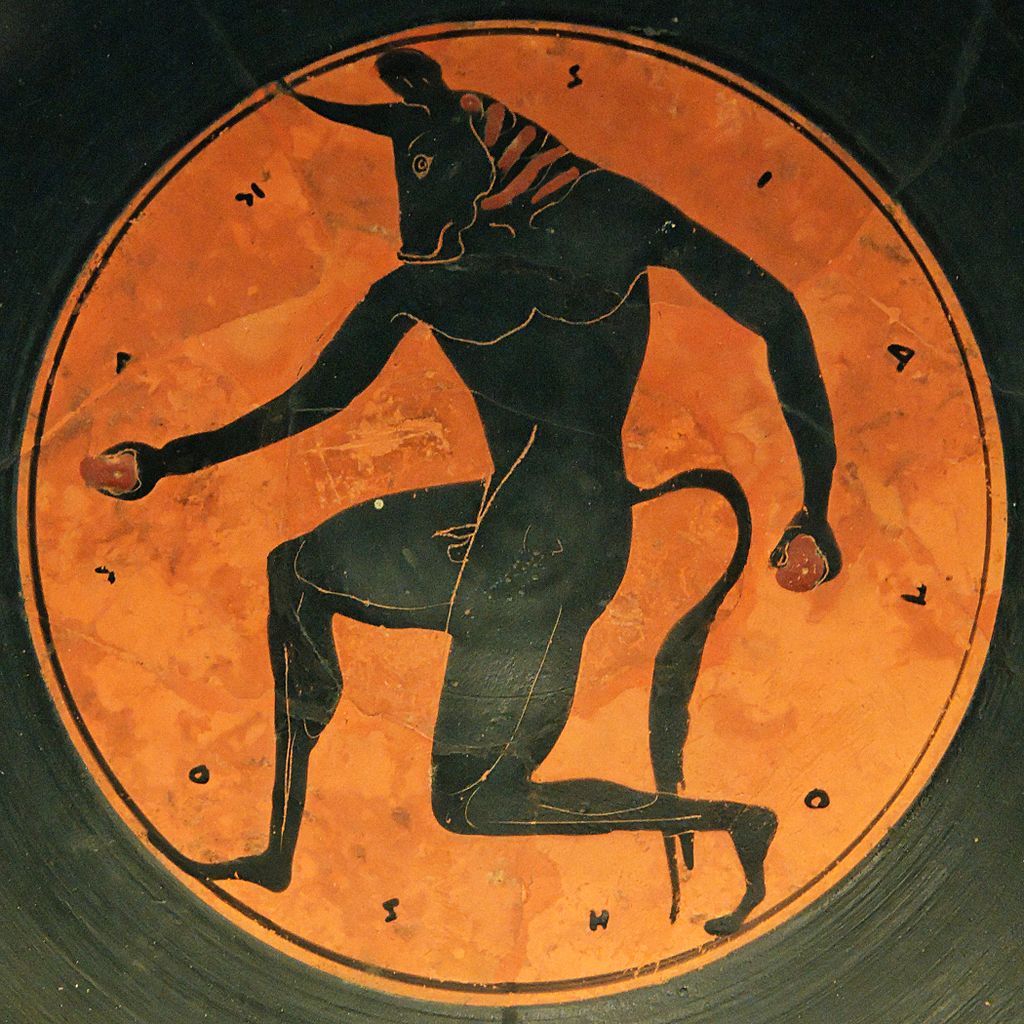
Image courtesy of Wikipedia.

This ability is restated in the Monsters of the Multiverse book as “you always know which direction is north”. That’s it. Cool. That’s great for navigation, but also not terribly helpful when it comes to solving mazes.

So I’m not really sure where he’s getting the whole “effortlessly defeats mazes” thing. I mean, the original Minotaur never bested the labyrinth. He was killed by Theseus there.

But, for the sake of thoroughness, I grabbed my 3rd edition Monster Manual off the shelf to see what it had to say about minotaurs.

The book states that minotaurs can’t ever become lost and are “immune to maze spells” (which banish someone to an extradimensional labyrinth).

“Can’t ever become lost” is incredibly open to interpretation. Does it always know the way out of a place? Or does it always know WHERE it is in a vague sense? There’s a big difference between knowing where the exit of a labyrinth is and simply knowing you’re in a labyrinth.

Like, if I know I’m in New York City, does that mean I have any idea where I’m going? Not necessarily.

Image courtesy of Do You Maze.

So, where does this leave us?

Well, in short, it tells me that people don’t necessarily know what a labyrinth is or what it means to have the skills of a minotaur.

After all, do we know if the original Minotaur ever really wanted to leave? He got regular deliveries of food, and was otherwise left to his own devices.

Doesn’t sound so bad, really. Anyone know a labyrinth that’s hiring right now?