

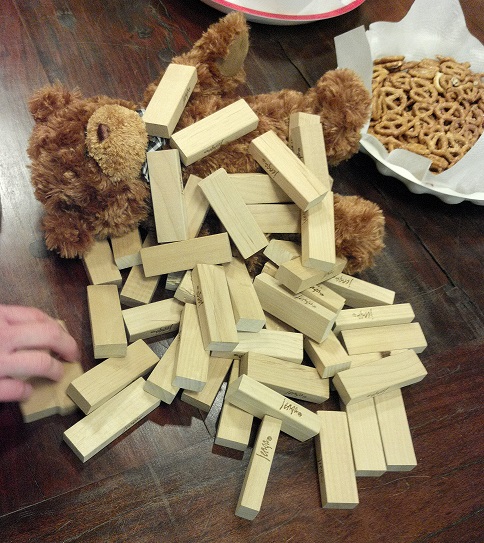
[Image courtesy of Carriageway.com.]
It all started with a board game at lunchtime.
TableTop Day is a popular annual event here at PuzzleNation, and several of my fellow puzzlers enjoyed it so much that they wanted it every week. Well, we couldn’t swing that — deadlines and all — so we play games every Wednesday during lunch.
During a particularly spirited round of 10 Minutes to Kill — a game where every player controls a hitman trying to take out three targets without being identified by the other players or the police — the subject of murder mysteries came up, and I let slip that I’d helped write and run several murder mystery dinners in the past.

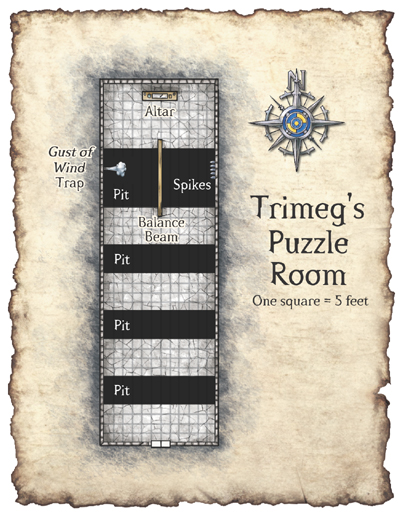
[Image courtesy of Vancouver Presents.com.]
So, naturally, the idea of running a murder mystery at work became a recurring topic of discussion.
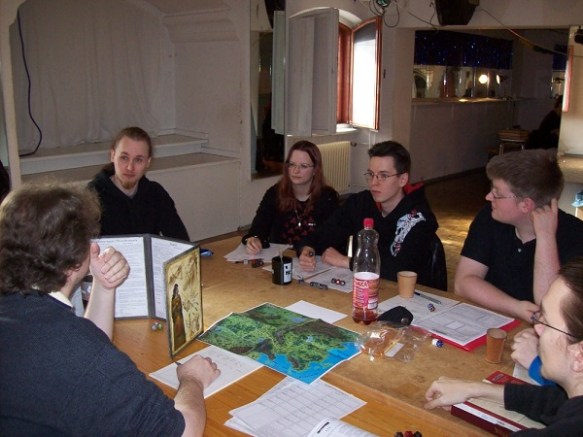
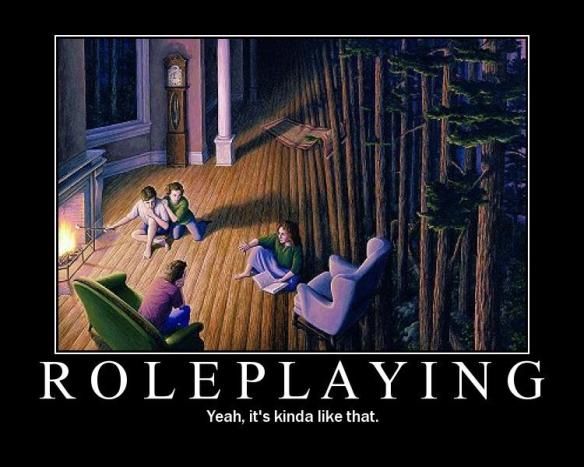
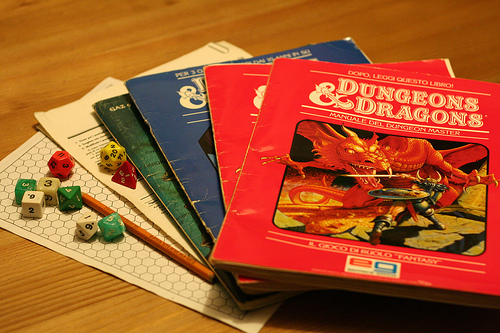
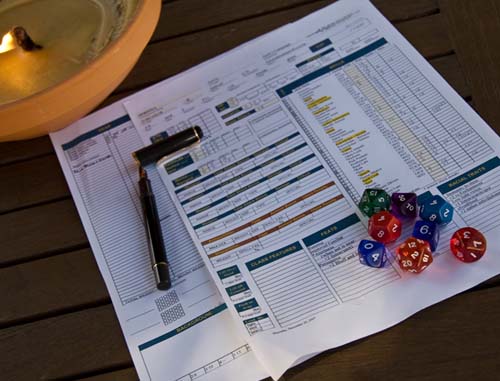
As a huge fan of interactive storytelling — be it tabletop role-playing games like Dungeons & Dragons, improv theater, LARPing, or other group activities — the idea appealed to me.
Of course, I had one huge hurdle to overcome: the work day.
You see, murder mystery dinners thrive on the theatricality of the event. Attendees can overhear arguments, catch snippets of banter and exposition as they walk around, and engage characters in conversation to learn more. The more you interact with the story, the better chance you have of solving the mystery, but even passive players will get the big picture.
But in a normal workday, I can’t stage big elaborate sequences, like a failed marriage proposal or someone tossing wine in another’s face. I’d have to find another way to deliver information, mysteries, and drama.
Thankfully, as a puzzler, I’m accustomed to writing clues. Cluing is simply delivering information in unexpected ways. Whether it’s through deceptive wordplay, puns, or connections with other entries, crosswords and logic problems are excellent training for being creative and stealthy while presenting important information.
So, I mapped out the murder and the characters I’d need to pull it off, and cast those characters from a group of fellow puzzlers. At the same time, I gauged interest from other coworkers to see who’d be interested in trying to crack the case, and began devising ways to weave them into the narrative. (This was more intimate than writing your usual murder mystery dinner for random attendees, since the latter is more about creating scenes than tailoring it to specific people and circumstances.)

[Can’t have a murder mystery without an animal for someone to pet fiendishly.
In this case, my trusty armadillo in a cowboy hat, Armando.]
My goal was to get everyone prepped to play on Monday, and then actually run the mystery on Tuesday and Wednesday, with the murder having occurred overnight.
Which led to another big hurdle. I couldn’t exactly stage an elaborate murder scene in a way that was unobtrusive to the workday, so I’d have to describe the scene to the players and let them ask questions about it.
But how do I leave clues for the players that are readily identifiable as clues and not just the ephemera of a working office? After all, any good murder investigation needs some convenient clues to uncover that will help unravel the mystery.
I opted to mark any clue (which were most often color pictures of actual items, like a stashed wallet or a threatening letter) with the symbol below, to remove any doubt that this item was involved someway in the murder mystery:

Okay, that takes care of the clues. But what about the actual interaction, where players ask questions of characters and gain the valuable knowledge needed to solve the crime?
Sure, a lot of that can be done through group emails and instant messenger programs, encouraging the investigators to share what they’ve learned, so there wouldn’t be random gaggles of investigators creating a distraction as they ponder the latest clue found or deduction made.
As a storyteller, whether you’re running an RPG or a murder mystery, you not only need to know the details of your story backwards and forwards, but you need to anticipate what questions the audience will ask.
And no matter how prepared you are, I assure you, the players will ALWAYS find a way to monkey-wrench your plans, whether they approach the problem from an unexpected direction or they ask for information you hadn’t prepared in advance. There had to be a simple way to reflect this in the actual gameplay.
To deal with this, I borrowed an idea from Lollapuzzoola and created Holmes Tickets, which were catch-all requests for deeper insight or information than had been provided. Basically, anything that would require outside intervention or skills beyond that of the casual investigator could be revealed by spending a Holmes Ticket.

Dusting for fingerprints, getting ahold of a coroner’s report, uncovering information on a missing check…all of these and more were results of investigators cashing in their Holmes Tickets at various points in the investigation.
So, how did the actual murder mystery go? Well, I’d love to tell you, but it’s not finished yet! The work day proved more intrusive than expected — damn those pesky deadlines and responsibilities! — so we’re rolling into a third day of passive gameplay.
By hook or by crook, the story will be wrapped up today, and I’ll be able to fill you in more on the actual story, clues, and progression of each investigation. For now, I’ll just let you know that there are currently three bodies to account for (our killer has been busy since Monday night), and a host of theories, but no firm accusations yet.
We shall see if justice is served or if our crafty killer gets away.
Thanks for visiting PuzzleNation Blog today! Be sure to sign up for our newsletter to stay up-to-date on everything PuzzleNation!
You can also share your pictures with us on Instagram, friend us on Facebook, check us out on Twitter, Pinterest, and Tumblr, and explore the always-expanding library of PuzzleNation apps and games on our website!


 PuzzCulture