Farewell, Tim. Farewell, Steve.

Sadly, the start of 2026 has been a rough one for the games industry, as we lost two influential voices in the span of a few days.

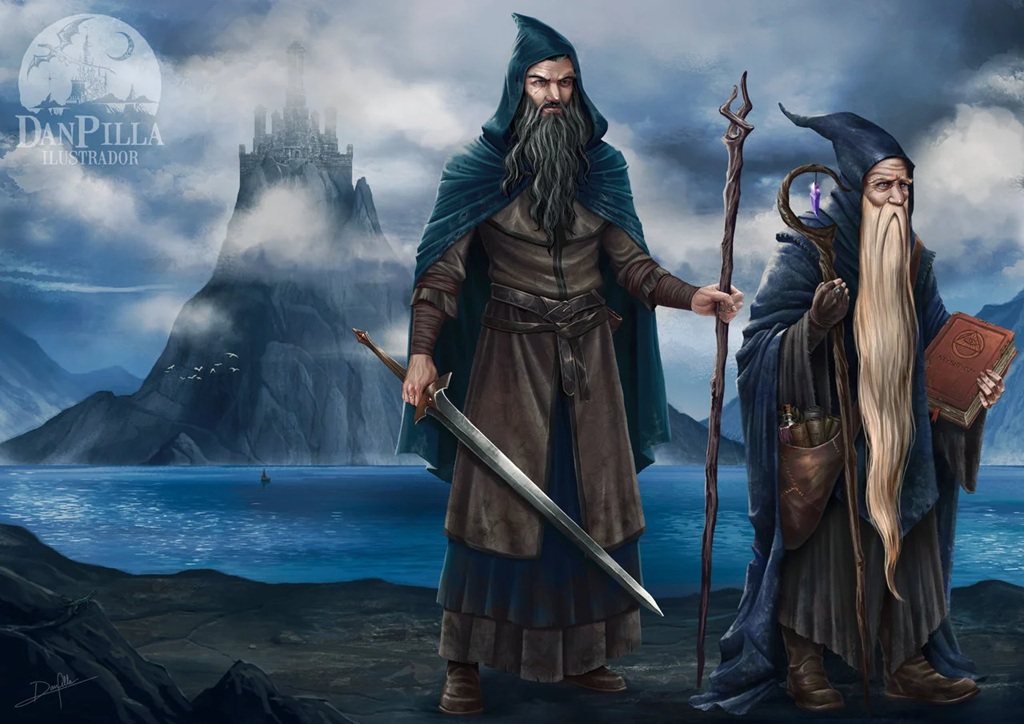
Please join me as I take a few moments to honor the lives and contributions of Tim Kask and Steve Dee.
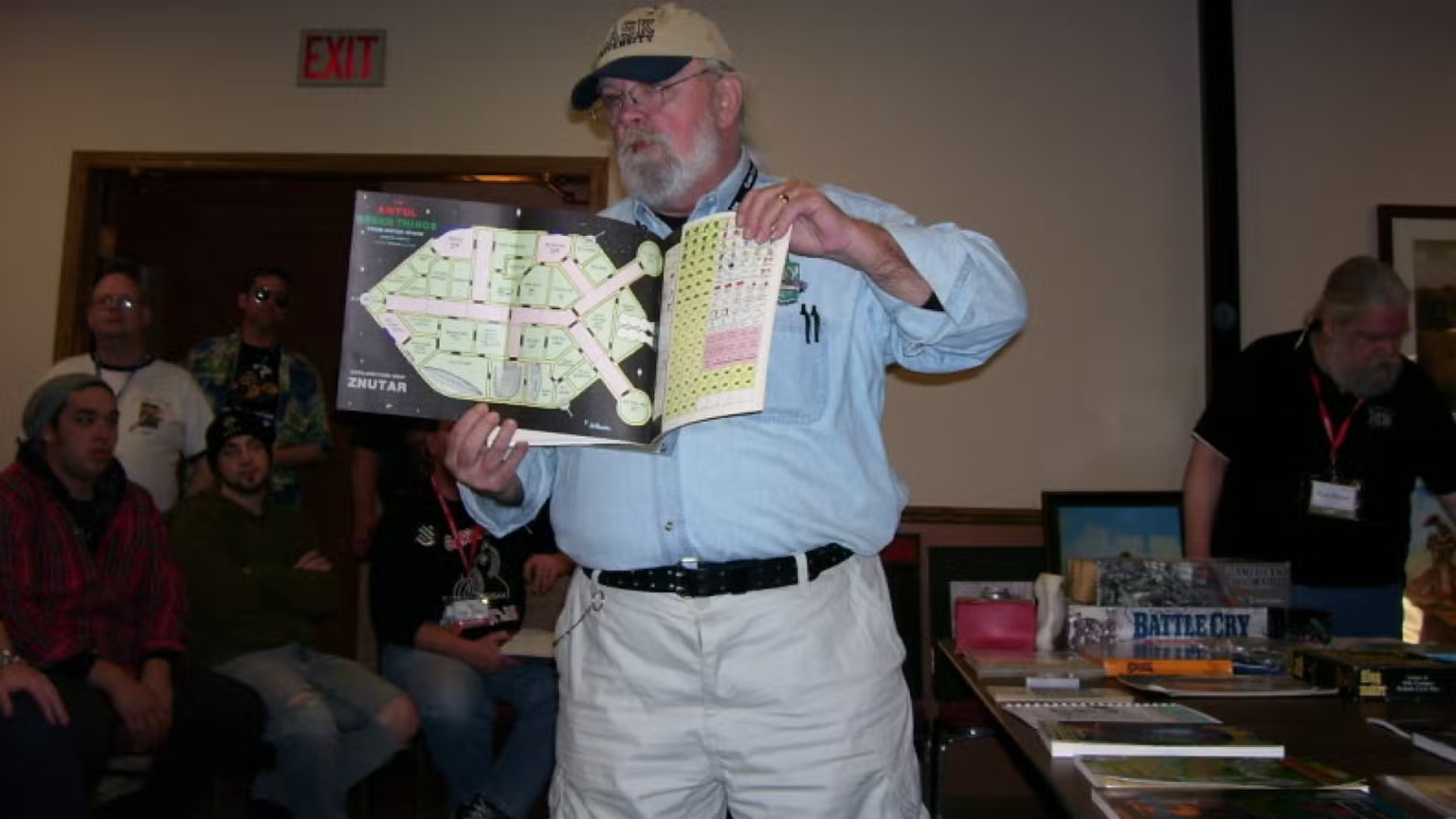

On December 30th, we said goodbye to Tim Kask.

When you think of the early days of Dungeons & Dragons, there are names like Gary Gygax and Dave Arneson that many roleplaying fans probably know. But Tim Kask’s name belongs in the same conversation as those renowned voices.

Tim was hired as an editor for Tactical Studies Rules (aka TSR, the founding company of D&D) by Gygax himself, making him the first full-time employee of the company. He was already a fan of Gygax’s game Chainmail and was one of the playtesters of “The Fantasy Game” (the game that would eventually become Dungeons & Dragons).

And his fingerprints are all over the world’s most famous roleplaying game.
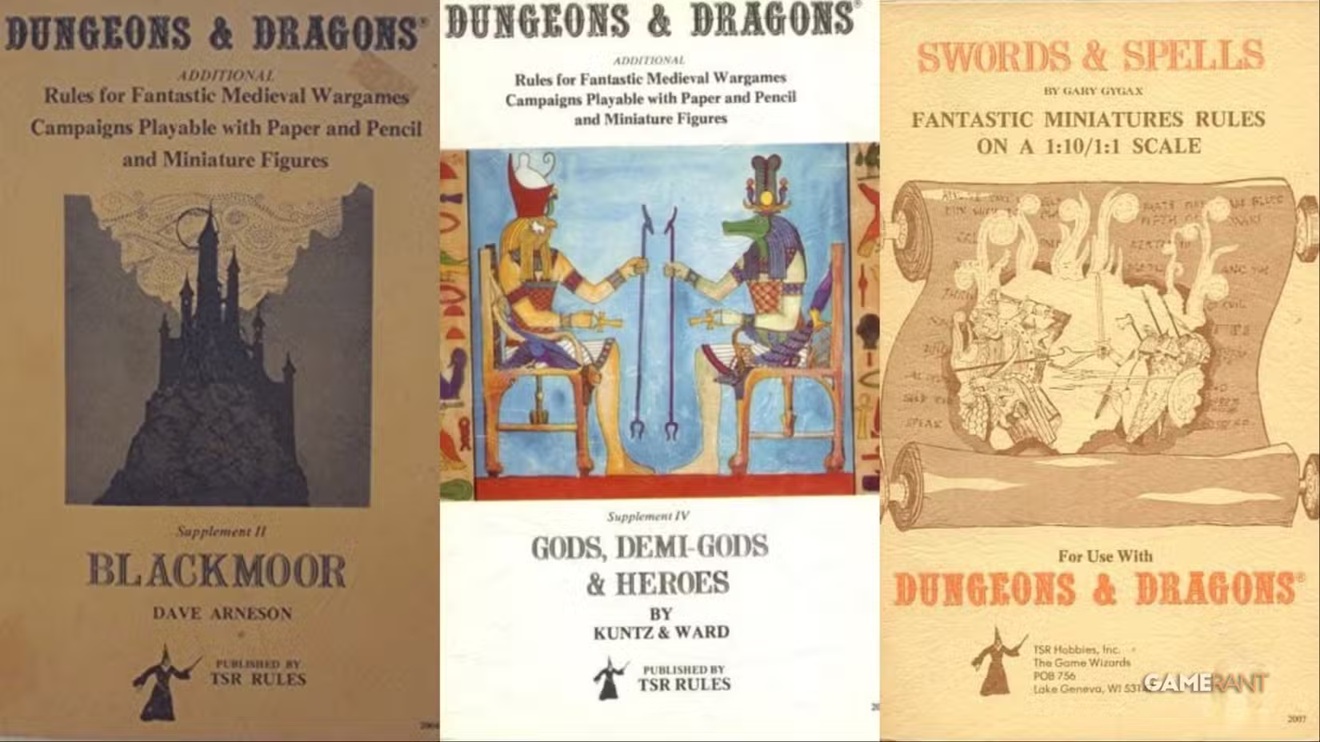
He edited and contributed to Blackmoor, one of the earliest supplemental books for D&D, adding rules, playable classes, and the first published adventure, The Temple of the Frog. Additional supplements like Swords & Spells, Eldritch Wizardry, and Gods, Demigods, and Heroes were also shepherded by Kask’s capable hands.

The first thirty or so issues of Dragon Magazine — formerly The Strategic Review, and then The Dragon, before settling on the name known by most fans — were part of Kask’s ongoing projects for the company as well. It remained one of the premiere D&D-focused magazines for years, and copies of Dragon Magazine are still treasured in RPG collections to this day.

Tim hired influential voices like Kim Mohan, and granted a license to Jennell Jaquays to publish her own D&D fanzine The Dungeoneer, adding new adventures for players to enjoy. (Jacquays would soon revolutionize the concept of the dungeon crawl with her multi-path dynamic dungeons, replacing the linear corridors and encounters that had defined the concept until that point.)
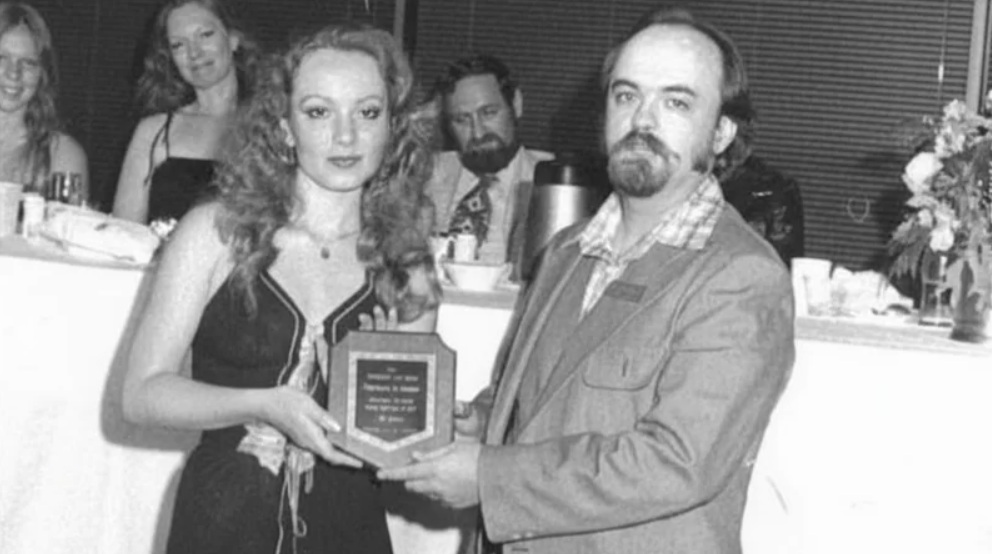
He was one of the first people to call the hobby “role-playing.” Magic Missile automatically hits its target because of Kask. And the Sword of Kas, one of the most legendary weapons in all of D&D, is named after him.

Kask resigned from the company in 1980, displeased with the direction of the game, but he continued to contribute to the games industry by starting magazines, making appearances at Gen Con, writing for The Crusader and Gygax Magazine, and founding game company Eldritch Enterprises. His YouTube channel, Curmudgeon in the Cellar, is a favorite of many gamers and roleplayers.

Fans remember him as straightforward, grumpy, and very very funny, happy to share his knowledge and opinions on the game he helped bring to prominence.

Thank you for everything, Tim.


Only a few days later, on January 2nd, we lost Steve Dee as well.

Steve Darlington, better known to board game enthusiasts as Steve Dee, was president of Tin Star Games, an Australian gaming company dedicated to story-driven play and creative expression. Their motto was simple:

We make games. They tell stories.

His games are endlessly repeatable player-driven fun. You’ve probably heard of his most famous creation, There’s Been a Murder (which was on our Halloween game countdown).

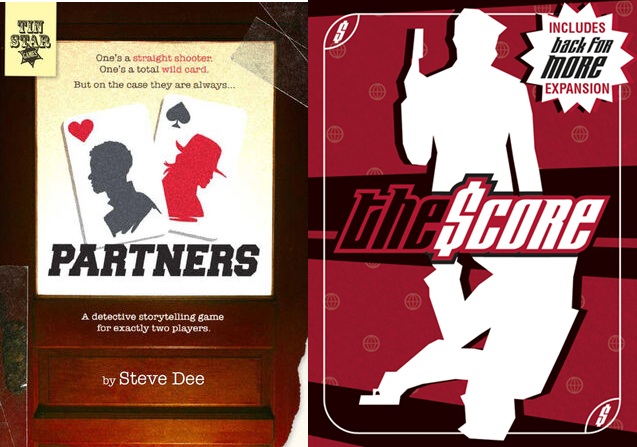
But I want to highlight some of his other games that haven’t received as much of the spotlight. There’s Partners, a two-player game that lets you explore the classic TV crime-solving dynamic of the straight-shooter and their wildcard partner.

There’s also The Score, a simple 18-card game that lets you tell the story of the greatest heist movie ever (at least the greatest heist movie not involving bears).
But he was far more than a mere game designer.

Steve was a huge believer in jams: events where you create something in a limited time, marrying creativity with challenge. He participated in 48-hour jams to create 3-minute short films. He hosted jams and panels at cons, teaching people how to make board games in 2 or 3 hours.

He even hosted a challenge where fans yelled roleplaying game ideas at him and he would turn them into a playable game in just one hour!

Steve’s YouTube channel is a treasure trove of hard-won experience and boundless support for gamers and game designers, shining a light on many of the difficulties of running a small game company in the modern day. His videos are loaded with personality, and his unwavering sincerity shines through in every one.

Described by friends and admirers as humble and helpful, generous and inspiring, Steve was happy to help others with advice, guidance, and encouragement. The number of anecdotes across Facebook and gaming sites was truly overwhelming, mentioning kind words, workshops, impromptu lunch-time feedback sessions, and more.

And it’s so very fitting that his last Patreon post was titled something that fit Steve’s mantra and spirit so perfectly: Just do something.

Please let me conclude this tribute with Steve’s own inspiring words…

In times of crisis, heroism often fails; great efforts come to nothing and the casual or cruel can grant salvation. However, the smallest things can still be incredibly powerful and resonate to eternity. You matter, and if you show up, you can change your fate, or someone else’s. And that is everything.

Thank you for everything, Steve.
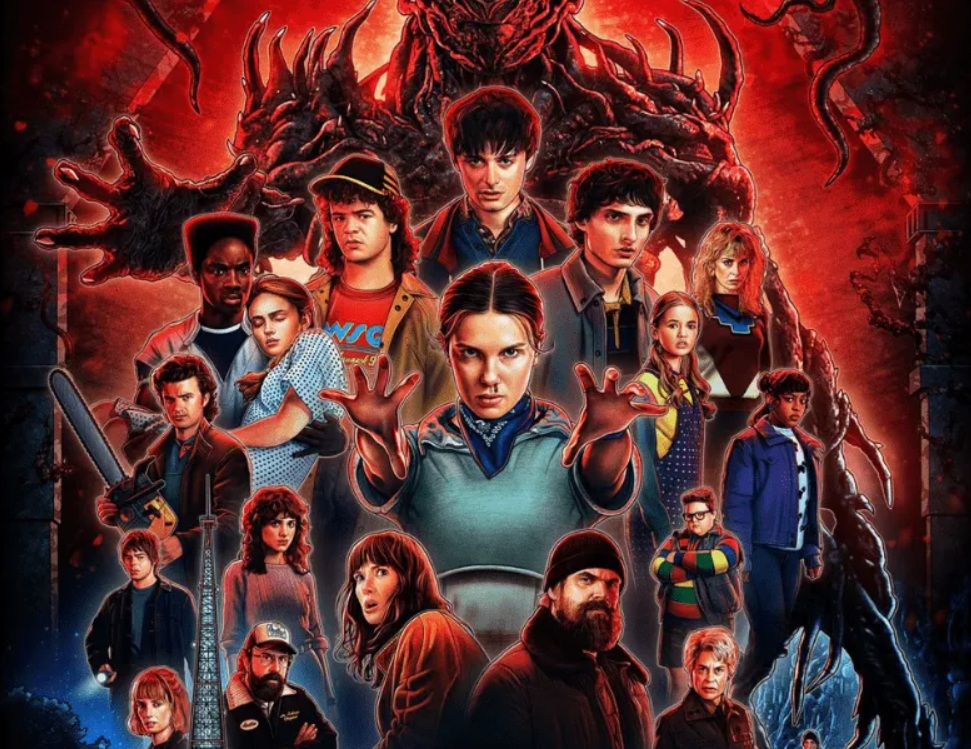
Film and TV Moments That FEEL Like D&D!

Stranger Things has come to its epic conclusion (planned follow-up shows aside), and it has absolutely made an impact on pop culture.

Part of the show’s lasting legacy is introducing people to roleplaying games, specifically Dungeons & Dragons. Yes, shows like Freaks and Geeks and Community got there first, not to mention the sitcom juggernaut The Big Bang Theory, but I don’t know that any of them made the experience as accessible to new viewers as Stranger Things did.

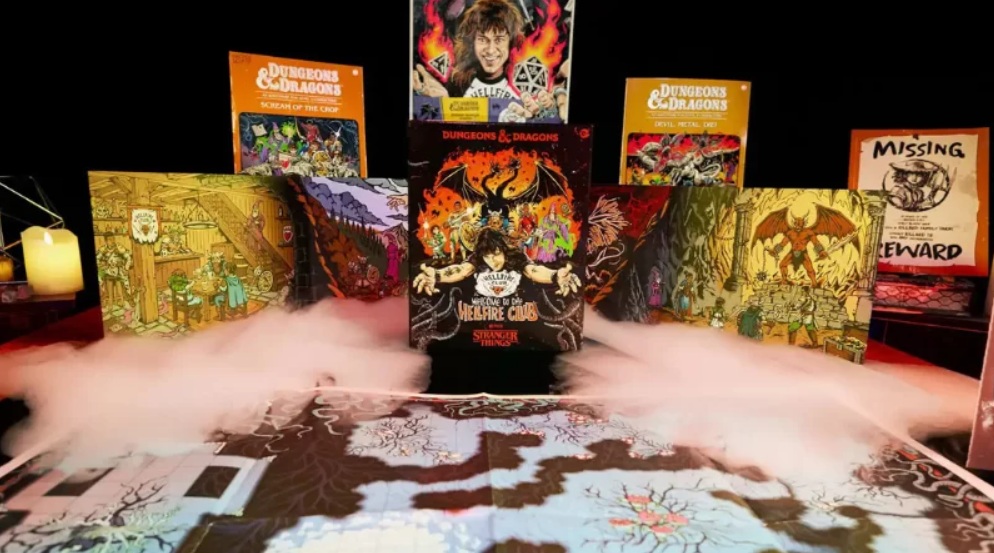
Heck, there’s been two different Stranger Things/D&D starter packs to bring those new players into the fold!

And it got me thinking about D&D moments in movies and television shows.

Not moments that mention D&D or its lore or show gameplay or anything like that. I mean moments that FEEL like someone playing D&D.

There are certain moments in pop culture that feel like a D&D solution to a problem, as if this exact scenario appeared in a D&D game and this was the solution devised by the players.

It’s hard to define exactly what makes a scene in TV or cinema FEEL like a D&D moment. Sure, you can pick any buckwild action movie like Crank or Shoot ‘Em Up or Hardcore Henry or Mad Max: Fury Road, but for all the big setpieces and chaotic energy in those films, they don’t necessarily FEEL like a D&D game.

But these scenes definitely do.


It’s only natural to start with a scene from Stranger Things. In season 4, the heroes infiltrate the Upside Down to stop Vecna and try to rescue Max, but they need a distraction.

So, naturally, Eddie performs a wicked guitar solo and blasts metal music to distract the bat creatures and help Steve, Robin, and Nancy get closer.

This feels like such a D&D move for a bard to do, performing a badass yet ridiculously out-of-place musical number in order to help the party.

In the dead zone between the films Pitch Black and 2013’s Riddick, there was the film Chronicles of Riddick, detailing Vin Diesel’s antihero adventures after the events of Pitch Black.

In the film, we’re told this prison planet is so scorchingly hot that it’s uninhabitable, and you’re surely die within moments.

So naturally Vin Diesel’s character dumps a bottle of water over his back and swings into a canyon through the direct sunlight, and the water saves him. It feels like such a D&D player solution to the problem.

Viewer warning: language.

A ridiculous big-swing attack is also a D&D hallmark, so there’s a scene from The Boondock Saints that comes to mind.

In this film, two brothers become vigilantes and begin hunting down criminals. When several mobsters show up after the brothers got the better of them in a bar fight, Connor is handcuffed to a toilet while the thugs drag off Murphy.

So, as you might expect, Connor rips the toilet out of the floor, then carries it to the rooftop, dropping the toilet and then leaping, still handcuffed, onto the thugs, saving his brother.

There has never ever been a game of D&D without at least one player throwing themselves off a high thing and leaping onto the bad guys, gravity be damned. It’s a classic trope.


I reached out to several of my fellow roleplayers for suggestions of other scenes that feel like D&D, and they had two excellent recommendations.

The first is this hilarious sequence from Three Amigos!, where our heroes (?) meet the Singing Bush and encounter the Invisible Swordsman.

It goes so perfectly wrong, and every player has seen a quest go pear-shaped in similar fashion.

There are a lot of scenes from Galaxy Quest that could fit the bill, given that you have a bunch of actors pretending they’re characters from a Star Trek-like sci-fi show.

My friend Troy recommended the scene where Commander Taggart and Dr. Lazarus pretend they’re fighting (like their characters did in an episode) in order to distract the guards and ambush them. They do an awful job, but the ruse still succeeds.

But I think my favorite is the rock monster scene shown above. The panic, the fumbling around for a solution… it’s all so D&D.


So, fellow players, do you have any favorite scenes from film and TV that FEEL like D&D play, either in execution or silliness? Let us know in the comments section below. We’d love to hear from you!

Is Burger King Coming for the Wendy’s RPG Crown?

Timing is a fascinating thing. You never know what will suddenly become relevant again, or how something from the past will reemerge with new context and impact later.

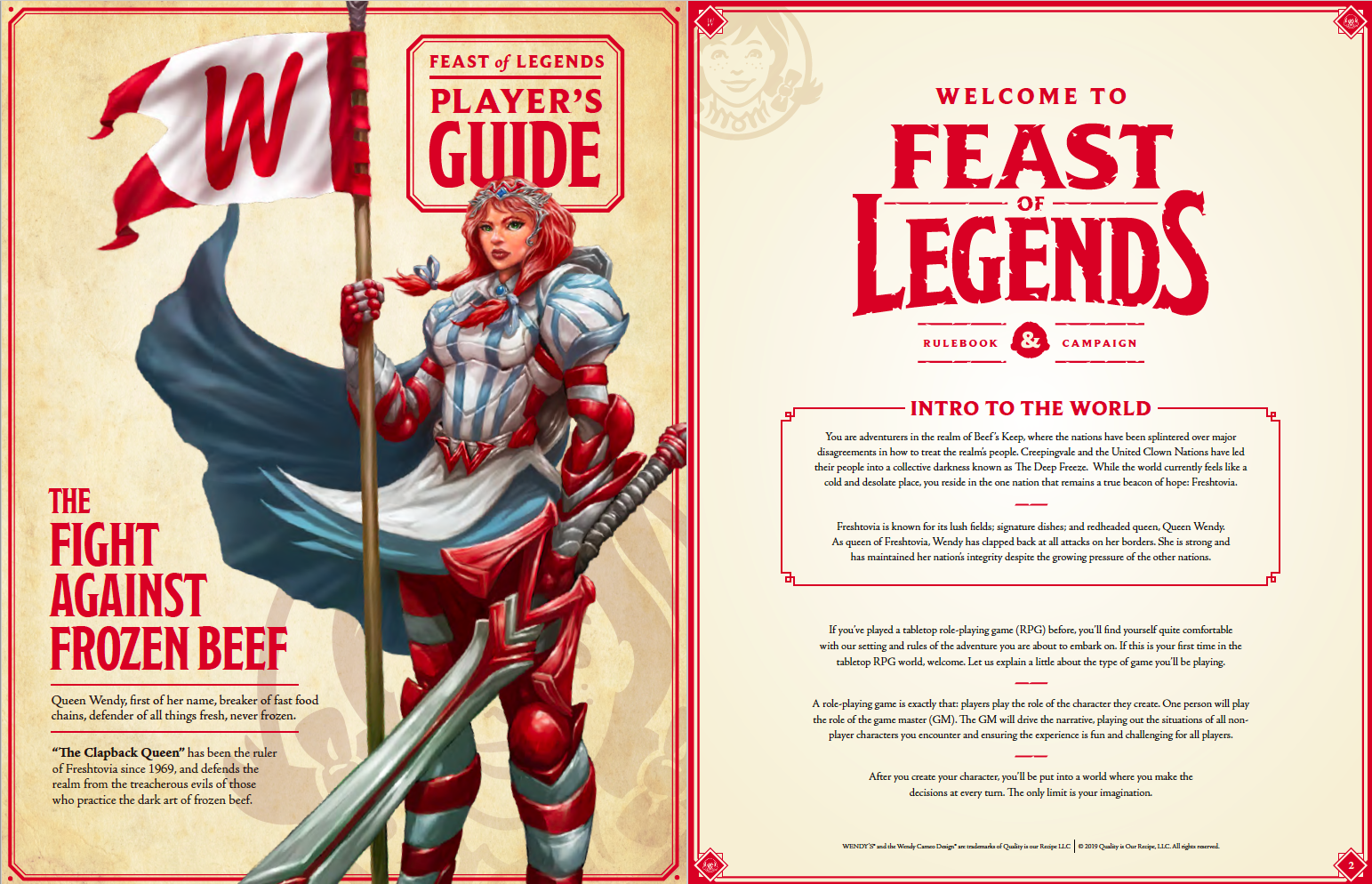
Last month I wrote about Feast of Legends, the Wendy’s roleplaying game released back in 2019, because I had fast food and RPGs on the brain.

Now, Feast of Legends made a big splash in 2019, but it’s fair to say that six years later, it’s not as relevant in RPG circles as it once was.

However, it’s funny that I wrote about it just a few weeks ago, and now it seems like Burger King is suddenly getting in on the roleplaying game scene!

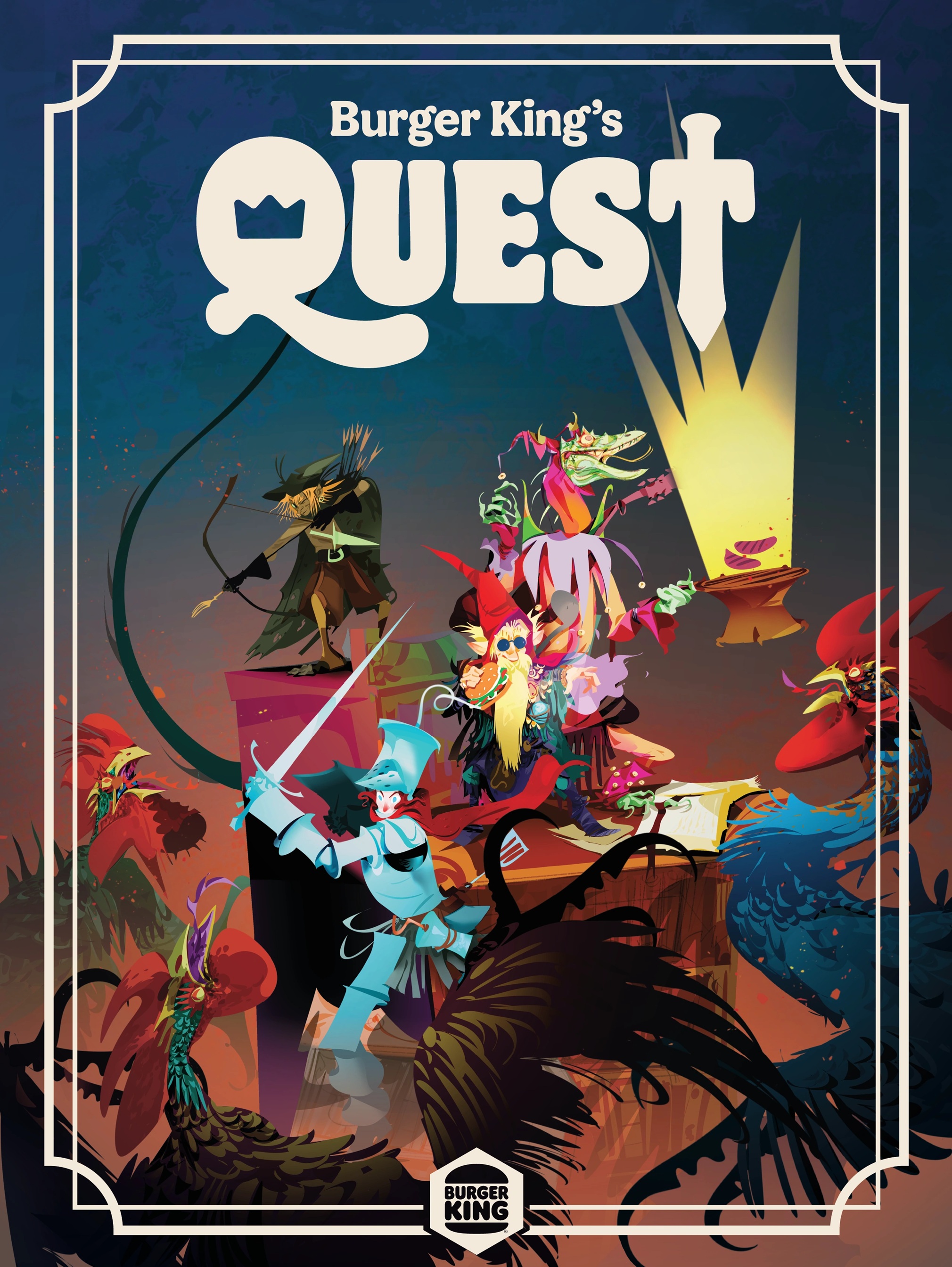
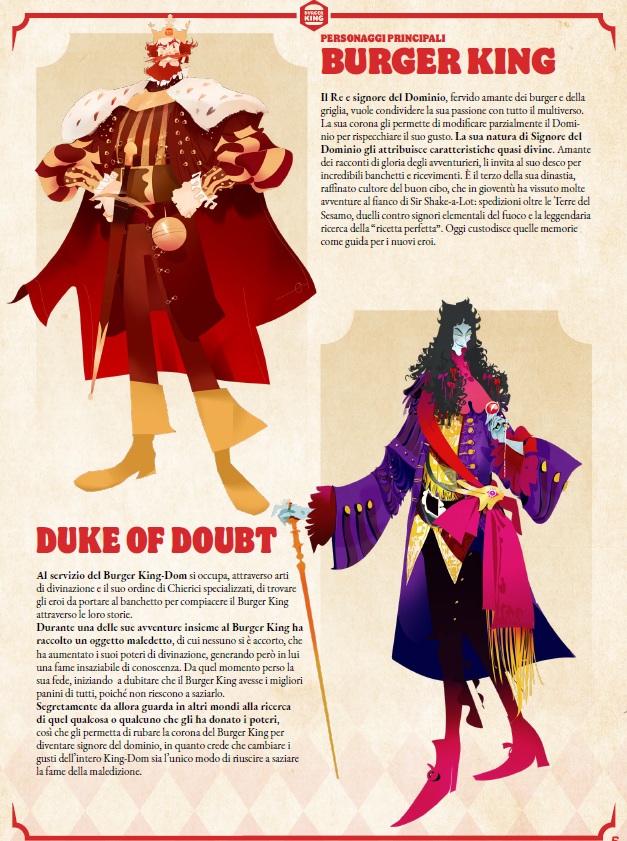
Yes, Burger King’s Quest is a playable supplement for Dungeons & Dragons, featuring the Burger King Kingdom as its setting, and resurrecting several characters from Burger King’s promotional efforts in the 1970s and 1980s to counter McDonalds’ McDonaldland and its characters.

You definitely know the Burger King, but do you remember Sir Shake-A-Lot, the Duke of Doubt, or The Wizard of Fries? I sure don’t! (Who knew that The Home of the Whopper was a real place, not just a slogan?!)

Well they’re getting new life in this RPG supplement, which was unveiled at Lucca Comics & Games as part of Milan Games Week.

Right now, the game is only in Italian, so we’re not sure if English-speaking roleplayers will get their own version in the future. But thankfully the hardworking crew at the Burger King WIKI have some details on the game for non-Italian readers.

I don’t speak Italian, but I did download the game’s PDF, naturally. The art is beautiful, and clearly a lot of work went into this promotional stunt.

But you can already see a rivalry brewing with the Feast of Legends loyalists in the RPG community. (After all, I only found out about Burger King’s Quest BECAUSE of the Feast of Legends subreddit!)

I reached out to the Burger King Public Relations team to try to learn more about the promotion and any plans for it to expand beyond Italy, but I haven’t heard back yet.

So, for now at least, this remains a roleplaying curiosity. But who knows what the future holds. Wendy’s, Arby’s, and now Burger King. The fast food/roleplaying crossover space is certainly heating up!

Happy gaming (and eating), everyone!

Donate to a Worthy Cause with Power Word Meal!

There are always worthwhile charitable efforts going on in the world of puzzles and games, and that’s true in the roleplaying game community as well.

Will of DnD Shorts is partnering with the United Nations’ Share the Meal program for a charity promotion called Power Word Meal, a charity venture with a simple, yet very important edict: no child should go hungry.

Every 85 cents donated means 1 meal given to someone in need. A $40 donation is FIFTY meals.

Tabletop game designers from all over the world are helping amplify the reach of this project, spreading the word across social media and contributing to a special gift for donors.

And there is a bonus for any RPG enthusiasts who donate:

Everyone who donates to this campaign can receive a free PDF bundle including an epic one-shot adventure and a new playable species for Pathfinder and Dungeons & Dragons, letting you and those you love play the heroes in your games that you are in real life. You are saving real lives while forging bonds and memories across the game table.

Please click this link for more information, and if you’re an RPG fan, just use your email to sign up for alerts, follow the instructions, and share the PDF receipt of your donation to receive your free PDF bundle.

And for those unfamiliar with the world of tabletop RPGs, you might be wondering about the origins of the name Power Word Meal.

There are a series of spells in Dungeons & Dragons based on the idea that you’ve learned a word of power, and that by speaking that single word, you can cause a magical effect. Power Word Stun, Power Word Blind, and most famously, Power Word Kill, are terribly dangerous, terribly effective spells.

Which makes it genuinely lovely to see that idea turned on its head with Power Word Meal, spreading the idea that we DO have the power to help others. Not with a magic word of eldritch might, but with a few clicks, a few screen taps, a few dollars, a few moments of our time.

So please cast Power Word Meal with us and make the lives of some deserving strangers better.

Thank you, and happy spellcasting, everyone!

The Secret Wordplay of Spellcasting

We love a bit of wordplay around here. We get it in riddles, crossword clues, brain teasers, and the simple shameless joy of a well-executed pun.

I’m sure plenty of roleplaying game enthusiasts have encountered puns and wordplay in their travels. Sometimes it’s a funny reference or an offhand remark or even a character’s name that inspires groans or chuckles.

But some folks are unaware that there are puns lurking not just at the D&D table… but in the very mechanics of the game Dungeons & Dragons itself.

One of the interesting aspects of spellcasting in D&D is the inclusion of spell components. These are actual physical materials the character must carry on them and use in order to properly perform a given spell. When combined with verbal cues or physical actions, the material components help the spellcaster summon the magic to life.

Some material components are quite thematically appropriate. You need bat guano and sulfur — two ingredients in gunpowder — to produce Fireball. To cast Lightning Bolt requires either a glass rod or a piece of amber, plus a piece of fur to rub it with… just as you would in a science lab to make static electricity.

A pinch of sand for Sleep, a drop of molasses for Slow, a bit of copper wire for Message.

Looks like another tragic instance of out-sorcery…

But if you look at the material components used for some spells, you can’t help but notice a jokey recurring theme.

For instance, the material component for the spell Detect Thoughts is a copper piece, a coin of small denomination. The spell literally requires a penny for one’s thoughts.

To cast Confusion, it requires three nutshells. You know, like the ones you’d use in a shell game to make them lose track of the pea they’d just bet on.

All sorts of illusion spells require a bit of fleece or wool. Like the wool you pull over someone’s eyes.

To cast Feeblemind, you need a handful of clay, crystal, or glass spheres. Like the marbles you want your target to lose.

Levitate has several options, but one of them is a simple loop of leather. Like the bootstraps you’re expected to pull yourself up by. (Reinforcing the original meaning of that phrase by proving IT’S TOTAL FANTASY TO ACTUALLY DO SO.)

To cast Tongues, you have to smash a small clay tower or ziggurat. You need to symbolically smash the Tower of Babel.

Passwall requires sesame seeds. Open Sesame, anyone?

Rary’s Mnemonic Enhancer gives you the ability to retain additional spells. Its material component is an ivory plaque… because elephants never forget!

Perhaps the silliest is Gust of Wind. It was later changed to require a “tiny leather bellows,” but in different editions of the game, all it requires is a legume seed.

A bean. A bean to give you wind.

I told you earlier that many puns are shameless.

Still, it’s fun to find these little easter eggs tucked away in the D&D rulebook. It shows the playfulness and the level of attention to detail that helps make roleplaying games an immersive escape like none other.


Have you found any wordplay lurking unexpectedly in your games, fellow puzzler? Let me know in the comments section below, I’d love to hear from you!

Riddles of the Heart!

puzzlelove

I’ve always been a sucker for a story where puzzlers help make someone’s life better, their world a little bit more magical. I’ve had the privilege of constructing and facilitating several puzzly marriage proposals, for instance.

But there’s something even more heartwarming when it’s anonymous puzzlers helping a stranger with a puzzly dilemma. Like the time online puzzlers saved Christmas by decoding a kid’s encrypted wish list to Santa for his baffled mother.

This time around, it’s not Christmas magic, it’s a potential romance.

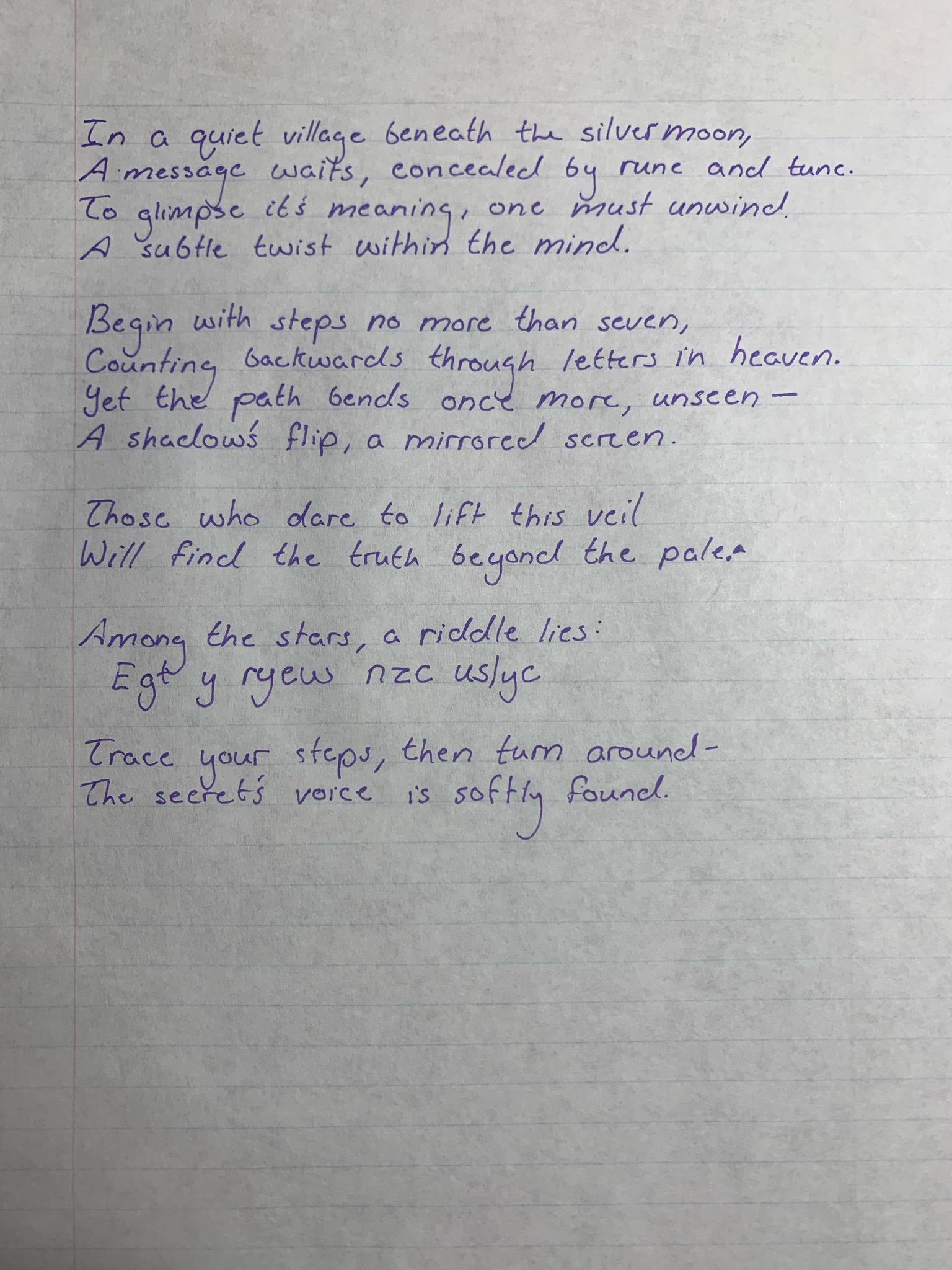
In a recent Reddit post, a request for help went out the puzzliest of D&D players:

I asked someone out using a riddle, and they responded with another one, but now I can’t solve it. We both dm at our local game store, and we’re running games tomorrow, I need a quick solution. I don’t need someone to give me the answer, but can someone please help walk me through how to solve this?

First off, that’s very cute.

Secondly, my dude, they responded to a riddle with your riddle. That’s a yes, my friend! Congrats.

As you might expect, his fellow riddle fans and puzzle fiends quickly explained how to find the solution, hoping that this marvelous exchange of riddles leads to more! Everyone loves a meet-cute, especially a puzzly one!

But what about you, fellow solver? Could you crack it?

I’ll give you a bit of space before I reveal how to solve it.

.

..

….

…..

……

…….

……

…..

….

..

.

Ready? Okay, let’s get to the riddle itself.

Egt y ryew nzc uslyc

This is clearly a single substitution cipher, also known as a simple substitution cipher, where each letter represented by another.

You could tackle this in a brute force way, treating it like a cryptogram. We know that “y” is going to be A or I. The most common three-letter word is “the”, which is a good place to start. At the very least, we can probably assume that “c” is the letter E, since it’s at the end of several words.

But the poem tells us how to solve it.

Start with the “letters in heaven,” your alphabet.

ABCDEFGHIJKLMNOPQRSTUVWXYZ

We get references to a mirrored screen or a shadow’s flip, so let’s try the alphabet backwards and placed underneath.

ABCDEFGHIJKLMNOPQRSTUVWXYZ
ZYXWVUTSRQPONMLKJIHGFEDCBA

We’re told to count backwards with steps no more than seven.

So let’s take the first letter in our secret message, E. Counting backwards (and wrapping around the alphabet again), that brings us to X. And in the mirror of X, we have C.

Continuing, seven letters back from G is Z, and in the mirror, A. Seven letters back from T is M, and in the mirror, N.

Egt Y ryew nzc uslyc
CAN

Continue for all the letters, and you get your answer written in the stars (presumably replying to his riddle):

Can I pick the movie?

Here’s hoping we get some updates in the future (or more riddles) from this pair of dice-rolling riddle-crafting delights.

And let’s offer one more huzzah for the anonymous puzzlers who helped crack the code!

Puzzlers… is there anything they can’t do?