Roll Them Bones!

Meme culture is constantly evolving. As new memes emerge, others are updated. They mutate, they cross over with other meme styles. It’s virtually a language at this point, a hyper-dynamic vernacular where the rules change as fast as the imagery.

And yet, old memes can resurface for new audiences and make an unexpected impact, like the one I stumbled across this week.
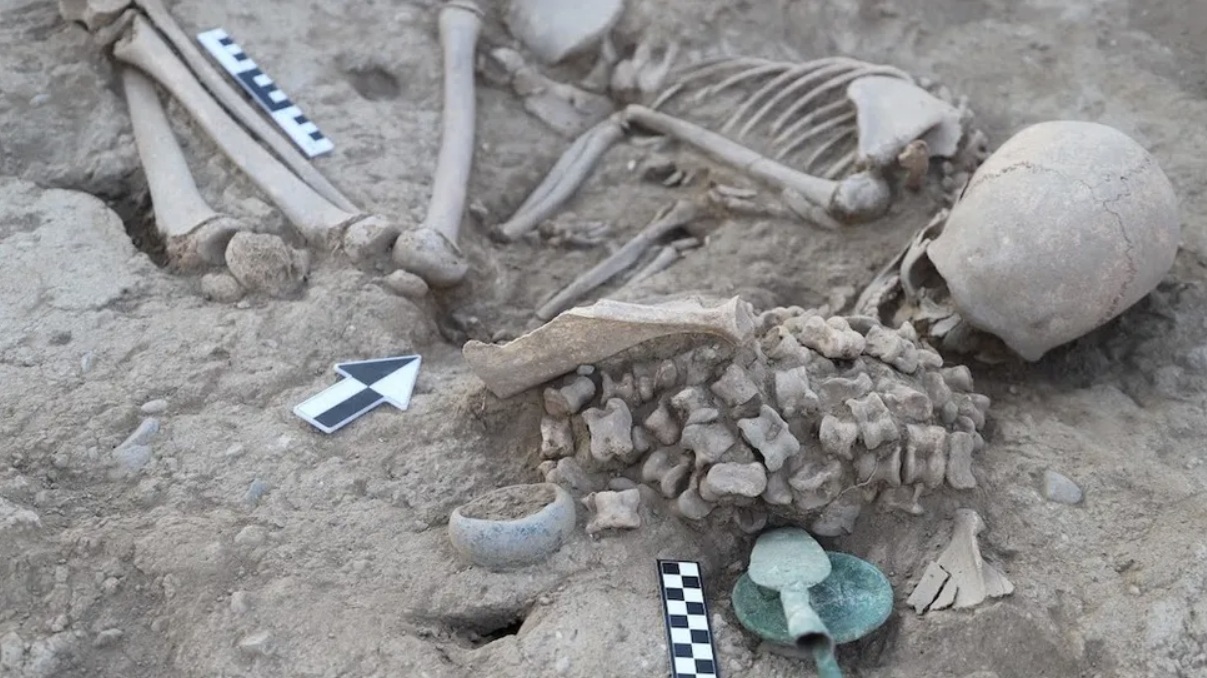
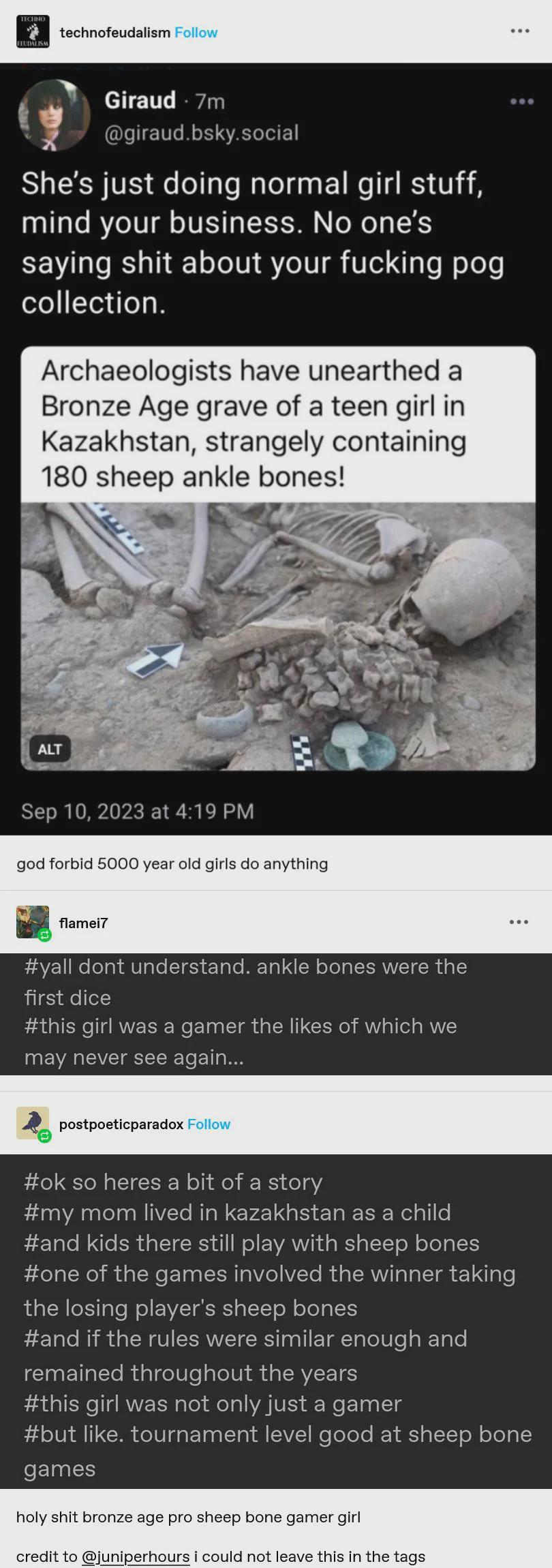
Two years ago, an archaeology report hit internet news feeds. Archaeologists in Kazakhstan uncovered the burial mound of a young girl, somewhere between the ages of 12 and 15. The grave dated back to the Bronze Age, about 5000 years or so.

But that wasn’t what caught the Internet’s attention.

It was the sheep bones that captured everyone’s imagination.
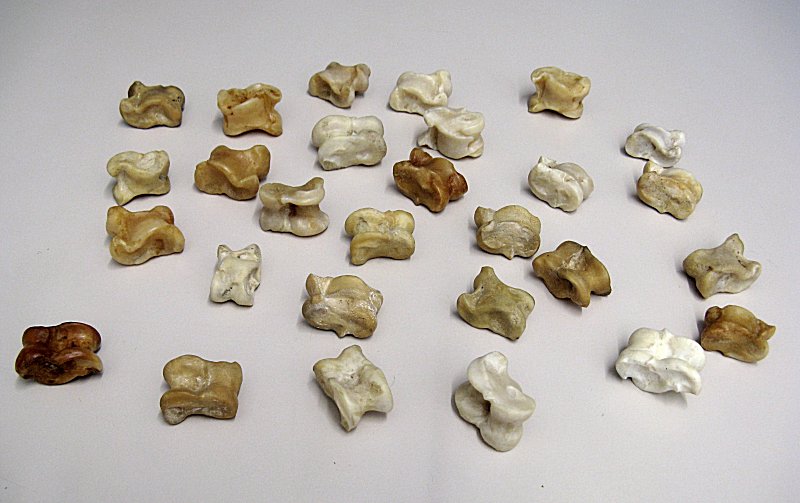
You see, she was buried with 180 ankle bones, also known as astragalus bones, from dozens and dozens of sheep.

Researchers were unsure of the significance of these bones, attributing them to cult practices, totems for meditation, or symbols of good luck to wish the deceased well in their transition to a new world.

Internet readers came to a different conclusion. They believed this young girl was a world-class gamer and these were her trophies, the spoils of victory.

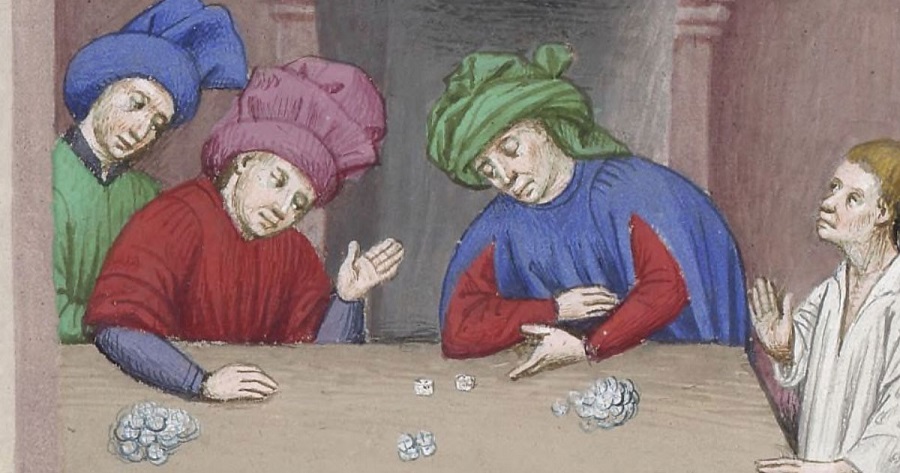
Knuckle bones, ankle bones, and other small, easily-rolled bones have been associated with gaming for centuries. For many cultures, they were the first readily-available dice. This is true in Kazakhstan as well.

In fact, there is a Kazakh game called Assyk, and it’s similar to marbles. Players take an ankle bone and try to knock other ankle bones from the game space. It requires considerable skill, since you’re tossing the assyk from a distance.
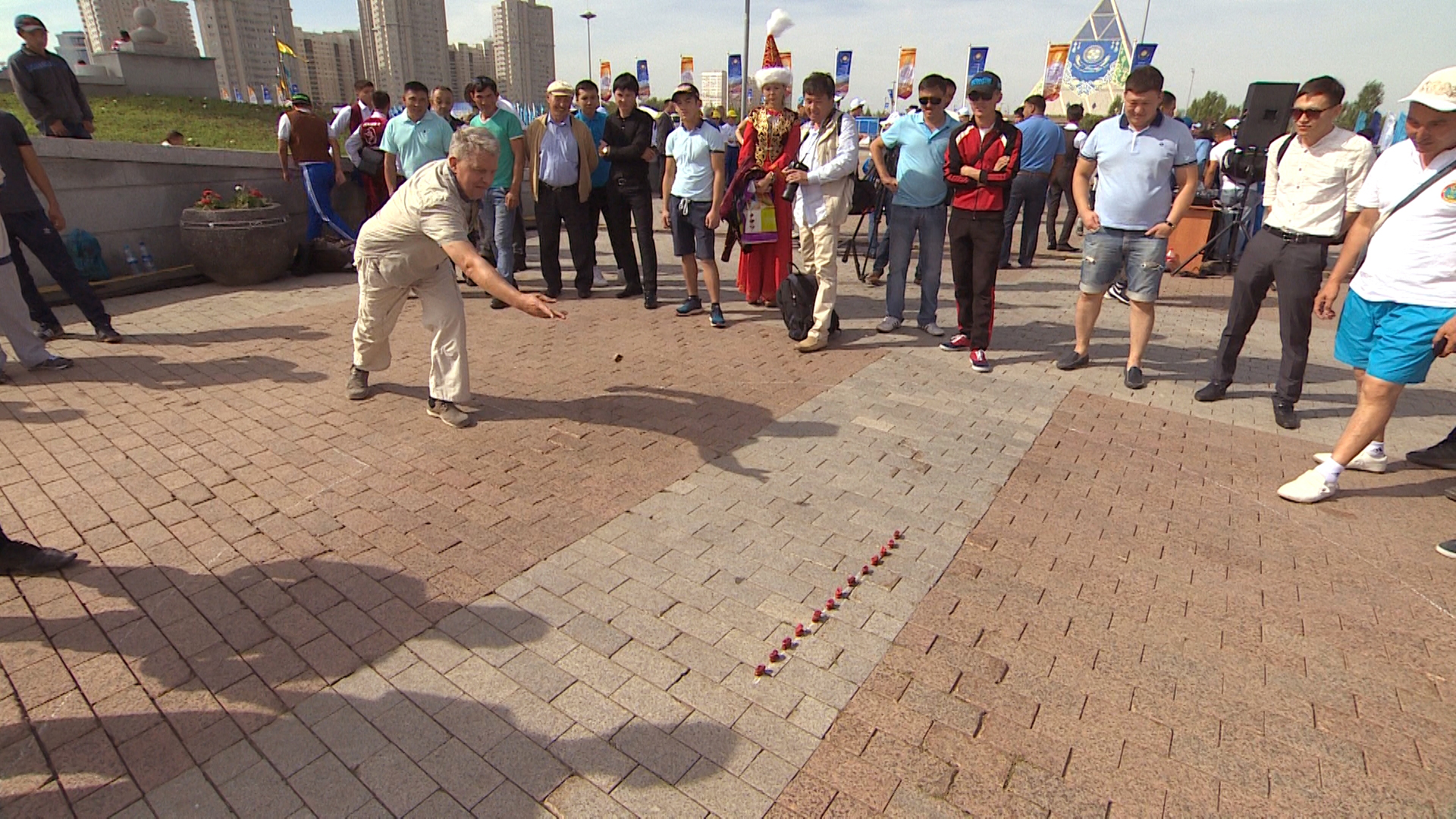
Rules vary depending on your sources, but according to some articles about this traditional Kazakh game, winners would keep the ankle bones they knock out of the circle, just like in marbles, pogs, and other games of this nature.

So, if our Bronze Age assyk master followed this rule — and based on the number of bones in her grave, it’s a distinct possibility — that means she didn’t just dabble in this game… she dominated at it, collecting dozens of victories.

Appropriately, the Internet celebrated her as a pro gamer, a tournament-level champion with the hand-eye coordination to dominate modern games as easily as she did games of assyk around her village.

And honestly, how can you not love something like that? Everybody needs a hero, gamers included. A 5000-year-old Bronze Age astragalus-hoarding game sniper is not a bad place to start.

Happy sheep-bone-tossing, everyone!
Product Review: ThinkFun’s Math Dice

[Note: I received a free copy of this game in exchange for a fair, unbiased review.]

If you’re not currently in school, you probably haven’t thought about Order of Operations in a while. Maybe six little letters will bring it all back to you: PEMDAS. Parentheses, Exponents, Multiplication, Division, Addition, Subtraction. (I learned to remember it as “Please excuse my dear Aunt Sally.)

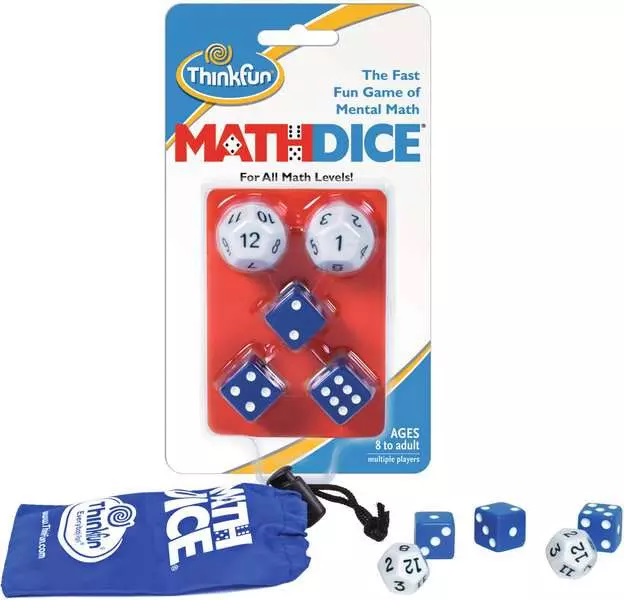
This was a handy mnemonic device to explain how to break down complex equations into simpler ones. But it’s also the basis for ThinkFun’s latest puzzly game: Math Dice.

Math Dice challenges players to put their mathematical skills to the test, using randomly rolled dice and their own numerical ingenuity to get the closest to a given number.

But before we get started with the actual gameplay, I want to take a moment to appreciate how the instruction manual eases new players (and players with less confidence in their math skills) into the game.

After explaining the rules, and offering several techniques to make the game easier or harder, depending on player comfort levels, the manual offers numerous examples to make new players more familiar with all the options available to them.

It’s a terrific way to allay player uncertainty and show them some of the creative ways to mix different operations to make different totals.

Now let’s take a look at the gameplay:

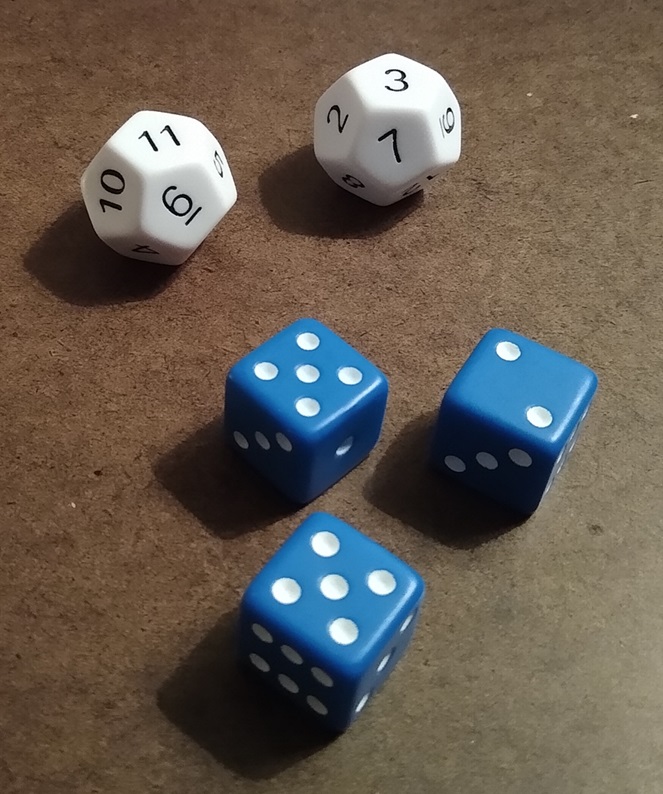
For example, the two 12-sided dice rolled a 12 and a 1. When multiplied, you get your target number of 12. Now the players must try to either match 12 or get closer to 12 than any other player, using the 2, 3, and 6 rolled on the 6-sided dice.

Simple addition will get you to 11.
(3 x 2) + 6 will get you to 12.
(6 – 2) x 3 will also get you to 12.
Can you find any other ways to make 12 from those dice?

This one is a little tougher. The two 12-sided dice rolled an 11 and a 3, giving us a target number of 33. We also have less flexibility with the 6-sided dice, since we have a 2 and two 5s.

(5 x 5) + 2 will get you to 27. Pretty good!
5^2 + 5 will get you to 30.
2^5 + 5 will get you to 37.

In this case, player who got 30 wins a point!

As someone who is always idly playing with words and numbers during mental downtime or between tasks, this game really appeals to the playful side of my puzzly brain. The challenge of making two sets of numbers balance is both challenging and soothing in the best way, like the purely mental equivalent of a fidget toy or other tool to keep your hands and mind engaged.

But this is also a clever launchpad to introduce younger puzzlers to the idea that numbers aren’t just classwork or homework, they’re something to play with. They’re puzzle pieces to rearrange and put together in all sorts of ways to create new results.

ThinkFun excels at turning learning experiences into engaging puzzles and games. Over the years, they’ve done so with logic problems, optics, programming, gravity, deduction, mechanical puzzles, and more, so it’s no surprise they’ve managed to do the same quite deftly with the basics of mathematics.

[Math Dice is for 2 or more players, ages 8 to Adult, and it’s available from ThinkFun and participating websites starting at only $6.99!]

Puzzles and Games With a Sacred Touch?

In recent times, religion and the world of puzzles and games have crossed paths with sometimes surprising results.

The film adaptation of The Da Vinci Code, a fairly puzzle-centric thriller, was widely denounced by members of the Catholic Church, and there was similar resistance, though less vocal, against the sequel film, Angels & Demons.

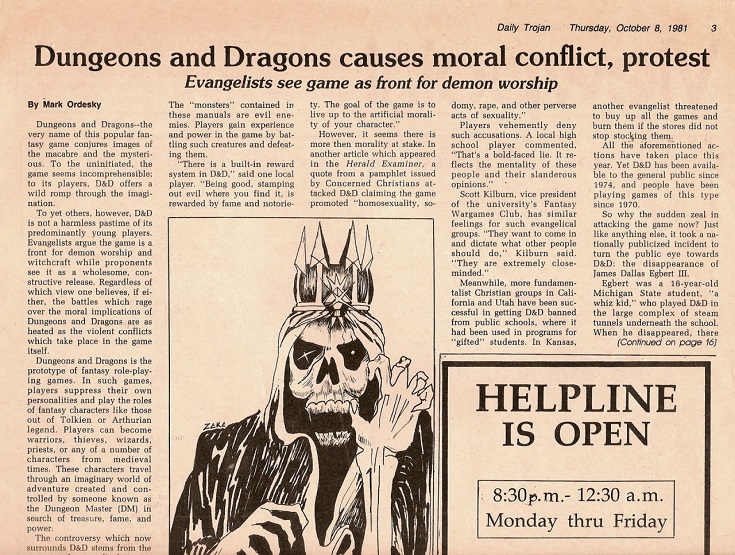
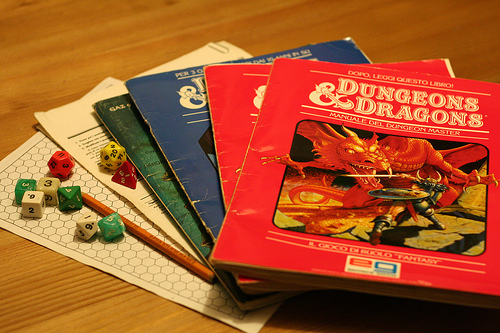
And, of course, in the 1980s, the roleplaying game Dungeons & Dragons was condemned as Satanic and dangerous to young minds.

I say that the above is strange because, for the most part, these seem to be anomalies or isolated incidents. There are numerous instances throughout history where puzzles and games were embraced by religion, even used as tools to teach aspects of religious beliefs.

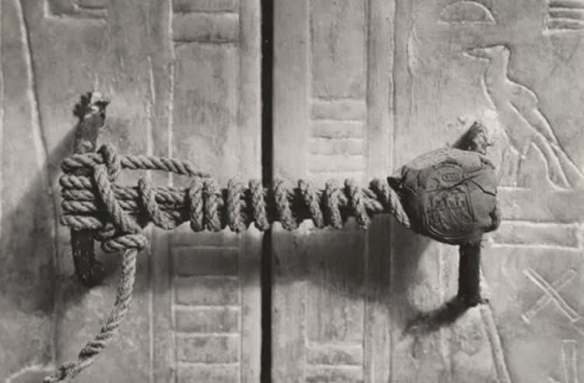
For instance, in ancient Egypt, we’ve seen evidence of puzzly techniques used not just to secure the tomb of Tutankhamun, but also to disguise the language and rituals employed by elite members of their society. Puzzles were entrusted to keep their secrets well beyond the grave.

the seal on king tut's tomb

Plus one of the most ancient games in the historical record, Senet, seems to have evolved from being an enjoyable pastime into a spiritual tool.

You see, some Senet boards have religious iconography on them, believed to symbolize the journey into the afterlife. So gameplay — or the inclusion of the gameboard itself among the belongings of the deceased — represented that journey and the quest to learn more about it.

Some online articles have taken to referring to Senet as “the Rosicrucian board game of death,” which is a harsh misinterpretation.

There was also an afterlife connection with games for the Vikings.

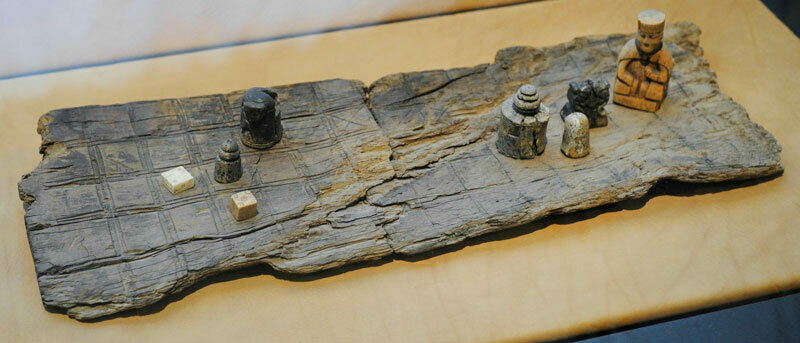
According to Mark Hall, a curator at Perth Museum and Art Gallery, there have been 36 burials where board games of some description have been found in the graves around Northern Europe.

These grave sites grant intriguing insight into how the Vikings viewed board games as a learning tool. It’s believed that including a board game among the effects of the deceased signaled not only their skill and status as a warrior, but their preparedness for the afterlife itself. Heck, their win-loss records were even recorded for posterity!

Palindromes were believed to work as magical shields that protected those wearing the talismans bearing such clever wordplay.

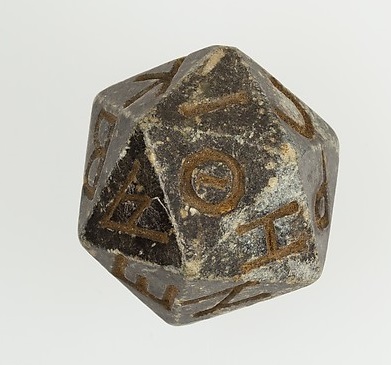
Heck, even the shape of dice were influenced by changing religious views. Early dice games gave very little consideration to the shape or evenness of dice, because rolls were believed to be guided by Fate or some greater outside force, so the shape didn’t matter.

As religious beliefs evolved away from gods and greater forces intervening in such things, the general spirit of fairness in dice began to prevail, and the shape, balance, and pip distribution of dice became much more standardized.

And as for the Catholic Church, I certainly didn’t mean to make it look like I was picking on them in the introduction, because there are positive associations between the church and the world of puzzles and games as well.

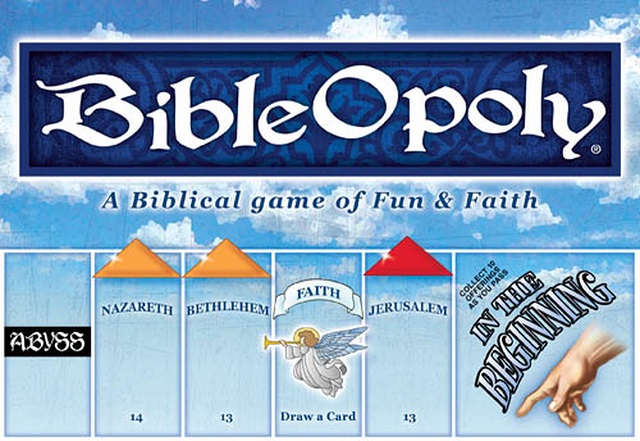
And no, I’m not just talking about lighthearted products like BibleOpoly or the cottage industry of family-friendly games like Bible editions of Outburst, Scattergories, Apples to Apples, Scrabble, and Taboo.

Chess boards and other game boards have been found in houses formerly used by the Knights Templar, for instance.

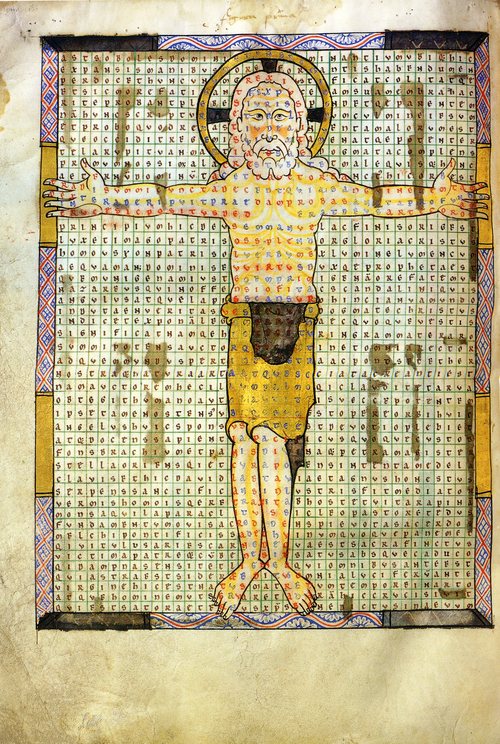
There’s also the puzzly art of carmina figurata, poems wherein either the entire body of the poem or select parts form a shape or pattern. These works originated as religious tributes, poems where letters were colored red to stand out from the regular black lettering in order to draw attention to or highlight a certain religious figure.

tumblr_m6a31vnnxo1qggdq1

[“De laudibus sanctae Crucis” by Oliverus.
Image courtesy of WTF Art History.]

There would be hidden words or messages concealed in the text, some speaking of the religious icons at the center of the piece in glowing terms.

Do you have any favorite puzzles and games that have an element of religion to them, fellow puzzlers and PuzzleNationers? Let us know in the comments section below. We’d love to hear from you!


dailypopwsicon

Halloween is almost here, and we have some spookily good deals for you to check out. You can find them on the Home Screen for Daily POP Crosswords and Daily POP Word Search! Check them out!

Thanks for visiting PuzzleNation Blog today! Be sure to sign up for our newsletter to stay up-to-date on everything PuzzleNation!

How Dungeons & Dragons Brings Us Together

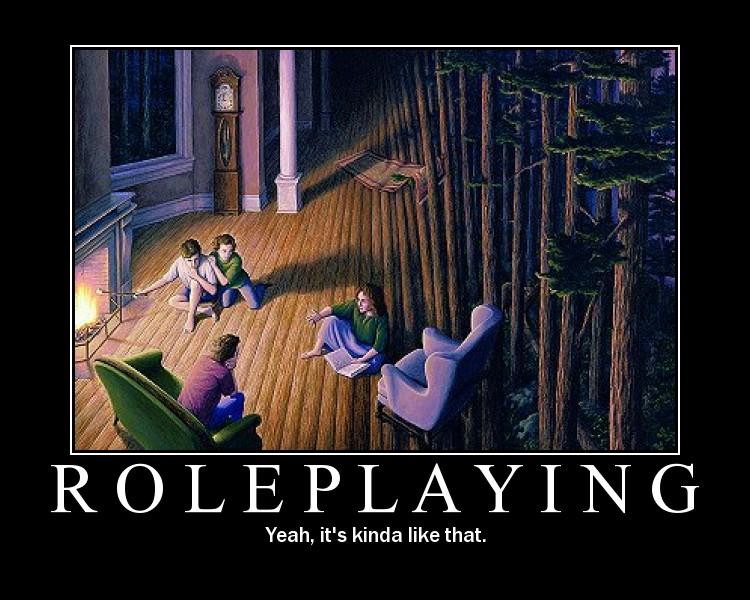
roleplaying-kinda-like-that

One of my favorite things about puzzles and games is the way they bring people together. It could be gathering around a table for a session of Dungeons & Dragons, enlisting a friend in unraveling a tricky crossword clue, or swapping jigsaws with a fellow enthusiast to share the wealth.

Recently, a story about Dungeons & Dragons went viral, but if you haven’t seen it, I’ll happily summarize.


A Twitter user named Antoine H. delivered his grandmother’s eulogy after her sad passing, but wasn’t able to devote the time he wanted to one important aspect of her life, so he took to Twitter later to do so.

At 75 years old, in the last year of her life, she started playing D&D at his suggestion.

terminatur

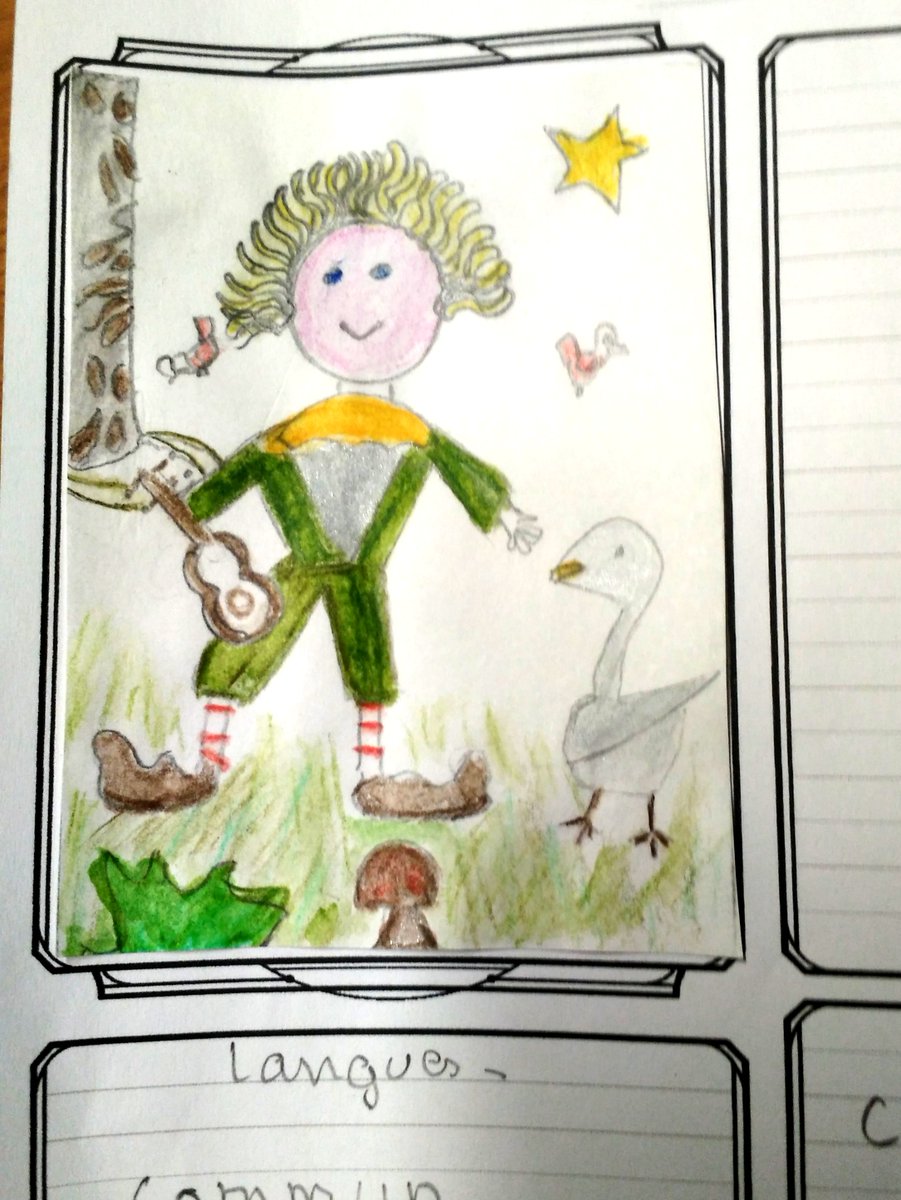
Her first character? A male forest gnome named Terminatur (a combination of “termite” and “nature”).

She helped her fellow players cleanse a haunted house, then made it a home, including inventing a new fruit that became quite popular. (It led to membership in an interplanar ecology organization, The Circle of the Green Hand.)

She even gave the adventuring party its name: “les Bijoutiers Fantaisistes,” the Fanciful Jewelers.

Although her cancer treatment would limit her opportunities to play regularly, she still kept on with the campaign whenever possible, adding delightful new wrinkles to her character.

Her last words to him? “Never change, never lose your family spirit, and keep on playing Dungeons & Dragons.”


As a longtime D&D player, I love this story. Because, as much fun as it is to play the game, it’s the connections you forge DURING play that mean the most. In fact, my favorite roleplaying game memory isn’t from an actual play session.

rpg-2009-berlin-2

It’s from a lazy afternoon hanging out with some of my players, just listening as they shared stories about their favorite moments from the game. (Since each of them had individual adventures, in addition to group adventures, they got to share stories the others hadn’t experienced.) Their reenactments were a pleasure to watch, knowing I had helped craft adventures that they enjoyed so much, they wanted to share them with others.

Getting to tell stories with my friends is an incredible gift, and I can only imagine how much joy it brought both Antoine and his grandmother to find this lovely, unexpected common ground.

You can (and should) click here to read the entire Twitter thread. It’s wonderful.

Also, please share your own stories of how games, puzzles, and RPGs have improved your life and friendships. I’d love to hear them.


Thanks for visiting PuzzleNation Blog today! Be sure to sign up for our newsletter to stay up-to-date on everything PuzzleNation!

You can also share your pictures with us on Instagram, friend us on Facebook, check us out on TwitterPinterest, and Tumblr, and explore the always-expanding library of PuzzleNation apps and games on our website!

Free RPG Day Returns Tomorrow!

Role-playing games are high on the list of my favorite pastimes, and whether you’re looking for a fun game, a puzzly experience, or a chance to tell some exciting, engrossing stories with friends, you’re bound to find something to enjoy in a role-playing session.

And if you’ve never tried out a role-playing game or dipped a toe into the fascinating world of RPGs, tomorrow is the perfect opportunity for you to do so.

Because tomorrow, Saturday June 15th, is Free RPG Day!

freerpgday

Established in 2007, Free RPG Day is a collaborative event where RPG publishers team up with game shops, hobby shops, and other game retailers to celebrate role-playing games and try out brand-new and unfamiliar games.

Stores around the world will be offering free adventure modules and quick-play rulebooks for all sorts of different role-playing games — covering everything from classic D&D-style games to spacefaring campaigns — much of it created specifically for Free RPG Day!

Companies like Goodman Games, Paizo Publishing, Green Ronin, Off World Designs, and many more are participating, along with game shops all over the U.S. and across the world.

You can use this store locator to find the nearest participating location, but worry not if you can’t get out to a friendly local game shop!

There are all sorts of online resources celebrating the day as well. For instance, the team at DriveThruRPG are offering a ton of free downloads for you to sample! (Not to mention the articles we’ve written about the subject over the years.)

Will you be celebrating Free RPG Day, fellow puzzlers and PuzzleNationers? Let us know in the comments section below! We’d love to hear from you!


Thanks for visiting PuzzleNation Blog today! Be sure to sign up for our newsletter to stay up-to-date on everything PuzzleNation!

You can also share your pictures with us on Instagram, friend us on Facebook, check us out on TwitterPinterest, and Tumblr, and explore the always-expanding library of PuzzleNation apps and games on our website!

The (Increasingly Lengthy) History of Games

Being a student of history means constantly discovering amazing new things about our world, our culture, and ourselves. There are so many unexpected twists and turns, synchronicities, coincidences, and flat-out mind-blowing facts waiting to be uncovered.

And when you’re a student of history with an interest in puzzles and games, it means you get to discover just how long humans have been dabbling in baffling brain teasers and friendly competition.

Board games, for instance, have been around a long time, longer than most people realize. There is evidence that Go has been played in China for more than 5,500 years!

And many other games also have shockingly long lineages. Chess can be traced back to the seventh century in India. Game boards have been found in king’s courts, university halls, and even former houses used by the Knights Templar, as pictured above.

We’ve previously explored that Viking gravesites from the ninth century reveal that board games were not just a pastime for the Vikings, but that their win-loss records were important enough to be recorded for posterity!

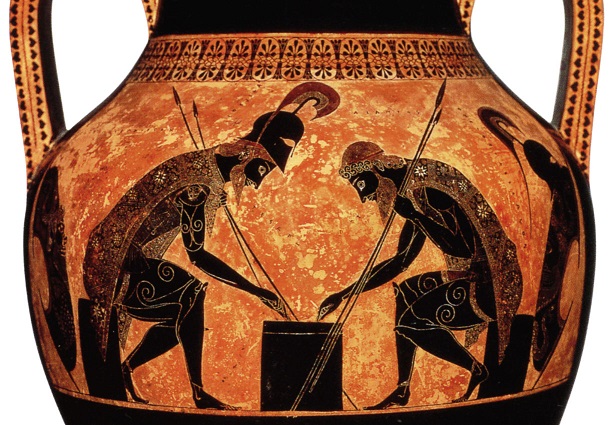
Check this out. It’s an ancient Greek painting on a vase, dating back to 530 BCE. This piece is an example of the black figure technique where images painted on clay turned black when the clay was fired. It depicts the two mightiest warriors of the Trojan War, Achilles and Ajax, playing a board game to keep themselves busy during the siege of Troy.

It’s unclear what game they’re playing, though many historians believe the warriors are rolling dice in the image. That would make sense, since astragali (the knuckle-bones of goats and sheep) were used in ancient Greek gambling games.

Dice have an equally ancient history. The Egyptian game of Senet, which was played with dice, dates back over 5,000 years.

Dice games have been uncovered in Mesopotamian tombs (some as far back as the twenty-fourth century BC), and a Vedic Sanskrit text known as the Rigveda, which dates back to India in 1500 BC, also mentions dice.

Tile games have a similarly deep history.

Chinese Dominoes can be traced back to writings of the Song Dynasty, nearly a thousand years ago. Dominoes as we know them first appeared in Italy during the 1800s, and some historians theorize they were brought to Europe from China by traveling missionaries.

Another tile game, Mahjong, has been around for centuries, but there are several different origin stories for the game, one tracing back to the Ming Dynasty (1368-1644), another to the days of Confucius (500 BC).

Perhaps at some point, I’ll try to put together a historical timeline of gaming (similar to the crossword timeline I created around the 100th anniversary of the crossword).

In the meantime, I’ll settle for being utterly fascinated with just how long humans have been socializing, relaxing, and competing through the medium of games.


Thanks for visiting PuzzleNation Blog today! Be sure to sign up for our newsletter to stay up-to-date on everything PuzzleNation!

You can also share your pictures with us on Instagram, friend us on Facebook, check us out on TwitterPinterest, and Tumblr, and explore the always-expanding library of PuzzleNation apps and games on our website!