Book Review: The Gamesmaster by Flint Dille

Welcome to PuzzCulture Book Reviews!

All of the books discussed and/or reviewed in PCBR articles are either directly or indirectly related to the world of puzzling, and hopefully you’ll find something to tickle your literary fancy in this entry or the entries to come.

Let’s get started!

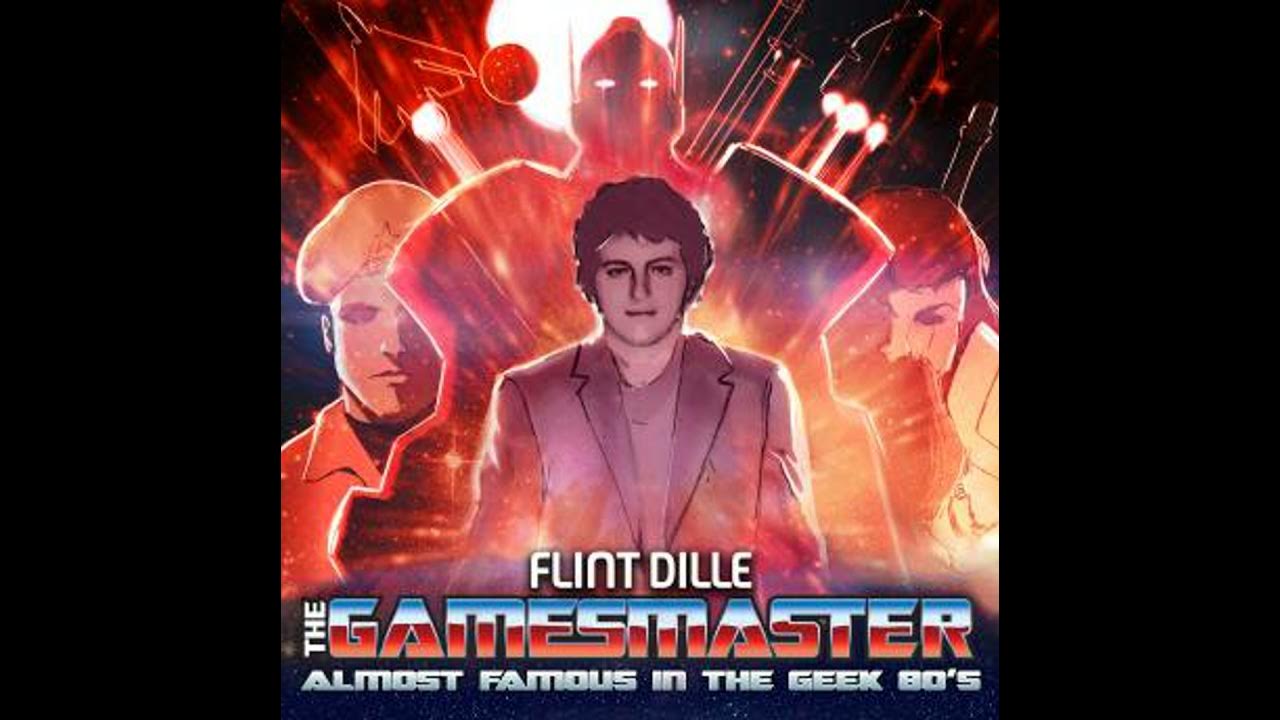
The subject of today’s book review is The Gamesmaster by Flint Dille.
In the late 70s and early 80s, popular culture exploded as cartoons became vehicles to sell toys and the modern blockbuster continued to rise to prominence in cinemas after the successes of Jaws and Star Wars.

G.I. Joe and Transformers, two of the most iconic franchises from the 1980s, are still influential properties today, but one name that helped craft both franchises (and many others) is probably unfamiliar to you: Flint Dille.

The Gamesmaster chronicles what Dille calls “The Geek ’80s” — aka his animation and pop culture heyday — exploring the birth, growth, and tumultuous developments behind the roleplaying game Dungeons & Dragons as well as the animated shows G.I. Joe, Transformers, Inhumanoids, and the Star Wars cartoons Droids and Ewoks.
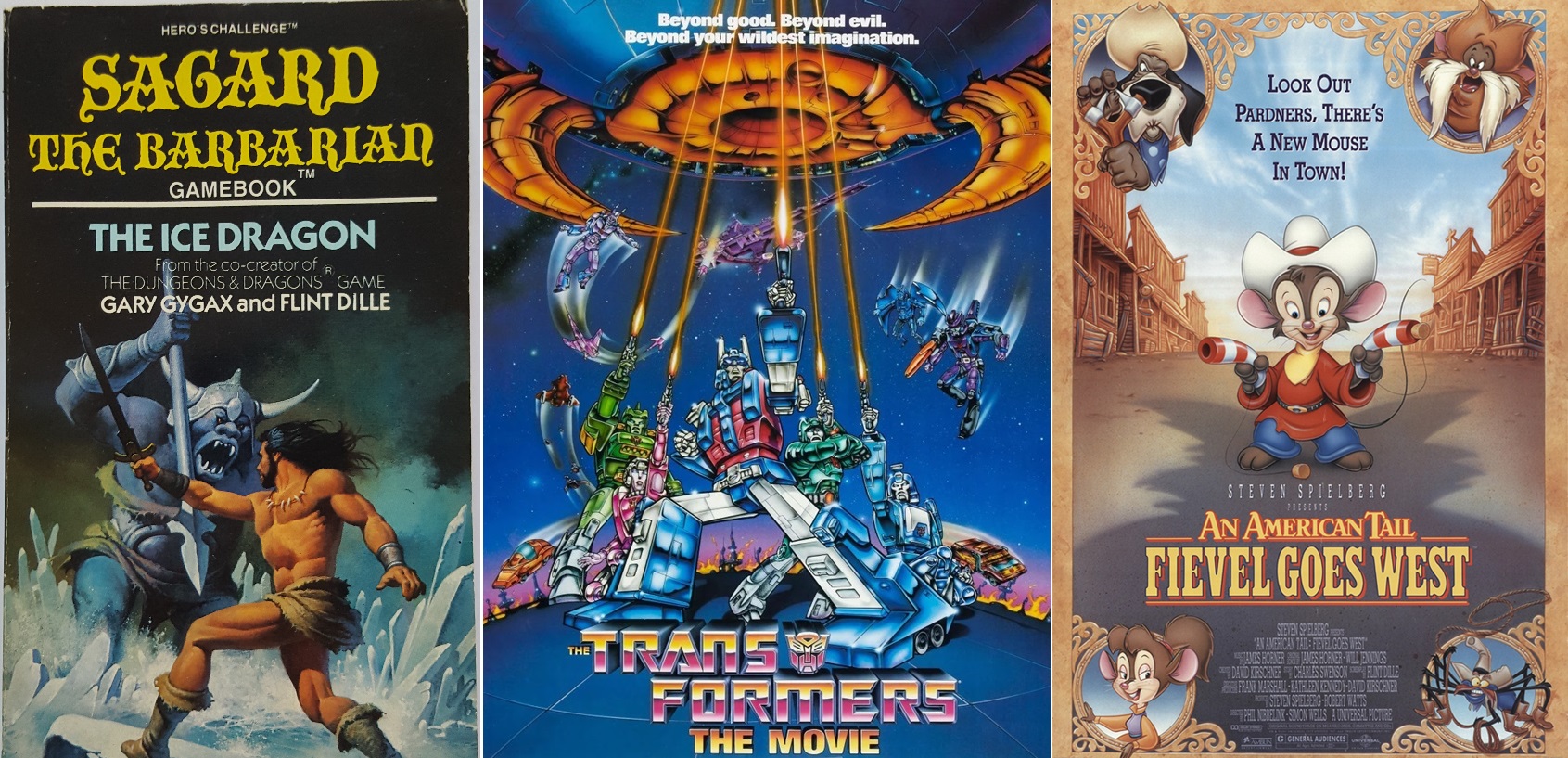
This almost feels like a nonfiction companion book to the novel Ready Player One, since so much ’80s pop culture is explored in Dille’s stories. He gives us glimpses into the writers’ rooms of various animated shows (both the most influential and the sadly forgotten), providing what feels like an outsider’s view of Hollywood. It’s the equivalent of a fan getting a deep look behind the scenes.

But the game fans in the readership will get the most out of his journey through the offices of TSR, detailing the steady rise of D&D‘s reach and influence, as well as the incredibly turbulent interpersonal struggles amongst the writers and innovators who helped shape it. Dille generously shouts-out the contributions of fellow creators, but also shares the flip side of success, highlighting the bad luck that followed many of his friends on the TSR side of things.

And at a time where D&D itself is questioning Gary Gygax’s role and somewhat problematic legacy in the wake of the game’s 50th anniversary, Dille offers valuable insight into those crucial, formative years.

Although Dille’s not the most focused or artful storyteller — this feels more like a rambly series of conversations than a traditional autobiography — he is an immensely charming and likable narrator, happily sharing credit, admitting missteps, and celebrating the legacies he played an influential role in crafting.

The Gamesmaster offers a key piece in the often patchy, unreliable history of Dungeons & Dragons, whilst still embracing the nerdy energy that brought roleplaying, Transformers, G.I. Joe, and other celebrated franchises to prominence during the 1980s.
Minotaurs Don’t Make Sense?

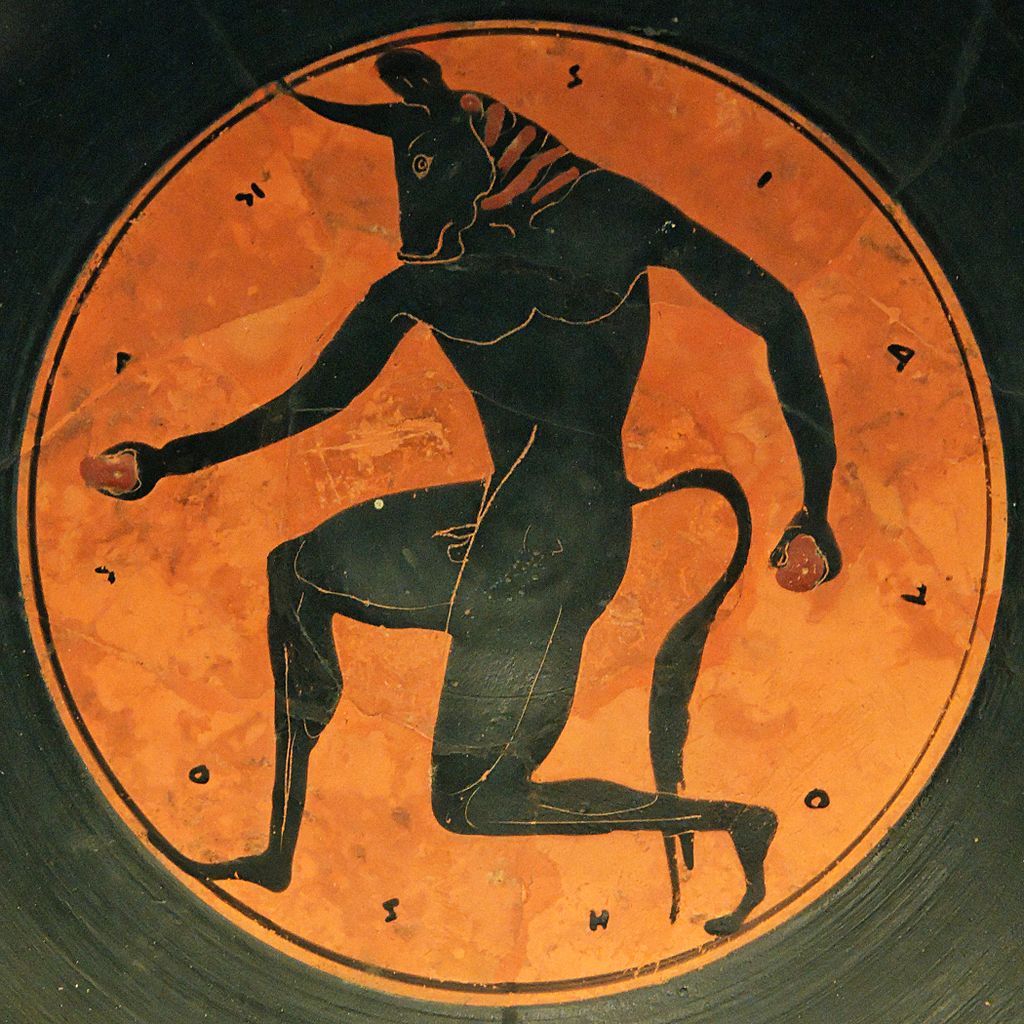
When you think of mazes, there’s probably no figure more iconic than the legendary minotaur.

The Bull of Minos — the direct translation of “minotaur” — called an elaborate labyrinth on the island of Crete home. This labyrinth, built by Daedalus, was said to be inescapable.

Even if you’re not a fan of Greek mythology, you probably know the basics of the story. Unsolvable maze. Half-man, half-bull. It’s all pretty simple.

So you can imagine my surprise when I stumbled upon not one, but TWO different videos talking smack about one of my favorite mythical creatures!

The first one discussed the intelligence of the minotaur:

Now, a very simple misconception lay at the heart of this video. The speaker is conflating two different definitions of labyrinth.

The first is the traditional idea of an elaborate maze full of intricate passageways, blind alleys, and torturous complexity.

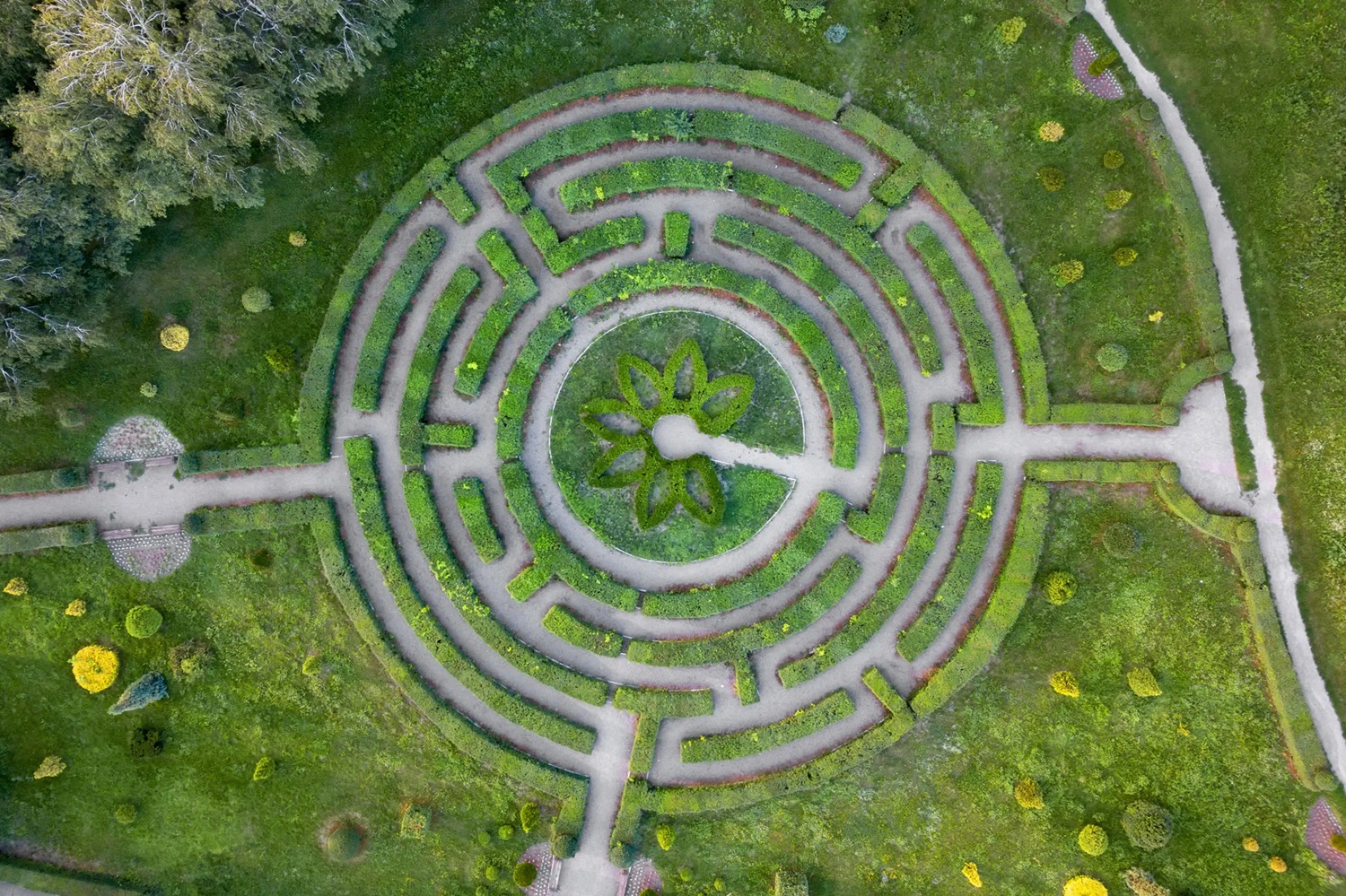
The second refers to labyrinth gardens, which are designed to be walked slowly, meditatively, and take you on a journey through a series of paths and concentric circles, but one that can be easily navigated or escaped. None of the trickery or challenge of a traditional labyrinth.

So when the above video claims that a minotaur would have to be pretty stupid to fail to escape the labyrinth, they’ve got the wrong labyrinth in mind.

This brings us to the second video of the day, which discusses how minotaurs have been adapted for the Dungeons & Dragons roleplaying game:

The speaker claims that D&D’s minotaurs don’t make sense, since they “can never get lost in a maze and will always find a way out.”

So, I went to verify what he said.

He referred specifically to the 5th edition version of the minotaur, so I checked both the 5th edition Monster Manual and the Monsters of the Multiverse sourcebook released later.

In the MM, all I find is this: “the minotaur can perfectly recall any path it has traveled.”

So what? There are a LOT of paths in a labyrinth, and remembering which ones you’ve walked doesn’t necessarily make you better at finding your way out.

Plus, how long is a path? How is the start or end of a path defined? Maybe our life is one LONNNNNG path, and he’s gotta recall ALL of it?!

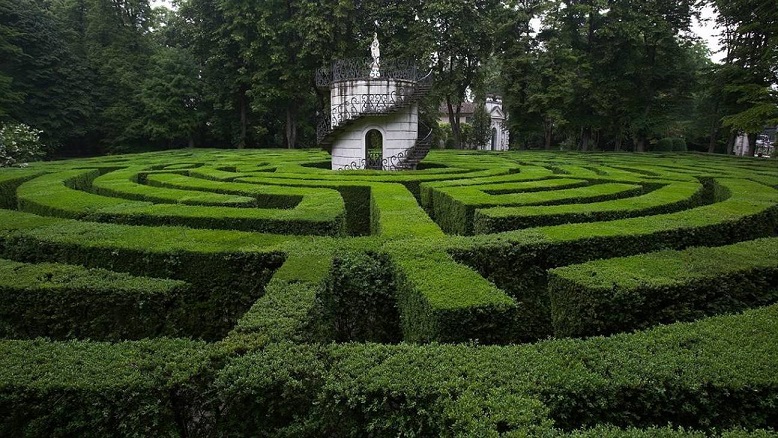
Image courtesy of Wikipedia.

This ability is restated in the Monsters of the Multiverse book as “you always know which direction is north”. That’s it. Cool. That’s great for navigation, but also not terribly helpful when it comes to solving mazes.

So I’m not really sure where he’s getting the whole “effortlessly defeats mazes” thing. I mean, the original Minotaur never bested the labyrinth. He was killed by Theseus there.

But, for the sake of thoroughness, I grabbed my 3rd edition Monster Manual off the shelf to see what it had to say about minotaurs.

The book states that minotaurs can’t ever become lost and are “immune to maze spells” (which banish someone to an extradimensional labyrinth).

“Can’t ever become lost” is incredibly open to interpretation. Does it always know the way out of a place? Or does it always know WHERE it is in a vague sense? There’s a big difference between knowing where the exit of a labyrinth is and simply knowing you’re in a labyrinth.

Like, if I know I’m in New York City, does that mean I have any idea where I’m going? Not necessarily.

Image courtesy of Do You Maze.

So, where does this leave us?

Well, in short, it tells me that people don’t necessarily know what a labyrinth is or what it means to have the skills of a minotaur.

After all, do we know if the original Minotaur ever really wanted to leave? He got regular deliveries of food, and was otherwise left to his own devices.

Doesn’t sound so bad, really. Anyone know a labyrinth that’s hiring right now?

A Chance to Construct for BosWords!

Hello fellow puzzlers!

Last week, I mentioned that the BosWords Winter Wondersolve was on the way. But I also discussed other marvelous puzzly events handled by the BosWords team, one of which is their Spring Themeless League.

And BosWords director John Lieb announced yesterday that they’re holding Open Submissions for one of the themeless puzzles in this year’s Spring Themeless League!

It’s only open to constructors who HAVEN’T had a themeless crossword published in The New York Times and also HAVEN’T constructed for a previous BosWords event.

Yes, it’s an opportunity for new faces and fresh talent to show what they can do!

You can find the full submission details on the BosWords website, including parameters for grid design, fill content, and words to avoid.

I think this is such a cool way to encourage interest in both the construction side of puzzles and the great fun to be had with themeless crosswords.

The submission deadline in February 15th, so if you’re feeling inspired, get to puzzling!

And if you haven’t already, please strongly consider checking out the Spring Themeless League. It’s a blast and really shows off the creativity and constructing skill it takes to make an enjoyable, compelling themeless crossword.

Good luck to all the potential cruciverbalists out there!

The Conundrum of Computers, Crosswords, and AI

Image courtesy of ESLTower.

AI continues to encroach on nearly every aspect of our lives, online or otherwise, and crosswords are not immune to this effect.

Actually, crosswords and computers have walked hand-in-hand for a long time.

Some companies use computer programs to generate their unthemed crosswords, no human intervention necessary. Computer programs like Crossword Compiler aid constructors in puzzle design and grid fill, allowing them to build and cultivate databases of words with which to complete their grids.

And computers are getting better at solving puzzles as well. Years ago, I wrote about a program that taught itself to solve Rubik’s Cubes.

Matt Ginsberg’s ever-evolving crossword-solving program Dr. Fill won the American Crossword Puzzle Tournament in 2021 — although the top prize still went to a flesh-and-blood solver — a first-time occurrence which garnered a lot of media attention:

The first computer to win the event, Dr. Fill completed most puzzles in well under a minute and only made three mistakes, edging out its top human competitor by 15 points.

To be fair, several constructors responded by vowing to make a crossword for the following year’s tournament that would thwart any computer. And I respect such inspired declarations immensely.

(I’ll have to do more research and find out if any of them succeeded!)

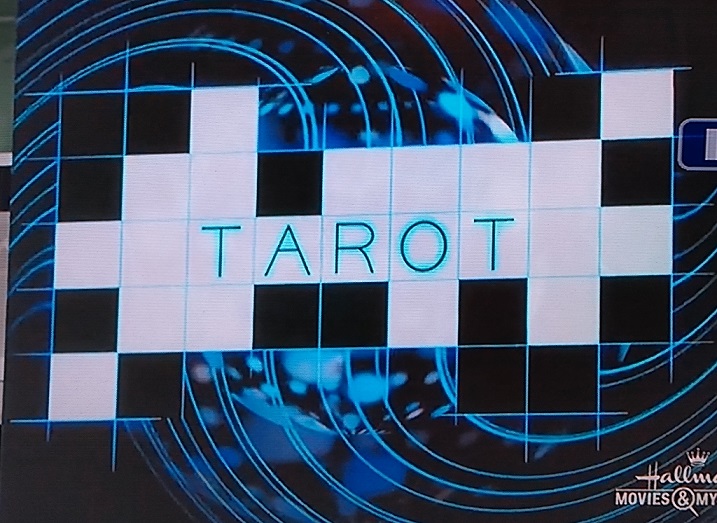
Really, we shouldn’t be surprised. They wrote an entire Crossword Mysteries movie on the Hallmark Channel about a crossword-clue-solving AI (and the people who would kill for the technology).

But I digress.

I have AI on the brain today because I just checked out an AI-fueled competitive mini-crossword arena, and I have mixed feelings about it.

It’s called Crossword Race, and it uses AI to generate 5×5 mini-crosswords, clue them, and load them up for solvers to complete in as fast a time as possible.

Yes, the cluing is very bland and overly technical (feeling more like oddly-worded dictionary definitions), but there seems to be a genuine desire to build and serve a puzzle-solving community.

And I can see the value.

If you’re a puzzler trying to get better at solving — especially if you have friends posting their mini-crossword results on the daily — this is a safe space to practice your solving, your grid navigation, and shake off the nerves that come with any timed competitive endeavor. (You can create a profile to track your stats or play anonymously.)

But I’m also a writer, a puzzler, a content creator, and such push-button “creativity” gives me the ick. Beyond the soullessness that comes with so many AI creations that lack the heart and inspiration of human touch, there are already too many computer-generated crosswords these days with crap clues, poor fill, and frustrating Naticks/crossings that would stump the average solver.

I looked at a puzzle book from one of these companies a few years ago. I mean, it was almost impressive that one computer-generated puzzle managed to cram FIFTEEN abbreviations into a 13×13 grid, often crossing or piled together in corners. It was an abysmal solving experience.

Now, abysmal is not a fair word to use when discussing Crossword Race’s grids. Let me be fair here. I don’t like the cluing, but the grids are reliably filled with beginner-appropriate vocabulary.

And I want PuzzCulture to be a place where we discuss what’s going on in the world of puzzles. That includes AI.

So it’s up to you, fellow puzzlers, if you decide to use Crossword Race or not, or if Crossword Race is a net good for puzzlers worldwide. Time will tell, I suppose.

In the meantime, I wish you happy puzzling, folks! And remember to support your friendly neighborhood cruciverbalist! Sign up for a Patreon, buy a puzzle book, attend a crossword tournament, every little bit helps!

The Winter Wondersolve Is Coming!

I did a roundup of Crossword News last week, but one important bit of news came through too late to be included, so it gets its own post today!

BosWords has only been around since 2017, but every year, they deliver several outstanding puzzly experiences.

Their flagship event has long been the Summer Tournament, but you’re missing out if you don’t participate in their other events. Their Spring and Fall Themeless League events are all-virtual weekly puzzles to solve over a two-month period. It’s a great way to stretch your solving muscles without the pressure of in-person tournament-style solving.

And speaking of at-home solving, they just announced that registration is open for the 2025 Winter Wondersolve event.

It’s taking place on Sunday, February 2, from 1-4:30 PM Eastern, and features three themed puzzles and a themeless. The best of both worlds!

Plus they’ve lined up a terrific team. You’ve got event directors John Lieb and Andrew Kingsley, puzzle editor Brad Wilber, and a quartet of constructors handling the puzzling this year: Alina Abidi, Kareem Ayas, Carly Schuna, and Andrew White.

Check out the Boswords website for all the details (including a video narrated by John Lieb).


Will you be participating in the Winter Wondersolve (or any other Boswords events this year), fellow puzzlers? Let us know! We’d love to hear from you.

Crossword News Roundup!

In today’s blog post, we’ve got a trio of crossword-related news items for you!


shortzoffice

Welcome back, Will!

Earlier this week, The New York Times announced that Will Shortz was back at work editing the Times crossword (beginning with the December 30th puzzle).

This is wonderful news, as Will had to step back from his editing work in February to attend to his recovery.

For those who were unaware, Will suffered a stroke that affected his mobility — he offered details on both the stroke and his recovery to Brain & Life magazine — but he is back to editing and playing table tennis.

From the NYT article:

In addition to completing hours of physical therapy and rehab, Will slowly returned to puzzle making and editing throughout the year. He directed the American Crossword Puzzle Tournament, returned as the creator of NPR’s Weekend Edition Sunday Puzzle in April and resumed choosing puzzles for The Times in May.

We wish Will all the best in his continued recovery and return to puzzling. I’ve had the pleasure of interacting with Will a number of times — mostly at the ACPT, though I did interview him for the blog years ago — and I’m very glad to hear that he’s well enough to enjoy both of his favorite pastimes again.


acptlogo

And speaking of Will Shortz news, registration is open for the 47th edition of the American Crossword Puzzle Tournament!

Once again being hosted in Stamford, CT, the ACPT is a weekend-long puzzle extravaganza of solving, puzzle-themed events, fun, and community.

This year’s tournament runs from April 4th through the 6th, and you can click here for more details (and to register for this year’s event, should the spirit move you).

Are you planning on competing this year? Let us know in the comments below! We’d love to hear from you.


Our last bit of crossword news was brought to our attention by friend-of-the-blog DGhandcrafted.

The jewelry crafting supply website Lima Beads has a puzzly promotion going on that might interest the craftier members of the readership.

There is a crisscross grid featured on the site for the entire month of January, and the numbered answers correspond to what’s on sale that particular day!

There’s even a chance to win a bonus prize if you solve the entire puzzle early!

It’s a pretty clever way to bring solvers and crafters back to the site throughout the month, and hopefully it’s a success for both the customers and Lima Beads.

Happy puzzling (and crafting) everyone!