Yesterday was World Logic Day, a holiday that I must confess I didn’t realize was a holiday until yesterday.
It was started by UNESCO in 2019 as a way to get people invested in logical concepts and their practical applications to the world at large, celebrating humanity’s great successes through reason, knowledge, and logic.
Of course, as a puzzle guy, I’m all for a celebration of logic. I could’ve marked the day with a discussion of different logic puzzles, highlighting the marvelous human ability to make deductions from limited information and snatch unexpected revelations from a few simple clues or facts.
And maybe I will do that in the future.
But today, instead, I have a minor grievance to share.
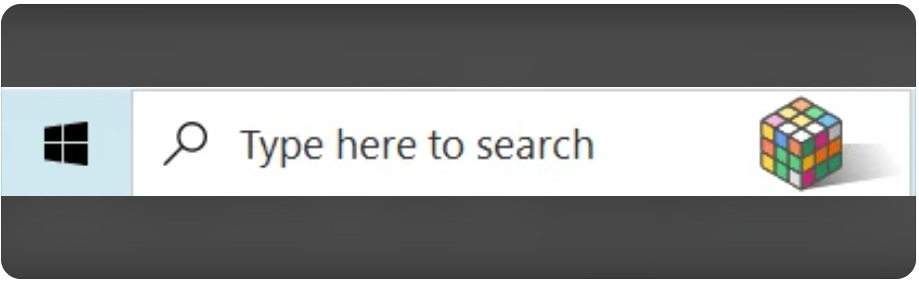
The built-in search bar for Microsoft had this little logo there for days. I didn’t notice because, honestly, I never use that search bar. But I happened to spot the Rubik’s cube yesterday and I was very confused.
Green, orange, white, yellow, dark pink, light pink, dark blue, light blue…
Many commenters pointed out that the colors are probably the result of shading to create the three-dimensional effect. Several even proved the pattern was legitimate by posting their own Rubik’s Cubes to match. (Although at least one was a tongue-in-cheek posting of a cube with the stickers moved and reattached.)
The cube appears to be modeled on the World Logic Day logo from 2024, based on the color choices, but the shadow effect really makes it look like a child had a coloring book page with a blank cube and just scribbled in it willy-nilly.
So maybe, in the future, on World Logic Day of all days, we could avoid making one of the most recognizable puzzles on the planet look weird?
UNLESS.
gasp
Unless it was intentional.
Unless this was all a master plan to raise awareness of World Logic Day by provoking neurodivergent thinkers with an image practically guaranteed to annoy them, thereby causing them to click on the image, driving more attention to World Logic Day!
Stranger Things has come to its epic conclusion (planned follow-up shows aside), and it has absolutely made an impact on pop culture.
Part of the show’s lasting legacy is introducing people to roleplaying games, specifically Dungeons & Dragons. Yes, shows like Freaks and Geeks and Community got there first, not to mention the sitcom juggernaut The Big Bang Theory, but I don’t know that any of them made the experience as accessible to new viewers as Stranger Things did.
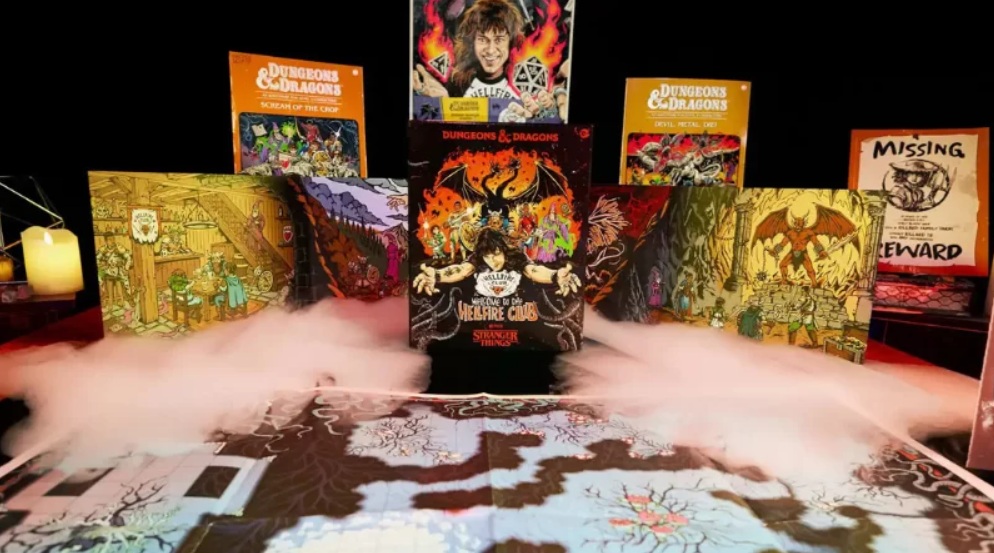
Heck, there’s been two different Stranger Things/D&D starter packs to bring those new players into the fold!
And it got me thinking about D&D moments in movies and television shows.
Not moments that mention D&D or its lore or show gameplay or anything like that. I mean moments that FEEL like someone playing D&D.
There are certain moments in pop culture that feel like a D&D solution to a problem, as if this exact scenario appeared in a D&D game and this was the solution devised by the players.
It’s hard to define exactly what makes a scene in TV or cinema FEEL like a D&D moment. Sure, you can pick any buckwild action movie like Crank or Shoot ‘Em Up or Hardcore Henry or Mad Max: Fury Road, but for all the big setpieces and chaotic energy in those films, they don’t necessarily FEEL like a D&D game.
But these scenes definitely do.
It’s only natural to start with a scene from Stranger Things. In season 4, the heroes infiltrate the Upside Down to stop Vecna and try to rescue Max, but they need a distraction.
So, naturally, Eddie performs a wicked guitar solo and blasts metal music to distract the bat creatures and help Steve, Robin, and Nancy get closer.
This feels like such a D&D move for a bard to do, performing a badass yet ridiculously out-of-place musical number in order to help the party.
In the dead zone between the films Pitch Black and 2013’s Riddick, there was the film Chronicles of Riddick, detailing Vin Diesel’s antihero adventures after the events of Pitch Black.
In the film, we’re told this prison planet is so scorchingly hot that it’s uninhabitable, and you’re surely die within moments.
So naturally Vin Diesel’s character dumps a bottle of water over his back and swings into a canyon through the direct sunlight, and the water saves him. It feels like such a D&D player solution to the problem.
Viewer warning: language.
A ridiculous big-swing attack is also a D&D hallmark, so there’s a scene from The Boondock Saints that comes to mind.
In this film, two brothers become vigilantes and begin hunting down criminals. When several mobsters show up after the brothers got the better of them in a bar fight, Connor is handcuffed to a toilet while the thugs drag off Murphy.
So, as you might expect, Connor rips the toilet out of the floor, then carries it to the rooftop, dropping the toilet and then leaping, still handcuffed, onto the thugs, saving his brother.
There has never ever been a game of D&D without at least one player throwing themselves off a high thing and leaping onto the bad guys, gravity be damned. It’s a classic trope.
I reached out to several of my fellow roleplayers for suggestions of other scenes that feel like D&D, and they had two excellent recommendations.
The first is this hilarious sequence from Three Amigos!, where our heroes (?) meet the Singing Bush and encounter the Invisible Swordsman.
It goes so perfectly wrong, and every player has seen a quest go pear-shaped in similar fashion.
There are a lot of scenes from Galaxy Quest that could fit the bill, given that you have a bunch of actors pretending they’re characters from a Star Trek-like sci-fi show.
My friend Troy recommended the scene where Commander Taggart and Dr. Lazarus pretend they’re fighting (like their characters did in an episode) in order to distract the guards and ambush them. They do an awful job, but the ruse still succeeds.
But I think my favorite is the rock monster scene shown above. The panic, the fumbling around for a solution… it’s all so D&D.
So, fellow players, do you have any favorite scenes from film and TV that FEEL like D&D play, either in execution or silliness? Let us know in the comments section below. We’d love to hear from you!
New year, new… blog post. (Sorry for anyone who was hoping for a new me. It’s just the same ol’ friendly neighborhood puzzle nerd.)
Happy New Year cruciverbalists, gamers, RPGers, and puzzle enthusiasts!
Let’s ring in the new year right, with Lily Hevesh’s domino rendition of Auld Lang Syne:
So, with everyone thinking of New Year’s resolutions and (hopefully) feeling positive for the year to come, what does the future hold for PuzzCulture?
Honestly, I’m not sure, but I would like to share some of my goals (puzzly and otherwise) for 2026.
Ideally, writing them publicly will be an incentive to work harder and bring these goals to fruition! There’s nothing quite like braingaming yourself into genuine productivity!
Keep a running tally of puzzles solved
I’m genuinely curious how many puzzles I solve in a calendar year, so I’m going to keep track of my puzzles per week, just for the delightful data. Maybe I’ll learn something about myself or the puzzle world from it!
Read two books a month
When I commuted by train every day to work, I used to read an average of 5 books a week. (250 books a year was a regular occurrence!) But when the pandemic hit and I started working from work, my reading frequency PLUMMETED. I’m hoping to get back into it and read two books a month. (One a week feels a bit too ambitious, but who knows?)
Double the PuzzCulture readership and grow our social media presence
2025 was a good year for us across the blog and social media, but we can always do better. So if there’s something you’d like to see, or something you’re enjoying that you’d like to see more of, please say so!
Construct one puzzle each month for the PuzzCulture readers
I usually create a puzzle for the major holidays, but this year, there will be a puzzle to solve each month (probably near the end of the month for my own sanity). Any favorite puzzle types? Let me know!
Submitting a crossword for publication
Publishing a crossword is a lofty goal, one that is mostly out of my hands. But submitting something I think is publishing-worthy… that’s an achievable goal, even if it doesn’t end up making the cut at one of the major outlets.
Finish at least four short stories
Half-finished stories have piled up over the last two years, and I need to get these brainworms out to make room for exciting new brainworms!
I love solving tournament puzzles (as you can tell from my reviews), but except for Crossword Tournament From Your Couch, I’ve never competed. Travel is tough for me, but I think I’m gonna take a shot and attempt an At-Home solve for one of this year’s tournaments. I’ll keep you posted!
Do you have any puzzly (or non-puzzly) goals for 2026? Let me know in the comments section below. I’d love to hear from you!
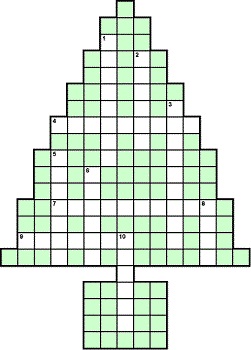
It’s Christmas Day, fellow puzzlers, and it’s tradition around here to celebrate the holidays with a free puzzle to solve!
This year is no exception, as I’ve cooked up something festive and fun for you.
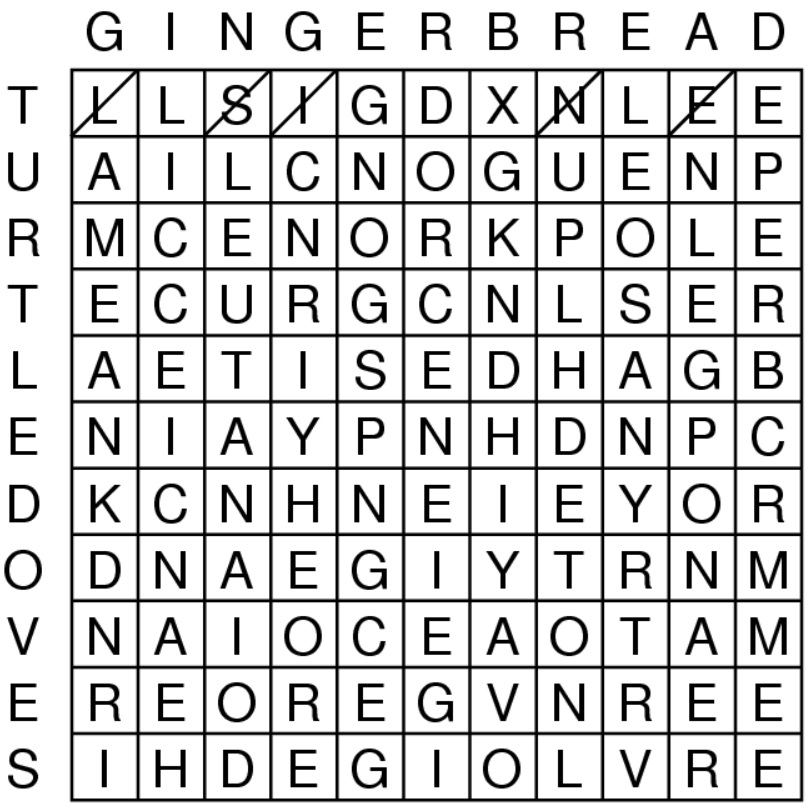
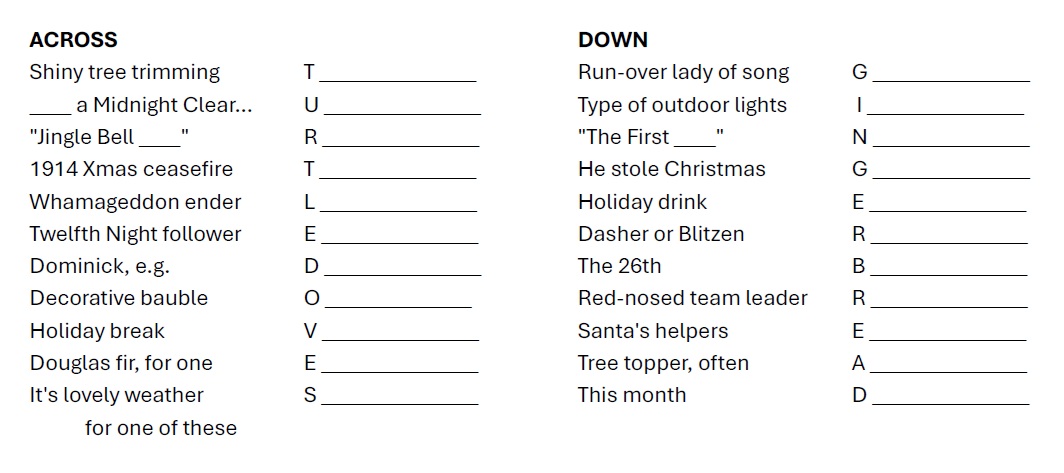
Our friends at Penny/Dell Puzzles have a puzzle called Wordfinder, and when I thought of it, I immediately had the idea to do a holiday-themed version of it.
Merry Christmas, friends. May the holidays be kind to you.
The answers to the clues are in the diagram in their corresponding rows across and down, but the letters are rearranged and mixed together. Each letter is used only once, so be sure to cross it out when you have used it. All the letters will be used. Solve ACROSS and DOWN together to determine the correct letter where there is a choice. The first letter of each word is shown outside the diagram and next to each clue. The first answer, TINSEL, has been filled in as an example.
We’ve got all sorts of crossword-related news, updates, and stories for you today! Buckle up, and let’s talk xwds!
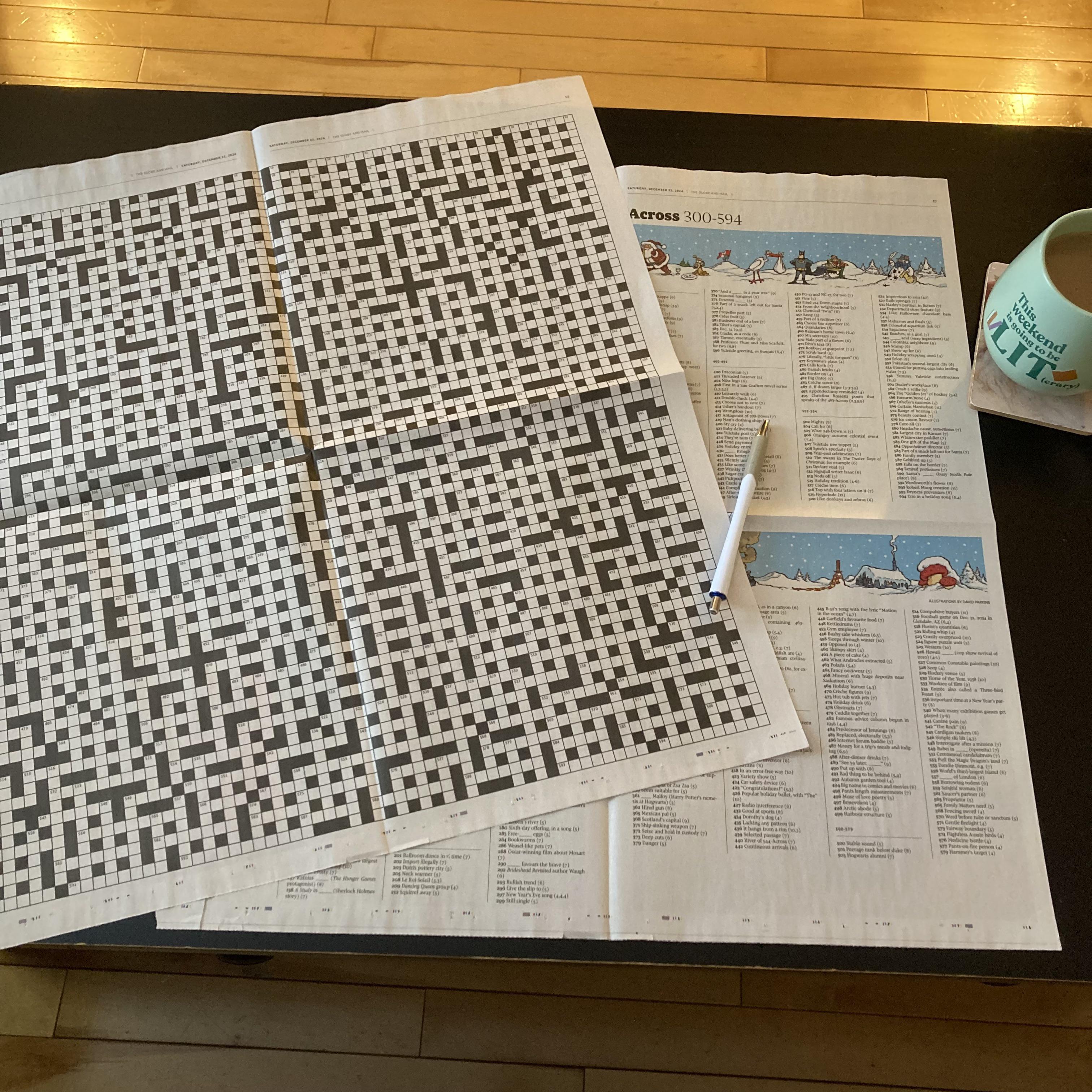
The Globe and Mail’s Annual Giant Holiday Crossword
Every year, constructor Fraser Simpson creates a giant holiday crossword for Canadian newspaper The Globe and Mail. He has been doing so since 2003, so for many Canadian crossword and cryptic fans, this is a decades-long holiday tradition!
Not only is it enormous, but it’s visually striking, as he uses a cryptic-style grid, but American-style crossword cluing.
With 628 clues and entries, this puzzly behemoth will no doubt tax even the hardiest crossword enthusiasts!
And The Globe and Mail is offering a behind-the-scenes look at their constructing process, including an introduction to cluing styles for new solvers!
While it won’t be anything new to crossword enthusiasts or established constructors, it’s still cool that they’re willing to pull back the curtain on one of their biggest promotions of the year. Demystifying crosswords just means more people get to enjoy the puzzles we love so much. And that’s a very good thing.
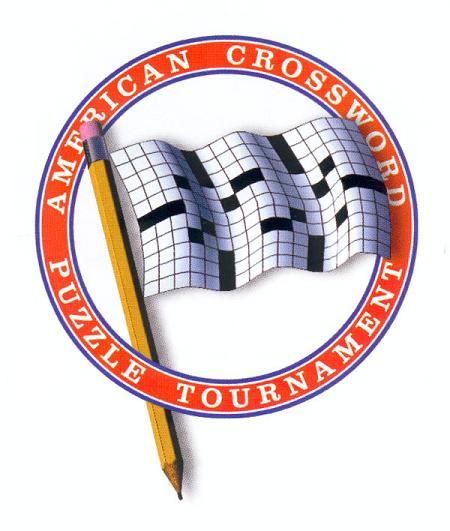
ACPT, Boswords Winter Wondersolve, and Puzzmo’s Open Submission Week
Just a quick reminder of all the puzzly opportunities awaiting you at the end of this year and the start of 2026!
#1: Puzzmo is holding their next Crossword Open Submission Week from December 29th to January 5th, 2026, with new and established constructors all welcome to submit their puzzly creations.
Themed and themeless puzzles are welcome, as long as they fit Puzzmo’s specs, and the Puzzmo team has created an impressively thorough document to assist aspiring constructors with their efforts. Grid specs, examples of previously published puzzles, and more await anyone hoping to see their work pop up on Puzzmo.
This online only, four-puzzle tournament (3 themed puzzles and 1 themeless) kicks off another year of puzzly events from the Boswords team, and there’s plenty to enjoy.
They’ve already announced the team of constructors lined up for this year’s Winter Wondersolve: Adam Aaronson, Wendy L. Brandes, Pao Roy, and the team of Amanda Rafkin & Amie Walker!
Boswords never disappoints, so be sure to sign up early for this one!
Making a crossword for your partner is a wonderful gift, and I’m sure the significant others of many puzzlers have either commissioned a special crossword or taken the leap and constructed one themselves!
So it was delightful to read a story where BOTH partners had the same idea.
Yup, each of them had constructed a crossword for the other in secret, revealing their linguistic efforts at the same time.
How can you not love a story like that?
Even better is the top comment on Reddit, where this anecdote first appeared: “Your shared disregard for symmetry tells me you were meant for each other.”
Clearly it’s a match made in puzzle heaven.
What are you looking forward to in the world of puzzles for 2026, fellow solvers? Let us know in the comments section below! We’d love to hear from you.
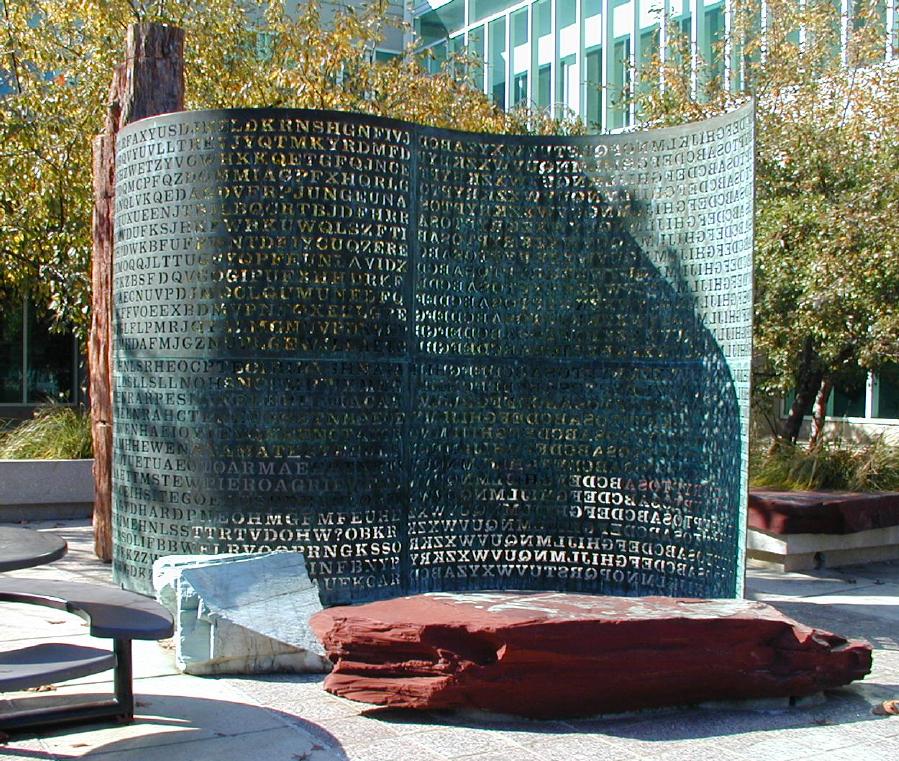
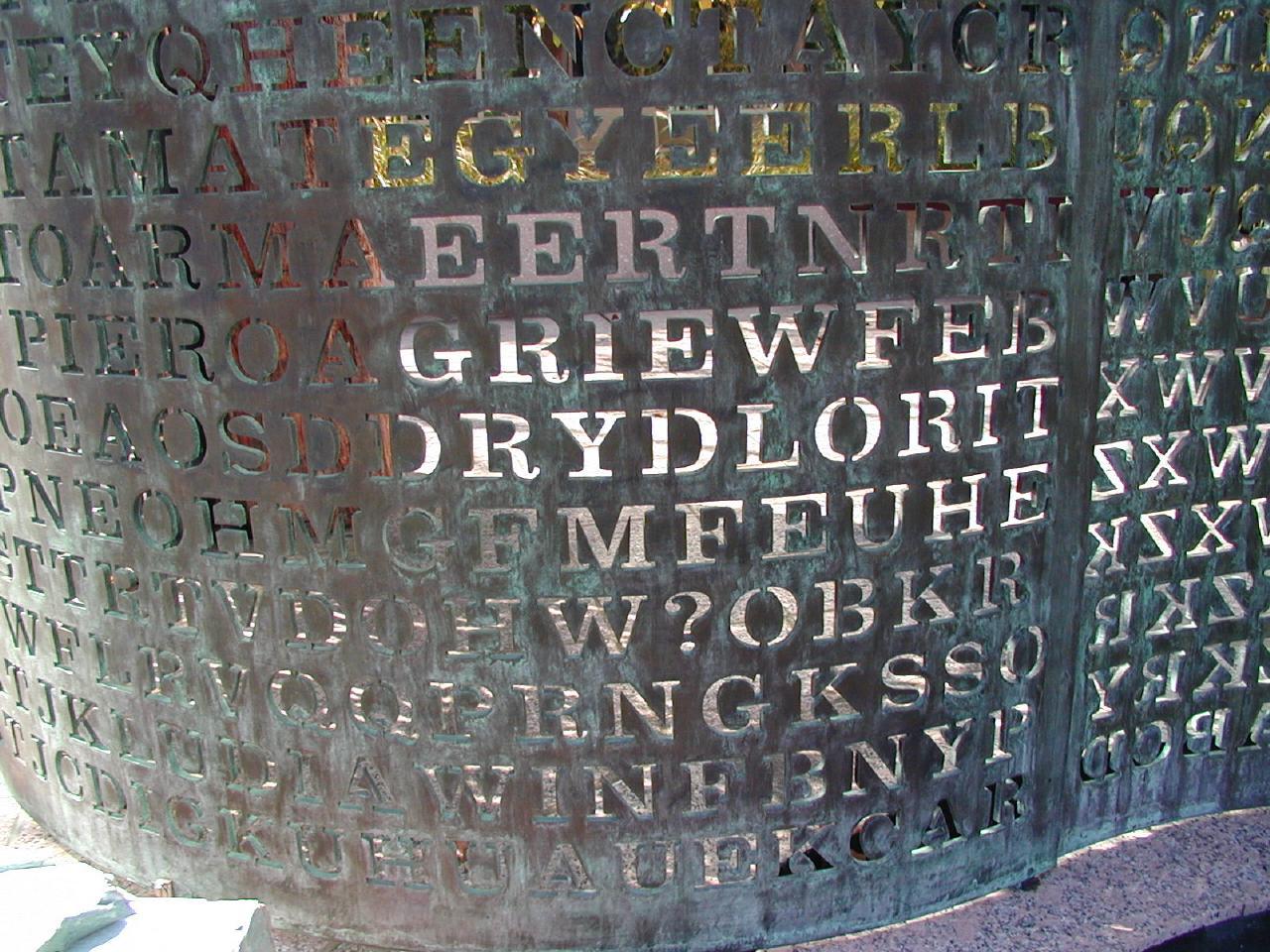
Kryptos is one of the great remaining unsolved puzzles.
A flowing sculpture made of petrified wood and copper plating, sitting over a small pool of water. That’s what you see when you look at Kryptos.
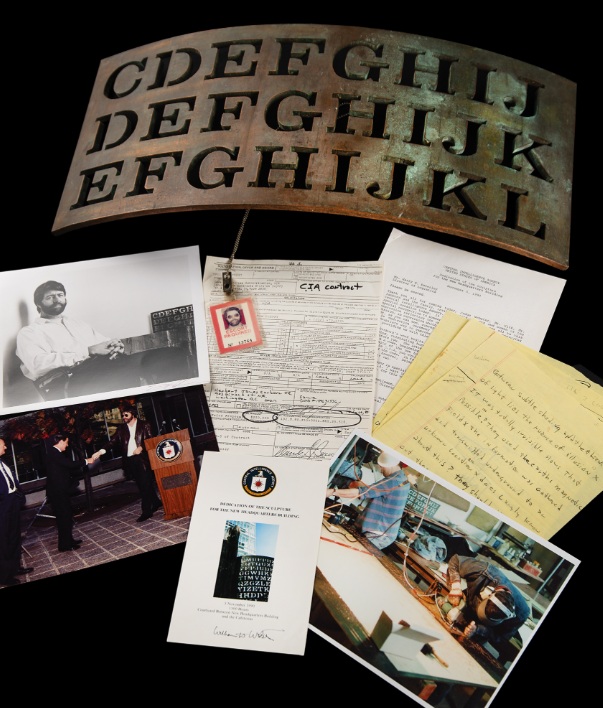
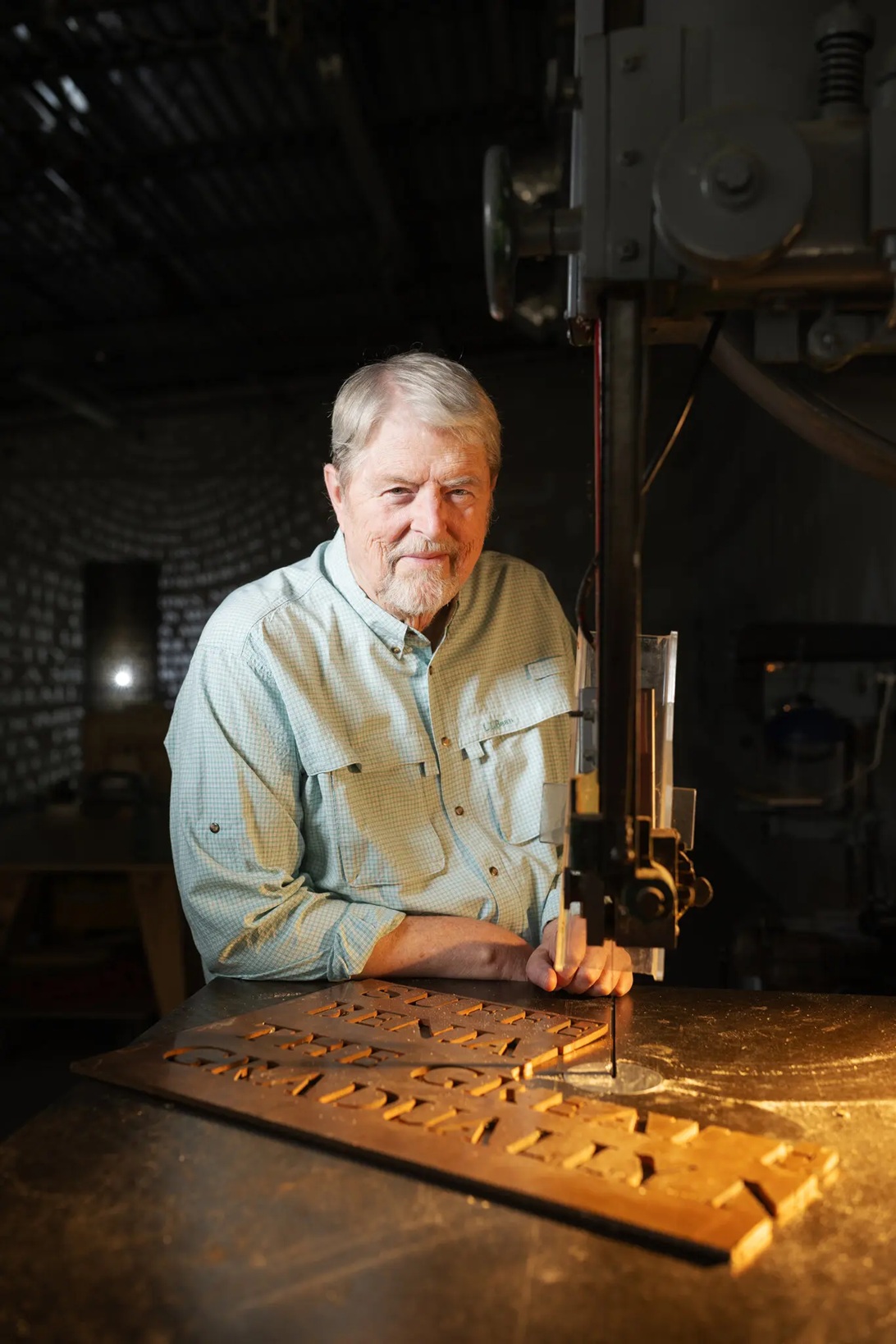
It was revealed to the world in 1990, coded by former chairman of the CIA’s Cryptographic Center Edward Scheidt, and designed by artist Jim Sanborn. Designed to both challenge and honor the Central Intelligence Agency, for decades Kryptos has proven to be a top-flight brain teaser for codebreakers both professional and amateur.
Of the four distinct sections of the Kryptos puzzle, only three have been solved.
After a decade of silence, a computer scientist named Jim Gillogly announced in 1999 that he had cracked passages 1, 2, and 3 with computer assistance. The CIA then announced that one of their analysts, David Stein, had solved them the year before with pencil and paper. Then in 2013, a Freedom of Information Act request revealed an NSA team had cracked them back in 1993!
A curious game of one-upsmanship, to be sure. Something that foreshadowed what would follow years later…
Unfortunately for puzzle fans, K4 remained unsolved.
Eventually, Sanborn began offering hints. In 2006, he revealed that letters 64 through 69 in the passage, NYPVTT, decrypt to “Berlin.” In 2014, he revealed that letters 70 through 74, MZFPK, decrypt to “clock.” In 2020, he revealed that letters 26 through 34, QQPRNGKSS, decrypt to “northeast.”
On November 20th, 2025, the solution to Kryptos sold to an anonymous bidder for $962,500, far above the predicted $300,000 – $500,000 estimate from the auction house.
At the moment, we don’t know if this anonymous bidder will reveal the solution or become the new keeper of the mystery.
You might think that the story of Kryptos would conclude there, for the moment.
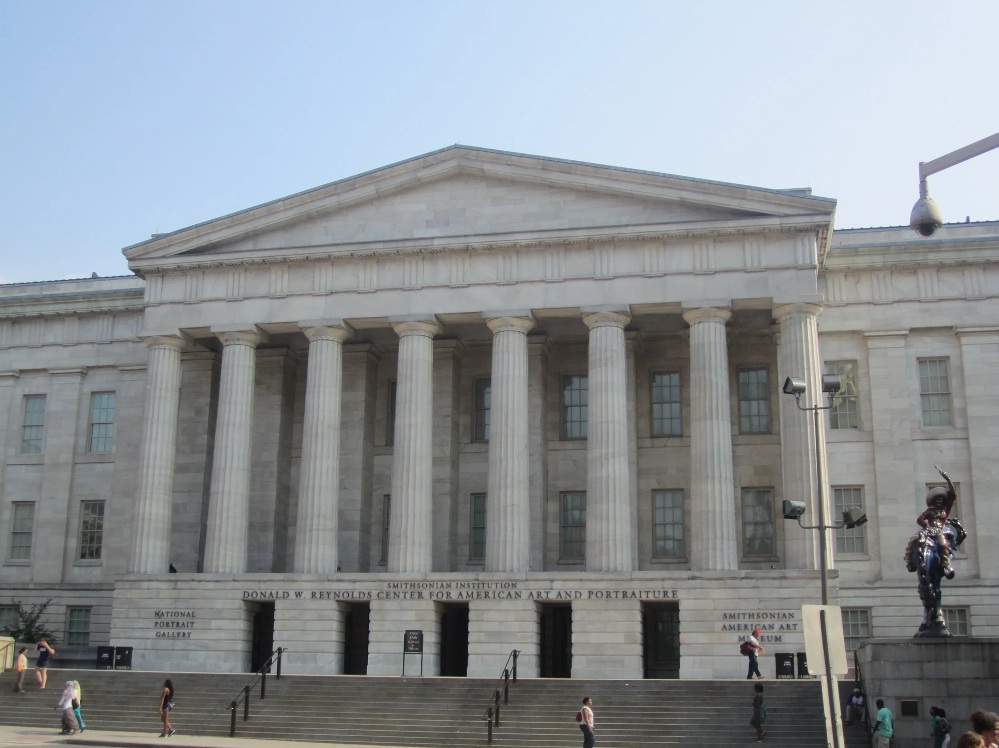
On September 3rd, not long after I wrote about the upcoming auction, Sanborn received an email with the solved text of K4 from Jarett Kobek and Richard Byrne. They had discovered the solution among Sanborn’s papers at the Smithsonian’s Archives of American Art, after the auction house had mentioned the Smithsonian in their auction announcement.
Kobek and Byrne had discovered Sanborn’s accidental inclusion of the solution in the papers donated to the Smithsonian ten years ago during his treatment for metastatic cancer. “I was not sure how long I would be around and I hastily gathered all of my papers together” for the archives, he said.
Suddenly, the auction was in doubt.
Sanborn confirmed to Kobek and Byrne that they indeed had the correct solution. Later that day, he proposed they both sign non-disclosure agreements in exchange for a portion of the auction’s proceeds. They rejected the offer on the basis that it could make them party to fraud in the auction.
Sanborn reached out to the Smithsonian and got them to block access to his donated materials until the year 2075, to prevent others from following in Kobek and Byrne’s footsteps and further endangering the auction. Meanwhile, lawyers for RR Auction threatened Kobek and Byrne with legal action if they published the text.
Sadly, Kobek and Byrne had been put in an impossible position. They have the solution that diehard Kryptos fans have desired for decades, and the possibility of coercing them into revealing the solution is hardly low. Sanborn’s computer has been hacked repeatedly over the years, and he has been threatened by obsessive fans, even claiming he sleeps with a shotgun just in case.
The auction house did disclose the discovery of K4’s solution to the bidding public, as well as the lockdown of the Sanborn archive at the Smithsonian’s Archives of American Art.
All parties waited to see what would transpire.
Still, with all this uncertainty looming, the auction closed with its $900,000+ bid, and thus far, neither the anonymous bidder nor the team of Kobek and Byrne have released the solution.
Byrne and Kobek say they do not plan to release the solution. But they are also not inclined to sign a legally binding document promising not to do so.
I waited to write about this story in the hopes that something would have been resolved in the weeks following the auction’s conclusion. But sadly, K4’s solution — and Kobek and Byrne’s potential roles in revealing it — remain unknown at the time of publishing this post.
Despite all this, the fact remains: Kryptos fans haven’t cracked K4.
But they know of four possible sources to find the solution: the Smithsonian (which is locked down), the anonymous bidder (similarly inaccessible), Sanborn (who has been fending them off for decades) and sadly, Kobek and Byrne, who remain in the crosshairs of the media, lawyers, and Kryptos enthusiasts. The pressure is mounting.
Jim Sanborn, until recently the steward and keeper of the Kryptos solution…
I suppose the best case scenario would be for someone to legitimately crack K4 and release their solution AND method for solving it.
That would free Kobek and Byrne from their burden and potential legal repercussions. That would be the triumph hoped for when Kryptos was conceived. The auction’s validity would remain intact.
Because even if the plaintext solution is revealed and someone reverse-engineers how it was encrypted, it’s a damp squib of an ending. Kryptos wasn’t solved. It wasn’t figured out. It would be a disappointing way for a rollercoaster of story to wrap up.






 PuzzCulture