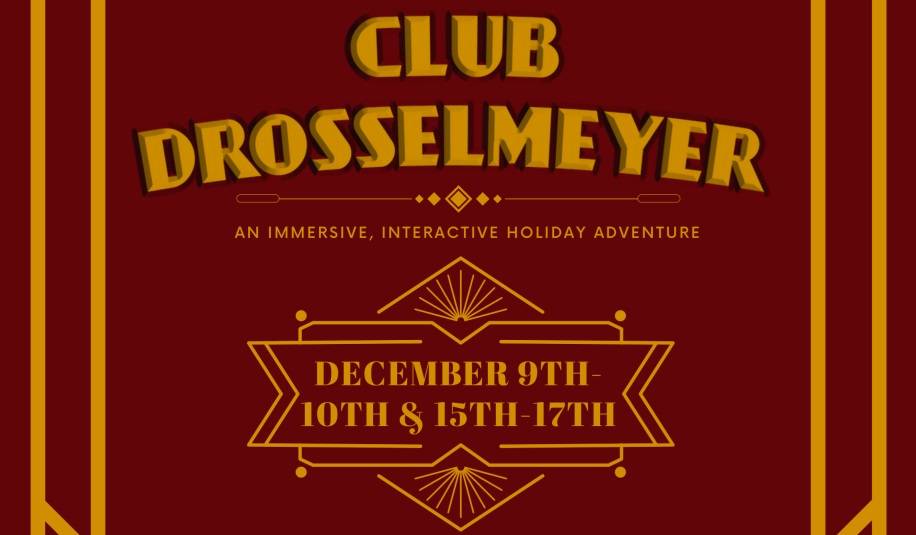
Club Drosselmeyer 1941 is Coming!

You are cordially invited…

If you’re a puzzle fan, you’re absolutely spoiled for choice when it comes to puzzly events to explore. Crossword tournaments, treasure hunts, escape rooms, puzzles by mail, puzzles by email, puzzles on your phone.

But I guarantee you’ve never experienced anything like Club Drosselmeyer.
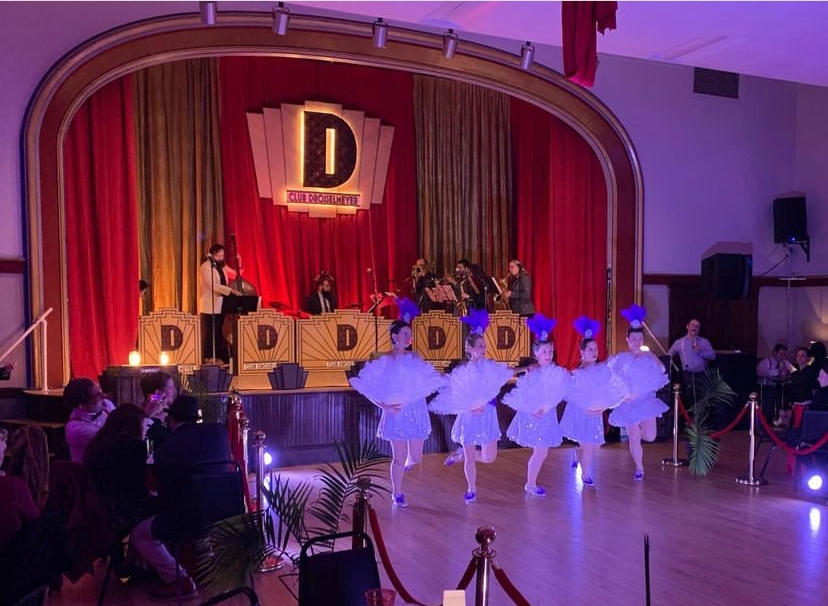
Imagine getting all gussied up in your best 1940s-era-appropriate garb and grabbing your tickets before heading out to a show in Cambridge, Massachusetts.

What kind of show, you ask? Well, a vaudeville-style variety show with live music, enchanting and exciting performances, and all sorts of mysteries and intrigue playing out before your eyes, all set during the heady days and nights of World War II.

And what if there was an elaborate puzzle hunt tying the entire event together?

In a nutshell, that’s a Club Drosselmeyer event.
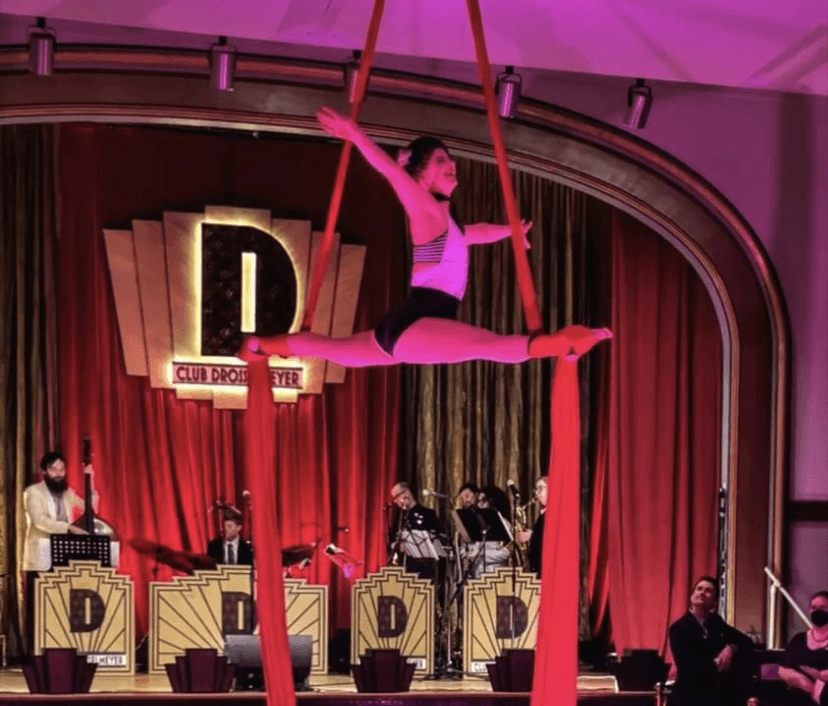
And tickets are on sale now for their latest immersive show!

There are performances set for December 6th, 7th, 8th, 13th, and 14th for a two-hour whirlwind of puzzly theatricality. As the organizers themselves say, “Prepare yourself for another season of magic and mayhem, romance and revelry, champagne and sugarplums.”

Although I’ve never gotten to attend a Club Drosselmeyer event in person, a few years ago I participated in their virtual Club Drosselmeyer Interactive Radio Broadcast of 1943, and it remains one of my all-time favorite puzzle experiences.

I enjoyed two hours of wonderful music while tracking a rogue flying toaster, unraveling a criminal conspiracy during an air raid, decoding secret messages, helping a starlet choose the right lipstick for her show, and even performing a magic trick!
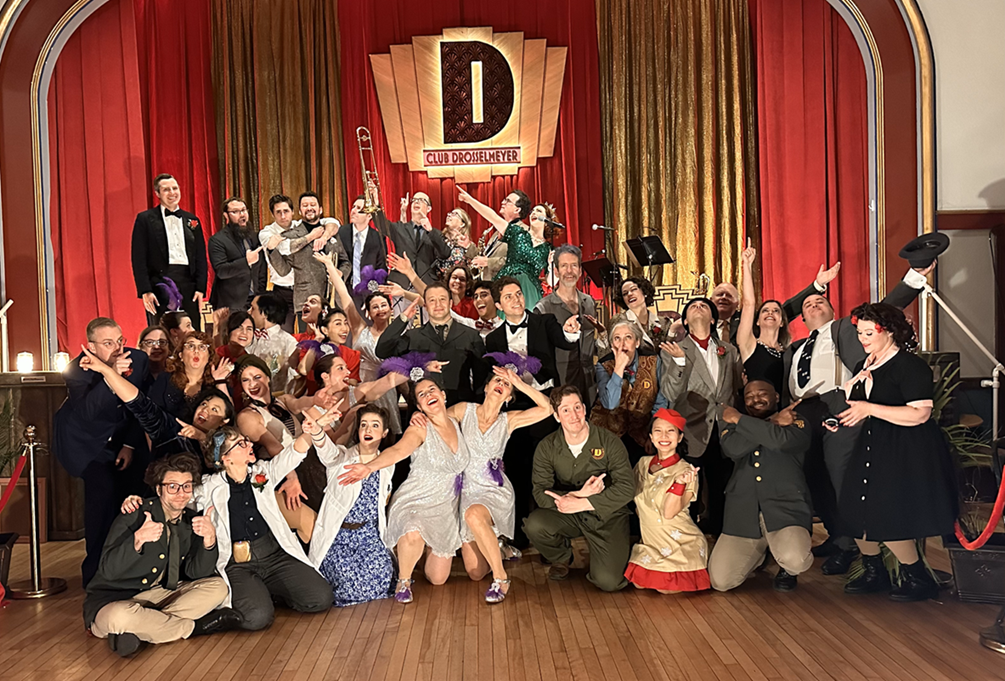
This year, they promise all sorts of fun surprises:

Our team is already hard at work choreographing dances and magic, crafting costumes, updating sets, building puzzles, writing insane stories and figuring out how to rope YOU into plots of espionage, military secrets, traitors, heroes, women’s rights, romance, technology, loyalty, ambition and movie stars. The band will be swinging, the drinks will be strong and you will look fabulous.

Club Drosselmeyer is run by a small and incredibly dedicated group of writers, performers, puzzlers, and musicians who put their all into this event every single year, and I simply cannot sing their praises loud enough.

Check out their website for more details and information on previous Club Drosselmeyer events. You will not be disappointed.

Two Epic Treasure Hunts Come to an End!

Image courtesy of Go.ActiveCalendar.com

Boy, it’s been a good week to be a treasure hunter!

First, the trophy stashed away in Massachusetts by Project Skydrop was found.

This trophy, valued at $26,000, is only part of the prize, since the trophy contained a code that granted the lucky treasure hunter who found it access to a prize pool of over $87,000! This prize pool was composed of entry fees from the many treasure hunters who signed up for the hunt.

Since the prize was found faster than Project Skydrop organizers predicted, they offered $100 each to the first twenty people to guess the exact coordinates of the now-claimed treasure. The deadline for that second-place prize is today, so I’m definitely curious how many folks were able to claim that c-note.

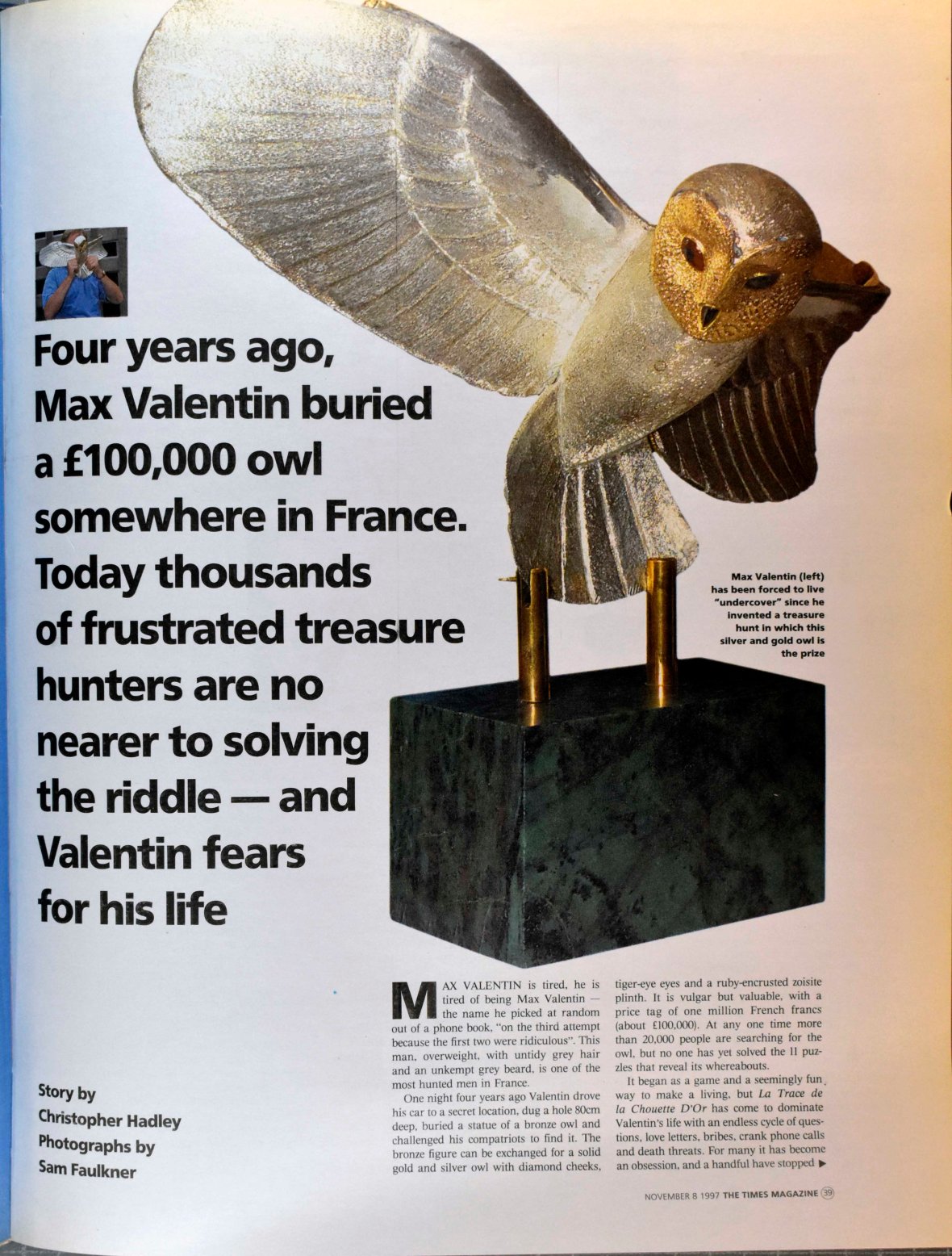
But that was only the beginning of big treasure hunt news, as the hunt for the Golden Owl has also reportedly come to an end.

In 1993, the book On the Trail of the Golden Owl was published, igniting a thirty-year search for the titular owl. Solvers had to parse Max Valentin’s eleven riddles to locate the owl, and for decades, the prize eluded even the most ardent solvers.

Hilariously, the creator intended for the hunt to last for only a few months, open to both amateur hunters and experts. “If all the searchers put all their knowledge together, the owl would be found in… two hours”. This sounds like the folks behind Monopoly who claim the game can be played in 45 minutes.

Three years ago, the artist for the original book, Michel Becker, took over the hunt from author Regis Hauser (aka fictional treasure hunt creator Max Valentin), going so far as to dig up the owl to confirm it was still there.

There was supposed to be a bronze owl there (to be exchanged for the actual golden owl, worth over $100,000), but Becker found a rusty iron one instead. He replaced it with a bronze owl, buried it, and continued the hunt for another three years. Chouetteurs — the owl-seeking treasure hunters — got back to work.

Until last week when the owl was finally discovered.

As reported by the BBC, the hunt came to an end in France on October 3rd. Details have been scarce, and hunters around the world have been told to stop looking.

“We confirm that the replica of the golden owl was dug up last night, and that simultaneously a solution has been sent on the online verification system… It is therefore now pointless travelling to dig at any place you believe the cache might be situated.”

Some solvers are relieved that the hunt is finally over, while others are skeptical, believing that instead of hard work and puzzly grit, the prize was found by metal detector instead (which would be expressly against the rules). Still others are disappointed not to have more information, if only to see how tantalizingly close they may have gotten to the correct solution.

The trials and tribulations of the hunt over the years have only added to its legend.

The puzzle hunt lasted so long that it outlived the original publisher of the book, which caused the golden owl to be seized as a bankruptcy asset, something that required four years of legal wrangling to resolve.

The hunt also sadly outlived its creator, who passed in 2009. Some chouetteurs blame the stresses of legal proceedings surrounding the hunt for hastening the death of Hauser.

Two years later, it took the dedicated efforts of a group of treasure hunters to prevent Becker from selling the owl, forcing judicial intervention and saving the hunt from a premature end.

What a saga.

With the end of both the Golden Owl hunt and Forrest Fenn’s treasure hunt a few years ago, this leaves The Secret as the longest ongoing puzzle hunt in the world at this time.

But maybe some intrepid puzzler out there is already cooking up the next great puzzly treasure hunt. I suppose only time will tell.

The Crosswordese Champion?

Crosswordese is an omnipresent part of crossword discussion online.

It’s a scourge! It’s annoying! It ruins the solving experience! Can’t constructors just somehow avoid these particular three- and four-letter combinations, no matter how convenient or crucial they are to the grid?!

Rarely a week goes by without a Reddit post dedicated to the subject or a prominent complaint about some aspect of grid fill in one of the blogs/outlets dedicated to covering the daily crosswords.

And it’s understandable. Whether it’s yet another directional clue or a team’s abbreviation on a scoreboard, some entries just irk people. It raises their ire.

Oh no! The crosswordese is slipping into my everyday vernacular!

Quick, summon some longer vocabulary that’s not conducive to crosswording. Gumption. Hurly-burly. Syzygy. Defenestration.

Phew! That’s better. Now where was I?

Right, crosswordese.

I was pondering the plague of crosswordese, and it occurred to me that there’s probably one particular source that has contributed more crosswordese than any other.

But what could it be?

There’s the music industry, of course. There are loads of musicians common to crosswords: ARIE, ENO, SIA, ARLO, ENYA, DRE, ETTA, ELLA.

The same thing goes for celebs. UMA, ANA, ESAI, INA.

The sports world has its own infamous crosswordese as well: ORR, OTT, PELE, ELS, ITO, ALOU, AROD, ASHE, ILIE, SOSA, YAO, ISAO AOKI.

But those are huge swathes of pop culture. Is there a single pop culture property that has helped (or hindered, according to critics) crosswords the most?

There are a few that come to mind.

Peter Pan offers not just PAN, but SMEE, HOOK, TINK, and NANA.

The Beatles gave us ONO, STARR, and SGT (for Pepper).

Lord of the Rings is certainly worth mentioning, adding ORC, ENT, and LOTR.

Game of Thrones was ubiquitous at one point, helpfully resurrecting OONA and adding ARYA (and to a lesser extent BRON, SANSA, HODOR, and CERSEI).

Then there are some serious heavy-hitters.

The Simpsons has NED, MOE, APU, OTTO, EDNA, and STU (of the Disco variety).

On the sci-fi side, Star Trek offers WORF, TROI, LEVAR, LUC (as in Jean-__), and options for USS. Star Wars is handy as well, with ARTOO, REY, EWOK, POE, HAN, and LEIA.

Not to be outdone, M*A*S*H has plenty to offer: SWIT, ALAN ALDA, FARR, RADAR, and of course NEHI.

I considered awarding the Crosswordese Crown to one of the franchises above, but it occurred to me that I might have to look back a little farther to find the Crosswordese Champion.

Okay, a lot farther.

Some might take issue with me calling the Bible part of pop culture, but there’s no denying its influence in crosswords: LEAH, CAIN, ABLE, ADAM, EVE, ESAU, NOAH, ENOS, EDEN…

That’s a pretty impressive list of crossword regulars.

And yet…

My gut says I might have to give credit to Roman Numerals as a whole. I mean, has any single cultural/pop cultural entity saved more cruciverbalists who’ve constructed themselves into a corner?

And has ANY solver cheered or celebrated when seeing a clue featuring a math equation AND Roman Numerals?

The balance of crosswordese gibberish and solver disinterest just might tip the scales here.

What do you think, fellow puzzlers? Is it the Bible, Roman Numerals, or another source that I missed? Let me know in the comments section below!

Heardle, Hurtling Toward the Internet’s Future

With Wordle’s surging popularity earlier this year came a slew of derivatives like Nerdle, Queerdle, and Trekle, all fighting for second place in the guessing game spotlight. Heardle, it seems, was the real breakthrough hit. Launched in February by product designer Glenn Angelo, Heardle gives listeners six tries to figure out a song’s identity, based on increasingly lengthy clips from the song’s intro. Angelo’s initial inspiration was just the pun of the name, though the concept can be traced back to the television game show Name That Tune,or to its radio-based predecessor, Stop the Music.

Like Wordle, Heardle updates daily, uniting players in listening to a single song together, creating the illusion of people all over the world huddling around the same jukebox. Some days unite the crowd more than others, depending on how avid a tune’s fanbase. I’ve recently seen a couple of different viral social media posts excitedly imploring people to play the day’s Heardle, once when it featured One Direction’s “What Makes You Beautiful,” and again when the answer was My Chemical Romance’s “Welcome to the Black Parade.” (Full disclosure: I recognized the One Direction song immediately.)

Student Gigi Vincent, who plays Heardle every day, explained the game’s appeal by contrasting it with the movie-clip trivia game Framed. She noted that while the brain behind Framed “clearly has a specific taste, so you can really narrow things down once you understand their repertoire, Heardle is more democratic [in its song choices], and therefore harder,” making for a compelling challenge.

Just as the strength of Wordle’s appeal lead to a purchase by The New York Times, Spotify has heard the acclaim for Heardle and snatched it up in response. This is Spotify’s first game acquisition—the company’s previous purchases have primarily been forms of podcast technology. Spotify’s press release about the acquisition quotes the company’s Global Head of Music, Jeremy Erlich, as saying “We are always looking for innovative and playful ways to enhance music discovery and help artists reach new fans.” According to the release, the company intends to eventually “integrate Heardle and other interactive experiences more fully into Spotify,” building on the eye-catching, meme-able feature of Spotify Wrapped to further gamify music streaming.

The illusion of democracy.

I spoke to media specialist, musician, and Heardle dabbler Sam Hozian about his strong disapproval of the acquisition. He said that it runs directly opposite to the Heardle ethos that Vincent highlighted above, elaborating, “Spotify is the anti-democratization of music. It creates an illusion of democracy because people have a sense that anyone can upload to Spotify and become a hit, but it’s one-in-a million that this will happen . . . It’s not easy for Spotify to make money off of independent artists,” so that’s not where the corporation puts its resources.

Hozian isn’t the only disapproving player. Last week, the BBC ran an article entitled, “Heardle Spotify move hits sour note with some fans.” Complaints lodged in the article include that winning streak stats have been deleted, and that the website is now showing as unavailable in some countries.

Joanna Newsom has been among Spotify’s most outspoken critics.

Until Spotify sees through its plans to more fully integrate Heardle, the main difference is that the challenging songs are now hosted by the streaming app itself, rather than by SoundCloud. Angelo’s original choice to use SoundCloud for the game was not politically motivated. Instead, he’s cited convenience as the reason; the SoundCloud player was quick and easy to set up within a day. SoundCloud, however, would seem to be more in line with Heardle’s democratic ethos. SoundCloud touts itself as “the first music company to introduce fan-powered royalties, where independent artists can get paid more because of their dedicated fans.” Compare this to oft-repeated criticisms that Spotify underpays artists for streaming their work.

Lest I sound like Spotify’s biggest detractor, rest assured that I am a daily user of the platform. Access to algorithmically generated playlists and the playlists of strangers worldwide opens the door to musical discoveries I would otherwise never have made. In this age of attacks on the Internet Archive, when the ubiquity of Amazon’s cloud services make fully boycotting Amazon an uphill battle, it’s tempting to go quietly into the future of the internet—a future in which everything is owned by a small handful of monopolies, pay-walled and demanding access to our IRL identities. Still, I believe that it is important to resist this new wave of the web in whatever ways you can. Maybe you’ll switch from Google Chrome to Firefox; maybe you’ll download some indie games; maybe you’ll give up Spotify for SoundCloud. We all have our parts to play in shaping the fair, equitable, weird, creative internet that we want to see.

infinitely more complex than any map of the path could ever be.


You can find delightful deals on puzzles on the Home Screen for Daily POP Crosswords and Daily POP Word Search! Check them out!

Thanks for visiting PuzzleNation Blog today! Be sure to sign up for our newsletter to stay up-to-date on everything PuzzleNation!

Puzzles in Pop Culture: The Escapism of White Collar

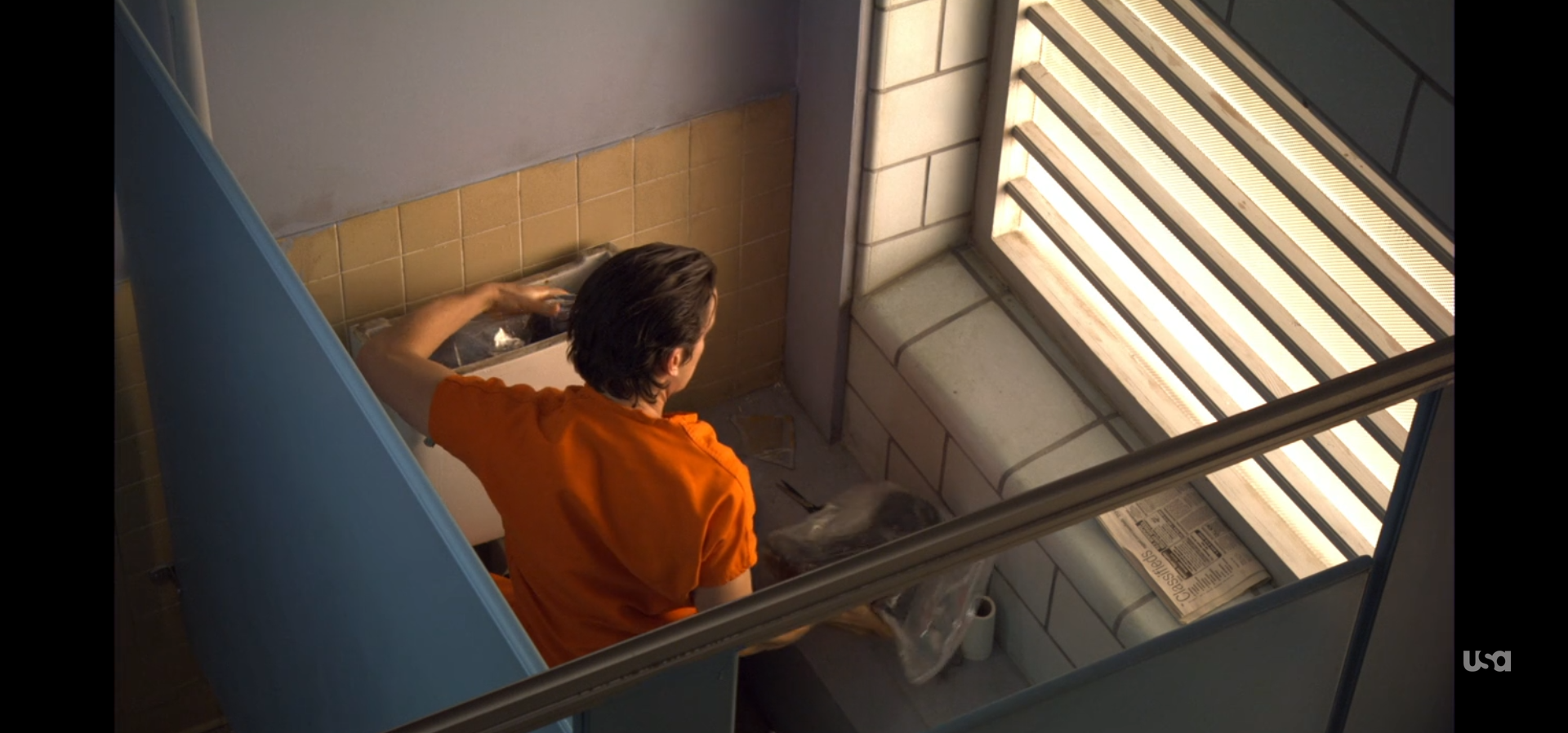
White Collar begins with an escape. Not from an escape room—the stakes are much higher; I’m talking about a prison break. Art thief, bond forger, and all-around con artist Neal Caffrey (played by Matt Bomer) has devised a plan to escape from his super-maximum security correctional facility. He changes his appearance rapidly by shaving, slicking his hair back, and donning a prison guard uniform stashed in a staff bathroom toilet tank. Accompanied by jaunty music, he strolls unrecognized past guards and fellow inmates. When he slides a key card through a gate’s reader, the light turns green. He’s free.

Four hours after Neal has disappeared into Manhattan, Peter Burke (Tim DeKay), the FBI agent who first arrested Neal, is called, and begins to interrogate the warden and marshals about the details of Neal’s escape on the way to Neal’s cell. Where did Neal get the guard uniform? Online uniform supply company. Where’d he get the credit card to buy the uniform? It belonged to the warden’s wife.

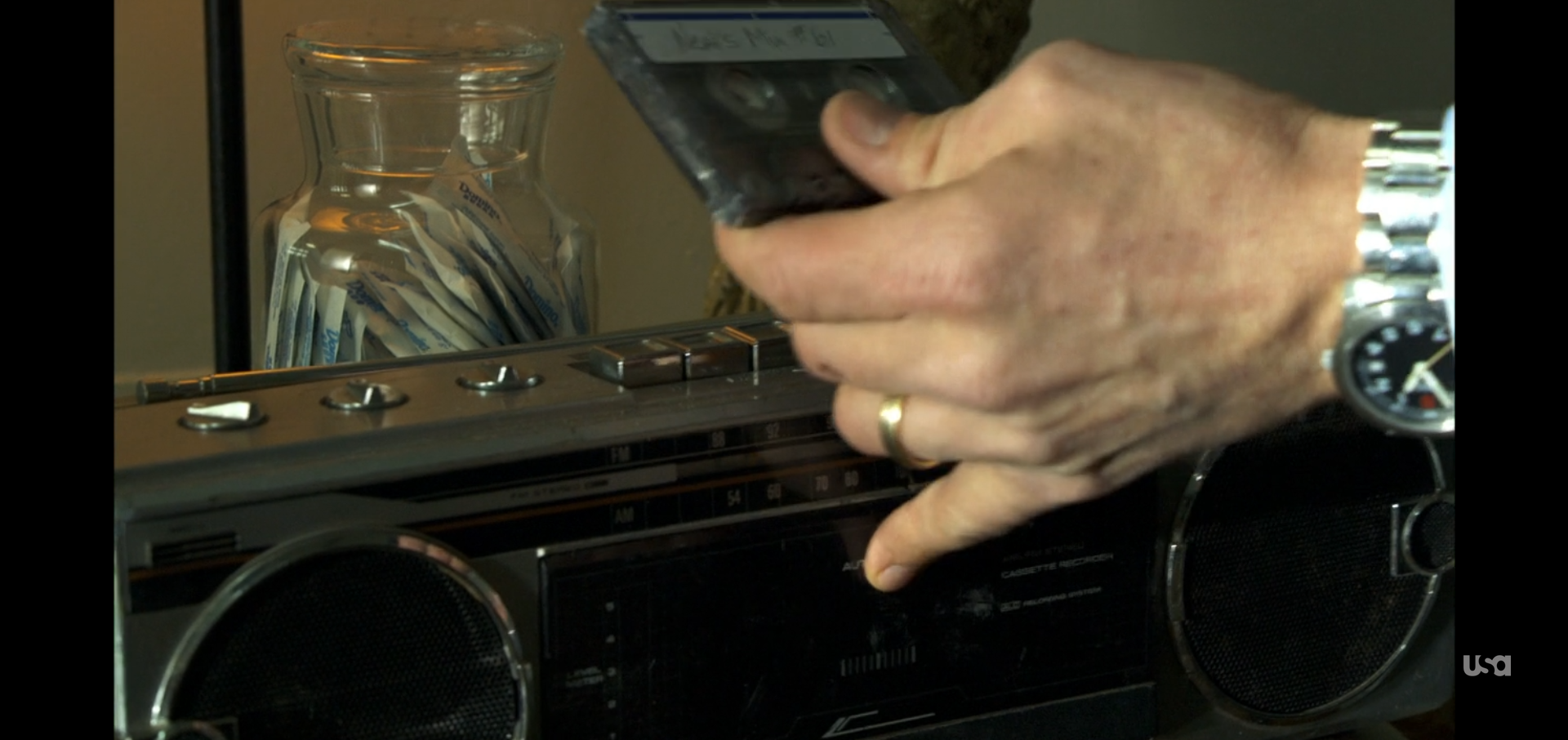
Neal’s cell is heavily decorated—with sketches, hash marks, poetry magnets. Where’d Neal get the key card for the gate? “We’re thinking he restriped a utility card using the record head on that,” the Warden says, nodding at the tape player. Peter examines the tape player, the wall decorations, the books and brochures on Neal’s bed. From all of the accumulated detritus of Neal’s imprisoned life, Peter begins to piece together where Neal would go and why. Neal’s escape was low on puzzles compared to an escape room, but the real puzzle comes now for Peter. Peter is an expert puzzler—his house is full of New York Puzzlethon trophies.

The solution is anticlimactic. Peter finds Neal on the floor of Neal’s ex-girlfriend’s emptied apartment, moping over her absence. Neal makes no further attempt to flee, but does make an opening gambit in the long game of securing his freedom; he asks Peter to meet with him back in prison if he can provide crucial intel on the elusive criminal Peter’s been chasing. What would have been four years in prison for running becomes four years released into Peter’s custody as an FBI consultant. With a GPS tracking device around his ankle, Neal walks into the sunlight once again. Thus, the show’s premise is established: Peter and Neal, FBI agent and con artist, taking down white collar crime together while going endlessly back and forth on whether they can trust one another.

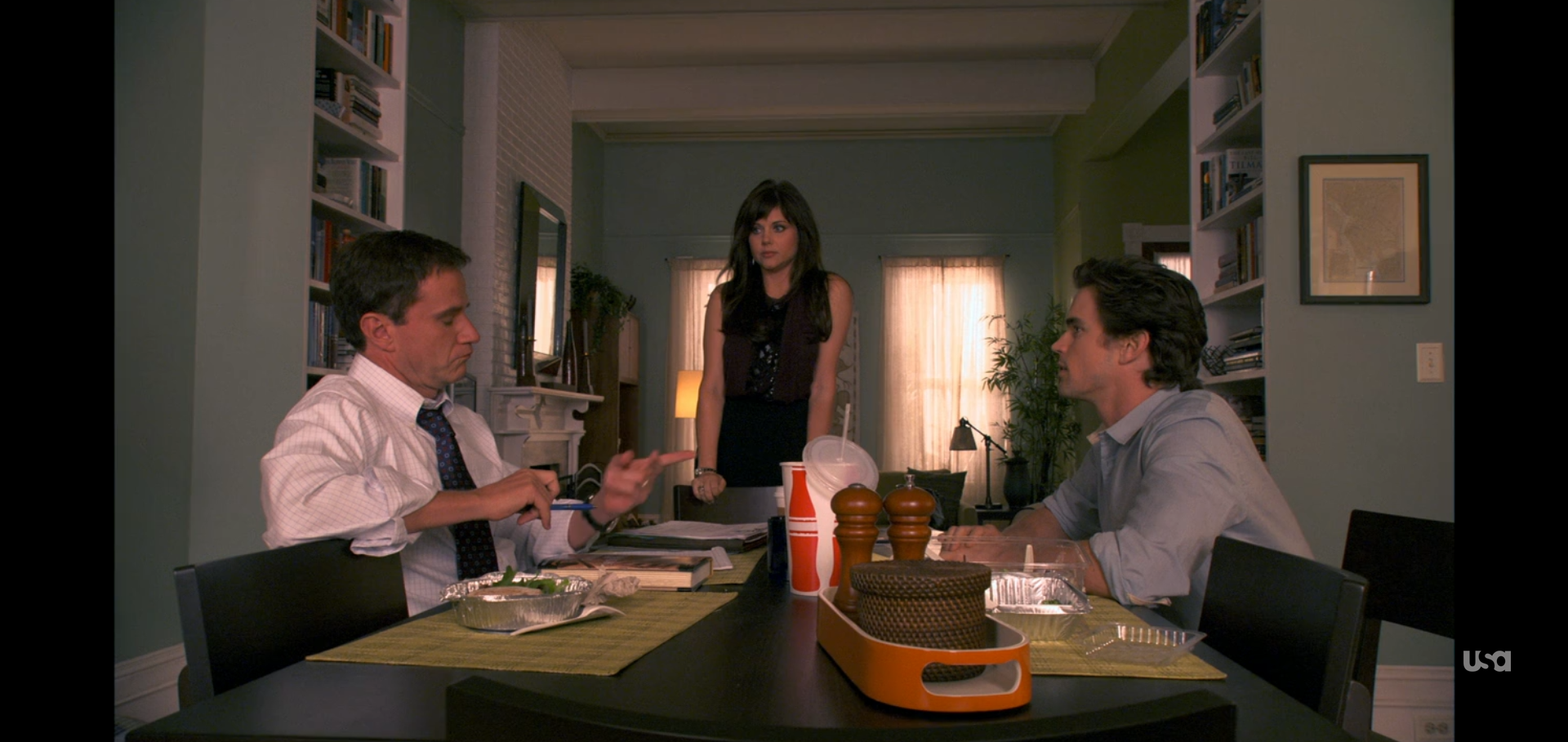
Peter, Elizabeth, and Neal congregate in the Burke home.

Though it has its moments of suspenseful intrigue and poignant drama, White Collar is more lighthearted than many crime procedurals. The mood is kept buoyant partially by Neal’s charm, and by the chemistry between the leads (including Tiffani Thiessen as Elizabeth Burke—Peter’s wife—and Marsha Thomason and Sharif Atkins as Peter’s fellow FBI agents). Beyond that, however, there is an infectious playfulness woven into the screenwriters’ approach to storytelling. Whether the characters are planning heists or solving crimes, it feels like the show is presenting us with a game.

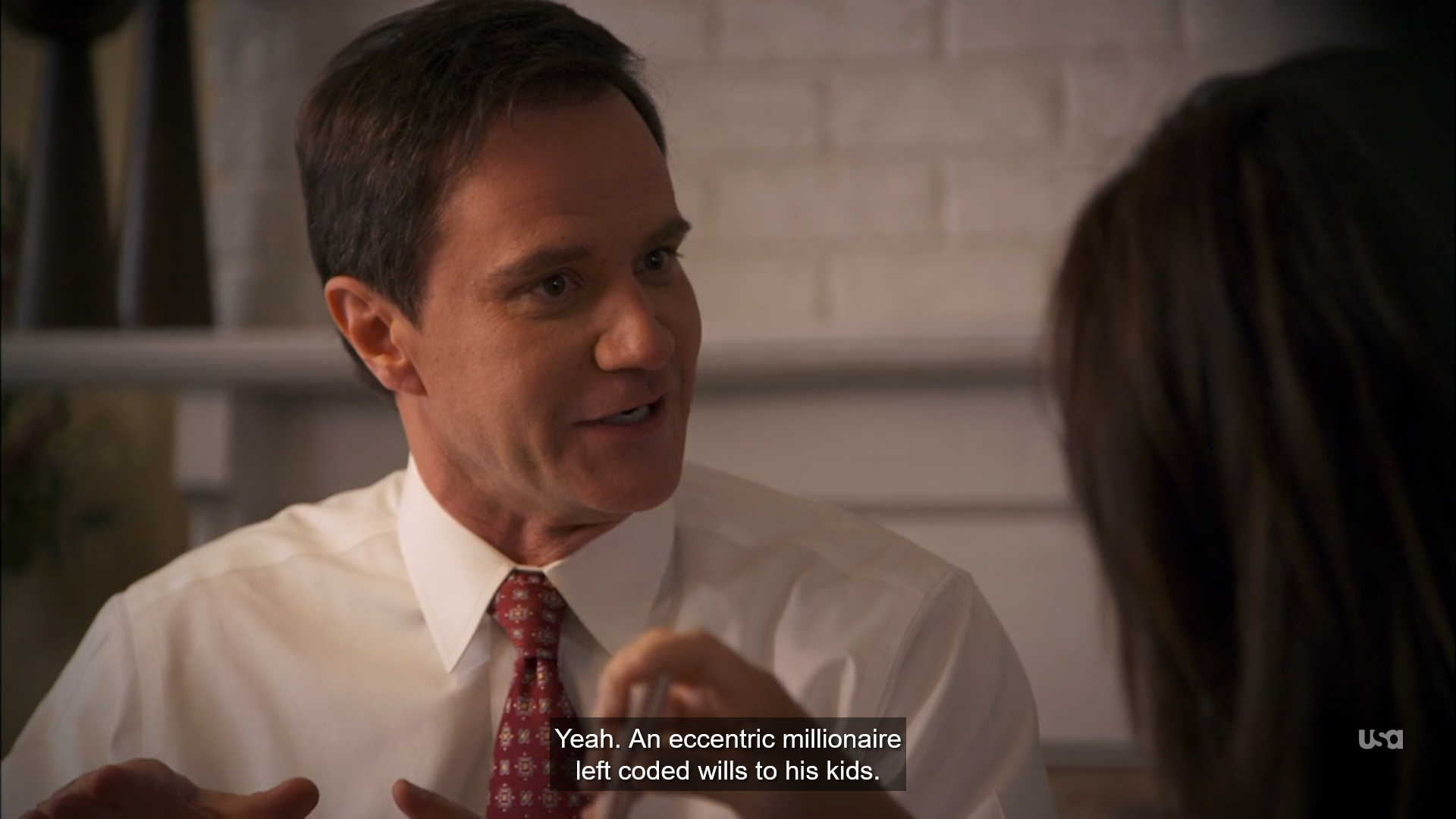
One episode draws out this undercurrent of playfulness, as Peter and Neal are literally presented with a game. The season three episode “Where There’s a Will” centers around a dispute over a $40 million inheritance. Brothers James (Danny Masterson) and Josh Roland (Christopher Masterson) each have a supposed copy of their father’s will, one with a relatively equitable distribution of funds, and one saying that James gets everything. Neal, as an expert forger, has been called in by the bureau to authenticate the wills.

Neal, noticing that the same person is responsible for all of the signatures on both wills, determines that both are forged, but it gets weirder. Handwriting analysis concludes that the deceased himself forged all of the signatures on his own wills. Weirder still, the witness names are anagrams of one another. Peter and Neal get to work puzzling out what other names might be hidden in those letters, and come to the same conclusion: Tycho Brahe, a 16th century Danish astronomer.

Then comes the biggest surprise thus far. Holding the stacked wills up to the sunlight, Neal realizes that, when overlaid, the wills include a drawing that resolves into what look like streets and a compass rose. “This isn’t a message,” Neal says. “This is a map.” The Roland sons have a slightly different take, recognizing the “compass rose” as actually “the sundial in La Monde Garden” (a fictitious location). The sons go on to imply that treasure hunts are an activity their dad once engaged in often, but neither seems interested, even when Neal posits that the real will is likely at the end of the hunt.

Peter is happy to return the wills to evidence. Neal, however, is still intrigued, trying his hardest to entice Peter into joining him at the sundial. Peter won’t bite, so Neal meets up at La Monde Garden with his criminal accomplice and best friend, Mozzie (Willie Garson). They notice faint numbers along the bottom of the wills’ pages, probable times, but those times on the sundial don’t seem to point to anything. Alternatively, they theorize that maybe something will happen when the sun hits 4:30—four hours from now.

Neal texts Peter, who’s at home with Elizabeth, for help, and Peter and Elizabeth dive into the puzzling readily. When Peter spots a little drawing of a tulip next to the times, Elizabeth supplies that tulips stand for spring and rebirth, and Peter’s inspiration is sparked. It isn’t spring now, but with the use of a sextant and a couple of mirrors, they can recreate the shadow that the angle of the springtime sun would cast at 4:30. Each of the times, in fact, have a different seasonal symbol associated with them.

Elizabeth and Peter join Peter and Mozzie to create the necessary shadows. Each shadow they cast points to a different letter on the sundial, spelling out “BSH,” an acronym that means nothing to any of them. Their stumped wondering is interrupted by a call with a startling revelation; James Roland’s young daughter has been kidnapped, and the kidnapper demands $6.4 million. This is enough motivation for Josh Roland to get involved in the treasure hunt, since the real will should give him the ability to pay his niece’s ransom. He knows what “BSH” stands for: Big Sky Hunting, what his dad always called going to the planetarium. Peter and Neal are off to their next destination.

I’ll refrain from spoiling the second half of the episode, but rest assured, even as the mood should have darkened with the girl’s kidnapping, an undampened spirit of playfulness remains threaded throughout. We’re back in the realm of the high-stakes escape room. Now, though, rather than orchestrating his own escape, Neal is playing a game for someone else’s freedom. Rather than scheming by himself, he’s relying on a gaggle of allies to help him each step of the way. The show may have started with Neal and Peter each as independent figures facing off against one another, but as I said, that form of game-play only leads to anticlimactic reveals. Real satisfying drama, in the world of White Collar, comes from games played together, absent self-reliance and self-interest.

With the GPS tracker around his ankle, Neal might not be as free as he was the moment he first stepped out of prison in the pilot. With friends on his side, however he’s much better equipped to mastermind a real escape. A real win.


You can find delightful deals on puzzles on the Home Screen for Daily POP Crosswords and Daily POP Word Search! Check them out!

Thanks for visiting PuzzleNation Blog today! Be sure to sign up for our newsletter to stay up-to-date on everything PuzzleNation!

Puzzles in Pop Culture: Ten-Letter Word for “Fundamental”

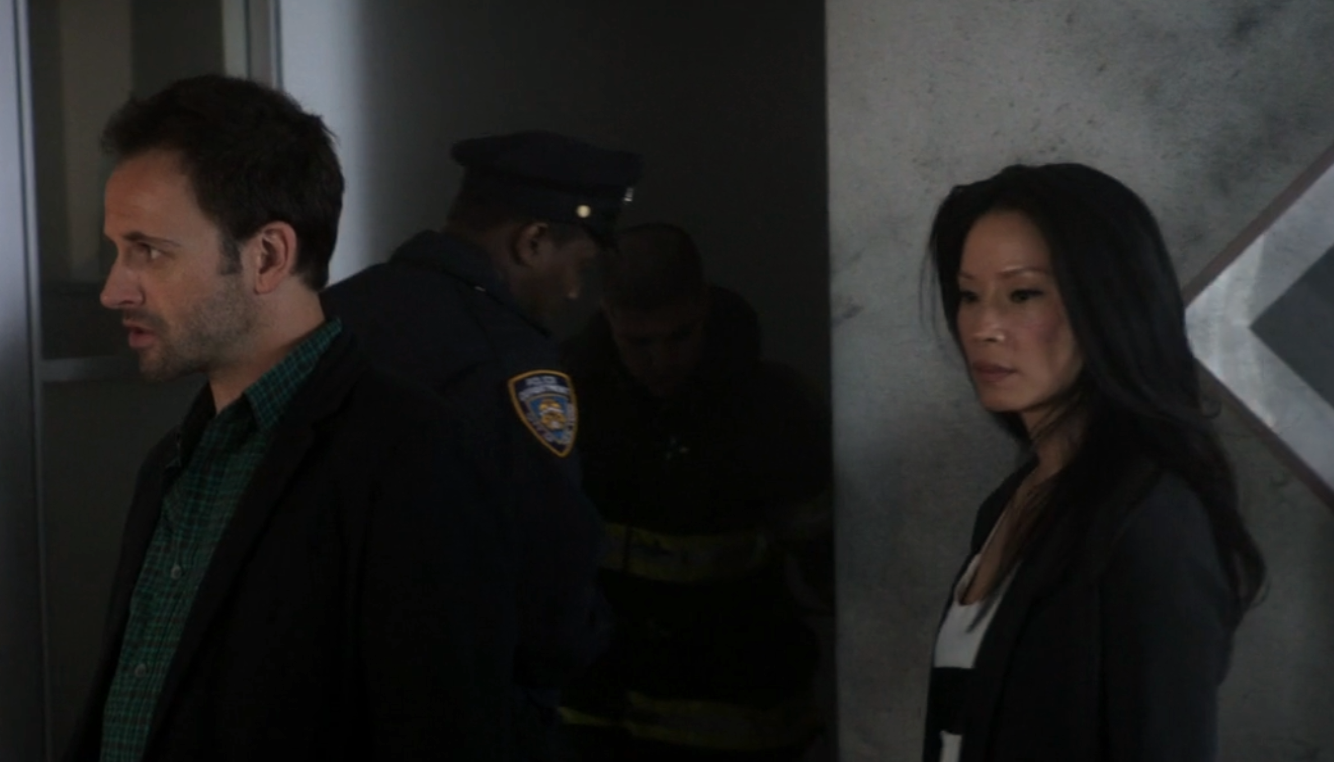
Arthur Conan Doyle’s tales of Sherlock Holmes have myriad adaptations, some with a cast of mice, some medical dramas, some featuring aliens and government conspiracies. Still others hew closer to the original nineteenth-century stories, whether in the form of a period piece, like the films starring Robert Downey Jr., or a modernization, like BBC’s Sherlock. My favorite of this genre is the undersung CBS police procedural/drama Elementary, which ran from 2012 to 2019. Starring Jonny Lee Miller as Sherlock Holmes and Lucy Liu as Joan Watson, Elementary is set in modern-day New York, with Sherlock acting as a pro-bono consultant to the NYPD (he describes himself as a specialist in “deductive reasoning”). While former surgeon Joan Watson eventually becomes Sherlock’s partner in crime-solving, initially, her role is to be his sober companion.

Elementary stays faithful to Arthur Conan Doyle’s depiction of his protagonist as a drug user, opening with Sherlock escaping early from rehab, only to find Joan waiting for him, as she was hired by his father to help him stay sober. His struggles with addiction, time in 12-step meetings, and relationships with other addicts remain mainstays of the series throughout all seven seasons. The work that Sherlock performs, using his deductive reasoning skills for the police, is considered by both him and Joan to be an integral part of his recovery process. Crime-solving keeps his mind busy, giving him constant puzzles to solve.

At its heart, this is a show about solving puzzles. Sherlock’s job is putting together murder motives and methods; his hobbies are picking locks and stockpiling trivia. He gazes at the world as though it is one big jigsaw puzzle and everything needs to be placed just so to make sense. All the pieces are there; you just need to know how to look at them correctly. One episode even hinges on a love of crosswords.

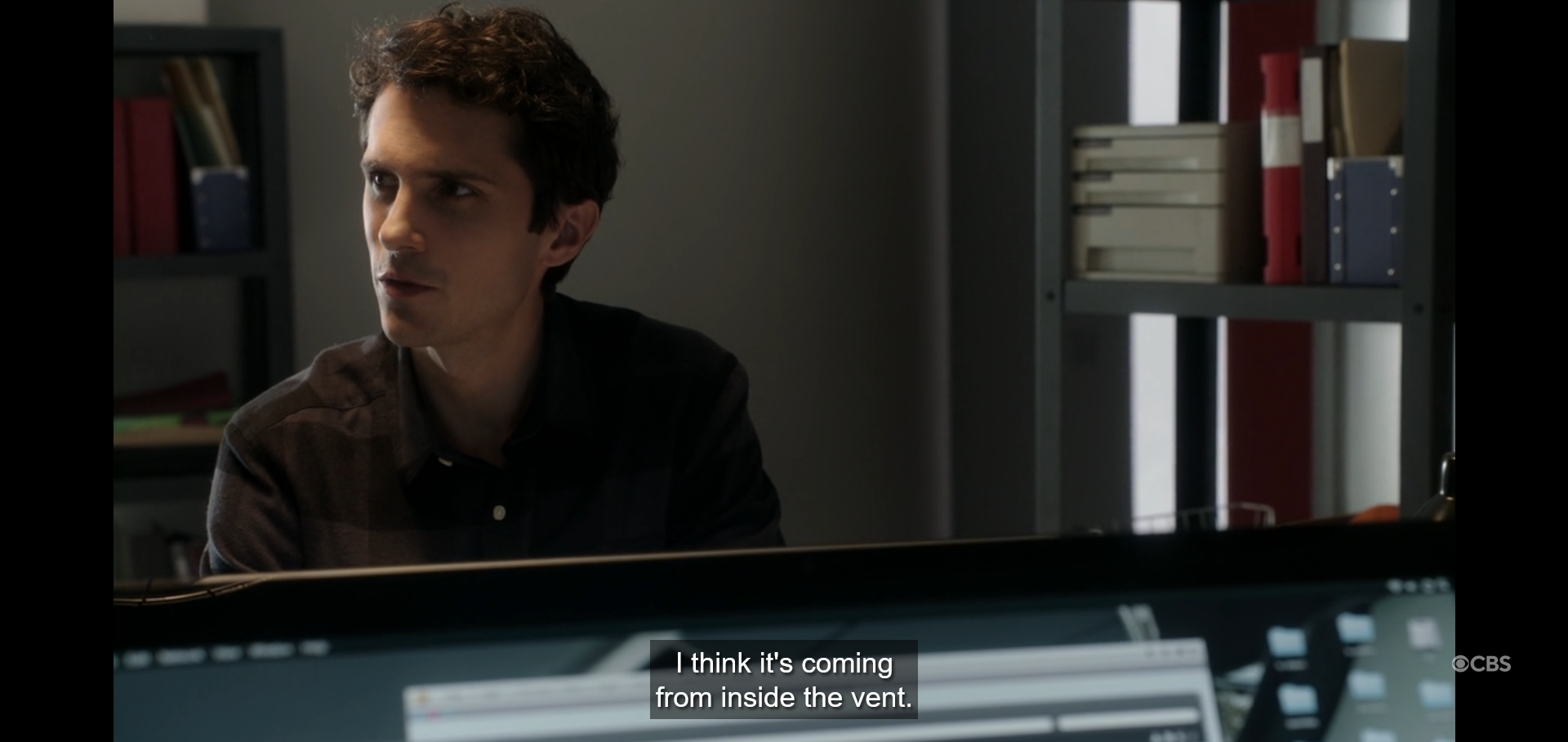
Season one, episode eight, “The Long Fuse,” depicts a bomb going off in the vent of a web design firm’s office. When Sherlock and Joan are called to consult, they discover that the bomb was built four years prior to detonation. The episode is set in 2012, but the logo on the bomb’s battery is from October 2008, as are the newspaper pieces that were stuffed inside. Pieced together, the newspaper shows a Barack Obama who was still only a senator. The man who detonated the bomb did so by mistake: intending to order a sandwich, he called the detonating pager instead of the deli.

Meanwhile, the specter of Sherlock’s addiction reappears. He goes to investigate the company that rented the bombed office four years prior, rifling through the threatening letters they’ve received from ecoterrorists. The company’s head, Heather Vanowen—played by House’s Lisa Edelstein—walks in on Sherlock’s research and says that she recognizes him as a fellow addict. The moment is tense, until she clarifies, “Crosswords.” She used to have her habit under control, but ever since The New York Times put their archives online, she can’t get enough.

This confession is her undoing. Sherlock didn’t just discover the October 2008 date on the newspaper; he also found the imprints of someone writing on a page above—the word NOVOCAINE, which happened to be the answer to the clue “Pain’s enemy” in that day’s crossword. NOVOCAINE serves as a sufficient sample of the perpetrator’s handwriting; all it takes is asking Heather to fill out a few forms, and presto! Her handwriting can be matched to the crossword, clearly identifying her as the bomb’s builder.

The episode comes to an end with Sherlock’s new 12-step sponsor, Alfredo (Ato Essandoh) pulling up to Sherlock and Joan’s brownstone with a shiny new car. A former carjacker and current security consultant, he’s been tasked with trying to break into the car’s security system. Knowing Sherlock’s love of puzzles, he figured he would first let Sherlock take a crack at it.

Earlier in the episode, Alfredo explained the key to being Sherlock’s sponsor: patience. He needs someone to be patient and methodical, the way anyone solving a puzzle must be. As I said, puzzles are the heart of the show, not just in the sense that they’re at its core, but that they permeate the emotional aspects as well. In the world of Elementary, one must be patient and methodical to solve a murder, to solve a crossword, to break into a car’s security system, and to grow and heal.


To think, a prison sentence could have been avoided had Heather simply stuck to solving digital crosswords like Daily POP’s. No ink-stained muss, no legal fuss, no trace of handwriting or physical evidence left lying around in an office vent, waiting to explode.

You can find delightful deals on puzzles on the Home Screen for Daily POP Crosswords and Daily POP Word Search! Check them out!

Thanks for visiting PuzzleNation Blog today! Be sure to sign up for our newsletter to stay up-to-date on everything PuzzleNation!