A Horror Game For Every Day of October!

It’s officially time for all things spooky, scary, terror-inducing, and horror-fueled to take over for a whole month, and that should include your games! So I’ve assembled a list of 31 games fit for the season. Some are silly, some are tense, but all fit the Halloween vibe nicely.

So, without further ado, let’s get to the list!

OCTOBER 1: Betrayal at the House on the Hill

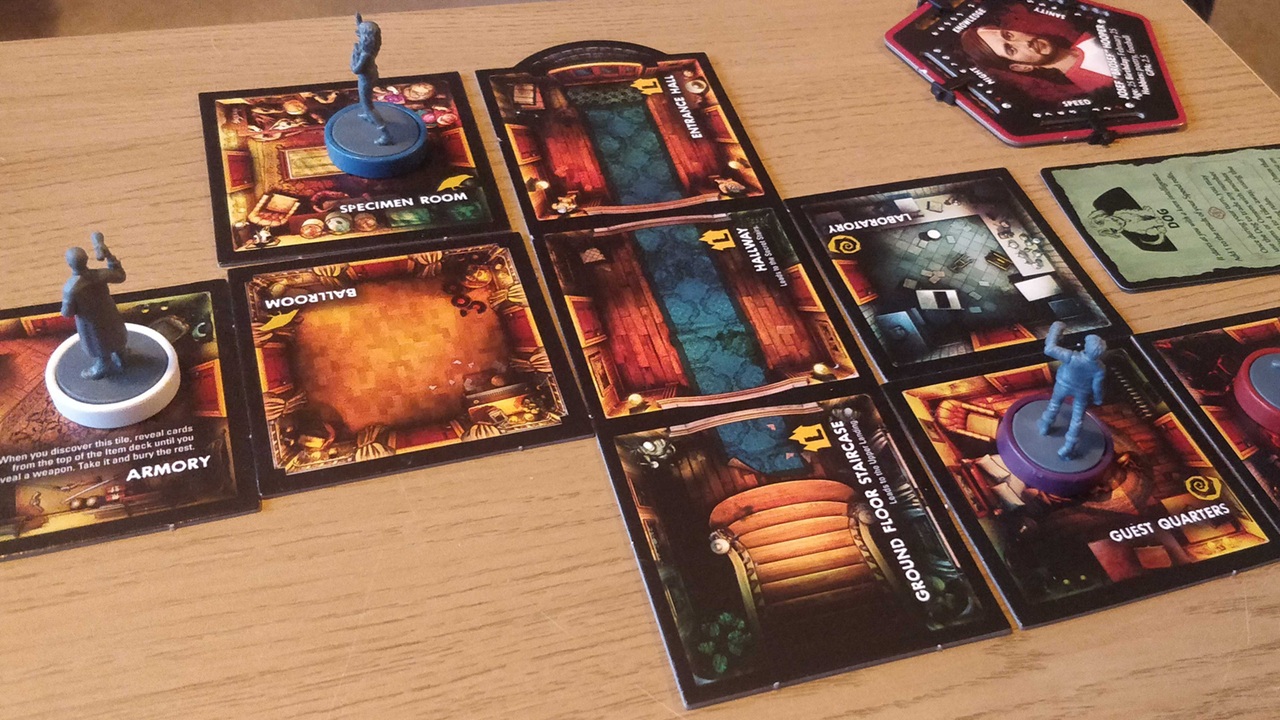
Let’s get a classic out of the way first. This game is loaded with various storylines to keep you spooked for hours on end, and its ever-shifting game board makes every play great fun. Controversial take: The Scooby Doo edition is the superior edition.

OCTOBER 2: Cult Following

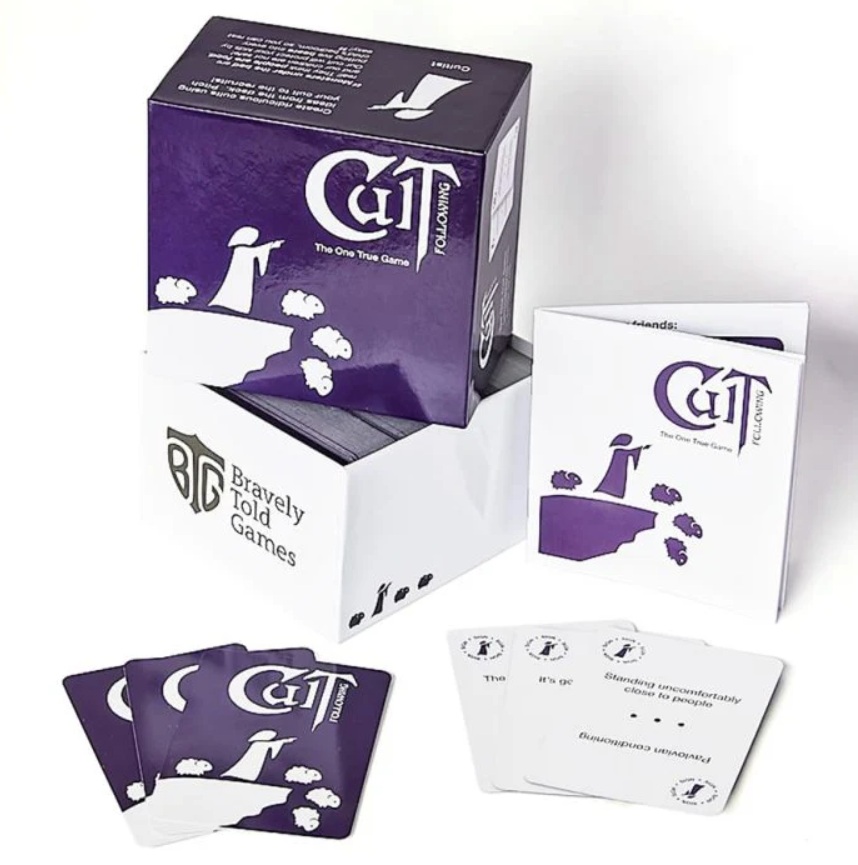
Looking for a party game with a sinister twist? Look no further than Cult Following, the card game where you try to build the best cult and pitch it to your fellow players in the hopes of winning their hearts, minds, and unending loyalty. This is definitely on the sillier side, but the cult gimmick makes it perfectly Halloween-appropriate.

OCTOBER 3: Dead of Winter

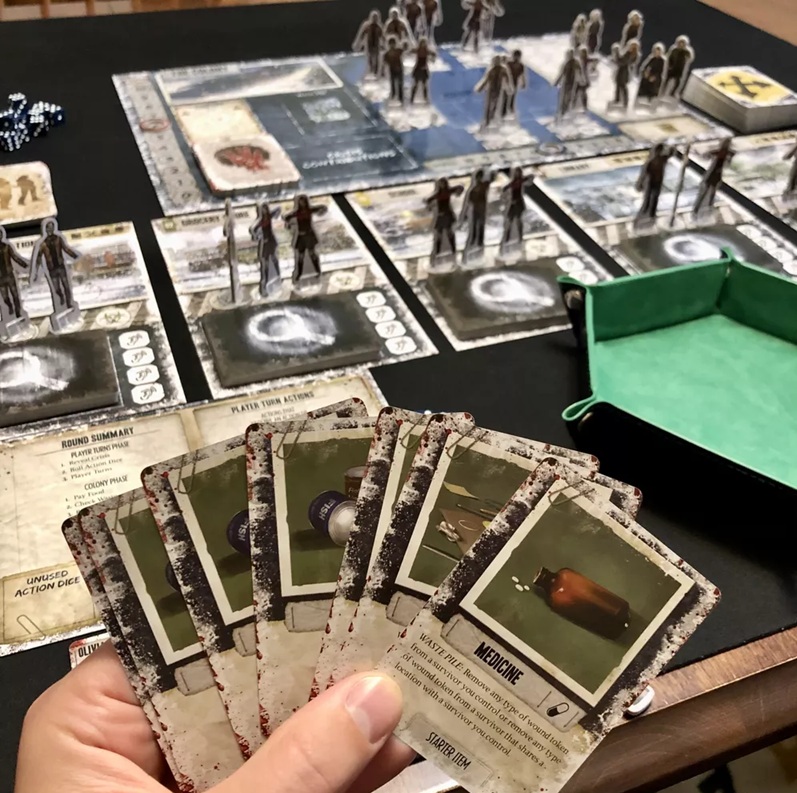
If you’re looking for tension, high stakes, cooperative gaming, and the potential for self-serving surprises, it’s hard to beat Dead of Winter. The players are trying to survive the zombie apocalypse, but each player also has their own agenda (which might not always align with the group’s interests). This is an awesome game with plenty of replay value.
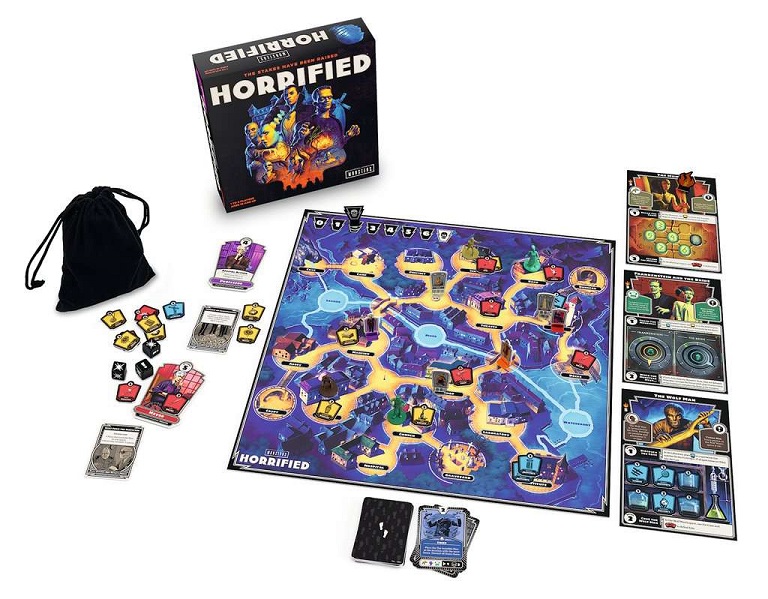

OCTOBER 4: Horrified

More family friendly than some other spooky games, Horrified is a good way to balance scares and good times. In this cooperative game, your group of heroes is pitted against some of the classic Universal movie monsters like The Bride of Frankenstein, The Wolfman, and The Creature from the Black Lagoon. You must work together to complete specific tasks in order to defeat the monsters. (There are loads of different versions. My current favorite is the American Monsters edition!)
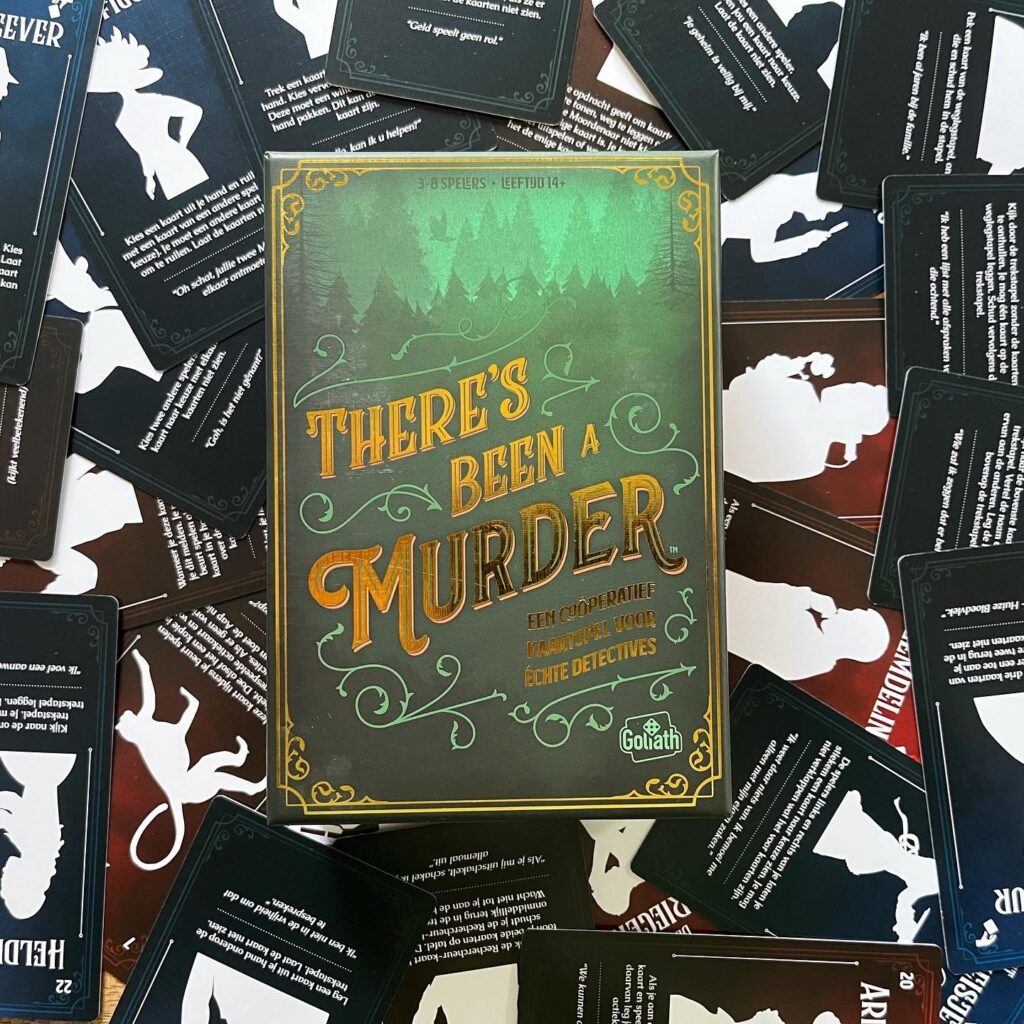

OCTOBER 5: There’s Been a Murder

In this card game that’s quick to learn but harder to master, there’s a murder to be solved, and every card can help or hinder the investigation, depending on your motives. Will you help the Detective solve the crime, or will the Murderer dispatch the Witness and get away scot-free? This is a murder mystery condensed into a card game, and it’s brilliantly done.
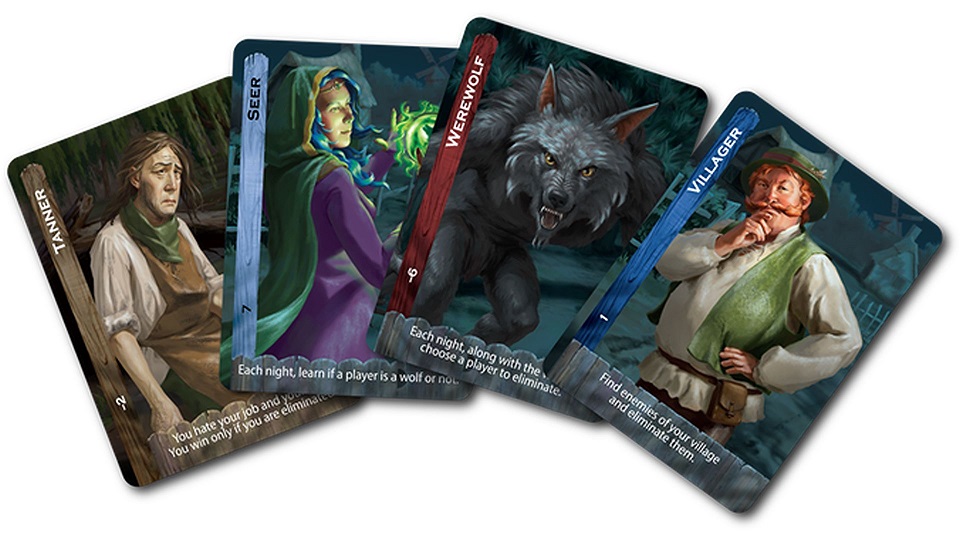

OCTOBER 6: Werewolf

With the full moon, how could I not put this here? This is a classic social deduction game where a group of townsfolk are trying to find the werewolf in their midst. A great party game with very little prep, it’s always a winner. (For similar gameplay but different story trappings, check out Salem 1692 and Are You the Robot?)
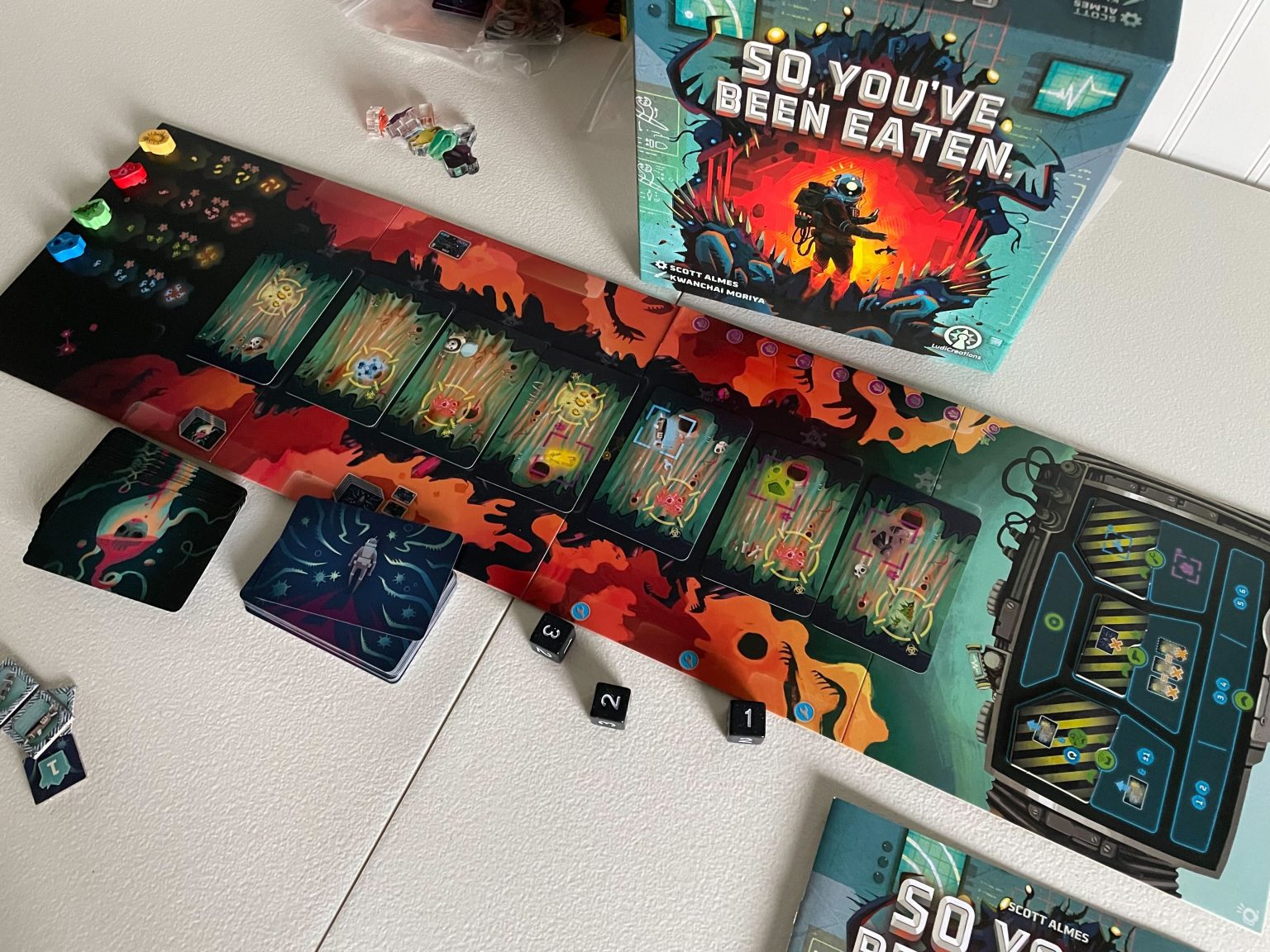

OCTOBER 7: So You’ve Been Eaten

This is more sci-fi than horror, but I think the concept still fits the bill. You’re a miner inside the body of a giant space beast, and you’re trying to get your crystals before the beast’s bacteria turn you into so much bodily detritus. This game can be played with 1 player (as the beast or the miner) or with 2 players (the beast versus the miner), and it’s a peculiar mix of sci-fi horror and strategy.


OCTOBER 8: Dread

Ever play a scary game with your friends involving nothing but imagination and a Jenga tower? That’s the brilliant concept behind Dread, a horror roleplaying game where your choices lead you to pulling blocks from the tower, and if it falls, you die! With all sorts of scenarios to play, Dread is a new game every time you play. A perfect introduction to roleplaying games for anyone.
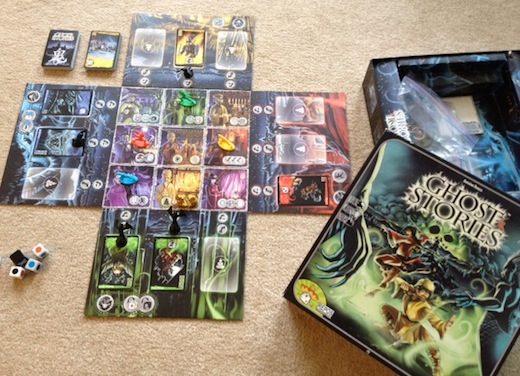

OCTOBER 9: Ghost Stories

The players take on the roles of Taoist priests protecting village from ghosts. This feels like a Halloween-fueled variation on Castle Panic!, given both the difficulty of the game and the relentless waves of spirits to defeat. But it’s a great time and one of the best cooperative horror games out there.
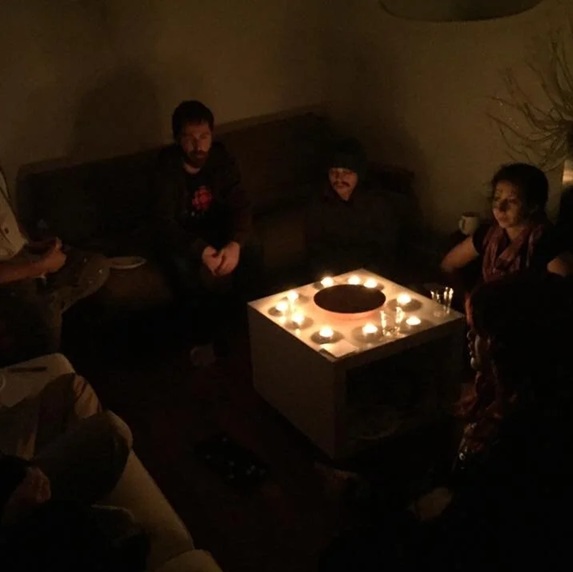

October 10: Ten Candles

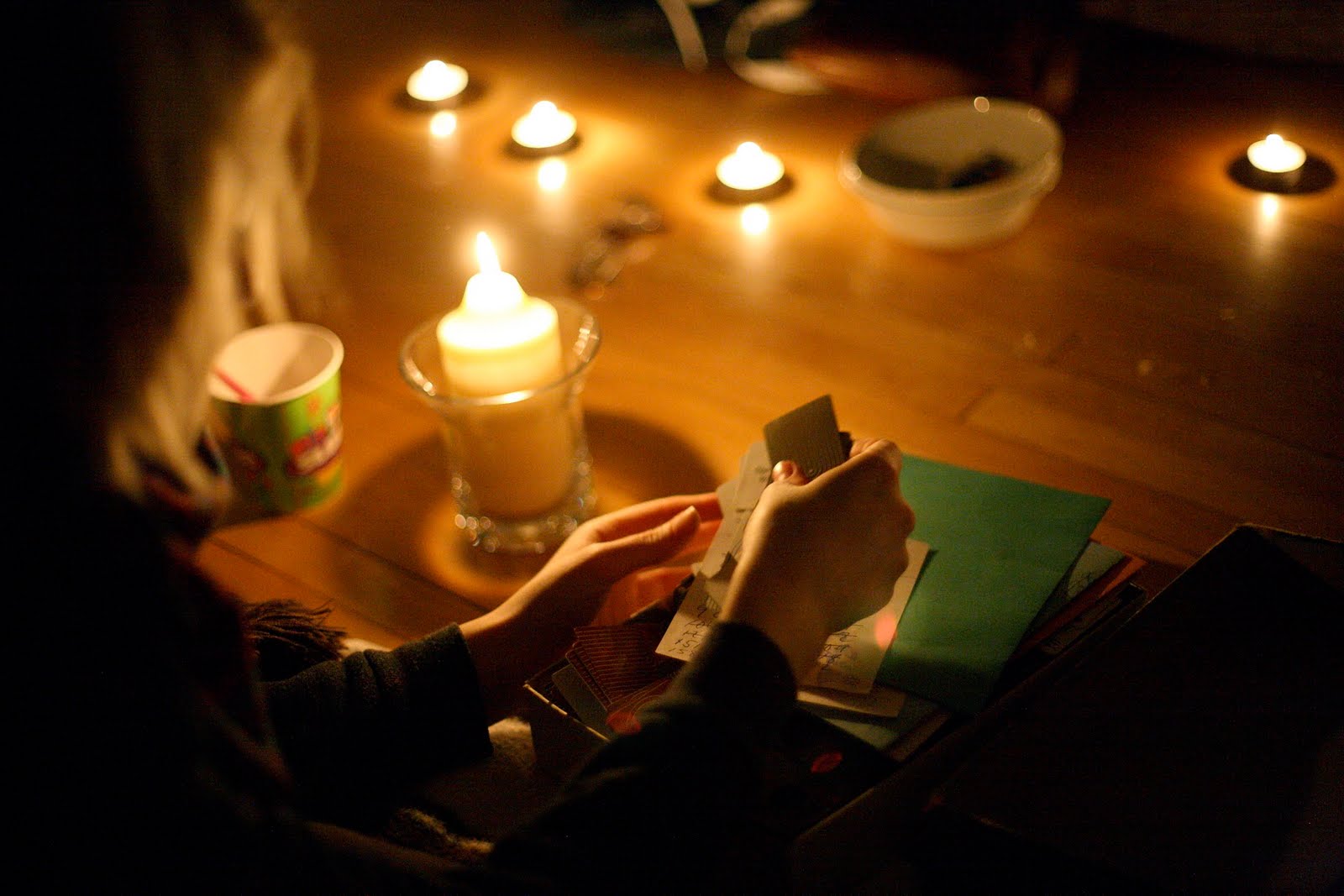
Easily the bleakest game on the list, Ten Candles is a game about the secrets we keep until the end. This collaborative storytelling game after trying to endure as long as the candlelight lasts. It’s fantastically dark and makes you appreciate every single moment.
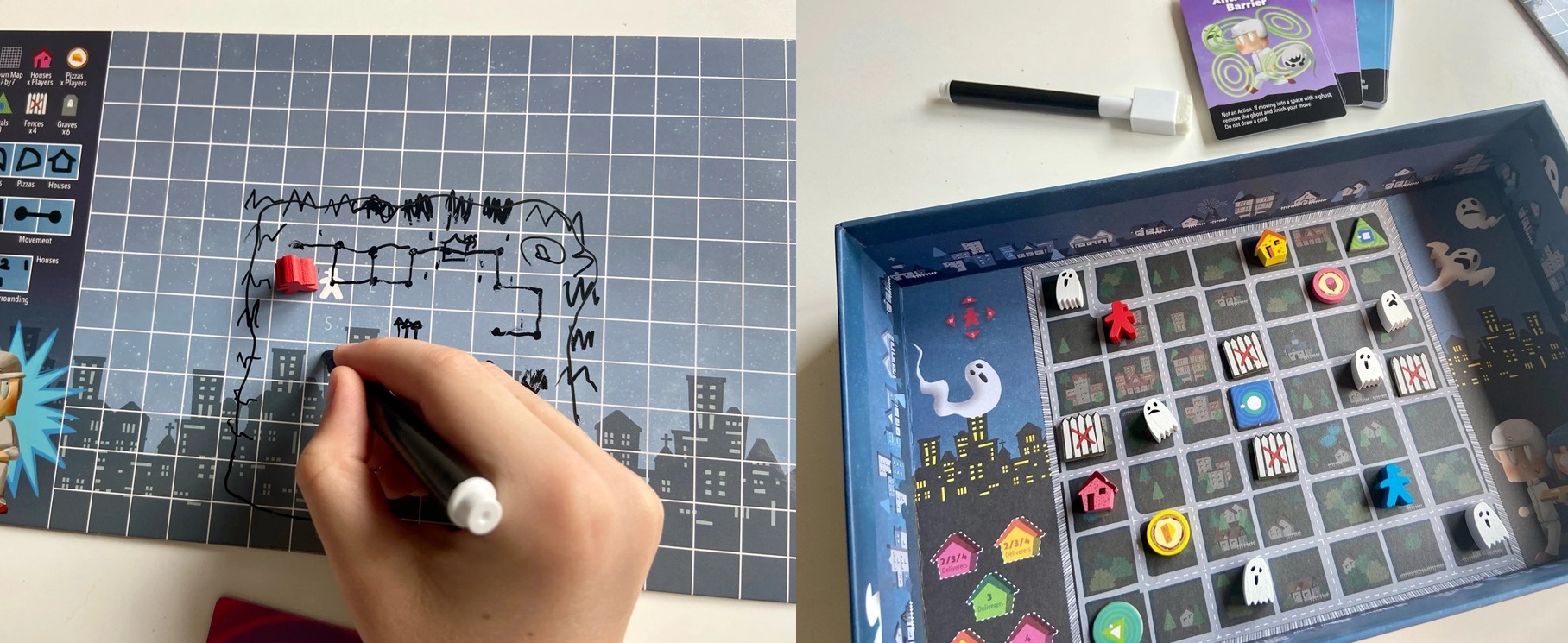

OCTOBER 11: Psychic Pizza Deliverers Go to Ghost Town

What if 20 Questions, but about psychics delivering pizza while battling ghosts? That’s the insanely creative idea behind Psychic Pizza Deliverers Go to Ghost Town. One player (the Mayor) builds the town and challenges the other players (the aforementioned Psychic Pizza Deliverers) to find a pizza and deliver it to the proper house in 20 turns or fewer. It’s bonkers, but with the right group, it’s so so fun.
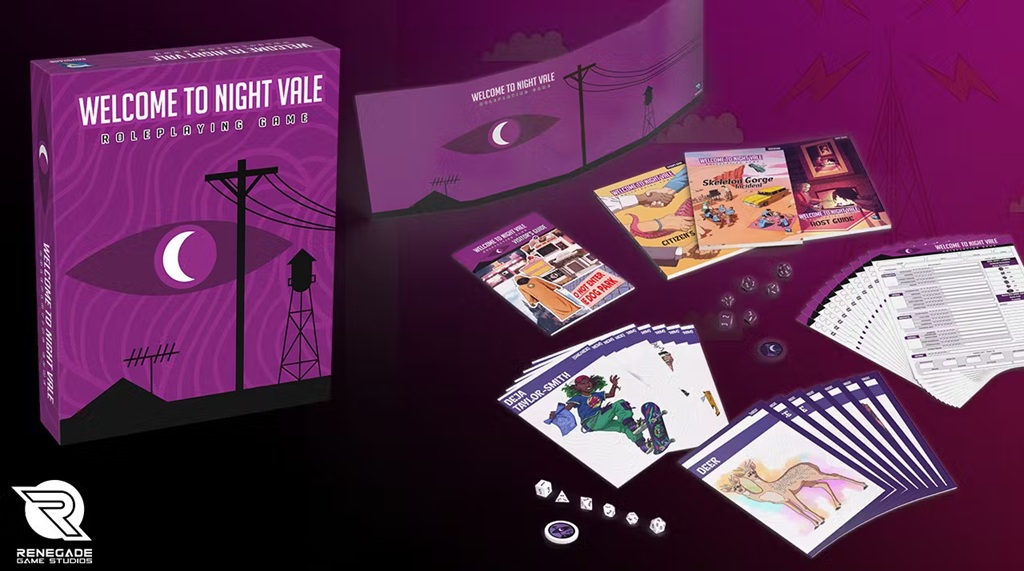

OCTOBER 12: Welcome to Night Vale RPG

If you’re not paranoid or horrified enough yet, this is the perfect game to put you over the top. A roleplaying game set in the town from the wonderful titular podcast, Welcome to Night Vale RPG gives you eldritch horrors, governmental conspiracies, and all the weird your brain can handle. Fun and scary in equal parts, this is great stuff.
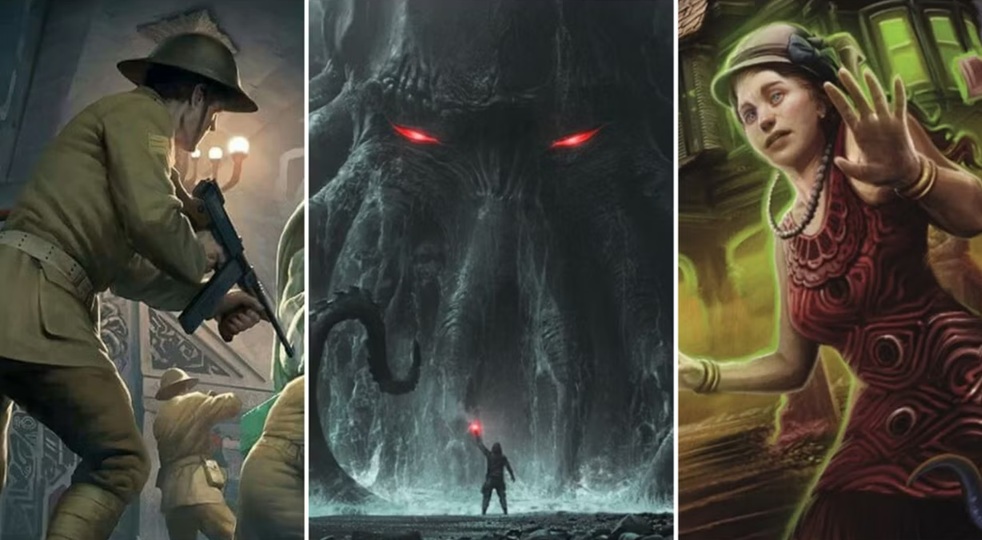

OCTOBER 13: Call of Cthulhu RPG

If you’re looking for mind-shredding scares and sanity-challenging evils, Call of Cthulhu has been the champion of the genre for decades. Based on H.P. Lovecraft’s legendary mythos, Call of Cthulhu has very human, very mortal characters dealing with unknowable cosmic horrors. Tension runs rampant in this game, so be warned.
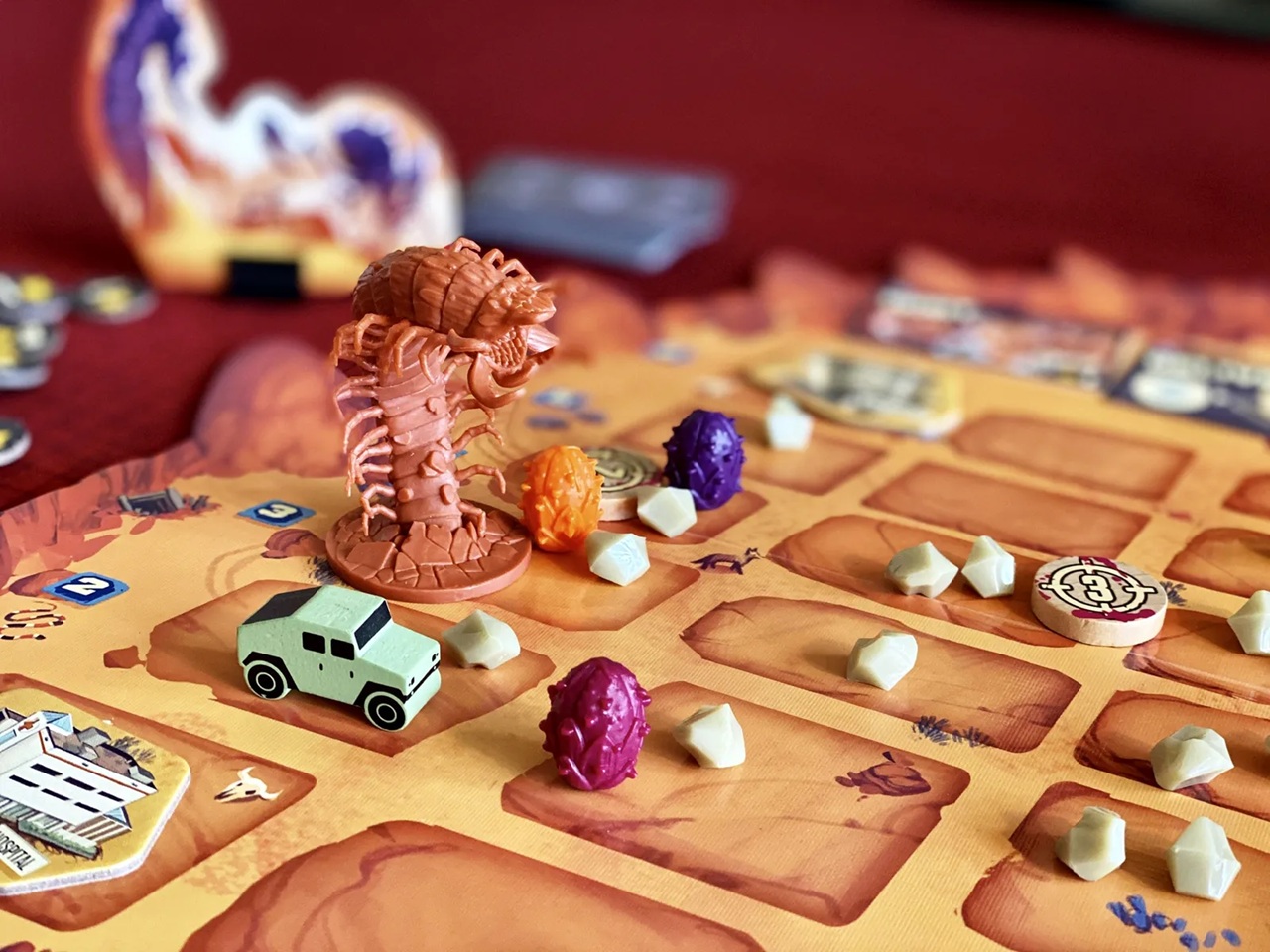

OCTOBER 14: Terror Below

Ever wanted to test your mettle in a Tremors-style scenario? Terror Below is where it’s at. Featuring tense gameplay, beautiful design (especially the minis), and all the giant worms you’ll ever need, Terror Below is an underappreciated gem.


OCTOBER 15: Nyctophobia

There’s perhaps no fear more primal than the fear of the dark, and Nyctophobia uses that to its advantage, plunging all but one player into darkness. (Blackout glasses are provided for the players.) The now-blind players must try to escape a dark forest, while the one player who can see stalks them, removing them from the game one by one. When properly executed, there’s no board game more immersive and scary than this one.
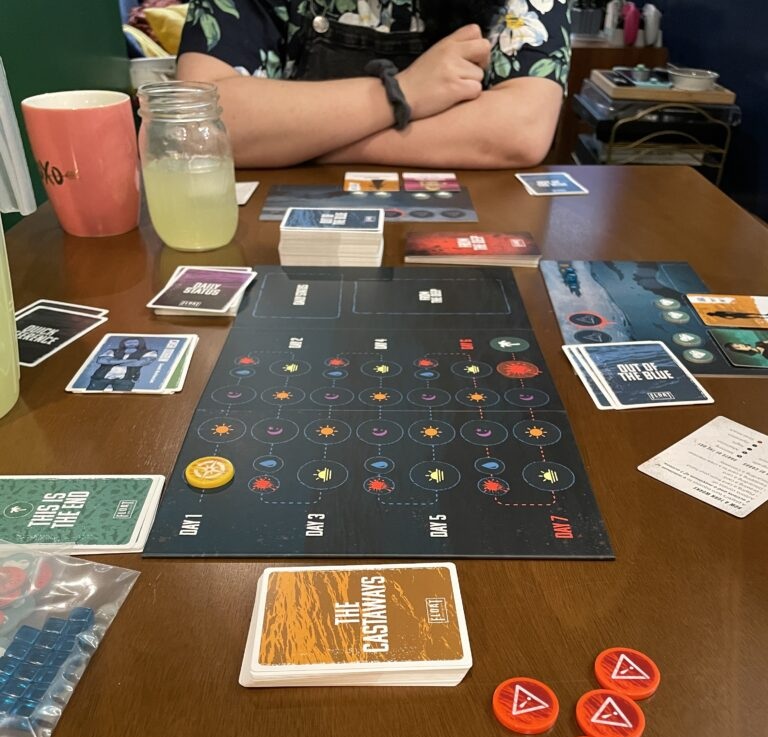

OCTOBER 16: Float from the Deep

You’re lost at sea, with untrustworthy people on the raft with you, and strange terrors lurking in the deep below. Can you make it to the island in the distance before your fellow players betray you, you drown in the unforgiving waters, or something drags you into the briny deep? This survival game (that could be cooperative, depending on the cards) might start a fight at the table, but it’s gonna be one heck of a game night.
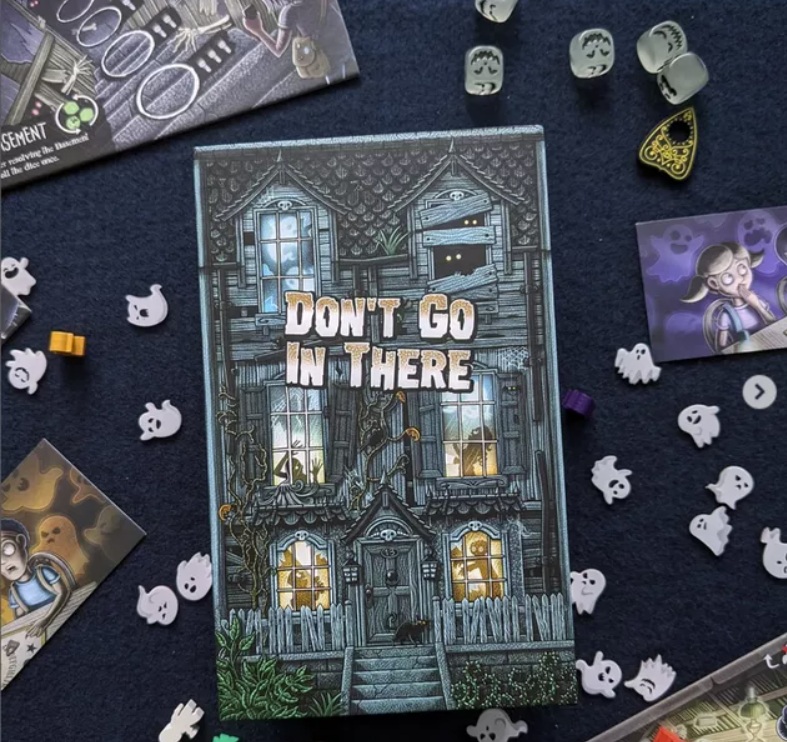

OCTOBER 17: Don’t Go In There

You know how kids are with haunted houses? They wander in, they get haunted by ghosts, and they desperately try to get out alive. This is definitely on the less-spooky end of the selections in today’s list (and one of the shortest to play), but it is still a good time and worthy of a spin at your table, especially with newer players.
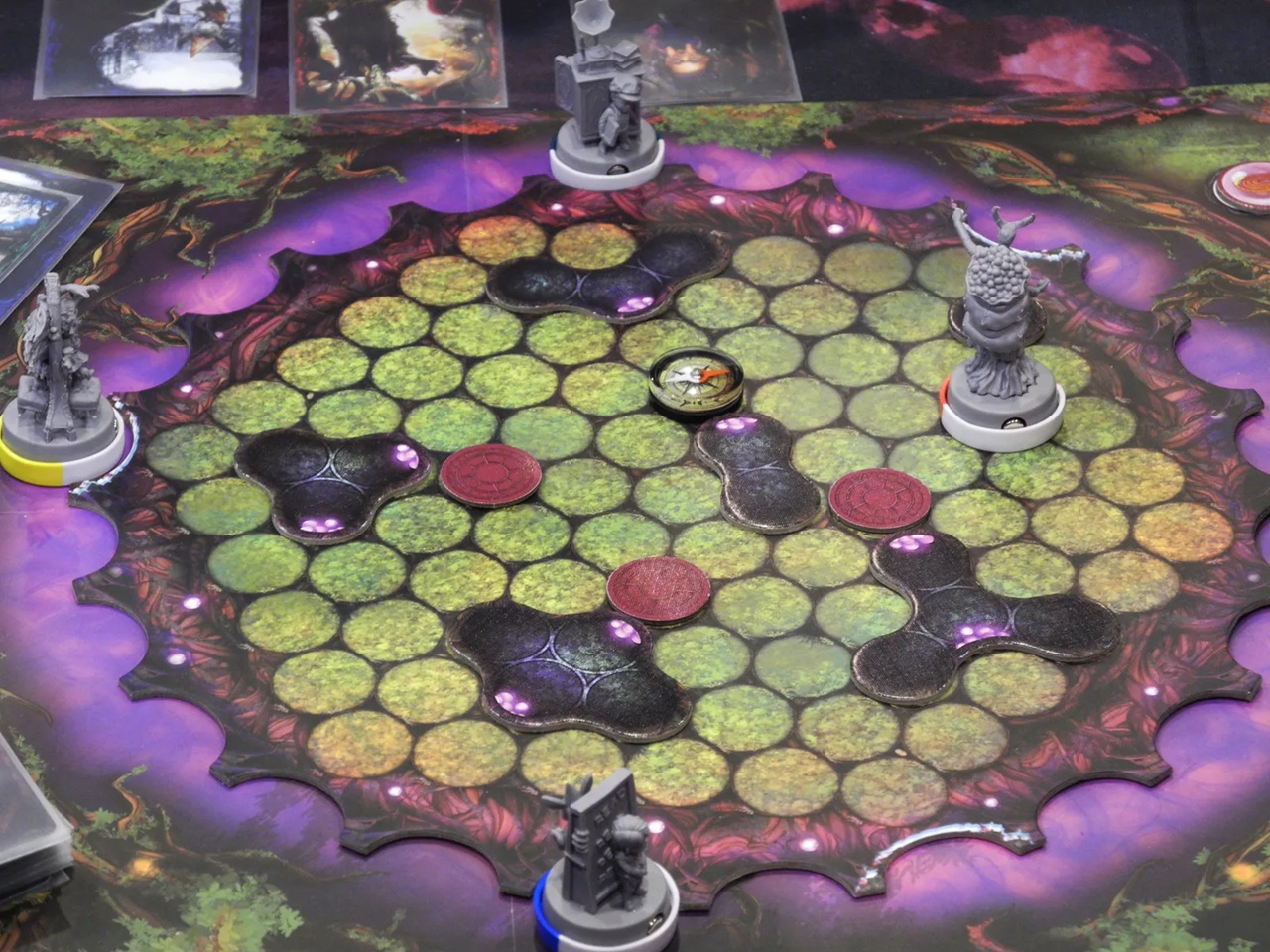

OCTOBER 18: The Faceless

In this game that feels like Stranger Things but with magnets instead of powers, you must navigate your group around the board, following a compass’s directions, manipulating it with cards and the magnetic figures around the board. Part-strategy game, part-scary hunt for your friend’s lost memories, The Faceless is a unique experience.
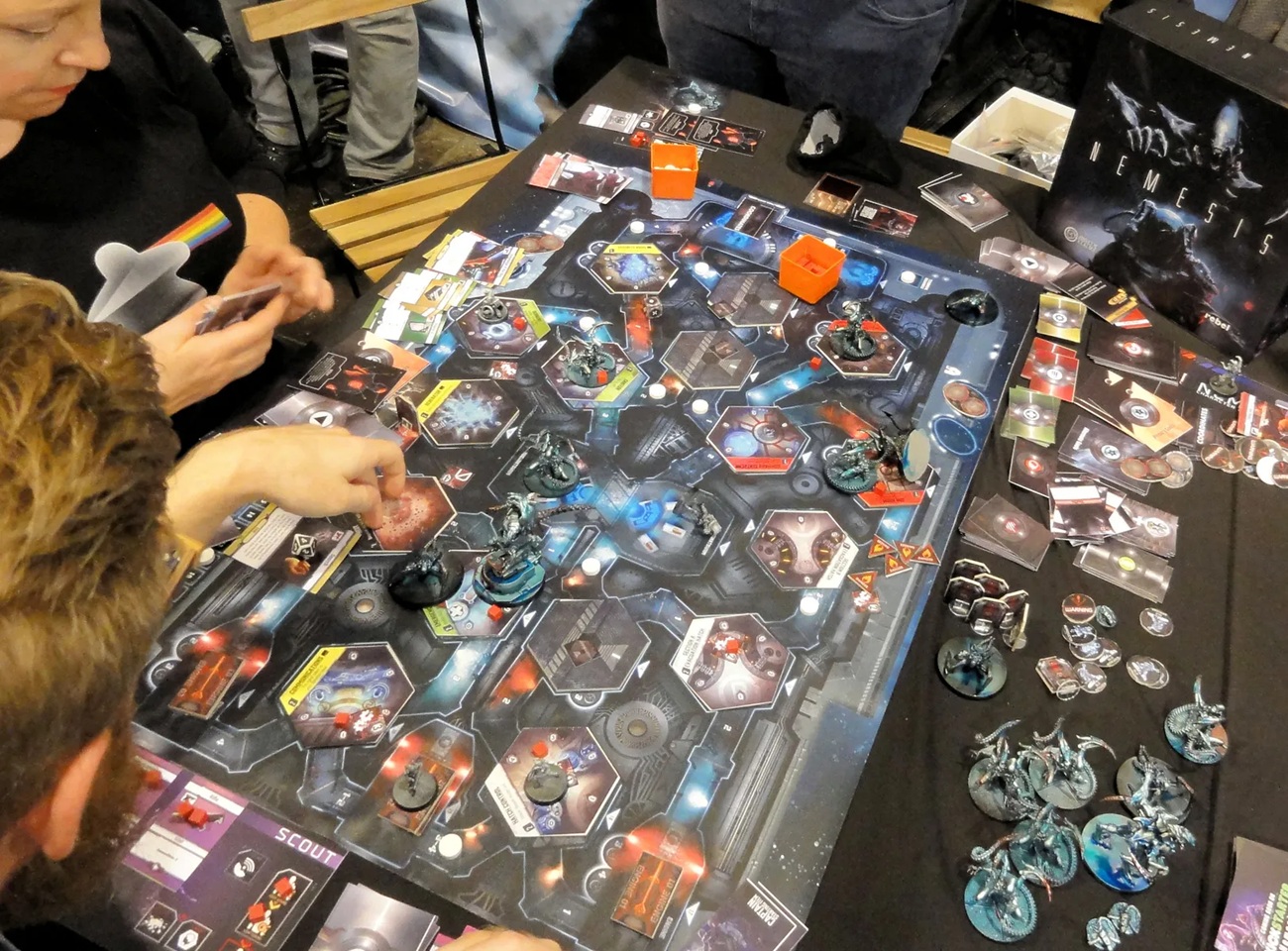

OCTOBER 19: Nemesis

This is, hands down, the best way to play the movie Alien with your friends. Aboard a deteriorating ship, overrun with alien monsters, you can only trust your skills and your fellow crewmates… despite their own agendas. Oh, and the longer the game takes, the stronger the monsters become.
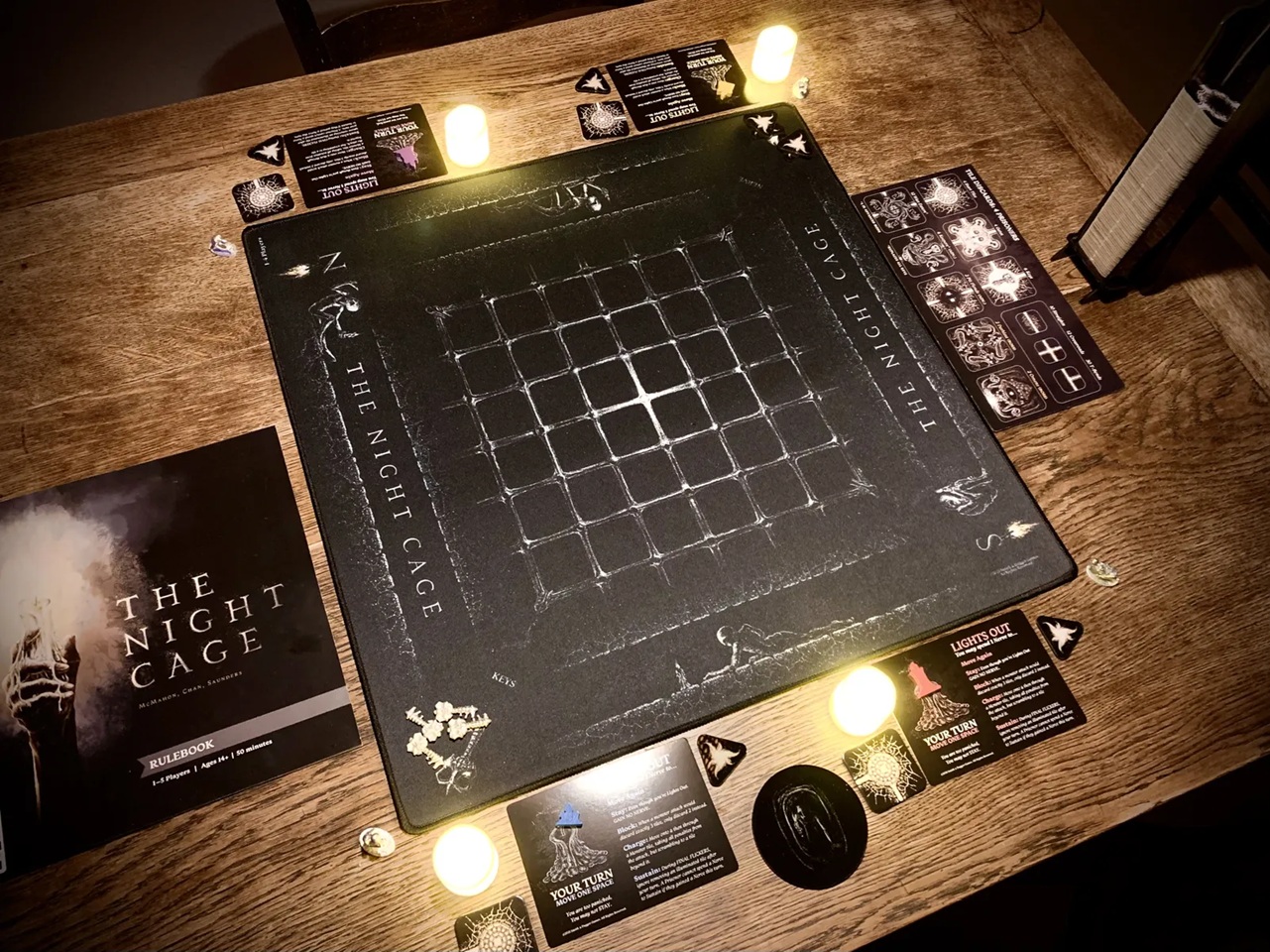

OCTOBER 20: The Night Cage

The light is fading. The tunnel behind you looks different than it did before. There’s something in the dark, and it’s getting closer. The Night Cage is brilliantly anxiety-inducing, so challenging and scary and atmospheric. I cannot say enough good things about this game.
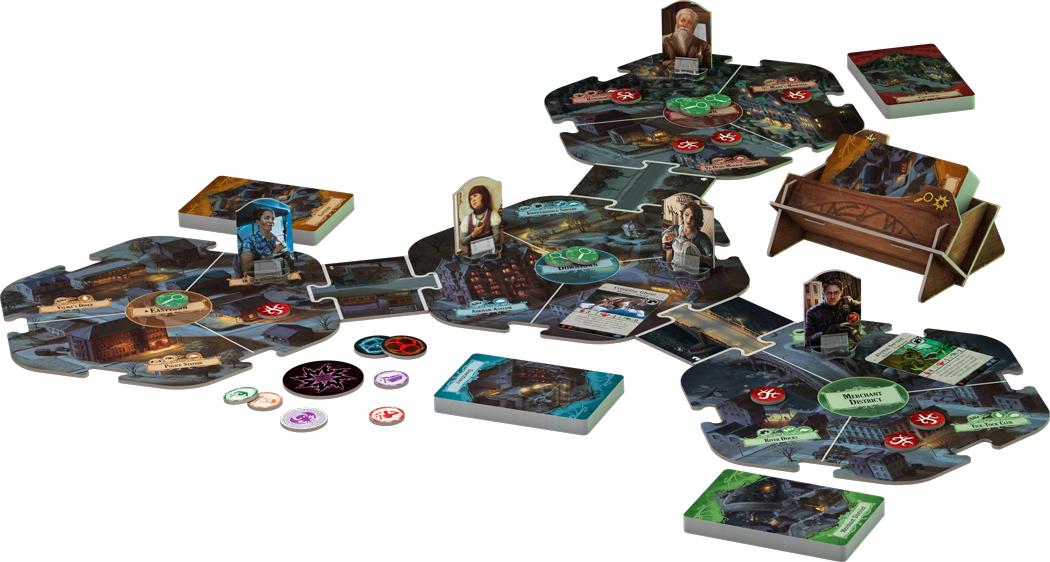

OCTOBER 21: Arkham Horror

During the Roaring Twenties, you and your fellow investigators must hunt monsters and prevent one of the Old Ones, a great cosmic evil, from being released and dooming the world to insanity and darkness. This cooperative game puts a little bit more of an action-y spin on the Lovecraftian horror genre, but it’s still an engaging horrorshow of an experience.
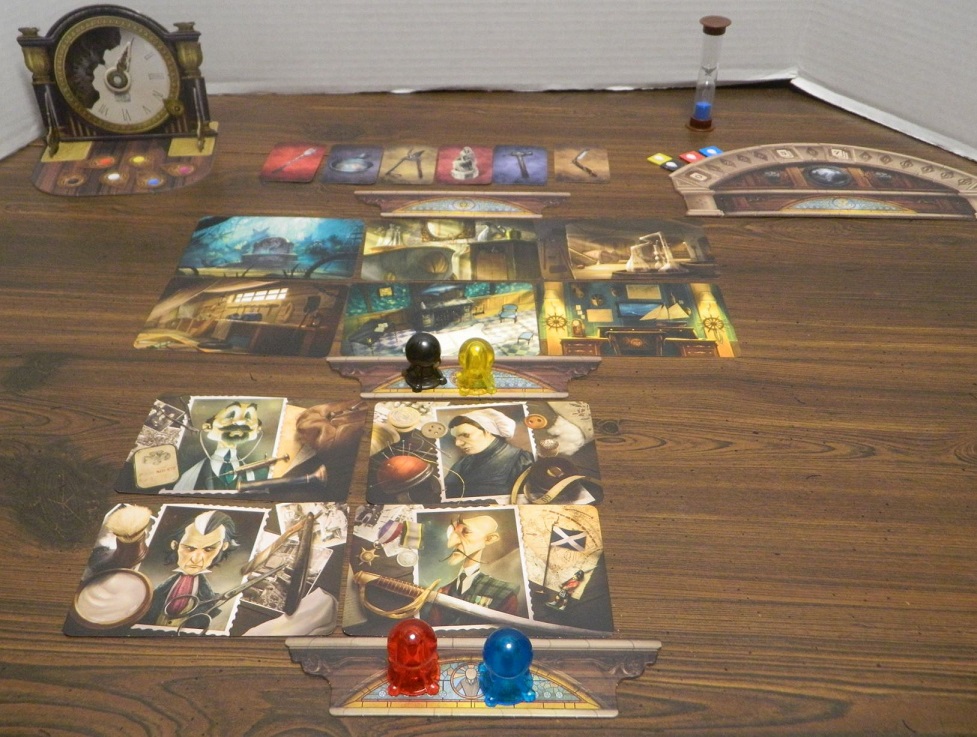

OCTOBER 22: Mysterium

Nothing makes a game atmospheric like a murder to solve, and Mysterium goes way beyond Clue by having players work together to find the murderer. But there’s a twist, as one of the players is a ghost, and cannot speak. Instead, they offer visual clues to all of the other players, who are psychic mediums. The mix of clever communication and immersive storytelling makes this an excellent choice for a macabre night of gameplay and murder-solving.
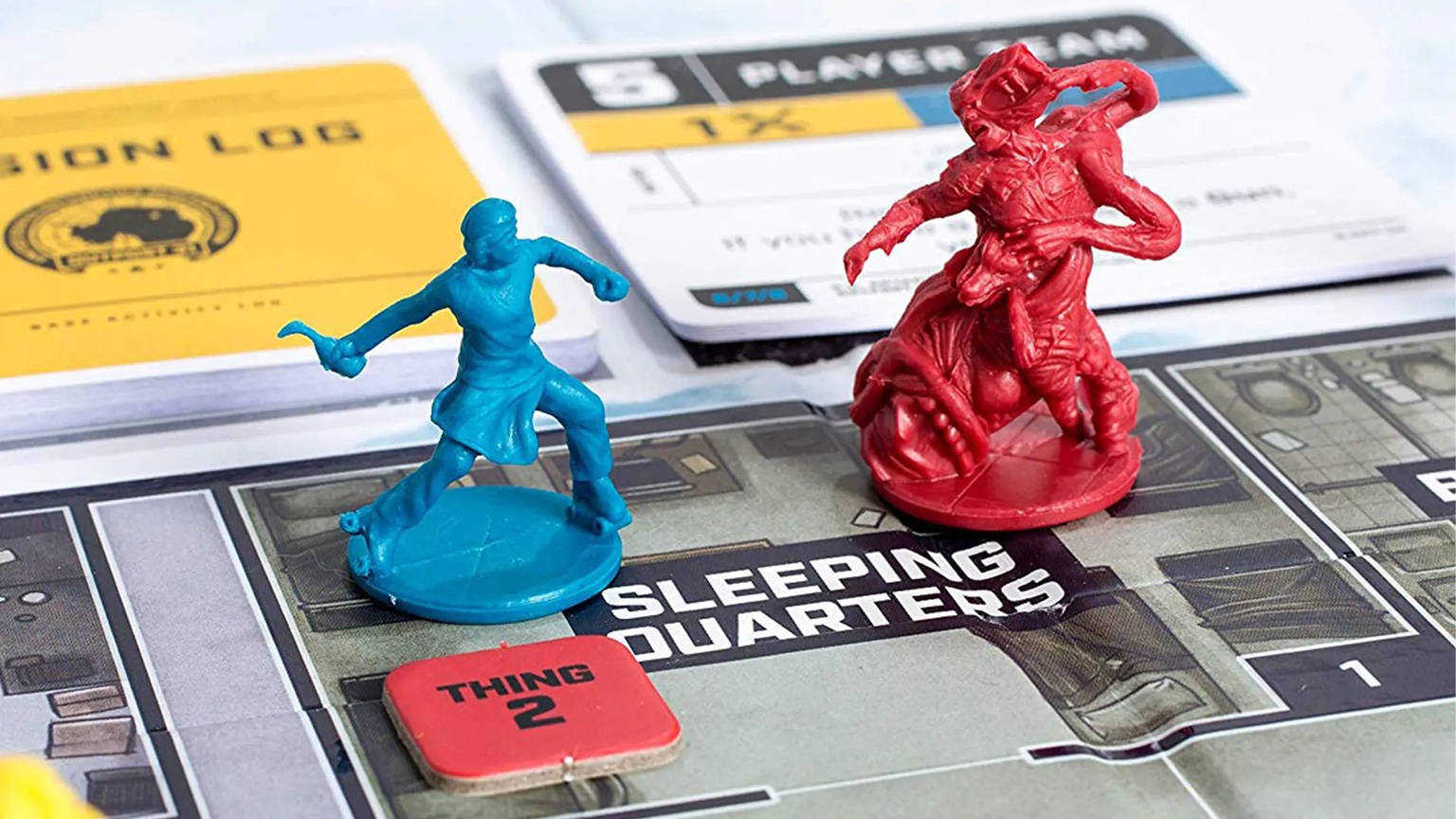

OCTOBER 23: The Thing

It’s hard to make a board game capture the tension and paranoia of an all-time classic horror movie, but man, The Thing does one hell of a job translating the creeping terror of that isolated polar station at your table. Can you figure out which player is the creature before it’s too late?
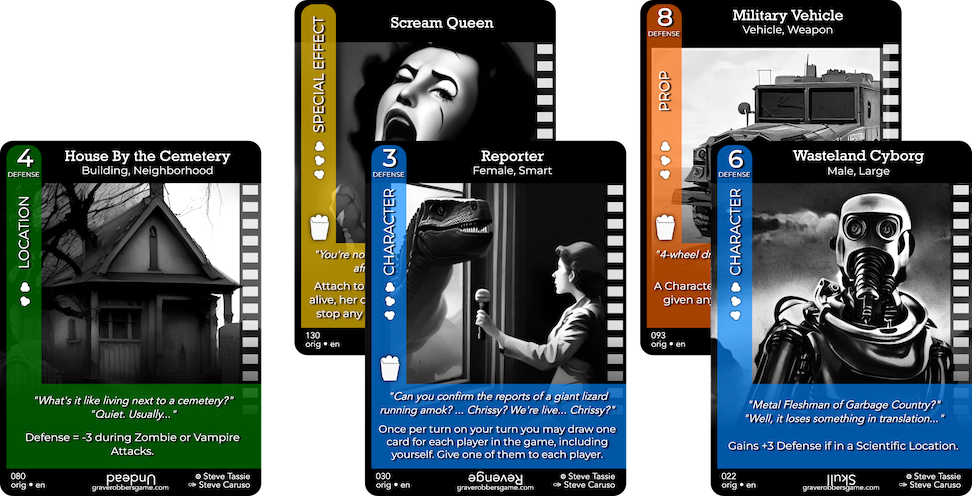

OCTOBER 24: Grave Robbers from Outer Space

I love movie-based games that break the fourth wall, and this game hits all the high notes for that genre of gameplay. You are the producer of a B-grade monster or slasher movie, sending monsters or villains to attack the movies behind made by your fellow players. It’s meta in the best way, and a really good time.
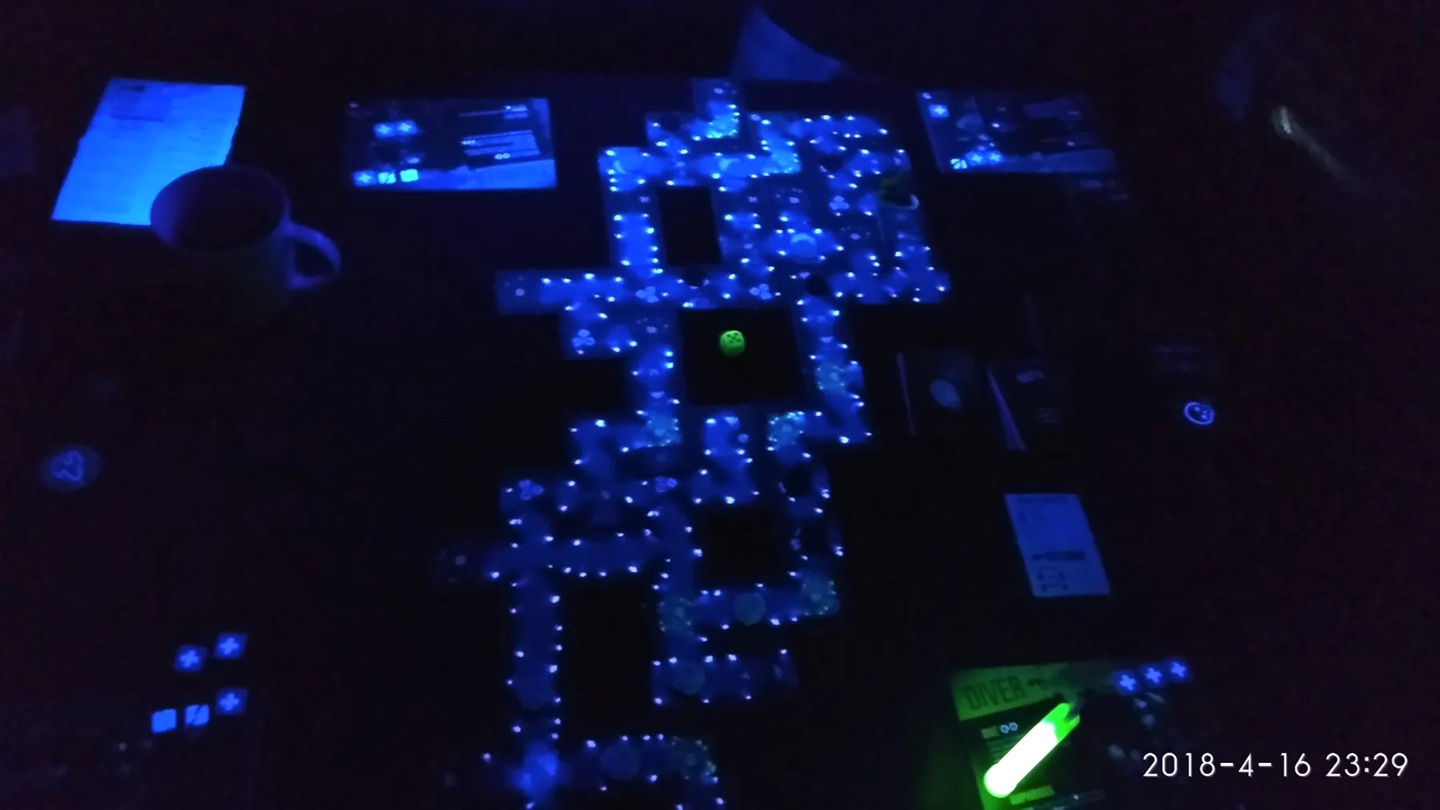

OCTOBER 25: Sub Terra

Some horror scenarios are very simple and terribly effective, and this is one of them. In this cooperative game, you’re a group of cavers exploring a network of subterranean tunnels, and you’re trying to find your way out with diminishing light and resources. This tile-laying game is brilliantly claustrophobic and will get your heart pumping!
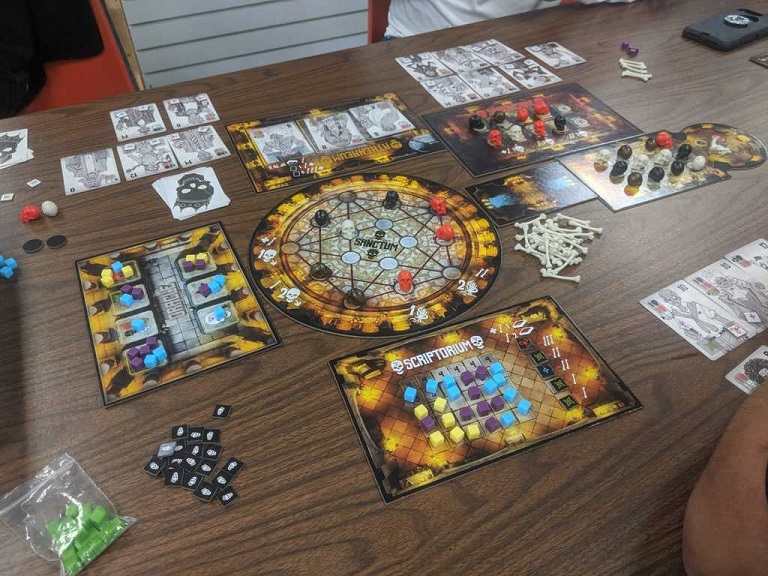

OCTOBER 26: Dead Man’s Cabal

Sometimes it’s hard to gather friends and loved ones for a party. Well, in Dead Man’s Cabal, that’s not a problem, since you can simply raise the dead and make them attend your party! As players compete to gather the most undead partygoers for their event, they can affect not only which guests arrive for their party, but the queue for other players’ resurrected guests as well. The dark tongue-in-cheek humor of the game only enhances the experience, making for a raucous and ridiculous time for all involved.
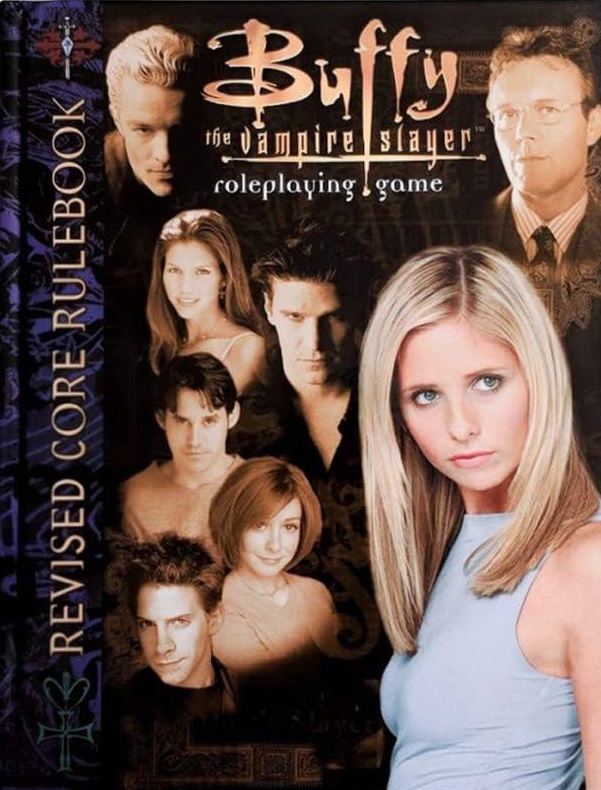

OCTOBER 27: Buffy the Vampire Slayer RPG

If you want scares and monster-slaying, wrapped in a story-fueled package, the Buffy the Vampire Slayer RPG is the perfect way to get it. Told like a season of the show, you get to build your character’s strengths and flaws, battle the forces of evil, and maybe trigger a plot twist or two along the way. This is a top-5 roleplaying game for me. Do yourself a favor, grab some friends, and try it out.
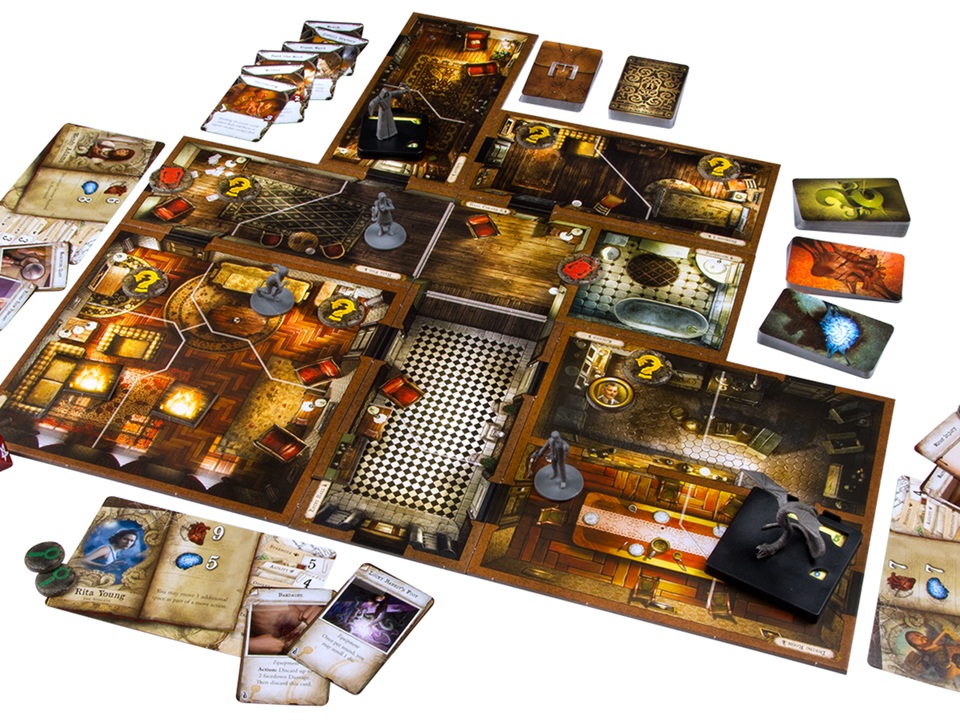

OCTOBER 28: Mansions of Madness

Can you survive a Lovecraftian horror in a mansion? That’s the question posed by this app-assisted game that will have you in knots for hours. With numerous scenarios and game pieces to choose from, this hits a lot of the same checkmarks as Betrayal, but with a decidedly more sinister vibe. Plan your whole night around this one.
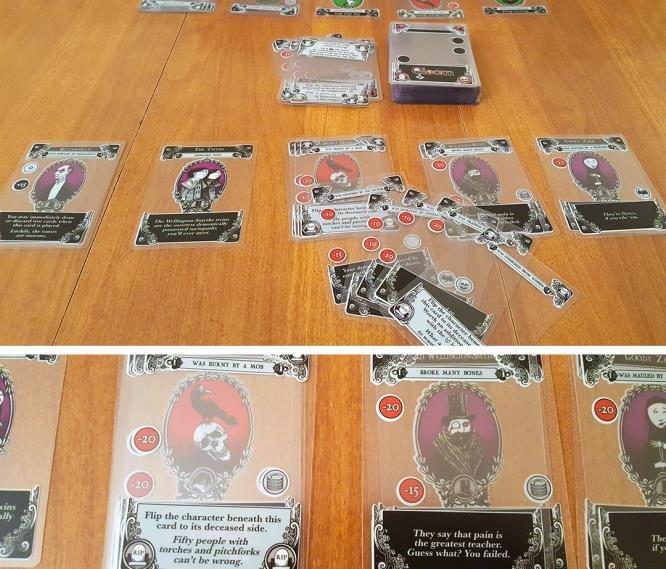

OCTOBER 29: Gloom (or Gloomier)

If you’re looking for a darkly fun game with shades of The Addams Family or Edward Gorey, then Gloom is the game for you. In Gloom, each player is the head of a spooky family, and it’s your job to make them miserable in hilariously ghastly ways before they croak. And as you do so, you regale your fellow players with the ongoing tragic tale of their fates. The gameplay is accentuated by the beautiful clear playing cards, which allow you to stack different events and effects on your family characters and still be able to see what’s going on!
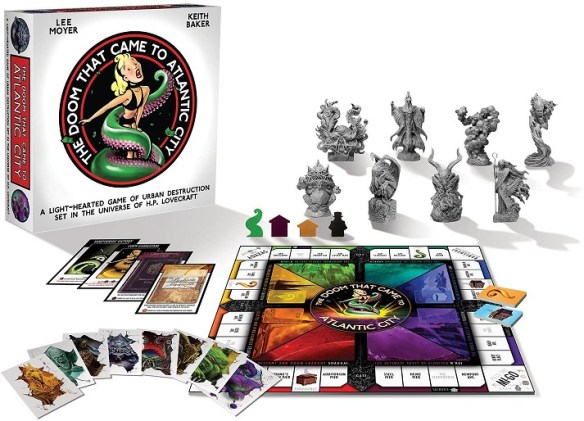

OCTOBER 30: The Doom That Came to Atlantic City

Have you ever wanted to play Monopoly but steeped in APOCALYPTIC MALICE instead of greed? Good! In this game, you crush houses to claim properties, play Chants (instead of Chance) cards, and basically try to be the best doomsday cultist at the table, summoning your monstrous god to end the world before the other players can. It’s tongue-in-cheek and great fun.
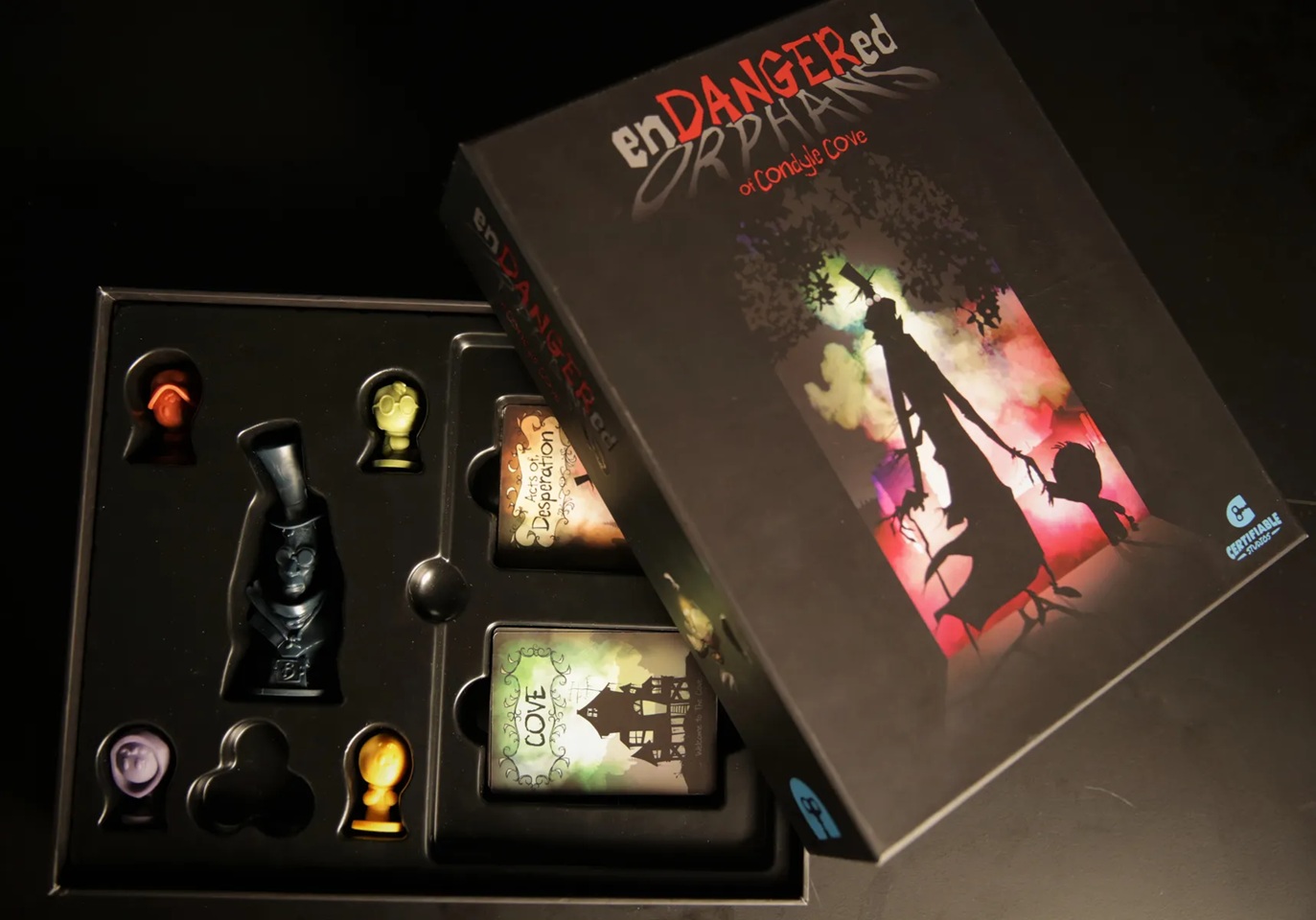

OCTOBER 31: Endangered Orphans of Condyle Cove

Here is my all-time favorite spooky game. Everyone plays orphans visiting all the creepiest places in town, hoping to be the last one standing before the boogeyman gets you. It’s so gloriously dark and creepy and an incredibly good time. This one might be hard to find, but it’s so worth it.


Will any of these games be haunting your Halloween game tables, fellow players? Or is there a spooky favorite of yours that I missed? Let me know in the comments below!

The Best Puzzle Solvers from Horror Movies (Updated!)

horrorpuzzler0
Image courtesy of Hayden Scott.

Five years ago, I wrote my first (and until then, only) post about horror movies in this blog. It was part of a series of posts about the best puzzle solvers across various genres, media properties, and franchises. And I really liked that post.

However, at the time, I felt like I had to avoid certain film franchises and subjects to keep the post as family friendly as possible.

But PuzzCulture is a different animal from its predecessor, so let’s push the boundaries a little bit and make the most comprehensive and accurate list possible, shall we? Let’s honor Halloween right by celebrating the sharpest and most cunning characters to ever elude those relentless meat grinders known as horror films and horror video games.

These are the characters you want on your side, because they’re clever, decisive, and immensely capable. After all, most horror movies and games are populated with idiots who are destined to perish before the film’s conclusion.

So instead, these are the characters who break the mold.


horrorpuzzler2
Image courtesy of Horror Film Wiki.

Nancy Thompson, A Nightmare on Elm Street

When you’re confronted with a monster who hunts people through their dreams, you have to be pretty clever to survive. After all, you have to sleep at some point. When it comes to the Elm Street franchise, they don’t come more clever than young Nancy Thompson.

Nancy discovers she has the ability to pull things from the dreamworld into the real world, and plans to use this ability to stop Freddy Krueger once and for all. She not only sets an alarm to ensure she wakes up before falling victim to Freddy in the dreamworld, but sets numerous booby traps in her house to ensnare and hurt Freddy.

Nancy is a top-notch puzzler for not only figuring out how to use her incredible ability to her advantage, but devising a plan (and a backup plan!) to save herself.

Image courtesy of Medium.com.

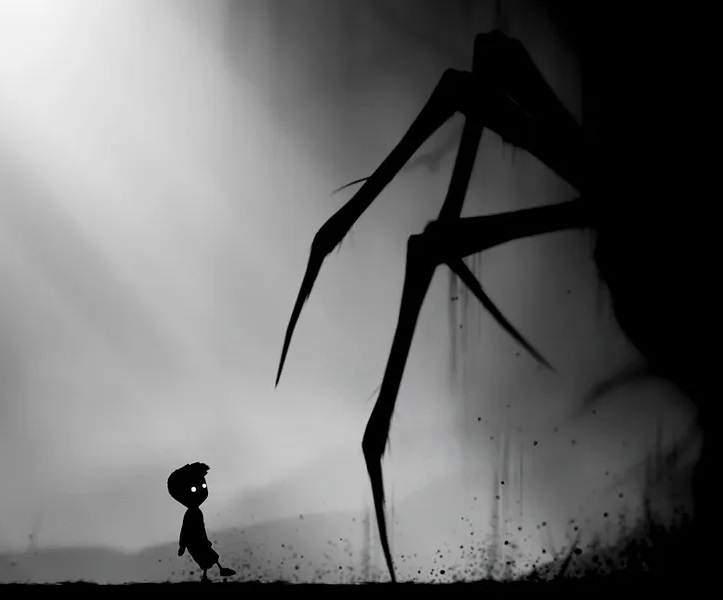
Unnamed Boy, Limbo

One of my all-time favorite video games, Limbo is a moody, atmospheric puzzle horror game where our silent protagonist ventures through dangerous mechanical traps and shadowy creatures in search of his missing sister.

Easily one of the most clever puzzle platform games of the last twenty years, Limbo allows players to climb, push and pull objects, and manipulate the environment to allow the boy to continue his search. Trial and error is the name of the game here, but it takes some serious puzzle-solving skills to survive to the end.

horrorpuzzler5
Image courtesy of Wicked Horror.

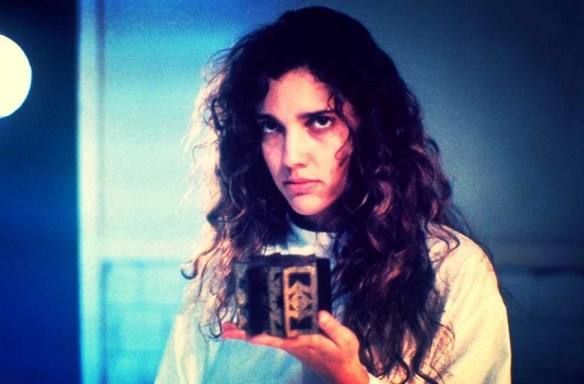
Kirsty Cotton, Hellraiser

The Lament Configuration is a Rubik’s Cube-like puzzle box that opens a portal to another dimension, where monstrous beings called Cenobites promise untold delights in exchange for your soul. Unfortunately, Kirsty is a clever enough puzzler to solve the Lament Configuration and open the portal.

Thankfully, Kirsty is also clever enough to outmaneuver the Cenobites, buying herself time by realizing someone has escaped their clutches and working to save herself by finding the fugitive.

So Kirsty not only figures out the rules of monsters from another dimension and how to use them, but solves a difficult puzzle box (first opening it, then solving it in reverse to close it) in order to save herself. A pretty sharp cookie, to be sure.

horrorpuzzler7
Image courtesy of SBS.

Clarice Starling, The Silence of the Lambs

A young FBI trainee who finds herself tangling with two serial killers — one on the loose, another in custody — Clarice Starling has to not only save a young woman kidnapped by Buffalo Bill, but do so while unraveling the word games and riddles of the devious and brilliant Dr. Hannibal Lecter.

Clarice is perhaps the most overtly puzzly of our heroes, solving anagrams and figuring out the double meaning behind many of Dr. Lecter’s riddles and clues in order to get closer to stopping Buffalo Bill. Along the way, she uncovers information missed by more seasoned investigators, even managing to survive an attack by Buffalo Bill (in the dark!) and saving the kidnapped girl in the process.

If you’re ever in danger, hope that Clarice Starling is on the trail.

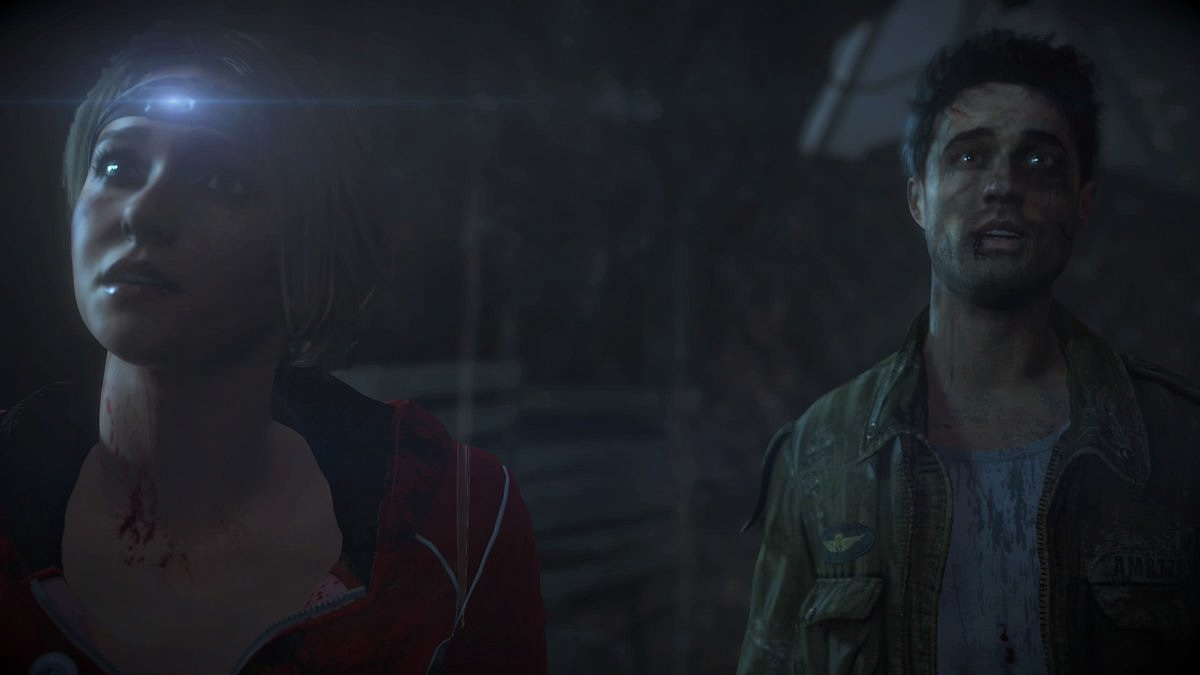
Mike and Sam, Until Dawn

In the interactive horror game Until Dawn, a group of high school pals return to a cabin on a snowy mountain to honor the disappearance of two friends a year earlier. Unfortunately, more tragedy awaits them as a maniac stalks the mountain and evil lurks behind every choice the players make.

Several characters get heroic moments in the game, but nobody more so than Sam and Mike, who manage to wordlessly communicate a plan to stop the dark forces hunting them. (A plan that iron-willed players can help execute, saving Mike and Sam and any other characters that managed to make it to dawn.)

In a game where both characters and players can make clever or clumsy decisions, Sam and Mike definitely stand head and shoulders above the rest.

horrorpuzzler4
Image courtesy of Where’s the Jump?

Bret, Lights Out

Imagine that you’re being hunted by a monster that lurks in the dark. It seems like an obvious solution to simply stay in the light, but when that monster is both intelligent and cunning, that’s a taller order than you think. Bret, along with his girlfriend Rebecca and Rebecca’s family, are being pursued by Diana, a creature who can only appear when it’s dark.

When Diana cuts power to the entire neighborhood, everyone must scramble for safety. Thankfully, the resourceful Bret is on their side, and he thwarts Diana’s attacks several times. When she knocks the flashlight from his hands and charges him, he banishes her momentarily with the brightness of his smartphone screen. As he runs for a car outside, she ambushes him from a shadow, but he escapes again by using the key fob in his pocket to activate the car’s headlights.

Effective puzzlers always make the most of the tools at their disposal, and Bret is a most effective puzzler.

Image courtesy of Saw Films Fandom.

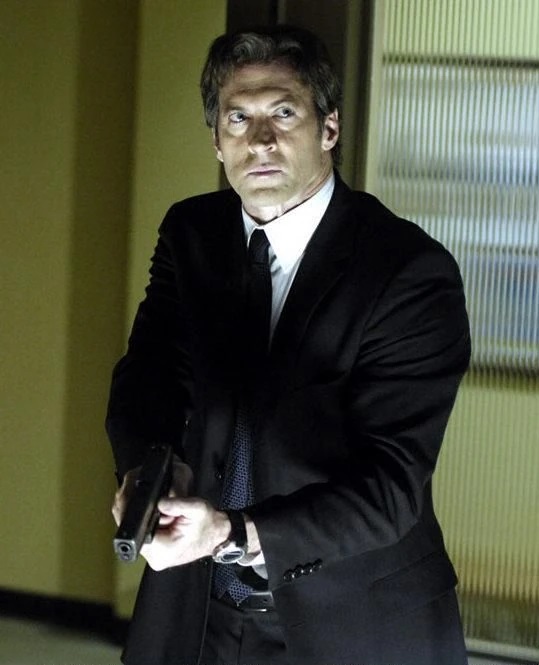
Agent Peter Strahm, Saw IV and Saw V

We meet many criminal investigators in the Saw franchise, but arguably none are more capable than Agent Peter Strahm. Strahm not only deduces important information about Jigsaw’s apprentice in Saw IV, but he actually outwits one of the apprentice’s traps in Saw V!

Using the same pen he would nervously click to relieve stress, Strahm manages to outlast the Water Trap, where his head was trapped in a cube that quickly filled with water. (I won’t go into detail, but anyone who has watched House, M*A*S*H, or Nobody can probably figure out how.)

Although Strahm doesn’t get to walk off into the sunset (very few do in Saw movies), he proved far more capable than many who chose to tangle with Jigsaw and his apprentices.

horrorpuzzler3
Image courtesy of Movie Morgue Wiki.

Joan Leaven, Cube

Sometimes, a good puzzler is plunked down in an unfamiliar situation and has to make sense of it all. (This is the premise of many an escape room or a video game, as well as the truth regarding many coded puzzles or puzzles with symbols.) The situation in Cube is like that times a thousand.

Leaven is one of six people trapped in a maze of interconnected cubical rooms, many of them booby-trapped in various ways. As a young mathematics student, Leaven is immediately intrigued by the numbers inscribed in the small passages that connect the various rooms. The group soon realizes that the rooms are shifting periodically, making the maze harder to solve.

After several theories don’t pan out, Leaven manages to unravel the pattern of the trapped rooms — realizing those rooms are related to prime numbers (specifically powers of prime numbers) — and navigates the group through the ever-shifting maze toward an exit.

The stakes may not always be as high as they were for Leaven, but she never gave up and always approached the puzzle from a fresh angle when thwarted. That’s a sign of a true puzzler.

horrorpuzzler6
Image courtesy of Yahoo.

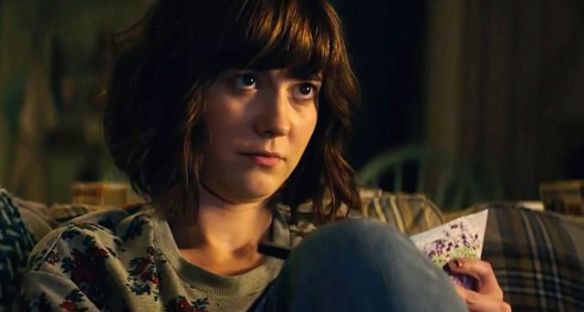
Michelle, 10 Cloverfield Lane

After being run off the road in an accident, Michelle wakes up in a well-stocked underground bunker. She’s been taken there by Howard, the bunker’s owner, who tells her the surface is uninhabitable and the air outside is poisoned. Michelle quickly realizes that Howard is unstable, but must bide her time before attempting to escape.

Michelle is another remarkably resourceful individual, mapping out the ventilation system in the bunker (while doing repairs), fashioning a hazmat suit out of found items, and outwitting Howard long enough to escape. (Once free, she even manages to whip up a Molotov cocktail and dispatch an unexpected threat.)

Some of the most devious puzzles are the ones where you have to figure out how to use what’s in front of you in creative ways to complete a task. Michelle has this skill in spades.

Image Courtesy of Game Rant.

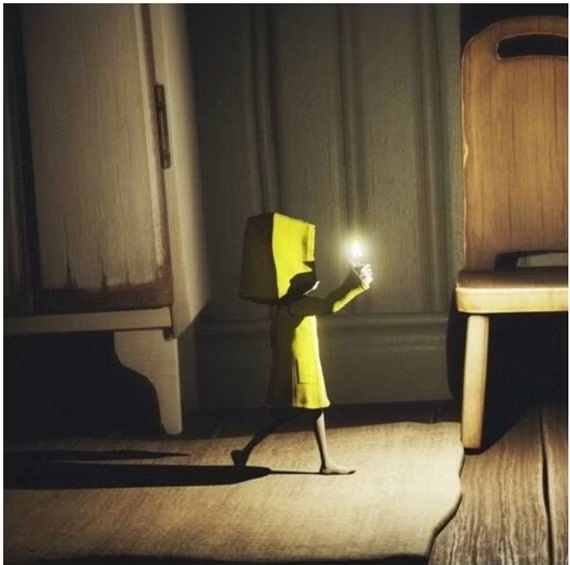
Six, Little Nightmares

A hungry nine-year-old girl in a yellow raincoat, Six is the protagonist of Little Nightmares, a brilliant puzzle-platformer where the player must outmaneuver hulking monstrosities and sneak their sneakiest sneaky selves through treacherous scenarios.

Six is patient, resourceful, and pragmatic, carefully choosing when to be stealthy and when to be bold, as both are required to survive the game.

Through pattern identification, enemy observation, and learning from your mistakes, you and Six navigate the oversized horrors of the game. (While the puzzles in Limbo often require the player to die more than once before figuring out the correct path forward, Little Nightmares allows players chances to figure out the puzzle ahead of time, making for a different, but equally satisfying, solving experience.)

horrorpuzzler1
Image courtesy of The Dissolve.

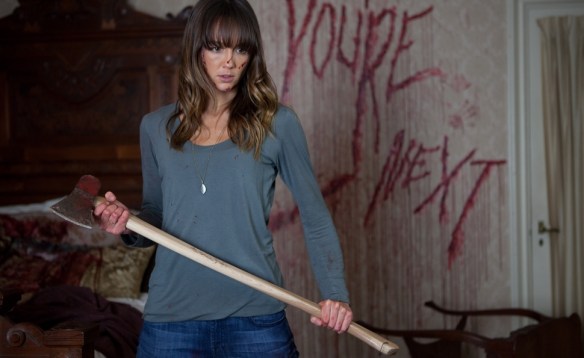
Erin, You’re Next

Erin joins her boyfriend at a family gathering, only for things to turn sour as masked invaders target the party’s guests. But they get more than they bargained for, as Erin quickly reveals herself as one of the most capable horror movie protagonists in the history of the genre.

Erin gathers information, sets traps, outwits the bad guys at seemingly every turn, and generally dazzles with her intelligence, tactical skill, and resourcefulness.

You know that puzzle where you have to connect all the dots in the square with only three lines, but to do so, you have to draw outside the square? That puzzle wouldn’t fool Erin for an instant. She is constantly thinking outside the box — and the house — in order to accomplish the most with the fewest moves.

Horror movies haven’t seen a puzzler like Erin before, and I almost feel bad for any bad guys who get in her way.


Did I miss any world-class puzzlers from horror movies? Let me know in the comments section below! I’d love to hear from you!

Count Dracula Ambling Down the Information Superhighway

Bram Stoker’s classic novel Dracula is a story constructed through modern communication technologies—modern for 1897, that is. Jonathan Harker’s journal is kept in shorthand; Mina prides herself on her ability to use a typewriter; and telegraphs, Kodak cameras, and phonographs all factor into the eerie plot as well. Arguably, then, successfully adapting the book in the here and now must mean drawing significantly upon the twenty-first century’s developments in communication technologies. Any version of Dracula created in 2022 that aims to be a strict nineteenth-century period piece can claim to be true to the letter of the book, sure. Not, however, the spirit. For that, we need, at the very least, the inclusion of the internet as a constant background hum, the way it is for most of us in real life.

Filming in black-and-white, Supernatural falls prey to the compulsion to depict Dracula through old-fashioned technologies, rather than through the newfangled.

What about an adaptation that stays true to the spirit and the letter? Such a project does exist, and if you’re reading this post before May 3, 2022, you have time to get in on the ground floor. Dracula Daily is more than simply a period piece; in fact, it does not stray one inch from Stoker’s original text. What makes it a modern adaptation is the delivery system: email. Specifically, the project is hosted through Substack, a popular platform for emailed newsletters. Dracula is an epistolary novel; each letter, news article, or diary entry is clearly dated, a design that, with the aid of 2022 technology, lends itself well to a “real-time” storytelling approach. Beginning next Tuesday and ending in November, project mastermind Matt Kirkland will send out each segment of Dracula‘s text to all subscribers on its corresponding date. Whether you’ve read Dracula before or you only know the Count through cultural osmosis, you too can have fun digesting the novel in timely, bite-sized chunks.

What We Do in the Shadows demonstrates the value of connecting your vampires to the internet.

The appeal of joining others in experiencing a classic horror tale one day at a time is evocative of another labor of love that we’ve discussed on this blog before: Wordle. You may not usually think of Victorian literature when you think of binging media, but just like Wordle’s one-puzzle-per-day design, Dracula Daily’s slowed down approach to the reading experience resists the modern cultural impetus to consume our pleasures as quickly and greedily as possible. Simultaneously, as with solving the same Wordle as everyone else each day, reading these emails when they arrive presents the opportunity to know that you are sharing a little experience with others—whether simply strangers, or any friends you may convince to subscribe as well (maybe you’ll decide to form a book club). Thus, you can enjoy all of the zeitgeisty sense-of-belonging that binging new Netflix releases provides, with none of the sickening burnout.

This is not Kirkland’s first blood-sucking rodeo; the newsletter actually premiered May 3, 2021, and was not initially intended to run two years in a row. However, what began, in Kirkland’s words, as a “silly side project” blew up, with approximately 2,000 subscribers joining the digital “book club.” On April 18 of this year, Kirkland sent out a new email, asking if people wanted him to reprise the endeavor. As motivation, he cited that “Many people fell behind on the reading or joined partway though, which [is] fine! But not perhaps the ideal way to read a novel.” Hundreds of replies poured in, overwhelmingly of the “yes” variety, making up Kirkland’s mind. This Monday, he tweeted that the subscriber count had shot up to 13,000—the book club gained over 10,000 new members in only two days.

This train to Transylvania is gaining steam fast; still there’s always room for one more on board. You should never invite a vampire into your home, but inviting them into your email inbox should be perfectly safe.

At least, we don’t think that this Buffy the Vampire Slayer episode where a demon wreaks havoc on the internet will come true if you subscribe.

You can find delightful deals on puzzles on the Home Screen for Daily POP Crosswords and Daily POP Word Search! Check them out!

Thanks for visiting PuzzleNation Blog today! Be sure to sign up for our newsletter to stay up-to-date on everything PuzzleNation!

Six Characters in Search of Free Will

Last week, we traveled back in time, before the dawn of escape rooms, to what was nonetheless a perfect example of escape room horror: the Twilight Zone episode “Five Characters in Search of An Exit.” Now, let us jump forward, past the present, into the near-future. A clear thematic descendant of “Five Characters in Search of An Exit,” Black Mirror‘s speculative “USS Callister” takes the “everyone is a toy” premise of “Five Characters” further than the Twilight Zone episode carried it (the Black Mirror showrunners have even described the episode as “Adult Toy Story).

In contrast to “Five Characters,” the setup of “USS Callister” is not especially simple. We begin in a clear Star Trek homage as the starship USS Callister‘s crew, helmed by Captain Robert Daly (Jesse Plemons), celebrates a victory. Abruptly, the show cuts from this slick, primary-colored setting, to a world much drabber and closer to our own. Daly is revealed to be the unassuming founder of a virtual-gaming company called Callister, and a fan of the retro sci-fi television show Spacefleet. Each of his crew members from the opening scene reappears in the Callister office as a different coworker; all, at best, seem indifferent to Daly’s existence.

Enter newly hired programmer Nanette Cole (Cristin Milioti), who is as big a fan of Daly’s work as Daly is of Spacefleet. She and Daly awkwardly hit it off, until the company’s co-founder, James Walton (Jimmi Simpson), waltzes in and steals Cole’s attention. Next thing we know, Daly returns home to sign into his VR game and reappear on the USS Callister‘s bridge. There, we see a side of him that was not immediately obvious before: he is power-hungry, violent, reveling in belittling the crew.

The next time Daly is in the office, he steals Cole’s thrown-away coffee cup and takes it home, where he uses her DNA to create a sort of virtual clone of her. This clone, despite Daly’s desire to play god, is not a mere plaything; she is fully sentient, retaining all of the original Cole’s memories, feelings, and personality. When she awakes on the USS Callister, miniskirted and vintagely coiffed, she is terrified. Without Daly present, the other crew members explain the situation, that she is stuck forever in a modded version of the VR game the original Cole programs: Infinity. They are all digital clones, all stuck.

Walton describes the situation as “an eternal waking nightmare from which there is no escape,” but Cole tries to escape regardless, running through the ship’s halls until Daly transports her back onto the bridge. She refuses to play along with the Spacefleet roleplay premise, so he uses his God-like powers to torture her until she agrees to cooperate. Still, that first flight from the bridge is not Cole’s last attempt to wiggle free of Daly’s clutches. Her schemes just get more strategic. Even when she learns that the reason Walton plays along is that Daly has Walton’s son’s DNA on a lollipop in his minifridge, Cole sees this as further motivation to take Daly’s toys away from him.

After another fumbled escape attempt that provokes Daly’s sadistic ire, Cole finally hits upon a winning plan. She spots a wormhole out the ship’s window, representing an incoming update patch to the game. Cole suggests flying straight into the wormhole, thereby deleting all of their code, killing them. Freeing them. First, however, it’s necessary for someone out in the real world to destroy the DNA hoarded in Daly’s minifridge.

The plan is for Cole to go on a mission to a planet’s surface alone with Daly, where she distracts him. Meanwhile, the crew beams up the device that Daly uses to control the game and contact the outside world. The crew is able to contact the real-world Cole, and blackmail her with the cloned Cole’s knowledge. They compel her to order a pizza to Daly’s apartment so that he’s forced to temporarily exit the game, then, while he’s occupied, to: 1. steal all of the DNA in the minifridge, and 2. replace the nodule he uses to connect to the game with a decoy that does nothing.

Cole distracts Daly by luring him into a lake.

The end result is that the crew of the USS Callister is able to successfully fly into the update patch wormhole without Daly’s interference. Contrary to their prediction, this does not erase their code; they are not killed, but they are free. They are transported from Daly’s personal, modded version of Infinity to the greater Infinity, which lives in the Cloud. Meanwhile, Daly, in his attempt to chase after them, has gotten himself stuck in his own game.

This is a much more optimistic ending than that of “Five Characters.” The characters not only are able to transform themselves from playthings to game-players; in doing so, they escape the confines of their limited world—within reason. While they are no longer imprisoned within Daly’s computer, able instead to roam the Cloud-stored game universe, they are still technically bound, forever, to the starship.

If we classify this as escape room horror, with a requirement of the genre being that someone must escape the room alive, then we are working with a more ephemeral, existential understanding of what constitutes a “room.” The characters’ ultimate goal is not to escape their physical surroundings, but to escape the game rules that have been put in front of them. The horror herein is not about literal claustrophobia, but about the gnawing psychological claustrophobia that comes from an absence of free will. They are not escaping from the ship; they are escaping from hierarchy. It is the perfect distillation of escape rooms as a team-building exercise, driving home that there is no “dictator” in “team.”

A review of the episode in The Atlantic pointed out that whereas so much of Black Mirror‘s storytelling is about “the terror of being connected,” “USS Callister” goes in the opposite direction. What begins as a seeming cautionary tale against the horrors of video games becomes, instead, an ode to collaborative approaches to gaming. The fact that the crewmembers still have each other and an infinite universe to explore is presented, unequivocally, as a happy ending. It’s a happy ending that anyone who finds joy in shared game experiences like escape rooms, multiplayer video games, or tabletop role-playing will no doubt find resonant. Hell is not other people; it is other people having undue power, and stripping us of our personhood.


You can find delightful deals on puzzles on the Home Screen for Daily POP Crosswords and Daily POP Word Search! Check them out!

Thanks for visiting PuzzleNation Blog today! Be sure to sign up for our newsletter to stay up-to-date on everything PuzzleNation!

Escape Rooms and Bottle Episodes: A Condensed, Horrific History

When they appear in sitcoms, escape rooms are played for laughs and sentimentality, true to their common real-life role as a fun diversion and a team-bonding activity. On the other hand, horror media has a lot to say about the sinister side of being trapped in a room and dependent on only your wits to free you; a whole bevy of twenty-first-century films depict escape rooms from Hell. Consider the horrific potential of pairing claustrophobia with psychologically intricate tasks, and it makes sense that the recent rise of escape rooms as a pastime would be accompanied by a rise in twisting that pastime for terrifying purposes.

Escape room horror is not, however, a new concept, despite the modern appellation. Before No Escape Room (2016), Riddle Room (2016), Escape Room (2018), Escape Room (2019), Escape Room 2: Tournament of Champions (2020), and even before Fermat’s Room—which came out in 2007, the same year as the first documented real-life escape room—there was the 1997 movie Cube. In Cube, six strangers are trapped within a harrowingly booby-trapped setup of cubic rooms, and must rely on math and logic to escape death.

“It’s like something out of that twilighty show about that zone,” Homer said before entering his three-dimensional predicament in this Halloween episode of The Simpsons.

I am not here to recommend that you watch Cube, not unless you’re a fan of creative, vivid gore. Still, it is remarkable as a precursor to escape room horror directly inspired by actual escape rooms. Back in 1994 when director and writer Vincenzo Natali first completed the script, the closest relative to Natali’s vision was the Twilight Zone episode “Five Characters in Search of an Exit.”

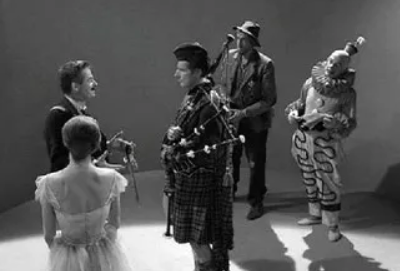
“Five Characters” originally aired in December 1961, sandwiched between episodes about time travel and World-War-II-era body-swapping. Compared to those premises, the episode’s set up is simple. Frustratingly so; the lack of bells and whistles is the source of the horror. The characters who wake up trapped together don’t even have names: they are simply, according to narrator Rod Serling, “Clown, hobo, ballet dancer, bagpiper, and an army major—a collection of question marks.”

These question marks play out the episode in essentially a featureless void. There are no brainteasers or riddles to unravel, no booby traps to dodge or calculations to perform. Rather, the puzzles are both larger and more bare-bones, existential: who are they, where are they, and is it possible to be somewhere else? Is it worth it to be somewhere else?

We might also call this story an example of bottle episode horror. In a 2014 interview, New Girl showrunner Elizabeth Meriweather said about the bottle episode, “Background Check,” “For a bottle episode, the stakes have to be very, very high, or else you’re feeling the claustrophobia of not leaving the loft.” This is a good rule of thumb for a sitcom, but what about a horror show, wherein you want to feel the claustrophobia? I’d argue that high stakes are just as necessary for bringing the claustrophobia home as for obscuring its presence; the line between effective comedy and effective horror, here, is thin.

The Community episode “Cooperative Calligraphy” makes no effort to obscure the claustrophobia of the situation; rules were made to be broken.

Does “Five Characters” offer the emotional depth and palpable claustrophobia necessary to bring out the horror of the situation? A review posted on The Twilight Zone Project seems divided on the issue, speaking to the episode’s building suspense but also calling the characters “cartoonish” and the twist “cheap.” “Five Characters,” you see, concludes with the reveal that the clown, hobo, ballet dancer, bagpiper and army major aren’t just playing a game of escape; they themselves are playthings, dolls in a charity toy drive bucket.

I have seen this episode several times, and still don’t know what exactly to make of this twist. What meaning can be gleaned from it, what metaphor? Uncertain what exactly the cast’s toy status tells us about humanity or anything else that lofty, I’d rather think of the episode as an historical artifact, and situate the concept of the players as the playthings in the context of the escape room and/or bottle episode horror television that has followed in its wake. Stay tuned for next week, when I examine a clear, modern descendant of “Five Characters in Search of An Exit.” (No, it’s not Cube.) Let the suspense build . . .


In the meantime, you can find delightful deals on puzzles on the Home Screen for Daily POP Crosswords and Daily POP Word Search! Check them out!

Thanks for visiting PuzzleNation Blog today! Be sure to sign up for our newsletter to stay up-to-date on everything PuzzleNation!

Puzzling Virtually at Norwescon 43!

nwc43

Over the weekend, I participated in an online version of the celebrated sci-fi, fantasy, and horror convention Norwescon.

Although many of the convention’s panels and events have a writerly focus, plenty of attention is also given to art, films, games, and pop culture, so there was plenty for puzzle and game fans to enjoy at the event.

Naturally, since the convention was being held virtually rather than in person, some creativity was required to redesign events to be enjoyed from the comfort of attendees’ homes.

For instance, costumes were shown off through video or submitted photos — there was even a closet cosplay challenge held where participants had twenty minutes to create a costume based solely on what they could find in their closets!

As for my contributions, each year I host a themed scavenger hunt and an escape room for teen attendees to enjoy.

thumbnail_PBSH500

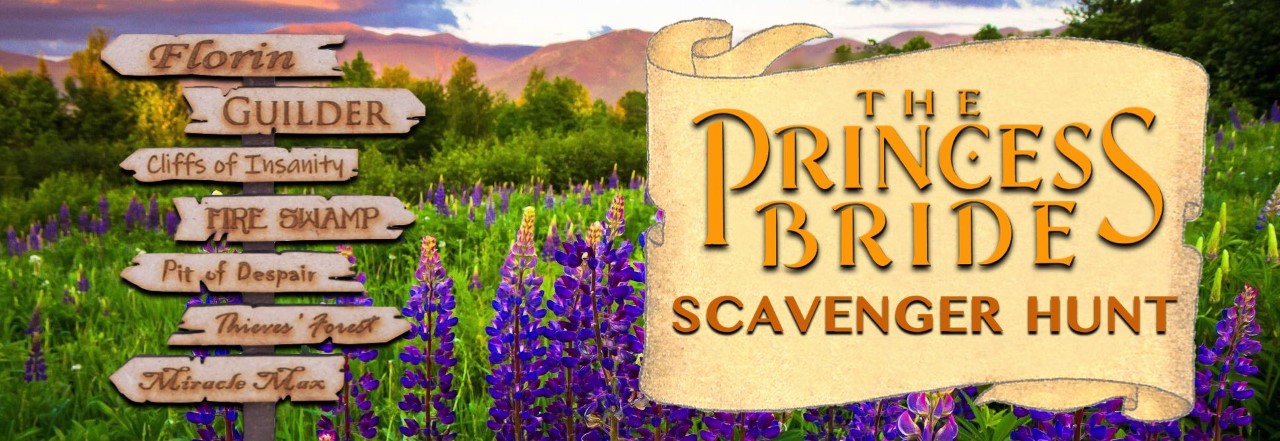
The scavenger hunt adapted to the format easily. We cast volunteers to portray different characters from the film The Princess Bride, and players had scheduled times to actually interact with them through Zoom chats. Players downloaded a PDF of the rules and some puzzles to be solved, and they would receive a code phrase upon completing each of their assigned tasks.

(The code phrases, when properly combined, revealed a secret word which would “trigger” a surprise video.)

Their more puzzly tasks included using instructions to whittle down a list of 40 possible ingredients down to the three Miracle Max would need for his miracle pill for Westley, as well as solving a logic puzzle to find evidence that an ROUS was innocent of a royal guardsman’s disappearance.

And on the last day of the convention, they attended the wrap-up panel where we explained the hunt in full, thanked the cast, announced the winners, took suggestions for a theme for next year’s scavenger hunt, and even played a Cameo video from a member of the film’s cast as a surprise for all the attendees!

It was a rousing success.

3po top half

Adapting the Star Wars-themed escape room for a virtual format was far more daunting. After all, one of the most satisfying aspects of escape room solving is to actually physically solve puzzles, unlock containers, open doors, and defeat all sorts of key locks, combination locks, and more.

My solution to this problem was to still allow players to “unlock” and open something, just something virtual: password-protected PDF files.

wall unit 2

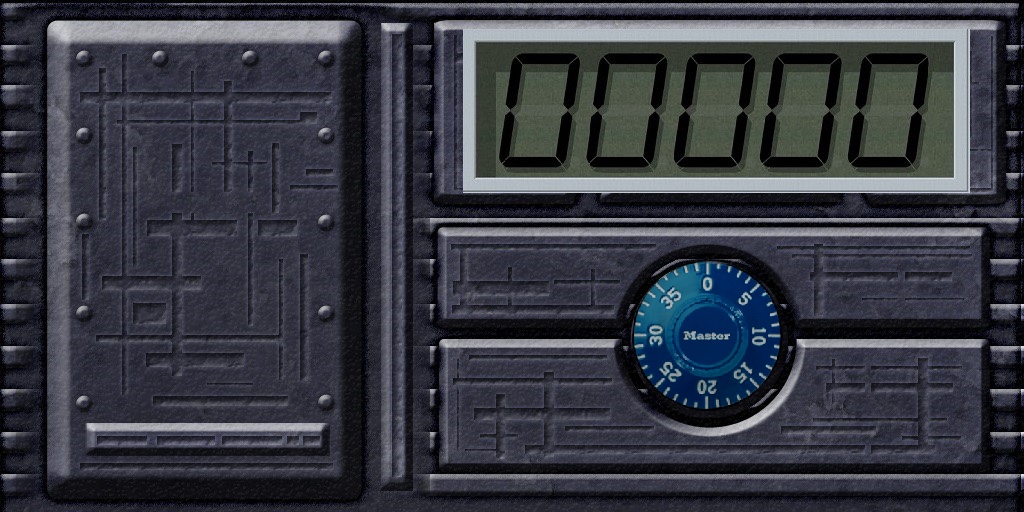
[This “panel” required a 5-digit code and a 3-digit combination to unlock.]

I created a webpage with images of all the “locked” panels for them to virtually open, each of which had symbols to indicate what sort of lock there was, as well as links to the password-entry screens. As they found keys and solved puzzles, they coordinated to try different panels and see which keys and codes unlocked the PDFs, which then opened to give them new tools and puzzles to solve.

It wasn’t the most elegant solution, but once players got the hang of it, they were soon racing through the room, using a built-in chat window to keep track of items they hadn’t used and working out passwords in real time.

One of the players even started livestreaming her efforts to solve a pipe puzzle on Twitch so everyone could solve along with her. It was a very cool and innovative way to virtually solve!

Hopefully, we’ll be back in person for next year’s convention and we can get back to opening locks and running around for a proper scavenger hunt. But either way, it’s nice to know we’re adaptable and creative enough to still pull them off in the virtual space when circumstances arise.

After all, as long as the players had fun, we can definitely call it a win.


Thanks for visiting PuzzleNation Blog today! Be sure to sign up for our newsletter to stay up-to-date on everything PuzzleNation!

You can also share your pictures with us on Instagram, friend us on Facebook, check us out on TwitterPinterest, and Tumblr, and explore the always-expanding library of PuzzleNation apps and games on our website!