My PuzzCulture Resume!

After our one-year anniversary post, some of the readers have been asking about my puzzle credentials. How did I become a puzzler? What strange, meandering road led me to the hallowed halls of puzzlesmithery? Could aspiring puzzlers follow the same path to puzzlewonderful adventures?

There’s no single path to puzzlerhood. Sure, there are some fairly universal commonalities. Do you have a great vocabulary? Mad trivia skills? Are you a whiz with palindromes, anagrams, or other forms of wordplay? These can all help. Also, a background or degree in English doesn’t hurt.

But every puzzler I know took a different route. It’s not as if we all awoke one day to a knock at the door, only to discover a small basket left on the doorstep, and tiny elfin footprints leading back toward the enchanted forest down the street.

Though, admittedly, that would have been awesome.

Here, let me take you through some of the highlights in my puzzle resume, and we’ll see if my experiences offer some guidance or inspiration for those with puzzletastic aspirations.
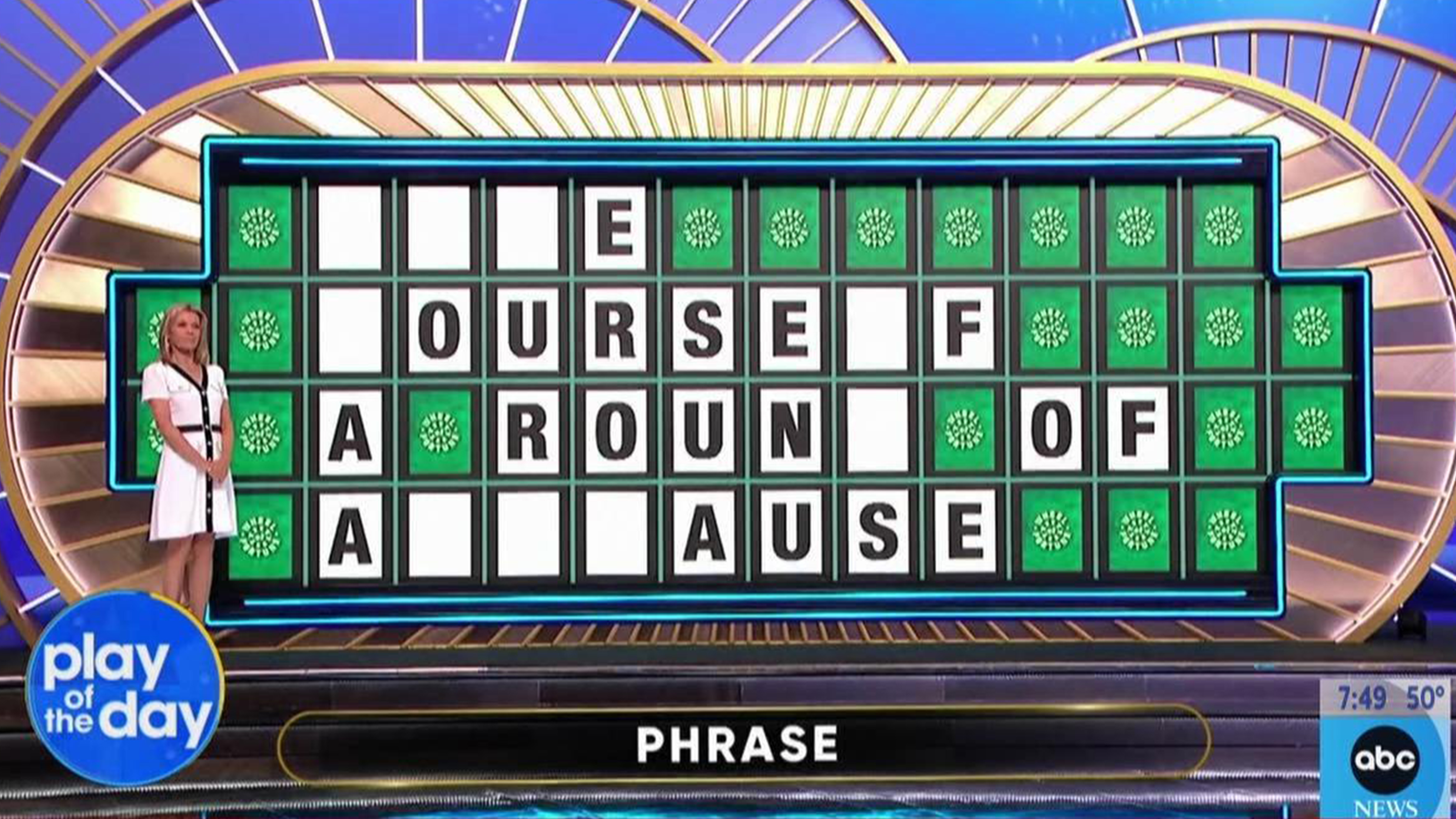
Unrecognized Wheel of Fortune Grand Champion, USA, 1988-present

Since I was about seven years old, family members have called me into the family room to see who can puzzle out the quotes, phrases, and punny answers behind the lovely Vanna White, and I regularly school both contestants and kin with ease.

While Mr. Sajak refused to recognize my decades-long reign as Wheel of Fortune Grand Champion (Stay-at-Home Division), and Mr. Seacrest has yet to return my calls, that doesn’t make it any less noteworthy.
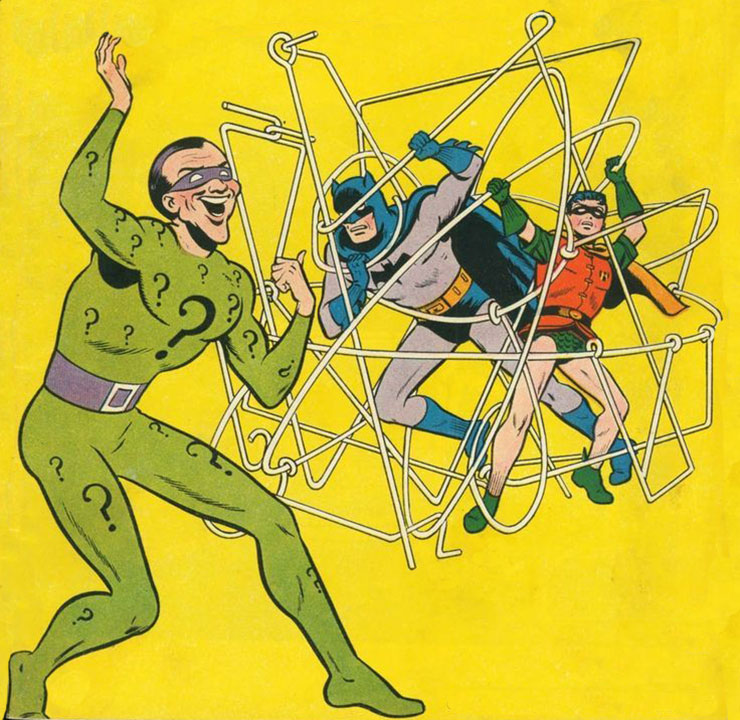
Internship with the Riddler, Gotham City, 2000-2001

There are few puzzle personalities in the world with the flair, cachet, and renown of Edward Nygma, otherwise known as freelance detective and occasional criminal mastermind The Riddler. So when I had the opportunity to sit in with him and learn from his decades of riddle-centric shenaniganry, I leapt at the chance.

I studied the intricacies of mechanical puzzles, wordplay, and punsmithery while under Nygma’s wing. Although I frequently found myself in legal and moral gray areas — and on the receiving end of more than a few POW!s and BIFF!s — the experience was well worth it.
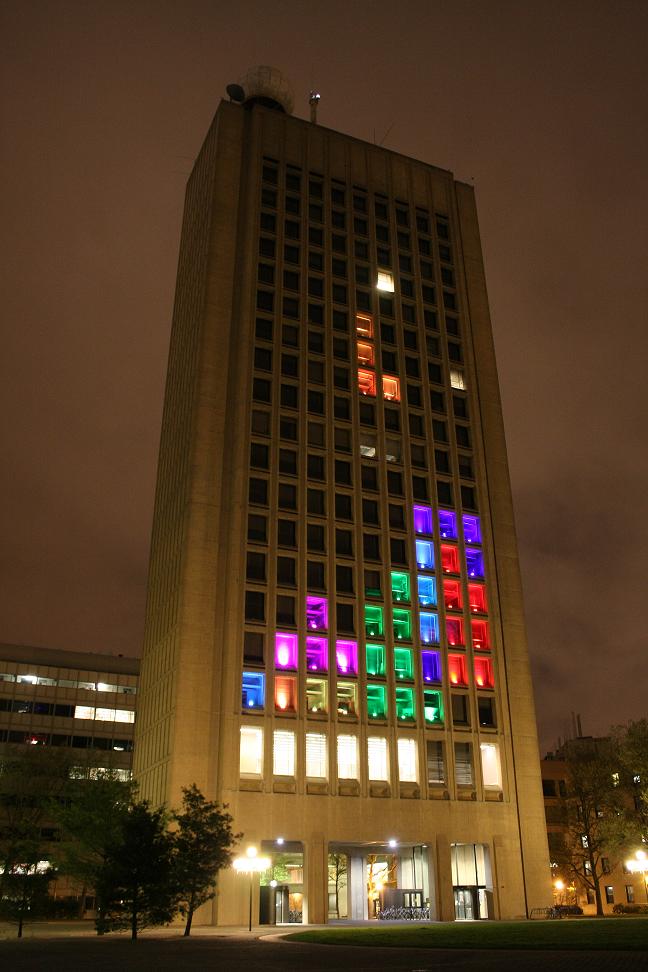
Tetris Foreign Exchange Program, St. Petersberg, 2002

There’s no better spatial awareness training than Tetris. I can feng shui the packages in the back of a UPS truck like nobody’s business, and don’t get me started on my legendary vacation-packing skills. And with the added pressure of that horrendous tension-inducing “you’re near the top!” music, I’m cool as Siberia under pressure.

Dungeon Tester, various, 2003-present

Is your Tomb of Horrors not horrorful enough? Is your Tomb of Elemental Evil lacking in some evil elements? Is your Ghost Tower of Inverness feeling a little inver-less?

I’ve ventured through some of the deadliest, trickiest, player-decimating-est dungeons in all of roleplaying, and my quality control and suggestions have made them even deadlier-ier!

That trick with the secret escape door in the third pitfall trap? Yeah, that was me.

You’re welcome, dungeon masters!

Escape Room Entrepreneur, Scranton, PA, 2006

Yes, the first official escape room opened in Japan in 2007, but I actually pioneered the genre when I accidentally tripped into a display at the Houdini Museum in Scranton just before closing time. Somehow the staff missed the clanking of chains and my totally-manly-and-not-at-all-shrill cries for help, and I found myself plunged into darkness, trapped haphazardly in several of Houdini’s most famous devices.

Thankfully my previous training with the Riddler had prepared me for this sort of dilemma. After several hours of maneuvering (and some unpleasant chafing marks from all the chains and manacles), I managed to extricate myself from all the Houdiniana around me and slip out the front door… and into the waiting arms of the police responding to all the motion sensor alarms I’d tripped with my heroic flailings.

Puzzle Summit with Will Shortz, New York City, 2007

Okay, it wasn’t so much a historic meeting of the minds as it was me yelling puzzle ideas at him with a megaphone as I chased him down the street.

But that totally counts.

Freelance Puzzle Historian, Self-Appointed, USA, 2009-present

Oh yes, puzzle history is a rich and varied field of study, one to which I have devoted a great deal of time and effort, unearthing some fascinating and surprising discoveries. For instance, did you know that Nero did not, in fact, fiddle while Rome burned? He was far too busy being frustrated by the extreme Sudoku puzzle he’d picked up in the agora.


Well, there you have it. A brief glimpse in my particular puzzle experiences and how they’ve shaped me. Here’s hoping you can blaze your own puzzlerific trail, be it through decoding Linear B with Cryptogram-ingrained proficiency or anagramming your friends’ names to your heart’s content.

Happy puzzling, everyone!
The Great Escape (Room)!

room

For years now, Headless Horseman in Ulster Park, New York, has been one of the premiere haunted houses in the country, complete with hayrides, a corn maze, and hundreds of employees working to surprise and spook you. Celebrated for their immersive storytelling, as well as scares designed to delight and terrify all at once, it’s a Halloween tradition in the Northeast.

But recently, they’ve turned their creative energies toward a more puzzly experience: escape rooms.

This weekend, my siblings and I (plus some friends) tackled one of Headless Horseman’s escape rooms, Houdini’s Workshop, and it was an absolute blast.

houdinis-workshop

Here’s the story behind Houdini’s Workshop, courtesy of the Headless Horseman website:

Houdini, the world’s greatest escape artist and famous magician, made a pact with his wife Bess to try and make contact from beyond the grave upon his death. They also set a deadline by which they would give up and Bess was to move on with her life.

As the hour approaches for the deadline, you and your friends are their last hope. You have one hour to discover the final item so that Bess may make one last attempt to contact her beloved husband.

And so, the ten of us piled into Houdini’s parlor and set out to explore… and there was plenty to explore! Hidden panels, riddles, brain teasers, and red herrings galore, not to mention a plethora of locks that would take cleverness, deduction, and teamwork to crack open.

How did we do? Well, I’m proud to announce that we escaped with 4 minutes, 30 seconds left on the clock. Everyone contributed to the solve, and everyone had a fantastic time.

Now, I can’t give you details on specific puzzles or anything like that, because that would ruin the experience for others who might accept the challenge of Houdini’s Workshop.

But it occurred to me that I could give you suggestions for other ways to exercise your puzzly mind and flex your mental muscles in the real world.

1.) Puzzle Hunts

fantasticrace

[Game Master Bob Glouberman instructs a batch of competitors
in the Fantastic Race. Image courtesy of The LA Times.]

Puzzle hunts are interactive solving experiences that often have you wandering around a certain area as you crack codes, unravel riddles, and conquer puzzles. Some only run at certain times each year as annual events, while others (like the Fantastic Race or the Great Puzzle Pursuit) run for a longer time before being retired.

2.) Murder Mystery Dinners

[Image courtesy of Vancouver Presents.com.]

Murder mystery dinners thrive on the theatricality of the event. Attendees can overhear arguments, catch snippets of banter and exposition as they walk around, and engage characters in conversation to learn more. The more you interact with the story, the better chance you have of solving the mystery, but even passive players will get the big picture.

Some restaurants and nightly cruises run murder mysteries, but there’s a growing trend of people running their own as party events. I ran two in the office last year for fellow puzzlers!

3.) LARPing

LARPing, or Live-Action RolePlaying, takes the fun and imagination of a tabletop roleplaying game like Dungeons & Dragons, Pathfinder, or Legend of the Five Rings, and puts it into the real world.

It might sound a bit bizarre if you’ve never done it, but as a longtime D&D fan, some of my favorite puzzles I’ve ever solved were physical puzzles I encountered during a LARP session.

Whether it’s reassembling a shattered piece of tablet to read the message on it or a mechanical puzzle where a door will only open after I’ve pulled a series of levers in the correct sequence, a tangible puzzle-solving experience gains another dimension of fun and challenge when it’s part of a greater narrative.

In fact, engaging in some of these activities gave me a lot of confidence going into the Houdini’s Workshop escape room. I’d never done an escape room before, but as a veteran of both murder mystery dinners and dungeon romps in Dungeons & Dragons, I was optimistic that my puzzly chops would prove useful.

And I hope my fellow puzzlers get a chance to do the same in the very near future.


Thanks for visiting PuzzleNation Blog today! Be sure to sign up for our newsletter to stay up-to-date on everything PuzzleNation!

You can also share your pictures with us on Instagram, friend us on Facebook, check us out on TwitterPinterest, and Tumblr, and explore the always-expanding library of PuzzleNation apps and games on our website!

PuzzleNation Product Review: Houdini

Whether made of wood, metal, plastic, or rope, mechanical brain teasers can be some of the most challenging and well-crafted puzzles a solver will ever encounter.

Engaging both the solver’s deductive skills and patience, these puzzles often involve removing one key piece from an elaborate interconnected grouping, be it a ball from a seemingly solid maze of wooden posts or a heart from a web of unyielding metal linkages.

The cunning and clever brains at ThinkFun have put their own unique spin on the mechanical brain teaser with their latest product, Houdini, putting you in the legendary escape artist’s shoes and pitting you against numerous scenarios, all intended to keep the magician’s plastic namesake firmly trapped.

Although Houdini’s body and arms are one solid piece — representing his wrists being shackled together — his legs are felt, allowing you to bend and twist them in ways that replicate Houdini’s legendary flexibility. As the ropes are wound around and through both Houdini’s limbs and various obstacles designed to prevent his movement, it’s up to the solver to find the hidden loophole that will allow Houdini to escape scot-free.

With only a lock, a barrel, a solid ring, the three-looped base, and a few easy-clip ropes, ThinkFun has conjured 40 layouts of increasing difficulty, and I admit, some of these seriously taxed my puzzly skills.

The later puzzles involve multiple steps to free Houdini, utilizing tricks you’ve learned solving the earlier puzzles. It’s a brilliant slow-build solving experience, one that ThinkFun has employed with similar success with Laser Maze, Gravity Maze, and other products.

Houdini is not only a wonderful tribute to an entertainment legend, it’s a terrific puzzle toy that introduces a new world of brain teasers to younger solvers.

Thanks for visiting PuzzleNation Blog today! You can share your pictures with us on Instagram, friend us on Facebook, check us out on TwitterPinterest, and Tumblr, and be sure to check out the growing library of PuzzleNation apps and games!