A Language Barrier Preventing Game Sales?

Image courtesy of The Wall Street Journal.

I’ve written a lot this year about how political decisions have impacted the games industry.

With Trump’s wildly inconsistent implementation of tariffs, we’ve already seen game companies close, cancel projects, and try to right the ship amidst uncertain costs, supply opportunities, and factory dealings.

But the United States isn’t the only place where politically motivated choices are hurting businesses focused on gaming.

It’s happening in Quebec as well:

The very livelihood of these hobby shops and game stores are threatened by Bill 96 (aka Law 14). How so?

Well, one of the rules implemented by Bill 96 involves product labeling:

Starting June 1, 2025, if a registered trademark within the meaning of the Trademarks Act appears on one of your products that includes a generic term or a description of the product in a language other than French, that information must also appear in French on the product.

This means that ALL of their game materials, models, paints, and accessories must include a French translation. They cannot stock them without fulfilling these conditions.

Unfortunately, most of these products simply aren’t available in French. They’re too niche or too focused on the English speaking market (and understandably so), so there’s no incentive for special print runs to accommodate Quebec law.
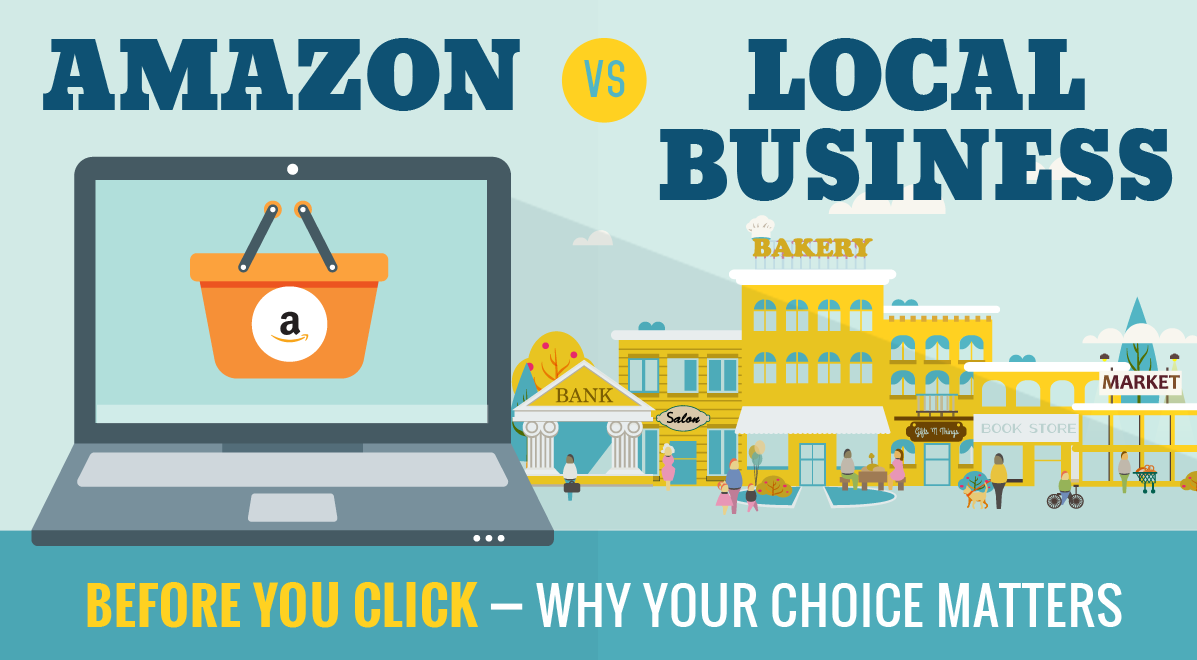
But it’s not going to punish the consumer, just the store owners. Consumers will be pushed to purchase the same products online (where Bill 96 doesn’t apply), and the hamstrung store owners will lose out on those sales entirely.

This hurts small businesses directly while pushing customers toward juggernauts like Amazon. And all for a law that’s more about political theater than actually serving the public.

It’s hard enough to run a game company or a game store these days. It would be nice if shortsighted, poorly thought-out government mandates avoided making it borderline impossible to build a brand, serve an audience, or entertain folks for a few hours with a fun distraction.

Here’s hoping all the nonsense stops soon and game companies, hobby shops, and gaming enthusiasts can enjoy their efforts in peace.

The Future of Crosswords: Multilingual Grids?

[Image courtesy of Seton.]

Anyone familiar with crosswords these days knows that you need more than a thorough knowledge of English to be a topnotch solver these days.

Sure, English is still the basis for the vast majority of crosswords you’ll encounter — even if some weird, unexpected, and obscure words pop in from time to time — but you’ll need a grasp of other languages to complete most grids these days. (And I’m not just talking about European rivers or foreign currencies.)

After all, the Greek alphabet shows up in crosswords all the time. I can’t recall the last grid I completed that didn’t have ETA, IOTA, RHO, or PHI in it. And clues like “Fraternity letter” are rarely specific enough to help you fill the clue on your first try.

[Image courtesy of Greek Boston.]

You need to know your Latin to solve puzzles too. ET TU, AD HOC, DIES IRAE… plenty of words and phrases pilfered from Latin litter crossword grids.

The modern crossword will send you on a linguistic tour of the globe. From “Scottish Gaelic” for ERSE and “Indian nanny” for AMAH to “Kimono sash” for OBI and “German mister” for HERR, you could visit the languages of half a dozen countries in a single crossword.

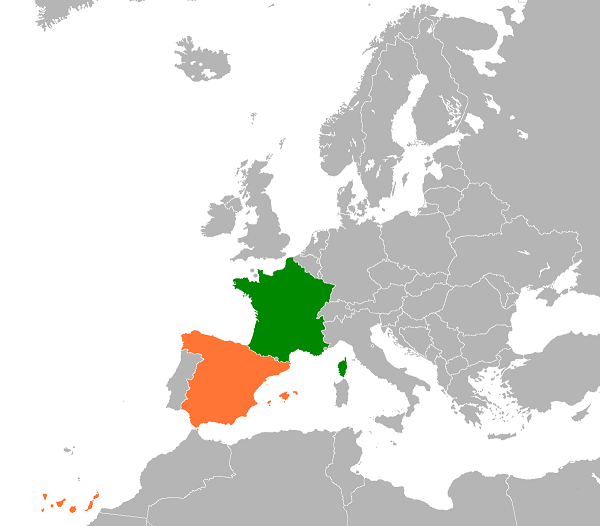
But if you’re talking about other languages in crosswords, the top two are undoubtedly Spanish and French.

[Image courtesy of Wikipedia.]

Spanish and French words are so common that Wordplay, the blog dedicated to The New York Times crossword, has entire articles dedicated to Spanish and French words you need to know.

For Spanish, they list entries like BESO for “kiss,” ESTA for “this,” and RIATA for “rope.” (Though they missed TIO/TIA for “uncle/aunt” in their rundown.)

On the French side of things, you get common crossword entries like AMI for “friend,” ROI for “king,” or SEL for “salt.”

(The crew at Crossword Unclued even wrote an article about how often French words are used in Cryptic-style cluing, for fans of that version of crosswording.)

[No, something a little tougher than that. Image courtesy of Mommy Maestra.]

All this multilingual puzzling made me wonder… has anyone tried to create a bilingual crossword? I’m talking about a crossword where a significant portion of the entries (if not half) are from a second language.

As it turns out, constructor Bryan Betancur recently accepted that challenge, creating “Bilingual Puzzle #1.” This puzzle not only features a fair number of Spanish words in the grid — not as filler but as significant entries (which I won’t mention, in case you want to solve it yourself!) — but many of the clues for Spanish AND English words are written in Spanish, ensuring a mental challenge beyond the usual crossword fare.

Yes, it was a confusing solve not to know whether the answer to a given clue would be English or Spanish, but that made it all the more satisfying when I was able to confidentally place words in the grid.

It’s the only crossword on the WordPress Blog “Bilingual Crossword,” but here’s hoping others join it soon.

In the cultural melting pot that is modern society, there’s not only opportunity for inclusivity, but there’s also opportunity for challenging, bilingual crossword grids to pique your interest (and make you wish you’d paid more attention in high school foreign language classes).


Thanks for visiting PuzzleNation Blog today! Be sure to sign up for our newsletter to stay up-to-date on everything PuzzleNation!

You can also share your pictures with us on Instagram, friend us on Facebook, check us out on TwitterPinterest, and Tumblr, and explore the always-expanding library of PuzzleNation apps and games on our website!