Inclusiveness in Puzzles: New LGBTQ+ Scrabble Words!

wordwithfriendsjedi

From time to time, someone will ask me whether a certain word is appropriate for a crossword. It could be a new constructor, or an aspiring constructor, or a fan of crosswords. It could be about a relatively new slang term, or an obscure word, or a foreign word, or a celebrity. Sometimes, they’re wondering if it’s too hard, or too new, or too niche, or whether it’s appropriate for crosswords at all.

That’s the thing. There is no one source you can go to for all your crossword questions. There’s no definitive list of appropriate words or phrases, because the language is constantly changing and evolving. Pop culture is dynamic, and new ideas, concepts, and personalities are always cropping up. In that way, crosswords are essentially eternal, because the source material constantly shifts in popularity and familiarity. There are always new words to fill those iconic black-and-white grids.

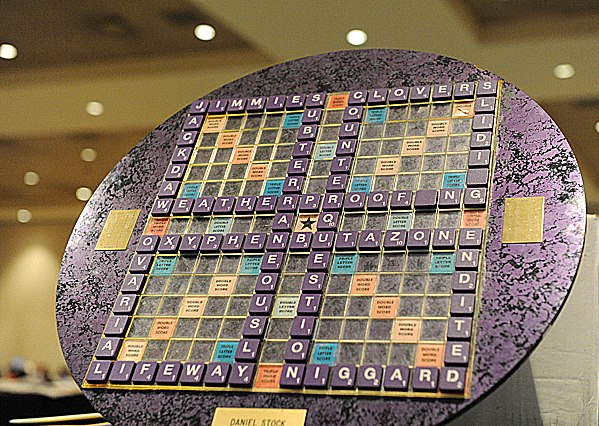
But, if you were looking for that mythical definitive list of appropriate words, it’s not unreasonable to assume you’d go to the International Scrabble Dictionary, the official source for what is allowed as a valid answer word in a game of Scrabble.

Recently, for the first time since 2015, new words were added to the approved list. Over 2800 fresh entries are now officially eligible for tournament and at-house use, and they’ll all appear in the latest edition of Collins Official SCRABBLE Words. (Collins, which also publishes the Collins English Dictionary, added the words after they were approved for use in the Merriam-Webster Dictionary last year. These 2800 words join over 276,000 already approved for Scrabble play.)

It’s quite appropriate that we’re covering this story in June. As many of you are aware, June is Pride Month, and awareness of LGBTQ+ issues and culture affects all aspects of life, even puzzle games!

Among those 2800 newly-approved entries are non-binary and gender-neutral words like “genderqueer” and “agender,” as well as related terminology like “misgender” and “cisgender.”

But the LGBTQ+-friendly term that’s getting the most attention in Scrabble circles is “ze”. This two-letter word is a gender-neutral pronoun, allowing individuals who don’t identify as strictly male (he/him) or female (she/her) to better differentiate themselves and their gender identity.

letterz

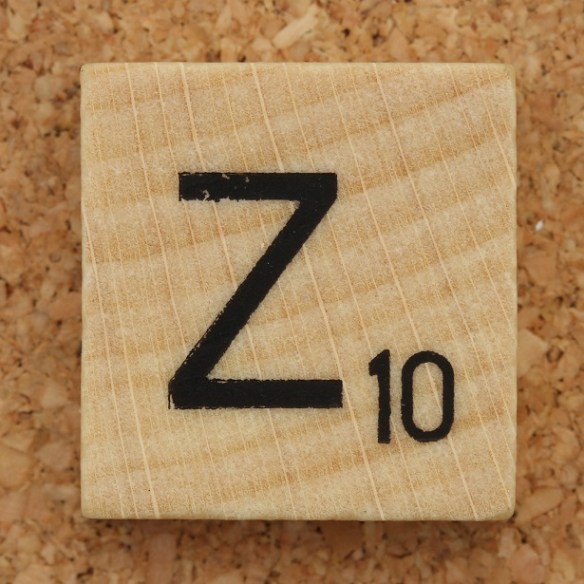
For Scrabble players, the word opens up a whole host of new possibilities. After all, “ze” allows far greater opportunity to score big points by playing that valuable Z tile. (“Ze” is only the third two-letter z-word to be authorized for the game, joining “za” and “zo.”)

Now, obviously, in the grand scheme of things, this is a very small step for LGBTQ+ representation, but it is a step. After all, every opportunity to include LGBTQ+ culture and embrace it is part of making it a more familiar part of life for all of us.

In this small way, Scrabble includes previously marginalized individuals by not only accepting these new words, but by changing and adapting in order to do so. It’s an act of welcoming.

Here’s hoping there are far more acts like this, big and small, to come.

[Sources: Pride.com, New York Times, Collins Dictionary.]


Thanks for visiting PuzzleNation Blog today! Be sure to sign up for our newsletter to stay up-to-date on everything PuzzleNation!

You can also share your pictures with us on Instagram, friend us on Facebook, check us out on TwitterPinterest, and Tumblr, and explore the always-expanding library of PuzzleNation apps and games on our website!

Science Says Board Games Are Good For Your Relationship?

[Image courtesy of Medium.com.]

One of the hallmarks of a healthy relationship is enjoying the same activities. If you’re spending time together doing something you both find engaging, then you’re golden.

But, as it turns out, there are some activities that offer greater benefits than others.

According to a recent study published by Baylor University, couples who play board games together are actually strengthening their relationships chemically.

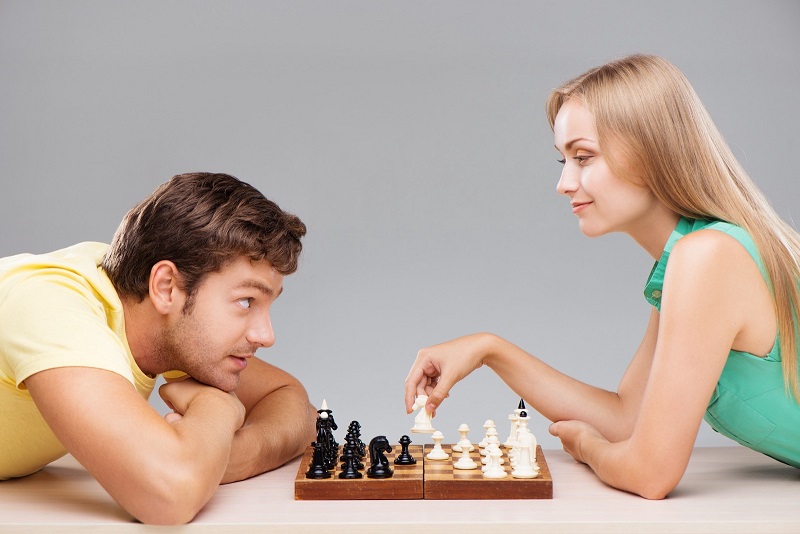
[Incidentally, there is a hilarious world of photos dedicated to couples with chess boards out there. Here are just some of my favorites.]

From the article on Baylor.edu:

For the study, Melton and Maria Boccia, Ph.D., professor of child and family studies, recruited 20 couples ranging in age from 25 to 40. Couples were randomly assigned to participate in one of two couple dates — game night or couple art class — for one hour.

One group played board games in a familiar home-like setting. Couples were alone. These couples chose familiar games that would not require them to read instructions.

The study was designed to examine any increase in levels of oxytocin in the couples’ hormone levels. Oxytocin, often referred to as the hugging hormone, plays a role in building social connections.

[Image courtesy of Daily Mail.]

Here’s the breakdown on oxytocin release increases:

  • men in the art class
  • women playing board games
  • women in the art class
  • men playing board games

Curiously, while there wasn’t a significant difference between the latter three categories, men in the art class released 2 to 2.5 times more oxytocin than the other groups.

There were measurable increases in the oxytocin levels for both men and women playing board games, lending credence to the idea that playing together is good for your relationship.

Some of the games used in the study: cards, checkers, chess, dominoes, and Monopoly. Given some of my unpleasant experiences playing Monopoly, I’m surprised that one didn’t throw off the curve somewhat.

[Image courtesy of Grey Mass Games.]

It does make me wonder, though, if some games would provoke greater oxytocin releases than others.

Would cooperative games like Pandemic, Forbidden Island, or Castle Panic! lead to increases, or is the type of game irrelevant? Are more stressful games, like those with timers or ones where quick reaction time is integral to winning, less likely to build those chemical connections?

Sounds like a field ripe for further study. Of course, I’m a little biased. I’ll take any excuse to play more games. =)


Thanks for visiting PuzzleNation Blog today! Be sure to sign up for our newsletter to stay up-to-date on everything PuzzleNation!

You can also share your pictures with us on Instagram, friend us on Facebook, check us out on TwitterPinterest, and Tumblr, and explore the always-expanding library of PuzzleNation apps and games on our website!
PuzzleNation Blog Looks Back on 2018!

2018 is quickly coming to a close, and as I look back on an eventful year in the world of puzzles and games, I’m incredibly proud of the contributions both PuzzleNation Blog and PuzzleNation made to the puzzle community as a whole.

Over the last year, we explored board games and card games, strategy games and trivia games, dice games and tile games, do-it-yourself puzzlers and pen-and-paper classics. We met game designers, constructors, artists, YouTubers, and creative types of all kinds.

We unraveled math puzzles and diabolical brain teasers. We pondered optical illusions, Internet memes, and more, even questioning our place in the world of puzzles as AI and solving robots continued to rise in capability.

We delved into puzzle history with posts about ancient board games from centuries ago, Edgar Allan Poe’s secret codes, and the legacy of influential female codebreakers and spymasters previously lost to revisionist history like Elizebeth Smith Friedman and the Countess Alexandrine. We brought to light valuable examples of puzzles in art, comic strips, animation, music, television, film, and popular culture.

We spread the word about numerous worthwhile Kickstarters and Indiegogo campaigns, watching as the puzzle/game renaissance continued to amaze and surprise us with innovative new ways to play and solve. We shared worthy causes like Queer Crosswords and Women of Letters, as well as amazing projects like new escape rooms, puzzle experiences like The Enigmatist, online puzzle quests, and long-running unsolved treasure hunts.

We celebrated International TableTop Day, offered up puzzly suggestions for Valentine’s Day, attended the American Crossword Puzzle Tournament, and dove deep into an ever-expanding litany of puzzle events like the Indie 500, BosWords, and Lollapuzzoola.

We found puzzly ways to celebrate everything from Halloween, Thanksgiving, and Christmas to Star Wars Day and the anniversary of the Crossword, and we were happy to share so many remarkable puzzly landmark moments with you.

It’s been both a pleasure and a privilege to explore the world of puzzles and games with you, my fellow puzzle lovers and PuzzleNationers. We marked six years of PuzzleNation Blog this year, I’m closing in on my 1000th blog post, and I’m more excited to write for you now than I was when I started.

And honestly, that’s just the blog. PuzzleNation’s good fortune, hard work, and accomplishments in 2018 went well beyond that.

Every month, we delivered quality content for both the Penny Dell Crosswords App and Daily POP Crosswords. Whether it was monthly deluxe sets and holiday bundles for PDCW or the world-class topical puzzles by some of the industry’s best constructors for Daily POP, hundreds of topnotch crosswords wended their way to our loyal and enthusiastic solvers.

And a little more than a week ago, we launched our newest puzzly endeavor — Wordventures: The Vampire Pirate — bringing you a unique, story-driven puzzling experience, complete with gorgeous visuals, atmospheric music, and an immersive mystery to keep you solving!

But whether we’re talking about crosswords, Sudoku, or Wordventures, I’m proud to say that every single puzzle represents our high standards of quality puzzle content crafted for solvers and PuzzleNationers.

And your response has been fantastic! Daily POP Crosswords is thriving, we’re very excited about the response to Wordventures, the blog has over 2300 followers, and with our audience on Facebook, Twitter, Instagram, and other platforms continuing to grow, the enthusiasm of the PuzzleNation readership is both humbling and very encouraging.

2018 was our most ambitious, most exciting, and most creatively fulfilling year to date, and the coming year promises to be even brighter.

Thank you for your support, your interest, and your feedback, PuzzleNationers. The new year looms large, and we look forward to seeing you in 2019!


Thanks for visiting PuzzleNation Blog today! Be sure to sign up for our newsletter to stay up-to-date on everything PuzzleNation!

You can also share your pictures with us on Instagram, friend us on Facebook, check us out on TwitterPinterest, and Tumblr, and explore the always-expanding library of PuzzleNation apps and games on our website!
Vikings: Warriors in Life, Warriors in Dice

[Image courtesy of Arlington Viking Fest.]

Board games have been around a long time, longer than most people realize. Chess can be traced back to the 7th century in India, and Go has been played in China for more than 5,500 years!

And it turns out that board games were important to the Vikings as well. Not only were they valued in life, but in the afterlife as well.

An article in the UK’s Daily Mail details the discovery of a Viking grave site known as a boat burial where board games were among the items interred with the dead. And apparently, this was not an uncommon occurrence.

[Image courtesy of The Times.]

From the article:

Mark Hall, a curator at Perth Museum and Art Gallery, has published a new study on Viking board game burials across Northern Europe.

He says there have been 36 burials where board games of some description have been found in the graves around Northern Europe.

This grave site, dating back to the 9th century, grants intriguing insight into how the Vikings viewed board games as a learning tool. After all, board games require strategy and a level of initiative, which are both qualities found in accomplished Viking warriors, so it’s believed that including a board game among the effects of the deceased signals not only their skill and status as a warrior, but their preparedness for the afterlife itself.

So what sorts of games did the Vikings play?

The game pieces were used in multiple games. Researchers believe the dice were used in a game called tabulal alea, which is reminiscent of backgammon.

Many of the bigger pieces were used in a chess-like game known as hnefatafl. In hnefatafl, each player has a king protected by defender pieces, and the goal is for your king to reach the edge of the board before the other player takes him out.

Just imagine what the Vikings could have learned from a game like Risk.

[This story was brought to my attention by Kim Vandenbroucke.]


Thanks for visiting PuzzleNation Blog today! Be sure to sign up for our newsletter to stay up-to-date on everything PuzzleNation!

You can also share your pictures with us on Instagram, friend us on Facebook, check us out on TwitterPinterest, and Tumblr, and explore the always-expanding library of PuzzleNation apps and games on our website!
Are you game for this?

[GameHaus Cafe in Glendale, California.]

A few months ago, I wrote about the increasing popularity of bar trivia nights, as well as the growing trend of puzzly sister events like Puzzled Pint‘s bar puzzles.

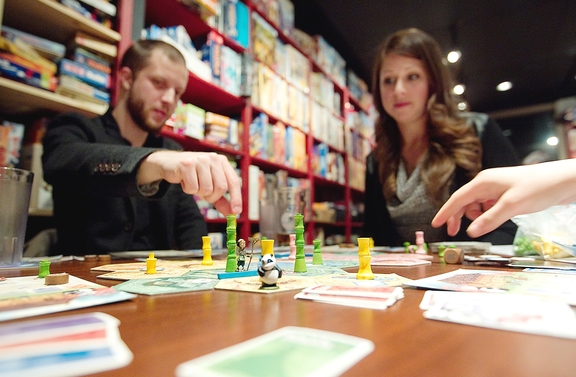
As it turns out, coffee shops and cafes are also getting in on the action by putting their own spin on the perfect marriage of game-and-drink: the board game cafe.

[The Haunted Game Cafe in Fort Collins, Colorado]

Friend of the blog Peter Kanter pointed me toward a New York Times Sunday edition article covering a board game cafe with an impressive pedigree.

The Uncommons, billed as Manhattan’s first and only board game cafe, awaits puzzle and board game fans at 230 Thompson Street in New York City. Located at the former site of the Village Chess Shop, a New York gaming institution in its own right, The Uncommons charges a mere $5 fee to try out any of the games adorning the shop’s many shelves.

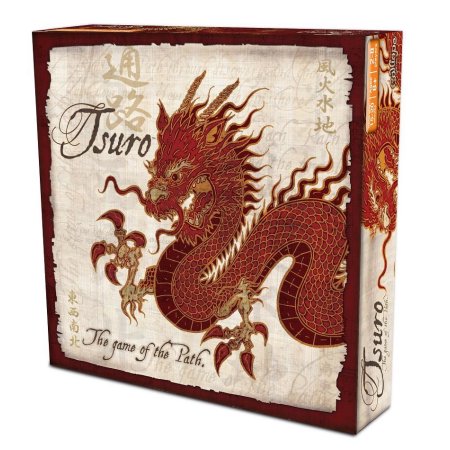
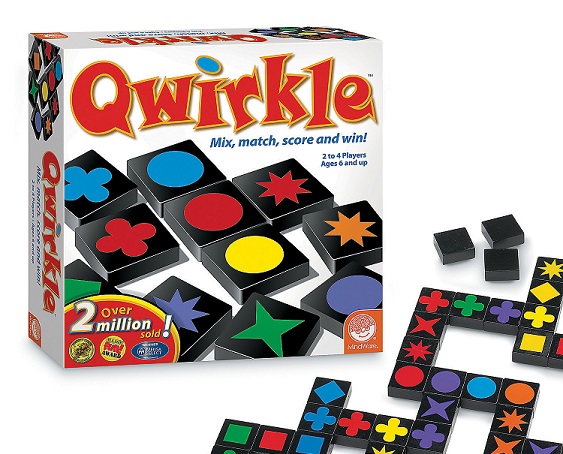
Everything from Mouse Trap to Settlers of Catan can be found there, including two favorites of mine that were apparently new to the author of the NYT article. (In an otherwise positive and enlightening article, she refers to Tsuro, a wonderful path-laying tile game, as “a complicated-looking setup,” and Qwirkle, a color-and-shape-matching game mixing elements of Uno and Mexican Train dominoes, as “abstract.”)

But The Uncommons is hardly the only board game cafe making a name for itself.

[Snakes and Lattes in Toronto, Ontario, Canada]

In addition to the cafes pictured in this post, the Spielbound Board Game Cafe in Omaha, Nebraska — which, much like The Uncommons, was partially crowdfunded by Kickstarter donations — is building a strong reputation as a Midwest bastion of family-friendly board game goodness.

Not only are board game cafes a terrific way to socialize with fellow puzzlers and board game aficionados, but you can try out a game before investing in your own copy. AND you can inject some revenue into a local business. It’s win-win-win.

Is there a board game cafe near you, fellow puzzlers? I’ve heard great things from a friend about one in the Winston-Salem area of North Carolina, and I’d love to hear more about the spots near you!

Seeing board games moving beyond the hobby shops and out into the social arenas of towns and cities is terrific, bringing us all one step closer to global puzzle-game domination.

Thanks for visiting PuzzleNation Blog today! You can share your pictures with us on Instagram, friend us on Facebook, check us out on TwitterPinterest, and Tumblr, and be sure to check out the growing library of PuzzleNation apps and games!

5 Questions with Board Game Designer Jim Deacove

Welcome to another edition of PuzzleNation Blog’s interview feature, 5 Questions!

We’re reaching out to puzzle constructors, video game writers and designers, board game creators, writers, filmmakers, musicians, and puzzle enthusiasts from all walks of life, talking to people who make puzzles and people who enjoy them in the hopes of exploring the puzzle community as a whole.

And I’m excited to have Jim Deacove as our latest 5 Questions interviewee!

[Jim, left, alongside his wife, Ruth.]

For more than 4 decades, Jim Deacove has been designing games for Family Pastimes, a Canadian board game company (and family business) dedicated to cooperative gaming. With over one hundred games to his credit, Jim is one of the most prolific and passionate game designers at work today.

Whether he has players teaming up to serve hungry customers (Bus Depot Diner), keep the livestock happy while predators lurk nearby (Coyote!), or pull off a flawless magic show while avoiding being trapped in their own tricks (Amazing Illusions), Jim’s games are bright, colorful, creative, and many are appropriate for all ages. And that’s not getting into his puzzlier efforts, like AARI (an acronym/abbreviation-themed scrabble variant) or Gridlock (a sliding-tile puzzle game about a monster traffic jam).

Jim was gracious enough to take some time out to talk to us, so without further ado, let’s get to the interview!

5 Questions for Jim Deacove

1.) How did you first get into board games?

When I was about 5 years old, my mother says I began making up board games with paper, crayons and various items from my dad’s woodshop. My inspiration came from looking at pictures of games such as Sorry and Monopoly in what was a popular Christmas catalogue, Eaton’s. We were too poor to buy them, so I made imitations of what I thought the games were about. As they say, the rest is history.

2.) Family Pastimes is rare, in that the company focuses completely on cooperative games, whereas most board games are built around competing with other players, not working with them. How is designing cooperative games different from designing more traditional board games?

I used to design competitive games in high school, mostly strategy games, because I played Chess a lot until in university, I lost the taste for blood. I also designed competitive games on sport themes, largely for my and my friends’ enjoyment. I once designed a world political game that took three days to play and I agreed with a player who said that life was too short to spend so much time on a game, designing or playing one.

I have always found designing games to be easy, once I get in the mental space that lets the ideas flow, this is usually assisted by a warm bath or by keeping a notebook by my bedside, because some of my best ideas have come while I am asleep. I record them upon awakening.

3.) What, in your estimation, separates a great game from a run-of-the-mill game?

Probably time. Some games hold up, others don’t and it is difficult to judge even then, because what is one person’s run-of-the-mill is another person’s great game. But even time is suspect. I know this will enrage some folks, but Chess has held the interest of humans for a long time and could be described as a great game, while Checkers has also held up, but personally I think Checkers is a run-of-the-mill game.

4.) What’s next for Jim Deacove and Family Pastimes?

I thought of retiring and taking up other pursuits that have been just a hobby up to now — cartooning, jazz drumming, oil painting, running a live theatre, finishing a variety of writing projects, etc. — but the game ideas keep on coming. The real world is so full of inspiring themes. For example, one of my new designs, Moon Mission, was inspired by the landing of the Curiosity Rover on Mars and witnessing the expressions of joy in the NASA Control Room when it happened. Who says a collaborative effort can’t be exciting?

My plan is to keep on going with new designs. I can’t help it. It’s my work. As I say to folks who chide me saying, “You have to start getting out more. You are 75 years old and your expiry date is nearing.” Hey, I reply, never mind the expiry date, I still have room on my “Best Before” date.

5.) If you could give the readers, writers, aspiring game designers, and puzzle fans in the audience one piece of advice, what would it be?

Make cooperative games. Please. We have enough of the other game experience. And, it’s selfish, I know, but I always enjoy playing someone else’s cooperative game for a change.

Oh, and keep your day job, and avoid having a garage, because that is where you will end up storing unsold cartons of your game.


Many thanks to Jim for his time. Check out Jim’s library of cooperative board games at Family Pastimes. I can’t wait to see what he cooks up next.

Thanks for visiting PuzzleNation Blog today! You can share your pictures with us on Instagram, friend us on Facebook, check us out on TwitterPinterest, and Tumblr, and be sure to check out the growing library of PuzzleNation apps and games!