A Language Barrier Preventing Game Sales?

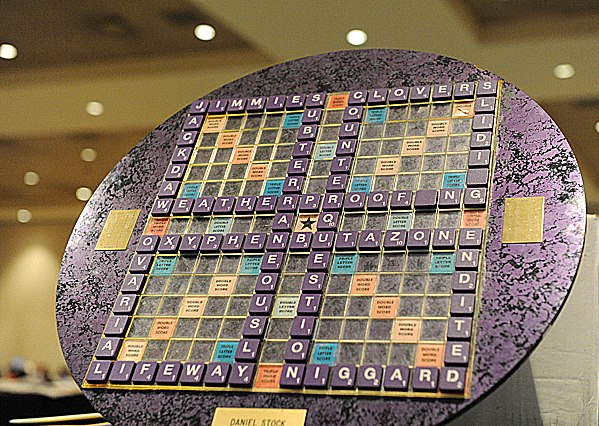
Image courtesy of The Wall Street Journal.

I’ve written a lot this year about how political decisions have impacted the games industry.

With Trump’s wildly inconsistent implementation of tariffs, we’ve already seen game companies close, cancel projects, and try to right the ship amidst uncertain costs, supply opportunities, and factory dealings.

But the United States isn’t the only place where politically motivated choices are hurting businesses focused on gaming.

It’s happening in Quebec as well:

The very livelihood of these hobby shops and game stores are threatened by Bill 96 (aka Law 14). How so?

Well, one of the rules implemented by Bill 96 involves product labeling:

Starting June 1, 2025, if a registered trademark within the meaning of the Trademarks Act appears on one of your products that includes a generic term or a description of the product in a language other than French, that information must also appear in French on the product.

This means that ALL of their game materials, models, paints, and accessories must include a French translation. They cannot stock them without fulfilling these conditions.

Unfortunately, most of these products simply aren’t available in French. They’re too niche or too focused on the English speaking market (and understandably so), so there’s no incentive for special print runs to accommodate Quebec law.
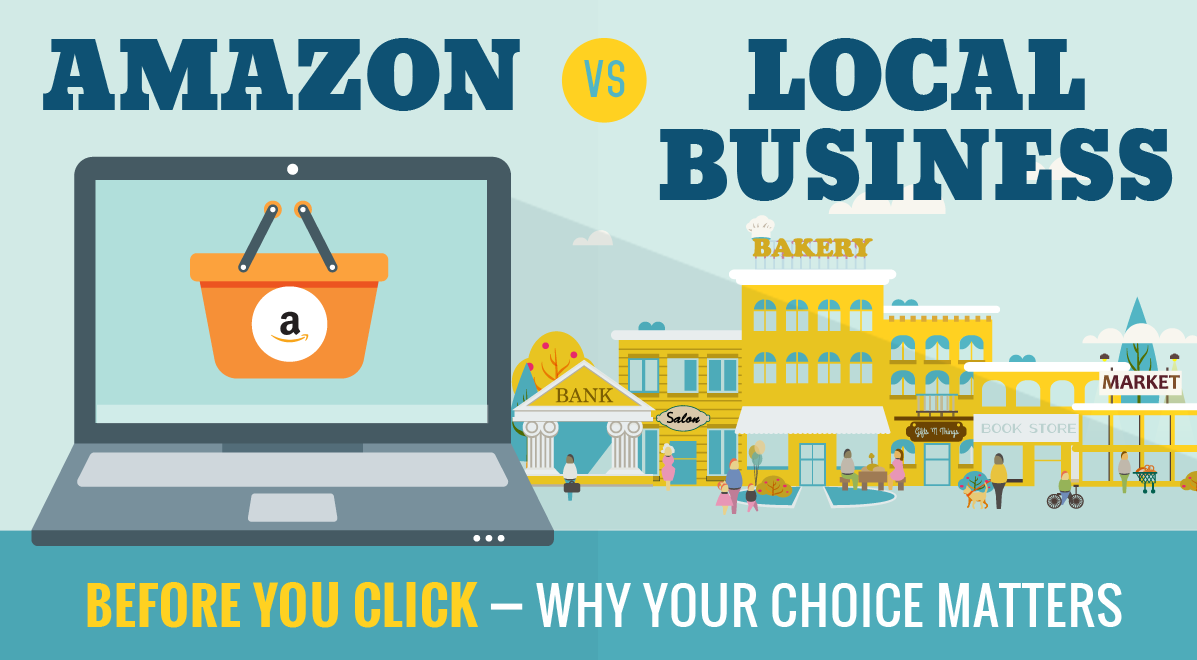
But it’s not going to punish the consumer, just the store owners. Consumers will be pushed to purchase the same products online (where Bill 96 doesn’t apply), and the hamstrung store owners will lose out on those sales entirely.

This hurts small businesses directly while pushing customers toward juggernauts like Amazon. And all for a law that’s more about political theater than actually serving the public.

It’s hard enough to run a game company or a game store these days. It would be nice if shortsighted, poorly thought-out government mandates avoided making it borderline impossible to build a brand, serve an audience, or entertain folks for a few hours with a fun distraction.

Here’s hoping all the nonsense stops soon and game companies, hobby shops, and gaming enthusiasts can enjoy their efforts in peace.
An Immersion Course in the Language of Images

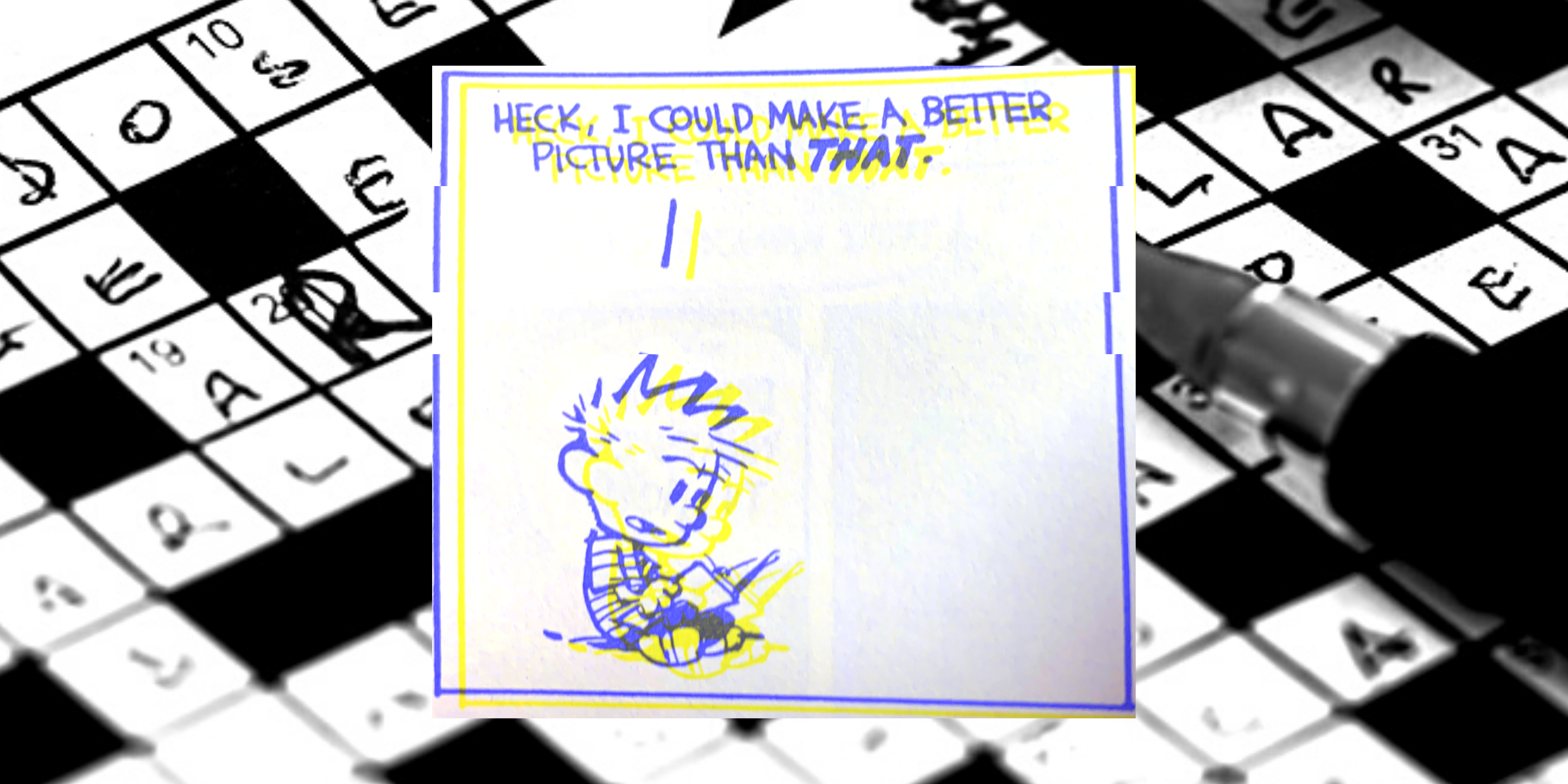
A lot can happen inside a series of squares. An Oscar-winning actor might meet a basketball star, or your favorite song might intersect with the punny punchline of a joke. Gimmicky grid construction might reveal hidden gems! Gotham might be saved from the Riddler’s clutches! Calvin and Hobbes might sculpt an army of gruesome snowmen! Krazy Kat might introduce newspaper readers to gender fluidity! You might discover new facets of your own artistic voice!

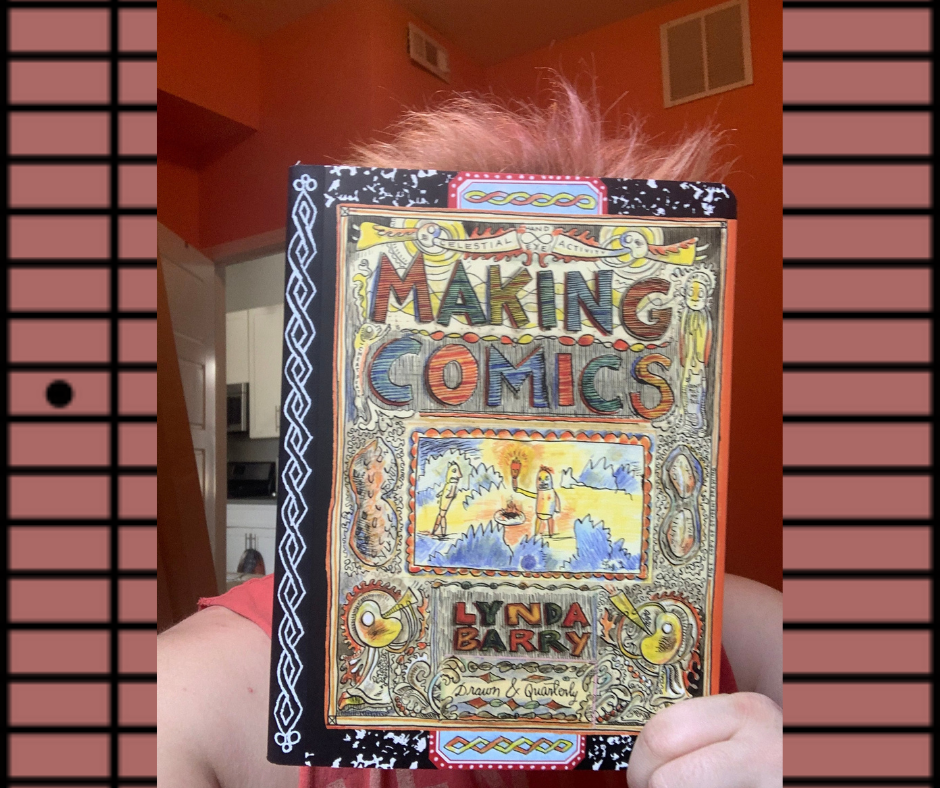
There’s a good chance you already fill in creative arrangements of squares on a regular basis, enriching your brain’s language centers by solving crosswords. Why not take this ritual a step further? Lynda Barry’s Making Comics begins with the reminder, “There was a time when drawing and writing were not separated for you,” and she shows us that it is possible to return to such a time. By partaking in the book’s exercises, you can learn to reunite images and language in your mind, to “practice the language of the image world.”

If you feel like your language centers need a good jolt, comic-making might be a perfect new hobby, and Making Comics is the perfect introductory text for puzzle fans. As Barry explains, the book’s exercises “take advantage of a basic human inclination to find patterns and meaning in random information,” and who loves patterns more than puzzlers? For instance, one simple exercise she says that anyone can do is drawing a scribble and then figuring out how to turn it into a monster. It’s that simple.

Your blogger with the book in question.

Many of the pattern-finding exercises in Making Comics’ treasure trove are collaborative, depending on a classroom setting or simply a creative partnership among friends. Others, however, can be done in solitude, including the exercises I’m going to take you through below. To prepare: Barry recommends, when just starting out, working with black Flair pens, a composition notebook (preferably not made from recycled materials), index cards (blank on one side), and basic 8.5×11 printer paper. She describes the composition notebook as “a place rather than a thing,” and says that you should try to keep it by your side like a faithful dog. “Making comics involves the same daily practice that learning any language does,” so keeping your materials handy is crucial.

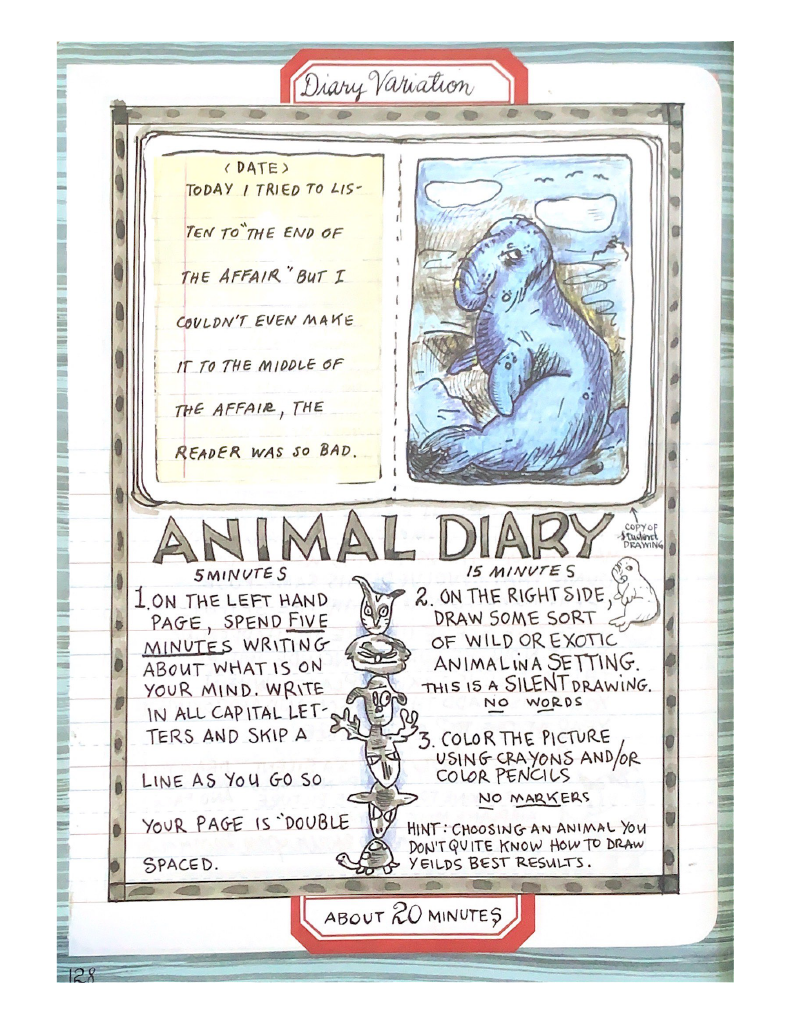
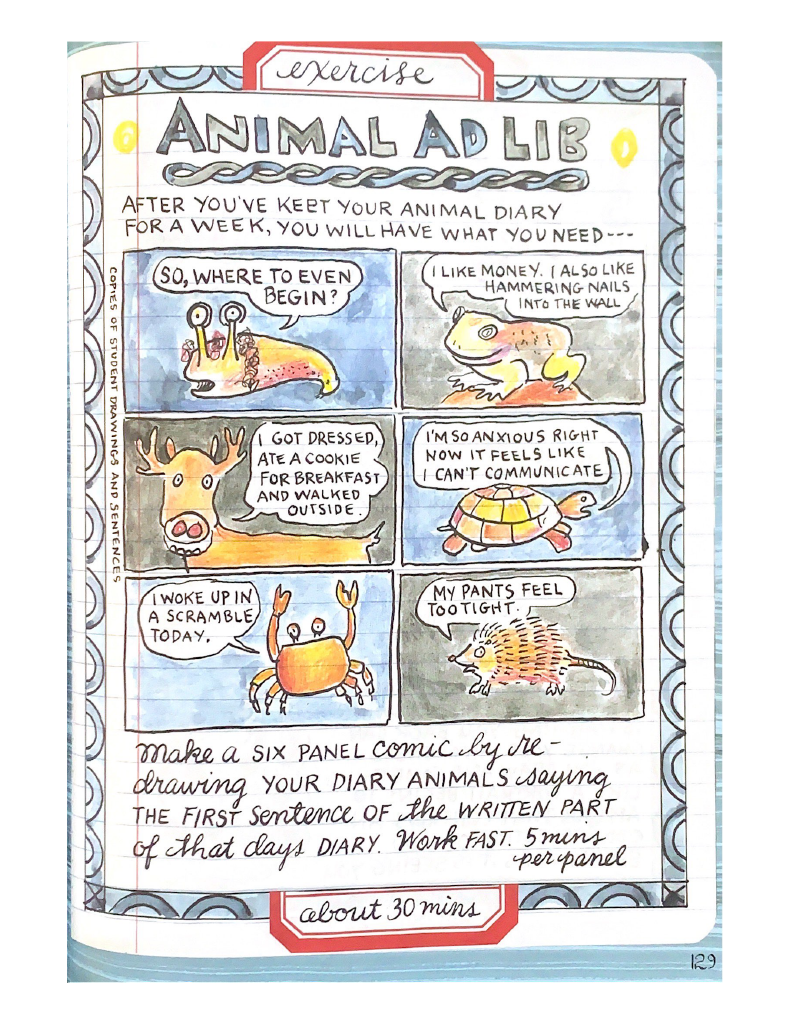
Do you have your materials? Great! Let’s dive into the Animal Diary and consequent Animal Ad Lib, instructions pictured below!

More of Barry’s comics wisdom can be found on her Tumblr and Instagram, or of course, if you’re hooked, you can always pick up a copy of the book. It’s a full immersion course in a new language, in a new way of seeing.


For more fun, daily forays into the world of language, there’s Daily POP!

You can find delightful deals on puzzles on the Home Screen for Daily POP Crosswords and Daily POP Word Search. Check them out!

Thanks for visiting PuzzleNation Blog today! Be sure to sign up for our newsletter to stay up-to-date on everything PuzzleNation!

Inclusiveness in Puzzles: New LGBTQ+ Scrabble Words!

wordwithfriendsjedi

From time to time, someone will ask me whether a certain word is appropriate for a crossword. It could be a new constructor, or an aspiring constructor, or a fan of crosswords. It could be about a relatively new slang term, or an obscure word, or a foreign word, or a celebrity. Sometimes, they’re wondering if it’s too hard, or too new, or too niche, or whether it’s appropriate for crosswords at all.

That’s the thing. There is no one source you can go to for all your crossword questions. There’s no definitive list of appropriate words or phrases, because the language is constantly changing and evolving. Pop culture is dynamic, and new ideas, concepts, and personalities are always cropping up. In that way, crosswords are essentially eternal, because the source material constantly shifts in popularity and familiarity. There are always new words to fill those iconic black-and-white grids.

But, if you were looking for that mythical definitive list of appropriate words, it’s not unreasonable to assume you’d go to the International Scrabble Dictionary, the official source for what is allowed as a valid answer word in a game of Scrabble.

Recently, for the first time since 2015, new words were added to the approved list. Over 2800 fresh entries are now officially eligible for tournament and at-house use, and they’ll all appear in the latest edition of Collins Official SCRABBLE Words. (Collins, which also publishes the Collins English Dictionary, added the words after they were approved for use in the Merriam-Webster Dictionary last year. These 2800 words join over 276,000 already approved for Scrabble play.)

It’s quite appropriate that we’re covering this story in June. As many of you are aware, June is Pride Month, and awareness of LGBTQ+ issues and culture affects all aspects of life, even puzzle games!

Among those 2800 newly-approved entries are non-binary and gender-neutral words like “genderqueer” and “agender,” as well as related terminology like “misgender” and “cisgender.”

But the LGBTQ+-friendly term that’s getting the most attention in Scrabble circles is “ze”. This two-letter word is a gender-neutral pronoun, allowing individuals who don’t identify as strictly male (he/him) or female (she/her) to better differentiate themselves and their gender identity.

letterz

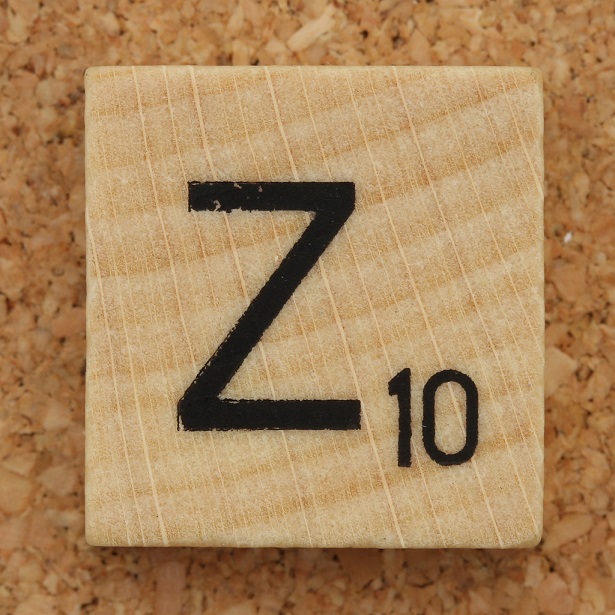
For Scrabble players, the word opens up a whole host of new possibilities. After all, “ze” allows far greater opportunity to score big points by playing that valuable Z tile. (“Ze” is only the third two-letter z-word to be authorized for the game, joining “za” and “zo.”)

Now, obviously, in the grand scheme of things, this is a very small step for LGBTQ+ representation, but it is a step. After all, every opportunity to include LGBTQ+ culture and embrace it is part of making it a more familiar part of life for all of us.

In this small way, Scrabble includes previously marginalized individuals by not only accepting these new words, but by changing and adapting in order to do so. It’s an act of welcoming.

Here’s hoping there are far more acts like this, big and small, to come.

[Sources: Pride.com, New York Times, Collins Dictionary.]


Thanks for visiting PuzzleNation Blog today! Be sure to sign up for our newsletter to stay up-to-date on everything PuzzleNation!

You can also share your pictures with us on Instagram, friend us on Facebook, check us out on TwitterPinterest, and Tumblr, and explore the always-expanding library of PuzzleNation apps and games on our website!