The Continued Uncertainty of Tariffs on Board Games

The ongoing stupidity, insanity, and outright graft involving the US’s approach to tariffs has been one of the most unpleasant subjects to cover in this blog.

The implementation of broad global tariffs on a whim (or based on a slight, real or imagined, against the gilded tinpot dictator who occupies the Oval Office) has made it challenging at best, and absolutely untenable at worst, for many game designers and manufacturers in the board game industry.

In the year since those tariffs were enacted, hundreds of board game projects have been canceled or drastically simplified to manage costs. Some brands, like Tokaido, have been sold to other companies to minimize costs. Print runs were lessened, and prices increased.
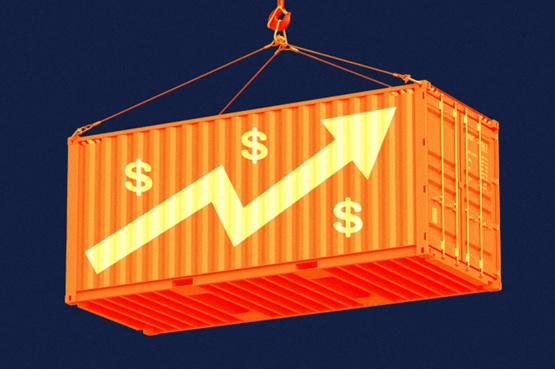
Image courtesy of The Wall Street Journal.

Companies like Greater Than Games and Final Frontier Games, as well as outlets like Boardlandia, have shut down entirely. Other companies like Cephalofair Games have been forced to fire or furlough staff, while games like Underdog Games have shut down operations temporarily in the hopes of weathering the tariff storm.

The tariff’s impact was put plainly by the owner of Avalanche Press, who stated that tariff costs would have covered the production costs of two additional games this year alone. Essentially, he was taking 3 copies of every game and throwing them in the dumpster.

Some game designers, like TinkerHouse Games, have sued the government in the hopes of clawing back those tariffs.

While the EuroGames industry thrives, the US has become such an unreliable trade partner that it’s unknown how many of those games will even reach American shores.

There was a brief bit of sun amidst the dark clouds last week as the Supreme Court struck down Trump’s tariffs as unconstitutional.

“Relief!” said Jamey Steigmaier of Stonemaier Games. “Relief that the tariff taxes can’t skyrocket on a whim tomorrow, a fear I’ve lived with every day since April,” he told Polygon via email.

Immediately, speculation ran rampant in board game spaces. Hopes that shipping and importing would become cheaper again, and that those game companies in hibernation could return.

Unfortunately, the long-term effects of the tariffs would still be evident. All those companies that folded because of the tariffs are still gone. All that inventory that cost two or three times as much as expected to ship… those costs still need to be covered.

All those more expensive game components, all those attempts to find US-based manufacturing for these games — a manufacturing infrastructure that is no closer to existing than it was a year ago when the tariffs were haphazardly implemented.

All that tariff money that those companies will probably never see back.
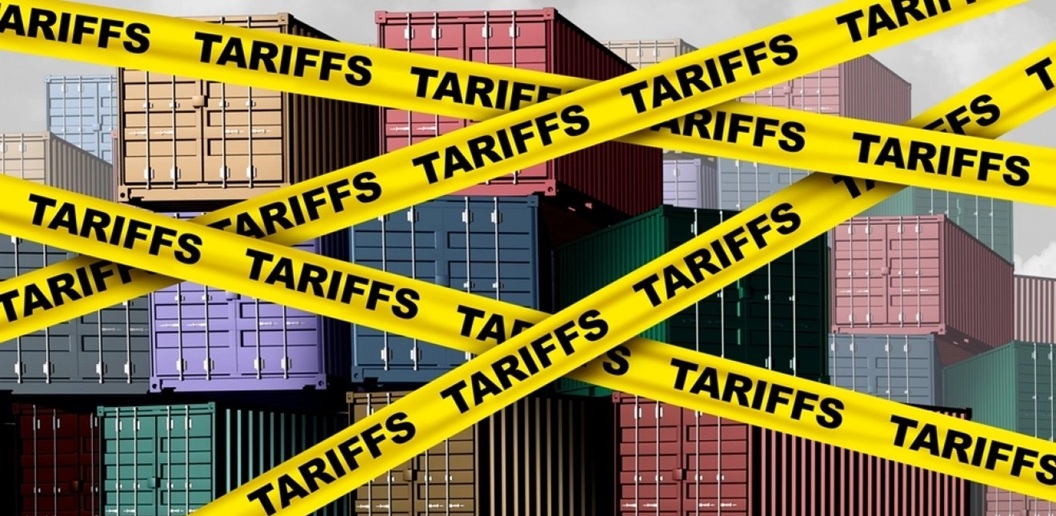
Image courtesy of wilsoncenter.org.

The board game industry has been decimated, decades of growth wiped out in less than a year.

But sadly, only one avenue for applying tariffs has been closed to Trump.

He has since spitefully announced an increase in global tariffs instead through another governmental mechanism, and the industry must wait again with bated breath to see how bad it will be when the latest tsunami hits.

It’s exhausting to watch as a board game fan, so I can only imagine how absolutely brutal it must be as a game designer or employee of a game company.

I can only hope this very public defeat is the first of many in favor of independent creators.

In the meantime, support puzzle and game creators whenever and however you can. It’s more important than ever to find small joys wherever possible, whether it’s inside a black-and-white grid or at the table with friends, rolling dice.

Happy playing, friends.
A Language Barrier Preventing Game Sales?

Image courtesy of The Wall Street Journal.

I’ve written a lot this year about how political decisions have impacted the games industry.

With Trump’s wildly inconsistent implementation of tariffs, we’ve already seen game companies close, cancel projects, and try to right the ship amidst uncertain costs, supply opportunities, and factory dealings.

But the United States isn’t the only place where politically motivated choices are hurting businesses focused on gaming.

It’s happening in Quebec as well:

The very livelihood of these hobby shops and game stores are threatened by Bill 96 (aka Law 14). How so?

Well, one of the rules implemented by Bill 96 involves product labeling:

Starting June 1, 2025, if a registered trademark within the meaning of the Trademarks Act appears on one of your products that includes a generic term or a description of the product in a language other than French, that information must also appear in French on the product.

This means that ALL of their game materials, models, paints, and accessories must include a French translation. They cannot stock them without fulfilling these conditions.

Unfortunately, most of these products simply aren’t available in French. They’re too niche or too focused on the English speaking market (and understandably so), so there’s no incentive for special print runs to accommodate Quebec law.

But it’s not going to punish the consumer, just the store owners. Consumers will be pushed to purchase the same products online (where Bill 96 doesn’t apply), and the hamstrung store owners will lose out on those sales entirely.

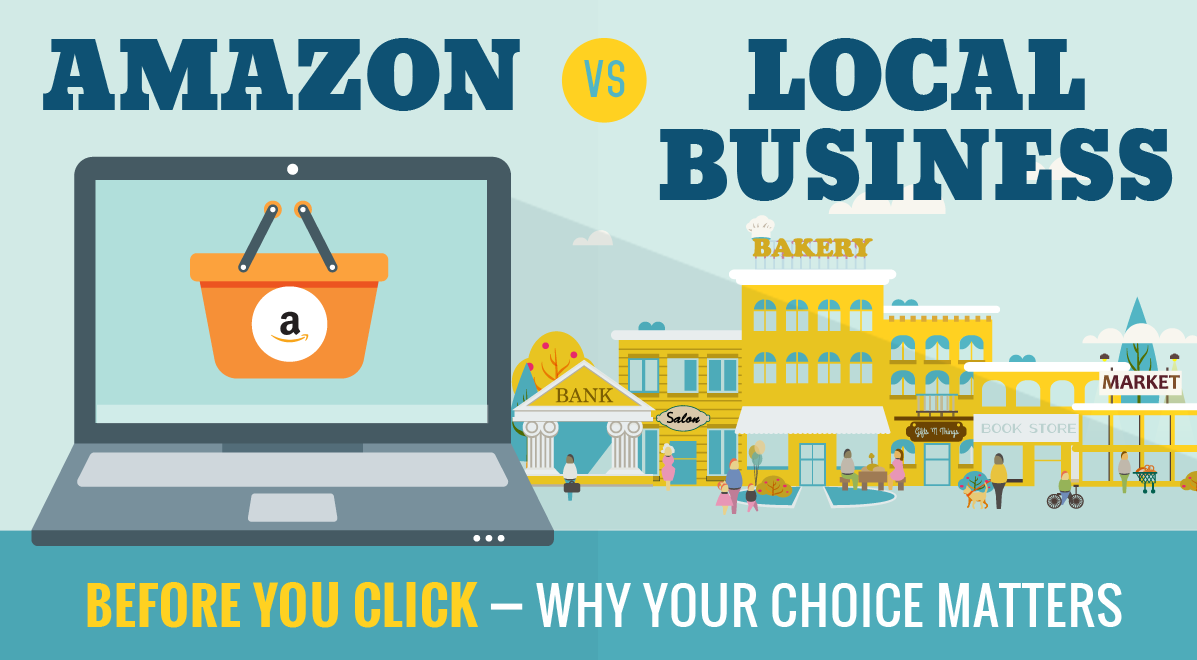
This hurts small businesses directly while pushing customers toward juggernauts like Amazon. And all for a law that’s more about political theater than actually serving the public.

It’s hard enough to run a game company or a game store these days. It would be nice if shortsighted, poorly thought-out government mandates avoided making it borderline impossible to build a brand, serve an audience, or entertain folks for a few hours with a fun distraction.

Here’s hoping all the nonsense stops soon and game companies, hobby shops, and gaming enthusiasts can enjoy their efforts in peace.

The more things change… (Tariffs and the Board Game Industry)

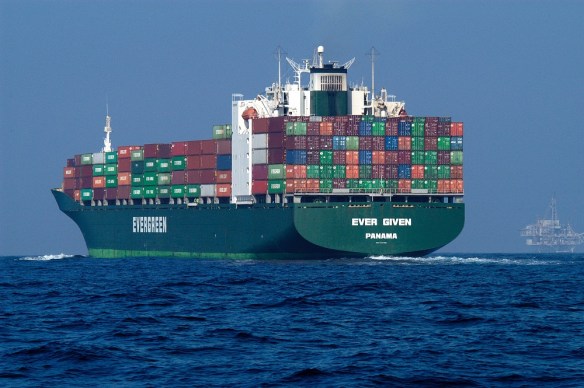
containership

Well, this is the worst kind of deja vu.

Five years ago, in February of 2020, I wrote a blog post about how the pandemic was affecting the board game industry, particularly regarding production and shipping from China and how it was hurting (sometimes crippling) board game companies.

And now, half a decade hence, I’m writing a blog post about another global disaster affecting the board game industry:

Donald Trump.

You see, the president’s “genius” plan to enact large tariffs against the US’s trade partners, forcing the American public to pay more for goods from China, Mexico, and Canada, is guaranteed to hurt many MANY industries, and the board game industry is one of them.

Already, game companies are reaching out to their customers with mailing list entries and blog posts and warning them of potential price hikes being forced upon them by this half-witted political stunt.

Atlas Games, for instance, issued a post this week about the current, frustrating, entirely-avoidable situation:

Unfortunately, there’s confusion and a distinct lack of clear guidance at this point. While Canada’s announcement of tariffs they’re levying in response clearly states that goods already en route to Canada aren’t subject to them, the Trump Administration has been contradictory on how and when US tariffs will actually be applied.

For example, two 40-foot shipping containers filled with our new game Vicious Gardens arrived in Seattle on Saturday. These games are on US soil, but they haven’t yet cleared customs. We don’t know if, when they do, we may be handed a tax bill equal to 10% of their value…

We also need to place orders NOW to reprint some of our popular titles. The Pops & Bejou game CULTivate is now published by Atlas Games. It’s out of stock, but we’ve had to delay the reprint because of the lack of clarity about these import taxes. During the election campaign, Trump threatened that tariffs on Chinese-made goods could be as high as 60% to 100%.

Unlike the president and his poor explanation of the current constantly-evolving tariff agenda, these game companies are striving to be as transparent about their circumstances as possible.

That kind of honesty goes a long way with customers, and while both the companies and customers will be feeling the squeeze of these new tariff-induced costs, hopefully the companies can still remain profitable and board game fans can still enjoy these wonderful play experiences.

Sadly, this is no surprise to industry insiders. Steve Jackson Games wrote about the consequences of the tariffs back in early November, and Stonemeier Games soon followed in early December.

A few days ago, CBS8 did a report about a local game shop in San Diego that expects to take a big hit when the tariffs land.

Some companies, like Monte Cook Games, are doing limited time discounts and sales to offset the upcoming tariff pricing. Some tabletop roleplaying game companies are already considering retreating from the physical game market entirely and focusing on PDF and downloadable products to remain profitable.

Much like the ripple effect of COVID in 2020, I suspect the effect of Trump’s tariffs will be felt for years to come.

But, unfortunately, like so many things these days, we’ll have to wait and see… and hope for the best… but expect the worst.