A Rubik’s Cube is Brought to Life in this Short Film!

In the world of puzzles, there are certain images that are unmistakable, no matter what language you speak. A few concepts that are universally familiar and instantly recognizable.

A Scrabble tile. The black and white pattern of a crossword grid.

A small, multicolored cube.

The Rubik’s Cube is iconic, and it feels like part of the fabric of puzzles at this point. We’ve seen people set new records in speed-solving them, computers designed to solve them, and foods crafted to look like them. There have been Rubik’s Cube Halloween costumes, marriage proposals, and art installations. People are even designing and 3-D printing their own Rubik’s-inspired creations.

But no one has ever brought the Rubik’s Cube to life quite like Bastiaan Schravendeel and the team at Polder Animation.

In the short animated film Scrambled, we’re introduced to two unforgettable characters on a train platform: a girl named Esra and a nameless Rubik’s cube.

When Esra misses her train and busies herself with her phone while waiting for the next one, the perceptive little Rubik’s Cube makes its presence known.

This short is reminiscent of a Miyazaki film — a world with hidden surprises — as well as the charming interactions of Pixar films like Wall-E, and it will no doubt be the best six minutes of your day:

I could talk about all the messages and subtext underpinning this wonderful little story: analog play vs. digital, the value of feeling a well-earned sense of accomplishment, the magic of puzzles. You no doubt detected the same themes while you watched the short.

But instead, I’d rather give a shout-out to the wonderful animators who brought this world to life. Esra is instantly relatable, shutting out the world for a bit while waiting for her train, and the hilarious, puppy-like antics of the Rubik’s Cube are immensely engaging. You can’t help but root for the little guy, even if solving him seems to bring an end to his interactions with Esra.

It’s amazing how quickly you forge a bond with the Rubik’s Cube, and the animators deserve high praise for making a puzzle that inspires wonder and frustration in equal measure into one so endearing.

In an interview with Short of the Week, Schravendeel said:

The biggest challenge was to create a genuinely believable, likable and relatable character from a Rubik’s cube without making it about anything other than it being a Rubik’s cube. I’ve always liked films that manage to evoke emotion and personality from objects that usually don’t have any, especially if it can be done without dialogue.

Dialogue would have ruined the simplicity and wonder of Esra and the Cube’s interactions, and the mix of wordless communication and physical comedy made for a wonderful viewing experience.

Scrambled is a delight. I hope you enjoy.


Thanks for visiting PuzzleNation Blog today! Be sure to sign up for our newsletter to stay up-to-date on everything PuzzleNation!

You can also share your pictures with us on Instagram, friend us on Facebook, check us out on TwitterPinterest, and Tumblr, and explore the always-expanding library of PuzzleNation apps and games on our website!

PuzzleNation Product Review: Mary Engelbreit Loonacy

[Note: I received a free copy of this game in exchange for a fair, unbiased review. Due diligence, full disclosure, and all that. And this concludes the disclaimer.]

If you’re looking for frenetic, quick-play card games, they don’t come much quicker or more chaotic than Loonacy.

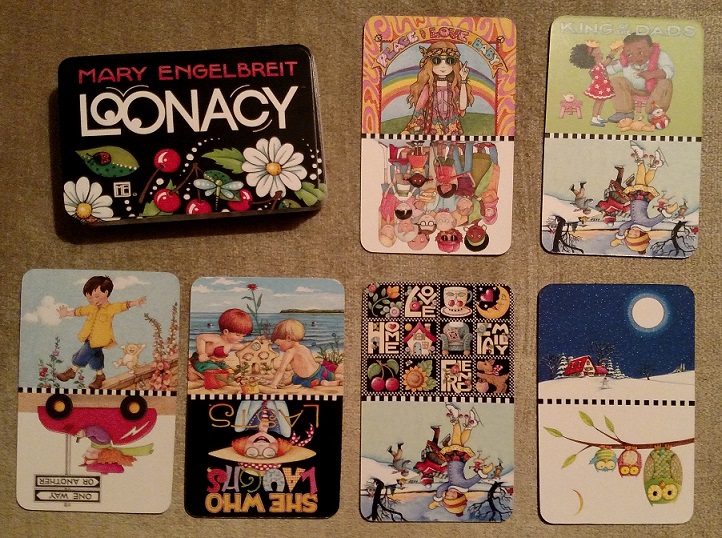
In Loonacy, players compete to dump all of the cards in their hand by dropping them one-at-a-time into various piles. They do so by matching one of two symbols on their card with the symbol atop the discard piles. For instance, if you’ve got a card with an owl and a queen on it, you can drop that card onto a pile with an owl on top or a queen on top.

But since every player in the game is doing the same thing at the same time — there’s no taking turns here — it’s a race to drop a matching card from your hand before any of the other players can drop a card from theirs.

Looney Labs has published two previous editions of the game — Loonacy and Retro Loonacy — but neither is as eye-catching, as lovely, as charming, or as unexpected as the latest edition, Mary Engelbreit Loonacy.

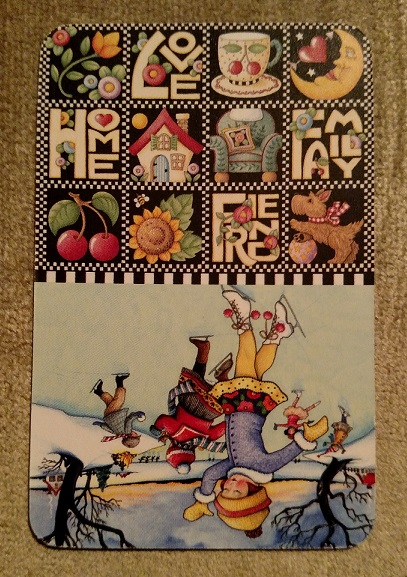
Unlike the cartoony character-centric images of the original or the nostalgia-fueled artsy icons of the retro version, Mary Engelbreit Loonacy brings a peaceful, almost folksy sense of style and humor to the game.

The imagery is gorgeous and heartwarming, depicting uplifting images that would fit in with any kitchen or living room. Words of wisdom like “She who laughs, lasts” and “Sooner or later, we all quote our mothers” mix with scenes of familial bliss, childhood innocence, or simple pleasures.

In a game that’s all about observation, decision making, instantaneous pattern matching, and rapid reflexes, juxtaposing that sort of anxiety-inducing gameplay with these peaceful, fun images is a stroke of genius, one that forces you to pause, even for just a moment, in order to simply enjoy Engelbreit’s delightful art.

Mary Engelbreit Loonacy bridges the gap between the kid-oriented silly imagery of the original and the adult-oriented artsy feel of the sequel, making the best of both in one family-friendly package.

Mary Engelbreit Loonacy is available from Looney Labs and other participating retailers.

It’s also featured in our Holiday Puzzly Gift Guide, alongside all sorts of terrific puzzly gift ideas, including other Looney Labs products like Zendo, Get the MacGuffin, Star Trek Fluxx, and more!


Thanks for visiting PuzzleNation Blog today! Be sure to sign up for our newsletter to stay up-to-date on everything PuzzleNation!

You can also share your pictures with us on Instagram, friend us on Facebook, check us out on TwitterPinterest, and Tumblr, and explore the always-expanding library of PuzzleNation apps and games on our website!
A World of Puzzle Luxury

As recreational pastimes go, puzzles are pretty affordable.

A New York Times crossword subscription runs you $40 for the year. Many top constructors — like those featured in our Holiday Puzzly Gift Guide — offer outstanding puzzles on a weekly basis for less than that.

Puzzle magazines like those from our friends at Penny Dell Puzzles run $5 to $10 (even for the big ones!) and puzzle collections by constructors and puzzle outlets rarely crack double digits.

(Heck, our apps are free downloads!)

So you can imagine my surprise when I saw some constructors on Twitter discussing a subscription service called Puzzlelux that costs nine hundred dollars a year!

[In this actual photo from the website, a woman from a 1990s Calvin Klein TV ad appears to be mildly inconvenienced by an elegant puzzlenado that has swept her into the air, risking all sorts of luxurious papercuts.]

Yes, Puzzlelux offers seasonal bundles of puzzles — Sudoku, crosswords, Cryptograms, and word scrambles — for $75 a month.

Now, not having solved any of their puzzles, I cannot fairly judge whether they’re worth that kind of cash splashing. But I am skeptical, given that I can get awesome puzzles elsewhere for 1/30th that price.

I mean, $899 dollars is pretty steep. A trip on Cunard’s crossword cruise last year was cheaper than that!

Of course, I shouldn’t be surprised that someone came along to corner the market on high-end puzzlesmithing, since in the past, I have encountered a few examples of puzzle luxury items in my travels.

Every year in the Holiday Puzzly Gift Guide, I jokingly mention that the folks at Hammacher Schlemmer offer a $12,000 Scrabble game in their catalog.

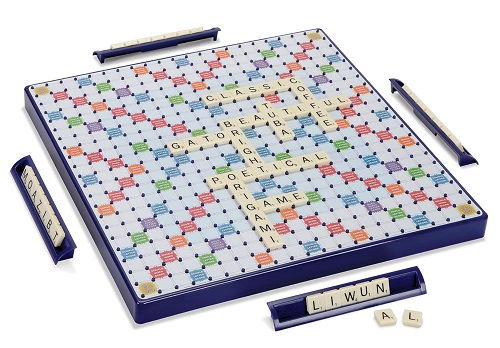
Yes, The World’s Largest Scrabble Game takes up an entire wall of your home, but the odds are slimmer that you’ll ever misplace one of the game tiles in your couch cushions.

Then again, $12,000 looks reasonable next to $100,000, which was the price tag for a specialty version of Monopoly produced for FAO Schwarz.

With a solid gold board, emeralds and sapphires embedded in the board (as well as in hotels and houses), and real U.S. currency in place of the play money, this might be the peak of puzzle-game excess.

Unless, of course, you commission your own labyrinth, or want to solve Sudoku in space, or something like that. But who knows what the future holds for super-wealthy puzzlers out there?


Thanks for visiting PuzzleNation Blog today! Be sure to sign up for our newsletter to stay up-to-date on everything PuzzleNation!

You can also share your pictures with us on Instagram, friend us on Facebook, check us out on TwitterPinterest, and Tumblr, and explore the always-expanding library of PuzzleNation apps and games on our website!
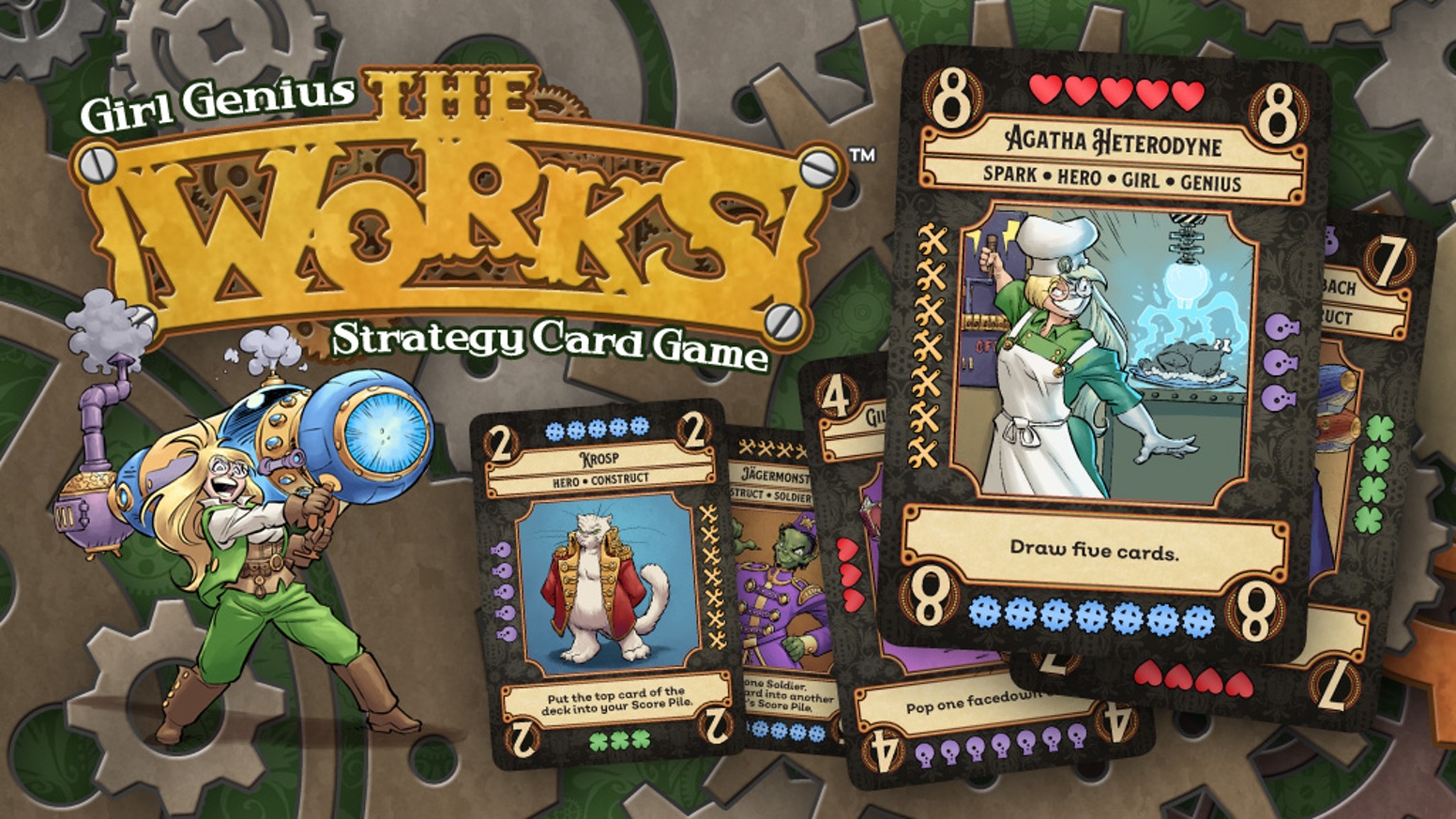
PuzzleNation Product Review: Girl Genius: The Works

[Note: I received a free copy of this game in exchange for a fair, unbiased review. Due diligence, full disclosure, and all that. And this concludes the disclaimer.]

Some games are famous for their many moving parts. Mousetrap and The Grape Escape both come to mind, since players move around — or through — a machine in order to complete the game.

But what if every character in a game was a cog in a vast machine? Imagine heroes and villains making their moves as the plot whirls around them, constantly altered by their choices, until someone emerges as the victor.

Girl Genius: The Works places two or more players inside the guts of that machine, and leaves them to figure out how to make the machine work for them.

It’s a card game that mixes simple moves — flipping, spinning, removing, and replacing cards — with deep strategic gameplay, since any card could start a chain reaction that hands you or your opponent points.

The basic idea centers around a board made up of 12 facedown cards. Each player takes turns trying to score points by “popping” cards and adding them to their score pile.

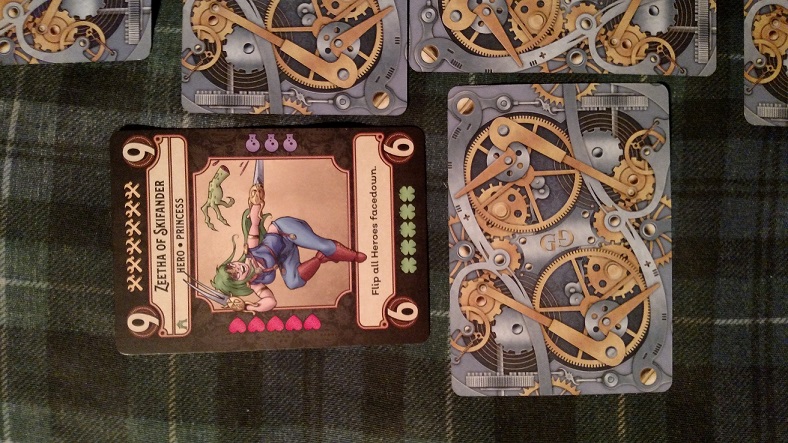
To do so, the player flips over a card on the board, revealing the character, the pattern of symbols along each edge, the card’s score value, and what happens when the card is popped.

The player must then spin a faceup card 180 degrees, with the goal of matching the symbols along one side of the card with the symbols on a neighboring card in the machine.

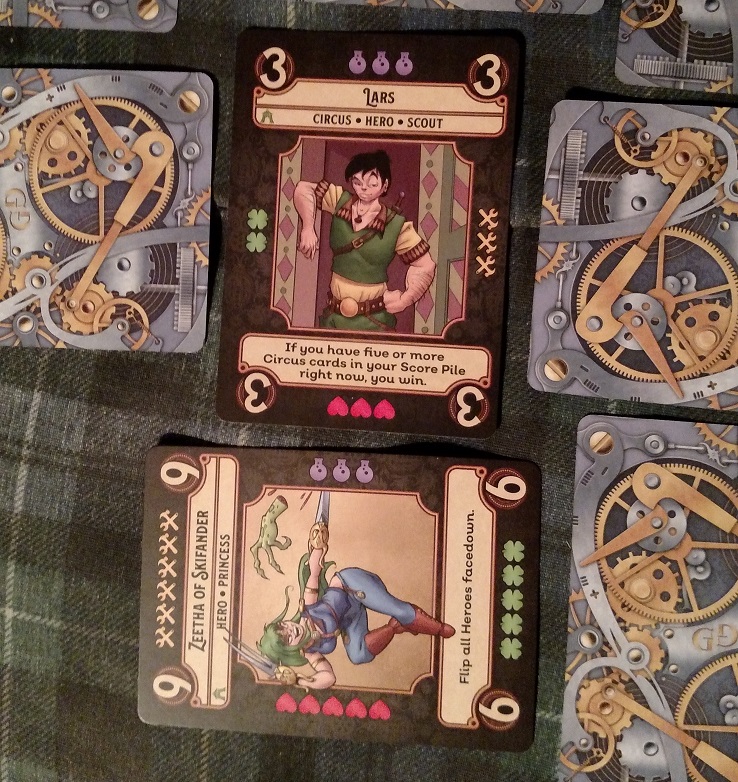
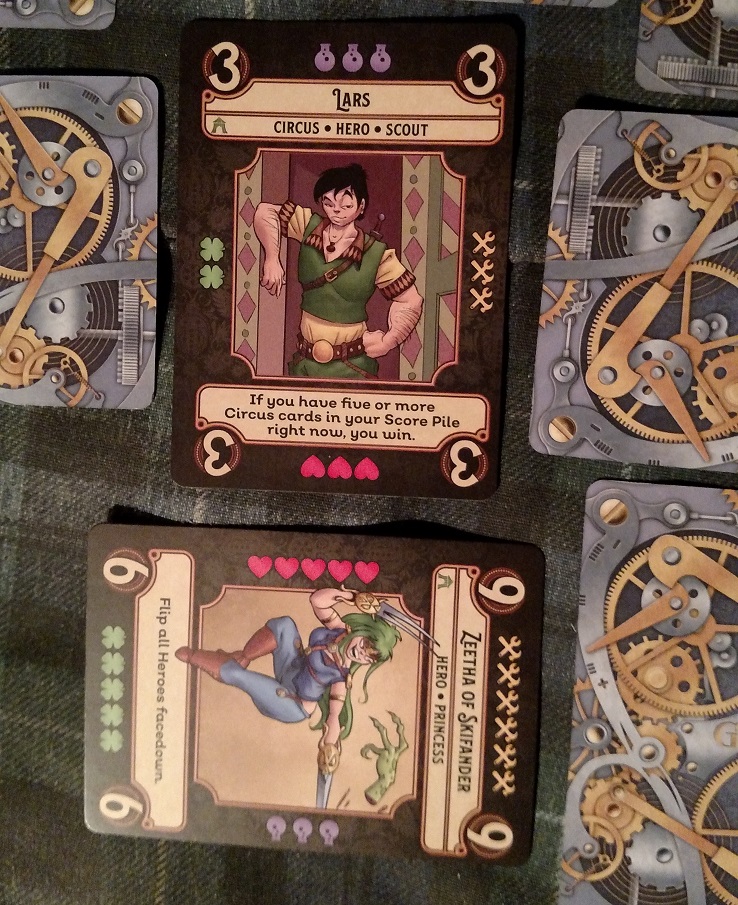
If the symbols match up, that spun card is popped, meaning you pick it up, and follow the instructions on the card. These instructions can range from drawing cards or popping additional cards to stealing cards from other players, rearranging the game board, or even new rules that allow you to win the game immediately.

[In our case, the card instructed us to turn all hero cards facedown.]

Once you’ve added that card to your score pile, you replace it with a card from your hand, rebuilding the machine. (Each player gets five cards in their hand to start.) Play then passes to the next player.

The wow factor of Girl Genius: The Works comes in those moments when you pop cards. The right combination of symbols can have you popping multiple cards at once, and once you start reading the instructions on those popped cards, the game can swing wildly into one player’s favor or another.

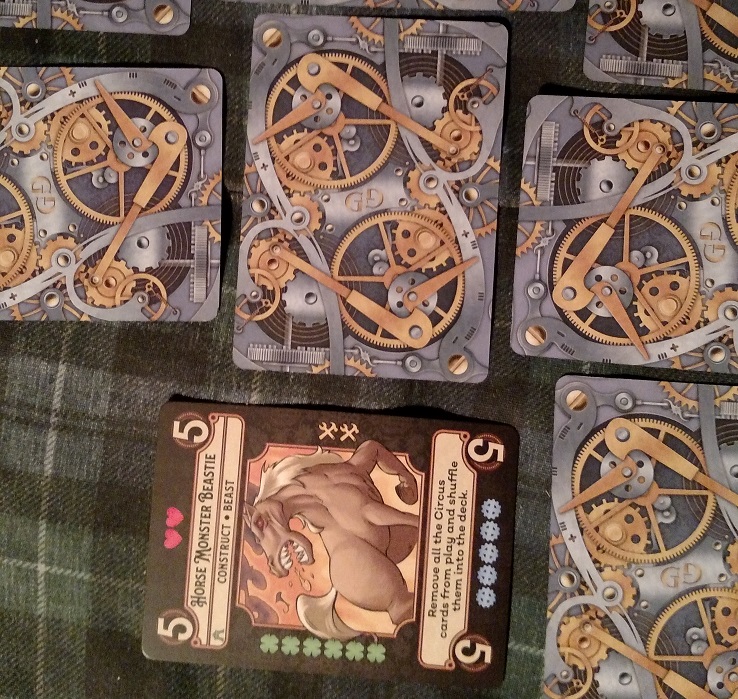
The characters on each cards, based on the long-running Girl Genius webcomic, are vivid and entertaining, and the attention to detail on the art extends to the back of the cards, where the interlocking gears depicted give you the image of a complicated, multilayered machine you’re manipulating to your own ends.

Plus, the board is different every time you play, adding a lot of replayability to a single deck. And remember, there are four decks to mix and match as you see fit, based on different storylines in the Girl Genius universe: Castle Wulfenbach, Master Payne’s Circus of Adventure, Castle Heterodyne, and The Siege of Mechanicsburg.

That means you can play with practically endless combinations and permutations. Heroes and villains will collide in ways you never expected, based on simple actions like spinning cards.

The strategy element is almost stealthy, because players get into the game too quickly to be intimidated by the sheer number of possible choices the cards allow. There’s no chance for new players, or younger players, to be overwhelmed, because they’ll be too busy enjoying flipping, spinning, and popping cards, and watching the machine spring into action.

Girl Genius: The Works is terrific fun, a marvelous gateway into strategy card games, deck-building games, and more complex board games in general.

Girl Genius: The Works is available from Cheapass Games.

Be sure to check out all four decks to get the full Girl Genius card game experience, and visit our Holiday Puzzly Gift Guide for more puzzly gift ideas, including other Cheapass Games products like Button Men and The Island of Doctor Lucky!


Thanks for visiting PuzzleNation Blog today! Be sure to sign up for our newsletter to stay up-to-date on everything PuzzleNation!

You can also share your pictures with us on Instagram, friend us on Facebook, check us out on TwitterPinterest, and Tumblr, and explore the always-expanding library of PuzzleNation apps and games on our website!
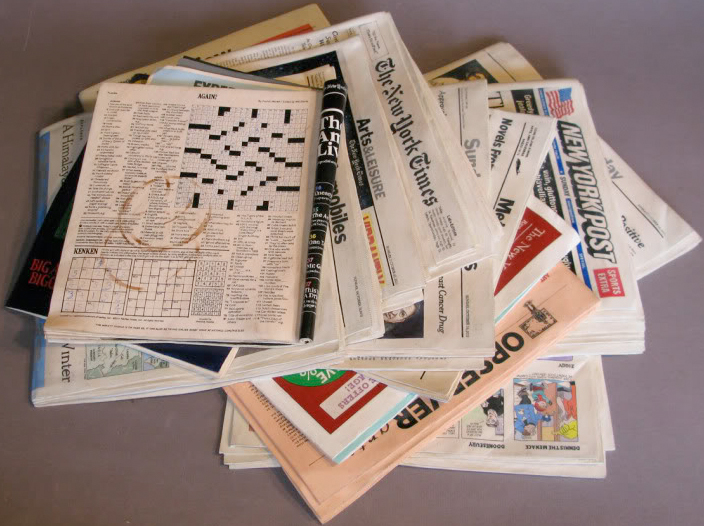
Scrabble and Gender Politics?

Gender equality is a hot-button issue these days, as it should be. In the US, one political party is hellbent on regulating reproductive rights (and women’s bodies in general), even as the opposing party saw more women elected into public office than ever before.

Women of color and LGBTQIA+ women continue to seek equal and fair representation in all areas, from political and economic to social, and these discussions are important. They should be part of the national — and global — conversation.

You might think this has nothing to do with the world of puzzles and games, but you’d be wrong. The stigma of Gamergate still hangs over the heads of many in the video game industry, after a small, yet vocal and toxic, group of video game fans targeted and harassed female coders and game designers. There have been smaller stories in the board game industry as well, where companies have agreed not to associate with certain individuals with troublingly sexist backgrounds.

Even the puzzle world isn’t immune to this. Earlier this year, I wrote about how few women are published in major crossword outlets, despite the wealth of talent out there.

So when I stumbled across an opinion piece in the Wall Street Journal about gender inequality in the world of competitive Scrabble, I was intrigued.

The author argues that “Females aren’t as obsessively driven as males to nail down facts, correct errors, and dominate a field,” and uses the Scrabble tournament as a microcosm, implying that the same argument applies to STEM fields and other intellectual competitions like the National Geographic Geography Bee.

From the article:

Competitive Scrabble constitutes a natural experiment for testing the feminist worldview. According to feminist dogma, males and females are identical in their aptitudes and interests. If men dominate certain data-based, abstract fields like engineering, physics and math, that imbalance must, by definition, be the result of sexism—whether a patriarchal culture that discourages girls from math or implicit bias in the hiring process.

But there are no cultural expectations that discourage females from memorizing dictionaries—a typical strategy of competitive Scrabble players, often in a foreign language that the player doesn’t speak. Girls are as free as boys to lap up vocabulary. Nor are there misogynist gatekeepers to keep females out of Scrabble play; the game, usually first learned at home, is open to all. According to Hasbro, 83% of recreational Scrabble players 25 to 54 are female.

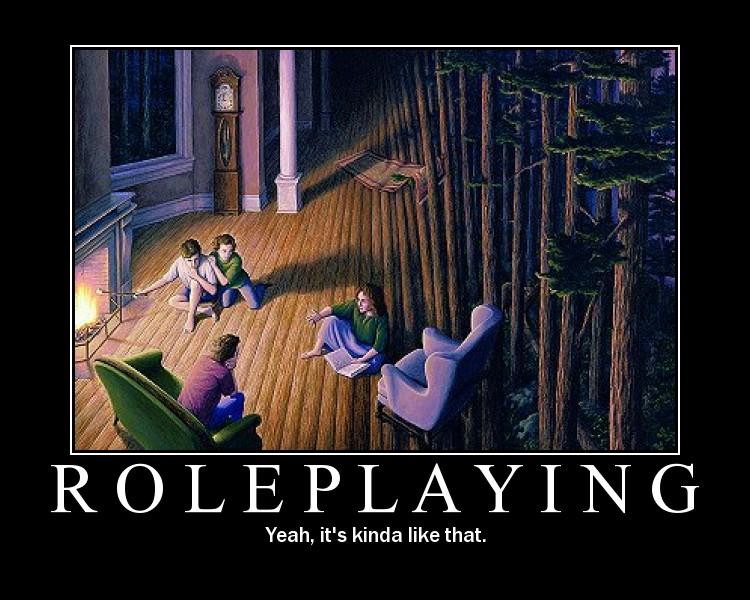
Now, firstly, there is misogynist gatekeeping in most every social activity. You can go back and read the interviews I did for my Women in Roleplaying Games post earlier this year for some telling firsthand accounts.

I can’t argue with the stats on recreational Scrabble players. Most of the Scrabble players (and Words With Friends players, and other offshoots) are women. Heck, in my group of friends, one Scrabble rivalry escalated so much that the loser of a particularly high-stakes match had to compose and perform a song dedicated to the winner’s Scrabble mastery!

But the author is missing a major point about discouragement vs. encouragement. Sure, many of those recreational Scrabble players are female, but being introduced to a game in your youth and being encouraged to excel at it are two very different things. Girls are not necessarily as free as boys to lap up vocabulary, unless they’re raised in a household where such learning is equally encouraged.

Girls and young women still struggle under weighty cultural expectations, both in terms of what their interests should be and what fields they should focus their competitiveness on. To act like every household treats boys and girls the same is a ridiculous act of simplification on the author’s part.

There is a huge difference between not being discouraged and actively being encouraged. I’ve had the privilege of interviewing many of the top crossword constructors in the field today, and one thing that many of them, male and female, have in common is being encouraged at a young age to pursue their interest in puzzles.

There’s no gender disparity in competitors at the Scripps National Spelling Bee, either in terms of competitors or winners, and the parental and familial encouragement for those children is obvious in any interview package.

Plus, there’s the issue of whether competitiveness is encouraged. All too often, you hear stories about girls’ and women’s interest in a topic being quashed by discussions of “what’s appropriate” or “what’s ladylike” or some other nonsensical idea of how to BE a woman.

You hear it all the time in the language employed by misogynists; A man is competitive, a woman is aggressive. A man is outspoken, a woman is pushy. The double standard is very much a thing, and whether we’re talking about households, board rooms, or game rooms, these inequities should be challenged.

We still have huge strides to make in terms of ameliorating gender inequality in our society, and the little fights matter as much as the big ones. The author states that “the National Science Foundation pours millions of taxpayer dollars into intersectionality and microaggression studies to smoke out invisible STEM sexism and to promote diversity in research labs.”

Invisible? Hardly. I was a physics student as a freshman in college, and I saw the one female student in my classes run off by this supposedly invisible STEM sexism. I wish I had spoken up more then.

I hope that continuing to speak up now in some small way makes up for it.


Thanks for visiting PuzzleNation Blog today! Be sure to sign up for our newsletter to stay up-to-date on everything PuzzleNation!

You can also share your pictures with us on Instagram, friend us on Facebook, check us out on TwitterPinterest, and Tumblr, and explore the always-expanding library of PuzzleNation apps and games on our website!

PuzzleNation’s 2018 Holiday Puzzly Gift Guide!

Happy Holidays and welcome to the PuzzleNation Blog 2018 Holiday Puzzly Gift Guide!

Each year, we scour the world of puzzles and games for the best, the most engaging, the most creative, and the most enjoyable products we can find, and we think this year’s collection is the best we’ve ever had!

We’ve got three different versions of the Gift Guide for your perusal, each of them absolutely loaded with all sorts of puzzly goodness and designed to make your puzzle and game shopping as easy as possible!

You can view the products in the Gift Guide organized by category, by age group, or randomly in a grab bag format!

So, if you’d like to view products sorted by category (puzzle games, board games, puzzle books, etc.), click the wreath!

If you’d like to view products sorted by age group, click the penguin!

And if you’ve got a puzzle lover on your list and you’re not sure what to get them, you can scroll through a wonderful mixed bag of products by clicking the crossword tree!

A lot of terrific companies and puzzle constructors are taking part in our gift guide this year, and we’re sure you’ll find something for every puzzle lover on your list!

Happy browsing and happy puzzling to you and yours!