
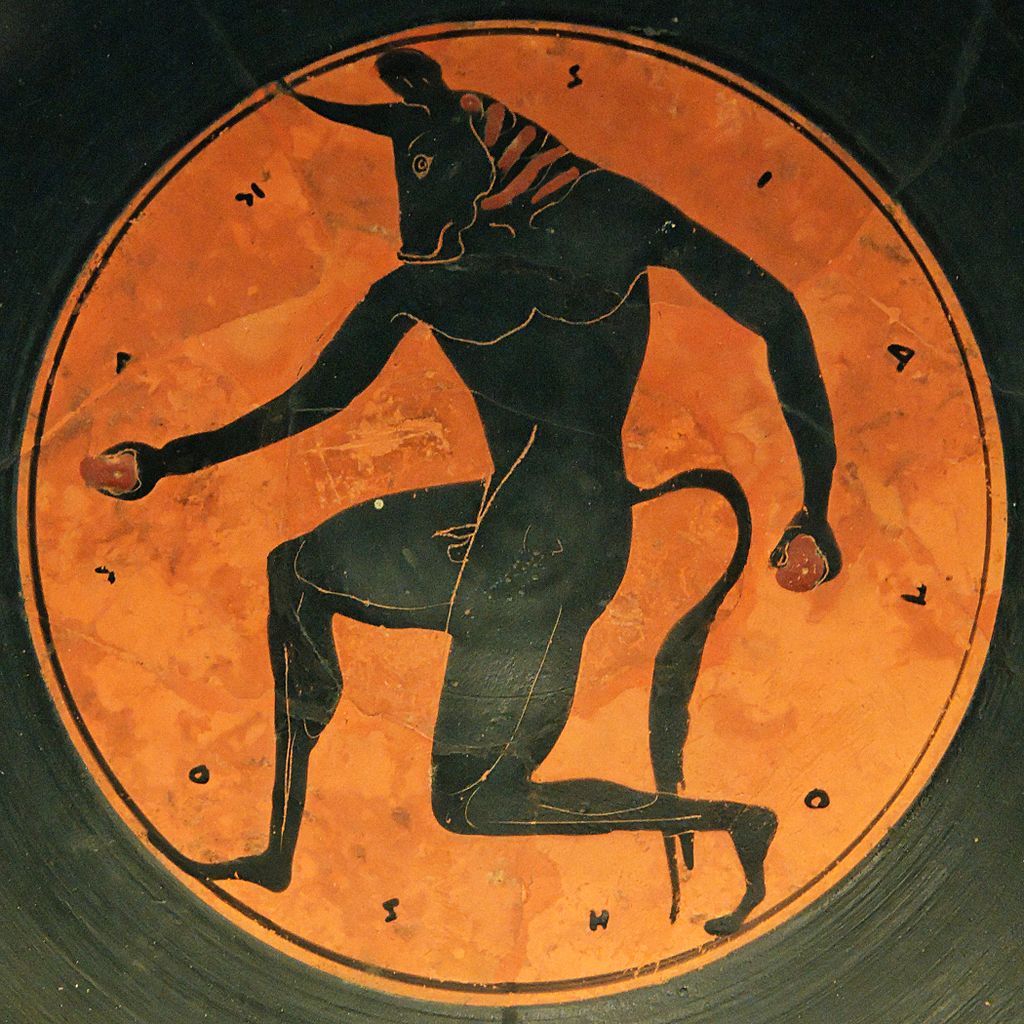
When you think of mazes, there’s probably no figure more iconic than the legendary minotaur.
The Bull of Minos — the direct translation of “minotaur” — called an elaborate labyrinth on the island of Crete home. This labyrinth, built by Daedalus, was said to be inescapable.
Even if you’re not a fan of Greek mythology, you probably know the basics of the story. Unsolvable maze. Half-man, half-bull. It’s all pretty simple.
So you can imagine my surprise when I stumbled upon not one, but TWO different videos talking smack about one of my favorite mythical creatures!
The first one discussed the intelligence of the minotaur:
Now, a very simple misconception lay at the heart of this video. The speaker is conflating two different definitions of labyrinth.
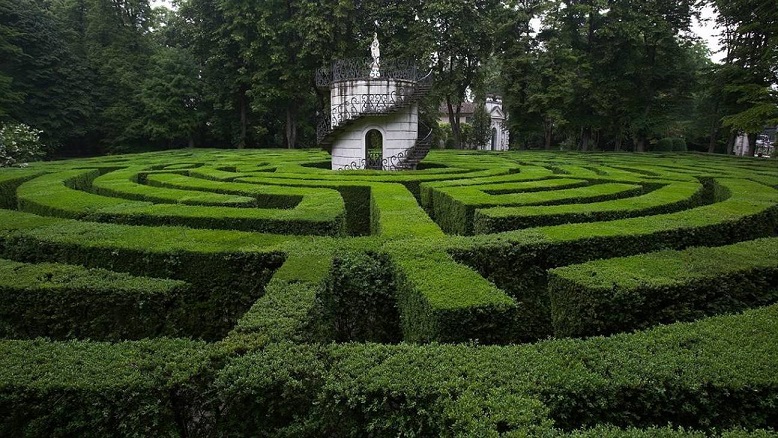
The first is the traditional idea of an elaborate maze full of intricate passageways, blind alleys, and torturous complexity.
The second refers to labyrinth gardens, which are designed to be walked slowly, meditatively, and take you on a journey through a series of paths and concentric circles, but one that can be easily navigated or escaped. None of the trickery or challenge of a traditional labyrinth.
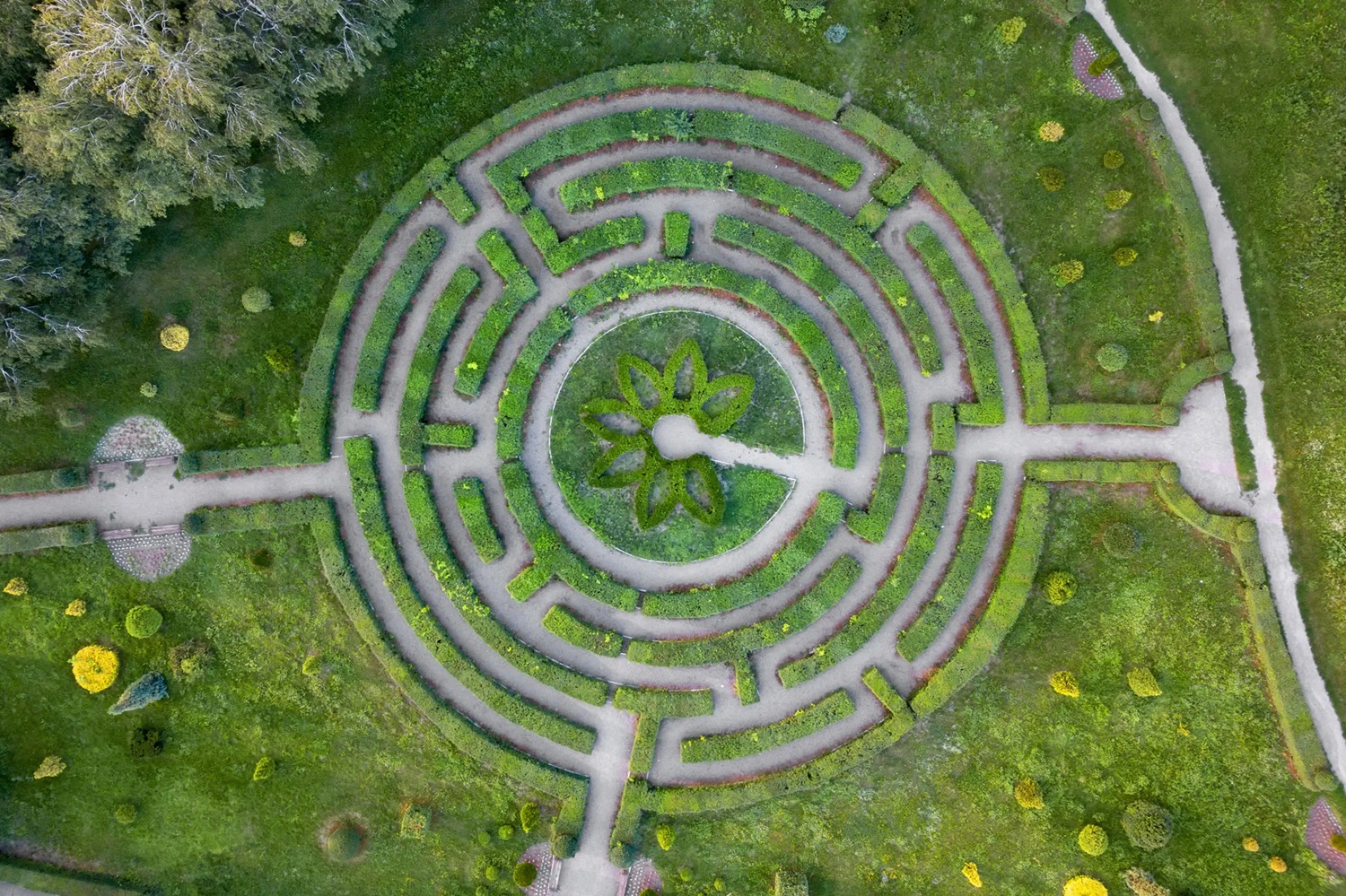
So when the above video claims that a minotaur would have to be pretty stupid to fail to escape the labyrinth, they’ve got the wrong labyrinth in mind.
This brings us to the second video of the day, which discusses how minotaurs have been adapted for the Dungeons & Dragons roleplaying game:
The speaker claims that D&D’s minotaurs don’t make sense, since they “can never get lost in a maze and will always find a way out.”
So, I went to verify what he said.
He referred specifically to the 5th edition version of the minotaur, so I checked both the 5th edition Monster Manual and the Monsters of the Multiverse sourcebook released later.
In the MM, all I find is this: “the minotaur can perfectly recall any path it has traveled.”
So what? There are a LOT of paths in a labyrinth, and remembering which ones you’ve walked doesn’t necessarily make you better at finding your way out.
Plus, how long is a path? How is the start or end of a path defined? Maybe our life is one LONNNNNG path, and he’s gotta recall ALL of it?!
This ability is restated in the Monsters of the Multiverse book as “you always know which direction is north”. That’s it. Cool. That’s great for navigation, but also not terribly helpful when it comes to solving mazes.
So I’m not really sure where he’s getting the whole “effortlessly defeats mazes” thing. I mean, the original Minotaur never bested the labyrinth. He was killed by Theseus there.
But, for the sake of thoroughness, I grabbed my 3rd edition Monster Manual off the shelf to see what it had to say about minotaurs.
The book states that minotaurs can’t ever become lost and are “immune to maze spells” (which banish someone to an extradimensional labyrinth).
“Can’t ever become lost” is incredibly open to interpretation. Does it always know the way out of a place? Or does it always know WHERE it is in a vague sense? There’s a big difference between knowing where the exit of a labyrinth is and simply knowing you’re in a labyrinth.
Like, if I know I’m in New York City, does that mean I have any idea where I’m going? Not necessarily.

So, where does this leave us?
Well, in short, it tells me that people don’t necessarily know what a labyrinth is or what it means to have the skills of a minotaur.
After all, do we know if the original Minotaur ever really wanted to leave? He got regular deliveries of food, and was otherwise left to his own devices.
Doesn’t sound so bad, really. Anyone know a labyrinth that’s hiring right now?
 PuzzCulture