
Where do you get started with crossword solving?
I see that question a lot. And the advice offered to new solvers varies. Sometimes they’re pointed particular crossword outlets promising a more newbie-friendly solve. You certainly don’t want someone tackling a crossword too difficult for their skill level and getting discouraged.
Often, they’re told to just plug away at it, since the only way to get better at crosswords… is by solving crosswords.
None of this advice is wrong. I’m sure people follow these suggestions and slowly start to enjoy this puzzly world that many of us have embraced for decades.
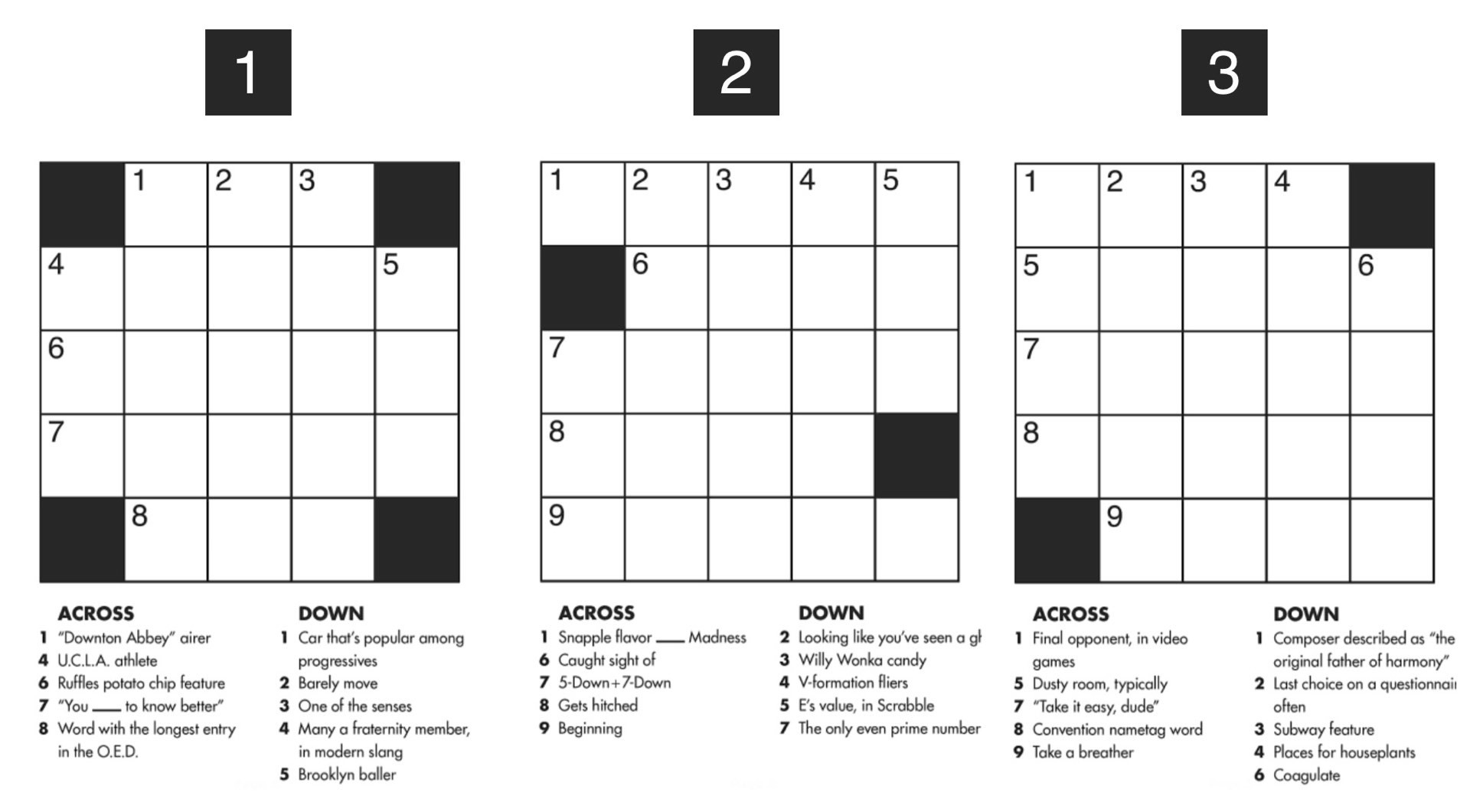
You might think that Mini Crosswords, like those featured in the New York Times puzzle app, are the way to go. But while the grid is smaller, that also means new solvers have fewer chances to find crossings and work on their solving.
Imagine a regular crossword. A Mini is essentially one corner of the grid. If you started a crossword in one corner, and didn’t get any entries, you can move to another spot. But if you’re stumped on a Mini, where do you go?
I also think the running timer feature — although obviously not a necessity for solvers — can add to a new solver’s anxiety. If you’re stumped, and you’re just sitting there, watching the timer tick away, that’s going to eat at your confidence a bit.
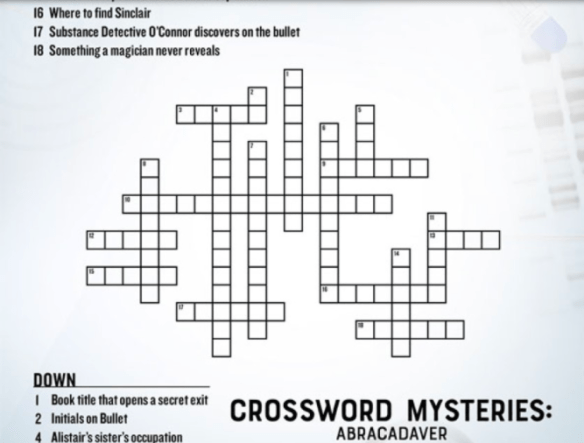
You might think that crisscross-style puzzles (like the one above) would be less intimidating, since they don’t have the same dense grid surrounded by clues that crosswords have, but I’ve found that folks don’t warm to those quickly. No matter how well-constructed the crisscross, it tends to remind people of activity books for kids, and no one wants to feel patronized when trying out a new hobby or giving it another go.
Not only that, but they are missing one of the most helpful components to crossword solving: all the overlapping letters! In a crossword, you have two chances at every single box because of the across and down clues. But in a crisscross, you usually only have one or two points of overlap, so if the clue isn’t helpful or intuitive, you’re just stuck. That doesn’t build solver confidence.
I do have a suggestion, though.
I’ve tried this with several friends and acquaintances who had sworn off crosswords entirely, and not only introduced them to a new puzzle they didn’t know, but opened their eyes to the possibility of more puzzle solving in the future.
My solution was: Fill-Ins.
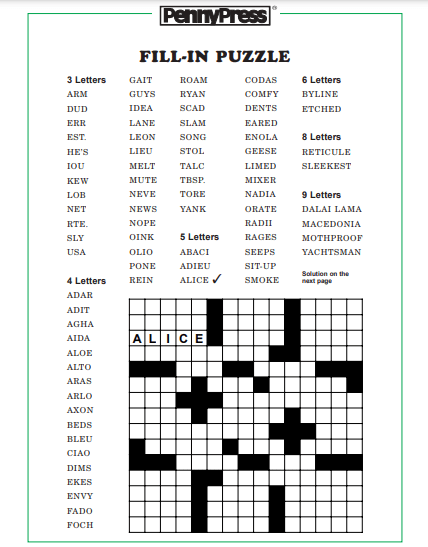
Check out their fill-in library here!
For the uninitiated, fill-ins utilize the same general grid style as a crossword. But instead of answering numbered clues to place the words in the grid, you’re already given the answer words, organized by word length. Your task is to place them all into the grid, using other words and letters in the grid to guide you.
It’s closer to Sudoku-style solving than crosswords, because you’re eliminating options in a logical manner, rather than figuring out clues to place the words.
I believe solving fill-ins helps remove the intimidation factor of crosswords in three ways:
1. No trivia or outside knowledge is required, which removes a huge burden from a solver who has probably felt overwhelmed by crossword cluing in the past.
2. It makes empty crossword grids less intimidating. Do you ever have those moments where you read three or four crossword clues in a row and you don’t immediately conjure up answers? And then you look at all those empty spaces in the grid and feel dumb? It happens. But fill-ins often have a set word to get you started, and once you start placing letters, recognizing useful crossings, and filling the grid, all that goes away.
3. Fill-ins help strengthen another skill valuable in crossword solving: letter-blank recognition. If you see B _ U _ , a regular solver instantly starts listing off possibilities: BOUT, BLUE, BLUR, BAUD, etc. But a new solver — who might not have that reflexive knowledge of possible words — can read through the list of four-letter words and see what fits, helping to build that mental lexicon for future solving.
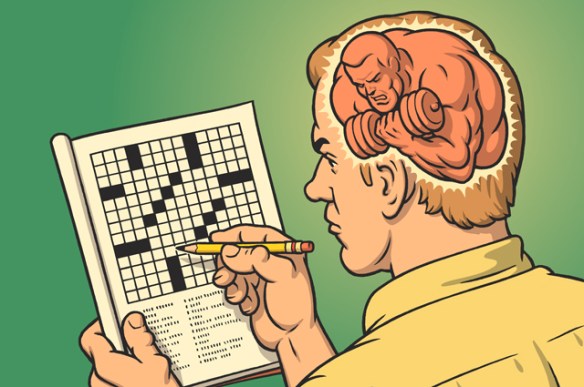
After solving a handful of fill-ins, word placement goes quicker, confidence in filling in those letter blanks increases, and empty grids become fields of potential puzzle fun, not stark empty spaces.
I’ve suggested fill-ins to several crossword-shy or puzzle-shy friends, and usually, a few weeks later or so, they start asking what other puzzles are out there, or where a good place to start with crosswords might be. And that’s a win.
Happy puzzling, everyone!
 PuzzCulture